
Vegan Diet Nutrition Facts: The 30-Day Science Protocol
Vegan diet nutrition facts science has been distorted by both critics who cherry-pick deficiency data and advocates who dismiss genuine nutritional gaps. The result is confusion, contradictory advice, and vegans quietly struggling with fatigue, hair loss, or poor recovery without understanding why. This guide gives you the complete evidence-based breakdown of macronutrient targets, the six micronutrients that determine long-term health, deficiency prevention protocols, and a structured 30-day framework that ensures every nutritional need is met without guesswork or expensive supplements you do not need.
This guide to vegan diet nutrition facts science covers clinical macronutrient targets (protein at 1.2-1.6g/kg, carbs at 45-65% of calories, fat at 20-35%), the six critical micronutrients (B12, vitamin D, iron, zinc, iodine, omega-3) with deficiency prevalence data and food sources, a week-by-week body adaptation timeline, a head-to-head vegan versus omnivore nutrient comparison, debunking of the five most persistent vegan nutrition myths, and a chef’s protocol for building nutritionally complete meals. All claims are referenced to peer-reviewed research.
What the Science Actually Says About Vegan Diets
The vegan diet nutrition facts science base has expanded substantially over the past decade. The BROAD study (Wright et al., 2017, Nutrition and Diabetes) followed 65 participants over 12 months on a low-fat whole-food vegan diet and documented statistically significant improvements in body weight, lipid profiles, and blood pressure compared to baseline. The study’s dropout rate was lower than typical dietary intervention trials, suggesting high acceptability.
However, the same evidence base identifies specific nutritional risks. A systematic review of vegan nutrition (Melina et al., 2016, Journal of the American Dietetic Association) concluded that well-planned vegan diets are appropriate for all life stages but that B12 deficiency is universal without supplementation, and iron, zinc, iodine, and vitamin D require deliberate attention. The difference between a healthy vegan and a deficient one is not ideology but knowledge and execution.
Vegan Diet Macronutrient Facts: Protein, Carbs, Fat
Vegan diet nutrition facts science regarding macronutrients often generates more confusion than clarity. The protein question dominates public discussion, but carbohydrate quality and fat composition are equally consequential for long-term health outcomes.
Protein: Targets, Sources, and the Leucine Threshold
The recommended dietary allowance for protein is 0.8g per kilogram of body weight for sedentary adults. For active individuals, the optimal vegan protein intake rises to 1.2 to 1.6g per kilogram. A 70kg active adult therefore requires 84 to 112g of protein daily. This target is readily achievable from legumes, tofu, tempeh, seitan, and whole grains without protein powders.
The critical variable for muscle protein synthesis is not protein completeness but the leucine threshold of approximately 2.5 to 3g per meal. Leucine is the primary amino acid that activates the mTOR pathway, triggering muscle protein synthesis. Tofu delivers 1.8g leucine per 200g serving. Tempeh delivers 2.2g. Combining lentils (1.3g per cup cooked) with rice (0.6g) reaches the threshold across a complete meal.
Carbohydrates: Quality Over Quantity
Vegan diets are naturally higher in carbohydrates. The distinction between whole-food carbohydrates and refined carbohydrates determines metabolic outcomes. Whole-food sources (legumes, whole grains, vegetables) deliver fibre at 30 to 50g daily, which triggers GLP-1 and PYY satiety hormone release through colonic fermentation. Refined carbohydrates (white bread, sugary cereals, fruit juices) lack this mechanism and correlate with poorer metabolic outcomes.
Fat: The Omega-3 Gap
Vegan diets tend to be lower in saturated fat and higher in polyunsaturated fat. The omega-3 fatty acid alpha-linolenic acid (ALA) is present in flaxseeds, chia seeds, walnuts, and hemp seeds. However, conversion of ALA to EPA and DHA is limited at approximately 5 to 10% for EPA and 2 to 5% for DHA. Vegans who do not consume algal oil DHA supplements have lower blood DHA levels than omnivores, though the clinical significance of this difference remains under investigation.
The 6 Critical Micronutrients Vegans Must Track
Vegan diet nutrition facts science identifies six micronutrients where plant-based eaters have higher deficiency risk without deliberate planning. The ranking below shows estimated deficiency prevalence based on observational data.
Vitamin B12: The Non-Negotiable Supplement
No plant food reliably provides bioavailable B12. The B12 supplementation protocol requires either 50mcg daily (cyanocobalamin form) or 2,000mcg weekly. B12 deficiency causes neurological damage, peripheral neuropathy, and elevated homocysteine (a cardiovascular risk factor). The cost of supplementation is under $10 annually. Every vegan must supplement B12. Fortified nutritional yeast contributes but cannot be relied upon as the sole source.
Iron: Absorption Over Intake
Vegan iron intake is often adequate, but non-haem iron absorption is lower than haem iron. The solution is strategic pairing: include vitamin C at the same meal (tomatoes, citrus, bell peppers, broccoli). A lentil and tomato soup has 3 to 4 times the absorbable iron of lentils eaten alone. Avoid tea or coffee within one hour of iron-rich meals, as tannins inhibit absorption.
Zinc, Iodine, Vitamin D, and Omega-3
Zinc: Pumpkin seeds, chickpeas, lentils, and cashews. Soaking legumes and grains reduces phytate inhibition. Iodine: Iodised salt or nori seaweed. Half a teaspoon of iodised salt meets daily requirements. Vitamin D: Vegan D3 from lichen at 600 to 2,000 IU daily, particularly in winter or at higher latitudes. Omega-3: Ground flaxseed, chia seeds, walnuts, or algal oil DHA supplement.
Ingredient Spotlight: Fortified Nutritional Yeast (2 tbsp)
The single most efficient micronutrient delivery vehicle in vegan cooking. Two tablespoons provide 8mcg of cyanocobalamin B12 (330% DV), 5mg zinc (45% DV), and a savoury, cheesy flavour that works on pasta, popcorn, soups, and grain bowls.
B12: 8mcg per serving. Zinc: 5mg. B6: 2.5mg. Use daily as a savoury seasoning to supplement your primary B12 protocol.
Vegan Nutrition by Life Stage
Vegan diet nutrition facts science confirms that well-planned vegan diets support all life stages, but each stage has distinct nutritional priorities.
Pregnancy and Lactation
The vegan pregnancy nutrition protocol prioritises B12, iron, zinc, iodine, DHA, and adequate protein. The requirement for DHA increases during the third trimester for fetal neural development. Algal oil DHA supplementation (200 to 300mg daily) is strongly recommended. Protein targets rise to 1.2 to 1.4g per kilogram. Iron requirements increase to 27mg daily, best met through lentils, tofu, and fortified cereals with vitamin C pairing.
Infants and Children
Growth requires adequate energy density. Vegan children need calorie-dense foods: avocados, nut butters, coconut yoghurt, and cooked legumes. The primary risk is inadequate zinc and iron from low-energy, high-fibre meals that fill small stomachs before nutrient needs are met. Fortified plant milks (unsweetened) provide calcium, B12, and vitamin D.
Athletes
Vegan athletic performance requires protein at 1.4 to 2.0g per kilogram, leucine-rich meals, and strategic carbohydrate timing. The evidence base includes professional athletes across endurance and strength sports. The primary adaptation is increased meal frequency to achieve protein targets without excessive single-meal volume.
Older Adults
Sarcopenia (age-related muscle loss) risk increases after age 50. Protein requirements rise to 1.2 to 1.5g per kilogram. The leucine threshold becomes more important. B12 absorption decreases with age regardless of diet, making supplementation essential. Vitamin D requirements increase to 800 to 2,000 IU daily.
What Happens to Your Body on a Vegan Diet: Timeline
Vegan diet nutrition facts science includes predictable physiological changes across the first six months. The timeline below outlines what to expect and when.
Note: Individual timelines vary based on starting diet, supplementation, and overall dietary quality. The changes above are documented in clinical trials of dietary transition but represent typical rather than universal patterns.
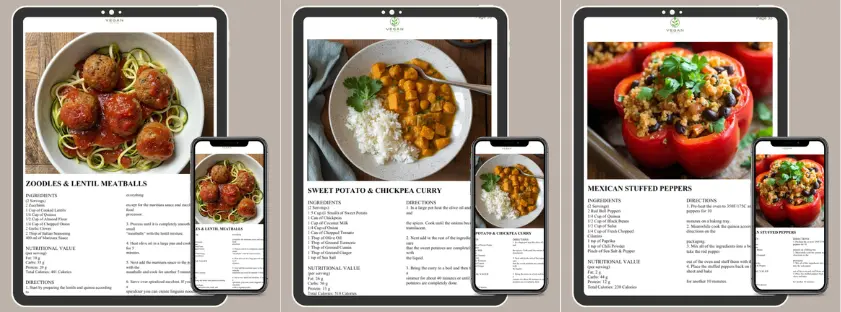
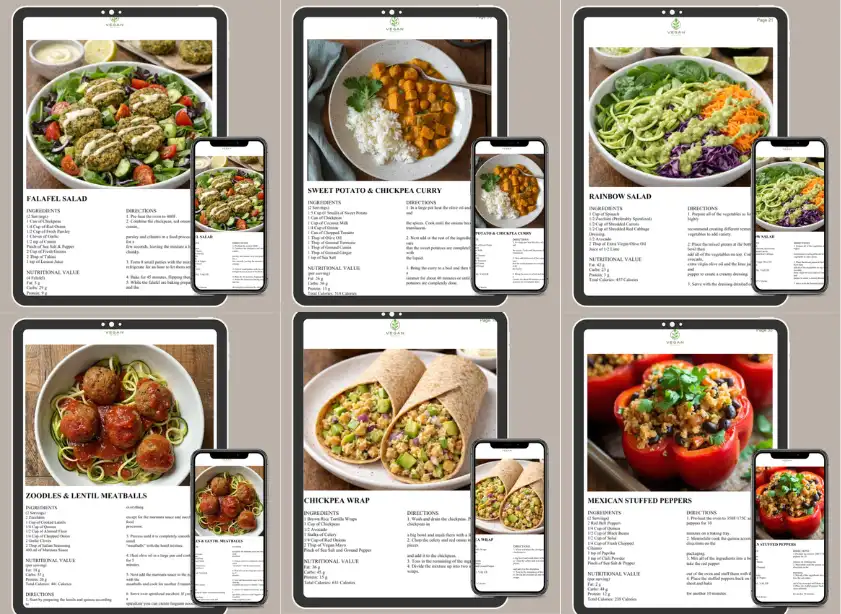
28-Day Vegan Meal Plan + Grocery list.
Transform your lifestyle with our comprehensive guide. This isn’t just a recipe book; it’s a complete system designed for success:
- 28-Day Meal Plan every meal, nothing to figure out
- 4 Weekly Grocery Lists sorted by aisle, saves money
- Balanced Macros protein, iron and B12 daily
- Under $1 Per Serving eat well on any budget
- 90-Min Sunday Prep one session, whole week fed
- Vegan Swaps Guide meat, dairy and eggs replaced
- Nutrition Toolkit protein targets and dining guide
- 36 Chef Recipes every meal photographed
Vegan Diet vs. Omnivore: The Nutrient Comparison
The vegan diet nutrition facts science comparison shows key trade-offs. The chart below highlights how well-planned plant diets stack up against typical omnivorous patterns.
The variable is planning, not the dietary pattern itself. A whole-foods, supplemented vegan diet often outperforms the typical omnivore diet in fiber and heart-health markers, while the omnivore diet typically provides easier access to B12 and high-bioavailability minerals.
The 5 Most Common Vegan Nutrition Myths Debunked
Vegan diet nutrition facts science consistently contradicts five persistent myths that discourage people from adopting or maintaining plant-based eating.
Myth 1: Vegans Cannot Get Enough Protein
False. The average vegan consumes 70 to 90g of protein daily without effort. Legumes, tofu, tempeh, seitan, and whole grains provide complete amino acid profiles when consumed in variety. The protein deficiency documented in developing countries is caused by total calorie deficiency, not protein source. No documented case of protein deficiency exists in a developed-country vegan eating adequate calories.
Myth 2: Vegan Diets Cause Iron Deficiency Anemia
False at population level. Prevalence of iron deficiency anaemia is similar between vegans and omnivores in developed countries. Vegan iron intake is often higher, though absorption is lower. The iron deficiency risk factors are identical across dietary patterns: menstruation, pregnancy, gastrointestinal blood loss, and low total intake. Vitamin C pairing normalises vegan iron status.
Myth 3: Plant Calcium Is Inadequate for Bones
False. Calcium-set tofu, fortified plant milks, kale, broccoli, tahini, and almonds provide absorbable calcium. A 2015 meta-analysis found no difference in bone mineral density between vegans and omnivores when calcium intake exceeded 500mg daily. The fracture risk observed in some vegan studies is associated with low B12 and low vitamin D, not low calcium.
Myth 4: Vegans Cannot Build Muscle
False. Numerous vegan bodybuilders, powerlifters, and endurance athletes compete at elite levels. The muscle protein synthesis mechanism requires adequate total protein and the leucine threshold. Vegan protein sources reach the leucine threshold when consumed in sufficient quantity. A 200g serving of tempeh provides 41g protein and 2.2g leucine. The same serving of tofu provides 20g protein and 1.8g leucine. Meal size, not source, is the variable.
Myth 5: Vegan Diets Are Expensive
False. The cheapest foods in any supermarket are vegan staples: dried beans, lentils, rice, oats, potatoes, carrots, onions, and cabbage. The cost per gram of protein from dried lentils is $0.08. The cost per gram of protein from chicken breast is $0.55 to $0.90. Vegan diets become expensive only when processed meat alternatives and specialty products replace whole foods.
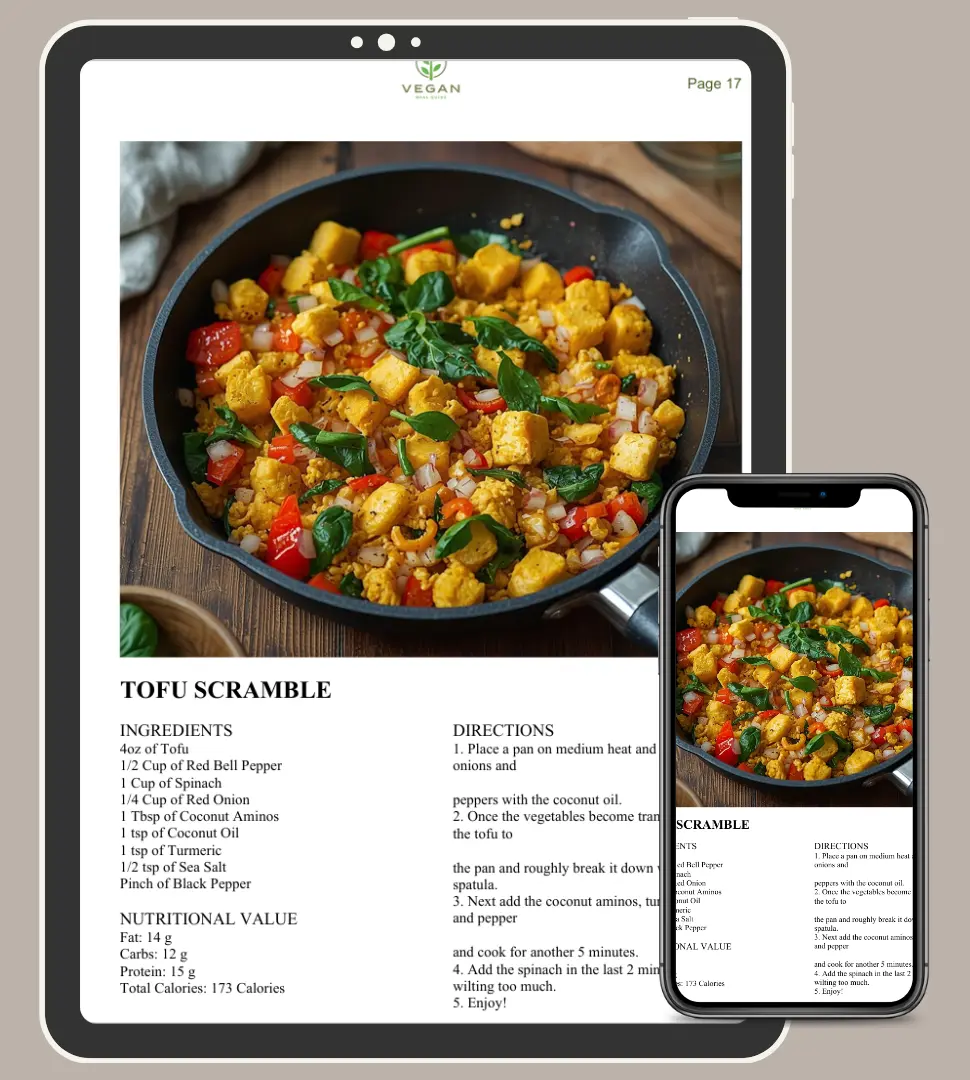
Chef’s Perspective: 20 Years of Building Nutritionally Complete Menus Across MENA and the Mediterranean
Across more than two decades working in professional kitchens across MENA and Mediterranean regions, I have watched the same pattern repeat: cooks who understand the science of nutrition build better food than cooks who do not, regardless of skill level. Knowing that a lentil and tomato combination quadruples iron absorption changes how you build a plate. Understanding that the leucine threshold determines muscle protein synthesis changes how you portion a meal.
The most common failure in vegan home cooking is not flavour. It is structure. A cook makes a beautiful grain bowl with brown rice, roasted vegetables, and tahini dressing and wonders why they feel tired two hours later. The meal lacked protein density and leucine. Add a cup of chickpeas and the satiety window extends to four hours. This is not complicated. It is nutritional literacy applied to recipe construction.
Three professional rules for nutritionally complete vegan meals: (1) Every meal contains a legume or soy product for protein density. (2) Every iron-rich meal contains a vitamin C source on the same plate. (3) Every week contains ground flaxseed or chia seeds for omega-3 balance. These three rules eliminate 90% of common vegan nutritional gaps without requiring any supplement beyond B12.
Everything I know about building nutritionally complete, flavourful vegan meals is applied directly inside the Ultimate 28-Day Vegan Meal Plan + Grocery List (Complete Solution), with nutritionist-approved recipes that ensure every meal meets protein, iron, and B12 needs, family-friendly meal prep made easy, and simple recipes with common supermarket ingredients so you never have to guess whether your meals are nutritionally complete.
Frequently Asked Questions About Vegan Diet Nutrition Facts Science
Do vegans really need to supplement B12, or can fortified foods provide enough?
Fortified foods (nutritional yeast, plant milks, breakfast cereals) provide B12 but are not reliable as a sole source due to variable fortification levels and inconsistent daily consumption. The safest approach is a cyanocobalamin supplement at 50mcg daily or 2,000mcg weekly. This costs under $10 annually and completely eliminates B12 deficiency risk. Every vegan should supplement B12.
How much protein do I actually need on a vegan diet?
Sedentary adults: 0.8g per kilogram body weight (56g for 70kg person). Active adults: 1.2 to 1.6g per kilogram (84 to 112g for 70kg person). Athletes building muscle: 1.6 to 2.0g per kilogram (112 to 140g for 70kg person). These targets are achievable from whole foods without protein powders. A cup of cooked lentils (18g), 200g firm tofu (20g), and two tablespoons of peanut butter (8g) already provide 46g before including grains, vegetables, and snacks.
What is the easiest way to follow a nutritionally complete vegan diet?
The simplest approach is to follow a structured plan with pre-written grocery lists and nutritionally validated recipes. The Ultimate 28-Day Vegan Meal Plan + Grocery List (Complete Solution) includes nutritionist-approved recipes that ensure every meal meets protein, iron, and B12 needs, with easy weekly grocery lists covering 4 weeks, making it simple to start without planning everything from scratch.
Do vegan diets provide enough calcium for bone health?
Yes, when calcium-set tofu (300-400mg per serving), fortified plant milks (300mg per cup), tahini (130mg per tablespoon), kale (100mg per cup cooked), and almonds (75mg per ounce) are included regularly. The calcium RDA for adults is 1,000mg (1,200mg for women over 50 and men over 70). A daily routine of fortified plant milk (300mg), calcium-set tofu (400mg), and tahini on a grain bowl (130mg) reaches 830mg before including other sources.
How do I know if I have a vegan nutrient deficiency?
Common deficiency signs: fatigue, pale skin, and shortness of breath (iron); tingling in hands and feet, memory issues, and unexplained fatigue (B12); bone pain and muscle weakness (vitamin D); hair thinning and poor wound healing (zinc). The only definitive diagnosis is blood testing. Request serum B12, ferritin, vitamin D, and a complete blood count. For a comprehensive guide, the vegan blood test guide covers optimal ranges and testing frequency.
Can children thrive on a vegan diet?
Yes. The Academy of Nutrition and Dietetics states that appropriately planned vegan diets are suitable for all life stages including infancy and childhood. Key requirements: adequate calorie density, B12 supplementation, vitamin D supplementation, calcium from fortified sources, and regular growth monitoring. Breastfed vegan infants require B12 supplementation for the mother during pregnancy and lactation, or direct B12 supplementation for the infant after birth.
Is a vegan diet safe during pregnancy?
Yes, with specific attention to B12, iron, zinc, iodine, DHA, and adequate protein. Pregnant vegans have higher requirements for all micronutrients. Algal oil DHA supplementation (200-300mg daily) is strongly recommended for fetal neural development. Iron requirements increase to 27mg daily. Regular blood monitoring is advised. Many vegan women have healthy pregnancies and infants with appropriate planning and prenatal care.
Do vegans age faster or have more wrinkles?
No. The opposite may be true. Higher antioxidant intake from plant foods protects against oxidative stress, a primary driver of skin ageing. A 2019 cross-sectional study found that higher vegetable and legume intake was associated with fewer facial wrinkles. The concern about vegan skin ageing originates from inadequate essential fatty acid intake. Ensure daily ALA from flax, chia, or walnuts to maintain skin barrier function.
Can vegan diets support muscle building and athletic performance?
Yes. Professional vegan athletes compete in bodybuilding, powerlifting, CrossFit, triathlon, marathon running, and team sports. The evidence base shows no difference in strength or endurance outcomes between vegan and omnivorous athletes when protein and calorie needs are met. The key variables are total protein intake (1.6-2.0g/kg), leucine-rich meals, adequate carbohydrate for glycogen, and strategic meal timing around training.
How do I transition to a vegan diet without nutritional gaps?
The beginner vegan transition protocol recommends a four-week approach: week one (replace meat), week two (replace dairy and eggs), week three (optimise protein sources), week four (test micronutrient status). Start B12 supplementation immediately. Use a tracking app for the first two weeks to verify protein and calorie intake. Add one new legume or grain each week to build variety.
What blood tests should vegans get regularly?
Annual testing for vegans should include: serum B12 (optimal range 300-800 pg/mL), ferritin (30-100 mcg/L for women, 50-150 for men), vitamin D (30-50 ng/mL optimal), complete blood count, and homocysteine (elevated in B12 deficiency). Zinc and iodine testing are less reliable and not routinely recommended unless deficiency is suspected. Testing every 6 to 12 months provides actionable data for dietary adjustments.
Can I get enough omega-3 on a vegan diet without supplements?
You can meet ALA (the parent omega-3) requirements from flaxseeds, chia seeds, walnuts, and hemp seeds. One tablespoon of ground flaxseed provides 2.3g ALA, exceeding the Adequate Intake of 1.6g for men and 1.1g for women. However, conversion to EPA and DHA is limited. For pregnancy, older adults, or those with inflammatory conditions, an algal oil DHA supplement (100-300mg daily) is beneficial. For healthy adults without specific needs, high ALA intake likely suffices.
Tired of overthinking your meals?
What’s included in your download
- 28-Day Meal Plan
- 4 Weekly Grocery Lists
- Balanced Nutrtion, protein, iron, B12
- Under $1 Per Serving
- 90-Min Sunday Prep
- Vegan Swaps Guide
- Nutrition Toolkit
- Beginner Action Plan
- Dining Out Guide
- 36 Chef Recipes
Instant PDF download. No subscriptions.
Nutritional Science Is Useless Without Application
The vegan diet nutrition facts science reviewed in this guide gives you the complete framework: macronutrient targets, the six critical micronutrients with deficiency data, life-stage requirements, the body adaptation timeline, and debunking of persistent myths. Knowledge without execution changes nothing. The difference between a vegan who thrives and a vegan who struggles is almost never access to information. It is access to a structured system that transforms nutritional principles into daily meals without requiring hours of planning, calculating, and second-guessing.
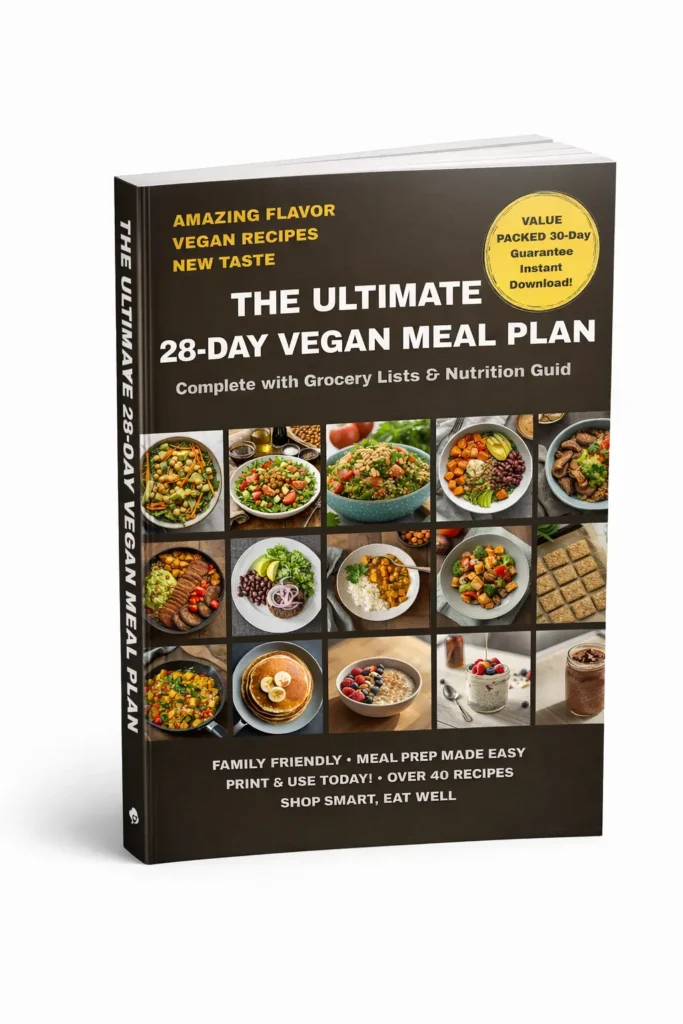
The Ultimate 28-Day Vegan Meal Plan + Grocery List (Complete Solution) gives you exactly that, with 36 chef-tested recipes with a photo for every recipe, nutritionist-approved recipes that ensure every meal meets protein, iron and B12 needs, a complete 28-day calendar with shopping lists, and a 30-day money-back guarantee, no questions asked.

🔬 Master the Science of Your Health
Knowledge is your best tool for long-term success. Use these science-backed resources to ensure your plant-based nutrition is perfectly balanced:
- 🩸 Verify Your Levels: Vegan Blood Test: The Essential Checklist
- 🥦 Avoid Deficiency: The Protein Deficiency Survival Guide
- 📉 Apply the Data: The Science-Based Weight Loss Plan
- 🔄 The Big Picture: 90-Day Challenge: Track Your Transformation
Want a meal plan that does the science for you?
Get the Nutritionally Complete 28-Day PlanP.S. I’ve bundled everything for your first month into one Grap Your easy 28-Day Vegan Meal Plan, including grocery lists and nutrition guides. Grab your copy here.
Want to try before you buy?
Enter your email below to get 2 free recipes instantly: