
⚡ TL;DR: Vegan Pregnancy Nutrition at a Glance
- A well-planned vegan diet is safe and nutritionally adequate throughout pregnancy and while breastfeeding, according to the Academy of Nutrition and Dietetics, the British Dietetic Association, and the Dietitians of Canada.
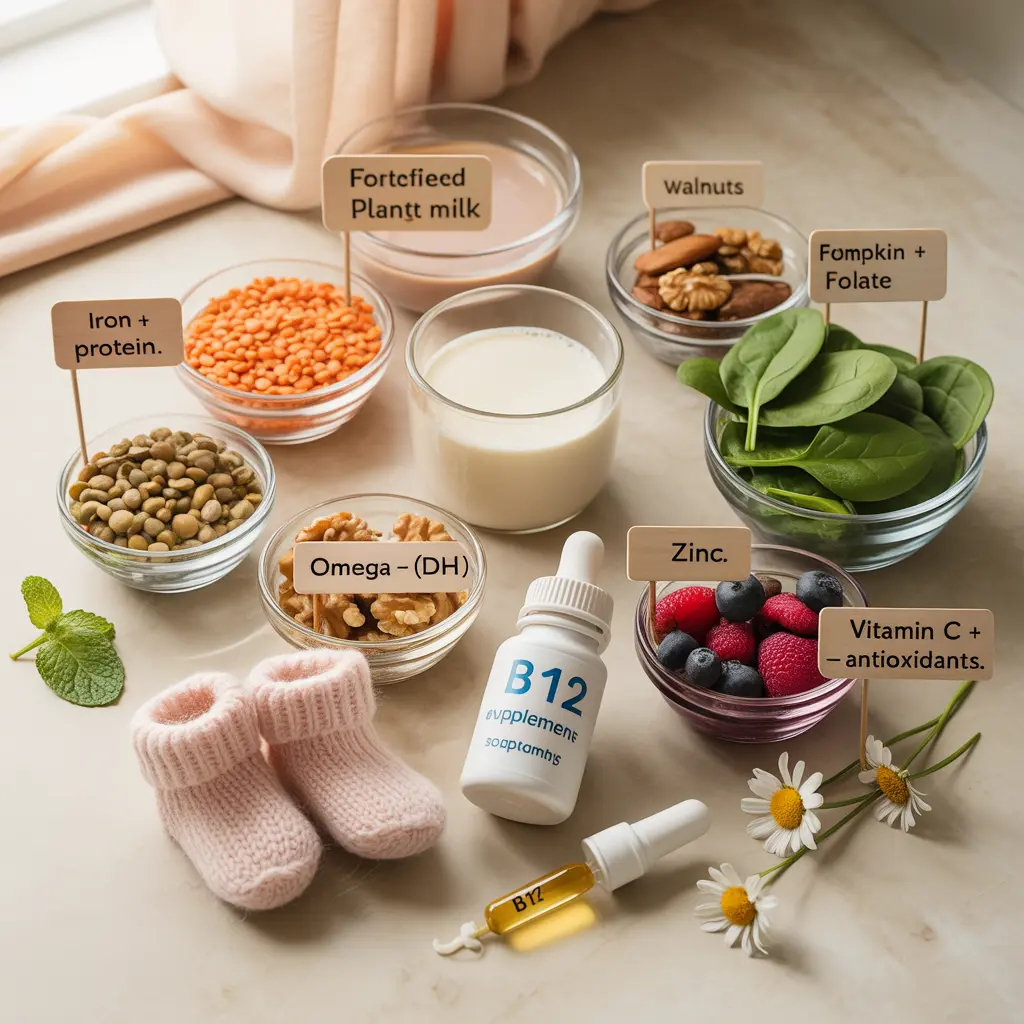
- The keyword is well-planned. Vegan pregnancy requires intentional supplementation and dietary attention to six critical nutrients: B12, iodine, DHA, iron, calcium, and vitamin D. Inadequacy in any one of these carries serious risks for foetal development.
- B12 deficiency during pregnancy causes irreversible neurological damage to the developing infant. Supplementation is non-negotiable and not a matter of personal choice.
- Folate requirements increase by 50% in the first trimester due to critical neural tube development. Plant-based diets naturally rich in legumes and leafy greens provide excellent folate, but a dedicated prenatal supplement is still essential.
- Algae-based DHA is the vegan source of the long-chain omega-3 required for foetal brain and retinal development. It is as effective as fish oil and provides the same molecular form of DHA.
- The research on vegan pregnancy outcomes shows healthy birth weights, appropriate gestational development, and no increased risk of adverse outcomes when the diet is nutritionally complete and supplemented correctly.
Vegan Pregnancy and Fertility: The Complete Science-Backed Nutrition Guide
Vegan pregnancy is one of the most researched areas of plant-based nutrition, and the scientific consensus from major dietetic bodies globally is clear: a well-planned vegan diet is safe, nutritionally adequate, and can fully support healthy foetal development, maternal health, and successful breastfeeding throughout every stage of pregnancy.
The word “well-planned” carries more weight here than in almost any other nutritional context. During pregnancy, the developing foetus depends entirely on the mother’s nutritional status for every building block of its rapidly forming brain, nervous system, skeletal structure, organ tissue, and immune foundation. Nutritional gaps that are merely suboptimal in a non-pregnant adult become clinically significant, and in some cases irreversible, in the context of foetal development.
This guide provides the complete picture: the six nutrients requiring active management, the supplementation protocol every vegan pregnant woman should discuss with her healthcare team, a trimester-by-trimester nutritional roadmap, a 7-day meal plan calibrated for pregnancy needs, and the professional chef strategies for building nutrient-dense plant-based meals that support both mother and baby through all three trimesters.
Vegan Diet and Fertility: The Evidence
🌿 How Plant-Based Eating Affects Reproductive Health
The relationship between diet and fertility is bidirectional: dietary patterns affect both female and male reproductive function through hormonal regulation, oxidative stress management, body weight, and systemic inflammation. Plant-based diets interact with each of these pathways in ways that are generally favourable for reproductive health.
👩 Female Fertility and Plant-Based Nutrition
The Nurses’ Health Study II, one of the largest and longest female fertility cohort studies available, found that higher intake of plant-sourced protein was associated with significantly reduced risk of ovulatory infertility. Women in the highest quintile of plant protein intake had 22% lower risk of ovulatory infertility compared to those with the lowest plant protein intake. The mechanism involves the effect of animal protein on insulin-like growth factor-1 (IGF-1) and insulin signalling, both of which directly influence ovarian function.
Additional evidence links plant-based dietary patterns to:
- Improved menstrual regularity: the anti-inflammatory and insulin-sensitising effects of high-fibre plant foods support the hormonal balance required for regular ovulation, particularly relevant in PCOS-related infertility where insulin resistance disrupts the LH/FSH ratio
- Better antioxidant status: polyphenol-rich plant foods improve oocyte quality by reducing oxidative stress in follicular fluid. Research published in the Journal of Reproductive Medicine found that dietary antioxidant intake was positively correlated with oocyte maturation rates and fertilisation success in IVF patients
- Lower endometriosis risk: high vegetable and fruit intake is associated with reduced endometriosis risk and severity in multiple observational studies, potentially through anti-inflammatory polyphenol pathways and the absence of inflammatory saturated fat from animal products
👨 Male Fertility and Plant-Based Nutrition
Male factor infertility accounts for approximately 40 to 50% of fertility challenges. Plant-based dietary patterns show consistent positive associations with male reproductive outcomes:
- Sperm quality: a 2020 study in JAMA Network Open found that adherence to a healthy plant-based diet was associated with higher sperm concentration and motility. The mechanism involves antioxidant protection of spermatozoa from reactive oxygen species damage, which is the most common mechanism of male factor infertility.
- Zinc adequacy is critical for male fertility: zinc is essential for testosterone synthesis, spermatogenesis, and sperm motility. Vegan men need to prioritise zinc-rich plant foods (hemp seeds, pumpkin seeds, lentils, chickpeas) and consider the phytate reduction strategies (soaking, sprouting) that improve plant zinc bioavailability, particularly when fertility is the active goal.
- DHA for sperm membrane integrity: DHA is a structural component of sperm cell membranes, and DHA deficiency is associated with reduced sperm motility. Algae-based DHA supplementation addresses this directly without the persistent organic pollutant contamination found in some fish oil products.
The 6 Critical Nutrients for Vegan Pregnancy
🔴 1. Vitamin B12: The Non-Negotiable
B12 deficiency during pregnancy is not merely a risk to maternal health. It is a risk to the developing infant’s neurological system. The foetal brain and spinal cord undergo rapid development that is directly dependent on adequate B12 for myelin sheath formation, DNA synthesis, and neural tube closure. B12 deficiency during pregnancy is associated with:
- Neural tube defects (when B12 deficiency compounds folate inadequacy)
- Intrauterine growth restriction
- Preterm delivery
- Megaloblastic anaemia in the mother
- Neurological damage in the infant that can be irreversible if B12 deficiency persists during the first year of life
🐟 2. DHA (Docosahexaenoic Acid): The Brain-Building Omega-3
DHA is a structural component of the foetal brain (comprising 20% of total brain fat) and retina. The third trimester sees the most rapid foetal DHA accumulation, corresponding to the “brain growth spurt” period. Inadequate maternal DHA supply during this period is associated with reduced infant cognitive scores, visual acuity deficits, and increased risk of attention and behavioural problems in early childhood.
ALA from flaxseeds, chia, and walnuts converts to DHA at only 0.1 to 0.5% efficiency in pregnant women. This is insufficient to meet foetal DHA demand. Algae-based DHA provides the direct long-chain omega-3 in exactly the same molecular form as fish oil, as fish obtain their DHA from algae in the first place. Most pregnancy guidelines now specifically endorse algae DHA as the vegan alternative equivalent to fish oil supplementation during pregnancy.
- Target: 200 to 300mg DHA daily from an algae oil supplement throughout pregnancy and breastfeeding
- Timing: take with a fat-containing meal for maximum absorption (DHA is fat-soluble)
- Continue ALA foods: flaxseeds, walnuts, hemp seeds, and chia seeds for their independent anti-inflammatory and SCFA-supporting benefits
🫘 3. Iron: Meeting the Dramatically Increased Requirement
Iron requirement increases by 50% during pregnancy to support the expansion of maternal blood volume, placental growth, and foetal iron stores. Iron deficiency anaemia in pregnancy is associated with preterm birth, low birth weight, and impaired cognitive development in the infant. Vegan women face an additional challenge: non-haem iron from plant sources has 2 to 3 times lower absorption efficiency than haem iron from animal sources.
The strategies that make plant-based iron adequate during pregnancy:
- Vitamin C co-consumption: consuming vitamin C alongside iron-rich plant foods increases non-haem iron absorption by 300%. Every iron-containing meal should include a vitamin C source: lemon juice on lentil soup, red pepper in a chickpea dish, tomatoes with leafy greens.
- Avoid iron inhibitors at iron-rich meals: tea, coffee, and calcium supplements all reduce iron absorption. Take tea and coffee between meals, not with them.
- Soak and sprout legumes: reduces phytate content by 30 to 50%, improving iron bioavailability from the primary vegan iron sources
- Best plant iron sources: lentils (6.6mg per 200g), pumpkin seeds (8mg per 100g), tofu (2.7mg per 200g), spinach (3.6mg per 100g cooked), blackstrap molasses (3.5mg per tablespoon)
Iron blood levels (ferritin, haemoglobin, and transferrin saturation) should be monitored at each antenatal appointment. If ferritin falls below 30 mcg/L, supplemental iron is necessary regardless of dietary intake.
🦴 4. Calcium: Building the Foetal Skeleton
The foetal skeleton requires approximately 30g of calcium by the end of pregnancy, almost all of which is deposited in the third trimester during rapid bone mineralisation. If maternal dietary calcium is inadequate, the foetus draws calcium directly from maternal bone, measurably reducing bone mineral density in the mother. This process occurs regardless of dietary intake, making adequate calcium intake a maternal bone protection priority as well as a foetal development requirement.
- Fortified soy milk (300ml): 360mg calcium, equivalent to dairy milk
- Calcium-set firm tofu (150g): 300 to 500mg calcium depending on brand
- Kale (200g cooked): 200mg calcium with high bioavailability (low oxalate)
- Bok choy (200g cooked): 300mg calcium with excellent bioavailability
- Tahini (30g): 128mg calcium, easily added to dressings and sauces
Vitamin D status directly governs calcium absorption efficiency. Without adequate vitamin D, only 10 to 15% of dietary calcium is absorbed. This makes vitamin D adequacy a prerequisite for calcium adequacy during vegan pregnancy.
☀️ 5. Vitamin D: The Absorption Enabler
Vitamin D deficiency affects 40 to 80% of pregnant women globally regardless of diet, making it the most common nutritional deficiency in pregnancy. For vegan pregnant women, the risk is higher because dietary vitamin D sources are limited to fortified foods (typically 100 IU per 240ml plant milk, insufficient as a sole source).
Consequences of vitamin D deficiency in pregnancy:
- Impaired foetal bone mineralisation and rickets risk in the newborn
- Reduced immune system development in the infant
- Increased maternal risk of pre-eclampsia
- Impaired calcium absorption that compounds all calcium-related foetal development risks
🧂 6. Iodine: The Overlooked Thyroid Nutrient
Iodine is perhaps the most commonly overlooked critical nutrient in vegan pregnancy guidance. It is essential for thyroid hormone synthesis, and thyroid hormones are critical for foetal brain development throughout pregnancy. Iodine deficiency is the leading preventable cause of intellectual disability globally.
Vegan diets are at particular risk for iodine deficiency because:
- Dairy and fish, the primary iodine sources in omnivorous diets, are absent
- Iodine content of plant foods varies enormously based on soil iodine levels and is generally low in non-coastal regions
- Seaweed provides iodine but at highly variable concentrations that can range from inadequate to potentially excessive, making it an unreliable source
The solution is straightforward: choose a prenatal supplement that includes 150mcg iodine and use iodised salt in cooking. Most prenatal vitamins designed for vegan pregnant women now include iodine. Verify the label. If your current prenatal supplement does not include iodine, add a separate iodine supplement of 150mcg daily after confirming with your healthcare provider.
The Complete Vegan Pregnancy Supplement Protocol
💊 What a Comprehensive Vegan Prenatal Supplement Should Include
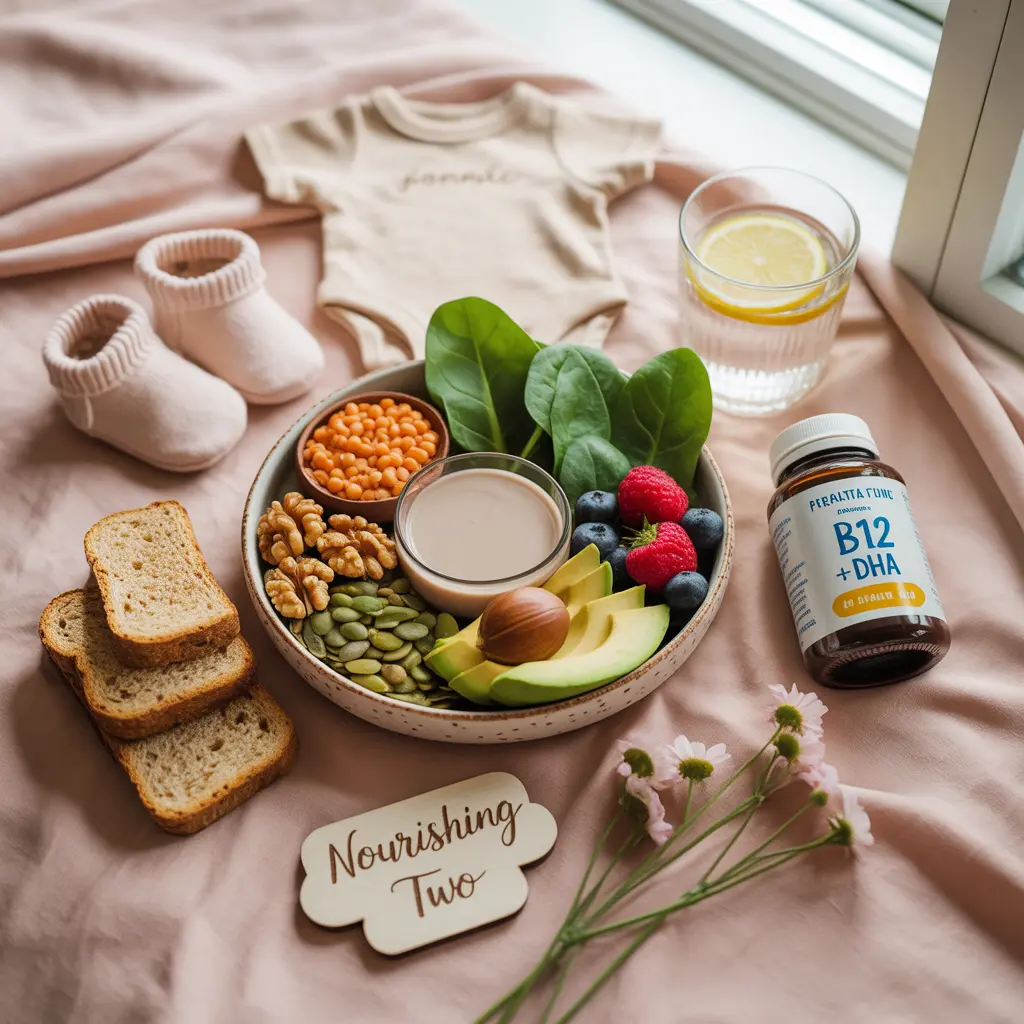
No single prenatal supplement currently on the market covers every nutritional need of a vegan pregnant woman in adequate doses. Most prenatal supplements are formulated with omnivorous dietary backgrounds in mind and leave significant gaps for plant-based mothers. A comprehensive vegan pregnancy supplement protocol requires both a quality prenatal multivitamin and targeted additional supplements.
📋 The Vegan Pregnancy Supplement Checklist
- Folate (as methylfolate or folic acid): 400 to 600mcg daily
Start 3 months before conception. Methylfolate is the bioavailable form, particularly important for women with the MTHFR gene variant that reduces folic acid conversion efficiency. Continue through the first trimester at minimum; many guidelines recommend continuing throughout pregnancy. - Vitamin B12: 25 to 100mcg cyanocobalamin or methylcobalamin daily
Non-negotiable throughout pregnancy and breastfeeding. Should be present in the prenatal supplement but confirm the dose. A standalone B12 supplement may be needed if the prenatal dose is insufficient. - Algae DHA: 200 to 300mg daily
Not typically included in prenatal multivitamins. Requires a separate algae oil supplement. Take with a fat-containing meal. Look for brands that also include EPA (100 to 150mg) alongside DHA. - Vitamin D3 (lichen-derived): 1,000 to 2,000 IU daily
Often included in prenatal vitamins but at insufficient doses (typically 400 IU). Most pregnant women need a separate vitamin D supplement to reach the 1,000 to 2,000 IU target. Test serum 25(OH)D to determine exact requirements. - Iodine: 150mcg daily
Check whether your prenatal supplement includes iodine. Many do not. If absent, a separate iodine supplement of 150mcg (potassium iodide form) is required. Do not rely on seaweed as a sole iodine source due to its variable and potentially excessive iodine content. - Iron: As needed based on blood tests
Do not supplement iron prophylactically without a confirmed blood test showing deficiency. Excess iron is oxidative and causes gastrointestinal distress. Supplement only if ferritin falls below 30 mcg/L, under medical supervision, typically 30 to 60mg elemental iron daily in divided doses. - Calcium: Supplement only if dietary intake is inadequate
If dietary calcium from fortified plant milk, calcium-set tofu, and leafy greens reliably reaches 1,000mg daily, supplementation is unnecessary. If dietary calcium is consistently below 700 to 800mg, a supplement of 200 to 400mg calcium citrate (better absorbed than calcium carbonate) taken with food can close the gap. - Choline: 450mg daily during pregnancy
Choline is critical for foetal brain development and is often overlooked in vegan pregnancy guidance. It is poorly represented in plant foods compared to eggs and meat. Soy lecithin is a plant source. Most prenatal vitamins include only 20 to 55mg. Discuss choline supplementation with your healthcare provider if dietary sources are limited.

+ Grocery List
Ingredient Spotlights: The Top 5 Foods for Vegan Pregnancy
🫘 1. Lentils: The Pregnancy Superfood
Lentils address more pregnancy nutritional priorities simultaneously than any other single plant food. One 200g serving delivers:
- Folate (B9): 358mcg, nearly meeting the full daily pregnancy requirement in a single serving. Folate is critical for neural tube closure in the first four weeks of pregnancy and for ongoing DNA synthesis throughout gestation.
- Iron: 6.6mg non-haem iron, with absorption enhanced significantly by the vitamin C in lemon juice that most lentil preparations include
- Protein: 18g, supporting the increased maternal protein requirement of approximately 75 to 100g daily during pregnancy
- Zinc: 2.5mg, supporting immune function and placental development
- Fibre: 15g, supporting the gut motility that commonly slows during pregnancy due to progesterone’s smooth muscle relaxant effect
Red lentils require no soaking and cook in 15 minutes, making them the most accessible high-nutrition pregnancy food in a plant-based kitchen. A daily lentil habit, started before conception, meaningfully contributes to the folate, iron, and zinc status that determines pregnancy outcome.
🥛 2. Fortified Soy Milk: The Multi-Nutrient Pregnancy Drink
Fortified soy milk is the most nutritionally targeted dairy alternative for vegan pregnant women. 300ml provides:
- Calcium: 360mg, 36% of the pregnancy daily requirement in a single drink
- Vitamin D: 100 IU per 300ml (variable by brand; check label)
- B12: 1 to 2mcg in fortified versions, contributing to the daily target
- Complete soy protein: 10g per 300ml, the highest-protein plant milk available
- Iodine: some brands now fortify with iodine; check for this specifically
Drinking 500ml of fortified soy milk daily covers approximately 60% of the calcium requirement, contributes B12, and provides meaningful complete protein. Use in oat porridge, smoothies, and cooking as the primary liquid base to maximise the nutritional return from the same volume of food.
🥬 3. Kale and Bok Choy: The Low-Oxalate Calcium Greens
The choice of leafy green matters significantly in vegan pregnancy nutrition. Spinach and Swiss chard are high in oxalic acid which binds calcium, reducing its absorption to approximately 5%. Kale and bok choy are low in oxalates and provide calcium at a bioavailability rate of 40%, comparable to dairy calcium.
- Vitamin K1: essential for coagulation factor synthesis in both mother and foetus. Vitamin K deficiency at birth is associated with haemorrhagic disease of the newborn, which is why all newborns receive vitamin K supplementation at birth.
- Lutein and zeaxanthin: carotenoids that concentrate in the foetal macula during development, supporting visual acuity in the developing infant
- Sulforaphane precursors: activate Nrf2 antioxidant networks that reduce oxidative stress associated with the dramatically increased metabolic rate of pregnancy
🌱 4. Hemp Seeds: The Pregnancy Protein and Omega Sprinkle
Hemp seeds address multiple pregnancy nutritional priorities in a format that requires no cooking, no preparation, and can be added to any meal in seconds. For a pregnant woman dealing with first-trimester nausea or food aversions, hemp seeds are one of the most reliable ways to maintain protein, zinc, and omega-3 intake when appetite is unreliable.
- Complete amino acid profile: all nine essential amino acids including lysine, which is limiting in most plant proteins and is particularly important for foetal collagen and connective tissue synthesis
- GLA (gamma-linolenic acid): an omega-6 with anti-inflammatory properties that supports placental vascular function
- Magnesium: 210mg per 100g, supporting blood pressure regulation (critical in pregnancy given pre-eclampsia risk), muscle function, and sleep quality
- Iron: 4mg per 100g, a useful secondary iron source in the seeds category
🫚 5. Blackstrap Molasses: The Concentrated Mineral Powerhouse
Blackstrap molasses is one of the most underused pregnancy nutrition foods available. It is the residual syrup from sugar refining, a byproduct that retains an extraordinary concentration of the minerals that were present in the original sugarcane, while most of the sucrose has been extracted.
- Iron: 3.5mg per tablespoon, a concentrated non-haem iron source that pairs naturally with the vitamin C in fruit-based smoothies for enhanced absorption
- Calcium: 200mg per tablespoon, a concentrated plant calcium source second only to fortified foods for calcium density
- Potassium: 498mg per tablespoon, supporting blood pressure management and muscle function
- B6: supporting neurotransmitter synthesis and, notably, documented effectiveness for the management of first-trimester nausea at doses achievable from dietary sources
One tablespoon daily in a smoothie, stirred into oat porridge, or dissolved in warm water provides a meaningful contribution to iron and calcium without adding significant calories or requiring a separate food preparation step.
Trimester-by-Trimester Nutritional Priorities
🌱 First Trimester (Weeks 1 to 13)
- Top priority: Folate for neural tube closure (must begin before conception)
- Start B12 supplementation immediately if not already supplementing
- Begin algae DHA supplement as soon as pregnancy is confirmed
- Nausea strategy: small, frequent meals; ginger; cold foods; hemp seeds and nut butters for protein when nausea limits hot food
- First blood tests: ferritin, B12, 25(OH)D, full blood count at booking appointment
- Caloric need: no significant increase required. Quality over quantity is the first-trimester priority.
🌿 Second Trimester (Weeks 14 to 27)
- Increased caloric need: approximately 300 additional calories daily from nutritionally dense plant sources
- Iron monitoring: blood tests at 20 and 28 weeks; adjust supplementation based on results
- Calcium maximisation: foetal bone development accelerating; ensure daily calcium target is consistently met
- Protein target: 75 to 100g daily; use legumes, tofu, tempeh, and hemp seeds at every meal
- Constipation management: increase fibre from vegetables and fruits, maintain high fluid intake
- Second DHA test: consider red blood cell DHA testing if available to confirm adequacy
🌾 Third Trimester (Weeks 28 to 40)
- DHA demand peaks: foetal brain growth spurt; ensure 200 to 300mg algae DHA daily without interruption
- Calcium critical period: 30g of foetal calcium deposited in this trimester; maximum dietary calcium intake essential
- Iron highest risk period: blood volume peaks; anaemia risk highest; confirm ferritin levels and supplement if needed
- Choline focus: foetal hippocampal development; ensure adequate choline from soy lecithin or supplement
- Smaller, more frequent meals: growing uterus compresses stomach; six small meals more practical than three large
- Vitamin K foods daily: kale, bok choy, broccoli for foetal coagulation factor synthesis
7-Day Vegan Pregnancy Meal Plan
This plan is calibrated for the second and third trimesters when appetite is more reliable than the first trimester and caloric and nutritional needs are at their peak. Each day targets approximately 2,200 to 2,400 calories, 80 to 100g protein, 1,000mg calcium, 27mg iron, and 400mcg folate from food sources (supplements provide the remainder).
📅 Day 1
Key nutrients: calcium 420mg, iron 5mg, folate 45mcg, protein 26g, ALA omega-3 2.5g
Key nutrients: folate 360mcg, iron 7mg, calcium 200mg, protein 28g
Key nutrients: calcium 380mg, protein 32g, iron 4mg, zinc 4mg
📅 Day 2
📅 Days 3 to 7: The Nutritional Rotation
Continue rotating through the following meal anchors, ensuring each day hits the pregnancy nutritional targets. Every day must include:
- One lentil or legume serving with vitamin C: the iron-folate foundation of vegan pregnancy nutrition
- 300ml fortified soy milk: calcium, B12, vitamin D, and complete protein in one drink
- One serving kale or bok choy: bioavailable calcium and vitamin K1
- 3 tablespoons hemp seeds: complete protein, zinc, and ALA omega-3
- Ground flaxseeds (2 tablespoons): ALA to complement algae DHA supplement
- Tahini as a daily fat and calcium source (2 tablespoons, 128mg calcium)
Day 3: Chickpea and spinach Moroccan tagine with couscous and preserved lemon. Oat porridge with soy milk and blackstrap molasses at breakfast.
Day 4: Tofu scramble with kale, mushrooms, nutritional yeast, and turmeric on whole grain toast. Edamame miso soup and brown rice bowl for dinner.
Day 5: Black bean and sweet potato enchiladas with calcium-rich tomato sauce. Chia pudding with soy milk and pomegranate seeds for breakfast.
Day 6: Tempeh tikka masala with brown rice and steamed broccoli. Hemp and walnut oats for breakfast.
Day 7: Mujaddara (lentils and caramelised onion with rice) with a large fattoush salad. Lemon tahini dressing. Fortified soy milk smoothie with ground flaxseeds and berries for breakfast.
Reference Tables
Vegan Pregnancy: Daily Nutrient Targets vs Best Plant Sources
First Trimester Nausea: Protein Sources by Tolerance Level
Chef Tips: Cooking for Two on a Plant-Based Diet
🍽️ Tip 1: Nutrient Density Per Bite Is the Pregnancy Kitchen Principle
In professional kitchens across Lebanon, Dubai, and Saudi Arabia, the discipline I have carried into every cooking context is the concept of maximising return per ingredient. In a pregnancy kitchen, this translates directly: when appetite is variable, nausea is a real possibility in the first trimester, and food preferences shift unpredictably, every bite of food eaten should deliver maximum nutritional value.
The five upgrades that maximise nutrient density without changing meal format:
- Replace cooking water with fortified soy milk in porridge: adds 360mg calcium and 10g protein to a meal already being eaten
- Add 1 tablespoon blackstrap molasses to morning oats: adds 3.5mg iron and 200mg calcium with minimal flavour impact
- Stir 3 tablespoons hemp seeds into every soup, salad, or grain bowl: adds 10g complete protein, 3mg zinc, and 2.5g ALA omega-3 in 5 seconds
- Squeeze lemon juice over every lentil and bean dish before serving: the vitamin C triples non-haem iron absorption from the dish
- Use tahini as a sauce base rather than olive oil alone: adds 128mg calcium and 5g protein to every dressing or sauce
🫚 Tip 2: The Levantine Pregnancy Kitchen Heritage
The traditional Levantine diet, which has sustained healthy pregnancies across the Middle East and Mediterranean for thousands of years, is built around exactly the nutritional architecture required for vegan pregnancy: daily lentils for folate and iron, olive oil and tahini for fat and calcium, abundant vegetables for antioxidants and micronutrients, whole grains for B vitamins and fibre, and lemon juice with every meal for vitamin C and iron absorption enhancement.
Lebanese dishes like adas bi hamod (lentil lemon soup), mujaddara (lentils and rice with caramelised onion), and fattoush with tahini dressing are not merely culturally significant. They are nutritionally precise: the combinations that characterise these dishes address multiple pregnancy nutritional priorities simultaneously through culinary traditions that predate nutritional science by millennia.
🤢 Tip 3: First Trimester Nausea Strategy
From a professional chef’s perspective, managing nausea in the first trimester requires abandoning the three-meal structure and working with the reality of unpredictable appetite. Practical strategies that protect nutritional intake during severe nausea:
- Cold foods before hot: heating food intensifies aromas. Cold silken tofu smoothies, cold soy milk with hemp seeds, and cold lentil salads are far better tolerated than hot cooked meals when nausea is severe
- Separate drinks from food: drinking fluids 30 minutes before or after meals, rather than with them, reduces gastric volume and often reduces nausea significantly
- Ginger in every form: crystallised ginger, ginger tea, fresh ginger in smoothies, pickled ginger alongside cold foods. The gingerol and shogaol in ginger have documented anti-nausea activity via 5-HT3 receptor antagonism, the same mechanism as pharmaceutical anti-nausea medications
- Small meals every 2 to 3 hours: an empty stomach worsens nausea. Eating frequently enough to prevent gastric emptying between meals reduces nausea significantly for many pregnant women
5 Mistakes in Vegan Pregnancy Nutrition
❌ Mistake 1: Delaying Supplementation Until Pregnancy is Confirmed
Neural tube formation occurs in weeks 3 to 4 of pregnancy, before most women know they are pregnant. Folate must be present in adequate concentrations before conception for neural tube closure to proceed correctly. B12 deficiency that exists before conception is passed to the foetus immediately upon implantation. For any person planning a pregnancy, vegan supplementation (folate, B12, algae DHA, vitamin D) must begin at minimum 3 months before attempting conception. This is non-negotiable from a neurodevelopmental perspective.
❌ Mistake 2: Relying on Spinach for Iron and Calcium
Spinach is frequently recommended as a pregnancy iron and calcium source. In practice, spinach’s extremely high oxalic acid content binds both minerals so effectively that the absorption rate drops to approximately 2 to 5%. A woman eating spinach for iron is absorbing almost none of it. Switch to lentils, chickpeas, and pumpkin seeds for iron (paired with vitamin C), and to kale, bok choy, and calcium-set tofu for bioavailable plant calcium.
❌ Mistake 3: Assuming a Prenatal Vitamin Covers Everything
Standard prenatal vitamins, including those marketed for vegans, frequently under-dose vitamin D (typically 400 IU versus the 1,000 to 2,000 IU needed), do not include algae DHA (which requires a separate supplement), contain inadequate iodine, and provide folic acid in the non-methylated form that 10 to 15% of women cannot efficiently convert due to MTHFR gene variants. Review your prenatal supplement against the nutrient checklist in this guide and discuss gaps with your healthcare provider.
❌ Mistake 4: Not Monitoring Blood Markers Throughout Pregnancy
Dietary intentions and actual nutritional status during pregnancy are not the same thing. Iron stores, B12, and vitamin D can fall despite what appears to be an adequate diet, due to the dramatically increased demands of pregnancy, reduced absorption efficiency from hormonal changes, and the priority given to the foetus over maternal stores. Blood tests at booking, 20 weeks, and 28 weeks for ferritin, B12, 25(OH)D, and full blood count are the minimum monitoring required. Our vegan blood test guide covers all key markers and target ranges in detail.
❌ Mistake 5: Using Seaweed as a Reliable Iodine Source
Seaweed iodine content varies between species by a factor of over 100, and between samples of the same species by a factor of up to 10 depending on harvest location and conditions. This variability makes seaweed an unreliable iodine source during pregnancy. More concerning, kelp and other high-iodine seaweeds can deliver iodine at levels 100 to 1,000 times the safe upper limit, and iodine excess during pregnancy is as harmful as deficiency, both producing thyroid dysfunction that affects foetal brain development. Use iodised salt and ensure your prenatal supplement contains 150mcg potassium iodide for reliable, consistent iodine delivery.
+ Grocery List
Frequently Asked Questions About Vegan Pregnancy and Fertility
Is a vegan diet safe during pregnancy?
Yes, according to the Academy of Nutrition and Dietetics, the British Dietetic Association, and Dietitians of Canada, a well-planned vegan diet is safe and nutritionally adequate throughout pregnancy. The critical qualifier is “well-planned”: vegan pregnancy requires deliberate attention to six key nutrients (B12, DHA, iron, calcium, vitamin D, and iodine) that require active dietary and supplementation management. With appropriate supplementation and dietary planning, research shows healthy birth outcomes comparable to non-vegan populations.
What supplements does a vegan need during pregnancy?
The essential vegan pregnancy supplement protocol includes: folic acid or methylfolate (400 to 600mcg daily, starting before conception), vitamin B12 (daily throughout pregnancy and breastfeeding), algae-based DHA (200 to 300mg daily, separate supplement), vitamin D3 from lichen (1,000 to 2,000 IU daily), and iodine (150mcg, confirm it is in your prenatal). Iron supplementation should be based on blood test results, not taken prophylactically. Discuss choline with your healthcare provider. A standard vegan prenatal multivitamin alone is not sufficient: the DHA, vitamin D, and often iodine require separate supplementation.
Can a vegan diet affect fertility?
The research on plant-based diets and fertility is generally positive. The Nurses’ Health Study II found that women with higher plant protein intake had 22% lower risk of ovulatory infertility. Plant-based diets improve the oxidative stress environment in follicular fluid, support hormonal balance through insulin sensitivity improvement, and reduce the systemic inflammation associated with endometriosis-related infertility. For male fertility, plant-based diets are associated with better sperm concentration and motility in multiple studies. Ensuring adequate zinc (hemp seeds, pumpkin seeds, lentils) and DHA (algae supplement) is particularly important for male reproductive health on a plant-based diet.
How much DHA does a vegan need during pregnancy?
Most guidelines recommend 200 to 300mg of DHA daily during pregnancy. Algae-based DHA supplements are the appropriate vegan source, providing DHA in the same molecular form as fish oil. ALA from flaxseeds, chia, and walnuts converts to DHA at only 0.1 to 0.5% efficiency in pregnant women, making it wholly inadequate as a sole DHA source. Continue eating ALA-rich plant foods alongside the algae supplement for their independent anti-inflammatory benefits, but treat the algae DHA as a non-negotiable pregnancy supplement, not an optional addition.
What causes iron deficiency in vegan pregnancy?
The combination of dramatically increased iron demand (requirement rises from 18mg to 27mg daily during pregnancy), lower bioavailability of non-haem iron from plant sources (2 to 3 times less absorbed than haem iron), and expanded blood volume creates a very high iron demand that many vegan pregnant women do not fully meet through diet alone. The solutions are: maximising iron-rich plant foods (lentils, pumpkin seeds, tofu, blackstrap molasses), consistently pairing them with vitamin C to triple absorption, avoiding tea and coffee with iron-rich meals, and monitoring ferritin levels at each antenatal appointment with supplementation initiated at ferritin below 30 mcg/L.
Is soy safe during pregnancy?
Yes. The major dietetic bodies and obstetric organisations internationally have not identified any safety concern with normal soy food consumption during pregnancy. Soy isoflavones are phytoestrogens with significantly weaker activity than endogenous oestrogen and do not produce the hormonal disruption in pregnant women or developing foetuses that has been theorised based on animal studies using doses far exceeding normal dietary levels. Multiple large studies on soy consumption during pregnancy show no increased risk of adverse outcomes. The evidence supports the continued use of tofu, tempeh, edamame, and soy milk as valuable protein and nutrition sources throughout pregnancy.
Can you breastfeed on a vegan diet?
Yes. The same nutritional principles apply during breastfeeding with slightly adjusted targets: B12 increases to 2.8mcg daily, DHA remains at 200 to 300mg daily, iodine increases to 290mcg daily, and caloric needs increase by approximately 500 calories above pre-pregnancy baseline. The most critical nutrient for breastfeeding is B12: maternal B12 deficiency is directly transmitted to the infant through breast milk, and infants fed exclusively on breast milk from B12-deficient mothers develop neurological damage. Ensure B12 supplementation is continuous and blood levels are tested at 6 weeks postpartum.
What foods should vegan pregnant women avoid?
Standard pregnancy food safety advice applies to vegans as to all pregnant women: avoid unpasteurised foods (including raw miso in large quantities and some fermented foods), high-mercury plants are not a concern but high-mercury fish would be (irrelevant for vegans), avoid raw sprouts which carry E. coli risk, and ensure all produce is thoroughly washed. Additionally specific to vegan pregnancy: avoid high-dose seaweed products (kelp, high-iodine seaweeds) due to iodine excess risk, and do not take high-dose herbal supplements without medical supervision as many have unknown safety profiles in pregnancy.
What is the best vegan protein source during pregnancy?
Tofu and tempeh are the most efficient vegan pregnancy protein sources for the following reasons: both provide complete amino acid profiles including lysine, which is the amino acid most limiting in plant diets and most critical for foetal collagen and connective tissue synthesis. Tempeh’s fermentation also improves zinc bioavailability, addressing the second major mineral priority in vegan pregnancy. Fortified soy milk provides complete soy protein alongside calcium, B12, and vitamin D simultaneously. Hemp seeds provide complete protein with no cooking required, making them ideal for first-trimester nausea periods when food preparation is challenging.
How do I manage first trimester nausea on a vegan diet?
First-trimester nausea management on a plant-based diet focuses on cold, bland, low-aroma foods: cold silken tofu blended into smoothies with hemp seeds, cold soy milk with nut butter, plain crackers with almond butter, cold lentil salads with minimal seasoning. Ginger in all forms (crystallised, tea, fresh grated) has the strongest evidence base for pregnancy nausea reduction of any dietary intervention, including ginger biscuits and ginger chews widely available in pregnancy sections of pharmacies. Eating small amounts every 2 to 3 hours to prevent gastric emptying, and separating drinks from food, are the most consistently effective practical strategies for managing severe morning sickness while maintaining nutritional intake.
Do vegan babies have lower birth weight?
Research on vegan pregnancy outcomes, while more limited than on omnivorous populations, does not show systematically lower birth weight in well-nourished vegan mothers. A 2019 analysis of vegan, vegetarian, and omnivorous pregnancies in the UK found no significant difference in birth weight or gestational length between groups when nutritional adequacy was confirmed. Studies showing lower birth weight in plant-based pregnancies typically involve women who were not supplementing B12 and DHA adequately. Nutritional completeness, not the dietary pattern per se, is the determinant of healthy birth weight.
When should a vegan start prenatal supplements?
Ideally, three months before attempting conception. Folate must be at adequate tissue levels before conception for neural tube protection. B12 deficiency that predates conception is immediately problematic from the moment of implantation. Algae DHA builds in tissue over weeks, making pre-conception supplementation beneficial for early foetal brain development. Vitamin D status that is inadequate at the start of pregnancy cannot be rapidly corrected. The three-month pre-conception window for starting supplementation is not conservative: it is the minimum time required for most supplements to meaningfully improve tissue status before the critical early development windows of the first trimester.
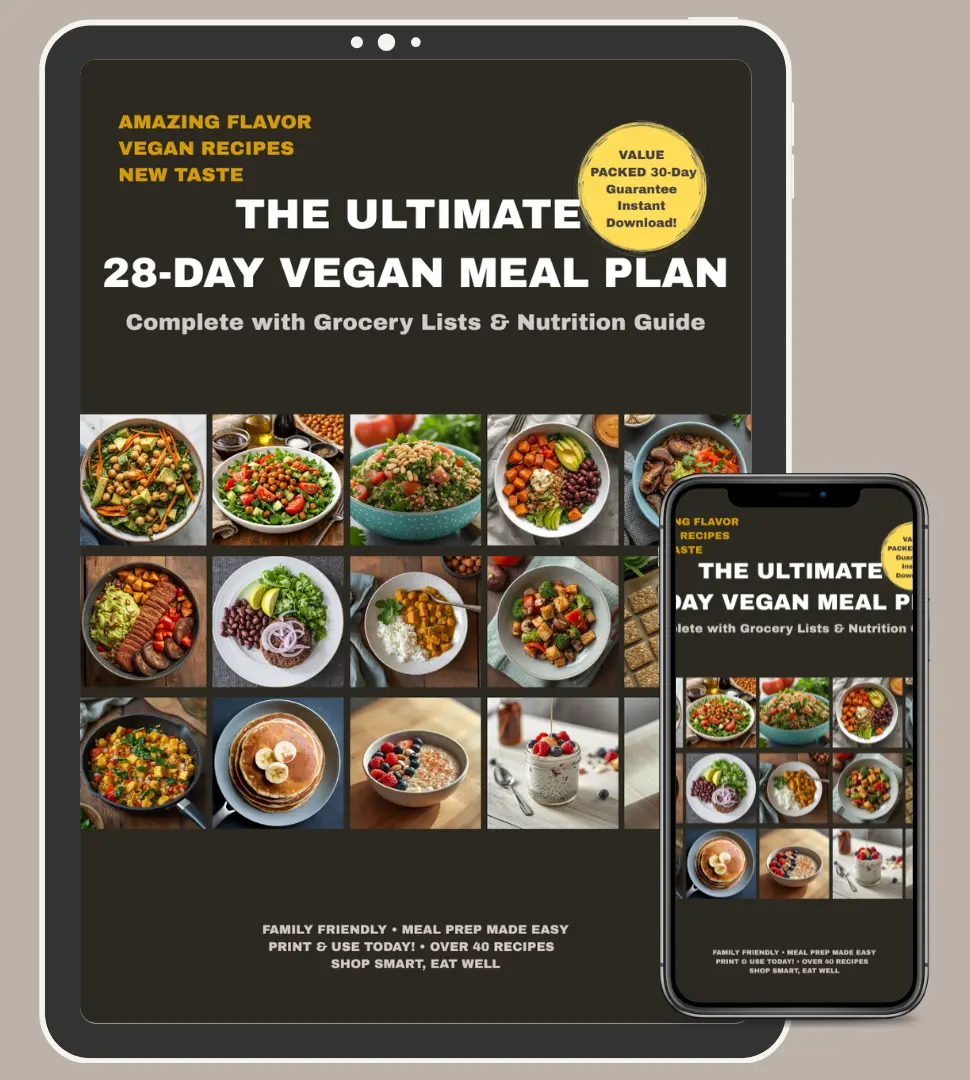
Still spending hours figuring out what to eat?
What’s included in your download
- 40+ nutritionist-approved recipes
- Complete 28-day calendar
- Meets protein, iron & B12 needs
- Family & meal prep friendly
- Vibrant photo for every recipe
- Simple, common ingredients
Instant PDF download. No subscriptions. No waiting.