
Medical Disclaimer: The information on this page is for general educational purposes only and does not constitute medical or dietary advice. Protein requirements vary by individual. Always consult a qualified healthcare provider or registered dietitian before making significant changes to your nutrition plan. This content does not replace professional medical evaluation or individualized treatment.
Ultimate Vegan Protein Sources: 15 Plant Powerhouses for Muscle & Energy
vegan protein sources deliver complete amino acid profiles when varied throughout the day. Lentils, tempeh, tofu, and hemp seeds provide 15-31 grams per serving. This guide covers 15 evidence-backed plant proteins with exact serving sizes, daily targets, and a practical meal framework to meet your needs without supplements.
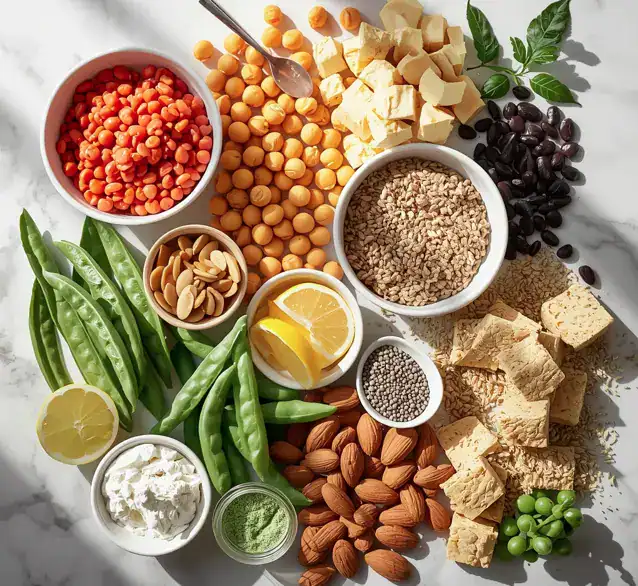
vegan protein sources are essential for building muscle, supporting immune function, and maintaining energy throughout the day, yet many plant-based eaters worry about meeting their needs without animal products. This guide delivers exactly what you need: 15 reliable plant proteins with precise serving sizes, daily intake targets based on activity level, and a practical framework to incorporate these foods consistently without stress or supplementation. Understanding protein bioavailability and amino acid profiles removes the guesswork from plant-based nutrition.
Protein serves as the body’s primary building block for muscle tissue, enzymes, hormones, and immune cells. Unlike carbohydrates and fats, protein cannot be stored for later use, making consistent daily intake critical. The good news is that well-planned vegan diets provide all essential amino acids when varied throughout the day. Research from the Academy of Nutrition and Dietetics confirms that plant-based eating patterns meet protein requirements across all life stages when calories are adequate and food variety is prioritized.
The key distinction lies in protein quality versus quantity. While animal proteins contain all nine essential amino acids in ratios optimized for human needs, plant proteins can achieve the same outcome through strategic variety. This guide focuses on the highest-density vegan protein sources that deliver maximum amino acids per calorie, making it easier to meet targets without overeating. For more on optimizing nutrient intake on a plant-based diet, the vegan nutrient deficiencies guide covers testing protocols and food-first solutions.
Timing and distribution matter as much as total intake. Research suggests that spreading protein intake evenly across meals, approximately 20-40 grams per eating occasion, optimizes muscle protein synthesis compared to consuming most protein at one meal. This pattern aligns naturally with plant-based eating when legumes, soy products, and seeds are incorporated at breakfast, lunch, and dinner. For structured meal planning that builds protein distribution into daily routines, the vegan meal prep for beginners guide provides batch-cooking strategies that support consistent intake.
How Much Protein Do You Actually Need
Protein requirements depend on age, activity level, health status, and fitness goals. The Recommended Dietary Allowance (RDA) of 0.8 grams per kilogram of body weight represents the minimum to prevent deficiency in sedentary adults. However, optimal intake for muscle maintenance, recovery, and metabolic health often exceeds this baseline.
| Population Group | Protein Range (g/kg/day) | Example: 150 lb (68 kg) Adult |
|---|---|---|
| Sedentary adults | 0.8 g/kg | ~55 g/day |
| Recreational exercisers | 1.0-1.2 g/kg | 68-82 g/day |
| Endurance athletes | 1.2-1.4 g/kg | 82-95 g/day |
| Strength athletes | 1.6-1.7 g/kg | 109-116 g/day |
| Older adults (65+) | 1.0-1.2 g/kg | 68-82 g/day |
These values assume adequate total calorie intake. Protein needs expressed per kilogram become harder to meet when calories are restricted, making nutrient density critical during weight loss phases. For evidence-based guidance on protein timing and distribution, peer-reviewed research from PubMed provides extensive analysis of muscle protein synthesis protocols.
Plant-based eaters may benefit from slightly higher targets, approximately 10 percent above standard recommendations, to account for differences in digestibility and amino acid profiles among some plant proteins. This adjustment is easily achieved by prioritizing the highest-density vegan protein sources outlined in this guide. For personalized testing and monitoring of protein status, the vegan blood test guide covers relevant biomarkers and frequency recommendations.
A 2021 review in the Journal of the International Society of Sports Nutrition concluded that plant-based diets support muscle hypertrophy and strength gains equally to omnivorous patterns when total protein intake and resistance training are matched. The critical factor is consistent daily intake rather than protein source alone.
15 Best Vegan Protein Sources with Serving Sizes
The following vegan protein sources provide the most reliable, bioavailable plant proteins. Values reflect cooked weights unless otherwise noted and are based on USDA nutrient data. Portion sizes represent practical, achievable servings for daily meal planning.
Tempeh, cooked (per 4 oz / 113g serving)
Tempeh delivers approximately 31 grams of protein per serving, making it one of the most protein-dense plant foods available. Made from fermented soybeans, it provides all nine essential amino acids plus probiotics that support gut health. Its firm texture holds up well to grilling, baking, and stir-frying, absorbing marinades beautifully for versatile meal applications.
1. Tempeh (31g protein per 4 oz)
Tempeh ranks among the highest protein plant foods while delivering fermented benefits. The fermentation process enhances mineral bioavailability and produces compounds that support digestive health. For maximum versatility, slice thin for sandwiches, cube for stir-fries, or crumble for taco fillings. For more high-protein dinner ideas featuring tempeh, the high protein vegan dinner guide provides recipe inspiration.
2. Seitan (25g protein per 3 oz)
Made from vital wheat gluten, seitan delivers meat-like texture with exceptional protein density. It absorbs flavors readily and works well in sandwiches, stir-fries, and kebabs. Note: not suitable for gluten-free diets. For those who tolerate gluten, seitan represents one of the most efficient vegan protein sources per calorie.
3. Tofu, firm (20g protein per ½ block)
Firm tofu provides complete protein with versatile texture applications. Pressing removes excess water for better browning and absorption of marinades. Silken varieties work well in smoothies and desserts, while extra-firm holds shape for grilling. For structured breakfast planning with tofu, the high protein vegan breakfast guide covers scrambling techniques and flavor combinations.
4. Lentils, cooked (18g protein per cup)
Lentils cook quickly without soaking and deliver protein plus iron, folate, and fiber. Red lentils break down for creamy soups, while brown and green varieties hold shape for salads and grain bowls. Their affordability and shelf stability make them practical staples for consistent protein intake.
5. Edamame, shelled (17g protein per cup)
Young soybeans provide complete protein with a naturally sweet flavor. Frozen edamame thaws quickly for snacks, salads, or stir-fries. Their bright color and pleasant texture make them appealing for family meals and meal prep applications.
6. Chickpeas, cooked (15g protein per cup)
Chickpeas offer versatile applications from hummus to roasted snacks to curry additions. Their moderate protein content combines with high fiber for sustained satiety. For lunch-focused chickpea recipes, the high protein vegan lunch guide provides salad and wrap ideas.
7. Black beans, cooked (15g protein per cup)
Black beans deliver protein plus anthocyanins, antioxidants with anti-inflammatory properties. They work well in Mexican-inspired dishes, burgers, and grain bowls. Their dark color and earthy flavor pair well with bold seasonings.
8. Hemp seeds (10g protein per 3 Tbsp)
Hemp seeds provide complete protein with an optimal omega-3 to omega-6 ratio. Their mild, nutty flavor works in smoothies, oatmeal, salads, and baked goods without requiring cooking. For guidance on incorporating seeds strategically, the vegan omega 3 foods guide covers fatty acid balance.
9. Pumpkin seeds (9g protein per ¼ cup)
Pumpkin seeds deliver protein plus magnesium, zinc, and iron. Toasting enhances flavor and crunch for snacks, salads, and trail mixes. Their nutrient density makes them valuable for meeting multiple micronutrient targets simultaneously.
10. Quinoa, cooked (8g protein per cup)
Quinoa provides complete protein among grains, with a light, fluffy texture when cooked properly. Rinsing before cooking removes bitter saponins. Its neutral flavor pairs well with both savory and sweet applications.
11. Nutritional yeast (8g protein per ¼ cup)
Fortified nutritional yeast delivers protein plus B vitamins, including B12 when fortified. Its cheesy, umami flavor enhances sauces, popcorn, and savory dishes. For comprehensive B-vitamin guidance, the vegan B12 foods guide covers testing and supplementation considerations.
12. Green peas, cooked (8g protein per cup)
Frozen peas provide convenient protein that thaws quickly for addition to pasta, rice, and soups. Their natural sweetness appeals to varied palates, making them practical for family meals.
13. Almonds (6g protein per ounce)
Almonds deliver protein plus vitamin E, healthy fats, and fiber. Portion control matters due to calorie density, but their satiety value supports weight management goals when included mindfully.
14. Chia seeds (5g protein per 2 Tbsp)
Chia seeds absorb liquid to form gel-like textures ideal for puddings, egg replacements, and thickening applications. Their omega-3 content supports cardiovascular and cognitive health.
15. Spirulina (4g protein per Tbsp)
Spirulina provides concentrated protein by weight plus phycocyanin, an antioxidant with anti-inflammatory properties. Start with small amounts in smoothies due to its potent flavor. For guidance on algae-based nutrition, the vegan functional mushrooms guide covers adaptogenic and superfood integration.
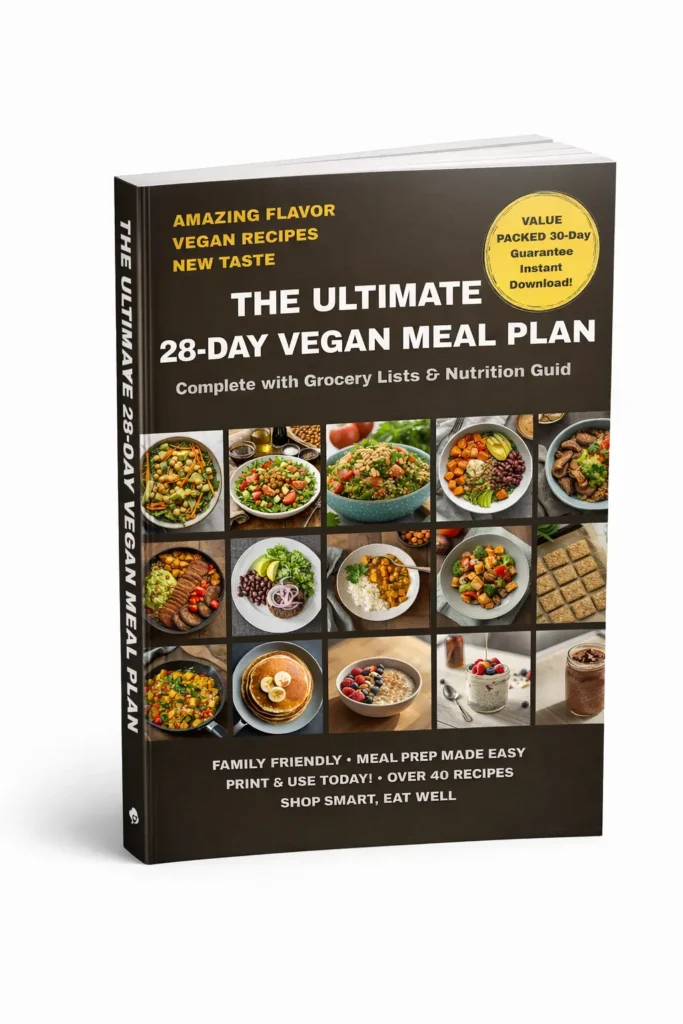
Getting consistent daily protein from these foods is far easier with a structured plan already in place. The Ultimate 28-Day Vegan Meal Plan + Grocery List (Complete Solution) includes nutritionist-approved recipes and easy weekly grocery lists covering all 4 weeks, giving you a reliable framework to incorporate vegan protein sources without daily planning stress.
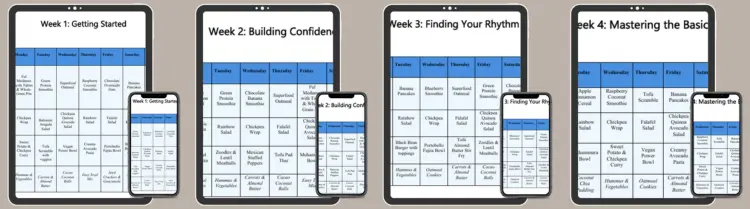
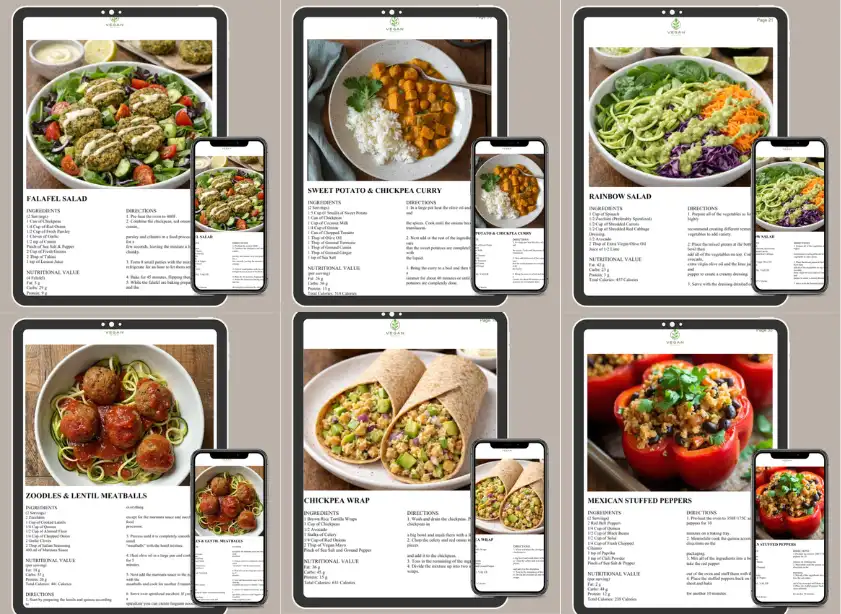
Psst.. Start your transformation now. Everything is done for you, 36 chef vegan recipes, 4 weekly grocery lists, and a full 28-day Meal Plan. Zero thinking, every meal decided. Balanced macros daily, one Sunday prep feeds your whole week. No subscription.
Get the Plan →Understanding Complete vs Complementary Proteins
The concept of protein combining has evolved significantly with modern nutritional science. Early research suggested that plant proteins needed to be consumed together at the same meal to provide all essential amino acids. Current understanding recognizes that the body maintains an amino acid pool, drawing from foods consumed throughout the day to meet needs.
Complete Plant Proteins
Several vegan protein sources contain all nine essential amino acids in adequate proportions:
- Soy products: tofu, tempeh, edamame
- Quinoa
- Hemp seeds
- Chia seeds
- Nutritional yeast (when fortified)
- Buckwheat
- Amaranth
Including even one complete protein source daily simplifies meeting amino acid requirements. For athletes seeking to optimize recovery, the vegan diet for athletes performance guide covers timing strategies around training sessions.
Complementary Pairing Strategy
When relying on incomplete plant proteins, combining foods with complementary amino acid profiles ensures adequacy:
- Grains + legumes: rice and beans, hummus and pita
- Legumes + seeds: lentil soup with tahini drizzle
- Nuts/seeds + legumes: almond butter on whole grain toast with chickpea salad
These combinations need not occur at the same meal. Eating varied plant proteins throughout the day allows the body to assemble complete amino acid profiles from the available pool. For practical meal combinations that naturally achieve complementary pairing, the vegan high protein meals guide provides recipe frameworks.
Focus on consuming a diverse range of vegan protein sources throughout the week rather than obsessing over perfect amino acid ratios at every meal. Whole food variety naturally provides balanced nutrition when calories are adequate and food choices are intentional.
Sample Day: Hitting Protein Targets with Plants
This flexible framework demonstrates how to distribute approximately 75 grams of protein across a day using the vegan protein sources outlined above. Adjust portions based on individual needs, activity level, and goals.
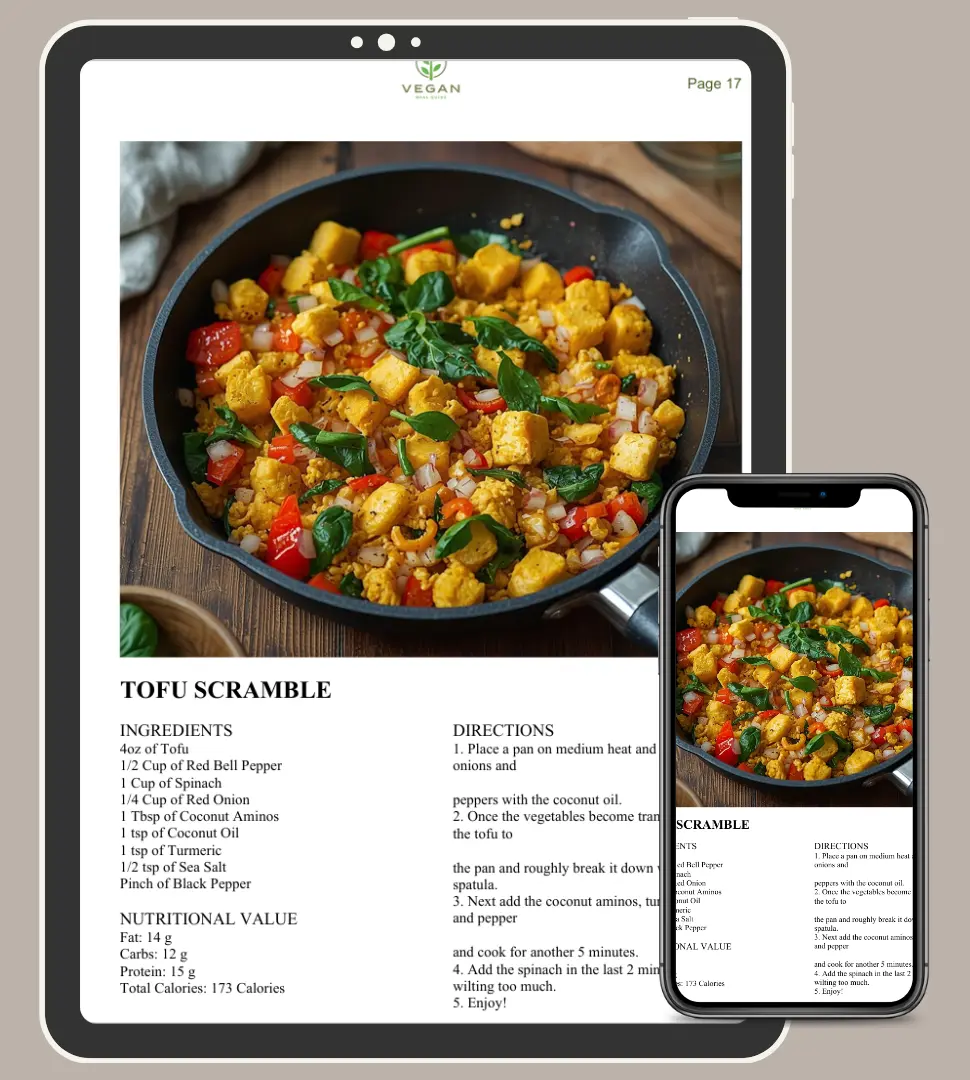
Tofu scramble: ½ block firm tofu (20g) with nutritional yeast (2g), spinach, and whole grain toast
Lentil quinoa bowl: 1 cup cooked lentils (18g) + ½ cup quinoa (4g) + tahini dressing (3g)
Apple with almond butter: 2 Tbsp almond butter (6g) + hemp seed sprinkle (2g)
Chickpea curry: 1 cup chickpeas (15g) + brown rice (5g) with coconut milk and vegetables
Total: approximately 75 grams protein, distributed across four eating occasions to optimize muscle protein synthesis. For batch-cooking strategies that streamline this framework, the vegan batch cooking recipes weekly guide covers time-saving techniques.
Special Considerations for Athletes and Active Lifestyles
Individuals engaged in regular resistance training, endurance sports, or high-volume activity benefit from protein intake at the higher end of recommended ranges. Plant-based athletes can meet these targets through strategic food selection and timing.
Post-Workout Nutrition
Consuming 20-40 grams of protein within two hours after training supports muscle repair and adaptation. Plant-based options include:
- Protein smoothie with pea protein, banana, and hemp seeds
- Tempeh sandwich on whole grain bread
- Lentil soup with whole grain crackers
- Tofu scramble with vegetables
For comprehensive guidance on protein supplementation when whole food intake proves challenging, the vegan protein powder guide covers product selection and timing protocols.
Calorie Considerations
Higher protein targets require adequate total calories to achieve. Plant-based eaters in calorie deficits for weight loss should prioritize protein-dense foods like tempeh, seitan, and legumes to meet targets without excessive volume. For structured weight management approaches, the vegan diet weight loss plan guide provides calorie-conscious frameworks.
Recovery and Adaptation
Beyond total protein, factors influencing recovery include carbohydrate availability for glycogen replenishment, hydration status, sleep quality, and micronutrient adequacy. A holistic approach addresses all these elements rather than focusing on protein alone. For evidence-based recovery protocols, peer-reviewed research from NIH Office of Dietary Supplements provides authoritative guidance on nutrient timing and supplementation.
Busting Common Protein Myths
Misinformation about plant-based protein persists across social media and casual conversations. Separating fact from fiction empowers confident decision making.
Myth 1: Plant Proteins Are Incomplete
Truth: Many plant foods contain all nine essential amino acids. Even those with lower levels of specific amino acids become complete when varied throughout the day. The body maintains an amino acid pool that draws from foods consumed across meals.
Myth 2: You Must Combine Proteins at Every Meal
Truth: Modern nutritional science recognizes that complementary proteins need not be consumed simultaneously. Eating varied plant proteins throughout the day allows the body to assemble complete amino acid profiles from available resources.
Myth 3: Vegans Cannot Build Muscle
Truth: Research consistently demonstrates that plant-based diets support muscle hypertrophy and strength gains when protein intake and resistance training are adequate. Elite vegan athletes across multiple sports provide real-world validation of these findings.
Myth 4: Protein Supplements Are Necessary
Truth: Whole food vegan protein sources provide protein plus fiber, micronutrients, and phytonutrients that isolated supplements lack. Supplements can offer convenience but are not required for meeting protein needs with intentional food selection. For guidance on when supplementation may be appropriate, the vegan supplements guide covers evidence-based recommendations.
Myth 5: Plant Protein Is Less Bioavailable
Truth: While some plant proteins have slightly lower digestibility than animal proteins, the difference is modest and easily offset by consuming slightly larger portions or prioritizing higher-quality plant sources like soy, hemp, and quinoa. Traditional preparation methods like soaking, sprouting, and fermentation further enhance bioavailability.
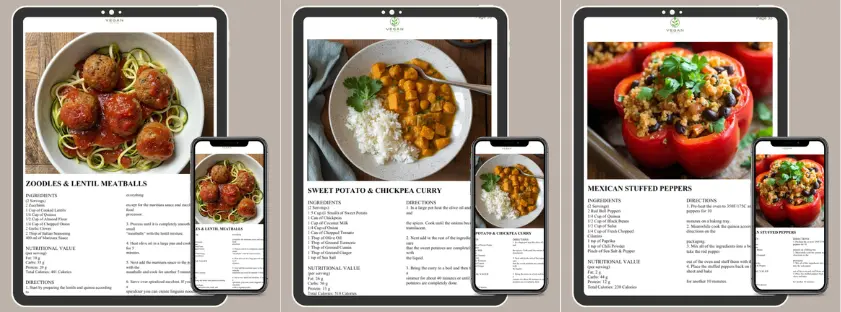
28-Day Vegan Meal Plan + Grocery list.
Transform your lifestyle with our comprehensive guide. This isn’t just a recipe book; it’s a complete system designed for success:
- 28-Day Meal Plan every meal, nothing to figure out
- 4 Weekly Grocery Lists sorted by aisle, saves money
- Balanced Macros protein, iron and B12 daily
- Under $1 Per Serving eat well on any budget
- 90-Min Sunday Prep one session, whole week fed
- Vegan Swaps Guide meat, dairy and eggs replaced
- Nutrition Toolkit protein targets and dining guide
- 36 Chef Recipes every meal photographed
Frequently Asked Questions
Can I meet my protein needs on a vegan diet without supplements?
Yes, absolutely. The Academy of Nutrition and Dietetics confirms that well-planned vegan diets provide all essential amino acids when calories are adequate and food variety is prioritized. By incorporating the vegan protein sources outlined in this guide, most adults can meet daily targets through whole foods alone. Supplements offer convenience but are not required for nutritional adequacy.
Do I need to combine proteins at every meal?
No. Current nutritional science recognizes that the body maintains an amino acid pool, drawing from foods consumed throughout the day. Eating varied plant proteins across meals allows the body to assemble complete amino acid profiles. Focus on diversity over perfection at individual meals.
Which vegan protein source is best for muscle building?
Soy products like tempeh and tofu provide complete protein with leucine content that supports muscle protein synthesis. Seitan offers exceptional protein density for those who tolerate gluten. Combining these with resistance training and adequate total calories creates an optimal environment for muscle adaptation.
How much protein should I eat after a workout?
Research suggests 20-40 grams of protein within two hours post-training optimizes muscle repair and adaptation. Plant-based options include tempeh sandwiches, lentil soup, tofu scrambles, or protein smoothies with pea protein and hemp seeds. Timing matters less than consistent daily intake.
What is the easiest way to follow a high-protein vegan diet?
The simplest approach is to follow a structured plan. The Ultimate 28-Day Vegan Meal Plan + Grocery List (Complete Solution) includes nutritionist-approved recipes and easy weekly grocery lists covering all 4 weeks, making it easy to start without planning everything from scratch.
Are protein powders necessary for vegan athletes?
Protein powders offer convenience but are not required for meeting protein needs with intentional food selection. Whole food vegan protein sources provide additional nutrients that isolated supplements lack. Consider powders only if whole food intake proves challenging due to schedule, appetite, or preference.
Can older adults meet protein needs on a vegan diet?
Yes. Older adults may benefit from slightly higher protein intake to support muscle preservation. Prioritizing easily digestible sources like lentils, tofu, and hemp seeds, combined with resistance exercise, supports healthy aging on a plant-based pattern. Consult a healthcare provider for personalized guidance.
Does cooking affect protein content in plant foods?
Cooking generally improves protein digestibility by denaturing proteins and breaking down cell walls. Some water-soluble amino acids may leach into cooking liquid, so using broth or sauces that incorporate cooking liquids preserves nutrient value. Traditional methods like soaking and fermentation further enhance bioavailability.
How do I know if I am getting enough protein?
Signs of adequate protein include stable energy, healthy hair and nails, preserved muscle mass, and normal immune function. If you experience persistent fatigue, hair loss, or slow recovery alongside a restrictive diet, discuss targeted nutrient testing with your healthcare provider. The vegan blood test guide covers relevant biomarkers.
Can children meet protein needs on a vegan diet?
Yes, with careful planning. Children have higher protein needs per kilogram than adults due to growth demands. Prioritizing calorie-dense plant proteins like nut butters, tofu, and legumes, combined with adequate total calories, supports healthy development. Work with a pediatric dietitian for personalized guidance.
Is soy safe for regular consumption?
Extensive research confirms that moderate soy consumption is safe and beneficial for most people. Soy foods provide complete protein, isoflavones with potential health benefits, and cardiovascular support. Individuals with thyroid conditions should discuss soy intake with their healthcare provider, but general population guidelines support regular inclusion.
What if I do not like the taste of some high-protein plant foods?
Preparation methods significantly impact flavor and texture. Marinating tempeh, pressing tofu, roasting chickpeas, or blending lentils into sauces transforms their sensory profile. Experiment with seasonings, cooking techniques, and recipe applications to find preparations you enjoy. Variety ensures you can meet protein needs without relying on foods you dislike.
Meeting Your Protein Needs with Whole Plant Foods
vegan protein sources are not a limitation but an opportunity to explore diverse, nutrient-dense foods that support health, performance, and culinary enjoyment. The key is intentional selection: prioritize tempeh, lentils, tofu, and other high-protein plant foods, prepare them using methods that enhance flavor and bioavailability, and distribute intake evenly across meals for optimal utilization. This food-first approach aligns with evidence-based guidance that plant-based diets meet protein requirements when varied and adequate in calories. By incorporating the 15 vegan protein sources outlined in this guide into your daily eating pattern, you can confidently meet your targets without relying on supplementation. The Ultimate 28-Day Vegan Meal Plan + Grocery List (Complete Solution) gives you exactly that, with 36 chef-tested recipes with a photo for every recipe, easy weekly grocery lists covering all 4 weeks, and a complete 28-day calendar so you always know what to prepare next.
Tired of overthinking your meals?
What’s included in your download
- 28-Day Meal Plan
- 4 Weekly Grocery Lists
- Balanced Nutrtion, protein, iron, B12
- Under $1 Per Serving
- 90-Min Sunday Prep
- Vegan Swaps Guide
- Nutrition Toolkit
- Beginner Action Plan
- Dining Out Guide
- 36 Chef Recipes
Instant PDF download. No subscriptions.
🚀 Master Your Vegan Protein
Now that you know the best sources, take your nutrition and performance to the next level with these expert deep-dives:
- ✅ Daily Planning: The 100g/Day Lazy Protein System
- ✅ Deep Science: Vegan Nutrition: The Deep Dive & Myths Debunked
- ✅ Muscle Building: Science-Based Bodybuilding & Training Guide
- ✅ Dosages: Complete Supplement Guide: What You Actually Need
Ready to put this into action?
Get the Full 28-Day Vegan Meal PlanWhether you’re building muscle, maintaining energy, or just wanting to feel your absolute best, we’ve done all the planning for you. Your protein-powered plant life starts here!
Which protein source are you most excited to try? Have a favorite plant-based protein hack?
Share in the comments below – let’s build a protein-loving community together! And if this guide brought some joy to your day, share it with someone who’s curious about plant-powered protein! 💚
P.S. I created a 28-Day Vegan Meal Plan with grocery lists and nutrition guides to help beginners eat well without stress. Check it out here.
Want to try before you buy?
Enter your email below to get 2 free recipes instantly: