
Get 100g Protein Vegan Easy Way: Your Proven Daily System
Most people trying to get 100g protein vegan the easy way are approaching it wrong: counting totals at the end of the day instead of stacking specific high-density sources at each meal, and ending every evening 20 to 30 grams short with no plan for the gap. Follow this guide and you will have a 10-source protein ranking, a complete daily meal plan that hits 107g without tracking a single number, a stacking system that works at any calorie level, and the professional prep sequence that makes 100g feel effortless by week two.
This guide shows you how to get 100g protein vegan the easy way using a simple stacking method across 5 meals daily. You will find the 10 highest plant-based protein sources ranked by grams per serving, a full daily meal plan hitting 107g, a protein timing guide, a 5-step weekly meal prep sequence, the most common mistakes people make trying to hit 100g vegan, and 12 FAQ answers covering every scenario from muscle building to budget eating.
Why 100g and the Leucine Threshold That Changes Everything
The 100g protein target is not arbitrary. For a 70 to 80kg active adult, 100g of daily protein represents approximately 1.25 to 1.45g per kilogram of body weight, sitting at the evidence-based optimum for muscle protein synthesis, satiety, and metabolic rate support. Below this level, your body is in maintenance mode at best. Above it, the marginal benefit per additional gram drops sharply. For most people trying to get 100g protein vegan, this is exactly the right target.
The counterintuitive fact that most plant-based protein guides miss: the total daily grams matter less than the protein distribution per meal. Muscle protein synthesis is triggered by reaching the leucine threshold, a minimum of approximately 3g of leucine per meal needed to activate the mTOR signalling pathway that initiates muscle repair and growth. Miss this threshold at a meal and the protein you consumed at that meal contributes very little to muscle maintenance, regardless of your daily total.
For plant-based eaters, reaching 3g of leucine per meal requires 25 to 35g of total protein per meal from most plant sources, because plant proteins are typically lower in leucine per gram than animal proteins. This means hitting 100g vegan protein spread correctly across meals is nutritionally superior to hitting 120g concentrated in one or two high-protein meals.
The 10 Highest Plant-Based Protein Sources Ranked
Not all plant proteins are equal in density, bioavailability, or leucine content. The ranking below orders the 10 most practical sources by grams of protein per standard serving. For a full breakdown of bioavailability scores (DIAAS and PDCAAS) across all plant proteins, the complete vegan protein sources guide covers the science in depth. For practical meal applications, the high-protein vegan meals guide turns these sources into ready-made plates.
The counterintuitive insight most people miss: seitan outperforms every other plant protein per gram of dry weight at 75g protein per 100g. The only reason it ranks second here is that most people eat a smaller serving than tempeh. For a detailed breakdown of how tofu, tempeh, and seitan compare in cooking applications, protein density, and digestibility, the tofu vs tempeh vs seitan comparison covers every practical angle.
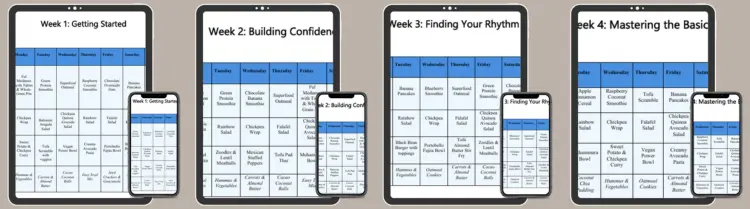
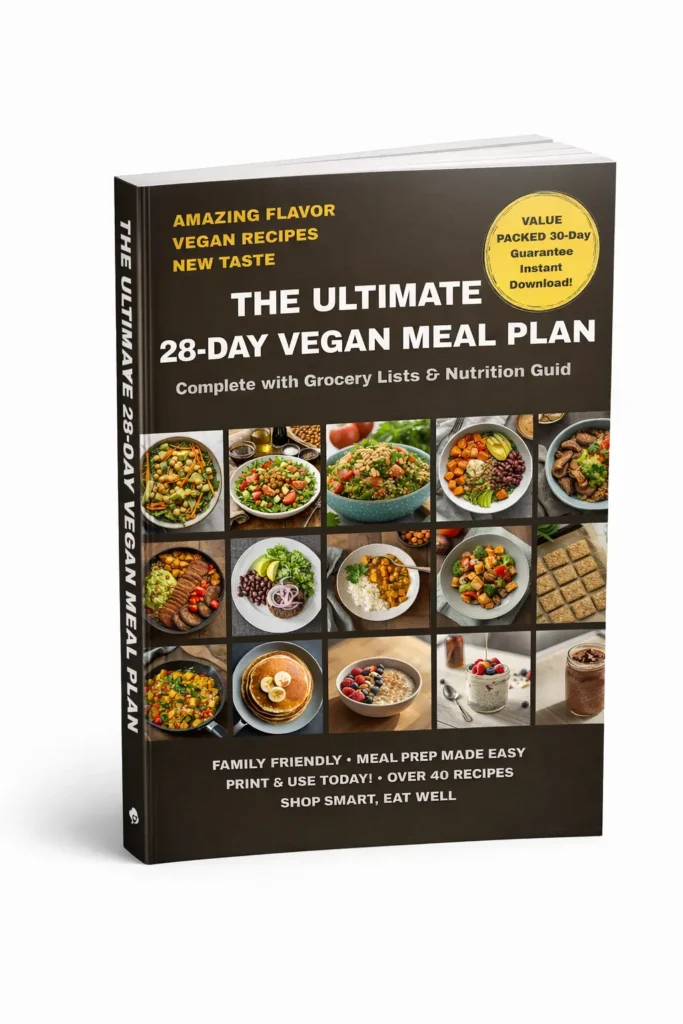
Psst.. Start your transformation now. Everything is done for you, 36 chef vegan recipes, 4 weekly grocery lists, and a full 28-day Meal Plan. Zero thinking, every meal decided. Balanced macros daily, one Sunday prep feeds your whole week. No subscription.
Get the Plan →The Stacking Method: How to Get 100g Protein Vegan Without Tracking
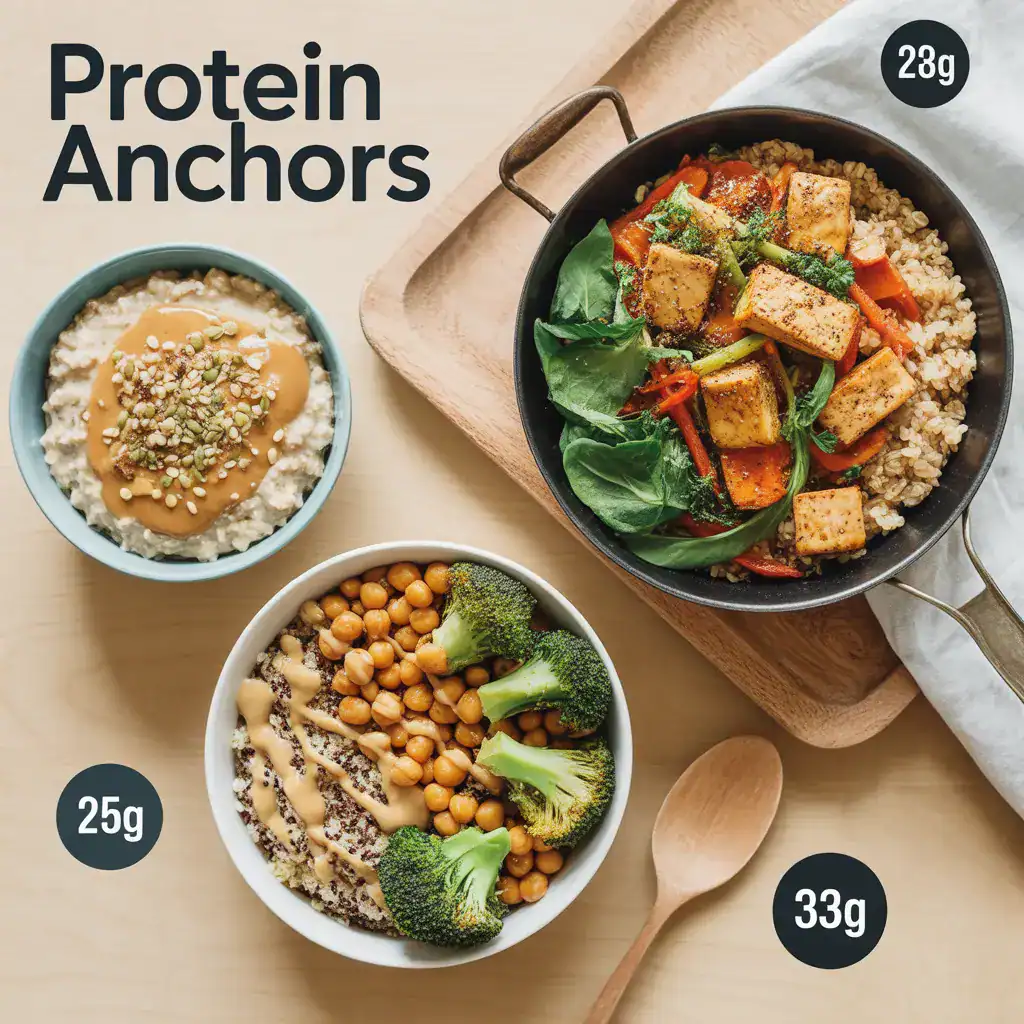
The stacking method is the practical system that makes it easy to get 100g protein vegan the easy way without opening a tracking app. The principle: assign a protein target to each meal slot and select foods that reliably hit it. When every meal has a minimum protein anchor, the daily total takes care of itself. The average person who attempts to get 100g protein vegan without this structure hits 60 to 70g by accident. With it, 100g becomes the floor rather than a stretch target.
For context on how much protein your body specifically needs, the complete guide to vegan protein requirements covers individual calculation by body weight, activity level, and life stage.
The structural rule: every meal must contain at least one food from the top 5 in the ranking above. No meal should rely solely on grains, vegetables, or nuts as its protein contribution. These foods make excellent supporting roles but cannot serve as primary protein anchors at the portions most people eat them.
Full Day Meal Plan: 107g Vegan Protein
The following plan demonstrates the stacking method in practice. Every meal has a primary protein anchor. Every snack contributes meaningfully. The total lands at 107g without supplementation, at approximately 1,950 calories, and using only common supermarket ingredients.
Tofu Scramble with Soy Milk Oats
150g firm tofu crumbled with turmeric, garlic powder, and nutritional yeast (17g) + 1 cup rolled oats made with soy milk (8g). Takes 10 minutes. Prep tofu in advance for a 3-minute morning.
Edamame + Hummus
1 cup frozen edamame (microwaved 3 minutes) (17g) + 2 tablespoons hummus (2g). Fastest high-protein snack in this guide. Zero prep time with frozen edamame.
Tempeh Grain Bowl
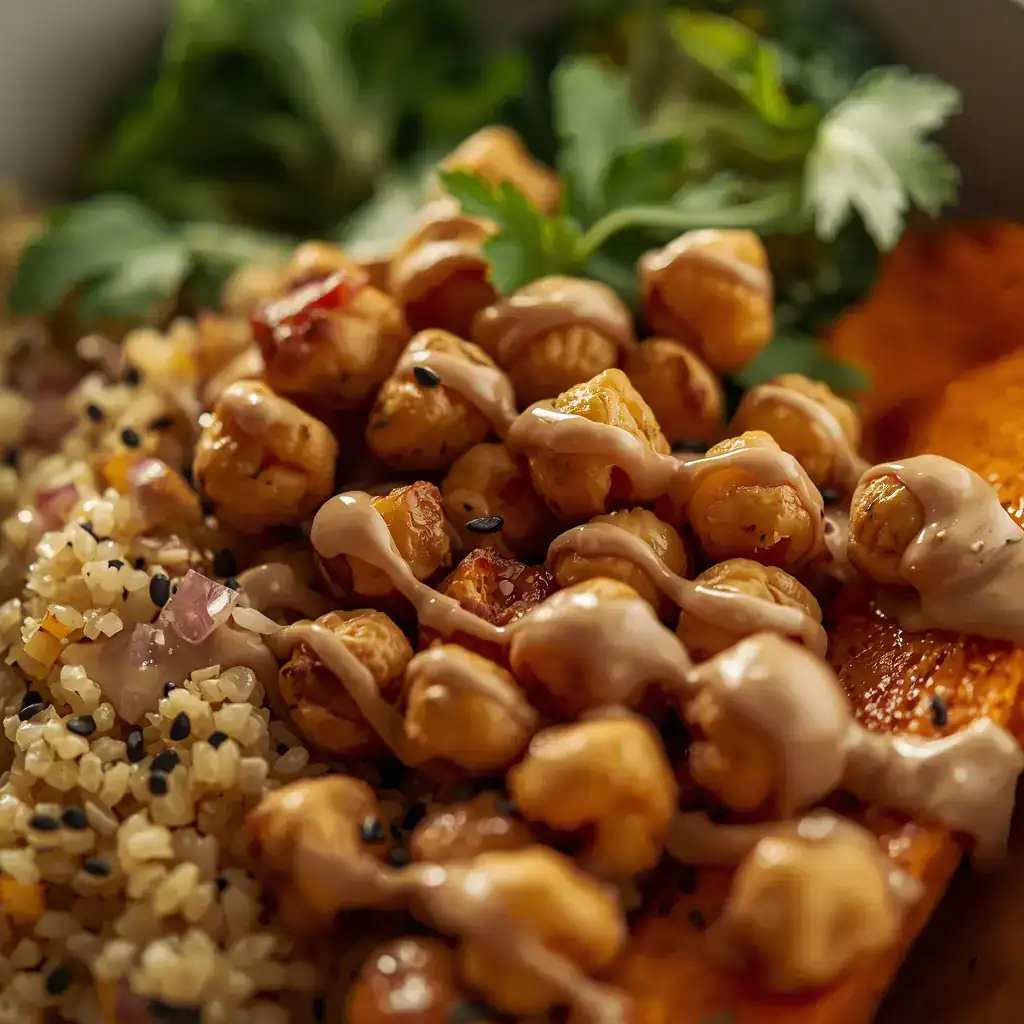
1 cup tempeh crumbles seasoned with tamari and smoked paprika (31g) over quinoa (8g) with roasted vegetables. This single meal covers nearly a third of the daily target.
Soy Protein Smoothie
1 scoop pea or soy protein powder (22g) + 1 cup soy milk (8g) + banana + frozen spinach. Blends in 60 seconds. Drink on the go.
Black Bean and Lentil Curry
1 cup black beans (15g) + 0.5 cup lentils (9g) + coconut milk + spices over brown rice. Batch-cook on Sunday for a 5-minute weeknight assembly. One pot, two protein sources, complete amino acid profile.
Total: approximately 111g protein | ~1,950 calories
Figures based on USDA FoodData Central standard serving data. Individual products vary.
For dedicated recipes and structured plates for each meal slot, the guides for high-protein vegan breakfasts, high-protein vegan lunches, high-protein vegan dinners, and high-protein vegan snacks each cover 10 or more options per category with full nutritional breakdowns.
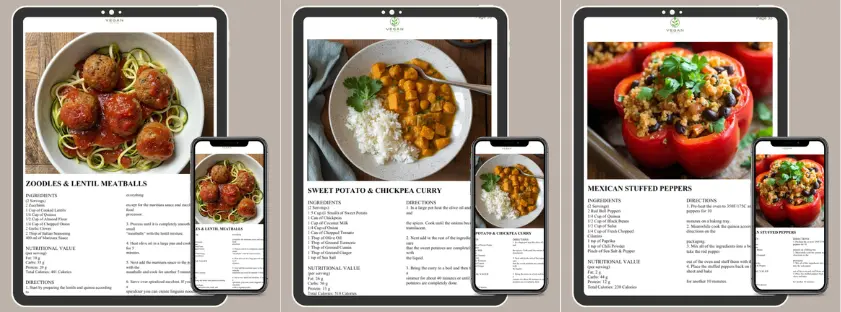
28-Day Vegan Meal Plan + Grocery list.
Transform your lifestyle with our comprehensive guide. This isn’t just a recipe book; it’s a complete system designed for success:
- 28-Day Meal Plan every meal, nothing to figure out
- 4 Weekly Grocery Lists sorted by aisle, saves money
- Balanced Macros protein, iron and B12 daily
- Under $1 Per Serving eat well on any budget
- 90-Min Sunday Prep one session, whole week fed
- Vegan Swaps Guide meat, dairy and eggs replaced
- Nutrition Toolkit protein targets and dining guide
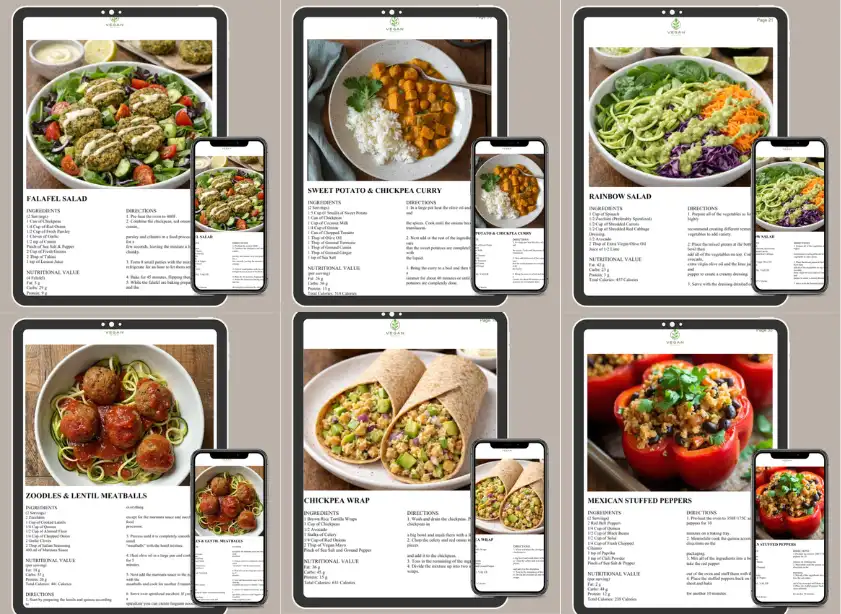
- 36 Chef Recipes every meal photographed
Protein Timing and Absorption: Making Every Gram Count
Hitting 100g vegan protein daily the easy way is the starting point. When you eat that protein determines how much of it your body actually uses for muscle repair and synthesis. Three timing principles apply specifically to plant-based protein:
Rule 1 Spread Protein Evenly: Never More Than 35g Per Meal
The body can utilise approximately 25 to 35g of protein per meal for muscle protein synthesis. Protein consumed beyond this at a single sitting is either used for energy or excreted. Eating 60g at dinner and 15g at breakfast wastes the dinner surplus and misses the leucine threshold at breakfast. Five meals of 20 to 25g each outperforms two large protein meals every time.
Rule 2 Post-Workout Protein Within 2 Hours
The muscle protein synthesis window following resistance training is most sensitive in the 2 hours post-exercise. For vegans, the ideal post-workout source is soy protein (tempeh, tofu, edamame, or soy protein powder) due to its leucine density. A 200g serving of tempeh eaten within 90 minutes of training delivers approximately 40g of protein and 3.2g of leucine, fully saturating the mTOR activation threshold.
Rule 3 Pair with Vitamin C for Iron Absorption
This is the protein timing rule that goes beyond protein itself. Every high-legume meal should include a vitamin C source (lemon juice, tomatoes, bell pepper) to maximise iron absorption from the non-haem iron in lentils, beans, and chickpeas. Iron insufficiency, not protein insufficiency, is the more common cause of fatigue and poor performance in plant-based athletes hitting their protein targets.
The High-Protein Vegan Meal Prep System
Getting 100g protein vegan the easy way requires components that are ready to assemble in under 10 minutes on any weeknight. Without a weekly prep session, even the best plan collapses by Wednesday when time and willpower both run low. For a complete weekly system covering all eight base recipes and the full parallel processing sequence, the vegan high-protein meal prep guide covers every step in detail.
The minimum viable high-protein prep session for hitting 100g daily takes 90 minutes on Sunday and covers five protein bases for the full week:
Tired of overthinking your meals?
What’s included in your download
- 28-Day Meal Plan
- 4 Weekly Grocery Lists
- Balanced Nutrtion, protein, iron, B12
- Under $1 Per Serving
- 90-Min Sunday Prep
- Vegan Swaps Guide
- Nutrition Toolkit
- Beginner Action Plan
- Dining Out Guide
- 36 Chef Recipes
Instant PDF download. No subscriptions.
5 Mistakes Keeping You Under 100g of Vegan Protein Daily
- Using almond or oat milk instead of soy milk. This single switch costs you 14 to 20g of protein daily if you use plant milk in 2 to 3 applications. Soy milk has 7 to 8g per cup; almond and oat have 0 to 1g. Switch completely.
- Relying on nuts as your primary protein source. Almonds, cashews, and walnuts are predominantly fat with modest protein. 30g of almonds delivers only 6g of protein at 180 calories. Use nuts as flavour and fat additions, not protein anchors.
- Treating protein powder as a backup rather than a tool. Protein powder is not a cheat. It is a concentrated food that takes 60 seconds to prepare and delivers 20 to 25g. Using it once daily as a planned snack, rather than as an emergency measure, adds reliability to the system. For selecting the right powder, the complete vegan protein powder guide covers pea vs soy vs rice blends, leucine content, and flavour performance.
- Under-estimating vegetables and over-weighting them in protein calculations. Broccoli has 2.5g of protein per 100g. People who include vegetables in their protein total often overestimate their actual intake by 10 to 15g. Count only the top-tier sources in your protein target and treat vegetable protein as a bonus.
- No protein anchor at breakfast when trying to get 100g protein vegan. Starting the day with plain oat milk porridge, toast, or fruit delivers under 5g of protein and immediately creates a 20g gap that is difficult to recover from by evening. The breakfast meal must contain a protein anchor (tofu, tempeh, soy milk, legumes, or protein powder) regardless of time pressure.
Chef’s Perspective: 20 Years of High-Protein Vegan Plates Across MENA and the Mediterranean
When I began cooking professionally across MENA and Mediterranean kitchens, high-protein plant-based eating was not a trend. It was simply how the cuisine worked. Every dish was built around a legume or a soy-derived protein as its structural centre. Chickpea stews, lentil soups, tempeh preparations, and bean-based dishes were not side characters on the plate: they were the plate. The protein density of traditional plant-based Mediterranean and Middle Eastern cuisine is extraordinary when you measure it, and it was achieved for centuries without tracking a single gram.
The professional insight that makes getting 100g protein vegan feel effortless rather than effortful: cook your protein source in maximum quantity on a single day and treat it as a versatile ingredient rather than a dish. A batch of tempeh crumbles made on Sunday is not Sunday’s dinner. It is the protein anchor for every lunch through Friday, taking 90 seconds to reheat and pair with whatever grain and vegetable you have available. The meal prep is not the cooking: it is the preparation for assembly. When your fridge contains tempeh, tofu, cooked lentils, and quinoa, hitting 100g is not a challenge. It is a selection.
Ingredient Spotlight: Tempeh (1 cup / 166g cooked)
The single highest-density whole-food protein in plant-based cooking. Tempeh’s Rhizopus fermentation pre-digests phytic acid, increasing mineral bioavailability and making its protein more accessible than unfermented soy. A single cup covers nearly a third of the daily 100g target.
Professional preparation tip: Always steam tempeh for 10 minutes before marinating. This removes any residual bitterness from fermentation and opens the surface for marinade absorption. Marinate for at least 30 minutes in tamari, smoked paprika, garlic powder, and a touch of maple syrup, then bake at 200°C for 30 minutes. The result is a versatile, intensely flavoured protein component that works across every cuisine profile: MENA spicing, Mediterranean herb blends, Asian-style glazes, or simple smoky BBQ.
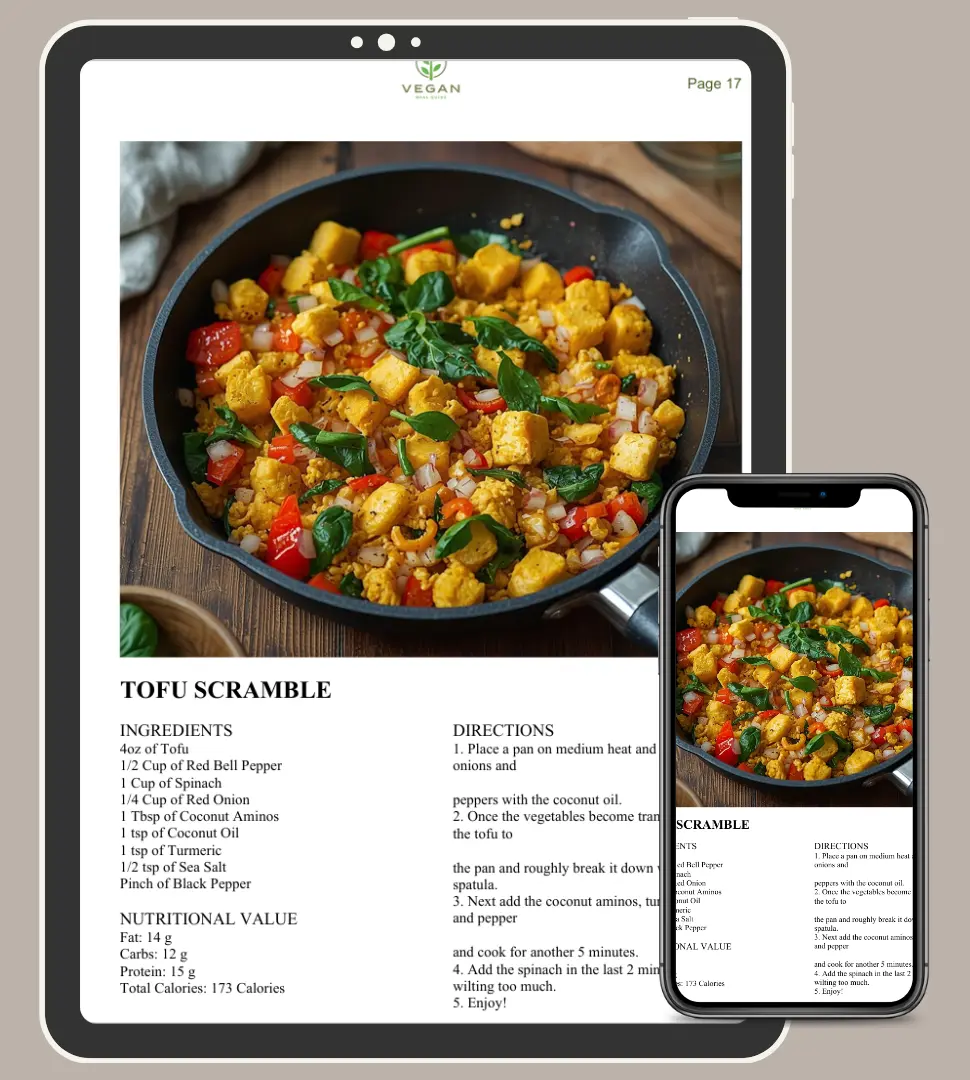
Everything I know about building high-protein plant-based meals with real flavour is applied directly inside the Ultimate 28-Day Vegan Meal Plan + Grocery List (Complete Solution), with 36 chef-tested recipes with a photo for every recipe, nutritionist-approved recipes ensuring every meal meets protein, iron, and B12 needs, and a complete 28-day calendar with shopping lists built around the stacking method above.
Frequently Asked Questions: Get 100g Protein Vegan Easy Way
Is it really possible to get 100g protein on a vegan diet without protein powder?
Yes. The daily meal plan in this guide reaches 107g using only whole foods: tempeh, tofu, lentils, black beans, edamame, quinoa, and soy milk. Protein powder accelerates the process and adds flexibility but is not required. Three meals of tempeh (31g), black beans + lentils (24g), and tofu (20g) already deliver 75g from three sources, with snacks covering the remaining 25g.
How do I get 100g vegan protein on a budget?
Dried lentils and dried black beans are the most cost-efficient protein sources at $0.08 and $0.12 per 10g of protein respectively. Two cups of cooked lentils (36g protein) plus 1 cup of black beans (15g protein) delivers 51g of protein for under $1.20. Add soy milk (16g across two servings at $0.40) and you are at 67g for under $1.60 in raw ingredient cost. Hitting 100g on a budget is entirely achievable without tempeh or protein powder.
What is the easiest single swap to add 20g protein to my vegan day?
Replace almond or oat milk with soy milk in all applications (coffee, oats, smoothies, cooking). This is the highest-return single change when you want to get 100g protein vegan. Soy milk provides 7 to 8g per cup versus 0 to 1g for other plant milks. Using three cups across the day adds 21 to 24g of protein from a switch that costs zero additional effort and minimal additional cost. This is the highest-return single change available when trying to get 100g protein vegan.
How much protein do I actually need as a vegan?
The evidence-based recommendation for active adults is 1.2 to 2.0g of protein per kilogram of body weight daily. For a 75kg person: 90 to 150g daily depending on training intensity. 100g sits at the conservative-to-moderate end of this range and is appropriate for most active vegans. Sedentary adults can maintain muscle with 0.8g per kilogram, but this becomes insufficient the moment regular exercise or any form of strength training is added.
What is the easiest way to follow a structured high-protein vegan plan?
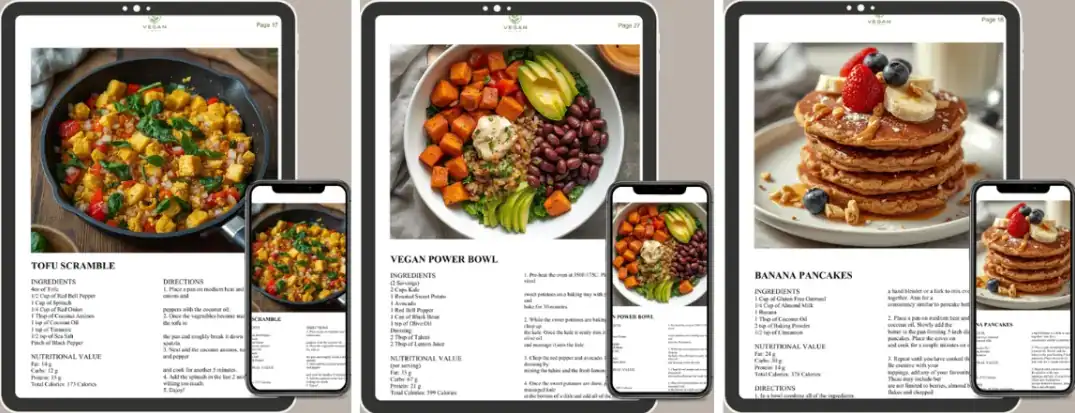
The simplest approach is a plan that removes all daily decisions. The Ultimate 28-Day Vegan Meal Plan + Grocery List (Complete Solution) includes nutritionist-approved recipes ensuring every meal meets protein, iron, and B12 needs, with a complete 28-day calendar with shopping lists built around the stacking method that makes getting 100g protein vegan the easy way a daily automatic outcome rather than a daily calculation.
Can I build muscle on 100g vegan protein per day?
Yes, provided the protein is distributed correctly across meals to hit the leucine threshold at each sitting (approximately 25 to 35g per meal from plant sources) and resistance training is consistent. The DIAAS score of a combined legume-plus-grain meal is comparable to animal protein at adequate quantities. Tempeh-centred meals specifically match or exceed whey protein for muscle protein synthesis outcomes in recent comparative studies.
Is soy safe to eat in the quantities needed to get 100g vegan protein?
Yes. The evidence comprehensively supports soy safety for most adults. Soy isoflavones are phytoestrogens but function as selective oestrogen receptor modulators rather than oestrogen agonists in most tissues. The claimed hormonal effects in men (gynecomastia, testosterone suppression) have been shown in case reports involving extraordinarily high consumption, not the 1 to 3 servings per day described in this guide. Men and women can safely consume tempeh, tofu, edamame, and soy milk daily at the quantities in this plan.
How do I hit 100g vegan protein when I am not hungry enough to eat 5 meals?
Consolidate into 3 larger meals, each targeting 30 to 35g protein, with one planned snack at 10 to 15g. Replace the protein smoothie snack with a dense meal: a tempeh bowl with beans and quinoa can deliver 45 to 50g in one sitting. The stacking method is flexible: the rule is a protein anchor at every eating occasion, not a fixed number of meals.
What are the best vegan proteins for muscle building specifically?
When you want to get 100g protein vegan and build muscle, prioritise by leucine content and amino acid quality: (1) Tempeh, (2) Soy protein isolate, (3) Seitan (high protein per gram but lower in lysine, so pair with legumes), (4) Tofu, (5) Edamame. Combine seitan with black beans or lentils at the same meal to complete the lysine gap. Pea protein powder is also a strong choice: its DIAAS score is close to soy and it blends well in smoothies.
Does protein quality matter when trying to get 100g protein vegan?
Yes, but less than most people assume when total intake is adequate. DIAAS and PDCAAS scores measure digestibility and amino acid completeness. Soy protein scores above 1.0, matching or exceeding animal proteins. Pea protein scores around 0.82. Rice protein around 0.6. At 100g daily intake from varied sources, amino acid sufficiency is almost always achieved even if individual sources are incomplete, because the shortfall from one source is covered by surplus from another.
How do I get 100g vegan protein while travelling or eating out?
Prioritise restaurants with tofu, tempeh, edamame, or legume-based dishes: Japanese, Thai, Indian, Middle Eastern, and Mediterranean restaurants are the most reliable. Pack pumpkin seeds and single-serve soy protein sachets as travel-proof backup. At airports, edamame is increasingly available. Target tempeh-based dishes as your primary protein anchor when dining out and supplement with edamame or a protein shake at a snack occasion.
How long does it take to stop struggling to hit 100g vegan protein daily?
Most people who implement the stacking method consistently find that hitting 100g stops feeling effortful by day 10 to 14. The meal slots become habitual, the protein anchors become automatic selections, and the soy milk switch becomes the default. After 4 weeks, the system runs without conscious management. The Sunday prep session is what determines whether the plan succeeds or collapses by Wednesday: batch-cooking your top three protein sources makes the entire week a 10-minute-per-meal assembly exercise.
100g Vegan Protein Is a System, Not a Struggle
The goal of this guide is to help you get 100g protein vegan the easy way without willpower, obsessive tracking, or eating the same three foods every day. It is about building a system: a protein anchor at every meal, soy milk replacing lower-protein alternatives, a Sunday prep session that loads the fridge with ready-to-assemble components, and a clear understanding of which 10 sources do the heavy lifting so you never fill a meal with foods that cannot carry their weight. Follow the stacking method, implement the meal plan above, run the 90-minute Sunday prep session, and 100g becomes the automatic floor of your day rather than an optimistic ceiling.
The Ultimate 28-Day Vegan Meal Plan + Grocery List (Complete Solution) gives you exactly that system, with nutritionist-approved recipes ensuring every meal meets protein, iron, and B12 needs, save 7+ hours weekly on meal planning, family-friendly meal prep made easy, and a 30-day money-back guarantee, no questions asked, so your plan to get 100g protein vegan easy way starts today with zero risk.
💪 Level Up Your Protein Game
Now that you have a “lazy” system for 100g of protein, use these resources to optimize your results and performance:
- 🥦 The Master List: The Best Vegan Protein Sources (Complete List)
- 🏋️ Build Muscle: Vegan Bodybuilding & Muscle Gain Guide
- 💊 Fill the Gaps: Complete Supplement Guide: What’s a Waste?
- 🔬 The Science: Vegan Diet Nutrition: The Scientific Truth
Want a High-Protein Plan Done For You?
Get the 28-Day High-Protein PlanP.S. If figuring out what to cook each night is the hardest part, I’ve done the planning for you. Get my 28-Day Vegan Meal Plan with grocery lists and nutrition guides here.
Want to try before you buy?
Enter your email below to get 2 free recipes instantly: