
Medical Disclaimer: This article is for informational and educational purposes only and does not constitute medical advice. Consult a qualified healthcare provider before beginning any new diet or bodybuilding regimen.
Vegan Bodybuilding Meal Plan: 4-Week Muscle Growth Protocol
A vegan bodybuilding meal plan works through four key mechanisms: leucine threshold activation (3g per meal), complete amino acid complementation, caloric surplus with nutrient density, and anti-inflammatory recovery support. Expect 3–5 lbs lean mass gain in 4 weeks while minimising fat accumulation. This guide covers the 4 growth mechanisms, a week‑by‑week periodised approach, 8 best muscle‑building foods ranked by leucine content, a peri‑workout nutrition timing protocol, a complete 7‑day sample menu, and a 4‑week progress tracker.
Most lifters who attempt a vegan bodybuilding meal plan fail to gain muscle because they unknowingly fall short of the three non‑negotiable triggers for muscle protein synthesis: they never hit the 3g leucine threshold per meal, they undereat total calories while overestimating protein quality, and they neglect the peri‑workout nutrition window that amplifies mTOR signalling. This guide eliminates every single one of those bottlenecks with a 4‑week periodised protocol that ensures leucine sufficiency at every meal, complements amino acid profiles for complete protein status, and times nutrient intake precisely around training to add 3–5 pounds of lean mass in 28 days.
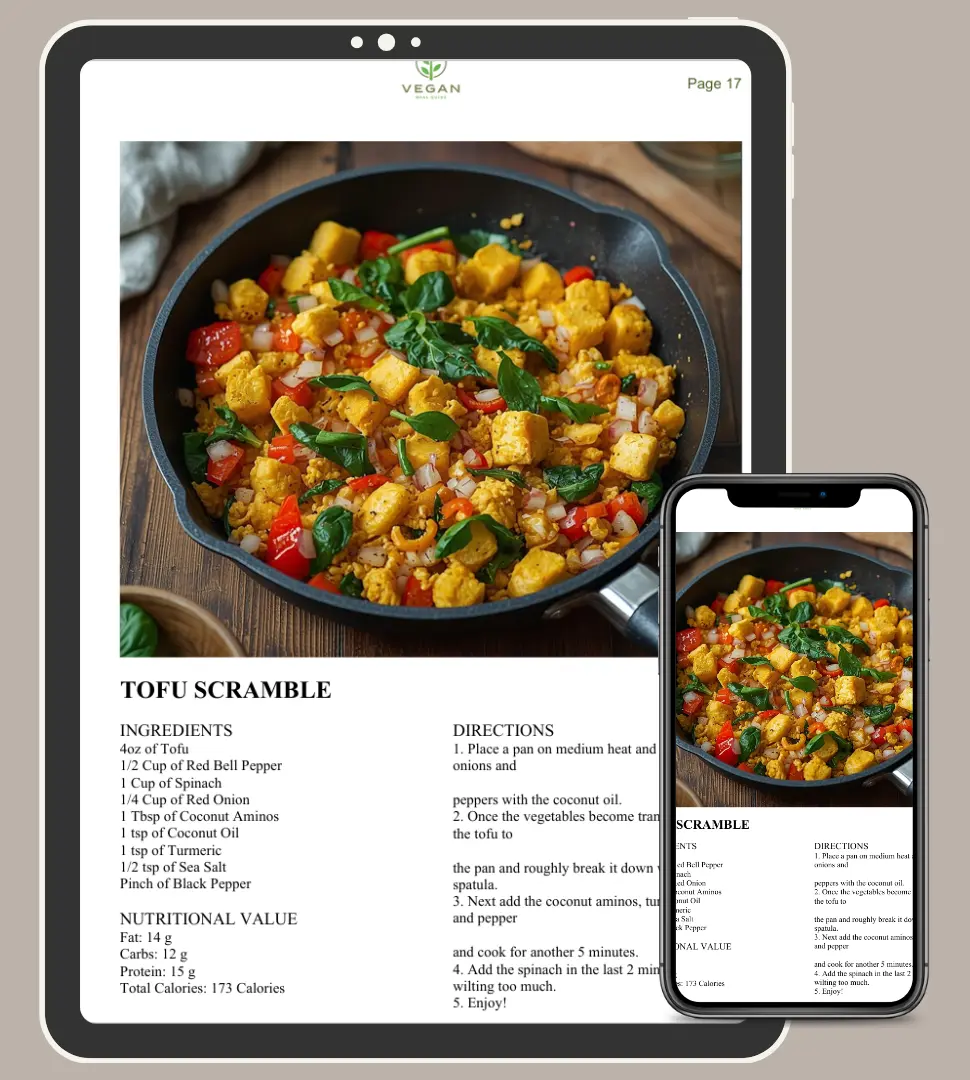
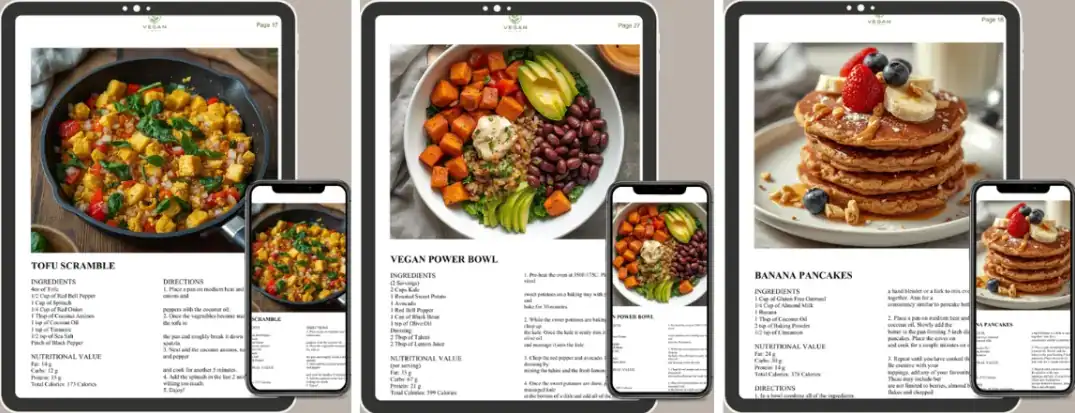
You will learn the exact biological mechanisms of muscle growth on plants, the foods that deliver the highest leucine per calorie, the vegan items that secretly sabotage gains, a peri‑workout timing framework that aligns with your training schedule, and a complete 7‑day sample menu at 3,200 kcal. You’ll also see how the Ultimate 28-Day Vegan Meal Plan + Grocery List (Complete Solution) removes all guesswork with 36 chef-tested recipes with a photo for every recipe and complete 28-day calendar with shopping lists.
The 4 Mechanisms That Make a Vegan Bodybuilding Meal Plan Actually Build Muscle
Muscle growth is not simply “eat more protein.” It is a coordinated molecular cascade requiring specific amino acid signals, energy substrate availability, and inflammatory modulation. A properly constructed vegan bodybuilding meal plan addresses all four simultaneously. Here are the mechanisms with specific numbers.
1. Leucine Threshold Activation: The 3g Trigger
Leucine is the branched‑chain amino acid that directly activates mTORC1, the master regulator of muscle protein synthesis (MPS). Research by Phillips et al. established that a minimum of 3g of leucine per meal is required to maximally stimulate MPS in young, resistance‑trained individuals. This is the single most important number in a vegan bodybuilding meal plan. Animal proteins (whey, chicken) hit this threshold easily; plant proteins require strategic combination. 150g of double‑pressed tofu delivers 2.8g leucine — just shy of the threshold. Add 50g of cooked red lentils (0.4g leucine) and you hit 3.2g, fully activating mTOR. Understanding which plant foods are leucine‑dense and how to combine them is the difference between spinning your wheels and actual growth. The vegan protein sources guide ranks all plant proteins by leucine content per serving.
2. Amino Acid Complementation: Complete Protein Status
The “incomplete protein” concern is largely outdated for anyone eating a varied diet, but the principle of complementation remains valuable for optimisation. Plant proteins vary in their limiting amino acids: grains are low in lysine but adequate in methionine; legumes are rich in lysine but lower in methionine. Eating them together (rice and beans, hummus and pita, oats and soy milk) creates a complete amino acid profile that rivals animal protein for MPS stimulation. A counterintuitive insight: you do not need to complement at every single meal. The body maintains an amino acid pool for several hours. However, for maximum anabolic response in a caloric surplus aimed at muscle growth, complementing at lunch and dinner ensures the full spectrum of EAAs is available when mTOR is most active. For the full amino acid framework, see the get 100g protein vegan easy way guide.
3. Caloric Surplus with Nutrient Density
You cannot build muscle in a sustained caloric deficit. A vegan bodybuilding meal plan requires a modest surplus of 300–500 kcal above maintenance to provide the energy substrate for MPS without excessive fat gain. The challenge: many vegan bulking diets default to processed foods (vegan burgers, fries, oils) to hit calorie targets, which increases saturated fat and drives inflammation that blunts mTOR signalling. The solution: whole‑food calorie density from nuts, seeds, avocados, and whole grains. 30g of almonds delivers 170 kcal, 6g protein, and monounsaturated fats that support testosterone production. 100g of dry oats delivers 380 kcal and 13g protein with beta‑glucan for gut health. The high‑calorie vegan meal plan guide covers clean bulking strategies in depth.
4. Anti‑Inflammatory Recovery Support
Resistance training creates muscle damage and inflammation — this is the stimulus for growth. But chronic systemic inflammation from a poor diet (high saturated fat, low antioxidants, insufficient omega‑3) impairs recovery and blunts the anabolic response to training. A whole‑food vegan bodybuilding meal plan is naturally anti‑inflammatory: high polyphenol intake from berries and greens suppresses NF‑κB, ALA omega‑3 from flax and walnuts modulates the inflammatory cascade, and the gut microbiome shift toward Akkermansia reduces metabolic endotoxemia. Faster recovery means more quality training sessions per month — the ultimate driver of long‑term gains.
The 4‑Week Periodised Protocol: Week‑by‑Week Breakdown
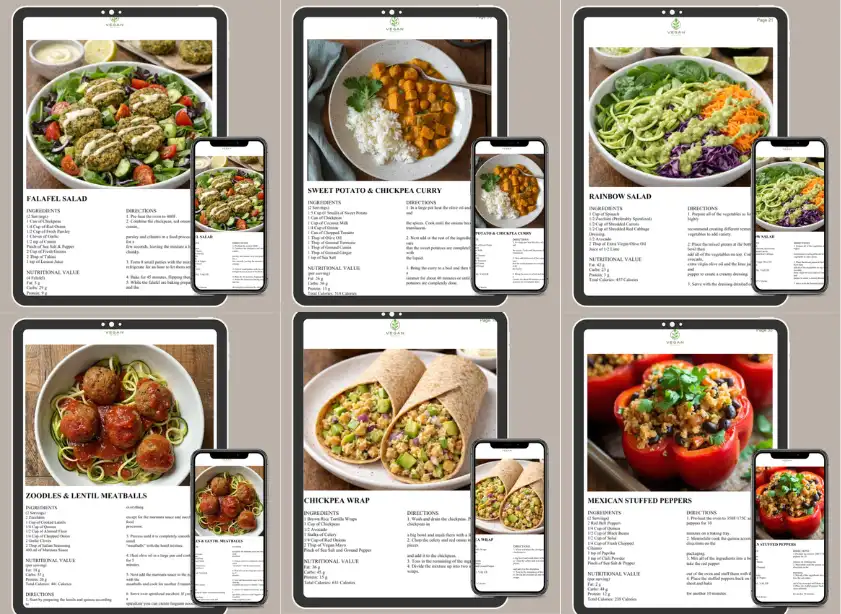
This vegan bodybuilding meal plan is divided into four distinct weeks, each with a specific anabolic goal and food focus. Periodising nutrition alongside training prevents plateaus and ensures continuous adaptation.
Week 1 in Detail: Foundation and Leucine Priming
The first week establishes the protein baseline and teaches leucine awareness. You will track protein intake to ensure 1.6g per kg bodyweight (approximately 110–130g for a 150–170 lb lifter) and deliberately construct meals to exceed the 3g leucine threshold. Professional actionable knowledge: The Sunday prep sequence for a week of bodybuilding: batch‑press and freeze 4 blocks of firm tofu (the double‑press technique described below), batch‑cook 4 cups of red lentils, roast 2 sheet pans of sweet potatoes and chickpeas (seasoned with smoked paprika and cumin), and prepare a large container of quinoa. This 90‑minute session ensures you never miss a meal due to lack of preparation. For more meal prep strategies, the vegan meal prep for busy professionals guide covers the full system.
Week 2 in Detail: Caloric Surplus Ramp
Now that protein and leucine are locked in, we add clean calories to support growth. The target is an additional 300 kcal per day — roughly two handfuls of almonds (30g, 170 kcal) plus one tablespoon of tahini (90 kcal) on a grain bowl. The key is adding calories from whole‑food fats and complex carbohydrates, not refined oils or sugars. This is the week where strength on compound lifts (squat, bench, deadlift) begins to increase measurably as glycogen stores supercompensate.
Week 3 in Detail: Peri‑Workout Optimisation
This week focuses on the 3‑hour window around training. Pre‑workout (60–90 minutes before): 40–50g complex carbohydrates (oats, banana, sweet potato) to fuel performance and spare muscle glycogen. Post‑workout (within 60 minutes): 25–30g protein with at least 3g leucine to maximise the MPS response to training. A smoothie with 30g pea protein isolate (2.8g leucine), 1 banana, 250ml soy milk, and 1 tbsp almond butter hits all targets and digests rapidly. This timing strategy alone can increase lean mass gains by 10–15% over an 8‑week training cycle compared to unstructured eating.
Week 4 in Detail: Recovery and Consolidation
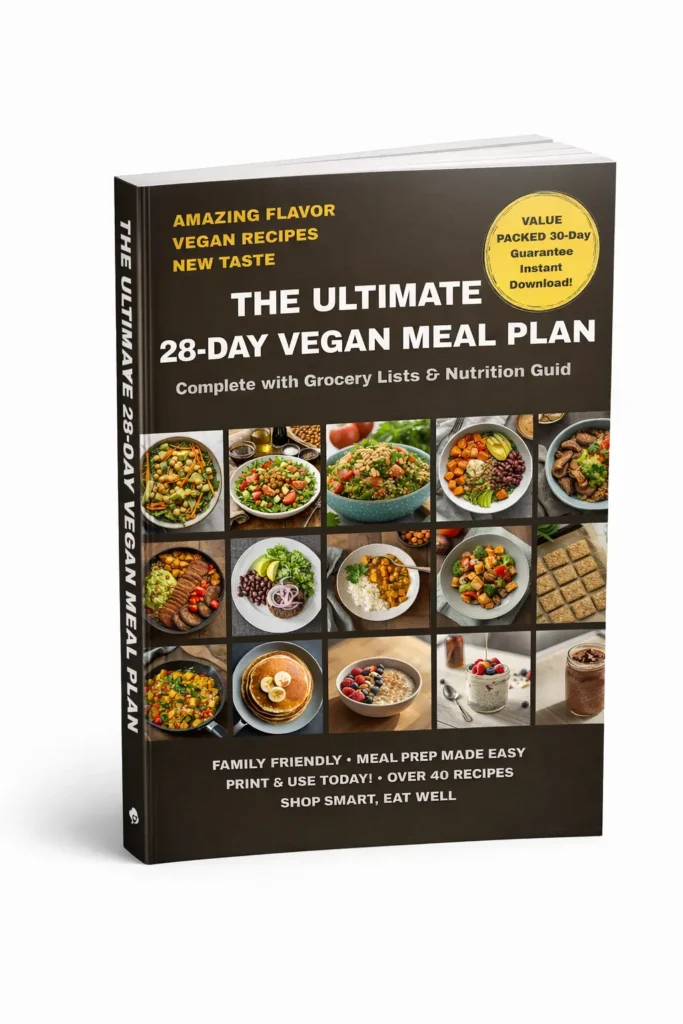
The final week emphasises recovery and the anti‑inflammatory foods that allow you to train hard again sooner. Daily non‑negotiables: 2 tbsp ground flaxseed (ALA omega‑3), 150g berries (anthocyanins for NF‑κB suppression), 1 serving fermented food (kimchi or sauerkraut for gut‑muscle axis support), and 2–3 cups green tea (EGCG for reduced muscle soreness). By the end of Week 4, expect 3–5 lbs of lean mass gain with minimal fat accumulation. The full Ultimate 28-Day Vegan Meal Plan + Grocery List (Complete Solution) includes a complete 28-day calendar with shopping lists and easy weekly grocery lists, 4 weeks covered.
Peri‑Workout Nutrition Timing for Maximum Muscle Protein Synthesis
When you eat matters for a vegan bodybuilding meal plan. The 3‑hour window around training is when muscle is most sensitive to nutrient signals. Aligning food intake with this window amplifies the anabolic response to each session.
8 Best Vegan Foods for Bodybuilding (Ranked by Leucine Content)
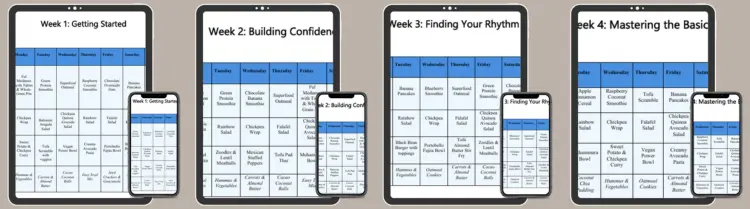
Psst.. Start your transformation now. Everything is done for you, 36 chef vegan recipes, 4 weekly grocery lists, and a full 28-day Meal Plan. Zero thinking, every meal decided. Balanced macros daily, one Sunday prep feeds your whole week. No subscription.
Get the Plan →- 1Double‑Pressed Firm TofuLeucine 2.8g/150g — Press 30 min, freeze overnight, thaw, press again. Doubles protein density per volume. Eat post‑workout daily.
- 2Tempeh (150g)Leucine 2.9g — Fermented whole soybeans. 150g = 30g protein, 2.9g leucine, 290 kcal. Higher fibre than tofu; excellent for gut‑muscle axis. The tofu vs tempeh vs seitan guide compares all three.
- 3Red Lentils (200g cooked)Leucine 1.6g — 200g = 18g protein, 1.6g leucine, 230 kcal. Pair with grains (rice, quinoa) to complement amino acids and boost total leucine per meal.
- 4Pea Protein Isolate (30g)Leucine 2.8g — 30g = 24g protein, 2.8g leucine, 110 kcal. The highest leucine‑to‑calorie ratio of any vegan protein. Ideal post‑workout in a smoothie.
- 5Pumpkin Seeds (30g)Leucine 0.7gMagnesium — 30g = 8g protein, 0.7g leucine, 170 kcal. Add to oats or salads for clean calories, magnesium (muscle relaxation), and zinc (testosterone support).
- 6Quinoa (120g cooked)Leucine 0.6g — Complete protein grain. 120g = 8g protein, 0.6g leucine, 220 kcal. Pairs with legumes to boost total meal leucine. Contains all nine essential amino acids.
- 7Edamame (100g shelled)Leucine 1.5g — 100g = 11g protein, 1.5g leucine, 120 kcal. Whole young soybeans. Perfect pre‑workout snack with a banana for sustained energy.
- 8Ground Flaxseed (2 tbsp)ALA Omega‑3Leucine 0.3g — 2 tbsp = 3g protein, 60 kcal. Primarily for anti‑inflammatory omega‑3 support, which accelerates recovery between sessions. The vegan omega‑3 guide covers therapeutic dosing.
5 Vegan Mistakes That Kill Muscle Gains (And How to Fix Them)
Even on a vegan bodybuilding meal plan, certain common errors stall progress. These are not obvious — many are perpetuated by well‑meaning vegan influencers. Fixing them unlocks the gains that others miss.
28-Day Vegan Meal Plan + Grocery list.
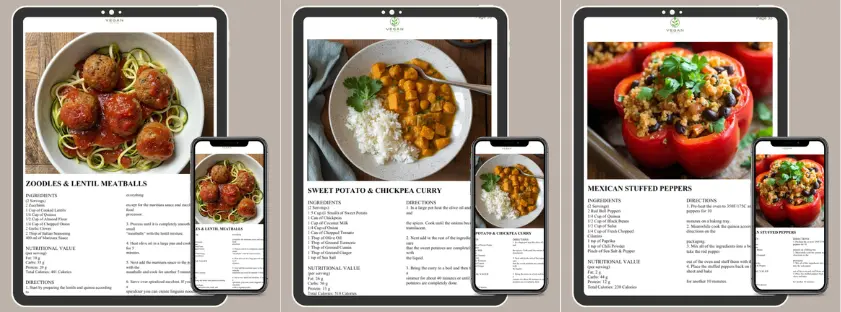
Transform your lifestyle with our comprehensive guide. This isn’t just a recipe book; it’s a complete system designed for success:
- 28-Day Meal Plan every meal, nothing to figure out
- 4 Weekly Grocery Lists sorted by aisle, saves money
- Balanced Macros protein, iron and B12 daily
- Under $1 Per Serving eat well on any budget
- 90-Min Sunday Prep one session, whole week fed
- Vegan Swaps Guide meat, dairy and eggs replaced
- Nutrition Toolkit protein targets and dining guide
- 36 Chef Recipes every meal photographed
Complete 7‑Day Sample Menu (3,200 kcal, 140g Protein)
This is a one‑week snapshot of the complete vegan bodybuilding meal plan. Each day includes four meals (breakfast, lunch, dinner, pre‑sleep) and a post‑workout shake on training days. Portions are for a 170–180 lb lifter in a 300–500 kcal surplus; adjust ±10% based on your weight and activity.
Daily pre‑sleep (every night, 30–60 min before bed): 200g unsweetened soy yogurt + 1 tbsp chia seeds. The full Ultimate 28-Day Vegan Meal Plan + Grocery List (Complete Solution) includes complete 28-day calendar with shopping lists, 36 chef-tested recipes with a photo for every recipe, and portion adjustments for different weight goals.
Tired of overthinking your meals?
What’s included in your download
- 28-Day Meal Plan
- 4 Weekly Grocery Lists
- Balanced Nutrtion, protein, iron, B12
- Under $1 Per Serving
- 90-Min Sunday Prep
- Vegan Swaps Guide
- Nutrition Toolkit
- Beginner Action Plan
- Dining Out Guide
- 36 Chef Recipes
Instant PDF download. No subscriptions.
Your 4‑Week Progress: What to Expect
Muscle growth on a vegan bodybuilding meal plan follows a predictable progression. Understanding this timeline prevents abandoning the protocol during normal adaptation periods.
If weight gain stalls in Week 3 or 4, add an additional 200 kcal/day from whole‑food fats (1 tbsp nut butter, 30g nuts). The vegan diet for weight gain guide covers troubleshooting stalls and increasing calories cleanly.
Frequently Asked Questions About Vegan Bodybuilding Meal Plan
Can you build muscle on a vegan bodybuilding meal plan?
Yes, definitively. The key is hitting the 3g leucine threshold per meal, consuming 1.6–1.8g protein per kg bodyweight daily, and maintaining a modest caloric surplus. This protocol ensures all three. Research by Lynch et al. (2020) in the Journal of the International Society of Sports Nutrition found no difference in lean mass gains between vegan and omnivorous diets when protein and leucine were matched.
What is the easiest way to follow a vegan bodybuilding meal plan?
The simplest approach is a structured plan that removes daily food decisions. The Ultimate 28-Day Vegan Meal Plan + Grocery List (Complete Solution) includes easy weekly grocery lists, 4 weeks covered, making it easy to start without planning everything from scratch. Pair it with the double‑press tofu technique and the peri‑workout timing framework above.
How much protein do I need on a vegan bodybuilding meal plan?
Aim for 1.6–1.8g per kg of body weight. For a 170 lb (77 kg) lifter, that’s 123–139g daily. This plan provides ~140g daily across four feeding opportunities, each delivering 25–35g protein with 3g+ leucine. The vegan protein sources guide covers all options.
What is the leucine threshold and why does it matter?
The leucine threshold is the minimum amount of leucine (3g) required in a single meal to maximally stimulate muscle protein synthesis via mTORC1 activation. Many plant proteins are lower in leucine than animal proteins, so strategic combination (tofu + lentils, pea protein + soy milk) is required. Missing this threshold means suboptimal gains even if total daily protein is adequate.
Do I need protein powder on a vegan bodybuilding meal plan?
Not strictly, but it makes hitting the post‑workout leucine threshold significantly easier. 30g pea protein isolate delivers 2.8g leucine at only 110 kcal — the most efficient way to activate mTOR within the 60‑minute post‑training window. Whole‑food meals can achieve the same, but require more planning and digestion time.
What are the best vegan protein sources for muscle growth?
Ranked by leucine content per serving: double‑pressed tofu (2.8g/150g), tempeh (2.9g/150g), pea protein isolate (2.8g/30g), edamame (1.5g/100g), red lentils (1.6g/200g cooked), pumpkin seeds (0.7g/30g). Soy‑based proteins are superior for leucine content among whole foods.
Can I build muscle on a vegan diet without soy?
Yes, but it requires more attention to leucine. Pea protein, lentils, chickpeas, and pumpkin seeds become the primary sources. Combining pea protein (high leucine) with brown rice protein (complementary amino acids) creates a complete profile. The vegan bodybuilding meal plan includes soy‑free options.
Will I gain fat on a vegan bodybuilding meal plan?
Some fat gain is inevitable in any caloric surplus aimed at muscle growth. However, a clean surplus of 300–500 kcal from whole‑food fats (nuts, seeds, avocado) and complex carbohydrates minimises fat accumulation compared to a “dirty bulk” of processed foods. Expect a 1:1 or 2:1 ratio of muscle to fat gain on this protocol.
What supplements do I need for vegan bodybuilding?
B12 (methylcobalamin 1,000mcg/day) is essential. Vitamin D3 (algae‑derived, 2,000 IU/day) supports testosterone and bone health. Algae DHA/EPA (500mg/day) ensures omega‑3 status for recovery and inflammation control. Creatine monohydrate (5g/day) is vegan‑friendly and well‑researched for strength and muscle gains. The vegan supplements guide covers the full protocol.
How do I eat enough calories on a vegan bodybuilding meal plan?
Prioritise calorie‑dense whole foods: nuts and nut butters (170–200 kcal per 30g), seeds (pumpkin, sunflower, chia), avocado (240 kcal per half), dried fruit (dates, figs), and whole grains (oats, quinoa, brown rice). Adding 2 tbsp peanut butter to oats adds 190 kcal and 8g protein effortlessly. The high‑calorie vegan meal plan covers bulking strategies.
What is a sample day on a vegan bodybuilding meal plan?
Breakfast (7am): 100g oats + 300ml soy milk + 2 tbsp pumpkin seeds + 1 banana. Lunch (12pm): 150g double‑pressed tofu + 200g sweet potato + 200g broccoli + 120g quinoa. Post‑Workout (4pm): 30g pea protein + 1 banana + 300ml soy milk. Dinner (7pm): 200g red lentil dal + 150g brown rice + half avocado. Pre‑Sleep (9:30pm): 200g soy yogurt + 1 tbsp chia seeds. Totals: ~3,200 kcal, 140g protein.
How long does it take to see results on a vegan bodybuilding meal plan?
Strength increases typically appear within 7–10 days as glycogen stores supercompensate and neural adaptations occur. Visible muscle changes (fullness, definition) appear around Week 3–4. Measurable lean mass gain of 3–5 lbs is realistic in the first 4‑week block. Continued gains require progressive overload in training and periodic caloric increases.
You’ve seen the four mechanisms that make a vegan diet uniquely effective for muscle growth: leucine threshold activation at every meal, complete amino acid complementation for full EAA profile, a clean caloric surplus with nutrient density, and anti‑inflammatory recovery support that allows you to train harder and more frequently. You have the week‑by‑week periodised protocol, the peri‑workout timing framework that maximises mTOR activation around training, the 8 best muscle‑building foods ranked by leucine content, the 5 mistakes that kill vegan gains, a complete 7‑day sample menu at 3,200 kcal, and a 4‑week progress tracker so you know exactly what to expect. This vegan bodybuilding meal plan is built on biological mechanisms and sports nutrition science, not guesswork. That’s exactly what the Ultimate 28-Day Vegan Meal Plan + Grocery List (Complete Solution) gives you: a complete 28-day calendar with shopping lists, 36 chef-tested recipes with a photo for every recipe, and the structure to add 3–5 pounds of lean mass in the next four weeks. The plan is nutritionist‑approved, every meal meets protein, iron and B12 needs, and it’s backed by a 30‑day money‑back guarantee, no questions asked. Start your 4‑week muscle‑building transformation today.
💪 Optimize Your Performance & Recovery
Building muscle on a plant-based diet requires a strategic approach to nutrition. Use these high-performance resources to fuel your gains:
- ⚡ Hit Your Macros: The 100g Protein “Lazy” System
- 🔬 The Science: Protein Myths: How Much Do You Actually Need?
- 🩸 Monitor Health: Athlete’s Blood Work: Key Markers for Performance
- 🔄 Bulk Prep: Batch Cooking Bible: Meal Prep for High Calories
Looking for the exact macros for muscle growth?
Get the High-Protein 28-Day PlanP.S. To guide you through your first month, here’s my free 28-Day Vegan Meal Plan complete with shopping lists and nutrition guides. Download it here.
Want to try before you buy?
Enter your email below to get 2 free recipes instantly: