
12 Vegan Batch Cooking Recipes Weekly: The Complete System
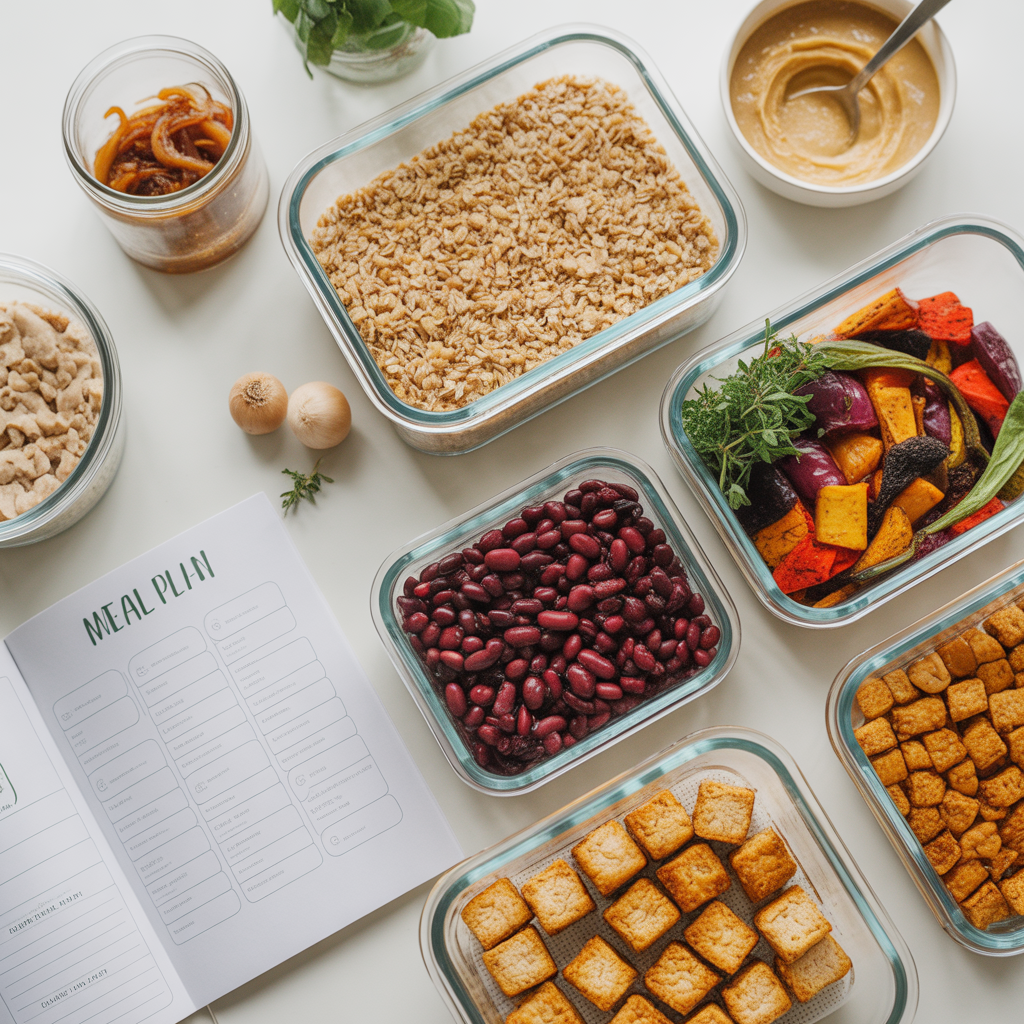
Vegan batch cooking recipes weekly are the missing system behind most failed plant-based diets: without a structured weekly component plan, you face an exhausting cycle of daily decisions, last-minute meals, and slow drift back toward processed convenience food. Follow this guide and you will leave with 12 chef-developed base recipes, a minute-by-minute Sunday prep sequence, a complete 7-day meal assembly plan, and the science-backed storage protocols that keep every component fresh and safe for the full week.
This guide covers 12 versatile vegan batch cooking recipes weekly components spanning proteins, grains, vegetables, and sauces. Prepared once each Sunday, they combine into 30 or more distinct meals across 7 days. Each base includes storage timelines, flavour variations, and multiple uses. Also inside: a professional kitchen timing sequence developed across 20 years of MENA and Mediterranean cooking, a science-backed storage guide, and a complete 7-day assembly plan.
Why Vegan Batch Cooking Recipes Weekly Beat Willpower
Most people who struggle to sustain plant-based eating are not short on motivation or knowledge. They are losing a low-level neurological battle with decision fatigue. By early evening, after dozens of micro-decisions at work, your brain actively seeks the lowest-friction option. A from-scratch vegan meal is rarely that option. A fridge of prepped components always is.
This is the core argument for committing to structured vegan meal prep rather than relying on motivation alone. Vegan batch cooking recipes weekly transform the decision from “what do I cook tonight?” into “which components do I combine?” The cognitive load drops to near zero, and execution becomes automatic.
The time arithmetic is equally compelling. Investing 2 to 3 focused hours on a Sunday eliminates an estimated 10 to 14 hours of mid-week cooking, cleaning, and reactive grocery decisions. For anyone following a vegan diet around a demanding schedule, that time recovery changes the sustainability equation entirely. Food waste drops as well: when every block of tofu and every bag of dried lentils has a pre-assigned role in a base recipe, nothing sits forgotten at the back of a drawer.
The modular structure solves the repetition problem too. You are not pre-portioning five identical containers. You are building components that recombine differently each day: Monday’s grain bowl uses the same base as Friday’s stuffed peppers but tastes entirely different because the surrounding elements change.
The 12-Base System: How Vegan Batch Cooking Recipes Weekly Work
The structural logic is component cooking rather than meal cooking. Instead of preparing five separate dishes, you produce a small number of versatile foundational elements that recombine into a large number of distinct meals. The formula is simple: Protein Base + Grain Base + Vegetable Base + Sauce = a complete, nutritionally balanced meal.
The 12 bases across a full monthly rotation fall into four categories. Protein bases: Perfect Batch Beans, Crispy Tofu Three Ways, Savory Tempeh Crumbles, and Marinated Chickpeas. Grain bases: Multi-Grain Mix and Breakfast Grain Base. Vegetable bases: Roasted Vegetable Medley and Caramelized Onions. Sauce and flavour bases: Versatile Tomato Sauce, Creamy Cashew Base, Soup Stock Concentrate, and Energy Ball Dough. This guide covers the eight that deliver the highest weekly return on prep time.
Vegan Protein Bases: Protein Density Ranked (per 1 cup cooked)
A detail most people miss: the 3g leucine threshold per meal required to trigger muscle protein synthesis through the mTOR pathway is achievable from a single serving of tempeh crumbles, a fact buried under the broader debate about plant protein completeness. Rotating these bases across your vegan batch cooking recipes weekly builds real plant-based cooking skill without repeating a single dinner.
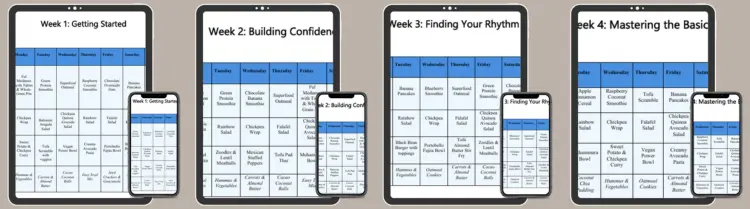
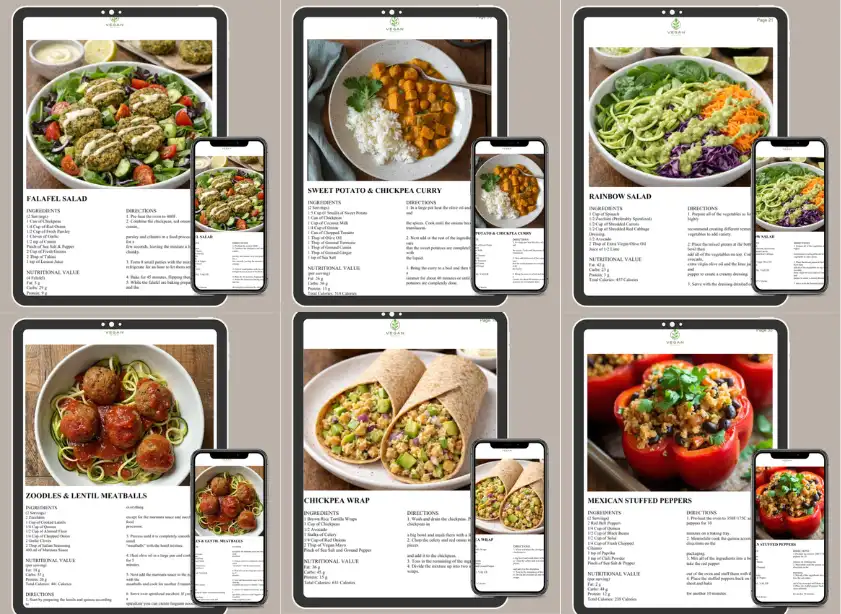
Psst.. Start your transformation now. Everything is done for you, 36 chef vegan recipes, 4 weekly grocery lists, and a full 28-day Meal Plan. Zero thinking, every meal decided. Balanced macros daily, one Sunday prep feeds your whole week. No subscription.
Get the Plan →Base 1: Perfect Batch Beans
Why Dried Beans Are the Foundation of Weekly Vegan Batch Cooking
Dried beans cost approximately one-third the price per gram of cooked protein compared to canned. They deliver superior texture, allow full sodium control, and eliminate exposure to BPA linings still present in many canned goods. For anyone building a sustainable vegan batch cooking recipes weekly routine, the switch to dried beans is the single highest-return habit change in the kitchen. For a deeper look at maximising high-protein plant-based meals, the connection between legume prep and protein economy is explored further in that guide.
Ingredient Spotlight: Cooked Black Beans (200g)
A nutritionally efficient cornerstone of any plant-based weekly batch system. Black beans deliver protein, fibre, folate, and iron at very low caloric cost.
Soluble fibre in black beans ferments in the colon to produce butyrate and other short-chain fatty acids, feeding colonocyte cells and supporting gut lining integrity. The same fermentation triggers GLP-1 and PYY satiety hormone release, suppressing appetite for 3 to 4 hours post-meal.
Method: Electric Pressure Cooker
Rinse 2 lbs (approximately 4.5 cups) of dried beans. Add to the pot with 8 cups of vegetable broth rather than water: broth absorbs into the beans during cooking and builds flavour from the inside out. Add 1 quartered onion, 4 crushed garlic cloves, and 2 bay leaves before sealing. For black and pinto beans: high pressure for 25 to 30 minutes, 15-minute natural release. For chickpeas: 35 to 40 minutes, 20-minute natural release. Yield: 10 to 12 cups, equivalent to 5 to 6 standard cans.
Three Flavour Variations (Season Before Cooking)
MENA-inspired: 1 tablespoon grated ginger, 2 teaspoons turmeric, 1 teaspoon garam masala. Mediterranean: 1 teaspoon dried oregano, 2 tablespoons tomato paste, a strip of lemon zest. Neutral everyday: aromatics only, leaving the beans ready to absorb whatever surrounds them later in the week.
Storage
Refrigerate 3 to 4 cups in cooking liquid for 5 days. Freeze the remainder in 2-cup portions for up to 3 months. For maximising iron absorption from beans, always pair them with a vitamin C source at the same meal.
The Ultimate 28-Day Vegan Meal Plan + Grocery List (Complete Solution) includes easy weekly grocery lists covering 4 weeks, so every batch of beans you prep maps directly to a structured meal plan with no guesswork.
Base 2: Fluffy Multi-Grain Mix
Cooking a single grain every week limits micronutrient variety and accelerates palate fatigue. A combination of brown rice, quinoa, and wild rice delivers the complete amino acid profile of quinoa, the resistant starch of brown rice, and the zinc and manganese concentration of wild rice, all in a single batch container.
Method
Use 2 cups brown rice, 2 cups quinoa, 1 cup wild rice or millet. Cook in 9 cups of vegetable broth. Bring to a boil, reduce to a simmer, cover, and cook for 45 minutes (check quinoa at 30 minutes). Professional technique: toast the dry grains in the pot for 2 to 3 minutes before adding any liquid. The heat triggers the Maillard reaction on the outer starch layer, building a deep nutty flavour that broth alone cannot produce.
Storage
Cool completely before portioning into 2-cup airtight containers. Refrigerate for 7 days. Freeze for 3 months. To reheat from frozen, add 2 tablespoons of water, cover, and microwave in 90-second intervals: the steam reconstitutes the grain texture without drying.
Base 3: Crispy Tofu Three Ways
Tofu is approximately 84% water by weight. Without pressing, that moisture floods your marinade and prevents the Maillard browning that creates crispiness. Press 3 blocks of extra-firm tofu for 30 minutes minimum, or use the freeze-thaw method: freeze in original packaging, thaw overnight, then squeeze out the liquid. Ice crystals formed during freezing rupture the protein matrix, creating a porous structure that absorbs marinade into its interior rather than only its surface.
For a detailed comparison of tofu, tempeh, and seitan in batch cooking contexts, that guide covers texture, protein density, and best-use applications for each. Once pressed or squeezed, cube into 1-inch pieces and toss with 3 tablespoons of cornstarch. This thin shell crisps in the oven and holds its texture for 5 to 6 days in the refrigerator.
Three Flavour Profiles
Savory-Sweet Asian: 60ml soy sauce, 2 tablespoons maple syrup, 1 tablespoon grated ginger, 2 minced garlic cloves, 1 tablespoon sesame oil. Bake at 200°C for 30 minutes, turning once. Use in stir-fries, noodle bowls, and grain salads.
Smoky BBQ: 120ml BBQ sauce, 1 teaspoon liquid smoke, 1 teaspoon smoked paprika, 1 teaspoon garlic powder. Bake at 200°C for 35 minutes. Use in sandwiches, tacos, and pizza.
Herbed Mediterranean: 3 tablespoons olive oil, 2 tablespoons lemon juice, 1 teaspoon each dried oregano and basil, 3 minced garlic cloves. Bake at 200°C for 30 minutes. Use in pasta, salads, and wraps.
Reheat in an air fryer at 190°C for 5 minutes to fully restore crispiness. A microwave produces steam that softens the crust.
Base 4: Savory Tempeh Crumbles
Tempeh delivers 31g of protein per cup cooked, the highest density of any base in this system. Its Rhizopus fermentation pre-digests phytic acid, increasing bioavailability of iron, zinc, and magnesium compared to unfermented soy. Anyone building a complete weekly plant-based protein strategy should rotate tempeh crumbles into every other prep session.
The non-negotiable step before cooking: steam 2 packages (225g each) for 10 minutes. Raw tempeh carries a bitter flavour from residual fermentation that steaming neutralises completely. After cooling, crumble with your hands into a hot skillet with 1 tablespoon of oil. Cook for 5 to 7 minutes until browning begins. Add seasoning and 2 to 3 tablespoons of broth, then cook until absorbed. Tempeh crumbles hold texture under refrigeration for 7 days, longer than tofu or beans.
Base 5: Roasted Vegetable Medley
Roasting concentrates vegetable sugars through caramelisation, producing savoury-sweet complexity impossible by steaming or boiling. The challenge is that different vegetables need very different oven times. A staggered-entry system across three pans at 220°C solves this: Pan 1 (hard root veg: sweet potato, carrot, beet) goes in first for 40 to 45 minutes total. Pan 2 (broccoli, cauliflower, bell pepper) joins after 15 minutes; they need 25 to 30 minutes. Pan 3 (zucchini, cherry tomatoes, asparagus) goes in for the final 15 to 20 minutes. Store each group separately: mixed together, their moisture levels accelerate each other’s texture breakdown. Separated, each holds 5 to 6 days.
Base 6: Caramelized Onions, The Umami Amplifier
Properly caramelized onions are an umami concentrate produced through extended Maillard breakdown of natural sugars and amino acids over low, slow heat. A spoonful folded into beans, blended into a dressing, or layered under roasted vegetables transforms the flavour profile of a complete meal without adding sodium or meaningful calories.
For batch production, the slow cooker is categorically superior to the stovetop. Thinly slice 5 large yellow onions. Load into the slow cooker with 2 tablespoons of olive oil. Cook on LOW for 10 hours overnight. No stirring required. Yield: approximately 2 cups of intensely flavoured onion jam. Refrigerate for 2 weeks or freeze in ice cube trays for 3 months. Applications include enriching bean dishes, topping pizza, blending into vinaigrettes, spreading on sandwiches, and forming the base of plant-based gravy.
Base 7: Versatile Tomato Sauce, One Pot Three Cuisines
Sauté 1 diced onion and 4 minced garlic cloves in 2 tablespoons of olive oil. Add 800g crushed tomatoes (2 standard cans), 1 tablespoon dried basil, 1 teaspoon salt, a pinch of sugar. Simmer 30 minutes uncovered. Divide into three equal portions. Italian finish: quarter cup fresh chopped basil plus 1 tablespoon balsamic vinegar. Mexican finish: 2 teaspoons cumin, 1 teaspoon chili powder, 1 diced jalapeño. Indian finish: 1 tablespoon curry powder, 1 teaspoon garam masala, 120ml full-fat coconut milk. Each portion freezes separately for up to 3 months.
Base 8: Creamy Cashew Base
Soaked and blended raw cashews produce a neutral, dense cream that serves as the foundation for dairy-free alfredo, ranch dressing, cheese sauce, and cream soups. Cashew’s high oleic acid content combined with low dietary fibre allows blending to a perfectly smooth consistency with no graininess, making it interchangeable with heavy cream in most cooked applications.
Soak 3 cups raw cashews in boiling water for 1 hour. Drain and blend with 2 cups fresh water for 3 to 4 minutes on high until smooth. Refrigerate for 5 days or freeze for 2 months. Alfredo variation: add nutritional yeast, garlic, lemon juice, salt. Ranch: add dried dill, chives, onion powder, black pepper. Cheese sauce: add nutritional yeast, smoked paprika, tomato paste, mustard.
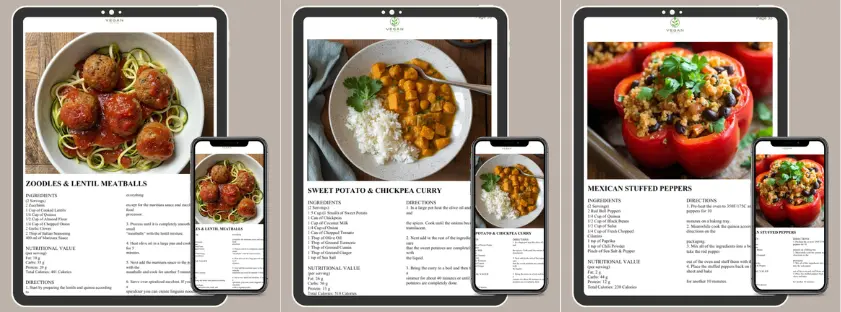
28-Day Vegan Meal Plan + Grocery list.
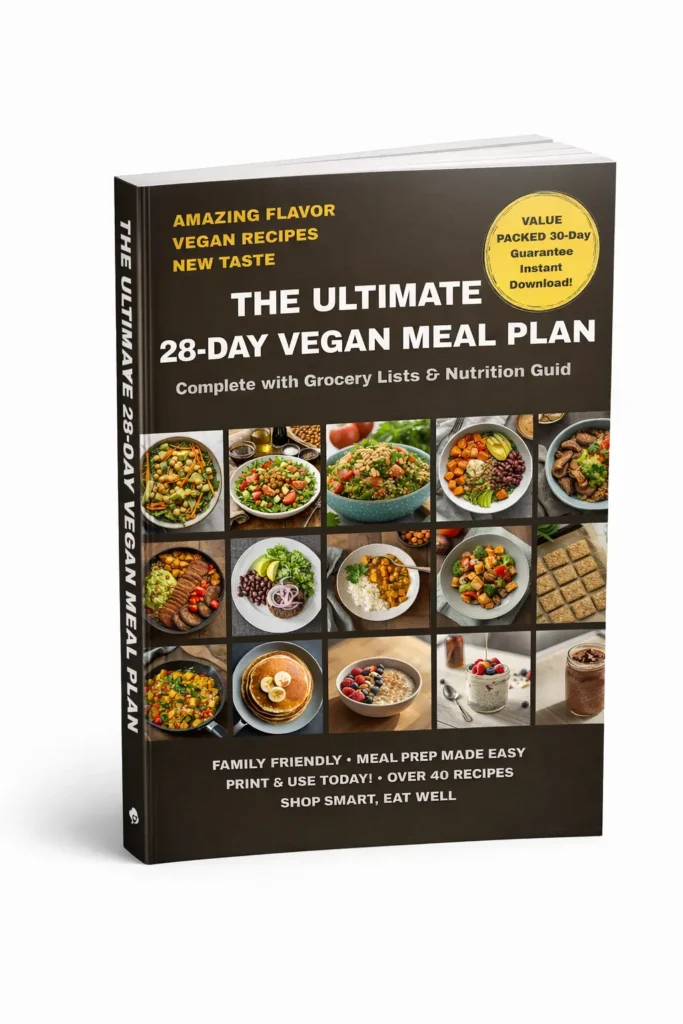
Transform your lifestyle with our comprehensive guide. This isn’t just a recipe book; it’s a complete system designed for success:
- 28-Day Meal Plan every meal, nothing to figure out
- 4 Weekly Grocery Lists sorted by aisle, saves money
- Balanced Macros protein, iron and B12 daily
- Under $1 Per Serving eat well on any budget
- 90-Min Sunday Prep one session, whole week fed
- Vegan Swaps Guide meat, dairy and eggs replaced
- Nutrition Toolkit protein targets and dining guide
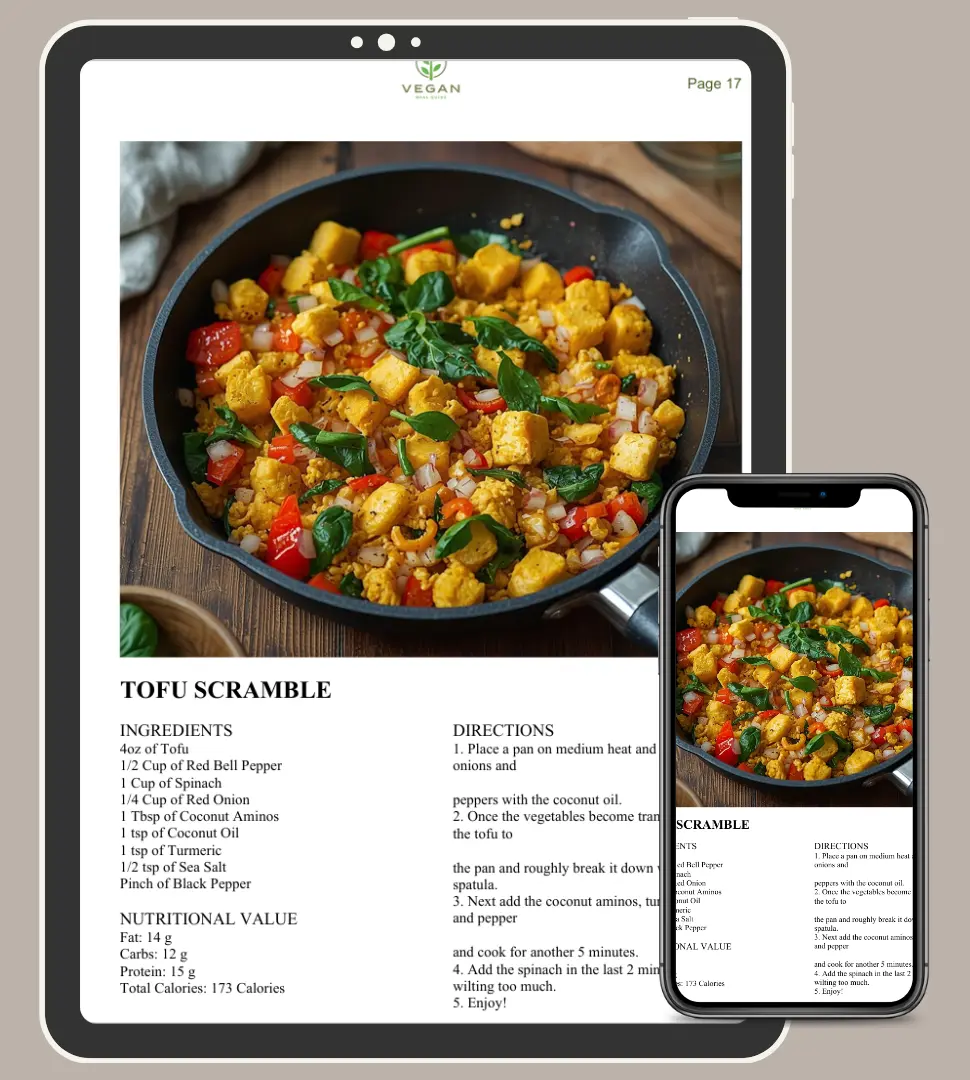
- 36 Chef Recipes every meal photographed
The Professional Sunday Prep Sequence for Vegan Batch Cooking Recipes Weekly
The difference between an exhausting 4-hour session and an efficient 2.5-hour one is parallel processing. While the oven works, the stove runs. While the pressure cooker seals, you prep at the board. Applied at home, this sequencing eliminates idle time entirely from your vegan batch cooking recipes weekly session.
Executed in this sequence, a complete 8-base vegan batch cooking recipes weekly session takes 2 hours 15 minutes to 2 hours 45 minutes of calendar time with 60 to 80 minutes of active hands-on work. Everything else runs itself.
7-Day Meal Assembly Guide for Your Weekly Vegan Batch Cooking
Once Sunday prep is complete, weeknight cooking becomes pure assembly. Every meal below can be built in 15 minutes or under from the 8 bases described in this guide.
Monday: BBQ Tofu Grain Bowl. Grain mix, BBQ tofu, roasted sweet potato, shredded cabbage, tahini dressing. Over 35g protein per bowl.
Tuesday: Black Bean Tacos. Warm tortillas, Mexican-seasoned batch beans, tomato salsa, avocado, caramelized onions. No processed sauces needed.
Wednesday: Fried Grain Bowl. Sauté grain mix until edges crisp, add frozen peas, Asian tofu, soy sauce, and sesame oil. Faster than takeaway.
Thursday: Loaded Grain Salad. Grain mix, roasted broccoli, chickpeas, cashew ranch dressing, seeds. Warm or cold.
Friday: Fast Pizza. Vegan base, Italian tomato sauce, roasted vegetables, caramelized onions. Bake at 220°C for 12 to 15 minutes.
Saturday: Buddha Bowl. Whatever bases remain with fresh greens and cucumber. The quality of your weekly prep guarantees a good result regardless of combination.
Sunday: Inventory and prep again. Freeze anything that will not last another week. Scale up whatever ran out fastest.
The Ultimate 28-Day Vegan Meal Plan + Grocery List (Complete Solution) is built on exactly this modular weekly system, with a complete 28-day calendar with shopping lists that removes the Sunday planning session entirely and replaces guesswork with a structured, nutritionist-approved framework.
Storage Science: Keeping Vegan Batch Cooking Recipes Weekly Safe and Fresh
These timelines reflect USDA food safety thresholds for cooked plant foods stored at or below 4°C (40°F), not optimistic estimates. Cooked beans in their cooking liquid: 5 days refrigerated. Cooked grain mix: 7 days. Baked tofu: 5 to 6 days. Tempeh crumbles: 7 days (lower water content). Caramelized onions: 2 weeks (very low water activity after extended cooking). Cashew cream and tomato sauce: 5 days.
For freezing: beans and grain mixes hold optimal quality for 3 months at -18°C. Tofu and tempeh freeze for 2 months. Sauces keep 3 to 4 months. For a longer-term approach to building a vegan freezer meal system, these batch bases extend directly into that framework. Store components in glass containers with airtight lids: glass resists odour and colour absorption. Keep your vegan pantry staples stocked alongside your bases so dry goods are always available for assembly. Reheat tofu and tempeh in an air fryer at 190°C for 5 minutes. Reheat grains and beans with a splash of water covered in the microwave.
Chef’s Perspective: 20 Years of Vegan Batch Cooking Recipes Across MENA and the Mediterranean
I spent the first decade of my professional career in kitchens where batch cooking was not a strategy. It was the only viable operating model. When you are responsible for producing consistent, genuinely flavourful food at volume across a full service, there is no room for daily improvisation at the base level. Proteins, grains, and sauce foundations are prepared in advance, in quantity, and with precision. Daily service becomes creative assembly, not production from scratch.
The 12-base system here is a direct translation of that professional logic into a home kitchen. What surprised me when first applying it to plant-based cooking was how completely it dissolved the consistency problem: a poorly planned plant-based day often ends at a takeaway counter because the alternatives feel like too much effort. Remove the daily decision. Build the weekly components once. The problem disappears.
Across MENA and Mediterranean traditions, the most respected cooking is not the most complex. It is excellent base ingredients prepared with technique and assembled with care. A properly caramelized onion base outperforms any exotic spice blend. A batch of chickpeas cooked in well-seasoned broth outperforms a can dressed after the fact. Systematic vegan batch cooking recipes weekly is what makes these habits sustainable at home.
Everything I know about component-based plant-based cooking is applied directly inside the Ultimate 28-Day Vegan Meal Plan + Grocery List (Complete Solution), including 36 chef-tested recipes with a photo for every recipe, structured as a true modular weekly system across all 4 weeks.
Frequently Asked Questions About Vegan Batch Cooking Recipes Weekly
What are vegan batch cooking recipes weekly and how do they differ from standard meal prep?
Vegan batch cooking recipes weekly are versatile component bases prepared once per week that recombine into different meals each day. Standard meal prep means pre-portioning identical complete meals. The batch system is modular: the same roasted vegetables serve as a bowl base Monday, a wrap filling Wednesday, and a pizza topping Friday. Different combinations prevent the repetition that makes traditional meal prep unsustainable for most people beyond 2 to 3 weeks.
How long does a weekly vegan batch cooking session actually take?
A full 8-base session using the parallel processing sequence in this guide takes 2 hours 15 minutes to 2 hours 45 minutes of total calendar time. Active hands-on work is 60 to 80 minutes. Ovens, pressure cookers, and the slow cooker handle the rest. That single investment eliminates an estimated 10 to 14 hours of mid-week cooking and decision-making.
Can vegan batch cooking recipes weekly meet all protein, iron, and B12 needs?
Yes, with intentional planning. The bases here include tempeh (31g protein per cup), baked tofu (20g), and black beans (15g). Iron absorption improves by up to 300% when paired with vitamin C-rich foods at the same meal. B12 requires supplementation for all vegans regardless of dietary quality.
How long do the weekly vegan batch cooking components stay fresh?
Cooked beans in their liquid: 5 days refrigerated. Grain mix: 7 days. Baked tofu: 5 to 6 days. Tempeh crumbles: 7 days. Roasted vegetables (stored separately by type): 5 to 6 days. Caramelized onions: 2 weeks. Tomato sauce and cashew cream: 5 days. All timelines require storage at 4°C or below in airtight containers.
Which of these vegan batch cooking bases freeze best?
Beans, grain mixes, tomato sauce, and caramelized onions freeze excellently for 3 months with no meaningful quality loss. Baked tofu and tempeh crumbles freeze for 2 months. Cashew cream freezes for 2 months but may separate slightly on thawing; re-blend for 30 seconds to restore it. Roasted vegetables lose crispness when frozen: use them refrigerated within the week or blend from frozen into soups.
What is the easiest way to follow a vegan batch cooking recipes weekly plan?
The simplest approach is a structured plan that does the thinking for you. The Ultimate 28-Day Vegan Meal Plan + Grocery List (Complete Solution) includes easy weekly grocery lists covering 4 weeks, making it easy to start your weekly vegan batch cooking routine without planning everything from scratch.
Do I need special equipment for weekly vegan batch cooking?
The session in this guide uses an electric pressure cooker, a slow cooker, a standard oven with multiple racks, a high-speed blender, and sheet pans. The pressure cooker delivers the highest return: it reduces bean cooking time from 90 stovetop minutes to 35 unmonitored minutes. Without one, stovetop cooking works but requires monitoring. The slow cooker for caramelized onions is completely hands-off overnight and produces a superior result to stovetop caramelization at scale.
How do I prevent vegan batch cooking recipes weekly from tasting repetitive?
The built-in flavour variation system prevents monotony. Beans rotate across three regional profiles (MENA, Mediterranean, Mexican). Tofu uses three different marinades in rotation. The tomato sauce divides into three distinct cuisines from one pot. Beyond the bases themselves, pairing the same component with different companions creates a completely different eating experience even when the base is identical.
Is weekly vegan batch cooking suitable for feeding a family?
Yes. The modular format suits mixed-preference households well. Children who resist standalone vegetables often accept them inside a bowl, wrap, or pizza. Mild bases like BBQ tofu and roasted sweet potato work consistently for younger eaters. Adults can add heat through individual sauces at the table.
What are the best vegan batch cooking protein bases for iron absorption?
Black beans (3.6mg iron per cup cooked), chickpeas (4.7mg), and tempeh (2.2mg) are the strongest sources in this system. Non-haem iron absorption averages 2 to 20% depending on co-consumed foods. Pairing these bases with vitamin C-rich foods at the same meal, such as tomatoes, bell pepper, or citrus, can increase absorption by up to 300%. Avoid tea or coffee within 1 hour of iron-rich meals as their tannin content competes for the same intestinal absorption sites.
How do I reheat vegan batch cooking components without losing texture?
Tofu and tempeh: air fryer at 190°C for 5 minutes, or a dry non-stick pan over medium-high heat for 3 to 4 minutes. Avoid microwave reheating for these as steam destroys the crispy exterior. Grains and beans: add 2 tablespoons of water, cover, and microwave in 90-second intervals. Roasted vegetables: toaster oven or oven at 200°C for 8 to 10 minutes. Sauces: stovetop over low heat with a splash of water to restore consistency.
Can weekly vegan batch cooking support weight management?
The evidence supports it. Plant-based dietary patterns are consistently associated with lower BMI in population studies. High fibre content in beans and grains triggers GLP-1 and PYY satiety hormone release through colonic fermentation, reducing appetite for 3 to 4 hours per meal. Eliminating impulsive eating through a structured weekly prep system reinforces this effect.
One Sunday Session Changes the Entire Week
Vegan batch cooking recipes weekly are not a short-term tactic. They are the structural foundation of a sustainable plant-based diet. The 12-base system here, executed with the parallel processing sequence and storage protocols described, produces 30 or more distinct meals from a single 2.5-hour Sunday investment. Every protein base meets the leucine thresholds for muscle maintenance. Every sauce spans three cuisine profiles from one pot.
The real transformation is not the time saved, though that matters. It is the removal of the daily cognitive friction that causes most plant-based diets to collapse around week three. When your vegan batch cooking recipes weekly components are already in the fridge, the decision is already made, assembly takes 15 minutes, and the week flows without effort. The Ultimate 28-Day Vegan Meal Plan + Grocery List (Complete Solution) gives you exactly that, with a complete 28-day calendar with shopping lists so every component has a purpose from the moment you buy it.
Tired of overthinking your meals?
What’s included in your download
- 28-Day Meal Plan
- 4 Weekly Grocery Lists
- Balanced Nutrtion, protein, iron, B12
- Under $1 Per Serving
- 90-Min Sunday Prep
- Vegan Swaps Guide
- Nutrition Toolkit
- Beginner Action Plan
- Dining Out Guide
- 36 Chef Recipes
Instant PDF download. No subscriptions.
P.S. For a no-stress way to start, I created a 28-Day Vegan Meal Plan that comes with all the grocery lists and nutrition info you’ll need. Get it here.
Want to try before you buy?
Enter your email below to get 2 free recipes instantly: