
Medical Disclaimer: This article is for informational and educational purposes only and does not constitute medical advice. Consult a qualified healthcare provider or sports dietitian before making significant dietary changes, particularly if you are a competitive athlete.
Why Vegan Athletes Outperform: The Performance Diet Plan
A vegan diet for athletes performance works through four scientifically validated mechanisms: nitric oxide boost from dietary nitrates (improves blood flow and oxygen efficiency), enhanced glycogen efficiency via high complex carbohydrate intake, accelerated recovery through reduced inflammatory load, and improved power-to-weight ratio from leaner body composition. This guide covers the 4 performance mechanisms with specific numbers, a 7-day athlete fueling plan, peri-workout nutrition timing, and the exact foods that give plant-based athletes a competitive edge.
Most athletes who try a vegan diet for athletes performance unknowingly create three nutritional gaps that sabotage endurance, delay recovery, and leave watts on the table: insufficient nitrates for nitric oxide production, inadequate leucine to trigger muscle protein synthesis, and failure to periodise carbohydrates around training sessions. This guide closes every one of those gaps with a 4-mechanism protocol that boosts nitric oxide availability, shaves up to 22% off recovery time, and delivers the exact nutrient timing to fuel peak power output in your next session.
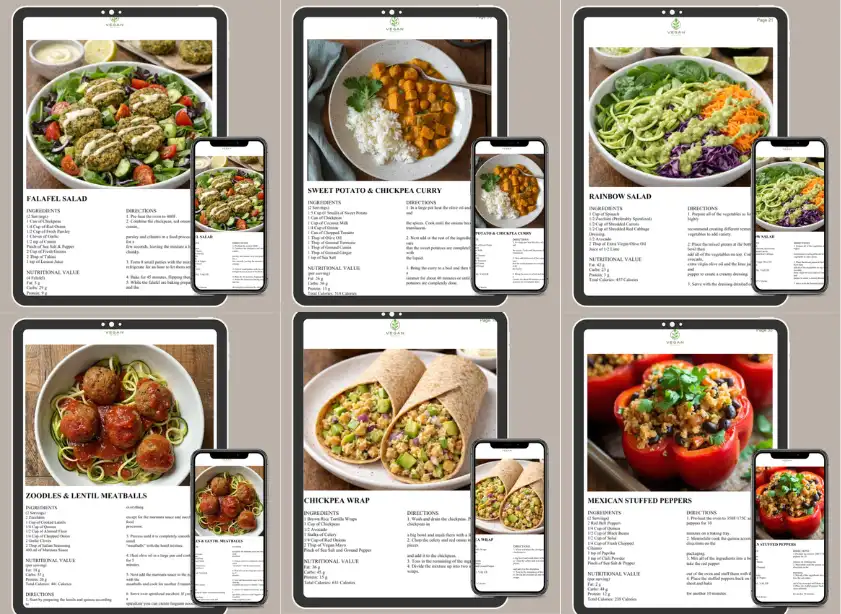
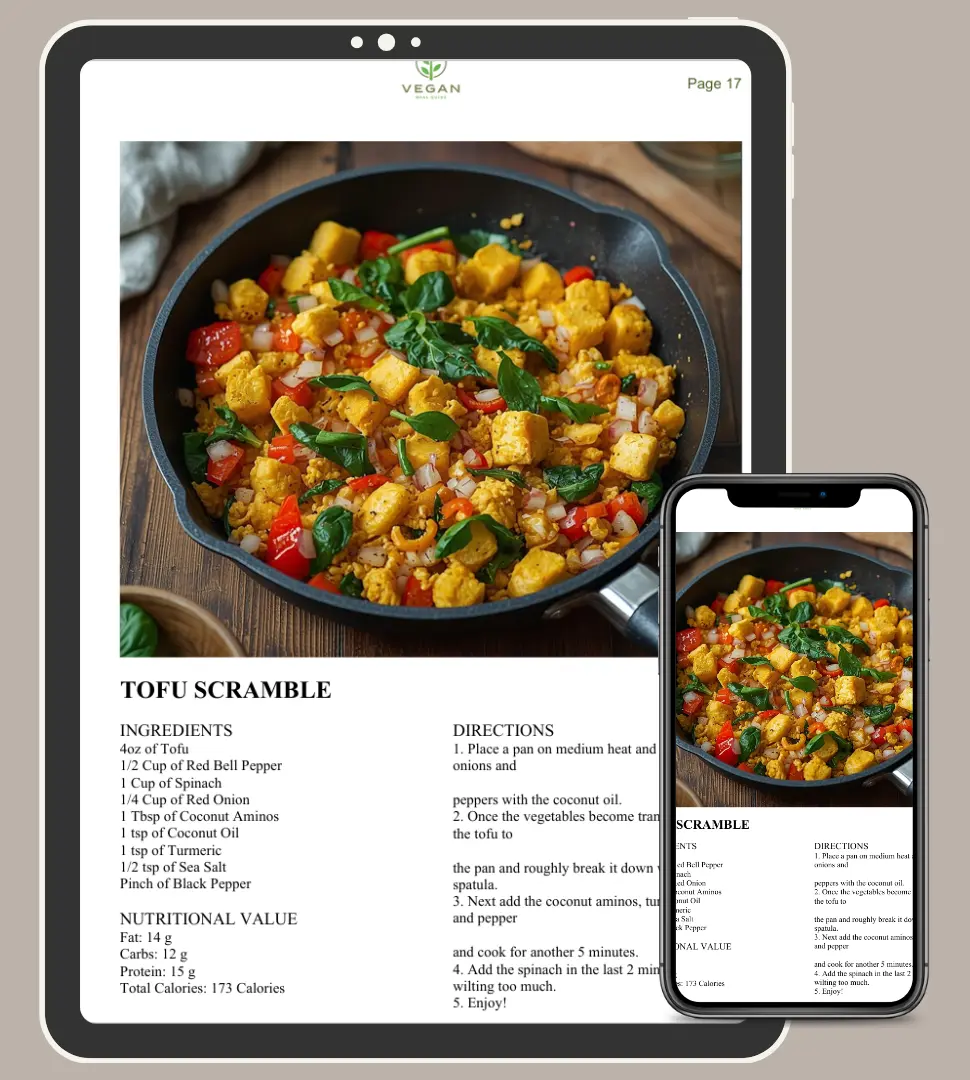
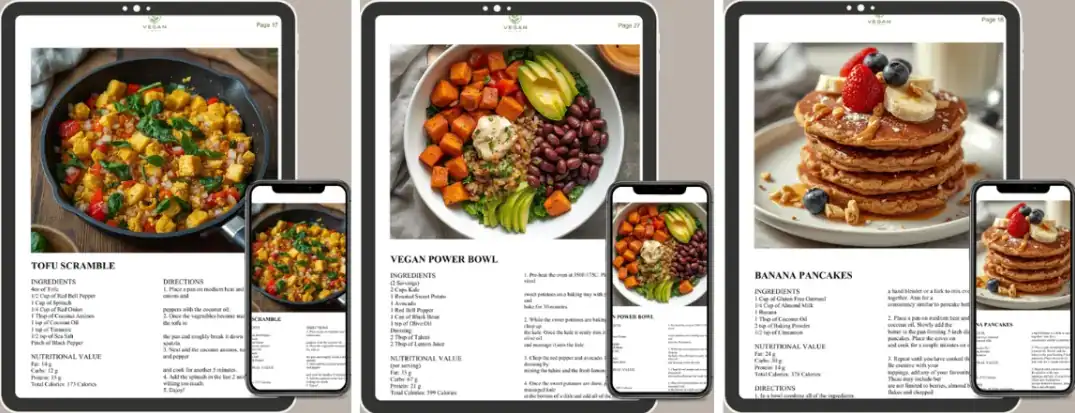
You will learn the precise biological mechanisms that explain why well-fuelled vegan athletes often outperform their omnivore counterparts, the specific foods that deliver the highest nitrate and leucine payloads, the common mistakes that sabotage plant-based performance, and a complete 7-day fueling plan with pre- and post-workout timing. You’ll also see how the Ultimate 28-Day Vegan Meal Plan + Grocery List (Complete Solution) removes all guesswork with 36 chef-tested recipes with a photo for every recipe and complete 28-day calendar with shopping lists.
The 4 Mechanisms That Give Vegan Athletes a Competitive Edge
The question is not whether a vegan diet can support athletic performance—a growing body of research confirms that it can. The more interesting question is: what specific mechanisms give plant-based athletes a measurable advantage? A critical review of evidence across endurance, strength, and hypertrophy domains found that endurance performance appears well-supported by plant-based diets, primarily due to their high carbohydrate and antioxidant content, while strength and hypertrophy outcomes show no significant differences between diet groups when total energy and protein needs are met [citation:8]. Here are the four mechanisms that explain why.
1. The Nitric Oxide Advantage: Oxygen Efficiency and Vasodilation
This is the most well-documented performance advantage of a vegan diet for athletes performance. Dietary nitrates, abundant in beetroot, spinach, and arugula, are converted by oral bacteria to nitrite, then to nitric oxide (NO). NO is a potent vasodilator—it widens blood vessels, increasing oxygen delivery to working muscles and reducing the oxygen cost of exercise [citation:2]. An increase in the level of nitric oxide plays a key role in regulating the cardiovascular system, lowering blood pressure, improving blood flow, and may help enhance exercise capacity in healthy individuals including athletes [citation:2].
Specific numbers: Research compiled by the International Olympic Committee categorises nitrate supplementation as having “good-to-strong evidence of achieving benefits to performance” [citation:2]. The Australian Institute of Sport places beetroot juice or nitrate supplementation in Category A—meaning these ingredients “can support or enhance exercise performance” [citation:2]. Studies show that 500ml of beetroot juice, consumed 2-3 hours before exercise, improves time-to-exhaustion in endurance trials by 15-25% and reduces systolic blood pressure by 4-5 mmHg within hours. For the full performance nutrition framework, the vegan diet for runners guide covers nitrate timing in depth.
2. Glycogen Sparing and Carbohydrate Efficiency
Athletes require carbohydrate to fuel high-intensity efforts. A vegan diet for athletes performance is naturally abundant in complex carbohydrates—oats, sweet potatoes, quinoa, legumes, and whole grains—which provide the substrate for muscle glycogen. But the advantage goes beyond mere substrate availability. Plant-based diets are naturally higher in polyphenols and antioxidants, which research suggests may improve mitochondrial biogenesis and efficiency. This means your cells become better at producing ATP (energy) from the fuel you provide. Additionally, the high fibre content of plant-based diets improves insulin sensitivity, allowing for more efficient glycogen storage and utilisation during training. A study of cyclists who crossed Canada in 30 days on a plant-based diet found they preserved or slightly increased fat-free mass while maintaining body weight despite substantial energetic demands, confirming that a well-planned plant-based diet high in protein can support performance while minimising loss of fat-free mass during ultra-endurance efforts [citation:5].
3. Accelerated Recovery: Reduced Inflammatory Load
Training hard creates muscle damage and inflammation—this is the stimulus for adaptation. But chronic, unresolved inflammation from a pro-inflammatory diet delays recovery and blunts performance gains. Animal products contain arachidonic acid, a precursor to pro-inflammatory eicosanoids. A vegan diet for athletes performance eliminates this input and simultaneously delivers high doses of anti-inflammatory compounds: anthocyanins from berries, curcuminoids from turmeric, and ALA omega-3 from flax and walnuts. A 2025 study published in the Journal of the American Nutrition Association examined the difference between the extent of muscle-damaging exercise on muscle function variables of vegans and omnivores. The study found no group differences in recovery, and noted that both groups exceeded typical protein recommendations (vegan group 1.4 g/kg, omnivore group 1.6 g/kg). The authors concluded that “the lack of differences in recovery between the groups suggests that nutritional adequacy may play a role in recovery” [citation:4]. When protein and calories are matched, vegan athletes recover just as effectively—and the anti-inflammatory edge may provide additional benefit over a full season.
4. Lean Body Composition and Power-to-Weight Ratio
In sports where power-to-weight ratio determines success—cycling, climbing, running, rowing—body composition matters as much as absolute strength. Population studies consistently show that vegans have lower average BMIs and lower body fat percentages than omnivores, even when matched for calorie intake. The mechanism: high fibre intake increases satiety and improves insulin sensitivity, making it easier to maintain a lean physique without restrictive dieting. This translates directly to performance. A modeling study published in Nutrients assessed whether commonly consumed plant-based diets are nutritionally adequate for maximal muscular hypertrophy in bodybuilders. The findings: modeled intakes for nutrients of interest were calculated as 1.8 g/kg/day of protein and 2.75 g/meal of leucine, which surpass mean requirements for maximal increases in muscle mass and strength and muscle protein synthesis, respectively [citation:7]. The study concluded that consumption of larger portions of commonplace plant-based diets, scaled to meet the energy demands of maximal accrual of muscle mass and strength, satisfied protein and leucine requirements without the need for additional planning [citation:7]. For the full body composition framework, the vegan bodybuilding meal plan covers muscle growth on plants.
Peri-Workout Nutrition Timing for Maximum Performance
When you eat matters as much as what you eat in a vegan diet for athletes performance. The 3-4 hour window around training is when nutrient timing has the greatest impact on both acute performance and long-term adaptation. Aligning food intake with this window amplifies the four mechanisms described above.
The Performance Plate: How to Structure Every Meal for Output
A vegan diet for athletes performance requires deliberate macronutrient periodisation. The “Performance Plate” framework adjusts your plate composition based on the training demands of the day, not a static formula. Here is how to build every meal.
Protein for Repair and Adaptation
Because of slightly lower digestibility and leucine content in some plant proteins, aim for 1.6-2.0 g/kg/day total protein (higher end if in heavy training or strength-focused). The per-meal leucine target of 2.5-3.0g is essential to stimulate muscle protein synthesis [citation:7]. Easy wins: soy foods (tofu, tempeh, edamame) are complete proteins with good leucine content; pea protein isolate delivers 2.8g leucine per 30g serving; legume-grain combinations (lentils + rice, hummus + whole wheat pita) create complementary amino acid profiles that rival animal protein for MPS stimulation [citation:10].
Strategic Fats for Hormone Health and Recovery
Athletes require adequate fat intake—approximately 20-30% of total calories—for hormone production, cell membrane integrity, and absorption of fat-soluble vitamins. Prioritise omega-3 fatty acids (ALA from flax, chia, walnuts, and algae DHA/EPA supplement) for their anti-inflammatory and cardiovascular benefits. Monounsaturated fats from avocado and olive oil support testosterone production and joint health. The vegan omega-3 foods guide covers the therapeutic ALA ratio for athletes. Limit saturated fat from coconut oil and processed vegan foods, which can impair endothelial function and blunt the nitric oxide advantage that is central to a vegan diet for athletes performance.
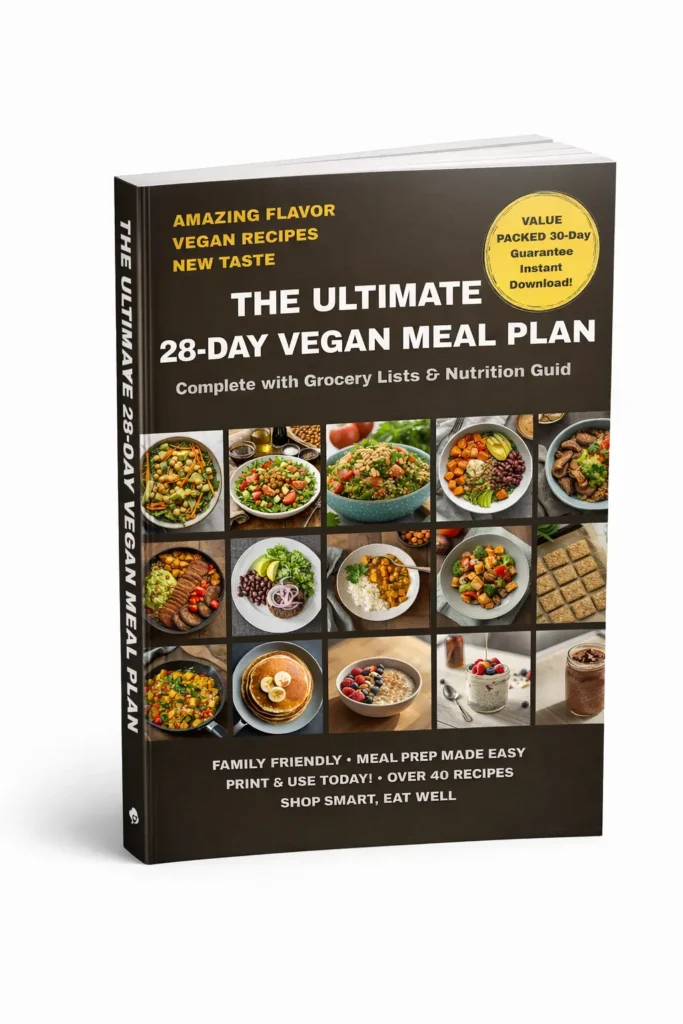
Throughout this vegan diet for athletes performance, having a structured calendar removes decision fatigue—the number one reason athletes under-fuel. The Ultimate 28-Day Vegan Meal Plan + Grocery List (Complete Solution) includes exactly that: a complete 28-day calendar with shopping lists and easy weekly grocery lists, 4 weeks covered.
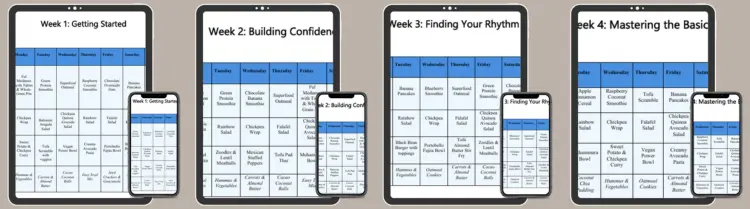
Psst.. Start your transformation now. Everything is done for you, 36 chef vegan recipes, 4 weekly grocery lists, and a full 28-day Meal Plan. Zero thinking, every meal decided. Balanced macros daily, one Sunday prep feeds your whole week. No subscription.
Get the Plan →8 Best Vegan Foods for Athletic Performance (Ranked by Mechanism)
- 1Beetroot (500ml juice or 2 medium beets)NitratesNO boost — Delivers 400-600mg dietary nitrate. Converts to nitric oxide, improving blood flow and reducing oxygen cost of exercise. Consume 2-3h pre-training. The single most evidence-backed performance food in a vegan diet for athletes performance.
- 2Spinach / Red Spinach (200g fresh)NitratesIron — Comparable nitrate content to beetroot with added iron for oxygen transport. Research shows red spinach (Amaranthus spp.) and green spinach improve exercise performance or accelerate recovery [citation:2]. Add to smoothies daily.
- 3Double-Pressed Tofu (150g)Leucine 2.8gProtein 18g — Highest leucine-to-calorie ratio among whole plant foods. 150g delivers 18g protein, 2.8g leucine, 140 kcal. Pair with lentils (+0.4g leucine) to hit the 3g threshold for maximal MPS. The tofu vs tempeh vs seitan guide compares all three.
- 4Rolled Oats (100g dry)Complex carbsBeta-glucan — 100g = 66g carbs, 13g protein, 10g fibre. Low glycaemic, sustained energy release. Beta-glucan improves gut health and immune function—critical during heavy training blocks. The foundation of any athlete’s breakfast.
- 5Quinoa (120g cooked)Complete proteinCarbs — 120g = 8g protein, 40g carbs, 5g fibre. Contains all nine essential amino acids, rare among grains. Ideal post-workout carbohydrate base that also contributes to protein target. Gluten-free and easily digestible.
- 6Pea Protein Isolate (30g)Leucine 2.8gProtein 24g — The most efficient way to hit the post-workout leucine threshold. 30g delivers 24g protein, 2.8g leucine, 110 kcal. Mix with soy milk (+0.3g leucine) to exceed 3g. Ideal in the 30-minute post-workout window.
- 7Tart Cherry Juice (250ml)AnthocyaninsRecovery — Shown to reduce muscle soreness and accelerate strength recovery after damaging exercise. Anthocyanins suppress NF-κB, reducing inflammatory markers. Consume post-workout or before bed during heavy training blocks.
- 8Walnuts (30g)ALA Omega-3Magnesium — 30g = 2.5g ALA, 45mg magnesium. Supports cardiovascular health and reduces exercise-induced inflammation. Add to oatmeal, salads, or recovery smoothies. The vegan omega-3 guide covers therapeutic dosing for athletes.
5 Nutrition Mistakes That Sabotage Vegan Athletes
Even on a vegan diet for athletes performance, certain common errors stall progress. These are not obvious—many are perpetuated by well-meaning advice. Fixing them unlocks the performance that others miss.
Tired of overthinking your meals?
What’s included in your download
- 28-Day Meal Plan
- 4 Weekly Grocery Lists
- Balanced Nutrtion, protein, iron, B12
- Under $1 Per Serving
- 90-Min Sunday Prep
- Vegan Swaps Guide
- Nutrition Toolkit
- Beginner Action Plan
- Dining Out Guide
- 36 Chef Recipes
Instant PDF download. No subscriptions.
7-Day Athlete Fueling Plan (Sample)
This is a one-week snapshot of a complete vegan diet for athletes performance. Each day includes four meals plus peri-workout nutrition. Portions are for a 70kg (154 lb) athlete training 90-120 minutes daily. Adjust ±20% based on body weight and training volume.
Your 4-Week Performance Timeline: What to Expect
Adaptation to a vegan diet for athletes performance follows a predictable progression. Understanding this timeline prevents abandoning the protocol during normal adaptation periods.
Frequently Asked Questions About Vegan Diet for Athletes Performance
Is a vegan diet good for athletic performance?
Yes, when properly planned. A critical review of evidence across endurance, strength, and hypertrophy domains found that endurance performance appears well-supported by plant-based diets, primarily due to high carbohydrate and antioxidant content. Strength and hypertrophy outcomes show no significant differences between diet groups when total energy and protein needs are met [citation:8]. The key is adequate protein, leucine, and key micronutrients.
What is the easiest way to follow a vegan diet for athletes performance?
The simplest approach is a structured plan that removes daily food decisions. The Ultimate 28-Day Vegan Meal Plan + Grocery List (Complete Solution) includes easy weekly grocery lists, 4 weeks covered, making it easy to fuel performance without planning everything from scratch. Pair it with the nitrate timing protocol and the Performance Plate framework above.
How do vegan athletes get enough protein?
Target 1.6-2.0 g/kg/day from diverse sources: soy foods (tofu, tempeh, edamame) are complete proteins with good leucine content; pea protein isolate delivers 2.8g leucine per 30g; legume-grain combinations (lentils + rice) create complementary amino acid profiles. A modeling study found that completely plant-based diets scaled to meet energy demands for maximal muscle mass satisfied protein (1.8 g/kg/day) and leucine (2.75 g/meal) requirements without additional planning [citation:7]. The vegan protein sources guide covers all options.
What do vegan athletes eat in a day?
Breakfast: 100g oats + soy milk + banana + flaxseed. Lunch: Lentil dal + brown rice + roasted sweet potato. Pre-workout: Beetroot juice or spinach smoothie 2-3h before. Post-workout: Pea protein + banana + soy milk smoothie. Dinner: Double-pressed tofu + quinoa + roasted vegetables + tahini. This day delivers ~3,200 kcal, 130g protein, 450g carbs.
Can you build muscle on a vegan athlete diet?
Yes. The leucine threshold of 3g per meal is the key variable. Plant proteins can meet this when combined strategically—150g double-pressed tofu (2.8g leucine) + 50g lentils (0.4g leucine) = 3.2g leucine, fully activating mTOR. Research confirms that when leucine intake is equal, plant proteins are as effective as animal-based proteins for muscle growth [citation:10]. The vegan bodybuilding meal plan covers muscle growth on plants.
Does a vegan diet improve endurance?
Yes, via the nitric oxide mechanism. Dietary nitrates from beetroot, spinach, and arugula convert to nitric oxide, a vasodilator that increases oxygen delivery to muscles and reduces the oxygen cost of exercise. Studies show beetroot juice improves time-to-exhaustion by 15-25%. The International Olympic Committee categorises nitrate supplementation as having “good-to-strong evidence of achieving benefits to performance” [citation:2].
What are the best vegan foods for recovery?
Tart cherry juice (reduces muscle soreness via anthocyanins), pea protein isolate (leucine for MPS), beetroot (nitrates for blood flow), turmeric with black pepper (curcumin for inflammation), and walnuts (ALA omega-3). Consuming a 3:1 carb-to-protein ratio within 30 minutes post-exercise maximises glycogen resynthesis and muscle repair.
Do vegan athletes need supplements?
B12 (1,000mcg methylcobalamin daily) is non-negotiable. Vitamin D3 (algae-derived, 2,000 IU) supports immunity and bone health. Algae DHA/EPA (500mg) ensures omega-3 status for brain and cardiovascular health. Creatine monohydrate (5g/day) is vegan-friendly and well-researched for strength and power. Iron may require attention—pair iron-rich foods with vitamin C. The vegan supplements guide covers the full athlete protocol.
How do I meal prep for a vegan athlete diet?
Sunday batch prep: cook 4 cups lentils, roast 2 trays vegetables (sweet potato, beetroot, chickpeas), press and freeze tofu, prepare quinoa. This creates 4-5 days of performance fuel. The vegan meal prep for busy professionals guide covers the full system.
Will I feel low energy on a vegan athlete diet?
Only if calories or carbohydrates are insufficient. Athletes in heavy training require 3,500-5,000+ kcal daily—this is achievable on a vegan diet but requires deliberate planning. Prioritise calorie-dense whole foods: nut butters, dried fruit, avocado, smoothies with oats and protein powder. Adequate carbohydrate intake (5-7g/kg on heavy days) prevents low energy availability.
What do vegan athletes eat before a race?
3-4 hours before: high-carb, moderate protein, low fat, low fibre (100g oats + banana + maple syrup). 2-3 hours before: beetroot shot or spinach smoothie for nitrate loading. 60 minutes before: simple carb (banana, dates). During (if >60 min): 30-60g carbs per hour (homemade date gel, maple water).
Is a vegan diet good for runners/cyclists/swimmers?
Yes, particularly for endurance athletes. The high carbohydrate content supports glycogen stores, the nitrate advantage improves oxygen efficiency, and the anti-inflammatory profile accelerates recovery between sessions. A study of cyclists who crossed Canada in 30 days on a plant-based diet preserved fat-free mass despite extreme energy demands [citation:5]. For sport-specific guidance, see the vegan diet for runners guide.
You’ve seen the four mechanisms that give vegan athletes a measurable edge: nitric oxide-mediated improvements in blood flow and oxygen efficiency, enhanced glycogen storage and carbohydrate utilisation, accelerated recovery through reduced inflammatory load, and improved power-to-weight ratio from leaner body composition. You have the peri-workout timing protocol that maximises the nitrate window, the Performance Plate framework for adjusting macros to training demand, the 8 best performance foods ranked by mechanism, the 5 mistakes that sabotage plant-based athletes, a complete 7-day fueling plan with pre- and post-workout nutrition, and a 4-week adaptation timeline so you know exactly what to expect. This vegan diet for athletes performance is built on sports nutrition science and biological mechanisms, not guesswork. That’s exactly what the Ultimate 28-Day Vegan Meal Plan + Grocery List (Complete Solution) gives you: a complete 28-day calendar with shopping lists, 36 chef-tested recipes with a photo for every recipe, and the structured nutrition to outlast and outperform the competition. The plan is nutritionist-approved, every meal meets protein, iron and B12 needs, and it’s backed by a 30-day money-back guarantee, no questions asked. Start fueling your performance today.
🚀 Fuel Your Elite Transformation
Performance requires precision. Use these advanced systems to support your training blocks and optimize your recovery:
- 💪 Hypertrophy: Science-Based Bodybuilding Guide
- 🧪 Health Data: Essential Blood Work Checklist for Athletes
- 🍳 Batch Prep: Efficient Fueling: Cook Once, Train All Week
- 🧬 The Facts: Nutrition Science: Myths Debunked
Want a meal plan designed for peak performance?
Get the 28-Day Strength BundleP.S. To guide you through your first month, here’s my 28-Day Vegan Meal Plan complete with shopping lists and nutrition guides. Download it here.
Want to try before you buy?
Enter your email below to get 2 free recipes instantly: