
Medical disclaimer: This article is for informational and educational purposes only and does not constitute medical advice. Fatigue has many potential causes including serious medical conditions. Consult a qualified healthcare provider before starting any supplementation protocol or if fatigue persists despite correction of the factors discussed in this guide.
Why Am I Tired on a Vegan Diet: 7 Causes and 7 Fixes
Why am I tired on a vegan diet is one of the most searched questions in plant-based nutrition, and the honest answer is that vegan fatigue almost always has one of seven specific, identifiable, and fully correctable causes that a standard GP blood panel will completely miss. This guide identifies all seven causes with their clinical mechanisms, gives you a specific fix for each one, tells you exactly which blood markers to request, and explains why most vegan fatigue resolves completely within 4 to 6 weeks of the correct intervention.
Why am I tired on a vegan diet is one of the most searched questions in plant-based nutrition, and the honest answer is that vegan fatigue almost always has one of seven specific, identifiable, and fully correctable causes that a standard GP blood panel will completely miss. This guide identifies all seven causes with their clinical mechanisms, gives you a specific fix for each one, tells you exactly which blood markers to request, and explains why most vegan fatigue resolves completely within 4 to 6 weeks of the correct intervention. You do not need to quit the diet. You need to identify which of the seven gaps applies to you and close it.
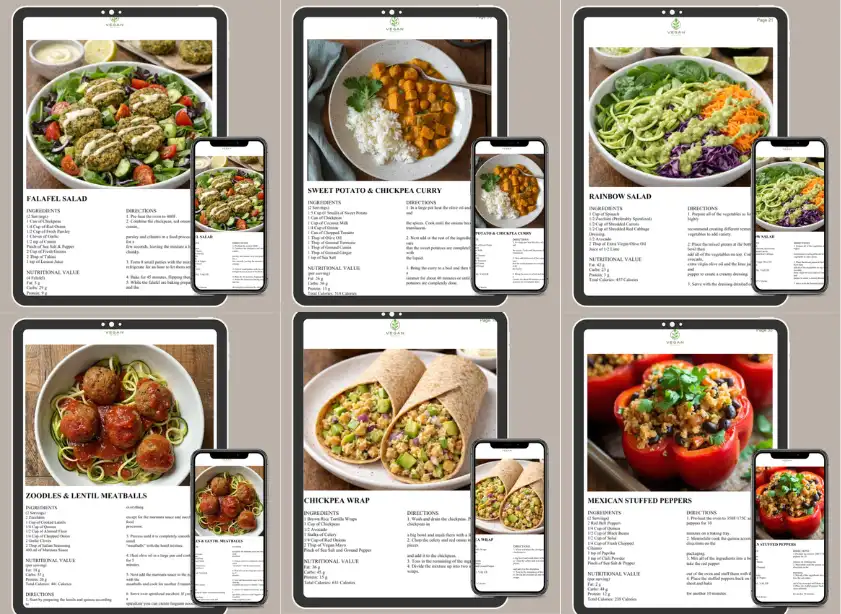
The Ultimate 28-Day Vegan Meal Plan + Grocery List (Complete Solution) addresses the nutritional completeness that prevents these gaps from appearing in the first place. It includes nutritionist-approved recipes and every meal meets protein, iron and B12 needs, so you are eating for energy from Day 1.
Why Vegan Fatigue Is Different From General Fatigue
The foundation section. Vegan fatigue is not the same as general tiredness from poor sleep or overwork. It has specific nutritional mechanisms that are unique to or disproportionately common in plant-based eaters. Understanding this distinction is what prevents the two most common mistakes: quitting the diet because of correctable fatigue, or supplementing randomly without identifying the specific cause.
General fatigue responds to sleep, stress reduction, and rest. Vegan-specific fatigue does not. It persists despite adequate sleep. It worsens over time rather than fluctuating. It often has a specific quality: the heaviness of iron deficiency feels different from the brain fog of B12 deficiency. Recognising the pattern is the first diagnostic step.
The vegan nutrient deficiencies guide covers the full landscape of potential gaps in plant-based eating, including the seven fatigue-specific causes addressed here.
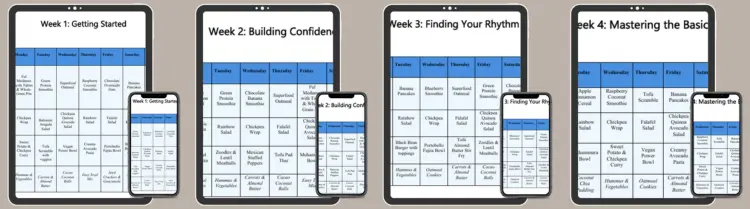
Psst.. Start your transformation now. Everything is done for you, 36 chef vegan recipes, 4 weekly grocery lists, and a full 28-day Meal Plan. Zero thinking, every meal decided. Balanced macros daily, one Sunday prep feeds your whole week. No subscription.
Get the Plan →The 7 Causes: Ranked by Frequency
These are the seven specific nutritional causes of fatigue on a vegan diet, ranked from most to least common in population studies. Each is correctable. Each has a specific diagnostic marker and a specific fix.
Cause 1: Vitamin B12 Deficiency
The most common and most serious cause.
The Mechanism
Vitamin B12 is essential for myelin sheath production, the insulating layer around nerve fibres, DNA synthesis, and red blood cell formation. Deficiency impairs oxygen transport to every cell in the body and slows nerve conduction velocity. The result is fatigue that is both physical, reduced cellular energy production, and neurological: slowed neural signalling, brain fog, and reduced motivation. This is why B12 fatigue feels different from simple tiredness. It has a cognitive component that sleep does not fix.
Why It Is Specific to Vegans
Vitamin B12 is absent from all plant foods in reliable bioavailable form. Fortified foods such as plant milks and nutritional yeast provide inconsistent amounts. Without supplementation, B12 stores deplete over 2 to 5 years depending on individual absorption efficiency and existing reserves. Someone who went vegan 6 months ago and has never supplemented is almost certainly running a B12 deficit that standard blood work will not flag.
The Counterintuitive Detail
B12 deficiency fatigue does not always show on a standard serum B12 test. Serum B12 measures total circulating B12 including inactive analogues, protein-bound forms that the body cannot use. You can have a normal serum B12 and still be functionally B12-deficient at the tissue level. Request holotranscobalamin (active B12) and methylmalonic acid (MMA) for accurate assessment. Holotranscobalamin measures the B12 that is actually available to cells. MMA rises when B12 is insufficient for cellular metabolism. If your doctor only orders serum B12, you are getting an incomplete picture.
| Marker | Lab “Normal” Minimum | Optimal Range |
|---|---|---|
| Serum B12 | Above 200 pg/mL | Above 400 pg/mL |
| Holotranscobalamin (Active B12) | Above 35 pmol/L | Above 50 pmol/L |
| Methylmalonic Acid (MMA) | Below 0.40 mmol/L | Below 0.26 mmol/L |
The Fix
Cyanocobalamin 1,000 to 2,000mcg three times weekly, or 250mcg daily. Methylcobalamin is equally effective at equivalent doses. Start immediately. Do not wait for test results if you have been vegan for over 6 months without supplementing. The risk of B12 supplementation is effectively zero. The risk of B12 deficiency is permanent neurological damage.
Timeline to improvement: Fatigue begins improving within 2 to 4 weeks of correct supplementation. Neurological symptoms, including tingling and brain fog, improve within 6 to 12 weeks. The improvements are gradual, not overnight. Track energy levels weekly to see the trend.
For a complete guide to B12 including food sources, forms, dosing, and absorption variables, the vegan B12 foods and supplement guide covers every aspect in detail.
Cause 2: Iron and Ferritin Deficiency
The most missed cause, especially in women.
The Mechanism
Iron is required for haemoglobin production, which carries oxygen to every cell in the body. Ferritin is the storage form of iron. When ferritin is low, the body rations iron for essential functions and reduces the oxygen-carrying capacity of the blood. The result is fatigue that worsens progressively through the day, is significantly worse during or after exercise, and is accompanied by shortness of breath on exertion, pale skin, and brittle nails in more advanced cases.
Why It Is Specific to Vegans
Plant foods contain only non-haem iron, which absorbs at 2 to 20% efficiency compared to 15 to 35% for haem iron from meat. Phytic acid in legumes and grains, the core of a healthy vegan diet, further reduces absorption. Women of reproductive age face additional monthly iron losses that the lower absorption rate often fails to compensate. A vegan woman with regular menstrual cycles has the highest iron demand of any dietary demographic.
The Ferritin Gap
Most laboratories flag ferritin as normal above 12 mcg/L. Fatigue, brain fog, and poor exercise tolerance begin presenting below 30 mcg/L. A result of 18 mcg/L is technically “normal” and clinically problematic simultaneously. This gap between lab normal and functional normal is the single most common reason vegan fatigue goes undiagnosed. The doctor says everything looks fine. The patient remains exhausted.
| Marker | Lab “Normal” Minimum | Optimal Range |
|---|---|---|
| Ferritin (women) | Above 12 mcg/L | Above 30 mcg/L |
| Ferritin (men) | Above 12 mcg/L | Above 40 mcg/L |
| Transferrin Saturation | Above 15% | Above 25% |
The Fix: Two Tracks
Dietary: Pair every iron-rich meal with a vitamin C source. Lentils with lemon juice. Chickpeas with bell peppers. Tofu stir-fry with broccoli. Black beans with tomatoes. This single practice increases non-haem iron absorption by up to 300%. Avoid tea and coffee within 1 hour of iron-rich meals. The tannins in tea and coffee bind to iron and prevent absorption at the same receptor sites.
Supplementation: If ferritin is below 20 mcg/L, dietary intervention alone is too slow. The body can only absorb a limited amount of iron per day, and rebuilding depleted ferritin stores takes months of consistent intake. Ferrous bisglycinate, often labelled as gentle iron, at 25 to 50mg daily taken with vitamin C and away from other supplements, is the most absorbable form with the fewest gastrointestinal side effects. Retest ferritin after 8 weeks.
Timeline to improvement: Ferritin rebuilding takes 8 to 16 weeks. Fatigue improvement tracks ferritin recovery, not supplementation start date. The first 4 weeks of iron supplementation often produce no subjective improvement. This is normal. The iron is rebuilding stores, not yet producing symptom relief. Persist.
The vegan iron sources guide covers daily targets, food pairing science, and testing protocols in full detail.
Cause 3: Vitamin D Deficiency
The Mechanism
Vitamin D regulates over 200 gene expression pathways including those controlling muscle function, immune activation, and mitochondrial energy production. It is not technically a vitamin. It is a steroid hormone precursor that influences nearly every tissue in the body. Deficiency produces a diffuse, persistent fatigue that does not resolve with sleep and is frequently accompanied by muscle weakness, low mood, and increased infection frequency.
Why It Is Relevant to Vegans
Vitamin D3, the most bioavailable and longer-acting form, comes primarily from animal sources: fatty fish, egg yolk, and fortified dairy. Plant-sourced vitamin D2 (ergocalciferol) is less potent and clears from the bloodstream faster. Most people in northern hemisphere climates are vitamin D deficient from October to April regardless of diet, but vegans have fewer dietary sources to compensate for the lack of sunlight. The deficiency risk is amplified, not created, by a vegan diet.
The Fix
Vegan vitamin D3 from lichen, not D2, at 1,000 to 2,000 IU daily. Lichen-derived D3 is chemically identical to the D3 in animal products and has the same potency and duration of action. Vitamin D2 is still widely sold as the vegan option, but it is inferior. Request 25-hydroxyvitamin D testing before and after 3 months of supplementation to confirm correction. Optimal range is 40 to 60 ng/mL (100 to 150 nmol/L). The lab minimum of 20 ng/mL is insufficient for energy and immune function. In winter months at northern latitudes, 2,000 to 4,000 IU daily may be required to maintain optimal levels.
Timeline to improvement: Energy improvement begins within 4 to 8 weeks of reaching optimal serum levels, which itself takes 8 to 12 weeks of consistent supplementation. This is not a fast fix. Start supplementing in October before the winter decline begins.
Tired of overthinking your meals?
What’s included in your download
- 28-Day Meal Plan
- 4 Weekly Grocery Lists
- Balanced Nutrtion, protein, iron, B12
- Under $1 Per Serving
- 90-Min Sunday Prep
- Vegan Swaps Guide
- Nutrition Toolkit
- Beginner Action Plan
- Dining Out Guide
- 36 Chef Recipes
Instant PDF download. No subscriptions.
Cause 4: Under-Eating Calories
The most common cause in new vegans that nobody mentions.
The Mechanism
Plant foods are significantly lower in caloric density than the animal products they replace. A person who previously ate chicken, dairy, and eggs as their primary calorie sources and replaces them with salad, vegetables, and legumes without adjusting volume will often consume 400 to 700 fewer calories per day than before. They do this without realising it, without feeling hungry in the traditional sense, because the volume of food on the plate looks the same or larger. The fibre and water content of plant foods triggers stretch receptors in the stomach that signal fullness before calorie needs are met. The result is a chronic low-grade energy deficit that produces fatigue indistinguishable from nutritional deficiency.
The Signs
Fatigue is present from day one of going vegan, not gradual onset. Energy improves immediately after eating. Weight loss is faster than expected. There is a constant low-level hunger or an inability to feel fully satisfied even after a large meal. If you have lost more than 1 to 2 pounds per week since going vegan without trying, under-eating is almost certainly a component of your fatigue.
The Fix
Use Cronometer or a similar food tracker for 7 days to establish actual caloric intake. Most people significantly overestimate how many calories they are eating on a vegan diet. If your intake is below your TDEE (total daily energy expenditure), increase caloric density by adding: tahini (90 calories per tablespoon), nut butters (100 calories per tablespoon), olive oil (120 calories per tablespoon), avocado (240 calories each), and larger legume portions (200g of cooked chickpeas provides approximately 270 calories). These additions add 300 to 500 calories per day without increasing food volume dramatically.
Cause 5: Iodine Deficiency
The Mechanism
Iodine is essential for thyroid hormone synthesis. Thyroid hormones regulate metabolic rate, heart rate, body temperature, and energy production at the cellular level. Iodine deficiency produces hypothyroid symptoms: persistent fatigue that is worse in the morning, cold intolerance, unexplained weight gain, brain fog, slow heart rate, and dry skin. The fatigue has a specific quality: it feels like the body is running at reduced power, not like it needs sleep.
Why It Is Specific to Vegans
Dairy is the primary iodine source in omnivore diets, not from the milk itself but from iodine-containing cleaning agents used in dairy production that transfer to the milk. Vegans who do not use iodised salt and do not eat seaweed regularly are at high risk of iodine deficiency. Plant foods contain iodine only to the extent that the soil they were grown in contains iodine, which is highly variable and generally low in inland regions.
The Fix
Use iodised salt consistently in daily cooking, or eat 1 to 2 sheets of nori seaweed per week, or supplement with potassium iodide 150mcg daily. Do not use kelp or bladderwrack supplements. Their iodine content is too variable and can cause iodine excess, which is as damaging to thyroid function as deficiency. Nori is the safest seaweed for consistent iodine intake because its iodine content is moderate and predictable. Request urinary iodine (spot sample), TSH, and free T4 testing if thyroid-related fatigue is suspected. Optimal urinary iodine is 100 to 199 mcg/L. Below 50 mcg/L indicates moderate deficiency.
Cause 6: Low Omega-3 Index
The Mechanism
EPA and DHA omega-3 fatty acids are essential components of neuronal cell membranes and the mitochondrial membrane, the energy-producing structures inside every cell. Low omega-3 index impairs mitochondrial efficiency, reduces brain-derived neurotrophic factor (BDNF) production, and is independently associated with fatigue, low mood, and poor cognitive performance. This is a slow-onset fatigue that develops over months, not days. It is rarely the sole cause of vegan fatigue but frequently contributes to a fatigue picture that is not fully corrected by addressing B12 and iron alone.
Why It Is Specific to Vegans
Plants provide only ALA (alpha-linolenic acid) omega-3. The body must convert ALA to EPA and DHA, the long-chain forms that are biologically active in cell membranes. This conversion is inefficient: ALA converts to EPA at 5 to 10% efficiency and to DHA at under 1%. Most vegans have omega-3 indices of 3 to 5%, which is in the high cardiovascular and neurological risk zone, compared to the optimal 8% or above. The standard recommendation to eat flax and walnuts is necessary but insufficient to achieve optimal omega-3 status.
The Fix
Algae-based EPA and DHA supplement providing 250 to 500mg combined daily. This is the same omega-3 that fish obtain by consuming algae. Removing the fish intermediary delivers the same fatty acids directly, without the environmental cost, heavy metal contamination, or fish oil aftertaste. Test omega-3 status with an OmegaQuant dried blood spot test before and after 3 months of supplementation to confirm correction. This test is available directly to consumers without a doctor’s referral.
The vegan omega-3 foods guide covers ALA sources, conversion efficiency, and algae-based supplementation in full detail.
Cause 7: Poor Protein Distribution
Specifically impacting athletes and active vegans.
The Mechanism
Muscle protein synthesis requires reaching the leucine threshold, approximately 3g of leucine per meal, to activate the mTOR signalling pathway that triggers muscle repair and growth. Missing this threshold repeatedly means muscle breakdown exceeds muscle repair, producing progressive muscle fatigue, persistent soreness, and reduced exercise capacity even when total daily protein intake appears adequate on paper. The body does not store amino acids between meals in significant quantities. Each meal is an independent signal. If three out of four meals fail to reach the leucine threshold, the body spends most of the day in muscle breakdown mode rather than muscle repair mode.
Why It Matters for Fatigue
Muscle fatigue and general fatigue are neurologically connected. Impaired muscle repair produces systemic inflammatory signals that the brain registers as whole-body fatigue. The connection is not psychological. It is immunological. Muscle damage releases cytokines that signal the central nervous system to reduce energy output. An athlete who trains hard and eats enough total protein but distributes it poorly across meals will feel progressively more fatigued with each training day.
The Fix
Ensure every meal contains 25 to 35g of protein from a soy-dominant source: tempeh, tofu, edamame, or soy milk. Distribute protein evenly across 4 to 5 meals rather than concentrating it in one or two large protein servings. Post-workout, consume a soy or pea protein source within 2 hours. Track leucine intake by meal for 3 days using a food tracker. If any meal falls below 20g of protein or 2.5g of leucine, restructure that meal.
The Diagnostic Protocol: Finding Your Specific Cause
Random supplementation without identifying the specific cause wastes time and money. This 5-step protocol systematically identifies which of the seven causes is driving your fatigue and applies the correct intervention.
The vegan blood test guide covers the complete panel, how to request it from your doctor, and the direct-to-consumer options if your GP declines.
The Full Blood Test Request Script
If your doctor declines or the healthcare system does not cover these tests, direct-to-consumer options are available. Medichecks and Thriva operate in the UK. Ulta Lab Tests and Walk-In Lab operate in the United States. These services allow you to order the tests yourself at a commercial laboratory and receive results directly. The cost for the full panel described above is typically $120 to $250 depending on location and provider.

Frequently Asked Questions About Why Am I Tired on a Vegan Diet
Why am I more tired after going vegan?
The most common reason is under-eating calories combined with the beginning of B12 depletion. Plant foods are less calorie-dense than animal products, so you may be eating the same volume but 400 to 700 fewer calories. Simultaneously, B12 stores begin depleting within weeks of eliminating animal products if you are not supplementing. Address both: track your calories for one week to confirm adequate intake, and start B12 supplementation immediately. The combination of these two factors explains the majority of new-vegan fatigue.
How long does vegan fatigue last?
With the correct intervention, most vegan fatigue begins improving within 2 to 4 weeks. B12-related fatigue improves within 2 to 4 weeks of supplementation. Iron-related fatigue takes longer, 8 to 16 weeks, because ferritin stores rebuild slowly. Vitamin D takes 8 to 12 weeks to reach optimal levels. Calorie-related fatigue resolves within 48 to 72 hours of increasing food intake. The key is identifying the specific cause rather than guessing. The why am I tired on a vegan diet diagnostic protocol in Section 10 walks through this identification step by step.
Can low protein cause fatigue on a vegan diet?
Yes, but total protein deficiency is rare in vegans consuming adequate calories. The more common problem is poor protein distribution: eating enough total protein but failing to reach the leucine threshold of approximately 3g per meal to trigger muscle protein synthesis. This primarily affects athletes and active individuals whose fatigue is worse on training days. The fix is distributing protein evenly across 4 to 5 meals with soy-based protein sources at every meal.
Is vegan fatigue from B12 dangerous?
Yes, if left uncorrected for months to years. Prolonged B12 deficiency causes irreversible neurological damage including peripheral neuropathy, cognitive decline, and spinal cord degeneration. The early symptoms, fatigue, brain fog, and tingling in extremities, are fully reversible with supplementation. The later symptoms may not be. This is why B12 supplementation is non-negotiable on a vegan diet and why starting immediately when fatigue appears is critical. The vegan B12 foods and supplement guide covers dosing and forms.
What does iron deficiency fatigue feel like vs B12 fatigue?
Iron deficiency fatigue worsens through the day, is worse after exercise, and is accompanied by shortness of breath on exertion and a heavy, leaden feeling in the limbs. B12 fatigue is more neurological: brain fog, difficulty concentrating, memory problems, and tingling or numbness in the hands and feet alongside the physical tiredness. Iron fatigue is primarily physical. B12 fatigue is physical plus cognitive. The distinction matters because it points to which blood tests to prioritise.
Can I test my B12 at home?
Yes. Direct-to-consumer testing services offer at-home finger-prick B12 tests, including active B12 (holotranscobalamin). Medichecks and Thriva in the UK, and Everlywell in the US, offer these tests without a doctor’s referral. However, a standard serum B12 home test may show normal results even when functional B12 deficiency is present. Request holotranscobalamin or add methylmalonic acid (MMA) testing for the most accurate picture. The vegan blood test guide compares available testing options.
Why do I feel tired even though I eat a lot of vegan food?
Volume does not equal calories. A large plate of vegetables and salad can look like a substantial meal while providing only 300 to 400 calories. If your total daily intake is below your energy expenditure, fatigue results regardless of how full you feel after meals. Track your intake for 7 days using Cronometer. If calories are below your TDEE, add calorie-dense foods: tahini, nut butter, olive oil, avocado, and larger portions of legumes and grains. These add calories without adding substantial food volume.
Should I quit my vegan diet if I am always tired?
No. Quitting the diet does not address the underlying nutritional gap and may introduce new health concerns from reintroducing animal products. The fatigue is a signal to identify and correct a specific deficiency, not evidence that the diet is fundamentally unsuitable. Everyone who correctly diagnoses and corrects their specific cause of vegan fatigue sees improvement. The diet is not the problem. The gap is. Close the gap.
Does vegan fatigue get worse before it gets better?
Without intervention, yes. Nutritional deficiencies are progressive. B12 stores deplete over months. Iron stores deplete with each menstrual cycle. Vitamin D levels decline through winter. The fatigue worsens gradually until the deficiency is corrected. With intervention, the trajectory reverses within 2 to 4 weeks for B12 and calories, and 8 to 16 weeks for iron. The key is not waiting. If you are tired, start the diagnostic protocol now. Do not wait for it to get worse.
What supplements fix vegan fatigue fastest?
B12 supplementation produces the fastest improvement for B12-related fatigue, within 2 to 4 weeks. Caloric increase produces the fastest improvement overall, within 48 to 72 hours, if under-eating is the cause. Iron and vitamin D are slower, requiring 8 to 16 weeks. The most important step is identifying which of the seven causes is actually affecting you rather than supplementing everything simultaneously. The diagnostic protocol in Section 10 walks through this identification.
Is tiredness on a vegan diet linked to gut problems?
Yes, indirectly. The dramatic increase in fibre intake when transitioning to a vegan diet causes bloating and digestive discomfort for the first 3 to 10 days as the gut microbiome adapts. This digestive adjustment can disturb sleep and reduce food intake, both of which contribute to fatigue. The gut adaptation is temporary and resolves as Bifidobacterium and Lactobacillus populations expand. If digestive discomfort persists beyond 14 days, reduce raw cruciferous vegetables and ensure legumes are thoroughly cooked. The fatigue from gut adjustment is transient. The fatigue from nutritional deficiency is progressive. Distinguishing between them is important.
Why am I tired on a vegan diet even though my blood tests are normal?
Almost certainly because your results are being compared to lab minimums rather than optimal ranges. A ferritin of 16 mcg/L is “normal” by lab standards but produces fatigue below 30 mcg/L. A serum B12 of 250 pg/mL is “normal” but functional deficiency can exist below 400 pg/mL, especially if holotranscobalamin and MMA were not tested. Request the specific markers listed in Section 11 and compare your results against the optimal ranges in this guide, not against the lab’s reference intervals. The gap between “normal” and “optimal” is where most undiagnosed vegan fatigue lives. The Ultimate 28-Day Vegan Meal Plan + Grocery List (Complete Solution) prevents these gaps from developing by ensuring every meal meets protein, iron and B12 needs. It includes complete 28-day calendar with shopping lists and 36 chef-tested recipes with a photo for every recipe. The plan is nutritionist-approved, includes a bonus Vegan Nutrition Guide Toolkit, and is backed by a 30-day money-back guarantee, no questions asked.
Why am I tired on a vegan diet is now a question with seven specific answers, not a mystery. You know the seven causes ranked by frequency: B12 deficiency, the most common, affecting over half of unsupplemented vegans. Iron and ferritin deficiency, the most missed, especially in women. Vitamin D deficiency, amplified by northern climates and limited plant sources. Under-eating calories, the most common in new vegans that no guide mentions. Iodine deficiency, moderate frequency but frequently undiagnosed. Low omega-3 index, slow onset but significant for long-term energy. Poor protein distribution, specifically impacting athletes whose fatigue worsens on training days. For each cause, you have the clinical mechanism, the specific blood markers to request, the optimal ranges to compare against rather than lab minimums, the exact fix, and the expected timeline to improvement. You have the 5-step diagnostic protocol that systematically identifies your specific cause and applies the correct intervention. And you have the blood test request script to take to your doctor. The Ultimate 28-Day Vegan Meal Plan + Grocery List (Complete Solution) ensures the nutritional completeness that prevents these gaps from opening. It includes complete 28-day calendar with shopping lists, 36 chef-tested recipes with a photo for every recipe, and nutritionist-approved recipes where every meal meets protein, iron and B12 needs. The plan is backed by a 30-day money-back guarantee. You have the diagnosis. You have the fix. You do not need to quit the diet. You need to close the gap.
–>
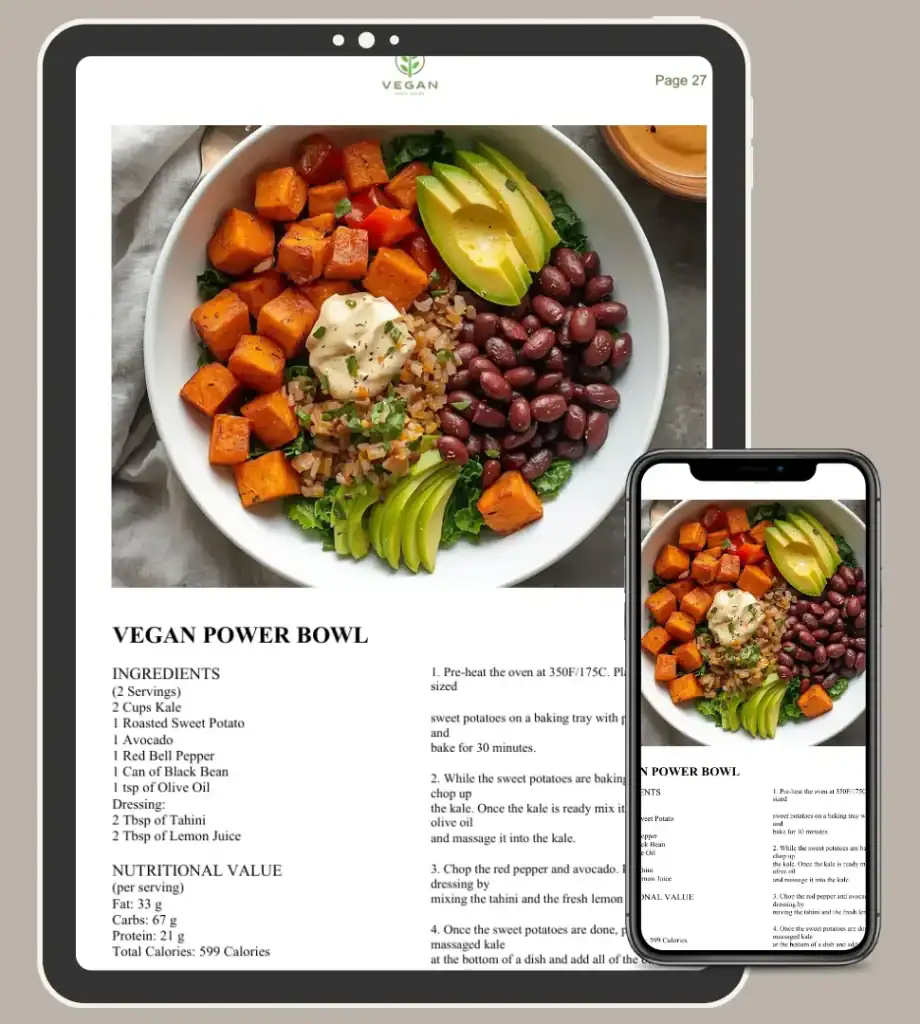
Stop Feeling Tired. Start Eating Right.
The 28-Day Vegan Meal Plan is built around the exact nutrients your body needs. No deficiencies. No guesswork. Just energy.
- 28 days of complete, nutritionally balanced vegan meals
- Iron, B12, zinc, and omega-3 targets built in to every week
- Blood-sugar-stable meals to eliminate the 3pm crash
- Simple batch prep, saves 5+ hours weekly
- Works on all devices: phone, tablet, and desktop
7-Day Money-Back Guarantee. Zero risk.