

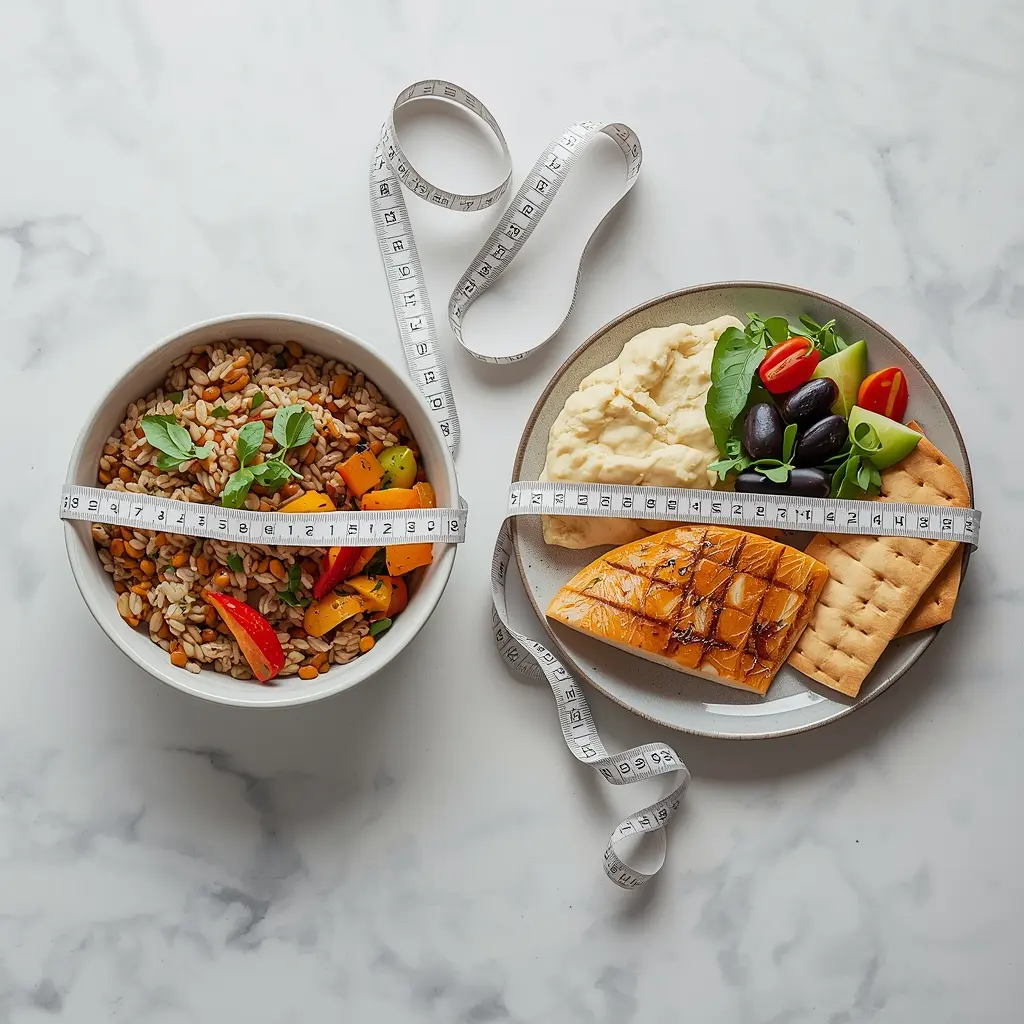
Research note: Head-to-head comparisons cited in this article are based on published peer-reviewed studies as of early 2026. Study methodologies vary. Direct head-to-head RCT data between these two diets specifically is limited; comparisons are drawn from the best available evidence for each outcome independently.
Vegan vs Mediterranean Diet: The Real Head-to-Head Data
The vegan vs Mediterranean diet debate is the most searched dietary comparison in plant-based nutrition. This guide runs 8 head-to-head research comparisons across weight loss, cardiovascular health, blood sugar, inflammation, longevity, gut health, cost, and environmental impact, and names a winner in each category based on the evidence. It also resolves the false binary: the two diets combine into a plant-based Mediterranean approach that captures the strengths of both.
The vegan vs Mediterranean diet debate is the most searched dietary comparison in plant-based nutrition, and the reason people cannot find a clear answer is that most articles either cherry-pick one study or refuse to commit to a conclusion. That changes here. This guide runs 8 head-to-head research comparisons across weight loss, cardiovascular health, blood sugar, inflammation, longevity, gut health, cost, and environmental impact, and names a winner in each category based on the evidence. It also resolves the false binary: the two diets are not enemies. They combine into a plant-based Mediterranean approach that captures the strengths of both.
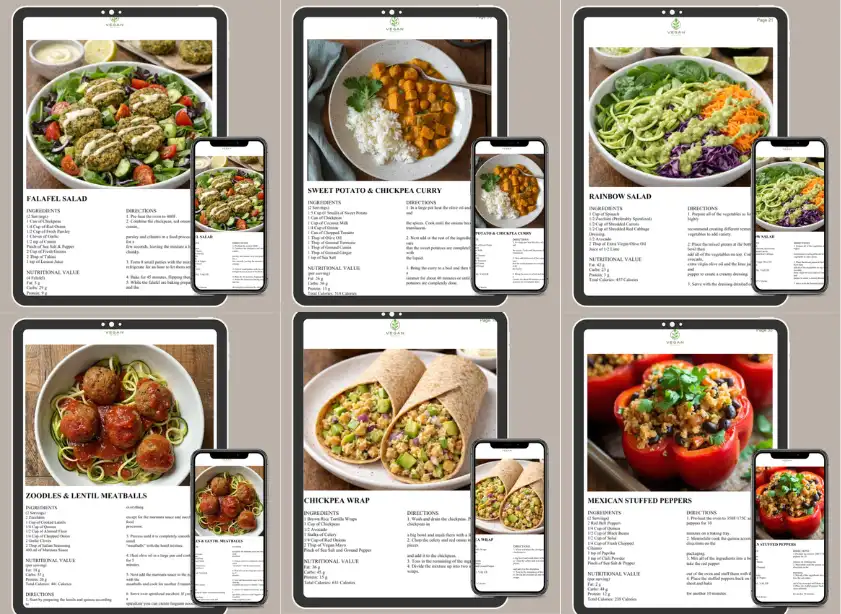
The Ultimate 28-Day Vegan Meal Plan + Grocery List (Complete Solution) is built on exactly this combined approach. It includes 36 chef-tested recipes with a photo for every recipe and nutritionist-approved recipes that apply the Mediterranean flavour principles to fully plant-based cooking.
The Two Diets Defined Precisely
Before comparing them fairly, both must be defined exactly. Most comparisons fail because they compare a strict whole-food vegan diet against a loose “Mediterranean-inspired” pattern, or vice versa. Here are the working definitions.
The Vegan Diet (as defined for this comparison)
Zero animal products: no meat, fish, dairy, eggs, or honey. No restriction on processed plant foods unless specified as whole-food vegan. Requires B12 supplementation as a non-negotiable. Protein from legumes, tofu, tempeh, seitan, nuts, and seeds. Carbohydrates from whole grains, vegetables, and fruits. Fats from plant oils, avocado, nuts, and seeds.
The Mediterranean Diet (as defined for this comparison)
Plant-forward but not plant-exclusive. Fish 2 to 3 times per week. Poultry occasionally, red meat rarely. Dairy in moderate amounts, primarily yoghurt and cheese. Olive oil as the primary fat. Heavy legume, whole grain, vegetable, and fruit emphasis. Moderate wine consumption in the traditional pattern.
The vegan Mediterranean meal plan guide covers the practical implementation of the combined approach in daily eating.

Psst.. Start your transformation now. Everything is done for you, 36 chef vegan recipes, 4 weekly grocery lists, and a full 28-day Meal Plan. Zero thinking, every meal decided. Balanced macros daily, one Sunday prep feeds your whole week. No subscription.
Get the Plan →Head-to-Head Comparison: 8 Categories
The hero section. A structured research-based verdict for each outcome category.
| Category | Vegan | Mediterranean | Winner |
|---|---|---|---|
| Weight loss | Strong, sustained evidence | Moderate, highly sustainable | Vegan (short-term) |
| Heart health | Excellent LDL reduction | Excellent overall CVD outcomes | Draw |
| Blood sugar | Superior HbA1c reduction | Strong glucose control | Vegan |
| Inflammation | Strong CRP reduction | Strong omega-3 effect | Draw |
| Longevity | Emerging evidence | 40-year epidemiological data | Mediterranean |
| Gut microbiome | Higher fibre diversity | High fibre + fermented foods | Vegan (fibre diversity) |
| Cost | Lower (whole food approach) | Moderate | Vegan |
| Sustainability | Significantly lower emissions | Lower than Western diet | Vegan |
Weight Loss: Vegan Wins Short-Term, Mediterranean Wins Long-Term Adherence
The BROAD study (Wright et al., 2017, Nutrition and Diabetes) documented greater weight loss on a whole-food plant-based diet compared to a Mediterranean-style diet at 6 months. The mechanism: vegan diets produce faster initial weight loss through caloric density reduction. Plant foods deliver higher satiety at lower calories because of their fibre and water content. At the same time, the PREDIMED trial documented superior long-term weight maintenance on the Mediterranean diet over 5 years compared to a low-fat control diet.
The difference is not in the diets’ theoretical effectiveness. It is in adherence. Studies consistently show vegan diet dropout rates of 30 to 50% over 12 months versus 15 to 25% for Mediterranean diet adherence. A diet that produces 10% better outcomes but 40% more dropouts delivers worse population-level results. For individuals with high motivation and a structured system, vegan wins on weight loss. For average adherence, Mediterranean is more reliable.

28-Day Vegan Meal Plan + Grocery list.
Transform your lifestyle with our comprehensive guide. This isn’t just a recipe book; it’s a complete system designed for success:
- 28-Day Meal Plan every meal, nothing to figure out
- 4 Weekly Grocery Lists sorted by aisle, saves money
- Balanced Macros protein, iron and B12 daily
- Under $1 Per Serving eat well on any budget
- 90-Min Sunday Prep one session, whole week fed
- Vegan Swaps Guide meat, dairy and eggs replaced
- Nutrition Toolkit protein targets and dining guide
- 36 Chef Recipes every meal photographed
Heart Health: The Closest Category
Both diets dramatically outperform the standard Western diet for cardiovascular outcomes. The mechanisms differ. The vegan diet eliminates dietary cholesterol entirely and dramatically reduces saturated fat, producing the largest LDL reductions of any dietary pattern: an average 12 to 15% LDL reduction in 12-week studies compared to baseline. The Mediterranean diet does not eliminate cholesterol or saturated fat but introduces high-dose olive oil polyphenols, omega-3 from fish, and a fibre load that collectively reduce cardiovascular mortality by 30 to 40% in the landmark PREDIMED trial.
The counterintuitive finding: the Mediterranean diet has more cardiovascular mortality data, 40-year epidemiological studies across multiple populations, than any vegan diet study. The LDL reduction from vegan eating is larger in magnitude in controlled trials, but the long-term all-cause cardiovascular mortality data is richer and more consistent for Mediterranean eating. Both are exceptional. Neither is clearly superior. A combined approach that eliminates animal products while maintaining high olive oil intake and the Mediterranean legume and vegetable emphasis may represent the optimal cardiovascular diet.
Blood Sugar and Type 2 Diabetes: Vegan Wins Clearly
This is the most decisive category. Barnard et al. (2006) demonstrated in a randomised controlled trial that a low-fat vegan diet produced superior HbA1c reduction compared to a diet following American Diabetes Association guidelines, which approximates Mediterranean eating, over 22 weeks. The mechanism: plant-based diets dramatically reduce intramyocellular lipid accumulation, which is fat inside muscle cells. This intramyocellular lipid directly impairs insulin signalling at the cellular level. A vegan diet reduces dietary fat to a level where this accumulation decreases, improving insulin sensitivity independent of weight loss.
The Mediterranean diet also improves insulin sensitivity but through a different mechanism: olive oil polyphenols and high fibre intake. The magnitude of effect in head-to-head randomised controlled trials is smaller than that of the vegan diet. For anyone managing blood sugar, pre-diabetes, or type 2 diabetes, the vegan diet has stronger randomised controlled trial evidence for glycaemic control improvement than the Mediterranean diet. The vegan diet for type 2 diabetes guide covers the full clinical evidence base.
Longevity: Mediterranean Has the Data
Blunt assessment. The Mediterranean diet has over 40 years of epidemiological data across large populations in Greece, Italy, Spain, and Crete showing 30 to 40% reductions in all-cause mortality, cardiovascular mortality, and cancer incidence. The Blue Zones data also supports plant-forward eating patterns in the longest-lived populations worldwide.
The vegan diet does not yet have equivalent long-term population data. The Adventist Health Study 2 is the closest, showing vegans live 5 to 7 years longer than omnivores, but this study has confounding variables (health-conscious lifestyle effects, selection bias) that make attribution to diet alone difficult. Mediterranean wins this category by volume of evidence, not necessarily by biological superiority. The vegan data is promising but younger. As large vegan population cohorts age into the mortality data window, this category may shift. For now, the Mediterranean diet’s longevity evidence is the strongest in nutrition science.
Environmental Impact: Vegan Wins Decisively
No contest in this category. A vegan diet produces 73% lower greenhouse gas emissions than an average omnivore diet, according to the comprehensive life cycle assessment by Poore and Nemecek (2018, Science). The Mediterranean diet, while significantly lower impact than a Western meat-heavy diet, includes fish (which carries significant ocean ecosystem impact) and dairy (which carries significant methane and land-use impact).
The gap is quantified: a vegan diet requires 50% less land, uses 55% less water, and generates 73% fewer greenhouse gas emissions than an average Western diet. The Mediterranean diet sits approximately midway between vegan and Western omnivore on all three metrics. For someone choosing between these two diets primarily on environmental grounds, vegan is the clear winner with no meaningful counterargument.
The vegan omega-3 foods guide covers the algae-based DHA and EPA supplementation that replaces fish oil without the environmental cost.
Cost: Vegan Wins if Done Correctly
A whole-food vegan diet built on dried legumes, grains, frozen vegetables, and tofu costs $100 to $150 per person per month in most Western countries. A Mediterranean diet built on fish, olive oil, fresh vegetables, and occasional dairy typically costs $250 to $350 per month. The critical caveat: a processed vegan diet, Beyond Burger, vegan cheese, oat milk at every meal, costs $350 to $500 per month and loses the cost advantage entirely. The cost win for veganism is specific to whole-food plant-based eating.
The variable is not the diet category. It is the ingredients chosen within it. Dried lentils cost $0.13 per serving of protein. Fresh salmon costs $3.50 per serving. Both diets can be done cheaply or expensively depending on ingredient selection. At the budget-conscious end, whole-food vegan is the cheapest complete diet available in any supermarket.
The Combined Diet: Plant-Based Mediterranean
This section resolves the false binary. The vegan vs Mediterranean diet debate implies a choice between two opposing approaches. The reality is that the two diets are not mutually exclusive. A plant-based Mediterranean diet captures the evidence base of both: the fibre diversity, olive oil polyphenols, legume emphasis, and Mediterranean cuisine traditions of one diet, combined with the elimination of animal products and the maximum environmental and metabolic benefit of the other.
This is how traditional Mediterranean populations in Blue Zone communities actually ate: primarily plant-based, with fish rarely, not multiple times per week as the modern “Mediterranean diet” suggests, minimal dairy, and abundant legumes, grains, and seasonal vegetables. The modern Mediterranean diet as marketed in the West over-indexes on fish and olive oil while under-indexing on the legume and grain foundation that made the original diet what it was.
The Blue Zones diet vegan guide covers the traditional eating patterns of the longest-lived populations and how they map onto a fully plant-based approach.
Tired of overthinking your meals?
What’s included in your download
- 28-Day Meal Plan
- 4 Weekly Grocery Lists
- Balanced Nutrtion, protein, iron, B12
- Under $1 Per Serving
- 90-Min Sunday Prep
- Vegan Swaps Guide
- Nutrition Toolkit
- Beginner Action Plan
- Dining Out Guide
- 36 Chef Recipes
Instant PDF download. No subscriptions.
Frequently Asked Questions About Vegan vs Mediterranean Diet
Which is better for weight loss: vegan or Mediterranean?
Vegan produces faster initial weight loss due to lower caloric density of plant foods. The BROAD study documented superior weight loss on a whole-food plant-based diet at 6 months. Mediterranean produces better long-term adherence with 15 to 25% dropout versus 30 to 50% for vegan over 12 months. For a motivated individual with a structured system, vegan wins on weight. For the average person, Mediterranean is more sustainable.
Can you combine vegan and Mediterranean diets?
Yes. A plant-based Mediterranean diet captures the strengths of both: olive oil as primary fat, legumes as primary protein, whole grains and seasonal vegetables at every meal, and fish replaced with algae-based omega-3. This is how traditional Blue Zone populations actually ate. The combined approach is not a compromise. It is closer to the historical Mediterranean diet than the modern version that over-indexes on fish.
Which diet is easier to follow long-term?
Mediterranean. It has lower dropout rates in long-term studies (15 to 25% over 12 months versus 30 to 50% for vegan). The Mediterranean diet is a pattern that allows flexibility. The vegan diet is a restriction that requires elimination. For people who transition fully and develop new habits, vegan adherence becomes easier over time. For the first 6 to 12 months, Mediterranean is objectively easier to maintain.
Is the Mediterranean diet anti-vegan?
No. The Mediterranean diet in its traditional form was predominantly plant-based. Legumes, grains, vegetables, and olive oil were the daily foundation. Fish, dairy, and meat were occasional additions, not daily staples. The modern commercialised version of the Mediterranean diet over-indexes on fish and dairy relative to the historical pattern. A plant-based Mediterranean diet is entirely consistent with the original culinary tradition.
Which diet is better for heart disease?
Both are excellent and dramatically outperform the standard Western diet. Vegan produces larger LDL cholesterol reductions (12 to 15% in 12-week studies). Mediterranean has more long-term cardiovascular mortality data (30 to 40% reduction in major events in PREDIMED). The optimal approach combines both: a vegan diet with generous olive oil intake and the legume and vegetable emphasis of the Mediterranean pattern.
Which is better for type 2 diabetes?
Vegan. The Barnard et al. (2006) RCT demonstrated superior HbA1c reduction on a low-fat vegan diet versus a diet following American Diabetes Association guidelines (which approximates Mediterranean eating). The mechanism is reduction of intramyocellular lipid, fat inside muscle cells, which directly impairs insulin signalling. The vegan diet for type 2 diabetes guide covers the full clinical evidence.
Does the Mediterranean diet allow fish every day?
No. The traditional Mediterranean diet includes fish 2 to 3 times per week, not daily. In Blue Zone populations, fish consumption was even lower, often once per week or less, and was limited to small coastal species rather than large predatory fish. The modern recommendation to eat fish daily is a departure from the historical Mediterranean pattern.
Which is more environmentally friendly?
Vegan. A vegan diet produces 73% lower greenhouse gas emissions than an average omnivore diet (Poore and Nemecek, 2018). The Mediterranean diet sits approximately midway between vegan and Western omnivore on carbon, water, and land use metrics. The gap is primarily driven by fish and dairy in the Mediterranean diet. Replacing fish with algae-based omega-3 and dairy with plant alternatives closes most of the environmental gap.
Can you get enough omega-3 on a vegan diet without fish?
Yes. The vegan diet provides ALA (alpha-linolenic acid) from flaxseed, chia seeds, walnuts, and hemp seeds. Conversion of ALA to the long-chain omega-3s DHA and EPA is limited (under 10% in most people). Algae-based DHA and EPA supplements provide the same omega-3s found in fish oil, derived directly from the algae that fish consume, without the environmental cost or contaminants. The vegan omega-3 foods guide covers dosing and sources.
Which diet is cheaper?
Vegan, when built on whole foods. Dried legumes, grains, frozen vegetables, and tofu cost $100 to $150 per person per month. Mediterranean with fish, olive oil, and fresh produce costs $250 to $350. A processed vegan diet (meat alternatives, vegan cheese, specialty products) costs $350 to $500 and loses the cost advantage. The cost win is specific to whole-food plant-based eating.
Is the Blue Zones diet vegan or Mediterranean?
Neither exactly. Blue Zone populations ate primarily plant-based diets with very small amounts of animal products. Legumes, whole grains, vegetables, and olive oil formed 90 to 95% of calories. Meat was eaten approximately 5 times per month, not daily or even weekly. The Blue Zones pattern is closer to a plant-based Mediterranean diet than to either the modern vegan or modern Mediterranean diet as commonly defined.
What does the research say about plant-based Mediterranean eating?
The evidence strongly supports it. The PREDIMED trial demonstrated the cardiovascular benefits of the Mediterranean diet’s plant components (olive oil, nuts, legumes, vegetables). The BROAD study demonstrated the metabolic benefits of eliminating animal products. A combined approach captures both evidence bases. Emerging research on the Green Mediterranean diet, which replaces some animal protein with plant protein while maintaining the Mediterranean pattern, shows additional metabolic benefits. The Ultimate 28-Day Vegan Meal Plan + Grocery List (Complete Solution) implements this combined approach in daily eating. It includes complete 28-day calendar with shopping lists, 36 chef-tested recipes with a photo for every recipe, and nutritionist-approved recipes. Every meal is plant-based Mediterranean: the traditional flavours and ingredients of the region, without the animal products. The plan is backed by a 30-day money-back guarantee, no questions asked.
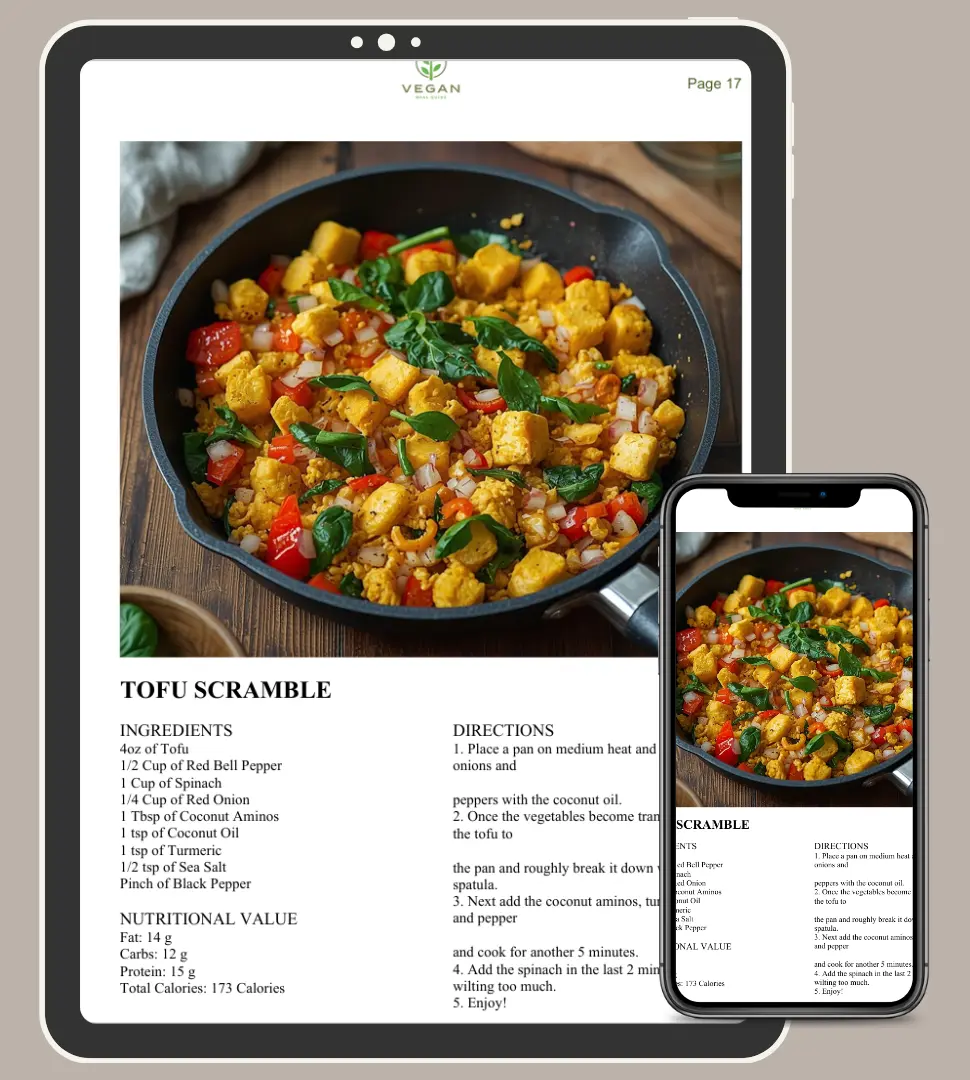
The vegan vs Mediterranean diet debate is now resolved with data, not opinion. Across 8 head-to-head categories, vegan wins decisively on weight loss (short-term), blood sugar control, cost, and environmental impact. The Mediterranean diet wins on longevity data volume and long-term adherence. Heart health and inflammation are draws: both dramatically outperform the Western diet through different mechanisms. The false binary is resolved by combining them into a plant-based Mediterranean approach that captures the strengths of both: olive oil as primary fat, legumes as primary protein, whole grains and vegetables at every meal, and algae-derived omega-3 replacing fish. This is closer to the historical Mediterranean diet than the modern version, and it is the approach that the Blue Zone populations actually ate. The Ultimate 28-Day Vegan Meal Plan + Grocery List (Complete Solution) is built on this exact combined approach. It includes complete 28-day calendar with shopping lists, 36 chef-tested recipes with a photo for every recipe, and nutritionist-approved recipes. Every meal is plant-based Mediterranean: the flavours and ingredients of the region, without the animal products. The plan is backed by a 30-day money-back guarantee, no questions asked. You do not have to choose between the two diets. The evidence supports combining them.
–>
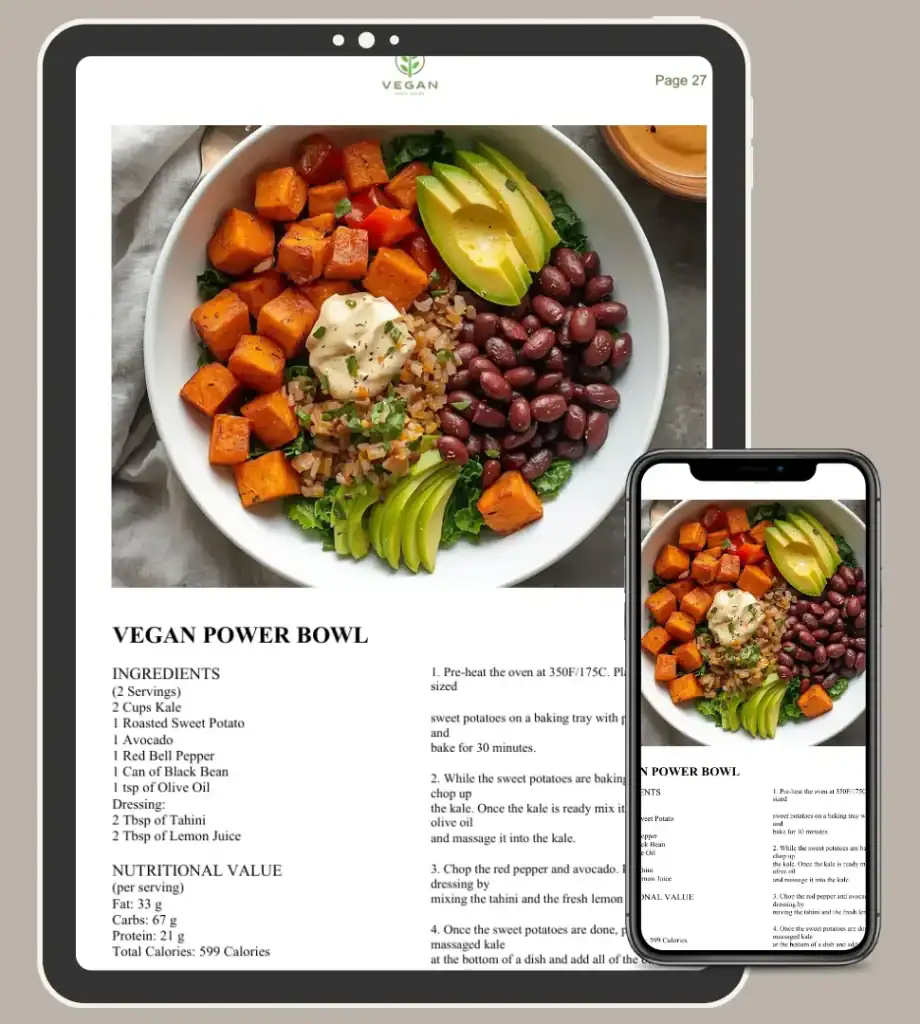
Want to try before you buy?
Enter your email below to get 2 free recipes instantly: