Medical disclaimer: This article is for informational and educational purposes only and does not constitute medical advice. Weight loss involves multiple physiological systems. Consult a qualified healthcare provider before making significant dietary changes or if weight loss resistance persists despite correction of the factors discussed.
Not Losing Weight on a Vegan Diet: 8 Reasons and 8 Fixes
Not losing weight on a vegan diet is one of the most frustrating experiences in plant-based eating, and the honest answer is that most vegan weight loss stalls have one of eight specific, identifiable, and fully correctable causes. This guide identifies all eight with their clinical mechanisms, gives you a targeted fix for each one, and provides the caloric data behind every explanation so you leave with a precise action plan rather than generic advice.
Not losing weight on a vegan diet is one of the most frustrating experiences in plant-based eating because most people go vegan expecting automatic weight loss and discover that the diet alone is not sufficient without understanding the specific caloric and hormonal mechanisms that determine whether a vegan diet produces weight loss or weight maintenance. This guide identifies the 8 specific reasons why vegan weight loss stalls, gives you a targeted fix for each one, and provides the caloric data behind every explanation so you leave with a precise action plan rather than generic advice.
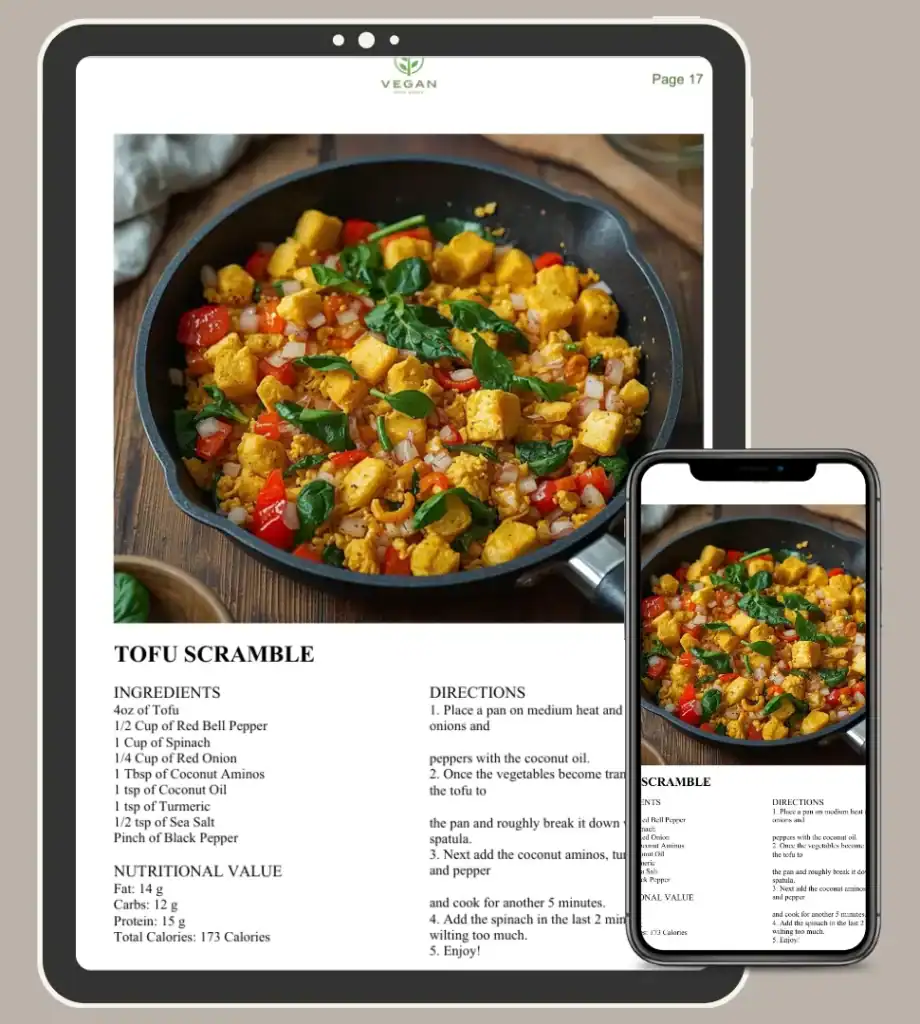
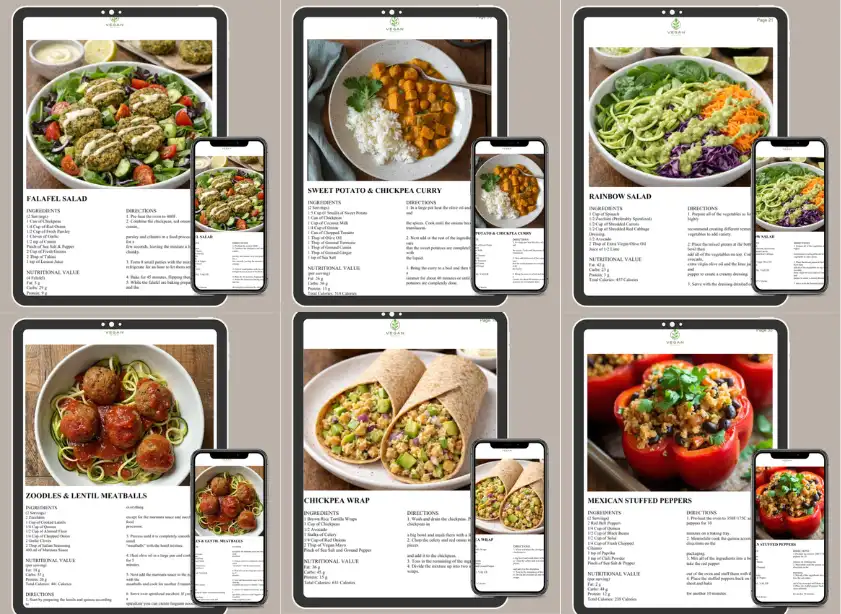
The Ultimate 28-Day Vegan Meal Plan + Grocery List (Complete Solution) is built on the caloric architecture that drives weight loss. It includes 36 chef-tested recipes with a photo for every recipe and complete 28-day calendar with shopping lists, so the portion sizes, protein sources, and fat quantities are structured for weight loss from Day 1.
Why Vegan Diets Do Not Automatically Cause Weight Loss
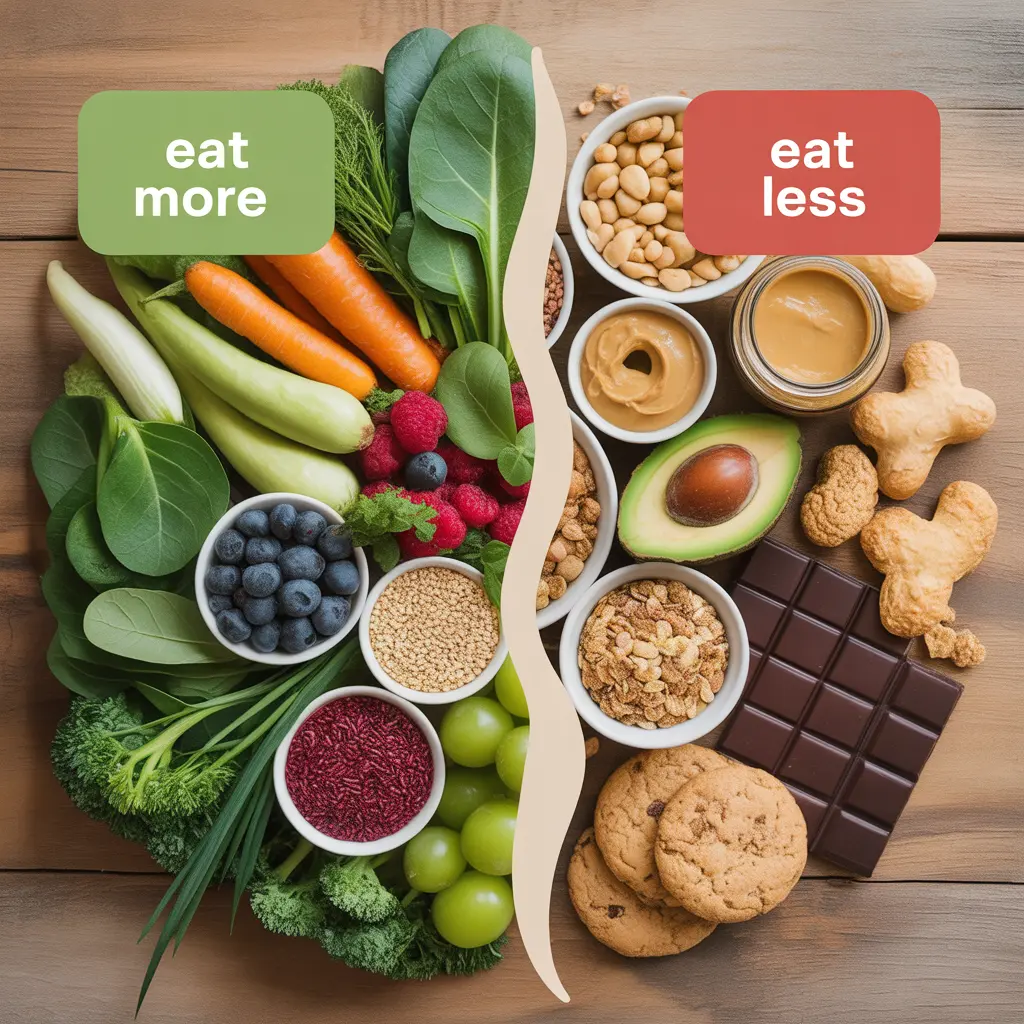
The honest foundation section that reframes the problem before diagnosing it. The dominant myth is that going vegan automatically causes weight loss. The reality is that a vegan diet removes the foods most correlated with caloric overconsumption (fatty meat, dairy, processed animal products) but replaces them with plant foods that can be equally or more calorically dense when consumed in sufficient quantity. Nuts, oils, avocado, coconut milk, vegan cheese, and processed vegan foods all deliver substantial calories without the satiety signals that high-fibre whole plant foods provide.
The vegan diet weight loss plan guide covers the full evidence base for plant-based weight loss and the structured protocol for achieving it.
The 8 Reasons Ranked by Frequency
These are the eight specific causes of vegan weight loss stalls, ranked from most to least common based on clinical observation and dietary audit data. Each is correctable. Each has a specific fix.
Cause 1: Caloric Overconsumption from High-Fat Plant Foods
The most common cause by a significant margin.
The Mechanism
Several plant foods are extremely calorie-dense and carry a health halo that leads vegans to consume them in quantities that exceed their caloric budget without realising it. Nuts, nut butters, avocado, olive oil, coconut milk, and tahini are all nutritionally excellent and calorically significant. The problem is not the foods themselves. It is the quantities consumed without tracking. A person who eats a healthy whole-food vegan diet and adds generous olive oil, a handful of almonds, half an avocado, and a tablespoon of tahini to their day has added 600 to 800 calories of fat, enough to erase any caloric deficit created by eliminating meat and dairy.
| Food | Serving | Calories | Common Mistake |
|---|---|---|---|
| Olive oil | 1 tbsp | 120 kcal | Used freely in cooking: 3 tbsp = 360 kcal |
| Peanut butter | 2 tbsp | 190 kcal | Eaten from the jar: 4 tbsp = 380 kcal |
| Almonds | 30g handful | 170 kcal | 2 to 3 handfuls daily = 340–510 kcal |
| Avocado | 1 whole | 240 kcal | Eaten as a side dish, not a garnish |
| Coconut milk (full-fat) | 100ml | 180 kcal | Half a can in curry = 360 kcal |
| Tahini | 2 tbsp | 180 kcal | Generous dressing = 300+ kcal |
| Cashews | 30g | 165 kcal | Used in cashew cream: 100g = 550 kcal |
The Fix
Use Cronometer or a similar food tracker for 7 days without changing your diet. Simply log everything accurately including oils, nuts, and condiments. Most people find 300 to 600 hidden calories they were not accounting for. Reduce cooking oil to 1 teaspoon per meal. Measure nut butter rather than eating from the jar. Treat nuts as a condiment, not a snack food. One measured tablespoon of peanut butter on oatmeal, not a heaped spoonful from the jar.
Cause 2: Processed Vegan Food Replacing Whole Food
The Mechanism
The vegan food market has produced an extensive range of processed alternatives: Beyond Burger, vegan cheese, vegan ice cream, oat milk, vegan mayonnaise, and vegan sausages. These products match or exceed the caloric density of the animal products they replace while delivering far less satiety because of lower protein and fibre content per calorie. Replacing meat with Beyond Burger does not create a caloric deficit. Replacing meat with lentils creates a dramatic one.
| Animal Product | Calories | Vegan Alternative | Calories |
|---|---|---|---|
| Chicken breast 150g | 165 kcal | Beyond Burger 113g | 230 kcal |
| Full-fat dairy milk 250ml | 150 kcal | Oat milk 250ml | 130 kcal |
| Regular cheddar 30g | 120 kcal | Vegan cheddar 30g | 90–110 kcal |
| Beef mince 100g | 250 kcal | Vegan mince 100g | 180–250 kcal |
| Dairy ice cream 100g | 200 kcal | Vegan ice cream 100g | 180–220 kcal |
The Fix
Restructure your vegan diet around the caloric hierarchy. Base meals on lentils, beans, chickpeas, tofu, and tempeh as primary protein sources. Reserve processed vegan alternatives for convenience occasions, not daily use. The cheap vegan meals on a budget guide covers the whole-food protein foundation that drives weight loss at the lowest possible cost.

Psst.. Start your transformation now. Everything is done for you, 36 chef vegan recipes, 4 weekly grocery lists, and a full 28-day Meal Plan. Zero thinking, every meal decided. Balanced macros daily, one Sunday prep feeds your whole week. No subscription.
Get the Plan →Cause 3: Liquid Calories
The Mechanism
Liquid calories do not trigger the same satiety hormones as solid food because they bypass the chewing and mechanical digestion process that signals fullness to the brain. A 400-calorie green smoothie with oat milk, banana, almond butter, and protein powder produces far less satiety than 400 calories of solid lentils and vegetables. The caloric value is identical. The hormonal response is completely different.
The Hidden Liquid Calorie Sources
Oat milk in 2 to 3 coffees daily: 60 to 90 calories per cup multiplied by 3 equals 180 to 270 calories. A green smoothie with banana, oat milk, and nut butter: 350 to 500 calories. Fresh fruit juice at 250ml: 100 to 130 calories with minimal fibre. A vegan protein shake made with oat milk: 350 to 450 calories. The total potential daily liquid calories can reach 500 to 1,000 or more without a single solid meal consumed. These calories count. They just do not satisfy.
The Fix
Switch oat and almond milk to soy milk, which has higher protein and similar calories but better satiety. Eat fruit instead of juicing it: the fibre dramatically improves satiety per calorie. Blend smoothies with leafy greens and protein powder rather than fruit and nut butter as the base. Count liquid calories as food, not as hydration. They are not free.
Cause 4: Portion Sizes Not Adjusted for Caloric Density
The Mechanism
Plant foods vary enormously in caloric density. Vegetables are 20 to 80 calories per 100g. Grains are 100 to 130 calories per 100g cooked. Legumes are 100 to 140 calories per 100g cooked. Nuts and oils are 500 to 900 calories per 100g. Most people transitioning from omnivore eating carry portion size habits calibrated to a completely different food density profile. The result is plates that look the same but deliver dramatically different calorie loads.
The Plate Model Fix
Cause 5: Insufficient Protein Causing Metabolic Slowdown
The Mechanism
Protein has the highest thermic effect of any macronutrient: 20 to 30% of its calories are burned in digestion alone, compared to 5 to 10% for carbohydrates and 0 to 3% for fat. Protein also preserves lean muscle mass during caloric restriction. Insufficient protein during a caloric deficit causes muscle loss alongside fat loss, which reduces basal metabolic rate and makes every subsequent week of weight loss harder. New vegans frequently under-eat protein in the transition period as they learn which plant foods deliver meaningful protein quantities. Under-eating protein while also eating at a caloric deficit is the fastest route to a slowed metabolism.
The Fix
Maintain protein at 1.2 to 1.6g per kilogram of body weight even during caloric restriction. For a 70kg person: 84 to 112g daily. Every meal must contain a protein anchor: tempeh, tofu, legumes, or edamame. Do not cut protein to cut calories. Reduce calories from fat (measure oils, reduce nut quantities) and refined carbohydrates (reduce bread and pasta portions) before reducing protein.
Cause 6: Hormonal Factors
The Mechanism
Three hormonal systems directly regulate fat storage and weight loss on any diet, including vegan. Understanding them explains why some people do everything right and still stall. Cortisol, the stress hormone, chronically elevated, drives fat storage specifically in the abdominal region and impairs insulin sensitivity. A perfectly planned vegan diet eaten under chronic stress will produce minimal weight loss. Insulin resistance, even on a vegan diet, if refined carbohydrate intake is high (white rice, white bread, processed vegan products, fruit juice), insulin levels remain chronically elevated and fat mobilisation is suppressed. Thyroid function: iodine deficiency, a specific vegan risk from eliminating dairy, suppresses thyroid hormone production, reducing basal metabolic rate by 20 to 30% in significant deficiency cases.
The Blood Markers to Request
If fatigue accompanies weight loss resistance, request a full thyroid panel: TSH, free T3, free T4, plus urinary iodine. TSH optimal is 0.5 to 2.5 mIU/L. The lab normal range is wider, but optimal is narrower. Fasting insulin: optimal below 10 mIU/L. Morning serum cortisol: optimal 10 to 20 mcg/dL. If iodine is deficient, use iodised salt consistently or supplement with potassium iodide 150mcg daily. The vegan blood test guide covers the complete panel and how to request it.
Tired of overthinking your meals?
What’s included in your download
- 28-Day Meal Plan
- 4 Weekly Grocery Lists
- Balanced Nutrtion, protein, iron, B12
- Under $1 Per Serving
- 90-Min Sunday Prep
- Vegan Swaps Guide
- Nutrition Toolkit
- Beginner Action Plan
- Dining Out Guide
- 36 Chef Recipes
Instant PDF download. No subscriptions.
Cause 7: Gut Microbiome Adaptation
The Mechanism
The gut microbiome composition directly influences caloric extraction from food, appetite hormone production, and inflammation levels that regulate fat storage. A microbiome adapted to an omnivore diet extracts more calories from plant foods than one adapted to a plant-based diet. During the 8 to 12 week transition period, the microbiome is shifting from one composition to another, and weight loss may stall or reverse temporarily. This is the adaptation plateau, and it is normal.
The Timeline
Most people experience the gut adaptation plateau between weeks 4 and 10 of going vegan. Weight loss resumes once the new microbiome composition stabilises and begins producing the fibre-fermenting short-chain fatty acids (butyrate, propionate, acetate) that regulate appetite hormones GLP-1 and PYY. The plateau is not a sign that the diet has stopped working. It is a sign that the gut is remodelling.
The Fix
Increase dietary fibre diversity, not just quantity. Eat 30 or more different plant foods per week, counting all vegetables, fruits, legumes, grains, nuts, seeds, herbs, and spices. Each new plant species introduces new fermentable substrates that accelerate microbiome remodelling. The 30-plant rule is more valuable for gut health and appetite regulation than eating large quantities of the same 5 foods.
Cause 8: Sleep and Stress
The Mechanism
Sleep deprivation below 7 hours per night raises ghrelin (hunger hormone) by 24% and reduces leptin (satiety hormone) by 18%, directly increasing caloric intake the following day. It also elevates cortisol, impairs insulin sensitivity, and reduces willpower for food decisions. No dietary pattern, vegan or otherwise, overcomes the metabolic consequences of consistent sleep deprivation. People sleeping 5 to 6 hours per night consume an average of 385 more calories daily than those sleeping 8 to 9 hours. Over a month, this represents 11,550 additional calories, enough to prevent all weight loss from a 400-calorie daily dietary deficit.
The Fix
Treat sleep as a weight loss intervention, not a lifestyle variable. 7 to 9 hours per night is the target. A vegan diet actually supports sleep quality through magnesium-rich foods, tryptophan from legumes and seeds, and reduced inflammatory load. Leverage this advantage. The vegan diet for better sleep guide covers the full protocol.
The 8 Fixes: Quick Reference
Tired of overthinking your meals?
What’s included in your download
- 28-Day Meal Plan
- 4 Weekly Grocery Lists
- Balanced Nutrtion, protein, iron, B12
- Under $1 Per Serving
- 90-Min Sunday Prep
- Vegan Swaps Guide
- Nutrition Toolkit
- Beginner Action Plan
- Dining Out Guide
- 36 Chef Recipes
Instant PDF download. No subscriptions.
Frequently Asked Questions About Not Losing Weight on a Vegan Diet
Why am I gaining weight on a vegan diet?
The same eight causes that prevent weight loss can cause weight gain when the caloric surplus is large enough. The most common driver of vegan weight gain is caloric overconsumption from high-fat plant foods combined with processed vegan alternatives. A person who replaces chicken with Beyond Burger, dairy milk with oat milk, and adds nuts, avocado, and olive oil liberally can easily consume more calories on a vegan diet than on their previous omnivore diet. Track your intake for 7 days without changing anything. The data will reveal which of the eight causes is driving your specific situation.
Is it possible to overeat on a vegan diet?
Yes, easily. The health halo surrounding vegan food leads many people to believe that calories do not count if the food is plant-based. They do. A 500-calorie surplus from lentils produces the same weight gain as a 500-calorie surplus from chicken. The advantage of a whole-food vegan diet is that it is more difficult to overeat because of fibre and water content, not that overeating is impossible. The not losing weight on a vegan diet diagnostic framework in this guide identifies exactly where the surplus is coming from.
Does going vegan make you lose weight automatically?
No. Approximately 35% of people who go vegan report no weight change in the first 3 months. The weight loss advantage of a vegan diet is real and documented in multiple meta-analyses, but it is not automatic. It requires the same caloric deficit as any other dietary pattern. The vegan diet makes that deficit easier to achieve because whole plant foods are lower in caloric density and higher in satiety per calorie, but the laws of energy balance still apply.
How many calories should I eat on a vegan diet to lose weight?
Calculate your total daily energy expenditure (TDEE) using an online calculator. Subtract 300 to 500 calories for a sustainable deficit. For most moderately active adults, this falls between 1,500 and 2,000 calories daily depending on height, weight, age, and activity level. Track your intake for 7 days to confirm you are actually eating at this level. Most people who believe they are eating 1,800 calories are eating 2,200 to 2,500 when oils, nuts, and liquid calories are accurately counted.
Can nuts stop vegan weight loss?
Yes, if consumed in unmeasured quantities. A single handful of almonds is 170 calories. Two or three handfuls daily, which is easy to do when nuts are used as a go-to snack, adds 340 to 510 calories. Over a week, that is 2,380 to 3,570 calories, enough to erase an entire week’s caloric deficit. Nuts are nutritionally excellent. They are also the most calorie-dense whole plant food category. Measure them.
Is oat milk making me fat?
Oat milk alone is not making you fat, but it can contribute to a caloric surplus when consumed in multiple coffees daily without being counted as food. Three oat milk lattes at 90 calories each is 270 calories of liquid that produces minimal satiety. Over a month, that is 8,100 calories from oat milk alone. Switch to soy milk, which has similar calories but significantly more protein, or reduce the number of milk-based coffees.
Why did I lose weight then plateau on a vegan diet?
The most common cause of a vegan weight loss plateau after initial success is the processed food shift. Many people start vegan eating with enthusiasm, eating simple whole foods and losing weight. After 4 to 8 weeks, they discover the range of vegan processed products and begin incorporating them into daily eating. The caloric density of the diet increases without the person realising it. Return to the whole-food foundation that produced the initial weight loss, and the plateau typically breaks within 2 to 3 weeks.
How long does it take to lose weight on a vegan diet?
At a sustainable 300 to 500 calorie daily deficit, expect 0.5 to 1 pound of fat loss per week. Initial water weight loss of 2 to 4 pounds in the first week is common and is not fat loss. The gut microbiome adaptation plateau between weeks 4 and 10 may temporarily slow or stall weight loss. By week 12, the weight loss trajectory should be consistent if the caloric deficit is maintained. The vegan 30-day weight loss meal plan provides the structured protocol for the first month.
Should I count calories on a vegan diet?
For the first 7 to 14 days, yes. Most people significantly underestimate their caloric intake on a vegan diet because the foods look less calorie-dense than they are. After establishing accurate awareness of portion sizes and the caloric density of different plant foods, most people can transition to intuitive eating. Periodically track for 3 to 4 days every 4 to 6 weeks to confirm accuracy.
Can a vegan diet cause hormonal weight gain?
Not directly, but a vegan diet can be low in iodine if iodised salt is not used and seaweed is not consumed, which can impair thyroid function and reduce metabolic rate. It can also be high in refined carbohydrates if whole grains are replaced with white rice, white bread, and processed vegan products, which keeps insulin chronically elevated and suppresses fat mobilisation. Both mechanisms are correctable with the specific fixes in this guide.
Does intermittent fasting help with vegan weight loss?
It can, but intermittent fasting is not a substitute for the caloric fundamentals. A person who fasts for 16 hours and then consumes 2,500 calories of high-fat plant foods during their eating window will not lose weight. Intermittent fasting works by making it more difficult to overeat within a restricted time window, not by bypassing energy balance. The vegan intermittent fasting guide covers how to combine both approaches effectively.
What is the fastest way to break a vegan weight loss plateau?
Return to the fundamentals: track every calorie including oils, nuts, and liquid calories for 7 days. Restructure your plate to the model in Cause 4: half vegetables, quarter protein, quarter grain, fat as condiment. Replace any processed vegan alternatives with whole-food protein sources. Ensure protein intake is at 1.2 to 1.6g per kg of bodyweight. The Ultimate 28-Day Vegan Meal Plan + Grocery List (Complete Solution) is built on exactly these fundamentals. It includes complete 28-day calendar with shopping lists, 36 chef-tested recipes with a photo for every recipe, and nutritionist-approved recipes. Every meal follows the caloric architecture that breaks plateaus: measured fats, whole-food proteins, and the vegetable volume that fills the plate without filling the calorie budget. The plan is backed by a 30-day money-back guarantee, no questions asked.
Not losing weight on a vegan diet is now a question with eight specific answers, not a mystery. You know the eight causes ranked by frequency: caloric overconsumption from high-fat plant foods, the most common, where oils, nuts, avocado, and tahini erase a deficit without being noticed. Processed vegan food replacing whole food, the Beyond Burger trap where calories stay the same and satiety drops. Liquid calories from oat milk, smoothies, and juices that bypass hunger signalling entirely. Portion sizes not adjusted for the caloric density differences between vegetables, grains, legumes, and fats. Insufficient protein causing muscle loss and metabolic slowdown during caloric restriction. Hormonal factors including cortisol, insulin, and thyroid that independently regulate fat storage. Gut microbiome adaptation between weeks 4 and 10 that temporarily stalls weight loss. Sleep deprivation raising ghrelin and lowering leptin, adding 385 calories daily without any dietary change. For each cause, you have the mechanism, the specific fix, and the data to confirm it. The Ultimate 28-Day Vegan Meal Plan + Grocery List (Complete Solution) applies every fix simultaneously. It includes complete 28-day calendar with shopping lists, 36 chef-tested recipes with a photo for every recipe, and nutritionist-approved recipes built on the traditional Mediterranean density structure that drives weight loss. The plan is backed by a 30-day money-back guarantee. You know what is stalling your weight loss. Now you know how to fix it.