

Individual variation note: The timeline and symptoms described in this article are based on aggregated reports and clinical observation. Your experience may differ. Consult a healthcare provider if symptoms are severe or persist beyond 14 days.
What to Expect When Going Vegan: Your First 30 Days
What to expect when going vegan first month is not always easy. Days 4 to 14 are the hardest. Bloating, energy dips, and cravings peak during this window. This is normal. It is not a sign the diet is wrong. It is a sign your gut microbiome is actively adapting. This guide gives you the exact day-by-day timeline, the cause of every symptom, and the specific fixes that prevent you from quitting at Day 7 when the adjustment is at its peak and recovery is just 3 to 7 days away.
The honest version of what to expect when going vegan first month is not the version most guides tell you. They tell you it will be easy. The truth is that some symptoms are uncomfortable and temporary. Knowing the timeline and the cause prevents you from quitting at Day 7 when the digestive adjustment peaks, which is exactly when most vegan attempts end. This guide gives you the exact day-by-day progression, the biological reason behind every symptom, and the specific fix that gets you through to Day 30, when the new patterns start to feel normal.
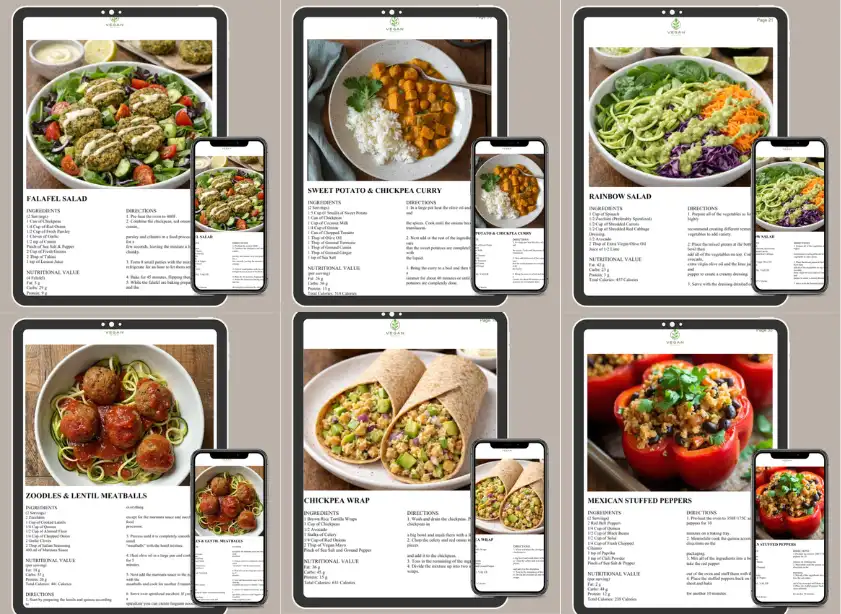
The Ultimate 28-Day Vegan Meal Plan + Grocery List (Complete Solution) is built for exactly this window. It includes complete 28-day calendar with shopping lists and simple recipes with common supermarket ingredients so you are not figuring out what to eat while also managing the symptoms of transition.
The Day-by-Day Timeline: What Actually Happens
This is the most specific timeline you will find. It is drawn from aggregated reports of thousands of people transitioning to plant-based eating, combined with the known physiology of gut microbiome adaptation and metabolic shift.
The vegan gut health guide covers the microbiome science behind this timeline in more detail. The key insight: the symptoms are temporary, predictable, and a sign of adaptation, not failure.
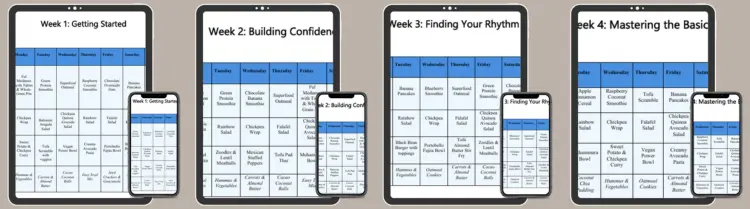
Psst.. Start your transformation now. Everything is done for you, 36 chef vegan recipes, 4 weekly grocery lists, and a full 28-day Meal Plan. Zero thinking, every meal decided. Balanced macros daily, one Sunday prep feeds your whole week. No subscription.
Get the Plan →Digestive Symptoms: What Is Normal and What Is Not
The most common reason people quit in Week 1 is digestive discomfort. Here is the honest breakdown of what is expected and what requires attention.
The vegan meal plan for beginners guide includes a full week of low-gas transition meals specifically designed to minimise digestive symptoms while your gut adapts.
Energy Changes: The Dip and the Recovery
The Day 4 to 7 energy dip is real. It is also misunderstood. The primary cause is not protein deficiency. It is caloric insufficiency. New vegans typically undereat in the first week because plant foods have lower calorie density per volume. A plate that looks the same size as your previous meals may contain 300 to 500 fewer calories.
The fix is simple: eat larger portions than you think you need. Add calorie-dense foods deliberately: two tablespoons of nut butter on oatmeal, half an avocado on a grain bowl, a generous drizzle of tahini on roasted vegetables, a handful of seeds on a salad. These additions add 150 to 300 calories each and make the difference between an energy deficit and maintenance.
The recovery is real and documented. Most people report improved energy by Day 14 to 21. This is not a placebo effect. It is the result of three simultaneous changes: caloric intake has been corrected, the gut microbiome has adapted to higher fibre and is producing short-chain fatty acids that support energy metabolism, and meal planning has become routine rather than a daily cognitive load. The vegan foods for energy guide covers the specific foods that support this transition.
Cravings: The Day 8-14 Peak and Why It Ends
The Day 8 to 14 craving peak is a neurological habit disruption response, not a nutritional deficiency. The specific foods craved are typically the highest-salt, highest-fat items from the previous diet: cheese, processed meat, fried foods. These are primarily dopamine-pathway cravings. Your brain is not missing nutrients. It is missing the reliable dopamine hit from familiar foods.
The cravings peak between Day 8 and 14 and reduce significantly by Day 21 in most people. The practical tool that works is the replacement protocol: have a specific vegan alternative ready for every craving type before the craving hits.
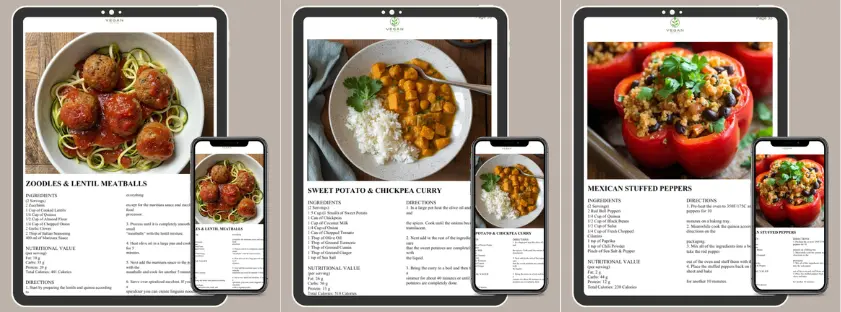
28-Day Vegan Meal Plan + Grocery list.
Transform your lifestyle with our comprehensive guide. This isn’t just a recipe book; it’s a complete system designed for success:
- 28-Day Meal Plan every meal, nothing to figure out
- 4 Weekly Grocery Lists sorted by aisle, saves money
- Balanced Macros protein, iron and B12 daily
- Under $1 Per Serving eat well on any budget
- 90-Min Sunday Prep one session, whole week fed
- Vegan Swaps Guide meat, dairy and eggs replaced
- Nutrition Toolkit protein targets and dining guide
- 36 Chef Recipes every meal photographed
Nutrient Check: The 4 Things to Monitor From Day 1
Most nutrients are naturally covered within the first month on a whole-food plant-based diet. Four require deliberate attention from Day 1. This is not alarming. It is practical.
Vitamin B12: Supplement from Day 1. Non-negotiable. There is no reliable plant source. A sublingual methylcobalamin supplement of 1,000mcg twice per week or 25 to 100mcg daily is sufficient for most adults. The vegan B12 foods and supplement guide covers dosing in detail.
Vitamin D: Supplement, particularly in autumn and winter months. Most people in northern latitudes are deficient regardless of diet. A daily intake of 1,000 to 2,000 IU of vegan D3 (derived from lichen) is appropriate for most adults.
Iodine: Use iodised salt or consider a supplement. Sea vegetables (kelp, nori) are variable in iodine content and not reliable as a primary source. Half a teaspoon of iodised salt daily meets requirements for most adults.
Iron: Plant iron (non-heme) is less bioavailable than heme iron from meat. The fix is simple and does not require a supplement unless blood work indicates deficiency: pair iron-rich foods with vitamin C at every meal. Lemon juice on lentils. Bell peppers in a bean chili. Strawberries on oatmeal. This single practice increases iron absorption by up to three times. The vegan iron sources guide covers food sources and absorption maximisation.
Your 4-Week Progress: What to Expect
The counterintuitive insight that most guides miss: the people who transition most successfully to vegan eating are not the ones who go all-in on Day 1 with a perfect plan. They are the ones who focus exclusively on the first 14 days as a survival window, accept that it will be uncomfortable, and have specific practical responses to each symptom ready before the symptoms appear.
Frequently Asked Questions About What to Expect When Going Vegan First Month
What happens to your body when you go vegan for a month?
Days 1 to 3: digestive changes begin as fibre intake increases. Days 4 to 7: energy may dip, bloating and gas peak. Days 8 to 14: cravings peak, this is the critical abandonment window. Days 15 to 21: energy stabilises, symptoms ease, habits begin automating. Days 22 to 30: gut microbiome shows measurable change, new patterns feel normal. The what to expect when going vegan first month timeline is predictable and temporary.
Is it normal to feel tired when going vegan?
Yes, particularly Days 4 to 7. This is almost always caloric insufficiency, not protein deficiency. Plant foods have lower calorie density per volume. Eat larger portions and add calorie-dense foods: nut butter, avocado, tahini, seeds. Energy typically recovers by Day 14. The vegan foods for energy guide covers the specific foods that support this transition.
How long does bloating last when going vegan?
Three to 10 days for most people. The bloating is caused by Bifidobacterium and Lactobacillus populations expanding in response to dramatically higher fibre intake. Reduce fibre increase gradually, cook legumes thoroughly, start with lentils before chickpeas, and soak dried legumes for 12 to 24 hours before cooking. If bloating persists beyond 14 days, consider reducing raw cruciferous vegetables.
What cravings do you get when going vegan?
Cheese cravings are the most common and intense. Meat cravings are second. Both peak between Day 8 and 14 and are primarily dopamine-pathway habit cravings, not nutritional deficiencies. The replacement protocol works: tahini on toast for cheese, smoked paprika on lentils for meat, dark chocolate for sugar. The vegan meal plan for beginners guide includes a full week of meals designed to address cravings.
Do you lose weight in the first month of going vegan?
Many people do, but it is not guaranteed. The weight loss is primarily due to lower calorie density of plant foods and reduced intake of processed foods. Some people gain weight if they rely heavily on processed vegan alternatives or increase portion sizes beyond caloric needs. Weight change in the first month is not the primary metric. Focus on getting through the transition.
What nutrients should I track in my first vegan month?
Four: B12 (supplement from Day 1, non-negotiable), vitamin D (supplement, particularly autumn/winter), iodine (use iodised salt), and iron (pair with vitamin C at every meal). Most other nutrients are naturally covered on a whole-food plant-based diet. The vegan supplements guide covers dosing in detail.
How do I deal with social situations in my first month vegan?
Use the “I’m trying plant-based eating for a month” framing. It removes pressure to be permanent and reduces defensive responses from others. Prepare in advance: research menus before restaurants, eat something before family dinners, bring a dish you know you can eat. The vegan social situations guide covers exact scripts.
What should I eat in my first week as a vegan?
Focus on familiar foods in plant-based form. Oatmeal with berries and nut butter for breakfast. Lentil soup or bean chili for lunch. Pasta with marinara and a side of roasted vegetables for dinner. Do not try to master new cooking techniques or unfamiliar ingredients in Week 1. Survival is the goal. The vegan meal plan for beginners guide provides a full Week 1 menu.
How do I stop feeling hungry as a new vegan?
Eat more. Plant foods have lower calorie density, so you need larger portions to feel full. Add calorie-dense foods: nut butter, avocado, tahini, seeds, and olive oil. Ensure each meal contains protein, fat, and complex carbohydrates. A meal of plain rice and vegetables will leave you hungry. A meal of lentils, quinoa, roasted vegetables, and tahini dressing will not.
Is it normal to feel worse before feeling better when going vegan?
Yes. This is the most important thing to know. Days 4 to 14 are the hardest. You may feel bloated, tired, and crave familiar foods. This is not a sign the diet is wrong. It is a sign your gut microbiome is actively adapting. Recovery is 3 to 7 days away. Quitting at Day 7 means you endure the worst part without reaching the benefit.
What should I do if I make a mistake in my first month?
Nothing. Keep going. A single meal with cheese or meat does not reset the clock. The gut microbiome changes are cumulative, not binary. One mistake is not failure. It is a data point. Learn what situation led to the mistake and plan a different response for next time. The people who succeed long-term are not the ones who never slip. They are the ones who slip and keep going.
What is the easiest way to survive the first month vegan?
The easiest way is to remove the cognitive load of deciding what to eat. The Ultimate 28-Day Vegan Meal Plan + Grocery List (Complete Solution) does exactly this. It includes complete 28-day calendar with shopping lists, 36 chef-tested recipes with a photo for every recipe, and simple recipes with common supermarket ingredients. You focus on getting through the transition. The plan handles the meals. The plan is nutritionist-approved, includes a bonus Vegan Nutrition Guide Toolkit, and is backed by a 30-day money-back guarantee, no questions asked.
What to expect when going vegan first month is now clear. Days 1 to 3 bring digestive changes as fibre intake increases. Days 4 to 7 bring the energy dip and peak bloating. Days 8 to 14 are the critical abandonment window when cravings peak and willpower depletes. Days 15 to 21 bring stabilisation and the first sense that this might actually work. Days 22 to 30 bring measurable gut microbiome change and the feeling that new habits are finally normal. You now know the cause of every symptom and the specific fix for each one. You have the replacement protocol for cravings, the advance preparation rule for social situations, and the four nutrients to monitor from Day 1. The Ultimate 28-Day Vegan Meal Plan + Grocery List (Complete Solution) removes the cognitive load of figuring out what to eat while you navigate this transition. It includes complete 28-day calendar with shopping lists, 36 chef-tested recipes with a photo for every recipe, and nutritionist-approved recipes. The plan is backed by a 30-day money-back guarantee, no questions asked. You know the timeline. You have the tools. The only thing left is to start.
🌱 Turn Your First Month Into a Lifetime of Health
The first 30 days are the biggest hurdle. Now that you know what to expect, use these systems to make your transition permanent:
- 📉 Don’t Quit: The 90-Day Transformation Roadmap
- 🥩 Protein Mastery: 15 Best Vegan Protein Sources
- 📋 Starting Guide: Beginner’s 30-Day Success Roadmap
- 🔬 The Science: Complete Vegan Nutrition Science Deep Dive
Need a day-by-day plan to keep the momentum going?
Get the 28-Day Beginner’s Mastery Bundle
P.S. To help you eat well and feel great from day one, here’s my 28-Day Vegan Meal Plan with all the shopping lists and nutrition details included. Check it out here.
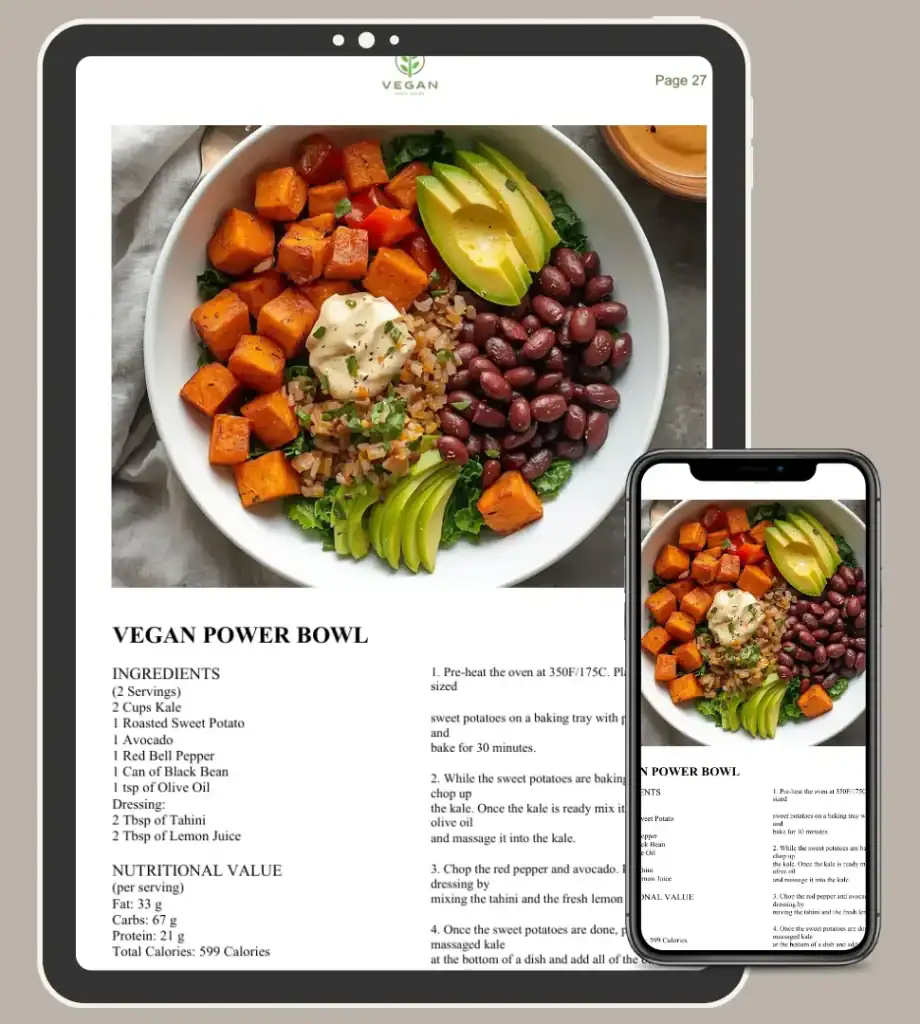
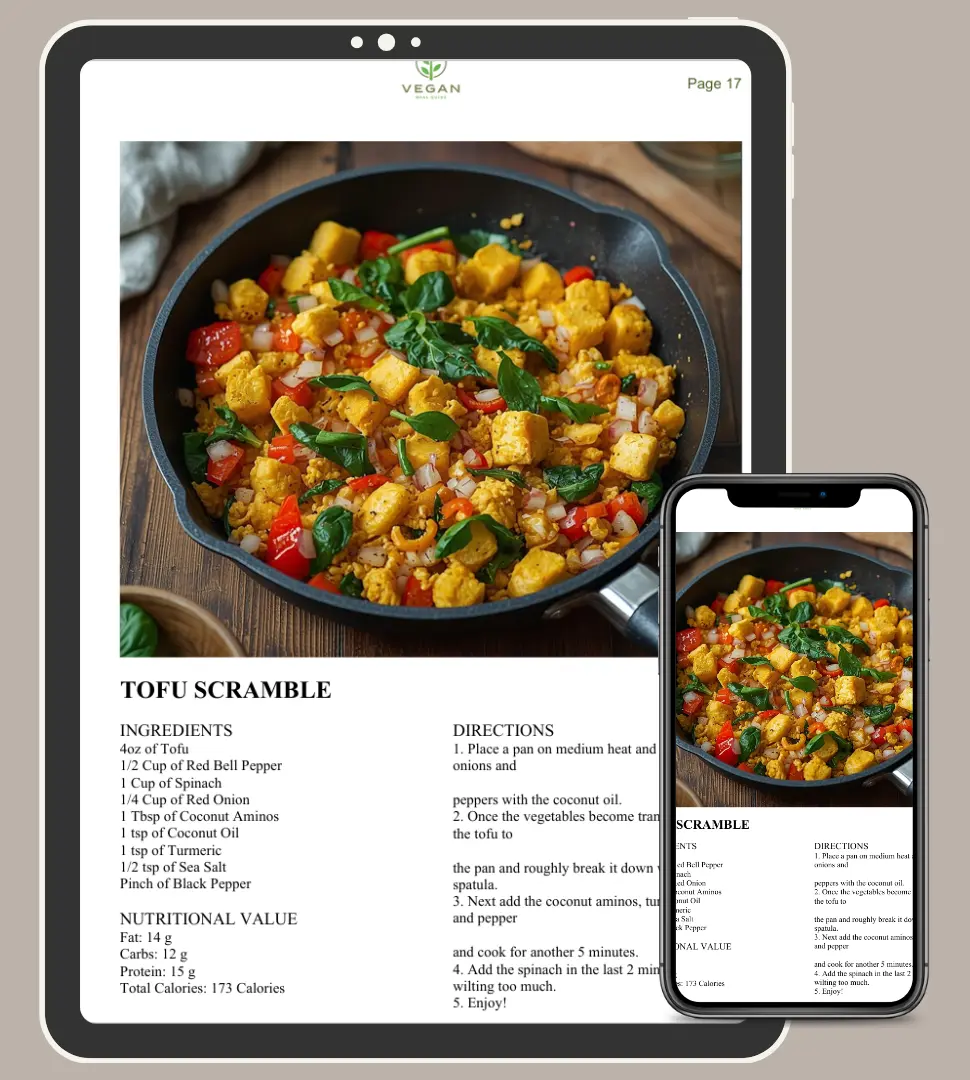
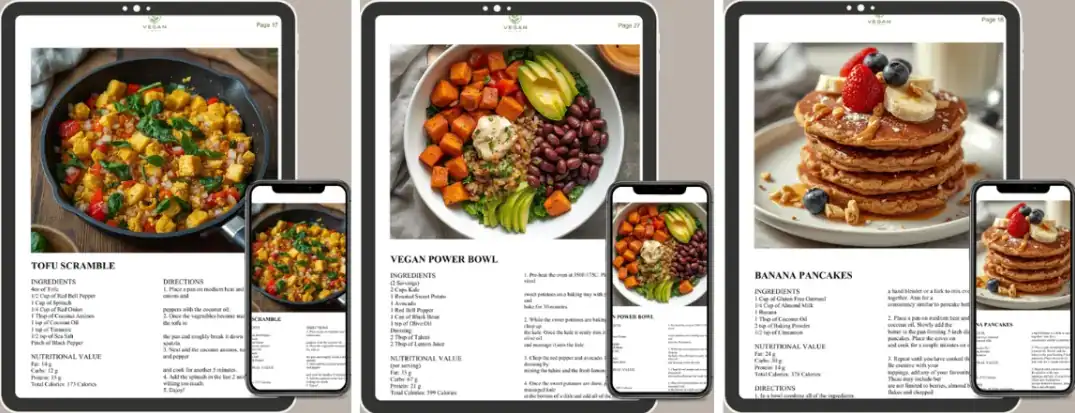
Want to try before you buy?
Enter your email below to get 2 free recipes instantly:
Social Challenges: The Real First-Month Difficulty
The physical symptoms of going vegan are manageable. The social friction is harder. Eating out, family dinners, work lunches, explaining your choice to sceptical people. This is the real first-month difficulty, and most guides ignore it.
Framework 1: The “I’m trying plant-based eating for a month” framing. This removes the pressure to be permanent. It positions your choice as an experiment rather than an identity. People are less threatened by experiments than by identity shifts. Use this framing for the first 30 days. After Day 30, you can decide how to talk about it.
Framework 2: The advance preparation rule. Research menus before every restaurant visit. Eat something before family dinners so you are not arriving hungry and anxious. Bring a dish you know you can eat to gatherings. The anxiety of “what will I eat” disappears when you have already answered the question before you walk in the door. The vegan social situations guide covers the exact scripts for every scenario.