

Labelling note: Ingredient names and regulations vary by country and manufacturer. This list reflects common labelling practices in the UK, EU, and North America. When in doubt, contact the brand directly.
Hidden Animal Ingredients on Food Labels: 35 Sneaky Names
Hidden animal ingredients on food labels are the reason thousands of people who believe they are eating vegan are not. This guide gives you:
- 35 names for animal-derived substances that labels never flag as meat, dairy, or fish
- 12 product categories where these ingredients hide most frequently
- 10 E-numbers that are consistently animal-derived
- A 5-step label-reading system that works in under 60 seconds
- A printable pocket reference list for every shopping trip
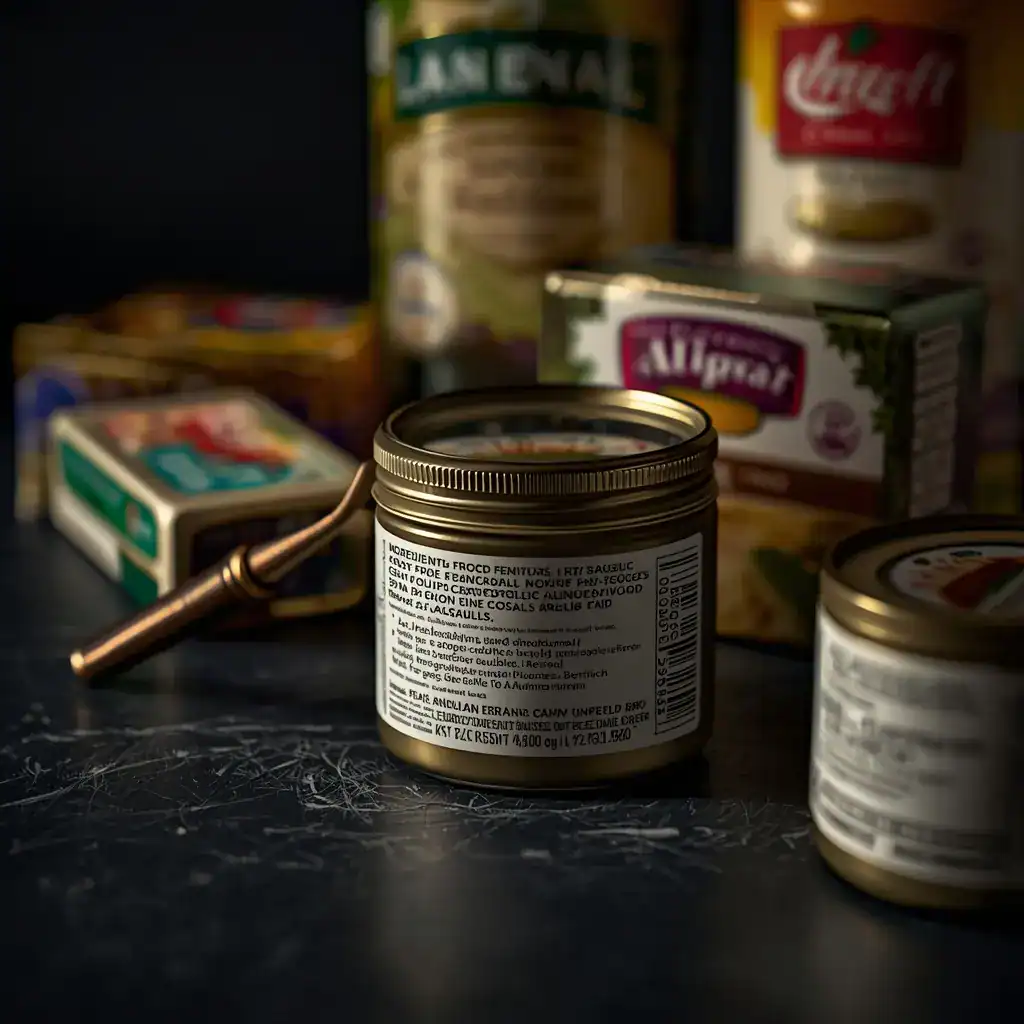
Hidden animal ingredients on food labels are the reason thousands of people who believe they are eating vegan are not. The food industry uses at least 35 distinct names for animal-derived substances, and most labels never flag them as meat, dairy, or fish. Gelatin appears as “gelling agent” without mention of pig bones. Carmine appears as “natural colour” without mention of crushed beetles. Isinglass clarifies wine and beer and appears on no ingredient list at all. This guide gives you every name, the product categories where each one hides, and a printable pocket reference list you can use at every shop.
The Ultimate 28-Day Vegan Meal Plan + Grocery List (Complete Solution) complements this guide perfectly. It includes easy weekly grocery lists, 4 weeks covered and simple recipes with common supermarket ingredients, so you can shop with confidence knowing every ingredient on the list is fully plant-based.
Why Food Labels Hide Animal Ingredients
This is not a conspiracy. It is a regulatory reality. Legal labelling requirements in most jurisdictions do not mandate disclosure of animal origin for processing aids, carriers, and certain additives. The specific labelling gaps that allow this differ by region but share a common structure: if the animal-derived substance is used to process the food rather than added as an ingredient, it often does not appear on the label at all.
The second major gap is E-numbers. An E-number tells you the additive class, not the source. E441 can be derived from pig bones or plant cellulose, but the label simply says “E441” or “gelatin” without specifying the origin. This is the biggest labelling blind spot for vegans. The beginner vegan diet guide covers the foundational knowledge every new vegan needs for supermarket shopping.

Psst.. Start your transformation now. Everything is done for you, 36 chef vegan recipes, 4 weekly grocery lists, and a full 28-day Meal Plan. Zero thinking, every meal decided. Balanced macros daily, one Sunday prep feeds your whole week. No subscription.
Get the Plan →The Master List: 35 Hidden Animal Ingredient Names
Organised by category so you can scan quickly. Each ingredient includes the common products where it hides and the reason it escapes notice.
🥛 Dairy-Derived (Often Unlabelled as Dairy)
Casein / Caseinate: Milk protein. Found in “dairy-free” cheese, some soy cheeses, protein powders, and some processed meats. Labelled simply as “casein” without “milk” on the front of pack.
Whey / Whey Powder: Liquid byproduct of cheese production. Found in breads, crisps, protein bars, and margarine. Often listed as “whey” with no milk context.
Lactose: Milk sugar. Found in crisps, breads, and processed meats as a browning agent. Often assumed to be a sugar, not an animal product.
Lactalbumin / Lactoferrin / Recaldent: Specialised milk proteins. Found in sports nutrition products, some fortified foods, and some chewing gums.
Ghee: Clarified butter. Found in Indian foods, sometimes listed simply as “clarified butter” or hidden within “vegetable ghee” which confusingly sometimes contains dairy.
🥩 Meat and Fat-Derived
Gelatin / Gelatine: Boiled animal bones, skin, and connective tissue. Found in sweets, marshmallows, yogurts, desserts, and capsule medications. The single most common hidden animal ingredient.
Lard / Suet / Tallow: Rendered animal fat. Found in some pastry, traditional puddings, and fried foods. Sometimes labelled as “animal fat” but often simply as “fat” in ingredient lists.
Carmine / Cochineal / Natural Red 4 / E120: Crushed cochineal beetles. Found in red drinks, sweets, yogurts, and some cosmetics. Labelled as “natural colour” without mention of insect origin. This is the most shocking ingredient for most new vegans.
Isinglass: Dried fish swim bladder. Used to clarify wine and beer. Almost never appears on any label. The most invisible animal ingredient in the entire food system.
L-Cysteine / E910: Often derived from duck feathers or hog hair. Used as a dough conditioner in bread and baked goods. Listed simply as “E910” or “L-cysteine” with no source information.
Rennet / Animal Rennet: Enzymes from calf stomach. Used in cheese production. Often listed simply as “enzymes” without specifying animal origin.
Pepsin: Pork stomach enzyme. Found in some cheeses and digestive supplements. Rarely flagged as animal-derived.
Anchovy: Small fish. Found in Worcester sauce, Caesar dressing, and some olive tapenades. Listed as “anchovy” but often missed because it appears in condiments, not main dishes.
Caprylic Acid: Can be derived from goat milk. Found in some supplements and processed foods.
🥚 Egg-Derived
Albumin / Albumen: Egg white protein. Found in some baked goods, confectionery, and wine fining. Listed as “albumin” without egg context.
Lysozyme / E1105: Egg white enzyme. Found in some cheeses and wine. An E-number that most vegans never check.
Lecithin (when egg-derived): Usually soy, but sometimes egg. The source is rarely specified. If it says “lecithin” without “soy lecithin,” verify.
Ovalbumin / Ovomucin / Ovomucoid / Ovovitellin: Egg proteins. Found in some processed foods, vaccines, and laboratory products.
🐟 Marine-Derived
Omega-3 (from fish oil): Found in “enriched” breads, spreads, juices, and infant formula. Often marketed as a health benefit without the fish source being prominent.
Glucosamine: Shellfish-derived. Found in joint supplements and some fortified foods.
Chitosan: Shellfish shell. Used as a food additive, supplement, and in some weight loss products.
Squalene / Shark Liver Oil: Found in some supplements and cosmetics. Rarely labelled with the shark source prominent.
Pearl Essence / Guanine: Fish scales. Used in cosmetics and some food glazes.
🐝 Insect-Derived
Carmine / Cochineal / E120: Covered above. Worth repeating because it is so common.
Shellac / E904: Lac bug secretion. Used as a glaze on confectionery, fruit, and some pharmaceuticals. Makes apples shiny.
Propolis: Bee resin. Found in some supplements and natural remedies.
Royal Jelly: Bee secretion. Found in some supplements and energy products.
Beeswax / E901: Bee wax. Found in confectionery coatings, some fruit waxes, and cosmetics.
⚠️ Ambiguous (Animal OR Plant Depending on Source)
Vitamin D3: Usually lanolin from sheep wool. Plant-based D3 from lichen exists but is rare and typically clearly labelled as “vegan D3.” If a product says “vitamin D” or “D3” without specifying the source, assume animal origin.
Lactic Acid: Usually plant-fermented, but occasionally dairy-derived. If the product is otherwise vegan, lactic acid is almost certainly plant-based. In cheese products, verify.
Glycerin / Glycerol / E422: Can be animal fat or plant-derived. The source is almost never listed on the label. Contact the manufacturer for clarification.
Stearic Acid / E570: Can be animal fat or plant-derived. Common in many processed foods. Source rarely specified.
Natural Flavours (US labelling): In the United States, “natural flavours” can legally include meat, poultry, seafood, dairy, or egg derivatives. This is the single largest labelling blind spot in American food regulation. In the EU and UK, “natural flavouring” is more strictly regulated but still requires vigilance.
This ranking reflects frequency in supermarket products across the UK, EU, and North America based on aggregated ingredient audit data. Carmine and gelatin are the most common by a significant margin. The vegan pantry staples list provides a shopping framework that avoids all of these by default.
The 12 Product Categories Where They Hide
Each category lists the specific ingredient to check and the sneaky name it appears under.
E-Numbers: The Animal-Derived List
E-numbers are the most consistent blind spot for vegans because the code does not specify the source. These are the 10 E-numbers that are consistently or frequently animal-derived.
| E-Number | Name | Source | Found In |
|---|---|---|---|
| E120 | Carmine / Cochineal | Crushed beetles | Red drinks, sweets, yoghurt |
| E441 | Gelatine | Pig or cow bones and skin | Capsules, sweets, marshmallows |
| E901 | Beeswax | Bees | Confectionery coating, fruit wax |
| E904 | Shellac | Lac bugs | Fruit wax, sweets, pharmaceuticals |
| E910 | L-Cysteine | Feathers or hog hair | Bread, baked goods |
| E966 | Lactitol | Dairy | Sugar-free products |
| E1105 | Lysozyme | Egg white | Some cheeses, wine |
| E270 | Lactic acid | Usually plant, sometimes dairy | Many products |
| E422 | Glycerol | Animal fat or plant | Many products |
| E570 | Stearic acid | Animal fat or plant | Many products |

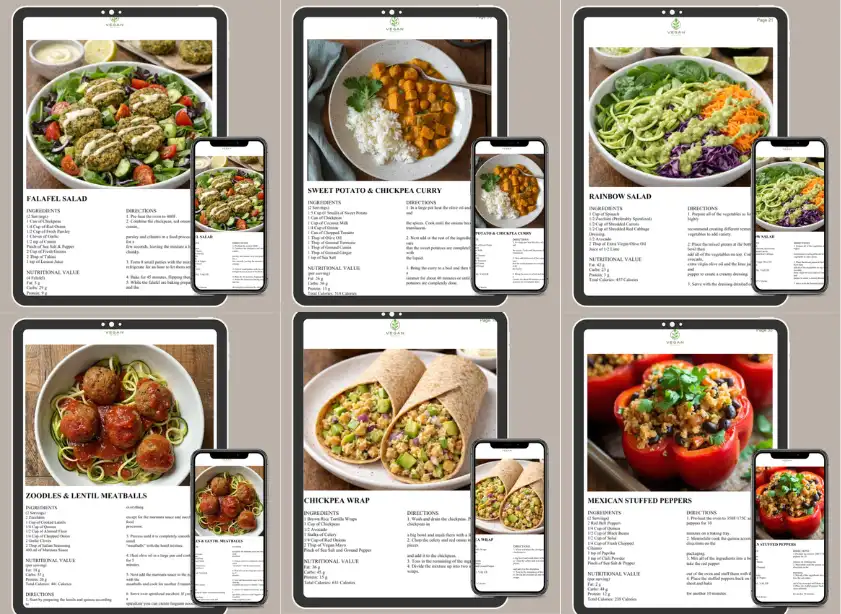
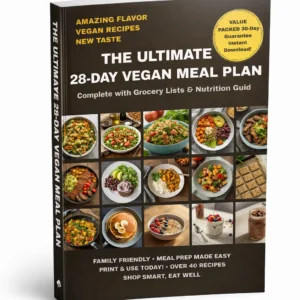
28-Day Vegan Meal Plan + Grocery list.
Transform your lifestyle with our comprehensive guide. This isn’t just a recipe book; it’s a complete system designed for success:
- 28-Day Meal Plan every meal, nothing to figure out
- 4 Weekly Grocery Lists sorted by aisle, saves money
- Balanced Macros protein, iron and B12 daily
- Under $1 Per Serving eat well on any budget
- 90-Min Sunday Prep one session, whole week fed
- Vegan Swaps Guide meat, dairy and eggs replaced
- Nutrition Toolkit protein targets and dining guide
- 36 Chef Recipes every meal photographed
How to Read a Label in Under 60 Seconds
This system catches the most common hidden animal ingredients without requiring you to memorise the entire list. Use it every time you pick up an unfamiliar product.
The complete vegan nutrition guide covers the nutritional side of label reading, including which fortified foods to prioritise and which to avoid based on ingredient sourcing.
The Pocket Reference: Print and Keep
A condensed, printer-friendly list of all 35 names organised alphabetically. Screenshot this section or print it. Keep it on your phone for supermarket trips.
Products found in: Red drinks, strawberry yoghurt, red sweets, some fruit juices, cosmetics with red pigment, some “natural” food colourings.
Why it escapes notice: Labelled as “natural colour,” “natural red,” or simply “E120.” No mention of insect origin anywhere on the packaging.
Vegan alternatives: Beetroot extract, paprika extract, lycopene from tomatoes, anthocyanins from berries.
The vegan baking guide covers the specific ingredient swaps that avoid all of these in home baking, where eggs, whey, and casein are most commonly encountered.
Tired of overthinking your meals?
What’s included in your download
- 28-Day Meal Plan
- 4 Weekly Grocery Lists
- Balanced Nutrtion, protein, iron, B12
- Under $1 Per Serving
- 90-Min Sunday Prep
- Vegan Swaps Guide
- Nutrition Toolkit
- Beginner Action Plan
- Dining Out Guide
- 36 Chef Recipes
Instant PDF download. No subscriptions.
Frequently Asked Questions About Hidden Animal Ingredients on Food Labels
Is carmine really from beetles?
Yes. Carmine, also labelled as cochineal, Natural Red 4, or E120, is made from crushed cochineal beetles. Approximately 70,000 beetles are required to produce one pound of carmine. It is used as a red colouring in drinks, sweets, yogurts, and cosmetics. It is almost always labelled as “natural colour” without mention of its insect origin. This is the most common hidden animal ingredient that shocks new vegans.
Is wine vegan?
Not automatically. Many wines are fined with isinglass (fish bladder), casein (milk protein), egg albumin, or gelatin to remove cloudiness. These fining agents are processing aids and do not appear on the label in most countries. The Barnivore website and app maintain a searchable database of vegan wines, beers, and spirits. Certified vegan wines are becoming more common and are clearly labelled.
Are all gummies non-vegan?
Most are. The standard gummy texture comes from gelatin, which is boiled animal bones, skin, and connective tissue. Vegan gummies exist and use pectin (fruit-derived) or agar (seaweed-derived) instead. Check the ingredient list for “gelatin” or “gelatine.” If it says “pectin,” the product is typically vegan. The vegan fermented foods guide includes a section on plant-based setting agents.
What does “suitable for vegetarians” mean? Is it vegan?
No. “Suitable for vegetarians” means the product contains no meat or fish flesh. It can still contain dairy, eggs, honey, and other animal-derived ingredients. “Suitable for vegans” is the label to look for. If a product says “suitable for vegetarians” but not “suitable for vegans,” assume it contains dairy or eggs until you verify otherwise.
Is Worcestershire sauce always non-vegan?
Traditional Worcestershire sauce contains anchovies. It is one of the most common hidden animal ingredients in condiments. Vegan Worcestershire sauce exists and is widely available. Check the label. Henderson’s Relish is a popular vegan alternative in the UK. Many supermarket own-brand versions are also anchovy-free.
Is lactic acid dairy?
Usually not. Lactic acid in food is typically produced by bacterial fermentation of plant sugars. Despite the name, it is not derived from milk in the vast majority of products. If the product is otherwise vegan, lactic acid is almost certainly plant-based. In cheese products specifically, verify with the manufacturer.
What about “natural flavours” on US labels?
In the United States, “natural flavours” can legally include meat, poultry, seafood, dairy, or egg derivatives. This is the single largest labelling blind spot for American vegans. The FDA does not require disclosure of the animal source. If you are in the US and a product lists “natural flavours” without a vegan certification, contact the brand. In the EU and UK, “natural flavouring” is more strictly regulated but still requires vigilance.
Are capsules always gelatin?
Not always, but most are. Standard pharmaceutical and supplement capsules are made from gelatin. Vegan capsules exist and are made from cellulose (plant fibre) or pullulan (fermented tapioca). They are typically labelled as “vegan capsules” or “vegetable capsules.” If the label does not specify, assume gelatin. The vegan supplements guide lists brands that use vegan capsules exclusively.
Is the wax on fruit always animal-derived?
Not always, but it can be. Shiny apples, citrus fruits, and bell peppers are often coated with shellac (E904, from lac bugs) or beeswax (E901, from bees). Some wax coatings are plant-based (carnauba wax from palm leaves). Organic produce typically uses plant-based waxes, but this is not guaranteed. Washing fruit with warm water removes some, but not all, of the wax coating.
How do I contact a brand to confirm an ingredient source?
Look for the contact information on the packaging or the brand’s website. Send a brief message: “I follow a vegan diet and wanted to confirm whether the [specific ingredient] in your
-
Vegan Meal Plans
28-Day Vegan Meal Plan
Original price was: 19,00 $.9,99 $Current price is: 9,99 $. Add to cart
What apps check ingredients automatically?
Several apps scan barcodes and flag animal-derived ingredients. Is It Vegan? (UK and US) is the most popular. CodeCheck (Germany and EU) covers a wide range of dietary preferences. These apps are useful but not perfect. They rely on manufacturer data which can be outdated or incomplete. Use them as a first pass, not a final authority. When in doubt, read the ingredient list yourself using the 5-step system from this guide.
Is “may contain milk” the same as contains milk?
No. “May contain milk” is an allergen warning about shared equipment. It is not an ingredient. The milk is not added to the product. Most vegans accept products with “may contain” warnings because the presence of these statements is about protecting people with severe allergies, not about intentional ingredient use. “Contains milk” means milk is an ingredient. The distinction matters enormously and prevents both over-restriction and accidental consumption.
Hidden animal ingredients on food labels are now demystified. You have the master list of 35 names organised by category: dairy-derived, meat and fat-derived, egg-derived, marine-derived, insect-derived, and the ambiguous ones that require manufacturer contact. You know the 12 product categories where these ingredients hide most frequently, from bread to wine to confectionery. You have the 10 E-numbers that are consistently or frequently animal-derived, and the rule for the ambiguous ones that account for more vegan-label-reading confusion than all other ingredients combined. You have a 5-step label-reading system that catches the most common hidden animal ingredients in under 60 seconds. And you have a printable pocket reference list arranged alphabetically for supermarket trips. The Ultimate 28-Day Vegan Meal Plan + Grocery List (Complete Solution) removes the need for constant label checking by building every meal from whole, recognisable plant ingredients. It includes complete 28-day calendar with shopping lists, 36 chef-tested recipes with a photo for every recipe, and easy weekly grocery lists, 4 weeks covered. The plan is nutritionist-approved, includes a bonus Vegan Nutrition Guide Toolkit, and is backed by a 30-day money-back guarantee, no questions asked. Walk into any supermarket knowing exactly what to look for.

🌱 Stop Accidentally Eating Animal Products
Get the complete system — including our hidden ingredients database, brand-specific guides, restaurant scripts, and the 30-day beginner meal plan — all in one place.
Join thousands of others starting their plant-based journey the right way.
Want to try before you buy?
Enter your email below to get 2 free recipes instantly: