
Medical Disclaimer: This content is for educational purposes only and does not constitute medical advice. Consult a qualified healthcare provider before making dietary changes, especially if you have underlying health conditions, are pregnant, or taking medications.
Vegan Baking: The Complete Science and Substitution Guide
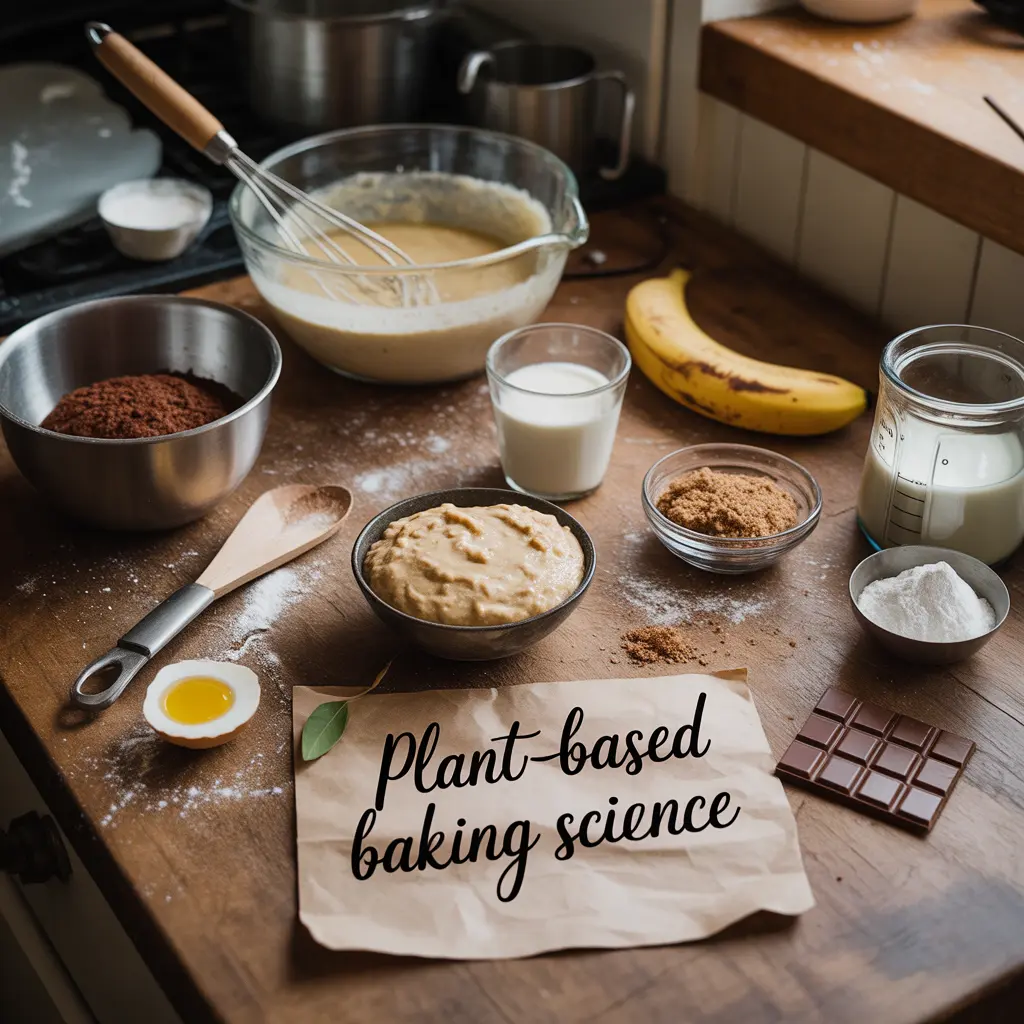
Introduction: Why Vegan Baking Is a Science Problem
Most people fail at vegan baking because they treat it as a substitution problem when it is actually a food science problem. You cannot swap one ingredient for another without understanding what that ingredient was doing in the first place. This guide gives you the complete biochemistry behind every egg and dairy replacement, the exact ratios that work, and six recipes proven in professional kitchens across MENA and the Mediterranean.
Plant-based baking is one of the fastest-growing categories in home cooking globally. According to a 2023 report from the Good Food Institute, egg-free and dairy-free baking products saw a 34% year-on-year increase in retail sales across North America and Europe. Yet the failure rate among home bakers attempting vegan baking for the first time remains high, not because the science is difficult, but because most guides skip it entirely.
This guide does not skip it. By the end, you will understand exactly why aquafaba forms a meringue, why flax eggs bind cookies, why apple cider vinegar activates baking soda, and why the wrong plant milk will collapse your cake. A printable master cheat sheet is included.
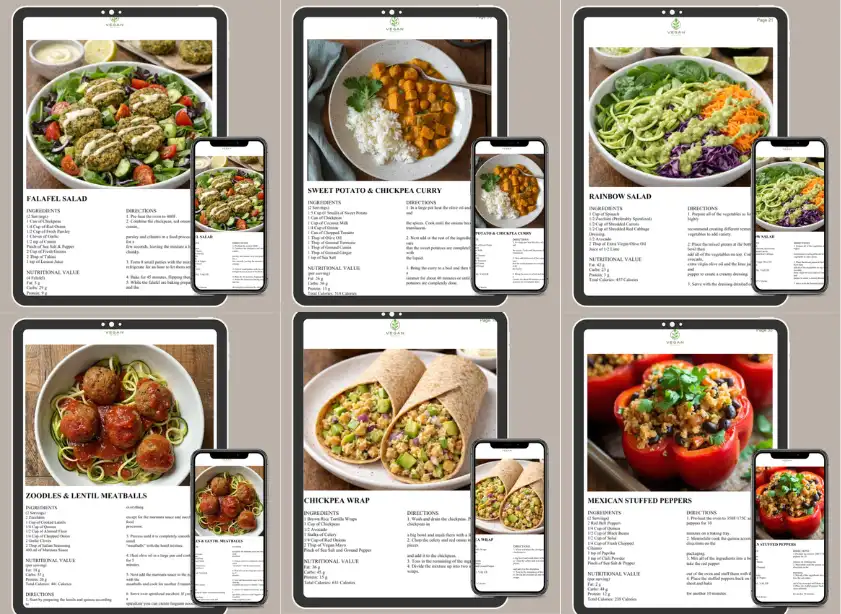
One inline note before we begin: if you want a fully structured, chef-designed system that has already done this work for you, the Ultimate 28-Day Vegan Meal Plan + Grocery List (Complete Solution) includes 36 chef-tested recipes with a photo for every recipe, so you are never guessing how a dish should look or turn out.
What Eggs Actually Do in Baking: 5 Distinct Functions
A single egg performs up to five separate biochemical roles in a baked good. This is why no single vegan substitute replaces every egg function across every recipe. Understanding each role tells you which substitute to reach for and why.
1. Binding
Egg proteins, primarily ovalbumin and ovomucin, denature under heat and cross-link with starch and gluten molecules to hold the batter structure together. Without binding, cookies crumble, burgers disintegrate, and cakes fall apart when sliced. The binder role is most critical in low-fat, low-gluten recipes.
2. Leavening
Beaten eggs trap air in the batter matrix. As the batter heats, that air expands and steam is released from the egg’s water content (approximately 74% of a whole egg by weight), creating lift without any chemical leavener. This is why separated and whipped egg whites are the sole leavening agent in a classic sponge or chiffon cake.
3. Emulsifying
Egg yolk lecithin is one of nature’s most powerful emulsifiers. It bridges fat and water molecules that would otherwise separate, creating the smooth, unified batter that gives cakes their tender, even crumb. Without emulsification, fat pools, the crumb becomes irregular, and the texture turns greasy in certain sections.
4. Moisture and Richness
Whole eggs contribute 74% water, which gelatinises starch and hydrates gluten during baking. Yolks add fat-soluble richness and colour through carotenoid pigments. In pastry, this moisture determines whether the finished crumb is tender or tight.
5. Structure (Protein Coagulation)
At 60 to 65 degrees Celsius, egg proteins coagulate and set the final shape of the baked good. This is why quiches hold their slice, custards gel, and pound cakes maintain their height after cooling. Structural coagulation is distinct from binding: binding holds raw batter together, coagulation sets the baked result.
What Dairy Does in Baking: Fat, Protein, Acid
Dairy in baking serves three distinct roles, and each role maps to a specific plant-based replacement strategy.
Fat: Tenderness, Flavour, and Layering
Butter contributes fat at approximately 80% by weight, which coats gluten strands and shortens them, producing tender, crumbly textures. In laminated doughs like croissant, butter layers remain solid at room temperature, creating steam pockets during baking that produce flake. In cakes, fat carries fat-soluble flavour compounds that water cannot. Without fat, textures become tough and flavours flat.
Protein: Browning and Structure
Milk proteins, particularly casein and whey, participate in the Maillard reaction, the non-enzymatic browning that creates the golden colour and complex flavour of baked crusts. Whey proteins also coagulate during baking, contributing to structural integrity in custards and enriched breads. Plant milks vary enormously in protein content, and this variation directly affects the colour and structure of your bake.
Acid: Leavening Activation
Buttermilk and yoghurt are acidic (pH approximately 4.5 to 4.8). This acid reacts with baking soda (sodium bicarbonate) to produce carbon dioxide immediately on contact, creating rapid leavening before the batter even reaches the oven. This is the basis of traditional buttermilk pancakes, soda bread, and many quick breads. Replacing dairy without accounting for this acidity produces flat, dense results.
Understanding these three roles is what allows professional bakers to produce vegan croissants, custards, and enriched breads that are genuinely indistinguishable from their conventional counterparts.
The Complete Vegan Baking Substitute Guide
Egg Substitutes: Matched to Function
Flax Egg (Binding)
Combine 1 tablespoon of ground flaxseed with 3 tablespoons of water. Rest for 5 minutes. The soluble fibre beta-glucan absorbs water and forms a viscous gel that mimics the binding proteins of egg white. Flavour is mild with a slightly nutty undertone, undetectable in chocolate or spiced recipes.
Best for: cookies, muffins, dense quick breads, veggie burgers. Not suitable for meringues, custards, or anything requiring structural coagulation under heat.
Chia Egg (Binding and Slight Leavening)
Combine 1 tablespoon whole or ground chia seeds with 3 tablespoons water. Rest 10 minutes. Chia forms a thicker, more elastic gel than flax due to higher mucilage content, and adds 2.5g of omega-3 fatty acids per tablespoon.
Best for: dense muffins, brownies, oat-based cookies. Not suitable for light sponges or anything requiring airiness.
Aquafaba (Leavening, Emulsifying, and Binding)
Aquafaba is the cooking liquid from chickpeas. 3 tablespoons replace one whole egg. 2 tablespoons replace one egg white. Its protein composition (a mixture of legume albumins, globulins, and prolamins) is functionally similar enough to egg white proteins to form a stable foam when whipped. Whipped aquafaba reaches 6 to 8 times its original volume and holds stiff peaks for up to 10 minutes, making it the only plant-based ingredient that performs genuine leavening through mechanical aeration.
Best for: meringues, mousses, macarons, airy cakes, souffles. Drain from unsalted, low-sodium canned chickpeas for the most consistent foam stability.
Aquafaba: Nutrition Profile (100ml)
Aquafaba is low-calorie, making it ideal for lighter dairy-free baking applications without added fat or sugar.
Chickpea Flour (Binding and Structure)
A 3-tablespoon paste (chickpea flour plus 3 tablespoons water, whisked smooth) replaces one egg in savoury baking and frittatas. Chickpea flour contains approximately 22g of protein per 100g, higher than any other common egg substitute. It sets firmly under heat due to protein coagulation, closely approximating the structural role of eggs.
Best for: frittatas, savoury muffins, dense loaves, egg-like coatings. Its beany flavour is noticeable in neutral recipes, mask it with nutritional yeast or spices.
Commercial Vegan Egg Replacers
Products like Bob’s Red Mill Egg Replacer and JUST Egg (liquid) use potato starch, psyllium husk, or mung bean protein to replicate binding and structure. They perform consistently across most baking applications and are the most reliable option for beginners. The trade-off is cost: they are typically 4 to 6 times more expensive per egg equivalent than flax or aquafaba.
Unsweetened Applesauce (Moisture and Binding)
Use 60g (approximately 4 tablespoons) to replace one egg. Applesauce contributes pectin, which gels in the presence of heat and sugar to provide mild binding. It also adds natural sweetness and moisture. The resulting texture is denser and moister than an egg-based equivalent, which works in muffins and quick breads but not in anything requiring lift.
Best for: banana bread, muffins, spiced cakes. Not suitable for: anything requiring structure or lightness.
Silken Tofu (Structure, Emulsifying, and Moisture)
Blend 60g silken tofu until completely smooth (no lumps) to replace one egg. Silken tofu contains 4.5g protein per 100g, along with soy lecithin, a natural emulsifier functionally identical to egg yolk lecithin. This makes it one of the most complete egg substitutes, addressing binding, emulsifying, and moisture simultaneously.
Best for: cheesecakes, dense chocolate cakes, custard-style fillings, creamy desserts. Not suitable for: anything needing foam or lift.
Dairy Substitutes: Matched to Function
Vegan Butter (Fat and Layering)
High-quality vegan butters (Miyoko’s, Earth Balance, Flora Plant) match conventional butter at 80% fat content and perform reliably in most baking applications including laminated doughs. The critical difference is melting point: some vegan butters have a lower melting point than dairy butter, which can cause laminated layers to merge at room temperature. Chill the dough frequently when making croissants or puff pastry with vegan butter.
Coconut Oil (Fat, Texture, and Waterproofing)
Refined coconut oil (flavour-neutral) replaces butter at 1:1 by volume for most applications. At room temperature, it is solid and at 24 degrees Celsius it melts, making it suitable for cookies, bars, and frostings. Avoid virgin coconut oil in neutral recipes as the strong coconut flavour overwhelms delicate batters. In cookies, coconut oil produces a crispier, thinner spread compared to butter due to its higher saturated fat content.
Soy Milk (Fat-Free Dairy Substitute)
Of all plant milks, soy milk most closely matches dairy milk in protein content (3.3g per 100ml versus 3.4g in dairy milk), which means Maillard browning, protein-based structure, and overall bake behaviour are closest to dairy. For an acidic buttermilk substitute, add 1 tablespoon of apple cider vinegar or white vinegar to 240ml soy milk and let it curdle for 5 minutes before using.
Oat Milk (Neutral Dairy Substitute)
Oat milk is sweeter and lower in protein than soy milk (1.0g per 100ml) but behaves neutrally in most cakes and pancakes. Beta-glucan in oat milk adds a slight body and moisture retention that is actually beneficial in muffins and quick breads. It is the most widely available plant milk globally and works well in most standard plant-based recipes.
Full-Fat Coconut Cream (Cream Substitute)
Canned full-fat coconut cream (approximately 22g fat per 100ml) whips into stiff peaks after at least 12 hours refrigeration. It substitutes perfectly for whipped cream in fillings, frosting, and trifles. Chill the can overnight, open without shaking, and scoop only the solidified cream from the top. The liquid underneath is watery and will not whip.
The Ultimate 28-Day Vegan Meal Plan + Grocery List (Complete Solution) applies exactly this level of precision across all 36 chef-tested recipes, with easy weekly grocery lists covering 4 weeks so you never have to improvise your shopping list around a last-minute dairy swap.
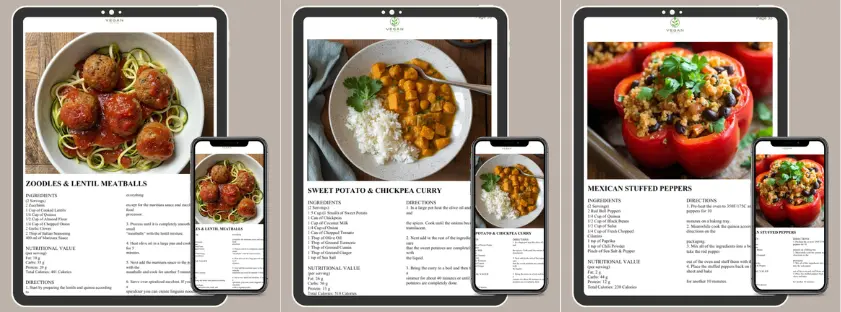
28-Day Vegan Meal Plan + Grocery list.
Transform your lifestyle with our comprehensive guide. This isn’t just a recipe book; it’s a complete system designed for success:
- 28-Day Meal Plan every meal, nothing to figure out
- 4 Weekly Grocery Lists sorted by aisle, saves money
- Balanced Macros protein, iron and B12 daily
- Under $1 Per Serving eat well on any budget
- 90-Min Sunday Prep one session, whole week fed
- Vegan Swaps Guide meat, dairy and eggs replaced
- Nutrition Toolkit protein targets and dining guide
- 36 Chef Recipes every meal photographed
Master Vegan Baking Substitution Cheat Sheet With Exact Ratios
Print this. Keep it in your kitchen. These ratios are tested and confirmed in professional kitchen conditions.
| Ingredient to Replace | Best Vegan Substitute | Exact Ratio | Best Use Case | Avoid In |
|---|---|---|---|---|
| 1 whole egg (binding) | Flax egg | 1 tbsp ground flax + 3 tbsp water | Cookies, muffins, dense loaves | Meringues, souffles |
| 1 whole egg (leavening) | Aquafaba | 3 tbsp aquafaba | Cakes, mousses, macarons | Very dense bakes |
| 1 egg white | Aquafaba (whipped) | 2 tbsp aquafaba | Meringue, pavlova, chiffon | Recipes needing yolk richness |
| 1 egg (structure) | Silken tofu (blended) | 60g blended smooth | Cheesecake, custard, dense cakes | Light sponges |
| 1 egg (structure) | Chickpea flour paste | 3 tbsp flour + 3 tbsp water | Savoury bakes, frittatas | Sweet, delicate recipes |
| 1 egg (moisture) | Applesauce | 60g (4 tbsp) | Banana bread, spiced muffins | Light or crisp textures |
| Butter (general) | Vegan butter (Miyoko’s etc.) | 1:1 | All baking applications | None, most versatile |
| Butter (neutral) | Refined coconut oil | 1:1 by volume | Cookies, bars, frostings | Laminated doughs (low melt point) |
| Dairy milk | Soy milk | 1:1 | All baking, best browning | None |
| Buttermilk (240ml) | Soy milk + vinegar | 240ml soy + 1 tbsp ACV, rest 5 min | Pancakes, soda bread, quick breads | None |
| Whipped cream | Coconut cream (chilled) | 1:1, chill 12h before whipping | Frostings, fillings, trifles | Hot applications |
| Cream cheese | Cashew cream or vegan cream cheese | 1:1 | Cheesecake, frosting | Savoury applications (flavour) |
6 Essential Vegan Baked Goods With Science Explanations
Each recipe below is chosen to demonstrate a specific function of vegan substitution. Understanding the science in each one makes every other recipe you attempt easier.
Recipe 1: Flax Egg Chocolate Chip Cookies (Binding Focus)
Why it works: Flax beta-glucan gel crosslinks with flour gluten and the sugar matrix as it sets, binding the cookie without excessive spread. The absence of egg white protein means the cookie stays slightly softer at centre than a conventional version.
Key ingredients: 2 flax eggs (2 tbsp ground flax + 6 tbsp water, rested 5 min), 180g plain flour, 120g vegan butter, 80g brown sugar, 60g white sugar, 1 tsp vanilla, 1/2 tsp baking soda, 150g dark chocolate chips.
Science note: Brown sugar retains more moisture than white due to its molasses content, compensating for the lower moisture contribution of flax gel. Substituting all-white sugar will produce drier, more crumbly cookies.
Recipe 2: Aquafaba Vanilla Sponge Cake (Leavening Focus)
Why it works: Whipped aquafaba is beaten to stiff peaks then folded into the batter. The trapped air expands under heat while starch gelatinises around it, setting the foam structure. The result is a genuinely light sponge, not the dense approximation most plant-based cake recipes produce.
Key ingredients: 6 tbsp aquafaba (from unsalted canned chickpeas), 200g self-raising flour, 150g caster sugar, 120ml soy milk, 80ml refined coconut oil (melted and cooled), 1 tsp vanilla, 1/2 tsp cream of tartar.
Science note: Cream of tartar lowers the pH of aquafaba, strengthening protein film around air bubbles via increased electrostatic repulsion. The foam becomes approximately 40% more stable. Do not skip it.
Recipe 3: Silken Tofu Chocolate Cheesecake (Structure Focus)
Why it works: Blended silken tofu contains soy lecithin, which emulsifies the fat from coconut cream and the water from cocoa into a smooth, unified mass that sets firmly under refrigeration. The protein matrix in the tofu provides the structural rigidity that makes clean slicing possible.
Key ingredients: 400g silken tofu (fully blended), 200ml full-fat coconut cream, 120g dark chocolate (70% minimum, melted), 60g maple syrup, 1 tsp vanilla, pinch of salt. Base: 200g Oreos (check vegan), 60g melted vegan butter.
Science note: The temperature of the melted chocolate is critical. If above 40C when added to tofu, it partially denatures the tofu proteins prematurely, creating a grainy texture. Cool melted chocolate to 35 to 38C before combining.
Recipe 4: Vegan Buttermilk Banana Bread (Acid Activation Focus)
Why it works: The acid in soy-vinegar buttermilk reacts with baking soda to produce CO2 on contact, beginning leavening before the loaf enters the oven. Ripe bananas contribute pectin for binding, natural sugars for Maillard browning, and moisture. The result is a well-risen loaf with a properly caramelised crust.
Key ingredients: 3 very ripe bananas (mashed), 240ml soy buttermilk (240ml soy + 1 tbsp ACV, rested 5 min), 250g plain flour, 120g light brown sugar, 80ml refined coconut oil, 1 tsp bicarbonate of soda, 1 tsp cinnamon, 1/2 tsp salt.
Science note: Use only heavily freckled, very ripe bananas. Starch conversion to simple sugars accelerates browning and increases moisture retention. Underripe bananas produce a starchy, pale loaf with inferior flavour.
Recipe 5: Aquafaba Meringues (Foam Stability Focus)
Why it works: Aquafaba proteins form a continuous foam film around air bubbles. Caster sugar dissolves into the water phase, increasing viscosity and stabilising the walls. Slow baking at low heat evaporates water while setting the sugar-protein structure, producing a crisp exterior and slightly chewy interior.
Key ingredients: 150ml aquafaba (from two 400g cans, reduced by simmering 10 min), 200g caster sugar (added 1 tbsp at a time), 1/4 tsp cream of tartar, 1 tsp vanilla.
Science note: Reducing aquafaba by 30% before whipping concentrates proteins and dramatically improves foam stability. This is the professional technique. Unreduced aquafaba produces meringues that weep and collapse within hours.
Recipe 6: Chickpea Flour Savoury Muffins (Protein Coagulation Focus)
Why it works: At 22g protein per 100g, chickpea flour coagulates under heat like egg protein, setting the muffin structure firmly. Combined with nutritional yeast and smoked paprika, it produces a high-protein muffin with a dense, sliceable crumb ideal for meal prep.
Key ingredients: 200g chickpea flour, 120ml soy milk, 60ml olive oil, 3 tbsp nutritional yeast, 1 tsp baking powder, 1 tsp smoked paprika, 1/2 tsp garlic powder, 100g spinach (wilted, chopped), 80g sun-dried tomatoes (chopped), salt and pepper.
Science note: Dry-toast the chickpea flour in a pan over medium heat for 4 to 5 minutes before use. This reduces beany flavour compounds and is standard practice in professional plant-based kitchens.
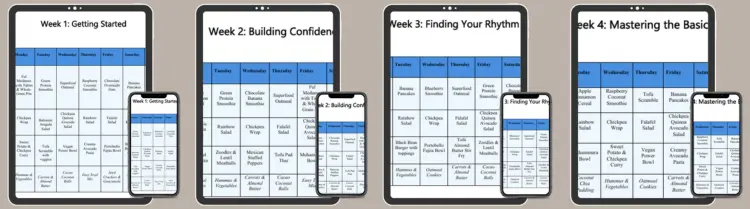
Psst.. Start your transformation now. Everything is done for you, 36 chef vegan recipes, 4 weekly grocery lists, and a full 28-day Meal Plan. Zero thinking, every meal decided. Balanced macros daily, one Sunday prep feeds your whole week. No subscription.
Get the Plan →Troubleshooting: Why Vegan Baked Goods Fail
The most common vegan baking failures have specific, diagnosable causes. Here are the problems and the food science behind each fix.
Problem: Cake Is Dense and Flat
Cause: using a binding substitute (flax, applesauce) in a recipe that requires leavening from aerated eggs. Fix: switch to whipped aquafaba and fold gently. Check baking powder freshness by adding 1 teaspoon to hot water; it must bubble vigorously.
Problem: Cookies Spread Too Much and Are Greasy
Cause: too much coconut oil at room temperature, or using a vegan butter with a low melting point. Fix: chill the dough for 30 minutes before baking. Use a high-quality vegan butter (Miyoko’s or Flora) instead of coconut oil. Add 1 extra tablespoon of flour to tighten the structure.
Problem: Aquafaba Will Not Whip
Cause: fat contamination (even a trace prevents foam), or using salted aquafaba. Fix: wipe bowl and whisk with a cloth dampened with white vinegar to remove fat residue. Use only low-sodium unseasoned canned chickpea liquid. Add cream of tartar.
Problem: Cake Is Gummy or Sticky Inside
Cause: excess moisture from applesauce, silken tofu, or overripe banana without reducing another liquid. Fix: reduce the other liquid in the recipe by 2 tablespoons when using a high-moisture substitute. Increase bake time by 5 to 8 minutes and test with a clean skewer.
Problem: Muffins Have a Beany or Off Flavour
Cause: using raw chickpea flour, unrinsed aquafaba from seasoned cans, or soy milk that is close to expiry. Fix: dry-toast chickpea flour before use. Use aquafaba from unsalted chickpeas. Use fresh, unflavoured soy milk. Add 1/2 teaspoon of vanilla or a pinch of cardamom to mask residual legume notes in sweet bakes.
Problem: Vegan Croissant Layers Merge During Baking
Cause: vegan butter melted during lamination due to warm hands or kitchen temperature. Fix: work in a room below 18 degrees Celsius. Return the dough to the refrigerator for 15 minutes after every fold. Use Miyoko’s European-style vegan butter, which has a higher melting point than most alternatives.
Vegan Egg Substitute: Strength by Baking Function
More Plant-Based Cooking and Nutrition Guides
Expand your plant-based knowledge with these related guides from the site:
- Vegan Meal Prep for Beginners: build a weekly system around your baking practice.
- Vegan Protein Sources: understand where chickpea flour and silken tofu fit in your daily protein targets.
- Vegan Pantry Staples List: stock every substitute on this page before you need it.
- Vegan Cooking Techniques and Tips: the professional methods behind plant-based cooking excellence.
- Vegan B12 Foods: fortified nutritional yeast and plant milks matter beyond the baking context.
- Complete Vegan Nutrition Guide: the comprehensive reference behind every recipe decision.
- Vegan High Protein Meals: chickpea flour muffins are just the beginning.
- Vegan Fermented Foods: sourdough starter behaviour connects directly to the acid activation science above.
- Beginner Vegan Diet Guide: the full system for anyone starting from scratch.
- Vegan Meal Plan for Families: scale these baking recipes for family-sized batches.
- Cheap Vegan Meals on a Budget: flax and aquafaba are among the most cost-effective substitutes available.
- Vegan Grocery Shopping Guide: find every substitute ingredient on your first supermarket visit.
Frequently Asked Questions About Vegan Baking
What is the best egg substitute for vegan baking?
There is no single best substitute because eggs perform five different functions depending on the recipe. For binding in cookies and muffins, the flax egg (1 tablespoon ground flax plus 3 tablespoons water, rested 5 minutes) is the most reliable and cost-effective option. For leavening in cakes and meringues, whipped aquafaba is the only plant-based substitute that replicates the foam-forming protein behaviour of egg white. For structure in cheesecakes and custards, blended silken tofu is the professional choice. Match the substitute to the function, not the recipe title.
Does plant-based baking taste different from conventional baking?
When substitutions are chosen correctly and ratios are precise, a skilled taster cannot reliably distinguish egg-free baked goods from conventional ones in blind testing. The texture differences are subtle: dairy-free cookies may be slightly softer, plant-based sponge cakes may have a marginally finer crumb, and vegan croissants may require more technique to achieve full lamination. Flavour differences are virtually undetectable in recipes that use chocolate, spices, vanilla, or fruit, which mask any faint legume notes from aquafaba or chickpea flour.
Can I use aquafaba from homemade chickpeas instead of canned?
Yes, but consistency is harder to control. Canned chickpea liquid is standardised during the canning process, so protein concentration is relatively consistent between brands. Homemade aquafaba varies depending on cooking time, water ratio, and salt. For reliable foam formation in plant-based baking, simmer your homemade aquafaba for 10 to 15 minutes to concentrate the proteins, and ensure no salt was added as sodium disrupts foam stability.
Why does my plant-based cake sink in the middle after baking?
A sunken centre in egg-free baking usually results from one of three causes: underbaking (the internal structure has not fully set), excess moisture from a high-water egg substitute without reducing another liquid, or opening the oven door during the first 20 minutes of baking which destabilises the aquafaba foam before the starch gelatinises. Test with a skewer inserted at the centre: it must come out completely clean. If the outside is browning but the centre is still wet, reduce oven temperature by 10 degrees and extend bake time by 10 minutes.
What is the easiest way to follow a vegan baking plan without guessing?
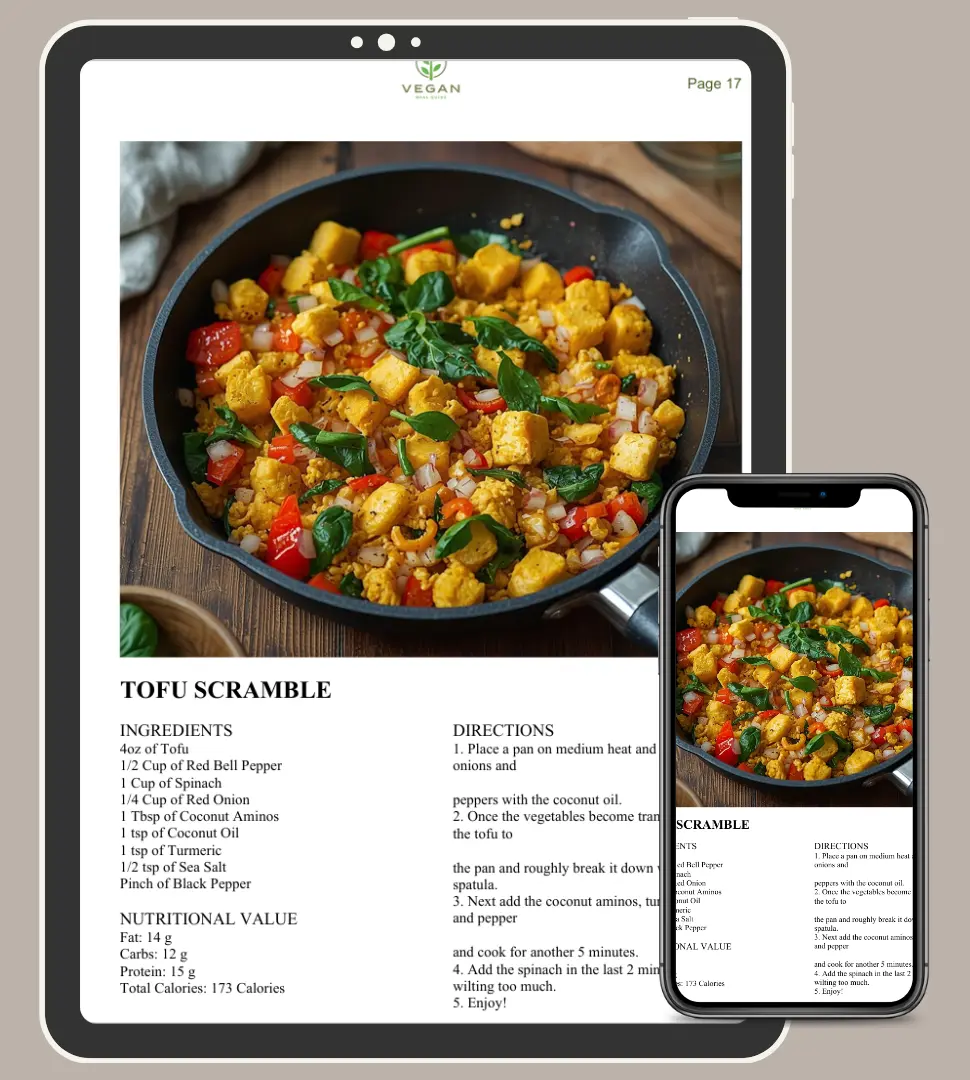
The simplest approach is to follow a structured plan built by a professional chef rather than adapting conventional recipes yourself. The Ultimate 28-Day Vegan Meal Plan + Grocery List (Complete Solution) includes 36 chef-tested recipes with a photo for every recipe, making it easy to start without planning everything from scratch or second-guessing your substitution choices.
Which plant milk works best for dairy-free baking?
Soy milk is the professional default for vegan baking because its protein content (3.3g per 100ml) most closely matches dairy milk (3.4g per 100ml), which means Maillard browning, structural contribution, and overall bake behaviour are closest to the conventional original. Oat milk works well in neutral, moist cakes and muffins where its natural sweetness and beta-glucan body are assets. Avoid rice milk (0.5g protein per 100ml) in recipes requiring browning or structure. Almond milk (1.1g protein, 1.1g fat per 100ml) is too thin for enriched doughs but works adequately in simple cakes.
Can I make vegan pastry and croissants that are actually flaky?
Yes, with the right vegan butter and precise temperature control. The key challenge is the melting point of the fat. Dairy butter melts at approximately 32 to 35 degrees Celsius, staying solid through lamination at normal kitchen temperatures. High-quality vegan butters like Miyoko’s European-style match this range closely. Work in a kitchen below 18 degrees Celsius, chill the dough for 15 minutes between every fold, and confirm the dough never exceeds 8 degrees at the fat layer before re-laminating.
How do I make vegan meringue that does not weep or collapse?
The professional technique is to reduce aquafaba before whipping. Simmer the liquid from two 400g cans of unsalted chickpeas until the volume reduces by 30%, then cool completely. This concentrates the proteins and improves foam stability. Add 1/4 teaspoon cream of tartar per 150ml aquafaba to further stabilise the foam. Add caster sugar 1 tablespoon at a time while whipping. Cool meringues in the switched-off oven overnight to prevent cracking.
Is egg-free baking more expensive than conventional baking?
It depends entirely on which substitutes you use. Flax eggs cost approximately 3 to 5 cents per egg equivalent versus 25 to 40 cents for a conventional egg, making flax a significant cost saving. Aquafaba from canned chickpeas costs essentially nothing as it is a byproduct. The cost increase comes from high-quality vegan butter (typically 2 to 3 times the price of dairy butter) and commercial egg replacer products. A professional approach is to use aquafaba and flax for most daily baking and reserve vegan butter for recipes where fat quality genuinely matters, such as pastry and rich cakes.
What is the best vegan substitute for buttermilk?
Combine 240ml of soy milk with 1 tablespoon of apple cider vinegar or white wine vinegar. Stir briefly and allow to sit for 5 minutes. The acid denatures soy milk proteins and causes visible curdling, lowering pH to approximately 4.5 to 5.0, close enough to buttermilk’s pH of 4.5 to 4.8 to activate baking soda reliably. Soy milk is specified because its higher protein content produces a more convincing reaction than oat or almond milk. Use immediately after the 5-minute rest.
Can I use tofu in sweet baked goods without it tasting savoury?
Yes. Silken tofu is very mild in flavour, especially after blending, and is effectively masked by vanilla, chocolate, maple syrup, or citrus zest. Use silken tofu only (not firm or extra-firm), blend until completely smooth before adding to the recipe, and ensure the recipe includes at least one strong flavour carrier. The chocolate cheesecake recipe in this guide is a reliable starting point because 70% dark chocolate dominates the flavour profile entirely.
How do I know if my vegan baked goods meet daily nutritional targets?
Nutritional completeness in plant-based cooking depends on the whole diet, not individual baked goods. However, certain substitutes actively improve nutritional density: flax eggs add 1.8g of ALA omega-3 per tablespoon, chickpea flour adds 22g protein per 100g, and nutritional yeast adds B vitamins including B12 in fortified varieties. For a structured approach that ensures every meal, including snacks and baked goods, meets protein, iron, and B12 needs, the Ultimate 28-Day Vegan Meal Plan + Grocery List (Complete Solution) includes nutritionist-approved recipes with every meal meeting protein, iron, and B12 needs.
What baking tools do I need specifically for egg-free baking?
Two tools make a significant difference in vegan baking results. A stand mixer or hand mixer with a whisk attachment is essential for aquafaba, which must be whipped at high speed for 5 to 8 minutes to reach stiff peaks. By hand this takes 15 to 20 minutes and is impractical. A digital kitchen thermometer allows you to monitor chocolate temperature when tempering for tofu-based cheesecakes and to verify the internal temperature of enriched breads (94 degrees Celsius at the centre confirms full starch gelatinisation). Everything else in standard baking applies equally: accurate scales, a reliable oven thermometer, and parchment-lined tins.
Final Thoughts on Vegan Baking
Vegan baking is not a lesser version of conventional baking. It is a more demanding, more scientifically rigorous discipline that forces you to understand what every ingredient is actually doing in your recipe. The baker who learns to use aquafaba, flax eggs, and silken tofu correctly has a deeper understanding of food structure, protein chemistry, and fat function than any baker who has only ever worked with conventional ingredients.
Start with the flax egg for cookies and muffins. Move to aquafaba once you are comfortable. Add the silken tofu cheesecake when you want a showpiece. Each new technique builds on the last, and within a few months you will be producing plant-based baked goods that earn genuine compliments from people who are not even vegan.
The science in this guide gives you the understanding. The practice gives you the skill. Mastering vegan baking is one of the most rewarding things a home cook can do, and the Ultimate 28-Day Vegan Meal Plan + Grocery List (Complete Solution) gives you exactly that, with 36 chef-tested recipes with a photo for every recipe and easy weekly grocery lists covering 4 weeks.
Tired of overthinking your meals?
What’s included in your download
- 28-Day Meal Plan
- 4 Weekly Grocery Lists
- Balanced Nutrtion, protein, iron, B12
- Under $1 Per Serving
- 90-Min Sunday Prep
- Vegan Swaps Guide
- Nutrition Toolkit
- Beginner Action Plan
- Dining Out Guide
- 36 Chef Recipes
Instant PDF download. No subscriptions.