
Medical Disclaimer: This content is for informational purposes only and does not constitute medical advice. Men with concerns about testosterone, prostate health, or hormonal balance should consult a qualified healthcare provider or urologist. Do not use this content to self-diagnose or replace professional medical guidance.
Vegan Diet for Men: Complete Guide to Plant-Based Male Nutrition
TL;DR
A vegan diet for men is not only adequate for male health. When planned correctly it is structurally advantageous for testosterone maintenance, prostate health, cardiovascular function, and long-term hormonal balance. The soy-testosterone concern that drives most male hesitation toward plant-based eating is not supported by the clinical evidence. Human clinical trials consistently show no significant reduction in testosterone from soy or isoflavone consumption at normal dietary levels. The real male-specific considerations on a plant diet are protein sufficiency, zinc, creatine, and vitamin D. These are addressable and manageable. This guide covers the male nutrition science, the soy myth settled with the actual studies, eight critical male-specific nutrients with spotlight cards, a ranked food chart, the prostate evidence, a muscle retention protocol for men over 30, and a 7-day MENA-inspired meal framework.
Why Men Have Different Nutritional Needs on a Plant Diet
A vegan diet for men requires the same nutritional foundations as any plant-based diet, with specific attention to male physiology. Men are not simply larger women in terms of nutritional requirements. Several biological differences create genuinely distinct nutritional priorities that must be addressed deliberately on a plant diet.
The Five Key Male-Specific Nutritional Priorities
- Higher absolute protein needs: greater average muscle mass means higher daily protein requirements for maintenance. Men targeting muscle retention or growth need 1.6-2.2g of protein per kg of body weight, not the sedentary baseline.
- Zinc priority: testosterone synthesis requires zinc at every step. Zinc is also essential for sperm motility, DNA integrity in sperm, and prostate gland function. Plant zinc is less bioavailable than animal zinc due to phytate content, requiring strategic food choices and possibly supplementation.
- Creatine awareness: creatine is found almost exclusively in animal muscle tissue. Vegan men have significantly lower resting muscle creatine stores than omnivores, affecting strength, power output, and potentially cognitive function. Creatine monohydrate supplementation is one of the most evidence-supported interventions for plant-based male athletes.
- Cardiovascular advantage: the leading cause of death in men globally is cardiovascular disease. Plant-based diets show the strongest dietary evidence for cardiovascular risk reduction of any dietary pattern, giving men who adopt them a structural health advantage.
- Hormonal balance without estrogen concern: the fear that plant estrogens (phytoestrogens) from soy disrupt male hormones is widespread and not supported by clinical evidence at normal dietary intakes. The Section 2 covers this completely.
The complete foundational nutrition framework for plant-based eating is at the complete vegan nutrition guide.
The Soy-Testosterone Myth: The Clinical Evidence Settled
The soy-testosterone concern is the single biggest barrier preventing men from adopting a vegan diet for men. It deserves a complete, evidence-based answer rather than dismissal or hedging.
The concern originates from the fact that soy contains isoflavones: plant compounds with a molecular structure loosely similar to estradiol (human estrogen). This structural similarity led to the hypothesis that soy isoflavones might bind estrogen receptors, suppress testosterone, and feminise male physiology. This hypothesis has been tested extensively in human clinical trials. The results are consistent and clear.
The Myth
- Soy isoflavones act like estrogen in men
- Eating soy lowers testosterone levels
- Soy causes gynecomastia (breast tissue growth)
- Plant-based men have lower testosterone
- Isoflavones suppress sperm production
- Men should avoid tofu, tempeh, and soy milk
The Clinical Evidence
- Isoflavones bind ERb receptors with very low affinity. They do not activate the same pathways as estradiol in men.
- Meta-analyses of randomised controlled trials: no significant effect on testosterone from soy consumption at normal dietary levels
- Gynecomastia cases from soy are extremely rare and involve extraordinarily high intakes (several litres of soy milk daily for months)
- Plant-based men in studies show testosterone levels within normal range consistently
- No evidence of sperm suppression at normal soy intakes in human clinical trials
- Tofu, tempeh, and soy milk are among the best protein sources on a vegan diet for men
The Key Studies: What the Research Actually Shows
A 2010 meta-analysis published and reviewed on PubMed examined 15 placebo-controlled treatment groups and found that neither soy protein nor isoflavone supplements altered total testosterone, free testosterone, sex hormone binding globulin, or estradiol levels in men. A 2021 systematic review covering 41 studies confirmed these findings: normal dietary soy consumption does not clinically or significantly affect circulating sex hormone concentrations in men. The rare case reports of soy-related hormonal effects all involve extreme, unusual consumption patterns far outside any realistic dietary scenario. A vegan diet for men built on moderate soy intake (1-3 servings daily) has no clinically significant effect on testosterone based on the current body of human evidence.
What Actually Does Lower Testosterone in Men
While soy poses no evidence-based testosterone risk, several factors that are common in modern diets and lifestyles do reduce testosterone:
- Obesity: excess body fat converts testosterone to estrogen through aromatase. Maintaining healthy body weight is the most impactful testosterone strategy available.
- Vitamin D deficiency: low vitamin D correlates directly with low testosterone in multiple studies. Supplementing vitamin D3 raises testosterone in deficient men.
- Zinc deficiency: zinc is a direct cofactor in testosterone biosynthesis. Deficiency measurably reduces testosterone production.
- Alcohol: even moderate alcohol consumption suppresses testosterone by impairing testicular testosterone production and increasing cortisol
- Chronic stress and poor sleep: cortisol is directly antagonistic to testosterone. Chronic elevation suppresses testosterone synthesis.
- Ultra-processed food diets: high refined sugar and saturated fat diets are associated with lower testosterone, not plant-based diets
A vegan diet for men, well-planned with adequate zinc, vitamin D, protein, and zinc, addresses several of these factors simultaneously rather than worsening them.
8 Most Critical Nutrients for Plant-Based Men
These eight nutrients address the specific physiological priorities of male biology on a vegan diet. Each card covers the male-specific role, the best plant sources, and the practical daily strategy.
1. Zinc
Male role: testosterone synthesis, sperm production and motility, prostate health, DNA integrity in reproductive cells, immune function.
RDA for men: 11mg daily. Plant sources are less bioavailable due to phytate binding.
Best plant sources: pumpkin seeds (2.5mg per 30g), hemp seeds (3mg per 30g), cashews (1.6mg per 30g), lentils (2.5mg per cup cooked), tempeh (1.7mg per 100g).
Strategy: Soak legumes, eat fermented soy products, consider 15-25mg zinc citrate supplementation if intake is consistently below target.
2. Protein (Leucine-Rich)
Male role: muscle protein synthesis, testosterone precursor production, enzyme and hormone manufacturing, body composition maintenance.
Target for active men: 1.6-2.2g per kg of body weight daily. A 80kg active man needs 128-176g protein daily.
Best plant sources: tempeh (20g per 100g), tofu (17g per 100g), edamame (17g per cup), lentils (18g per cup), seitan (25g per 100g).
Strategy: Prioritise leucine-rich sources (soy foods, lentils). Distribute across 4-5 meals to maximise muscle protein synthesis signals throughout the day.
3. Vitamin D3
Male role: testosterone production (low D3 is directly associated with low testosterone), bone density, immune function, cardiovascular health, mood regulation.
Target: 2000-4000 IU daily. Serum 25-OH vitamin D above 75 nmol/L for optimal testosterone support.
Best plant sources: UV-exposed mushrooms (variable). All others negligible. Algae-derived D3 supplementation is non-negotiable on a vegan diet for men.
Strategy: Supplement algae-derived D3 at 2000 IU minimum daily with a fat-containing meal. Test serum D annually.
4. Creatine
Male role: phosphocreatine energy system (critical for strength, power, and high-intensity exercise), cognitive function, muscle volume and recovery.
Vegan reality: creatine is found almost exclusively in animal muscle tissue. Vegan men have 20-30% lower resting muscle creatine stores than omnivores on average.
Strategy: Creatine monohydrate supplementation at 3-5g daily is the single most evidence-supported supplement for vegan men engaged in strength training. It is vegan (synthetically produced), affordable, and safe.
5. Omega-3 (EPA and DHA)
Male role: cardiovascular protection (men’s leading killer), anti-inflammatory support for recovery, sperm membrane composition and motility, testosterone production support.
Best vegan sources: algae-derived EPA/DHA supplements (the only reliable vegan long-chain omega-3 source). ALA from flaxseed and hemp converts to EPA/DHA at only 5-10% efficiency.
Strategy: 250-500mg EPA+DHA from algae oil daily. Reduce omega-6 intake (sunflower, corn oil) to improve conversion ratio. The full framework is at the vegan omega-3 guide.
6. Iron
Male role: oxygen transport, energy production, immune function. Men have lower iron needs than premenopausal women (8mg vs 18mg daily) but iron-deficiency anaemia still affects plant-based men who do not eat strategically.
Best plant sources: lentils (6.6mg per cup), tofu (3.4mg per 100g), pumpkin seeds (2.7mg per 30g), quinoa (2.8mg per cup), tempeh (2.7mg per 100g).
Strategy: Always combine iron-rich plant foods with vitamin C. Avoid tea and coffee within 60 minutes of iron-rich meals.
7. B12
Male role: neurological function, DNA synthesis, energy metabolism, homocysteine regulation (high homocysteine is a male cardiovascular risk factor), sperm DNA integrity.
Strategy: 250mcg cyanocobalamin daily. No reliable whole plant food sources exist. Fortified foods alongside daily supplementation is the standard protocol. Full guide at the vegan nutrient deficiencies guide.
8. Magnesium
Male role: testosterone synthesis support (magnesium binds sex hormone binding globulin, increasing free testosterone), muscle recovery, sleep quality, GABA activation, blood sugar regulation.
Target: 400-420mg daily for adult men. Most men do not reach this target.
Best plant sources: hemp seeds (210mg per 30g), pumpkin seeds (156mg per 30g), dark leafy greens, black beans (120mg per cup), dark chocolate 85%+ (65mg per 30g).
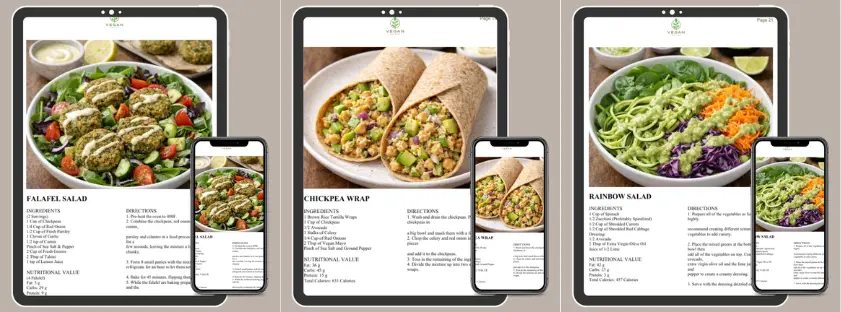
28-Day Vegan Meal Plan
+ Grocery List
Complete Solution · Nutritionist-Approved · Print & Use Today
Read on any device · No apps needed
Top Vegan Foods for Men Ranked by Male-Relevant Nutrient Density
The ranking below scores foods on a composite of the nutrients most relevant to male biology: protein content and quality, zinc, iron, magnesium, omega-3, and cardiovascular protective compounds. Foods that score across multiple male priorities simultaneously rank highest.
Prostate Health: The Plant-Based Evidence
Prostate health is one of the most compelling reasons for men to adopt or maintain a vegan diet. The evidence connecting dietary patterns and prostate outcomes is among the strongest of any cancer-diet relationship in the literature.
Lycopene: The Most Studied Prostate-Protective Nutrient
Lycopene is a carotenoid found in highest concentrations in tomatoes, especially when cooked and combined with fat. Epidemiological evidence consistently associates high lycopene intake with reduced prostate cancer risk and slower PSA (prostate-specific antigen) progression. The mechanism involves lycopene’s ability to inhibit cell cycle progression in prostate epithelial cells. Key practical points for men:
- Cooked tomatoes provide 2-3x more bioavailable lycopene than raw
- Cooking tomatoes in olive oil dramatically increases lycopene absorption (lycopene is fat-soluble)
- Tomato paste and passata are the most concentrated lycopene sources available
- A tablespoon of tomato paste delivers more lycopene than a raw tomato
- Watermelon, pink grapefruit, and guava also contain significant lycopene
Soy Isoflavones and Prostate Cancer: The Evidence Favours Soy
The same isoflavones that are incorrectly feared for testosterone suppression have significant positive evidence for prostate health. Genistein and daidzein (the primary soy isoflavones) demonstrate anti-proliferative effects on prostate cancer cells in laboratory studies, and epidemiological data consistently shows lower prostate cancer rates in populations with high soy consumption (Asian populations with traditional soy-rich diets). The clinical evidence reviewed at Examine.com suggests that soy isoflavones at normal dietary intakes are associated with reduced prostate cancer risk, not increased risk. This is the opposite of the popular narrative. A vegan diet for men that includes daily tofu and tempeh is protective for prostate health by the current evidence.
Cruciferous Vegetables and Sulforaphane
Broccoli, cauliflower, Brussels sprouts, and kale contain sulforaphane and indole-3-carbinol (I3C), compounds with well-documented anti-cancer mechanisms in prostate tissue. Sulforaphane activates Nrf2 signalling, inducing detoxification enzymes and reducing oxidative stress in prostate cells. I3C modulates androgen receptor signalling. Men eating cruciferous vegetables daily show consistently lower prostate cancer incidence and PSA progression rates in observational data. The recommendation for men: minimum one serving of cruciferous vegetables daily. Lightly steamed broccoli preserves more sulforaphane than heavily boiled.
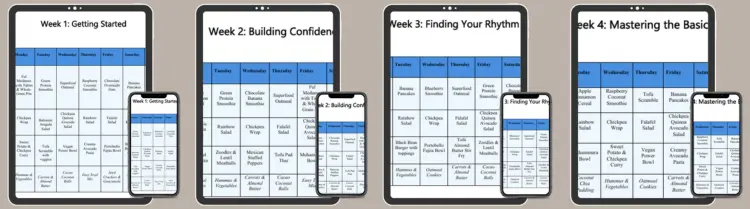
Psst..just to add: reading about anti-inflammatory eating and actually eating that way every day are two very different things. The 28-Day Vegan Meal Plan gives you 40+ recipes, a full shopping list, and a 28-day calendar. No subscription.
Get the Plan →Muscle Retention After 30: The Vegan Protein Strategy for Men
Sarcopenia, the age-related loss of muscle mass and strength, begins in men around age 30. Without deliberate nutritional and training intervention, men lose 3-5% of muscle mass per decade from age 30 onward, accelerating after 60. A vegan diet for men can fully address this process when protein intake and distribution are managed correctly.
The Leucine Threshold: Why Protein Distribution Matters
Muscle protein synthesis is not triggered by daily protein totals alone. It is triggered by leucine concentration in individual meals reaching a threshold of approximately 2.5-3g per meal. Below this threshold, the muscle protein synthesis signal is not fully activated regardless of total daily protein intake.
- Practical implication: four meals of 35-45g protein each is more effective for muscle retention than two meals of 70-90g protein
- Best leucine sources in plant foods: soy foods (tofu, tempeh, edamame), lentils, and seitan are the richest plant leucine sources
- Leucine per 100g of key plant proteins: soy protein isolate 8g, tofu 1.5g, tempeh 1.7g, lentils 0.7g, peas 1.4g
- A 150g serving of firm tofu provides approximately 2.25g leucine, close to the threshold. Combining tofu with lentils at one meal reliably clears it.
The Vegan Muscle Retention Protocol for Men Over 30
- Total protein: 1.6-2.2g per kg body weight daily. A 80kg man needs 128-176g protein per day.
- Distribution: 4-5 meals containing 30-45g protein each. Never two meals per day for muscle retention goals.
- Leucine priority per meal: include at least one high-leucine plant protein (soy, lentils, peas) at each meal
- Creatine monohydrate: 3-5g daily. Non-negotiable for vegan men doing any strength training
- Post-training window: 30-60g protein within 60 minutes of resistance training activates maximal muscle protein synthesis. A large portion of tofu, tempeh, or a vegan protein shake covers this.
- Vitamin D3: low vitamin D impairs muscle protein synthesis independently of protein intake. 2000 IU algae D3 daily minimum.
The complete high-protein plant-based framework for men who train is covered at the vegan bodybuilding meal plan and the 100g protein vegan guide.
Male Vegan 7-Day Meal Framework
This 7-day framework is built around the male nutritional priorities covered in this guide: leucine-rich protein at every meal, zinc-dense seeds and legumes daily, lycopene and cruciferous vegetables for prostate health, and omega-3 and cardiovascular protective foods throughout.
Every day in this framework delivers: 130-160g protein, 11mg+ zinc from diverse sources, lycopene from cooked tomatoes, sulforaphane from cruciferous vegetables, and omega-3 ALA from hemp seeds, walnuts, and chia seeds. The framework is designed as a rotation starting point, not a rigid prescription.

| Plan Comparison | Standard Search | Your 28-Day Plan |
|---|---|---|
| Structured 4-Week Calendar | — | ✓ Included |
| Ready-to-Use Grocery Lists | — | ✓ Included |
| 40+ Professional Recipes | Random Results | ✓ Included |
| Nutrition & Transition Guide | — | ✓ Included |
| Chef-Verified Methods | — | ✓ Included |
| High-Quality Recipe Photos | — | ✓ Included |
Chef Section: MENA High-Protein Masculine Cooking Traditions
Twenty years of professional MENA and Mediterranean kitchen experience reveals a culinary tradition that is, by its nature, built for male nutritional priorities. The traditional MENA diet is not delicate. It is generous, protein-forward, spice-driven, and built around legumes, seeds, and whole grains in quantities and preparations that modern nutrition science now identifies as optimal for male health.
Three MENA Traditions That Directly Serve Male Nutrition
1. Ful Medames: The Original High-Protein Male Breakfast
Slow-cooked fava beans dressed with olive oil, lemon, cumin, and garlic have been the primary morning meal of working men across Egypt, the Levant, and North Africa for millennia. A generous bowl of ful medames delivers 15-18g plant protein, 6mg iron, 3mg zinc, and substantial magnesium from a single dish that costs almost nothing and takes skill rather than expensive ingredients to execute well. The professional kitchen approach: cook the beans low and slow overnight. The texture achieved by long, slow cooking cannot be replicated with rapid boiling. The resulting dish is dense, satisfying, and nutritionally superior to any processed breakfast alternative. This is food designed for men who do hard work.
2. The Seed and Nut Culture: Za’atar, Tahini, and Pumpkin Seeds
MENA professional kitchens treat seeds not as garnishes but as structural ingredients. Pumpkin seeds encrust bread, finish salads, and top soups. Tahini appears not as an occasional dressing but as a daily sauce, dip, and flavouring agent. Za’atar blend, with its sesame seed base, applies across breakfast, lunch, and dinner. The cumulative zinc and magnesium load delivered through these daily seed habits is precisely what male plant-based nutrition requires. In a professional MENA kitchen, seeds are not health foods. They are flavour and texture tools that happen to deliver exceptional male-relevant mineral density as a structural consequence of their use.
3. High-Protein Meze Culture: The Multi-Protein Meal Format
The meze tradition, serving multiple small dishes simultaneously, creates a naturally high-protein multi-source meal format that distributes protein across multiple foods at a single sitting. A traditional MENA meze for a working man includes hummus (chickpeas and tahini: 12-15g protein), ful (fava beans: 15-18g protein), mutabbal (aubergine with tahini: 6-8g protein), and flatbread alongside. This single meal, eaten slowly and socially, delivers 35-40g plant protein from four different sources, achieving the leucine threshold across multiple food vehicles simultaneously. This is the professional kitchen insight: protein distribution through food diversity rather than through concentrated protein supplements is the original and most enjoyable approach to male plant protein sufficiency.
The MENA Male Vegan Day: Total Nutritional Accounting
- Breakfast (ful medames): 18g protein, 6mg iron, 3mg zinc, 80mg magnesium
- Lunch (meze plate with hummus, tempeh, quinoa tabouleh): 45g protein, 4mg zinc, 120mg magnesium
- Dinner (lentil and tomato stew with whole grain bread): 22g protein, 6mg iron, cooked lycopene, 90mg magnesium
- Snacks (pumpkin seeds + dark chocolate + walnuts): 12g protein, 3mg zinc, 220mg magnesium, 2.7g ALA omega-3
- Total: approximately 97-100g protein, 16mg zinc, 510mg magnesium, strong iron and omega-3 delivery
For the full range of MENA-inspired vegan recipes underpinning this framework, the Middle Eastern vegan recipes guide provides the complete culinary library.
Putting It Together: A Vegan Diet for Men Is a Structural Advantage
A vegan diet for men is not a compromise or a sacrifice of male nutritional priorities. When planned with awareness of the male-specific nutrients covered in this guide, a plant-based diet addresses the three biggest health threats facing men globally: cardiovascular disease (leading male killer), prostate cancer (most common male cancer), and metabolic syndrome (most common male chronic condition). Plant-based diets show the strongest dietary evidence for reducing risk across all three.
The soy-testosterone myth is settled science. Normal dietary soy intake does not suppress testosterone in men. What does suppress testosterone is obesity, vitamin D deficiency, zinc deficiency, alcohol, and chronic stress. A well-planned vegan diet for men addresses all of these factors while delivering exceptional protein, zinc from seeds and legumes, lycopene from cooked tomatoes, sulforaphane from cruciferous vegetables, and cardiovascular protection from whole plant foods.
The practical additions specific to vegan men are four: creatine monohydrate (3-5g daily), algae-derived D3 (2000 IU daily), algae-derived EPA/DHA (250-500mg daily), and cyanocobalamin B12 (250mcg daily). With these four supplements in place alongside a protein-sufficient, zinc-rich, lycopene-containing plant diet, a vegan diet for men performs at the highest level of any dietary pattern for male health.
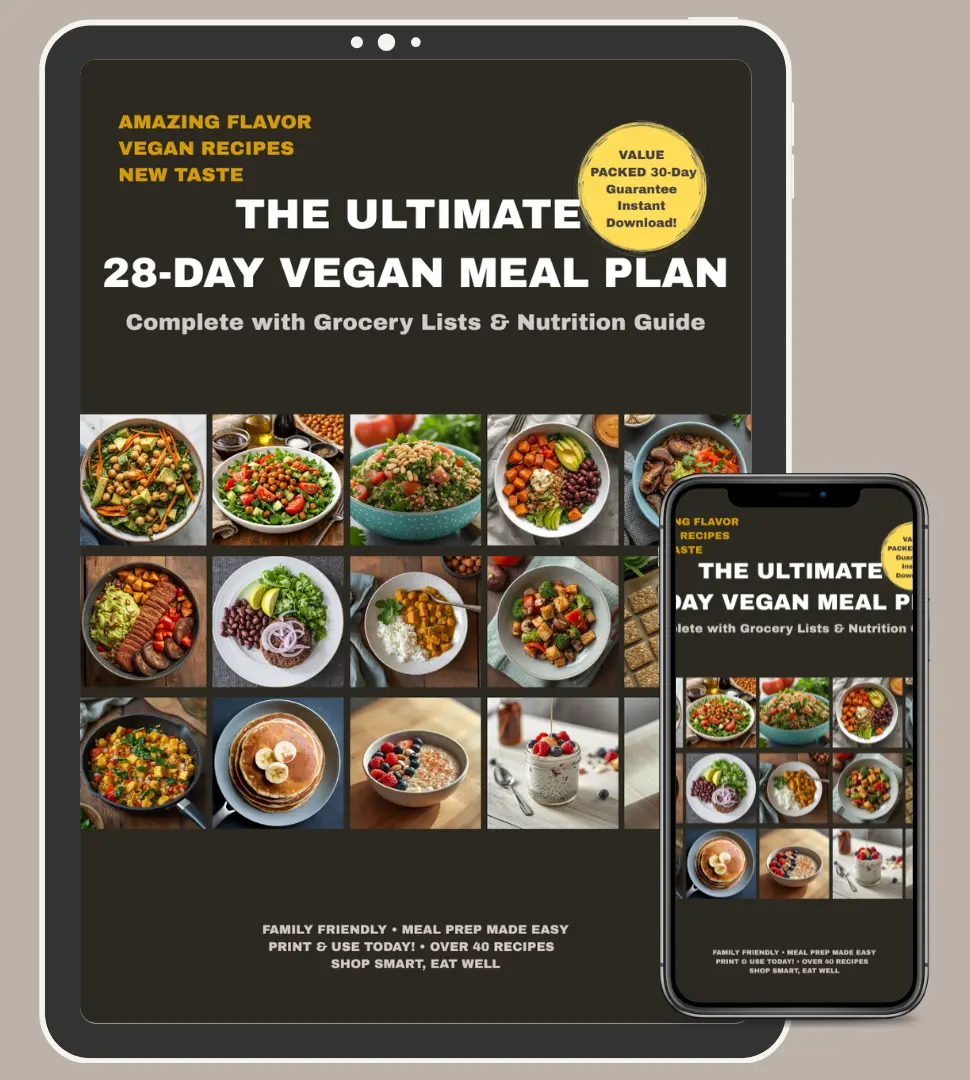
28-Day Vegan Meal Plan + Grocery list.
Transform your lifestyle with our comprehensive guide. This isn’t just a recipe book; it’s a complete system designed for success:
- The Vegan Guide: Essential transition tips and nutritional benefits.
- 40+ Chef Recipes: Breakfast, lunch, and dinner with high-quality photos.
- 4-Week Meal Plan: A fully structured day-by-day calendar.
- Grocery Lists: Categorized weekly lists to save you time and money.
- Photos: High-Quality Recipe Photos.
- Nutritions: Vegan Nutrition Guide Toolkit.
FAQ: 12 Questions About the Vegan Diet for Men
No. This is among the most well-studied questions in plant-based nutrition, and the answer from human clinical trials is consistently negative. Meta-analyses of randomised controlled trials confirm that neither soy protein nor soy isoflavone consumption at normal dietary intakes significantly affects testosterone, free testosterone, sex hormone binding globulin, or estradiol in men. The fear originates from the structural similarity of isoflavones to estradiol, but structural similarity does not equal functional equivalence. Isoflavones bind estrogen receptors with very low affinity and do not activate the same downstream pathways as estradiol in male physiology. Men can eat 1-3 servings of soy daily without any evidence-based concern about testosterone suppression.
Yes, fully. The key conditions are adequate total protein (1.6-2.2g per kg body weight), protein distribution across 4-5 meals to activate leucine-triggered muscle protein synthesis repeatedly across the day, leucine-rich protein sources at each meal (soy foods, lentils, peas), creatine monohydrate supplementation (3-5g daily), and resistance training. Vegan men who address all five of these factors build and retain muscle at rates equivalent to omnivore men in controlled studies. The additional detail: combining protein sources at each meal (tofu plus lentils, for example) improves the amino acid profile and raises the effective leucine content above what either food delivers alone.
Tempeh is the best overall. It delivers 20g complete protein per 100g, has the highest leucine content of common whole plant foods, contains zinc and iron alongside, is fermented (improving mineral bioavailability), and has prostate-protective isoflavone evidence. Tofu is the second choice at 17g per 100g with similar properties. Edamame, lentils, and chickpeas form the supporting legume trio. For men who train, a combination of whole food protein sources alongside a pea or soy-based vegan protein powder to meet elevated targets is the most practical approach.
For men who engage in strength training or high-intensity sports, creatine monohydrate is strongly recommended. Vegan men have significantly lower resting muscle creatine stores than omnivores due to the absence of dietary creatine from meat. Supplementing 3-5g creatine monohydrate daily replenishes these stores, improves strength output, power, and recovery, and may also benefit cognitive function. Creatine monohydrate is vegan (synthetically produced), one of the most extensively researched sports supplements in existence, and safe for long-term use in healthy adults. It is not optional for vegan male athletes. Even for non-athletes, creatine has emerging evidence for brain health benefits that make it a reasonable daily supplement for plant-based men.
The evidence suggests yes, strongly. Plant-based dietary patterns are consistently associated with lower prostate cancer incidence and slower PSA progression compared to high-red-meat diets. The specific protective mechanisms involve lycopene from cooked tomatoes, sulforaphane from cruciferous vegetables, soy isoflavones (genistein and daidzein), and the absence of the IGF-1-promoting effects of high animal protein consumption. Men following plant-rich dietary patterns in major epidemiological studies show 30-50% reduced prostate cancer risk compared to men following high-animal-protein diets.
It depends significantly on activity level and age. The sedentary adult male RDA of 56g daily is a minimum, not an optimal target. Practical targets by situation:
- Sedentary men: 0.8g per kg body weight (minimum). A 80kg sedentary man needs 64g protein.
- Active men or those preserving muscle: 1.2-1.6g per kg. The same 80kg man needs 96-128g.
- Men building muscle or strength training: 1.6-2.2g per kg. That 80kg man needs 128-176g protein.
- Men over 65: 1.2-1.5g per kg minimum to counter age-related sarcopenia. Protein needs increase with age, not decrease.
Four are non-negotiable. Two are strongly recommended for active men:
- B12 (cyanocobalamin 250mcg daily): no reliable plant food sources exist
- Vitamin D3 (algae-derived, 2000 IU daily): most men are deficient. Direct testosterone link.
- Algae omega-3 (250-500mg EPA+DHA daily): ALA conversion from plant foods is insufficient
- Creatine monohydrate (3-5g daily): for any man who trains or wants to maintain muscle and cognitive function
- Zinc citrate (15-25mg daily): if dietary zinc from pumpkin seeds, hemp seeds, and legumes is inconsistent
- Magnesium glycinate (200-400mg evening): if sleep, anxiety, or muscle cramps are concerns
The complete vegan supplement guide is at the vegan supplements guide.
Yes. Cardiovascular disease is the leading cause of death in men globally, and plant-based diets show the strongest evidence for cardiovascular risk reduction of any dietary pattern. The mechanisms are multiple: elimination of dietary cholesterol, high soluble fiber intake reducing LDL cholesterol, potassium lowering blood pressure, omega-3 from walnuts and algae oil reducing triglycerides and inflammation, and the absence of saturated animal fat. Men who transition from omnivore to well-planned plant-based diets typically see measurable improvements in LDL cholesterol, blood pressure, and inflammatory markers within 8-12 weeks. The vegan cholesterol guide covers this in full.
A well-planned vegan diet for men can support or improve male fertility through several mechanisms:
- High antioxidant intake from plant foods protects sperm DNA from oxidative damage
- Zinc from pumpkin seeds, hemp seeds, and legumes supports sperm production and motility
- Omega-3 from algae oil contributes to sperm membrane fluidity and function
- B12 supplementation supports sperm DNA methylation integrity
- Lower body fat (common in plant-based men) reduces aromatase-driven testosterone-to-estrogen conversion
Concerns about soy and fertility follow the same evidence as testosterone: normal dietary soy intakes show no significant sperm count or motility effects in human trials. The practical fertility priority for vegan men is zinc adequacy, which requires daily consumption of pumpkin seeds, hemp seeds, or cashews.
Yes. Elite vegan athletes across multiple sports have demonstrated that plant-based diets can support peak athletic performance with appropriate planning. The key adaptations for vegan male athletes are higher protein targets (2.0-2.2g per kg), creatine monohydrate supplementation, algae EPA/DHA, beta-alanine for endurance, and systematic attention to iron, zinc, and vitamin D. The full framework for plant-based athletic performance is at the vegan athletes guide.
Plant-based diets are consistently associated with lower average body weight and BMI in comparative studies. The mechanisms include higher fiber intake producing satiety on fewer calories, lower energy density of whole plant foods compared to processed animal products, and improved insulin sensitivity from high-fiber legume consumption. For men specifically, reducing excess body fat also reduces aromatase activity (the enzyme that converts testosterone to estrogen), meaning weight loss on a plant diet can directly improve the testosterone-to-estrogen ratio in overweight men. The weight loss framework for plant-based eating is at the vegan weight loss plan guide.
Strategic daily seed and legume consumption is the answer. The most practical vegan zinc sources for men:
- Hemp seeds (30g daily): 3mg zinc. The single most efficient daily zinc habit.
- Pumpkin seeds (30g daily): 2.5mg zinc. Also the highest tryptophan and magnesium seed.
- Cashews (30g): 1.6mg zinc. The most zinc-rich tree nut.
- Lentils (1 cup cooked): 2.5mg zinc after soaking
- Tempeh (100g): 1.7mg zinc from fermented soy
Combined, these sources can deliver 11mg zinc daily, meeting the male RDA. Since plant zinc bioavailability is lower than animal zinc due to phytate, soaking legumes and eating fermented soy products significantly improves absorption. A 15-25mg zinc citrate supplement is a practical insurance layer for men whose dietary zinc is inconsistent.
Still spending hours figuring out what to eat?
What’s included in your download
- 40+ nutritionist-approved recipes
- Complete 28-day calendar
- Meets protein, iron & B12 needs
- Family & meal prep friendly
- Vibrant photo for every recipe
- Simple, common ingredients
Instant PDF download. No subscriptions. No waiting.