Disclaimer: This article is for informational and educational purposes only. Protein requirements vary by individual body weight, activity level, age, and health status. Consult a registered dietitian for personalised protein guidance, particularly if you are pregnant, managing a health condition, or training at high intensity.
Vegan High Protein Meals: The Complete Guide to Plant-Based Protein-Dense Cooking
Plant Protein Basics: What Actually Works
The question is never whether vegan high protein meals are possible. They are. The question is whether you understand which plant foods deliver protein efficiently enough to build meals that match the protein density of omnivore cooking. The answer requires honesty about which plant foods work and which ones are overstated.
Plant proteins vary enormously in protein content per calorie. Most vegetables provide 1 to 4g of protein per 100g, which is nutritionally meaningful but not the foundation of a high-protein strategy. Legumes, soy foods, seitan, and seeds are the actual workhorses of vegan high protein meals, delivering 15 to 30g of protein per 100g in concentrated form. Building meals around these four categories rather than around vegetables alone is the structural shift that makes plant-based high protein eating both practical and nutritionally satisfying.
Protein quality is a topic that often creates unnecessary anxiety in vegan nutrition discussions. The concern is that plant proteins are “incomplete” because most individual plant foods lack sufficient quantities of one or more essential amino acids. This is technically true but practically irrelevant when meals contain food variety. Lysine is the most limiting amino acid in grain-heavy plant diets, which is exactly why legumes, the richest plant lysine sources, belong at the centre of every vegan high protein meal. A meal combining a legume with a grain or seed covers the complete essential amino acid profile reliably. No complicated food combining schedule is needed. Just eat legumes daily. For the full amino acid picture, the vegan protein sources guide covers every plant food’s amino acid contribution in detail.
The Leucine Threshold: Why 25g Per Meal Matters
Muscle protein synthesis is triggered by leucine, an essential amino acid. Research confirms there is a leucine threshold of approximately 2 to 3g per meal below which muscle protein synthesis is not maximally stimulated regardless of total protein consumed. Plant proteins are generally lower in leucine per gram than animal proteins, which means vegan high protein meals need slightly higher total protein to reach the same leucine threshold. This is the mechanistic reason why hitting 25 to 35g per vegan meal, rather than spreading 90g protein across six 15g servings, produces better muscle-building outcomes. Soy foods (tofu, edamame, tempeh) are the exception: they have a leucine profile closer to animal protein than other plant foods, making them the most efficient vegan high protein meal foundation for muscle synthesis specifically.
The vegan protein deficiency guide on this site covers how to identify whether you are meeting protein needs and what symptoms suggest you may be falling short. Fatigue, slow recovery from exercise, poor wound healing, and persistent hunger after meals can all signal insufficient protein, and these symptoms are worth investigating rather than accepting as normal on a plant-based diet.
Ultimate 28-Day Vegan Meal Plan
+ Complete Grocery List & Toolkit
Built by a professional chef with 10+ years in MENA & Mediterranean kitchens
- 36 chef-tested vegan recipes — full-colour photo for every single one
- Complete 28-day meal calendar — every breakfast, lunch, dinner & snack planned
- 4 weekly grocery lists — organised by supermarket section, nothing specialty
- Getting started guides — nutrition, vegan swaps, protein facts, foods list
- Pantry & nutrition hub — Middle Eastern ingredients, whole grains, substitutions
- Budget-friendly tips — eat well, spend less every week
- BONUS: Vegan Nutrition Toolkit — protein cheat sheet, dining out guide, meal prep tips, label reading & quick reference sheets
Top Vegan Protein Sources Ranked
This ranking assesses plant protein foods by protein content per 100g cooked weight, alongside practical meal usability: how easily the food integrates into vegan high protein meals at a serving size that is realistic to eat in one sitting.
Seitan is the outlier that surprises most people. At 75g protein per 100g, it exceeds chicken breast (31g per 100g), beef sirloin (36g per 100g), and every other animal protein by weight. Its limitation is wheat gluten as its sole protein source, making it unsuitable for anyone with celiac disease or significant gluten sensitivity. For everyone else, seitan is the single most powerful ingredient for building vegan high protein meals, delivering dense protein in a meaty texture that works in stir-fries, stews, tacos, and sandwiches. The comparison between seitan and other plant proteins is explored in the tofu vs tempeh vs seitan guide on this site.
The practical takeaway from the ranking is that legumes at 100g cooked provide 8 to 9g protein. This means a meaningful legume serving for a vegan high protein meal needs to be 200 to 250g cooked (a generous cup), which provides 17 to 22g. Combined with a complementary protein source, the 25 to 30g per meal target is comfortably met. For those tracking macros specifically, the guide to getting 100g protein on a vegan diet breaks down exactly how to structure daily intake.
10 High-Protein Vegan Meal Templates (25–40g Per Meal)
Each template below is a structured formula rather than a fixed recipe, allowing substitution of seasonal ingredients, available pantry staples, and personal flavour preferences while maintaining the protein target.
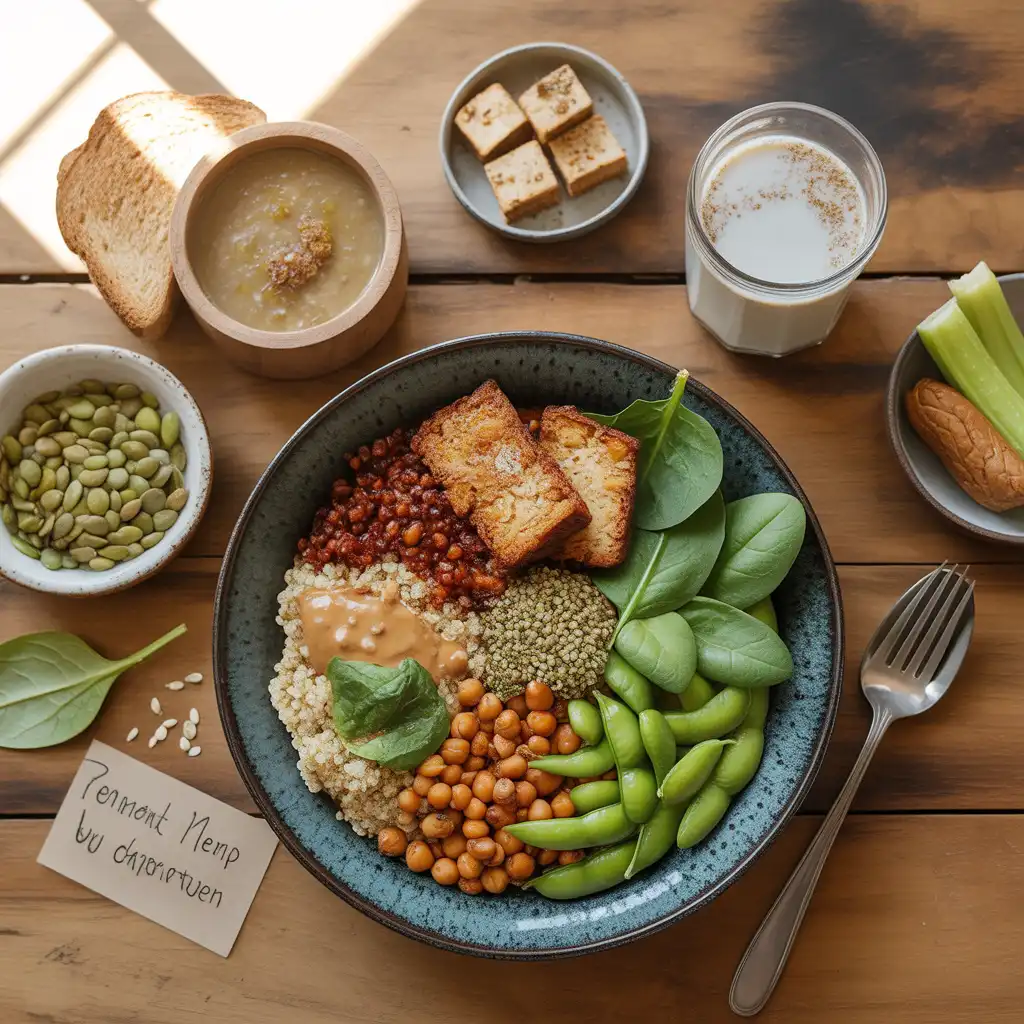
200g pan-fried tempeh + 150g cooked brown rice + 100g edamame + tahini-lemon dressing + roasted vegetables.
150g seitan + 120g firm tofu + mixed vegetables + tamari + ginger + 100g cooked noodles or rice.
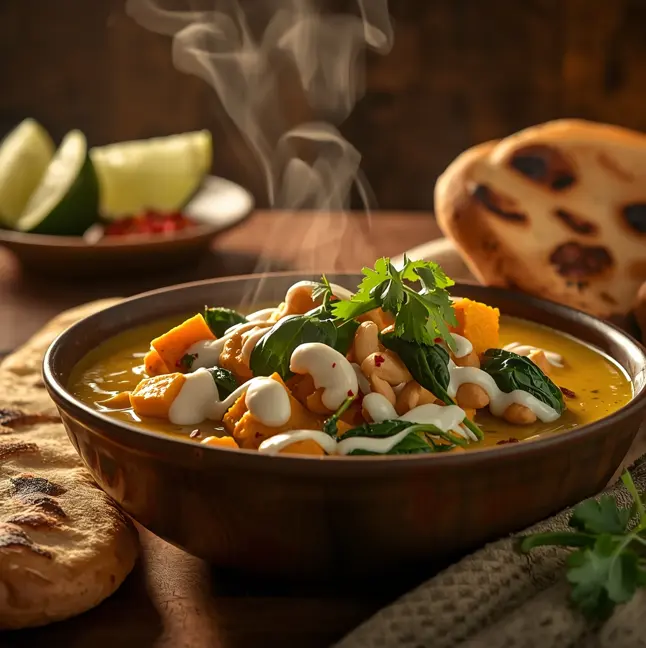
200g red lentils + 100g chickpeas cooked in spiced tomato broth + 2 tbsp hemp seeds stirred in + 1 chapati or flatbread.
200g firm tofu scrambled with turmeric, nutritional yeast + 150g black beans + sourdough toast + avocado.
100g whole wheat pasta + 150g shelled edamame + 3 tbsp hemp pesto (hemp seeds, basil, lemon, olive oil, nutritional yeast).
250g spiced black beans + 100g seitan crumble + 3 corn tortillas + avocado + salsa + pumpkin seeds.
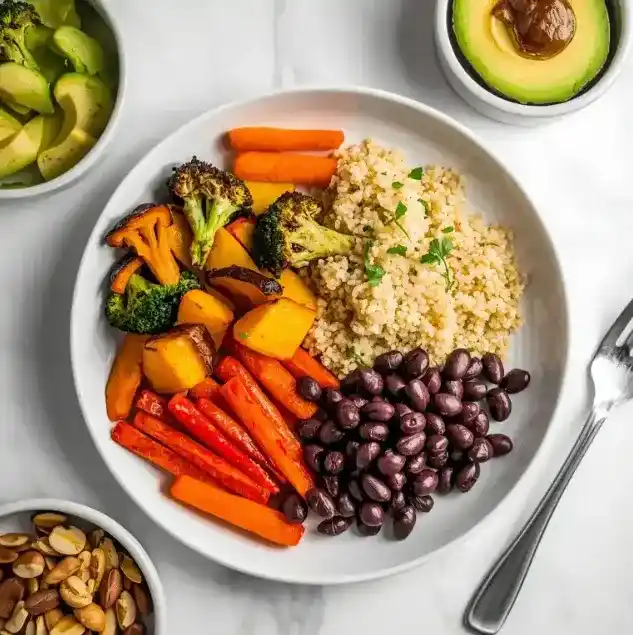
200g cooked chickpeas + 150g quinoa + roasted vegetables + 3 tbsp pumpkin seeds + tahini dressing.
150g tempeh + 100g silken tofu + miso broth + 80g soba noodles + edamame + spring onion + nori strips.
100g oats + 250ml unsweetened soy milk + 4 tbsp hemp seeds + 2 tbsp peanut butter + berries. Prepare overnight.
150g seitan + 200g white beans + canned tomatoes + rosemary + garlic + olive oil + sourdough for dipping.
The seitan and white bean stew at 45g protein is the highest single-meal protein delivery in this guide. White beans (cannellini or butter beans) are often overlooked as a protein source but at approximately 10g per 100g cooked, a generous 200g serving delivers 20g before the seitan is even added. This layering of protein sources, seitan for concentrated density and legumes for fibre-rich volume, is the most effective vegan high protein meals strategy for reaching 40g and above comfortably.
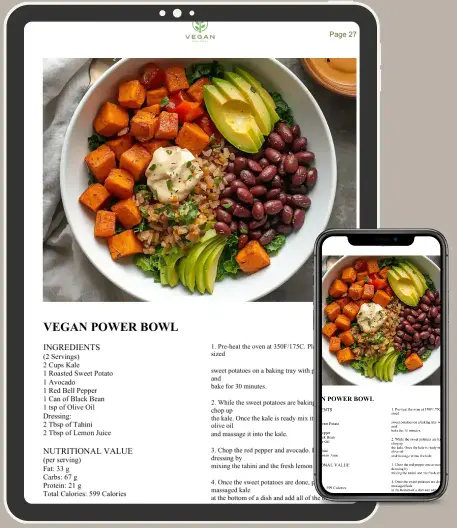
The Complete 28-Day Vegan Meal Plan + Grocery List
- 28-day structured calendar — breakfast, lunch, dinner & snack, every single day
- Every meal meets protein, iron & B12 — no guesswork, no gaps
- 4 weekly grocery lists — categorised, budget-friendly, zero waste
- Saves 7+ hours weekly — print once, follow all month
- Bonus Nutrition Guide Toolkit — vegan tips, guides & family meal prep
Instant digital download · Printable PDF · Use today
This structure exceeds 120g without any protein powder or supplement. The snack deserves particular attention: edamame is one of the most underused vegan high protein snack foods. A 200g serving of shelled edamame provides approximately 22g of complete protein in a highly satisfying, high-fibre format that most people find more satiating than any protein bar. More structured approaches to daily vegan protein planning are covered in the high protein vegan breakfast guide, high protein vegan lunch guide, and high protein vegan dinner guide on this site.
The Best Protein Combinations for Maximum Yield
Vegan high protein meals are most efficient when two protein sources with complementary amino acid profiles are combined. The following combinations are ranked by total protein yield at practical serving sizes, along with their amino acid complementarity benefit.
Why Soy Foods Are the Foundation of Vegan High Protein Meals
Tofu, tempeh, and edamame are derived from soybeans, which have a protein quality score (DIAAS) comparable to dairy and egg protein. They provide all nine essential amino acids in ratios that closely match human requirements, which is why they form the foundation of the most efficient vegan high protein meals. Tempeh additionally provides fermentation-derived benefits for gut health and has higher protein digestibility than non-fermented soy. For anyone building a serious plant-based high-protein diet, soy foods eaten daily are the single most evidence-backed strategy. Concerns about soy and hormones are addressed directly in the vegan protein sources guide.
High-Protein Vegan Meals for Athletes and Bodybuilders
Athletes and bodybuilders have protein requirements at the higher end of the range, typically 1.6 to 2.2g per kilogram of body weight, and need to think about pre-workout and post-workout protein timing as well as total daily intake. Vegan high protein meals for this population need to be both protein-dense and strategically timed.
Protein Timing for Vegan Athletes
Pre-training (1–2 hours before): A moderate protein, moderate carbohydrate meal. Tempeh or tofu with rice. 25 to 30g protein, 40 to 60g carbs. Avoids digestive discomfort during training while providing muscle amino acid availability.
Post-training (within 2 hours): The most critical protein window for muscle protein synthesis. Target 30 to 40g protein with carbohydrates to drive insulin-mediated amino acid uptake. Tempeh bowl with grains, seitan stir-fry with noodles, or a high-protein smoothie using soy milk, hemp seeds, and nut butter are all effective.
Before sleep: Casein has long been recommended for overnight muscle repair due to its slow digestion. The plant equivalent is tofu (soy protein digests more slowly than whey) with a small amount of fat to slow digestion further. A 150g serving of firm tofu with tahini and vegetables before sleep provides approximately 25g of slow-releasing protein for overnight muscle repair.
For vegan athletes looking to reach 150g+ of protein daily without protein powder reliance, the full athletic nutrition framework, including meal timing, carbohydrate periodisation, and supplement strategy is covered in dedicated athletic nutrition resources on this site.
One supplement deserves direct mention here: creatine. Vegan athletes consistently have lower muscle creatine stores than omnivores due to the complete absence of dietary creatine from plant foods. Creatine monohydrate at 3 to 5g per day improves strength output, power, and recovery, and the performance gains are larger in vegans than omnivores due to the larger baseline deficit. This works synergistically with vegan high protein meals: protein provides the building blocks, creatine provides the energy currency for the high-intensity work that makes those proteins productive.
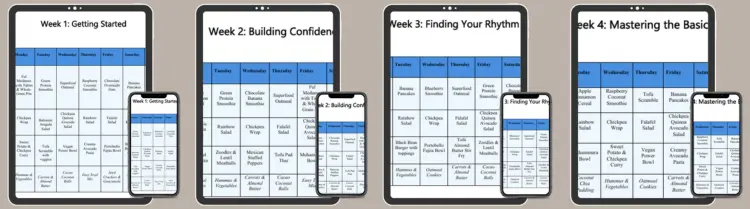
28-Day Vegan Meal Plan
+ Grocery List
Complete Solution · Nutritionist-Approved · Print & Use Today
Read on any device · No apps needed
7-Step Vegan High Protein Meal Planning Protocol
Set your daily protein target before planning meals. For sedentary adults, 1.0 to 1.2g per kilogram is sufficient. For active adults and recreational athletes, 1.4 to 1.8g. For competitive athletes and those building muscle, 1.8 to 2.2g. A 70kg person training 4 days per week should target approximately 105 to 125g daily. Divide this across 3 to 4 meals targeting 25 to 35g each. This gives your meal templates a concrete protein target to build toward rather than estimating vaguely.
Anchor every vegan high protein meal around a primary protein source delivering at least 20g. This means seitan, tempeh, firm tofu, or a large serving of legumes (200g+ cooked) at the foundation of the meal. Vegetables, grains, and condiments are added around this anchor, not instead of it. The habit of asking “what is my primary protein in this meal?” before cooking is the single most reliable structural shift in vegan high protein meal planning.
Add a secondary protein source to boost the total by 8 to 15g. Hemp seeds (3 tbsp = 10g protein), pumpkin seeds (3 tbsp = 8g), edamame (100g shelled = 11g), or chickpeas (150g cooked = 13g) are the most practical secondary proteins. These stack efficiently on top of a primary source without dramatically changing the flavour profile or caloric density of the meal. A tablespoon of hemp seeds over any dish adds 3g protein silently.
Batch cook your primary protein sources weekly. The biggest practical barrier to vegan high protein meals is preparation time. A Sunday batch of cooked lentils (3 cups), baked tempeh (400g), marinated and baked firm tofu (600g), and cooked chickpeas (2 cans) provides the foundation for the entire week’s meals with roughly 2 hours of cooking. More batch cooking strategy is covered in the vegan batch cooking guide on this site.
Use nutritional yeast as a protein amplifier across all savoury dishes. Three tablespoons of nutritional yeast provides approximately 8g of protein alongside B vitamins. It dissolves into soups, sauces, dressings, scrambles, and dips without changing the texture or requiring any cooking. Added to every savoury meal, nutritional yeast contributes 8 to 16g of additional protein daily with zero additional meal planning effort.
Make soy milk your default plant milk for all cooking and drinks. Soy milk is the only plant milk with a protein content comparable to cow’s milk, at approximately 7g per 250ml serving. Oat milk, almond milk, and rice milk provide 0.5 to 1g per serving. Switching from oat milk to unsweetened soy milk in your morning porridge, smoothies, and coffee adds 14 to 21g of protein daily with no additional food or effort. This is one of the easiest protein gains available on a plant-based diet.
Track your protein intake for at least two weeks to calibrate your intuition. Most people significantly underestimate their protein intake when eating plant-based because the numbers feel unfamiliar. Using a free nutrition tracking app for two to four weeks establishes accurate reference points for what different vegan high protein meals actually deliver. After calibration, intuitive eating guided by meal template habits is more sustainable than continued tracking. Tracking for two to four weeks establishes accurate reference points for what different vegan high protein meals actually deliver.
Chef’s Perspective: MENA Protein-Dense Cooking Traditions
In over twenty years of professional cooking across Lebanon, the Gulf, and Saudi Arabia, I have cooked plant-based meals for physically demanding populations who expected their food to satisfy fully, sustain through long working days, and taste exceptional. The MENA culinary tradition solved the vegan high protein meals challenge centuries ago, not through supplements or engineered products but through the strategic use of legumes, seeds, and soy-adjacent fermented preparations in combinations that deliver extraordinary protein density.
Ful medames is the most striking example. This Egyptian and Levantine breakfast of slow-cooked fava beans, finished with olive oil, lemon, garlic, cumin, and hard-boiled egg in the omnivore version (simply omitted in the vegan version), is legitimately a high-protein breakfast. A generous portion of 300g cooked fava beans provides approximately 14g protein. Add a tablespoon of tahini for 3g more, serve with a whole grain flatbread for additional protein and carbohydrate, and this breakfast provides 20g protein before any additional toppings. It has been feeding labouring populations for millennia because it works.
The MENA tradition of combining legumes with sesame in some form at almost every meal, hummus with chickpeas and tahini, ful with tahini, lentil soup finished with a tahini-lemon swirl, is both a flavour tradition and an unconscious amino acid complementarity strategy. Sesame provides methionine, legumes provide lysine. Together they cover the complete essential amino acid spectrum that neither provides alone. My grandmother had no knowledge of limiting amino acids. She simply cooked what generations of cooks before her had discovered worked.
For vegan high protein meals built on MENA principles: start with a generous legume base, finish with tahini or a seed component, use herbs abundantly for micronutrient density, and use olive oil to carry fat-soluble nutrients alongside the protein. This structure creates meals that are nutritionally complete, deeply satisfying, and far more flavourful than any protein-engineered product from a package.
Frequently Asked Questions About Vegan High Protein Meals
How much protein can you realistically get per vegan meal?
With strategic ingredient selection, 35 to 45g per meal is achievable without protein powder. The seitan and white bean stew template in this guide delivers 45g. The tempeh power bowl delivers 40g. Even legume-based meals without seitan or tempeh can reach 30g when combined with hemp seeds, pumpkin seeds, or edamame as secondary protein sources. The key structural insight is to build from a high-density primary protein source, then layer a secondary source on top. Reaching 25g per meal consistently is straightforward. Reaching 40g+ requires deliberate ingredient selection but is entirely possible with whole vegan foods.
Is plant protein as effective as animal protein for building muscle?
At equivalent total daily protein intakes, yes. The research comparing vegan and omnivore protein for muscle protein synthesis shows equivalent outcomes when total daily protein and leucine thresholds are met. The practical adjustment for vegans is eating slightly more total protein (1.6 to 2.0g per kg rather than 1.4g) to account for the lower average leucine content and digestibility of plant proteins. Soy foods (tofu, tempeh, edamame) are the exception and perform closest to animal protein in leucine content and digestibility. Building vegan high protein meals around soy foods as the primary protein source optimises the muscle-building outcome from plant-based eating.
What is the highest-protein vegan meal I can make?
The highest-protein whole-food vegan meal template in this guide is seitan and white bean stew at approximately 45g protein per serving. If you include nutritional yeast in the seasoning, add 3 tbsp hemp seeds to the side salad, and use soy milk in a dessert smoothie, a single meal occasion can realistically deliver 55 to 60g of protein. For context, this matches or exceeds the protein in a 200g chicken breast meal. The difference is that the plant-based version delivers this alongside 16g of fibre, abundant polyphenols, and zero saturated fat from animal sources.
Do I need protein powder for vegan high protein meals?
No. The meal templates in this guide all deliver 25 to 45g of protein from whole plant foods without any protein powder. Protein powder is a convenience tool, not a nutritional necessity. For most people, reaching 100 to 130g of daily protein from whole vegan foods is entirely practical with good meal planning. Protein powder becomes useful when whole food intake is limited by appetite, time, or digestive capacity, particularly for athletes at 150g+ daily targets. If you do use protein powder, whole food protein generally delivers superior nutrient co-factors alongside the protein itself.
What are the best vegan high protein breakfast options?
The overnight oat protein bowl in this guide delivers 28g protein. Other practical options: a tofu scramble with black beans (35g), a soy milk smoothie with hemp seeds and peanut butter (25g), or a chickpea flour omelette with nutritional yeast (22g). The key for breakfast is using soy milk rather than other plant milks, adding hemp seeds or peanut butter to porridge or smoothies, and where appetite allows, incorporating a legume at the first meal of the day. Detailed breakfast protein strategies are in the high protein vegan breakfast guide.
Is seitan healthy for regular consumption?
Seitan is an excellent protein source for most people. Made from vital wheat gluten, it is exceptionally high in protein (75g per 100g), low in fat, low in carbohydrates, and contains no cholesterol. It is not suitable for people with celiac disease or non-celiac gluten sensitivity. For everyone else, there is no evidence that regular seitan consumption causes harm. The common concern that seitan is overly processed is addressed by making it at home with vital wheat gluten, water, and seasonings: a simple, three-ingredient process with no additives. Commercially produced seitan varies in ingredient quality, so checking labels for sodium content and additives is worthwhile.
How do I hit 30g protein at lunch without cooking from scratch?
The most practical no-cook lunch strategy is canned legumes, which require zero preparation. A bowl of 250g canned chickpeas dressed with tahini, lemon, olive oil, and cumin provides approximately 20g protein in 3 minutes. Add a handful of hemp seeds (3 tbsp = 10g protein) and you have 30g with zero cooking. Alternatively, pre-cooked tempeh sliced cold over a salad with edamame (bought frozen, thawed in minutes) reaches 35g with minimal effort. Batch cooking on weekends removes the weekday problem entirely: pre-cooked lentils, baked tempeh, and marinated tofu in the fridge assemble into vegan high protein meals in under 5 minutes.
Are vegan high protein meals suitable for weight loss?
Yes, and specifically well-suited. High protein intake supports weight loss by increasing satiety, preserving lean muscle mass during caloric deficit, and slightly elevating thermogenesis (the caloric cost of digesting and metabolising protein). The legume-centred approach to vegan high protein meals adds exceptional dietary fibre alongside the protein, creating a satiety combination that plant-free protein sources do not match. A high-protein, high-fibre vegan diet based on the templates in this guide naturally creates caloric moderation through satiety rather than restriction. The weight loss specific framework is covered in the vegan weight loss plan guide.
What is the easiest vegan high protein snack for between meals?
Edamame is the single easiest high-protein vegan snack. A 200g serving of shelled edamame (bought frozen, boiled in 5 minutes) provides approximately 22g of complete protein for around 180 calories. It requires no preparation beyond boiling and a pinch of sea salt. Alternatives: a tablespoon of peanut butter with apple (8g protein), a handful of mixed pumpkin and hemp seeds (12g per 40g serving), or high-protein vegan snack combinations are covered in the high protein vegan snacks guide.
How does soy milk compare to other plant milks for protein?
Soy milk is in a completely different category to all other plant milks for protein. Unsweetened soy milk provides approximately 7g of protein per 250ml serving, comparable to cow’s milk. Oat milk provides approximately 1g per 250ml. Almond milk provides approximately 0.5g. Rice milk provides approximately 0.1g. For vegan high protein meals and daily protein targets, the switch from oat or almond milk to soy milk is one of the highest-yield, lowest-effort changes available. Using soy milk in porridge, smoothies, coffee, and cooking adds approximately 14 to 28g of protein daily depending on quantity consumed, with no change to meal structure or effort.
Can vegan high protein meals also be budget-friendly?
Yes. Dried lentils, chickpeas, and black beans are among the cheapest protein sources available per gram of protein, significantly cheaper than meat, fish, or processed vegan protein products. Tofu and tempeh are moderate cost. Seitan made from vital wheat gluten at home costs a fraction of commercial seitan. Pumpkin seeds and hemp seeds are slightly more expensive but used in small quantities per meal. A week of vegan high protein meals built around dried legumes, homemade seitan, and bulk-bought seeds costs substantially less than an equivalent omnivore high-protein diet. A week of vegan high protein meals built around dried legumes and seeds consistently costs less than equivalent omnivore high-protein eating.
Should vegans use protein powder to reach high protein targets?
Protein powder is optional rather than essential for most vegans. The meal templates in this guide demonstrate that 120 to 130g daily protein is achievable from whole vegan foods alone. Where protein powder becomes genuinely useful: athletes targeting 150g+ daily who struggle with the food volume required, people with poor appetite, and those in caloric deficits where eating enough protein from food alone creates significant effort. If using protein powder, pea-rice blended protein provides a more complete amino acid profile than either alone. Pea-rice blended protein provides a more complete amino acid profile than either alone.
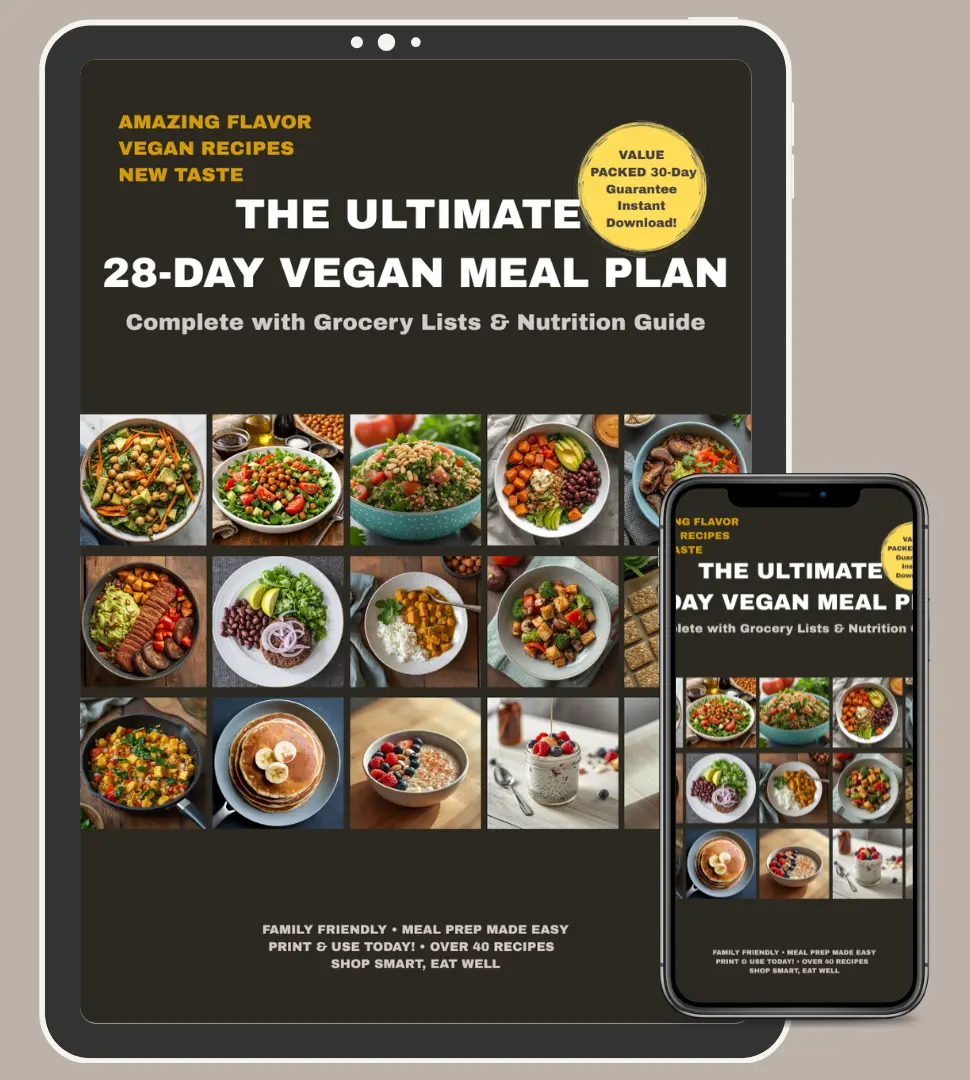
28-Day Vegan Meal Plan + Grocery list.
Transform your lifestyle with our comprehensive guide. This isn’t just a recipe book; it’s a complete system designed for success:
- The Vegan Guide: Essential transition tips and nutritional benefits.
- 40+ Chef Recipes: Breakfast, lunch, and dinner with high-quality photos.
- 4-Week Meal Plan: A fully structured day-by-day calendar.
- Grocery Lists: Categorized weekly lists to save you time and money.
- Photos: High-Quality Recipe Photos.
- Nutritions: Vegan Nutrition Guide Toolkit.
Conclusion: Vegan High Protein Meals Are a Structure Problem, Not a Food Problem
The most important insight in this guide is that vegan high protein meals are not limited by the plant kingdom’s protein availability. They are limited only by meal structure habits. The plant kingdom provides seitan at 75g protein per 100g, tempeh at 31g, hemp seeds at 31g, and dozens of legumes delivering 8 to 10g per 100g cooked, available at any supermarket on earth. The protein is there. Research on plant protein for muscle synthesis is documented via PubMed and Examine.com. What determines whether vegan high protein meals consistently hit 25 to 40g per serving is whether meals are built around these foods as anchors rather than as additions.
The structural principle is simple: choose a primary protein delivering 20g+, add a secondary protein for 8 to 15g more, and build vegetables, grains, and condiments around these foundations rather than hoping protein accumulates from background food choices. Apply this principle across three to four meals per day and 100 to 130g of daily protein from whole vegan foods becomes straightforward, affordable, genuinely delicious, and nutritionally superior to any processed alternative. Vegan-specific protein guidance is available through VeganHealth.org.