
Medical Disclaimer: This content is for informational purposes only and does not constitute medical advice. Always consult your healthcare provider or a registered dietitian before making dietary changes, especially during perimenopause or menopause. Individual results vary.
Vegan Diet for Menopause: Complete Hormonal Nutrition Guide for Women Over 40
TL;DR
A vegan diet for menopause is one of the most powerful nutritional strategies available to women over 40. Plant foods deliver phytoestrogens and isoflavones that interact with estrogen receptors, calcium and vitamin D for bone density, anti-inflammatory compounds for hot flashes, magnesium for sleep, and complete protein to preserve muscle. This guide covers menopause biology, symptom-by-symptom plant food strategies, the isoflavone science, a ranked food list, a bone density protocol, a 6-week nutrition reset, MENA Mediterranean cooking tips, and 12 FAQs. The vegan diet for menopause is not just compatible with hormonal health. For many women, it is superior to omnivore approaches for managing the transition.
Menopause Biology and What Changes Nutritionally
The vegan diet for menopause starts making sense the moment you understand what is happening hormonally. Menopause is defined as 12 consecutive months without a menstrual period, typically occurring between ages 45 and 55. Perimenopause, the transitional phase, can begin up to a decade earlier. During this window, ovarian production of estrogen and progesterone declines sharply, triggering a cascade of physiological changes that directly affect nutritional needs.
Estrogen is not just a reproductive hormone. It regulates bone resorption, cardiovascular function, neurotransmitter activity, body composition, insulin sensitivity, and collagen synthesis. When estrogen declines, every one of these systems shifts. The nutritional implications are substantial. A plant-based menopause diet that accounts for these shifts can meaningfully reduce symptom burden and long-term disease risk.
Key Nutritional Shifts That Occur at Menopause
Calcium absorption declines as estrogen falls, because estrogen normally stimulates calcitriol (active vitamin D) production that drives calcium uptake in the gut. Protein requirements increase because lower estrogen reduces muscle protein synthesis efficiency, making muscle mass harder to maintain. Iron needs actually decrease after periods stop, but magnesium needs become more critical for sleep and mood regulation. Omega-3 fatty acids take on new importance for cardiovascular and cognitive health as estrogen’s protective effects disappear.
For women following a plant-based menopause diet, these shifts are addressable through strategic food choices. In some cases, the vegan approach has structural advantages. Plant foods deliver phytoestrogens that omnivore diets largely do not, fiber that supports gut estrogen metabolism, and anti-inflammatory compounds that reduce the severity of vasomotor symptoms.
Why Plant-Based Hormonal Support Has an Edge
Research published in PubMed and reviewed at Examine.com consistently shows that women who consume high-phytoestrogen diets report fewer and less severe hot flashes. The gut microbiome converts certain plant compounds into equol, a potent phytoestrogen that binds estrogen receptors with greater affinity than any other dietary compound. Women who produce equol, something more common in populations with high soy and legume intake, show markedly better menopausal outcomes. A vegan diet for menopause cultivates exactly the gut environment that favors equol production.
How Plant Foods Address Each Menopausal Symptom
The plant-based menopause diet works symptom by symptom. Each of the six major menopausal complaints has a corresponding nutritional mechanism that plant foods can target. Understanding these connections transforms the vegan diet for menopause from a general lifestyle choice into a precision hormonal nutrition strategy.
Hot Flashes
Isoflavones in soy, flaxseed lignans, and red clover bind to estrogen receptor beta, stabilizing thermoregulatory signals from the hypothalamus. Studies show 25-50% reduction in flash frequency with consistent isoflavone intake of 40-80mg per day.
Key foods: edamame, tofu, tempeh, ground flaxseed
Bone Density Loss
Calcium from fortified plant milks, tofu set with calcium sulfate, and leafy greens supports bone mineralization. Vitamin K2 (found in fermented foods like natto and some plant sources) activates osteocalcin, the protein that binds calcium into bone matrix.
Key foods: calcium-set tofu, fortified oat milk, kale, bok choy, almonds
Sleep Disruption
Magnesium activates GABA receptors, reducing neural excitability and supporting deep sleep. Tryptophan from plant proteins is converted to serotonin then melatonin. Pumpkin seeds and dark leafy greens are among the richest magnesium sources in a vegan perimenopause nutrition plan.
Key foods: pumpkin seeds, spinach, hemp seeds, oats, tart cherries
Mood and Brain Fog
DHA (from algae-based omega-3s) supports neuronal membrane integrity and reduces neuroinflammation. B vitamins, especially B6 and folate from legumes and greens, support neurotransmitter synthesis. Iron adequacy, which shifts post-menopause, also affects cognitive clarity.
Key foods: algae oil, lentils, chickpeas, dark leafy greens, walnuts
Weight Gain and Metabolism
Menopause shifts fat storage to abdominal depots. High fiber from legumes, vegetables, and whole grains reduces caloric density, improves insulin sensitivity, and supports the gut microbiome. Adequate protein at each meal prevents muscle loss that would further slow metabolism.
Key foods: tempeh, black beans, quinoa, broccoli, chia seeds
Cardiovascular Risk
Estrogen’s protective effect on LDL oxidation is lost at menopause. Plant sterols from legumes, oats, and nuts lower LDL directly. Soluble fiber from oats and beans reduces cholesterol reabsorption. Nitric oxide precursors from leafy greens support arterial flexibility and vegan heart health in menopause.
Key foods: oats, walnuts, flaxseed, beets, kidney beans
The vegan diet for over 50 shares much of the same foundation as menopause nutrition but menopause-specific phytoestrogen loading is an additional priority. For women in their 40s still in perimenopause, the vegan perimenopause nutrition approach should begin before symptoms peak, building the dietary patterns and gut microbiome diversity that will reduce symptom severity during the full transition.
Isoflavones and Phytoestrogens: The Science
No conversation about vegan phytoestrogens for menopause is complete without understanding what these compounds actually do. Phytoestrogens are plant-derived molecules with structural similarity to human estradiol. They bind to both estrogen receptor alpha (ERa) and estrogen receptor beta (ERb), though with much stronger affinity for ERb. This distinction matters enormously.
ERa vs ERb: Why It Matters for Safety
ERa activation is associated with proliferative effects in breast and uterine tissue. ERb activation is associated with anti-proliferative, anti-inflammatory, and neuroprotective effects. Phytoestrogens preferentially bind ERb. This is why research at NutritionFacts.org and peer-reviewed journals consistently shows that dietary isoflavones do not increase breast cancer risk and may in fact be protective, particularly for postmenopausal women. The mechanistic picture is very different from pharmaceutical estrogen. Vegan phytoestrogens for menopause operate through a fundamentally different receptor profile.
The Three Main Classes of Dietary Phytoestrogens
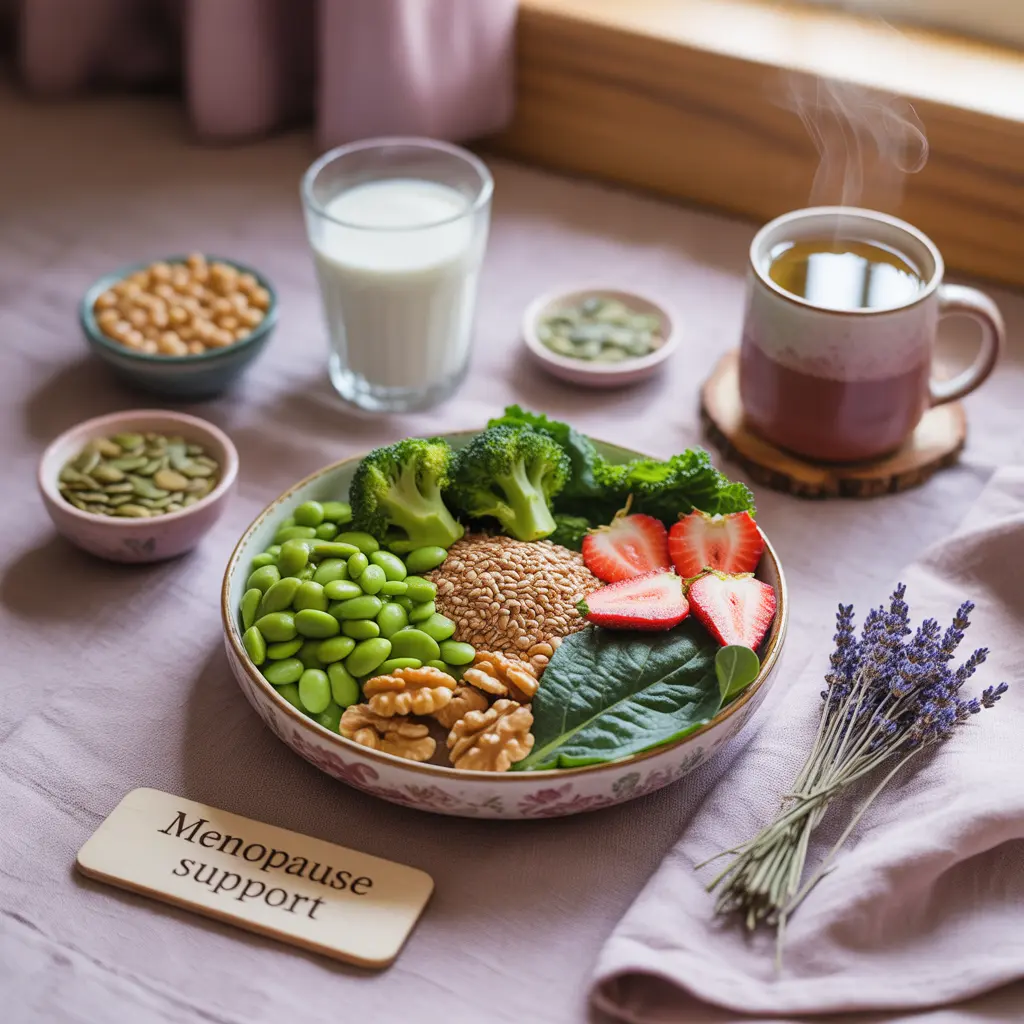
Isoflavones are the most studied class. Found primarily in soybeans, edamame, tofu, tempeh, and miso. The key isoflavones are genistein, daidzein, and glycitein. Daidzein can be converted to equol in the gut by specific bacteria. Women who produce equol show the most significant reduction in hot flash frequency and severity on a plant-based menopause diet. Equol production depends on gut microbiome composition, which can be cultivated with regular soy consumption and dietary fiber.
Lignans are found abundantly in flaxseed, sesame seeds, whole grains, and many vegetables. Ground flaxseed is the richest dietary source, providing 75-800 times more lignans than other plant foods. Gut bacteria convert lignans to enterolactone and enterodiol, compounds with significant hormonal activity. Lignan-rich diets are linked to reduced menopausal symptom severity and improved cardiovascular markers in postmenopausal women.
Coumestans appear in sprouted legumes, clover sprouts, and some bean varieties. They are structurally closer to estradiol than other phytoestrogen classes and have higher estrogen receptor binding affinity. While consumed in smaller quantities, they contribute meaningfully to the phytoestrogen total of a vegan diet for menopause.
Optimal Isoflavone Intake: The Evidence
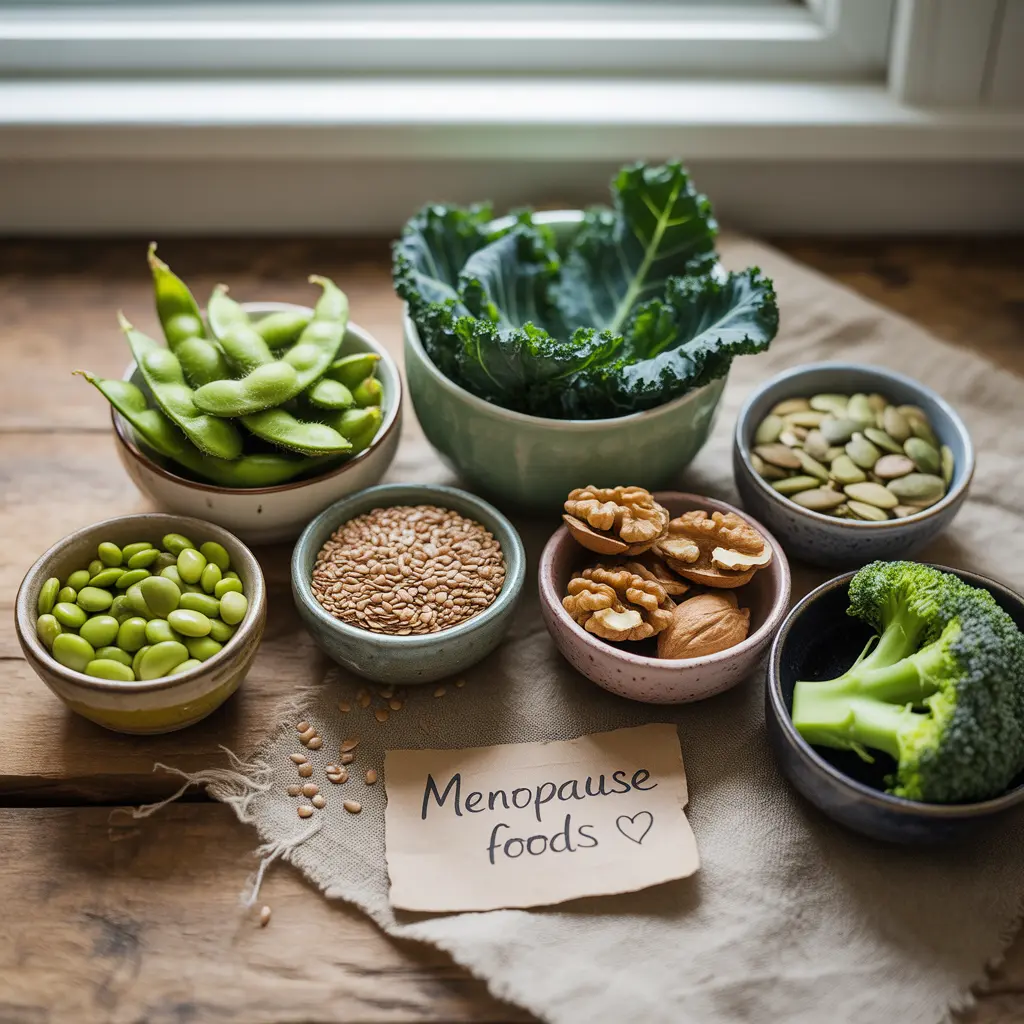
Research reviewed at Examine.com identifies a general target of 40-80mg of isoflavones per day for measurable symptom reduction in menopausal women. This is achievable through food alone on a vegan diet. One cup of edamame delivers approximately 50mg. Half a cup of cooked tempeh provides around 37mg. Tofu varies significantly by processing method, but a 100g serving typically delivers 20-35mg. Two tablespoons of ground flaxseed add approximately 50mg of lignans. A strategic vegan diet for menopause reaches these thresholds consistently without supplementation.
What About Soy and Thyroid Function?
Women with hypothyroidism are sometimes advised to moderate soy intake because isoflavones can mildly inhibit thyroid peroxidase. The evidence suggests the effect is clinically relevant only when iodine intake is insufficient. For women with adequate iodine (from iodized salt, sea vegetables, or supplementation), moderate soy intake poses no thyroid risk. If you have thyroid conditions, take thyroid medication at least 4 hours away from soy-containing meals and confirm iodine status with your healthcare provider.
Women interested in deepening their understanding of vegan nutrient considerations will find that iodine and vitamin B12 are the two most critical supplements to have covered regardless of menopause status, but they become even more important during the hormonal transition when overall nutritional demand is elevated.
Top Vegan Foods for Menopause Ranked
Every plant food contributes something to menopause nutrition, but some deliver a density of targeted compounds that elevate them to essential status in a vegan diet for menopause. The bar chart below ranks the 10 most valuable foods by their composite menopause benefit score, accounting for phytoestrogen content, calcium density, anti-inflammatory properties, protein quality, and fiber contribution.
Tempeh leads the ranking because it combines three distinct menopause benefits in one food: fermented isoflavones with enhanced bioavailability, complete protein to counteract muscle loss, and probiotic activity that supports the equol-producing gut bacteria critical for vegan phytoestrogens for menopause. Adding tempeh three to four times per week is one of the single highest-leverage dietary changes for plant-based women over 40.
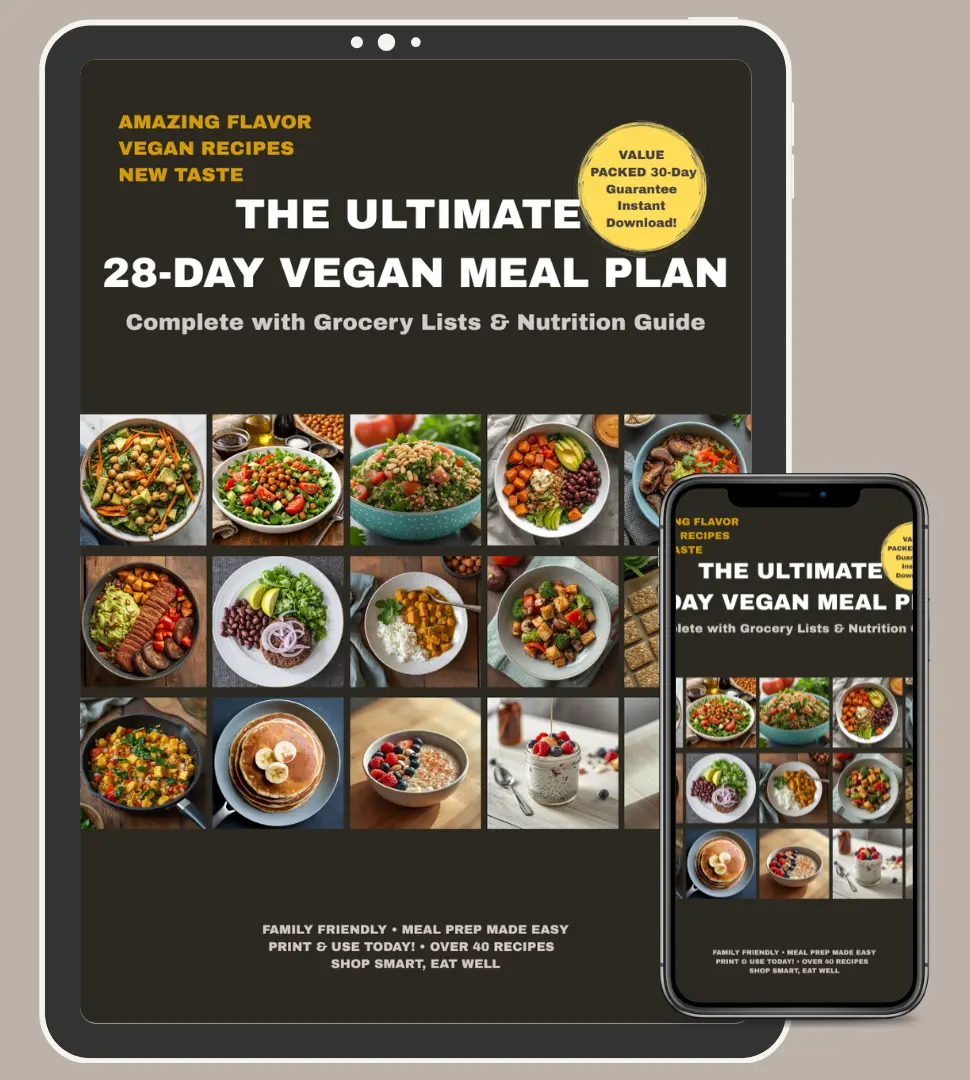
Structuring these foods into a practical weekly plan can feel overwhelming. The Ultimate 28-Day Vegan Meal Plan + Grocery List, (Complete Solution) includes nutritionist-approved recipes built around exactly these high-density foods. Family Friendly Meal Prep Made Easy. Print and Use Today.
Bone Density Preservation Protocol
Vegan bone density at menopause is one of the most common concerns raised by women considering a plant-based approach. The concern has a basis. Plant-based diets lower in calcium and vitamin D, or higher in phytic acid without strategic preparation, can underperform on bone metrics. But a well-constructed vegan diet for menopause that follows the bone density pathway below is demonstrably protective. The complete guide to vegan bone health covers the full science. The six-step pathway here is the clinical summary for menopausal women specifically.
Calcium-set tofu (350mg/100g), fortified oat milk (300mg/cup), kale, bok choy, almonds, tahini
Supplementation essential. Algae-derived D3 preferred. Target serum 25(OH)D of 50-80 nmol/L
Activates osteocalcin. Natto is the richest source. MK-7 supplement 90-200mcg if natto not consumed
Pumpkin seeds, hemp seeds, dark leafy greens, black beans. Competes with calcium for absorption, so space intake
Bone matrix is 30% protein (collagen framework). Adequate protein improves calcium retention. Use tempeh, lentils, edamame
Nutrition without mechanical loading is insufficient. Weight-bearing exercise 3x weekly activates bone remodeling. Nutrition and exercise are synergistic
Phytic Acid Management
Legumes, grains, and seeds contain phytic acid, which binds minerals and reduces calcium and iron absorption. Soaking legumes for 8-12 hours before cooking reduces phytic acid by 30-50%. Sprouting increases this further. Fermentation (tempeh, miso, sourdough) almost eliminates it. This is why food preparation technique matters in a vegan diet for menopause targeting bone density specifically.
The Calcium-Vitamin D Partnership
Calcium supplementation without vitamin D is poorly absorbed. Vitamin D without adequate calcium has nothing to work with. The partnership is inseparable. Many plant-based women over 40 are deficient in both. A blood test measuring 25-hydroxyvitamin D and dietary calcium tracking should be baseline assessments for any woman beginning a vegan perimenopause nutrition program. See the guide to supplements for vegan women for the recommended forms and doses.
Vegan Collagen Synthesis at Menopause
Collagen is the protein scaffold of bone, skin, and joint tissue. Vegans do not consume collagen directly but support its synthesis through: vitamin C (found abundantly in plant foods), proline and glycine from legumes and seeds, and copper from nuts and seeds. Silica from oats and leafy greens also supports collagen crosslinking. The vegan collagen boosters guide details the full synthesis pathway and best food sources for menopausal women. Vegan collagen for menopause is about building the nutritional environment for synthesis, not supplementing the end product.
What’s Inside the 28-Day Vegan Meal Plan
Hot Flashes, Sleep, and Mood: The Food Connection
The three symptoms women find most disruptive during the menopausal transition are hot flashes, sleep disruption, and mood instability including brain fog. Each has a clear nutritional mechanism and each responds to a vegan diet for menopause that is specifically constructed to address it.
Plant Food Mechanisms for the 3 Core Menopausal Symptoms
The Gut-Hormone Connection
The gut microbiome acts as a secondary endocrine organ. The estrobolome, the collection of gut bacteria that metabolize estrogens, directly regulates circulating estrogen levels by controlling the proportion of estrogen that is excreted versus reabsorbed. A diverse, fiber-rich gut microbiome maintains healthy estrobolome activity. Low-fiber diets impair this system, worsening menopausal estrogen depletion. A vegan diet for menopause built around legumes, vegetables, whole grains, and fermented foods nourishes the estrobolome in a way that is structurally impossible on a low-fiber omnivore diet.
For menopause mood swings specifically, the gut-brain axis is increasingly central to treatment understanding. Serotonin is primarily produced in the gut, not the brain. When gut health suffers, serotonin production declines, compounding the mood instability already caused by declining estrogen. The plant-based menopause diet addresses both the upstream hormonal cause and the downstream neurotransmitter effect simultaneously.
Managing the vegan diet for menopause alongside a busy lifestyle requires practical systems. The Ultimate 28-Day Vegan Meal Plan + Grocery List, (Complete Solution) saves 7+ hours weekly on meal planning with simple recipes using common ingredients. Every meal meets protein, iron, and B12 needs. Nutritionist-approved recipes with a vibrant photo for every recipe.
The 6-Week Menopause Nutrition Reset
The vegan diet for menopause is most effective when introduced systematically. This 7-step protocol is designed to be implemented progressively over six weeks, building the dietary foundations that support hormonal balance, bone density, symptom management, and long-term metabolic health. Each step adds a layer without overwhelming the system or requiring complete dietary overhaul in week one.
Week 1: Establish Phytoestrogen Anchors
Introduce soy foods every single day. Rotate between edamame, calcium-set tofu, and tempeh. Target 40-60mg of isoflavones daily. This begins the gut microbiome adaptation toward equol production. Simultaneously add two tablespoons of ground flaxseed daily to morning porridge or smoothies to start lignan loading.
Week 2: Build Calcium Architecture
Audit calcium intake and identify gaps. Add fortified oat milk or soy milk as a daily staple (300-350mg calcium per cup). Incorporate calcium-set tofu into at least two meals weekly. Add tahini-based sauces and bok choy or kale to at least one meal daily. Confirm vitamin D3 supplementation is in place at 2,000 IU minimum.
Week 3: Optimize Protein Distribution
Target 25-30g protein per meal across three meals. Combine legumes and grains (rice and lentils, corn tortillas and black beans) or use complete protein sources like tempeh, tofu, and quinoa as the anchor of each meal. This protein distribution is critical for muscle protein synthesis efficiency, which declines with age and falling estrogen. See the complete vegan protein sources guide for meal-by-meal planning.
Week 4: Maximize Magnesium for Sleep and Mood
Add one tablespoon of pumpkin seeds to one meal daily. Use hemp seeds in salads and smoothies. Ensure dark leafy greens appear twice daily. Consider 200-400mg magnesium glycinate supplementation in the evening if sleep remains disrupted despite dietary efforts. Magnesium glycinate is the most bioavailable and gentlest on digestion of the supplement forms.
Week 5: Add Omega-3 and Anti-Inflammatory Focus
Begin algae-based DHA/EPA supplementation at 250-500mg combined DHA and EPA per day. This is non-negotiable for vegan brain health during menopause. ALA from flaxseed and walnuts does not convert sufficiently to DHA. Simultaneously increase anti-inflammatory foods: turmeric with black pepper, ginger, berries, and leafy greens. Reduce pro-inflammatory triggers: refined oils, high-glycemic refined carbohydrates, excessive alcohol.
Week 6: Gut Microbiome Optimization
Add at least two servings of fermented foods weekly: miso soup, tempeh, sauerkraut, or kimchi (vegan versions). Aim for 30 different plant species per week to maximize microbiome diversity. This sounds ambitious but each spice, herb, legume, grain, fruit, and vegetable variety counts. A diverse gut microbiome equates to a healthier estrobolome, more equol production, and better menopause mood swing management through the gut-brain axis.
Ongoing: Test, Adjust, and Monitor
At the 6-week mark, assess symptom frequency and intensity. Track sleep quality, hot flash frequency, energy, and mood. Run a blood panel covering vitamin D, B12, iron, and lipids if not done recently. The vegan blood test guide identifies exactly which markers to monitor on a plant-based diet. Adjust supplementation based on results. The vegan diet for menopause is a living protocol, not a fixed prescription.
Women who have previously navigated vegan pregnancy and fertility nutrition will recognize the layered nutrient-by-nutrient approach. The menopause version replaces folate and iron loading with phytoestrogen and calcium loading, but the systematic building-block methodology is the same.
Chef Section: MENA Mediterranean Phytoestrogen-Rich Cooking
From two decades of professional kitchen experience across MENA and Mediterranean cuisines, the most consistent insight about plant-based cooking for hormonal health is this: traditional cuisines figured it out long before the research caught up. Mediterranean and Middle Eastern food traditions are built on the exact ingredients that science now confirms as most valuable in a vegan diet for menopause.
The MENA Kitchen as a Phytoestrogen Pharmacy
Tahini, made from sesame seeds, is the backbone of hummus, baba ghanoush, and countless sauces. Sesame seeds are one of the richest lignan sources outside of flaxseed. Chickpeas, the foundation of hummus and falafel and countless stews, are a strong source of both isoflavones and phytosterols. Lentils, cooked as mujaddara with caramelized onions, provide iron, folate, and fiber. Walnuts, used liberally in pastry, grain salads, and muhammara, are the only nut with significant omega-3 content and a natural source of melatonin. Za’atar, the herb and sesame blend used across the Levant, delivers thymol compounds with anti-inflammatory properties alongside the lignan contribution of sesame.
Three Phytoestrogen-Rich Recipes from the Professional Kitchen
Miso-Tahini Glazed Tempeh with Za’atar Cauliflower
Marinate 200g tempeh in 2 tablespoons white miso, 1 tablespoon tahini, 1 teaspoon maple syrup, and 1 tablespoon rice vinegar for 30 minutes. Bake at 200C for 20 minutes. Roast cauliflower florets tossed with olive oil, za’atar, and lemon zest alongside. This single dish delivers approximately 40mg isoflavones from the tempeh, significant lignans from the tahini, and probiotic activity from the miso. It is a cornerstone recipe for the plant-based menopause diet.
Red Lentil and Edamame Mujaddara Bowl
Cook red lentils until creamy. Add cooked edamame, caramelized onions in olive oil, cumin, turmeric, and cinnamon. Serve over brown rice with a tahini lemon drizzle and chopped fresh parsley. The edamame adds approximately 25mg isoflavones. The turmeric provides curcumin, a potent anti-inflammatory that reduces the inflammatory burden underlying many menopausal symptoms. The lentils contribute iron, folate, and gut-supporting fiber.
Walnut-Flaxseed Muhammara with Sourdough Flatbread
Blend roasted red peppers with walnuts, two tablespoons of ground flaxseed, pomegranate molasses, cumin, and a pinch of Aleppo pepper. The walnuts provide ALA and melatonin. The ground flaxseed adds 50mg of lignans per two tablespoons. Pomegranate contains ellagitannins that gut bacteria convert to urolithins, compounds with estrogen-like activity. This dip is a nutritional powerhouse disguised as a traditional MENA condiment.
Technique Notes for Maximum Phytoestrogen Bioavailability
In the professional kitchen, fat-soluble nutrients are always paired with fat. Isoflavone absorption increases significantly when consumed with a small amount of fat, which is why tofu stir-fried in olive oil or tempeh glazed with tahini is nutritionally superior to steamed soy with no fat. Fermentation is the other key technique. Professional chefs use miso, lacto-fermented vegetables, and fermented soy in part for flavor complexity, but the fermentation pre-converts phytoestrogen glycosides into aglycone forms that are absorbed three to five times more efficiently than the unconverted forms found in non-fermented soy products.
The intersection of traditional MENA cooking and vegan menopause nutrition is not a coincidence. It reflects thousands of years of culinary wisdom in regions where legumes, seeds, and fermented foods formed the core of the diet. Adapting this tradition for plant-based women over 40 is simply a matter of understanding the science behind why these foods were central in the first place.
MENA Pantry Essentials for Menopause Nutrition
Stock your kitchen with: tahini, white and red miso, various lentil types, dried chickpeas, tempeh, za’atar, sumac, pomegranate molasses, walnuts, almonds, pumpkin seeds, sesame seeds, ground flaxseed, turmeric, cumin, cinnamon, and fortified oat or soy milk. With this pantry, the plant-based hormonal support framework of the Mediterranean and MENA traditions is always within reach.
🛑 Tired of the “What do I eat?” stress?
Download the 28-Day Success System get 40+ recipes + Professional Photos, shopping lists.
FAQ: 12 Questions About the Vegan Diet for Menopause
Bringing It Together: The Vegan Diet for Menopause Is a Strategic Advantage
Every woman navigating the menopausal transition deserves a clear, science-backed understanding of what her diet can and cannot do. The vegan diet for menopause is not a workaround or a compromise. For many women, it is the most nutritionally powerful approach available. The phytoestrogen density of plant foods is unmatched by omnivore diets. The fiber content supports the gut microbiome and estrobolome in ways that low-fiber eating patterns cannot replicate. The anti-inflammatory compound load from legumes, vegetables, nuts, and seeds addresses the inflammatory component of vasomotor symptoms. The cardiovascular protection from plant sterols and beta-glucans becomes specifically valuable as estrogen’s cardioprotective effects decline.
The practical implementation is not complicated. Tempeh or edamame most days. Ground flaxseed daily. Calcium-rich greens at least once per day. Fortified plant milk as a calcium and vitamin D vehicle. Algae DHA supplementation. B12 non-negotiable. Protein prioritized at every meal. Magnesium-rich foods in the evening. These are not dramatic changes. They are strategic upgrades to a plant-based eating pattern that compounds in impact week over week.
For women in perimenopause who have not yet experienced significant symptoms, beginning this protocol now builds the nutritional foundations and microbiome diversity that will reduce symptom severity when the full hormonal transition arrives. The vegan diet for menopause works best as a proactive strategy, not a reactive response to symptoms already established.
Whether you are managing hot flashes today or preparing for the transition ahead, the plant-based menopause diet outlined in this guide provides a complete and evidence-supported framework for navigating menopause with nutritional intelligence.
Ready to put the vegan diet for menopause into a practical meal structure? The Ultimate 28-Day Vegan Meal Plan + Grocery List, (Complete Solution) includes over 40 nutritionist-approved recipes with a vibrant photo for every recipe, complete 28-day calendar with shopping lists, and a Bonus Vegan Nutrition Guide Toolkit. Easy Grocery List. Shop Smart, Eat Well.
Still spending hours figuring out what to eat?
What’s included in your download
- 40+ nutritionist-approved recipes
- Complete 28-day calendar
- Meets protein, iron & B12 needs
- Family & meal prep friendly
- Vibrant photo for every recipe
- Simple, common ingredients
Instant PDF download. No subscriptions. No waiting.