
8 Vegan Blood Test Markers: The Vegan What-to-Check Guide
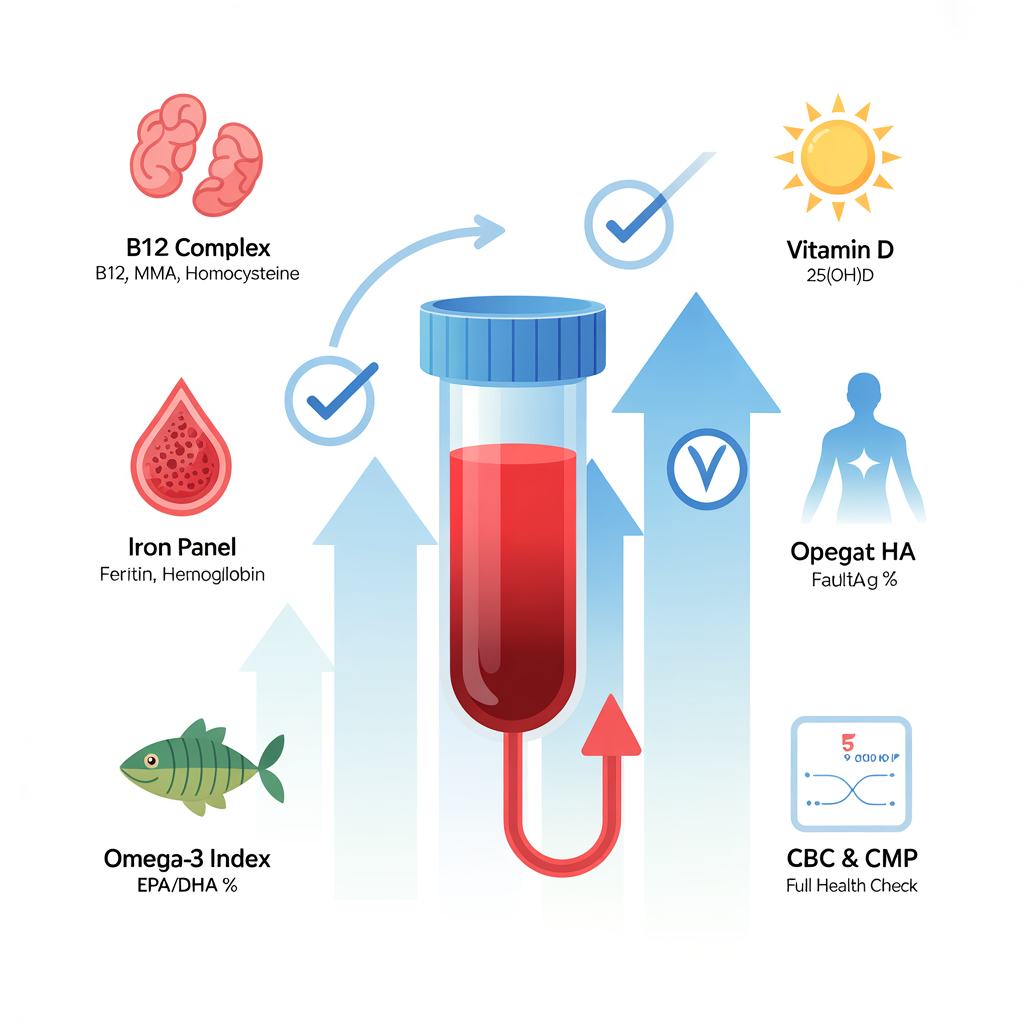
Most vegans never take a vegan blood test to check what they actually need to check, and the result is a slow, silent accumulation of deficiencies that surfaces as fatigue, hair loss, low mood, and brain fog months before any standard panel flags a problem. Read this guide and you will know exactly which 8 essential markers to request, what optimal ranges look like for a plant-based diet specifically, what early deficiency signals appear before symptoms become clinical, and how to talk to your doctor about a vegan-specific testing protocol.
This vegan blood test guide covers the 8 essential markers every plant-based eater must check (B12, vitamin D, iron, ferritin, omega-3, folate, full blood count, and homocysteine), the 4 conditional markers based on your specific diet pattern (zinc, iodine, magnesium, calcium), the gap between lab-normal and genuinely optimal ranges, the early warning signs deficiency produces before it becomes clinical, and a testing frequency framework by life stage.
Why Vegans Need a Targeted Vegan Blood Test Panel
A standard GP blood panel is designed for the average omnivorous patient. It tests for the deficiencies most common in that population: anaemia from low iron, thyroid dysfunction, and blood glucose issues. It was not designed to catch the specific nutritional gaps that emerge on a plant-based diet. A vegan who receives a “normal” result on a standard panel can still be functionally deficient in B12, vitamin D, omega-3 fatty acids, zinc, and iodine, none of which a standard panel routinely measures.
For a full picture of common vegan nutrient deficiencies and their prevalence, the data is striking. Studies consistently show that a significant proportion of vegans who report eating well are subclinically deficient: deficiency is present and measurable, producing subtle dysfunction, but not yet triggering symptoms severe enough for a person to seek help. This is the window a targeted vegan blood test is designed to catch.
The risk is not simply that vegans eat less of certain nutrients. Several critical nutrients are either absent from plant foods entirely (B12, vitamin D3, EPA/DHA), present in forms with lower bioavailability (non-haem iron, phytate-bound zinc), or dependent on individually variable and often inefficient conversion (ALA to EPA/DHA). A standard blood test is blind to all of these nuances.
The complete vegan nutrition guide provides the foundational framework alongside which this blood testing protocol sits. Testing without understanding is data without direction.
Psst.. Start your transformation now. Everything is done for you, 36 chef vegan recipes, 4 weekly grocery lists, and a full 28-day Meal Plan. Zero thinking, every meal decided. Balanced macros daily, one Sunday prep feeds your whole week. No subscription.
Get the Plan →The 8 Essential Markers Every Vegan Blood Test Must Include
These eight markers should appear on every vegan blood test, regardless of how long you have been plant-based, how healthy you feel, or how carefully you eat. Feeling well is not evidence of nutritional sufficiency. Several of the most common vegan deficiencies produce no clear symptoms for months or years while silently impairing neurological function, bone density, and immune competence.
Why it matters: B12 is entirely absent from plant foods in reliable bioavailable form. Essential for myelin production, DNA synthesis, and red blood cell formation. Deficiency causes irreversible neurological damage if uncorrected.
What to ask for: Both serum B12 AND holotranscobalamin (active B12). Serum B12 includes inactive analogues that falsely elevate the reading. Also request methylmalonic acid (MMA): elevated MMA is the most sensitive functional indicator of B12 insufficiency even when serum levels appear normal.
For dietary sources and supplementation, the complete B12 guide for vegans covers dosing and absorption science.
Why it matters: Regulates calcium absorption, immune function, mood, and over 200 gene pathways. Plant-sourced D2 is less potent and shorter-acting than D3. Most vegans are deficient regardless of dietary effort, especially in northern climates during winter.
What to ask for: 25-hydroxyvitamin D (25-OH D) serum test, the storage form and the correct marker. The vegan vitamin D guide covers lichen-sourced D3 and food-based options.
Why it matters: Non-haem iron from plant foods absorbs at just 2 to 20% compared to 15 to 35% for haem iron. Iron deficiency is the most common nutritional deficiency worldwide and disproportionately affects plant-based women of reproductive age.
What to ask for: Request the full iron panel: serum iron, ferritin, and transferrin saturation. Serum iron fluctuates daily. Ferritin is the gold-standard marker of long-term iron stores. Many labs flag ferritin as normal down to 12 mcg/L, but fatigue and cognitive impairment begin presenting below 30 mcg/L in most individuals.
For food-based iron strategy, the complete vegan iron sources guide covers absorption science and daily targets.
Why it matters: EPA and DHA are essential for neurological function, cardiovascular health, and inflammation resolution. Plants provide only ALA, which converts to EPA/DHA at 5 to 10% for EPA and under 1% for DHA. Most vegans test significantly below the cardioprotective threshold.
What to ask for: The Omega-3 Index (OmegaCheck or dried blood spot equivalent), measuring EPA+DHA as a percentage of red blood cell membranes. Standard lipid panels do not include this. The vegan omega-3 guide covers algae-based EPA/DHA sources.
Why it matters: Folate is generally abundant in plant foods (leafy greens, legumes, fortified grains). However, vegans who rely heavily on ultra-processed plant foods and eat few raw leafy greens can be deficient. Folate deficiency causes megaloblastic anaemia and, in pregnancy, neural tube defects.
The nuance: High folate can mask B12 deficiency on a full blood count by correcting the macrocytic anaemia that B12 deficiency produces, while the neurological damage from B12 deficiency continues uncorrected. This is why B12 and folate must always be tested together.
Why it matters: Homocysteine accumulates when B12, folate, and B6 are insufficient for its clearance. Elevated levels are an independent risk factor for cardiovascular disease and dementia. Vegans have significantly higher homocysteine than omnivores on average, driven primarily by B12 deficiency.
What to ask for: Fasting plasma homocysteine. A highly sensitive functional marker of B12 and folate adequacy that standard panels miss entirely.
Why it matters: Measures red blood cell size (MCV), haemoglobin, haematocrit, and white cell populations. High MCV indicates B12 or folate deficiency. Low MCV with low haemoglobin indicates iron deficiency anaemia. The FBC is the frontline screen that directs you to the specific markers above.
Why it matters: Vegans who avoid fortified foods and eat few high-calcium plant foods are at risk. Serum calcium rarely shows deficiency directly (the body corrects by pulling from bone), so bone-specific markers are more informative for long-term vegans over 40. Ask for bone-specific alkaline phosphatase or a DEXA scan referral alongside serum calcium.
The 4 Conditional Markers for Your Vegan Blood Test
These four markers are not universally deficient in vegans but become important based on specific dietary patterns, life stages, or health history. Request them if any of the described circumstances apply to you.
Conditional Marker 9: Zinc
Phytic acid in legumes and grains reduces zinc absorption significantly. Serum zinc is not a sensitive marker but is the only accessible proxy in a standard test. Request it if you have: poor wound healing, frequent infections, hair loss, or reduced taste and smell. The complete guide to zinc in a vegan diet covers absorption-enhancing preparation techniques.
Conditional Marker 10: Iodine (Urinary Iodine)
Iodine is critical for thyroid hormone synthesis. Vegans who do not use iodised salt and do not eat seaweed regularly are at high risk of iodine deficiency, presenting as hypothyroidism: fatigue, weight gain, cold intolerance, and brain fog. Request urinary iodine (spot sample) and pair it with thyroid function (TSH, free T4) if not already tested. The vegan iodine foods guide covers reliable sources and daily targets.
Conditional Marker 11: Magnesium (RBC Magnesium)
Magnesium supports over 300 enzymatic processes. Absorption is impaired by phytate and high fibre. Critically, serum magnesium is the wrong test: the body maintains serum levels by pulling from bone and muscle, so serum can appear normal while tissue stores are depleted. Always request RBC (red blood cell) magnesium for accurate intracellular status. The vegan magnesium guide covers the highest-absorption food sources.
Conditional Marker 12: Thyroid Function (TSH + Free T3 + Free T4)
Iodine and selenium deficiency both impair thyroid hormone synthesis. Request a full thyroid panel annually if you do not use iodised salt, eat no seaweed, or experience persistent fatigue, weight changes, or cold sensitivity that other markers have not explained.

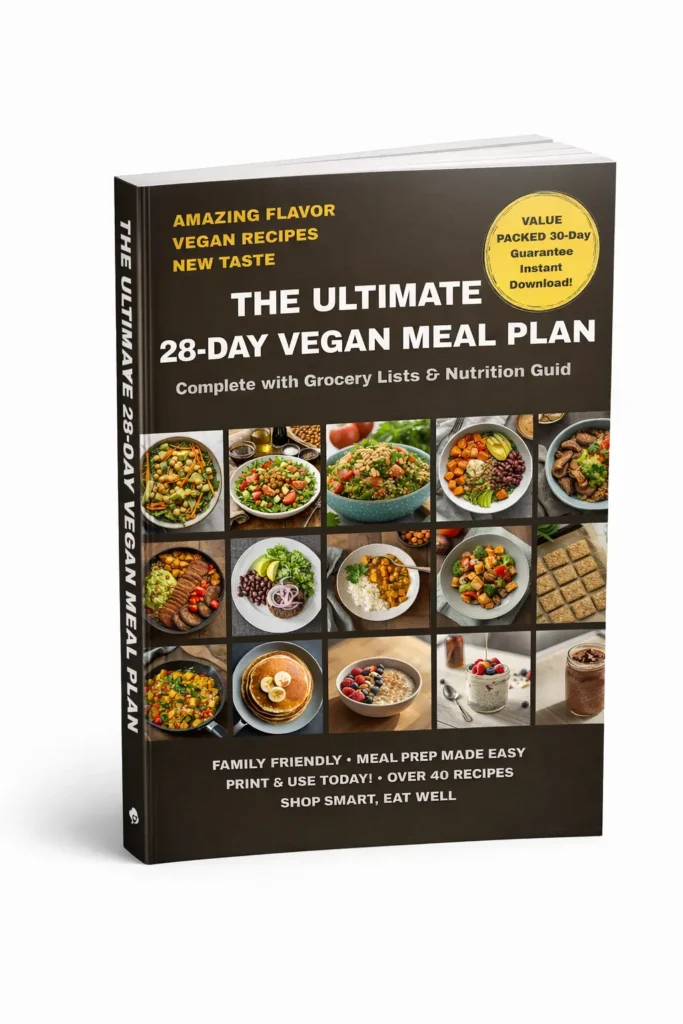
28-Day Vegan Meal Plan + Grocery list.
Transform your lifestyle with our comprehensive guide. This isn’t just a recipe book; it’s a complete system designed for success:
- 28-Day Meal Plan every meal, nothing to figure out
- 4 Weekly Grocery Lists sorted by aisle, saves money
- Balanced Macros protein, iron and B12 daily
- Under $1 Per Serving eat well on any budget
- 90-Min Sunday Prep one session, whole week fed
- Vegan Swaps Guide meat, dairy and eggs replaced
- Nutrition Toolkit protein targets and dining guide
- 36 Chef Recipes every meal photographed
Optimal vs. Normal Ranges: What Your Vegan Blood Test Numbers Mean
One of the most important distinctions in interpreting a vegan blood test is understanding that laboratory “normal” ranges are not the same as physiologically optimal ranges. Lab reference ranges are statistical constructs derived from the values found in the population that was tested at that lab. They represent the range between the 2.5th and 97.5th percentile of results, not the range associated with optimal health outcomes.
For vegans, this distinction is particularly significant for B12, vitamin D, ferritin, and omega-3 index, where research clearly identifies outcome differences between the low-normal and high-normal ends of the reference range. The comparison below uses research-informed optimal ranges rather than lab minimums:
What Deficiency Looks Like Before Symptoms Appear on a Vegan Blood Test
The most valuable function of a proactive vegan blood test is catching subclinical deficiency: measurable changes are present in blood markers before symptoms become obvious enough to report. This phase can last months to years depending on the nutrient and individual variation.
The Subclinical Deficiency Timeline
- Stage 1 Depletion of stores: Measurable on blood test. No symptoms yet. Ferritin drops, serum B12 falls, omega-3 index declines. This is the only window where dietary change and supplementation prevent progression with certainty.
- Stage 2 Biochemical dysfunction: Measurable on functional markers (MMA, homocysteine, MCV changes). Subtle symptoms begin: mild fatigue, reduced concentration, slightly lower mood. Still fully reversible.
- Stage 3 Clinical deficiency: Symptoms are now clinically apparent. Anaemia, neuropathy, significant fatigue, immune suppression. Some damage at this stage may be irreversible, particularly for B12-related neurological changes.
The early warning signals that precede clinical deficiency and should prompt an immediate vegan blood test include:
- Persistent fatigue that does not resolve with adequate sleep; this is the most common signal of low ferritin, B12, vitamin D, and iodine simultaneously. For a detailed breakdown, why vegans feel tired and the lab markers to investigate covers each mechanism.
- Low mood and loss of motivation: B12 deficiency impairs serotonin and dopamine synthesis. Vitamin D deficiency is independently associated with depressive episodes. For the neurological connection, the vegan diet and depression guide covers the evidence in detail.
- Hair shedding and slow nail growth: a classic sign of low ferritin, zinc deficiency, or protein insufficiency. Hair follicles are among the first tissues to lose priority when nutrients are rationed.
- Tingling or numbness in hands and feet: This is a B12 emergency signal. Peripheral neuropathy from B12 deficiency indicates demyelination of nerve sheaths. Do not wait for the next scheduled test if this symptom appears.
- Brain fog and poor working memory: associated with low omega-3 index, low B12, and elevated homocysteine, all of which impair cerebral blood flow, synaptic function, and myelin integrity.
- Frequent infections or slow healing: zinc and vitamin D are both central to immune competence. Deficiency in either significantly increases infection frequency and severity.
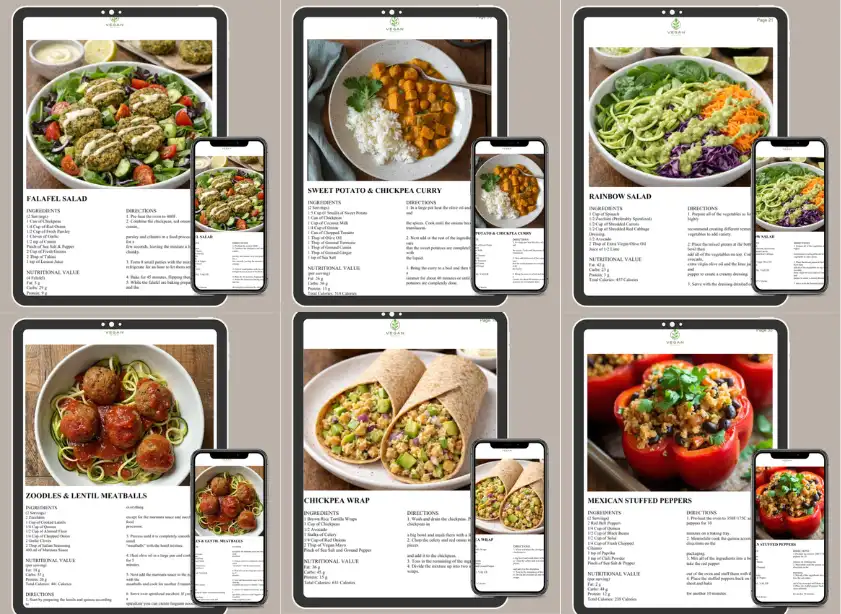
Tired of overthinking your meals?
What’s included in your download
- 28-Day Meal Plan
- 4 Weekly Grocery Lists
- Balanced Nutrtion, protein, iron, B12
- Under $1 Per Serving
- 90-Min Sunday Prep
- Vegan Swaps Guide
- Nutrition Toolkit
- Beginner Action Plan
- Dining Out Guide
- 36 Chef Recipes
Instant PDF download. No subscriptions.
How Often to Get a Vegan Blood Test and When
Testing frequency for a vegan blood test should be determined by life stage, supplementation status, and whether any previous tests have flagged suboptimal results. The general principle: test more frequently while you are establishing your baseline and optimising your protocol, then reduce to maintenance frequency once your markers are consistently in the optimal range.
For managing supplementation decisions based on your results, the complete vegan supplements guide covers form selection, dosing, and when each supplement is and is not necessary based on specific blood test outcomes.
How to Talk to Your Doctor About Vegan-Specific Blood Testing
Many GPs and primary care physicians are unfamiliar with vegan-specific nutritional risk patterns and may offer a standard panel by default. Knowing how to frame the conversation increases your chances of getting the targeted vegan blood test panel you actually need.
What to Say
Be direct and specific. Vague requests get vague responses. Instead of “I want to check my nutrition,” say:
“I follow a strictly plant-based diet and I would like a targeted nutritional panel that includes: holotranscobalamin (active B12), 25-hydroxyvitamin D, ferritin plus full iron studies, homocysteine, full blood count, serum folate, serum zinc, and urinary iodine. I am also interested in an omega-3 index test. I understand some of these may not be covered by standard NHS or insurance referrals, and I am willing to pay for private testing if needed.”
If Your Doctor Declines
If a clinician declines, three options remain: access private testing directly through Thriva or Medichecks (UK) or Ulta Lab Tests (US) without a referral; cite specific symptoms (fatigue, hair loss, tingling extremities) rather than preventive intent, as symptoms are easier to justify clinically; or request a referral to a registered dietitian who specialises in plant-based nutrition.
Chef’s Perspective: Food-First Prevention Before the Lab
I have cooked professionally across MENA and Mediterranean kitchens for over two decades, and the nutritional wisdom embedded in traditional plant-based cuisine from these regions was always about food combinations, preparation techniques, and ingredient choices that maximised nutrient availability long before anyone had a word for bioavailability. The iron in lentils was always served with lemon. The zinc in chickpeas was enhanced by soaking and slow fermentation.
A vegan blood test tells you where the gaps are. The food you eat every day is the most powerful tool you have for closing them before they open. The table below maps the single highest-impact food source for each critical vegan blood test marker:
Top Food Sources by Critical Vegan Blood Test Marker
Key professional insight: Always include a vitamin C source at the same meal as iron-rich foods: a squeeze of lemon over lentil dal raises non-haem iron absorption from approximately 3% to 8 to 12%. For zinc, soak or sprout legumes and grains for 12 to 24 hours before cooking: phytic acid drops 30 to 50%, significantly increasing zinc absorption.
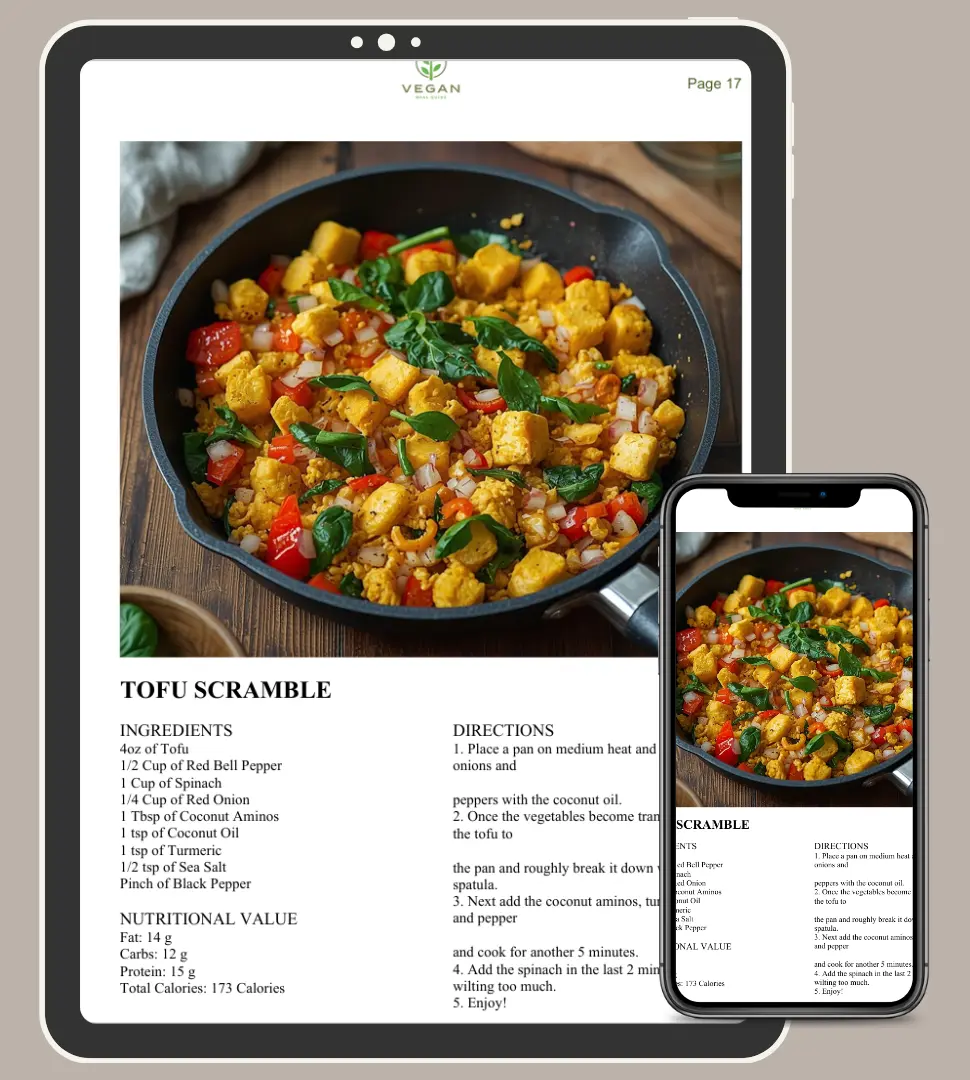
Everything I know about food-first vegan nutritional strategy is embedded inside the Ultimate 28-Day Vegan Meal Plan + Grocery List (Complete Solution), with nutritionist-approved recipes that ensure every meal meets protein, iron, and B12 needs, and 36 chef-tested recipes with a photo for every recipe that demonstrate these nutrient-combination principles in every dish.
Frequently Asked Questions About the Vegan Blood Test
What is the most important marker on a vegan blood test?
Holotranscobalamin (active B12) is the single most important marker to add to any vegan blood test. It measures only the biologically available fraction of B12 in circulation, unlike serum B12 which includes inactive analogues. A person taking B12 supplements inconsistently can appear normal on serum B12 while active B12 is critically low. Pair it with methylmalonic acid (MMA) for the most sensitive possible B12 assessment.
How often should a vegan get a blood test?
In the first year of a vegan diet: every 3 to 6 months to establish your baseline and confirm that supplementation is working. For established vegans with consistently optimal results: annually for the full panel. For vegans over 50 or who are pregnant: every 6 months minimum. Any time you change your supplement protocol, retest the relevant marker after 3 months to confirm the correction.
Does a standard GP blood test cover vegan-specific nutritional needs?
No. A standard GP panel typically includes a full blood count and basic metabolic panel. It does not routinely measure holotranscobalamin, omega-3 index, homocysteine, ferritin (separately), urinary iodine, RBC magnesium, or vitamin D in many healthcare systems. These must be specifically requested or accessed through private testing services.
Can I be B12-deficient even if I take a supplement?
Yes. Deficiency despite supplementation results from incorrect dosing, poor gut absorption (common over age 50 due to low stomach acid), or inconsistent use. If active B12 remains low despite supplementing, switch to a higher cyanocobalamin dose (1,000 to 2,000mcg daily) or discuss sublingual or intramuscular injections with your doctor.
What is the difference between serum B12 and active B12?
Serum B12 measures all circulating B12 including inactive analogues found in some algae, fortified foods, and bacterial byproducts. These analogues can falsely elevate the serum B12 reading without contributing to cellular function. Active B12 (holotranscobalamin) measures only the fraction bound to transcobalamin II and available for cellular uptake. You can have a serum B12 of 350 pg/mL while your active B12 is below the functional threshold of 50 pmol/L.
How do I test my omega-3 levels?
The omega-3 index uses a dried blood spot finger-prick kit. OmegaQuant (US) and Thriva (UK) offer direct-to-consumer testing without a referral. The result shows EPA+DHA as a percentage of red blood cell membranes, reflecting status over the previous 2 to 3 months. Target: above 8%.
Why is ferritin more important than serum iron for vegans?
Serum iron fluctuates throughout the day and is not a reliable indicator of long-term status. Ferritin reflects total body iron stores accumulated over weeks and months. Symptoms of iron insufficiency (fatigue, brain fog, hair shedding) appear at ferritin levels between 12 and 30 mcg/L, technically within most labs’ “normal” range but functionally deficient.
What vegan blood test markers should I check before pregnancy?
Request: active B12, serum folate, 25-OH vitamin D, full iron panel including ferritin, urinary iodine, and zinc. Folate and B12 prevent neural tube defects. Iodine is critical for foetal thyroid development. Iron must be adequate before conception to support the 50% increase in blood volume during pregnancy. Do not wait for a positive test to discover a deficiency.
Is it possible to have a normal vegan blood test and still feel deficient?
Yes. Subclinical deficiency is defined precisely as this state: measurable dysfunction present before symptoms cross the clinical threshold. Fatigue, low mood, poor concentration, and reduced exercise tolerance can all be driven by ferritin between 12 and 30 mcg/L, active B12 just above the lab minimum, or an omega-3 index of 4 to 5%, none of which would be flagged on a standard panel. This is why the optimal ranges in this guide matter more than the laboratory “normal” flagging thresholds.
What should I do if my doctor will not order all the vegan blood test markers I want?
Frame requests around symptoms: fatigue justifies ferritin, iron, thyroid, B12, and vitamin D. Tingling extremities justify active B12 and MMA as urgent. If the GP declines, use direct-to-consumer testing: Medichecks and Thriva (UK) or Ulta Lab Tests (US) offer vegan nutrition panels without a referral.
Can a vegan blood test show if my homocysteine is high?
Yes, provided you specifically request it. Fasting plasma homocysteine is not included in standard panels but is available as an add-on. Elevated homocysteine above 10 mcmol/L indicates insufficient B12, folate, or B6 for normal homocysteine clearance. It is one of the most sensitive early functional markers of B12 and folate inadequacy available, often rising before either B12 or folate falls below their reference ranges on a standard test.
What is the easiest way to ensure my vegan diet meets my blood test targets?
The simplest approach is a structured meal plan that already accounts for protein, iron, and B12 at every meal. The Ultimate 28-Day Vegan Meal Plan + Grocery List (Complete Solution) includes nutritionist-approved recipes where every meal meets protein, iron, and B12 needs, with a complete 28-day calendar with shopping lists so the nutritional targets your vegan blood test is monitoring are built into every day’s eating without requiring you to track a single number manually.
Your Vegan Blood Test Starts With the Right Questions
A standard blood panel tells you whether you are unwell. A targeted vegan blood test tells you whether you are optimally nourished. For plant-based eaters, only the second question matters. Request active B12, not just serum B12. Request ferritin, not just iron. Request 25-OH vitamin D, omega-3 index, homocysteine, and urinary iodine. Compare results against the optimal ranges in this guide and act on the gap with targeted supplementation.
The goal is to build and maintain a vegan blood test baseline that puts every marker in its optimal range across every life stage: not to correct deficiency after it has caused harm, but to prevent it entirely through testing, precision nutrition, and the kind of consistent dietary planning that the Ultimate 28-Day Vegan Meal Plan + Grocery List (Complete Solution) delivers, with a 30-day money-back guarantee, no questions asked, and nutritionist-approved recipes ensuring every meal meets protein, iron, and B12 needs from day one.

🩸 Optimize Your Health with Data
Blood work gives you the roadmap to long-term vitality. Use these resources to fill any nutritional gaps identified in your results:
- 💊 Targeted Gaps: Vegan Supplement Guide: What Actually Matters
- 🔬 The Biochemistry: Vegan Nutrition Science: The Deep Dive
- 🥩 Addressing Fears: The Protein Deficiency Myth vs. Reality
- 📋 Nutrition Targets: Complete Cheat Sheet: Daily Nutrient Targets
Want a nutrient-dense plan to improve your next lab result?
Get the 28-Day Health-First PlanP.S. To help you eat well and feel great from day one, here’s my 28-Day Vegan Meal Plan with all the shopping lists and nutrition details included. Check it out here.
Want to try before you buy?
Enter your email below to get 2 free recipes instantly: