
Medical and Nutritional Disclaimer: This content is for informational purposes only. It does not constitute medical or dietary advice. Always consult a paediatrician, registered dietitian, or qualified healthcare provider regarding the nutritional needs of teenagers, especially during periods of rapid growth, athletic training, or health concerns.
Vegan Diet for Teenagers: Complete Nutrition Guide for Plant-Based Teens
TL;DR
A vegan diet for teenagers is nutritionally complete and developmentally safe when planned correctly. Teenagers have higher demands than adults for calcium, iron, zinc, protein, and vitamin D because they are simultaneously growing bone, muscle, hormonal, and neurological architecture. The eight critical nutrients covered in this guide are calcium, iron, zinc, protein, B12, vitamin D, omega-3, and iodine. Each is fully available from plant sources with the right knowledge. This guide covers teen-specific nutritional needs, the eight key nutrients, a teen-friendly protein ranking, a realistic week of meals, social eating strategies, MENA kitchen tips, and 12 FAQs.
Teen Nutritional Needs vs. Adult Needs: The Key Differences
A vegan diet for teenagers is not the same as a vegan diet for adults with smaller portions. Adolescence is the most nutritionally demanding period of human development outside of pregnancy. More growth happens between ages 13 and 18 than at any other life stage except infancy.
Three simultaneous biological processes drive elevated teen nutritional requirements:
- Skeletal growth: Up to 45% of peak bone mass is accumulated during adolescence. Calcium, vitamin D, and magnesium are deposited into bone at rates that will never occur again.
- Muscle development: Lean tissue growth requires significantly more protein per kilogram of body weight than adult maintenance. Teen athletes have requirements approaching those of competitive adult athletes.
- Hormonal and neurological maturation: Zinc drives testosterone and oestrogen synthesis. Iron supports cognitive development. Omega-3 DHA builds the prefrontal cortex, which continues developing until age 25.
Why These Differences Matter for Plant-Based Teens
Adult vegan nutrition guides consistently undercount calcium, iron, zinc, and protein targets for teenagers. Using adult RDAs for a growing teen creates a systematic shortfall in every one of these nutrients simultaneously.
The good news: plant foods can meet every elevated teen requirement. The strategy is the same as adult vegan nutrition, but with higher volume targets and more intentional food pairing. A well-planned plant-based teen diet is fully compatible with healthy growth, athletic performance, and academic focus.
What the Research Says About Teen Vegan Growth
Studies reviewed at PubMed and summarised at VeganHealth.org show that plant-based teenagers who supplement B12 and vitamin D and consume adequate calcium and protein achieve normal growth patterns indistinguishable from omnivore peers. The critical word is planned. Unplanned or restrictive vegan diets in teenagers are associated with deficiency risks. This guide eliminates that risk.
The 8 Most Critical Nutrients for Plant-Based Teenagers
These eight nutrients require the most intentional attention on a vegan diet for teenagers. Each one has elevated requirements during adolescence and each one has a plant-based sourcing strategy that fully covers the need.
1. Calcium
Teen RDA: 1,300mg daily (ages 9-18). Higher than any other life stage except pregnancy.
Best plant sources:
- Calcium-set tofu: 350mg per 100g
- Fortified oat/soy milk: 300-350mg per cup
- Kale cooked: 180mg per cup
- Bok choy: 160mg per cup
- Almonds: 76mg per 30g
2. Iron
Teen RDA: 11mg (boys), 15mg (girls aged 14-18, rising to 18mg). Menstruation significantly increases demand for teen girls.
Best plant sources:
- Lentils: 6.6mg per cup cooked
- Pumpkin seeds: 4.2mg per 30g
- Tofu: 3.4mg per 100g
- Spinach cooked: 6.4mg per cup
3. Protein
Teen target: 1.2-1.6g per kg body weight. Teen athletes need 1.6-2.0g/kg. A 60kg teen needs 72-96g protein daily minimum.
Best plant sources:
- Tempeh: 31g per 100g
- Edamame: 17g per cup cooked
- Lentils: 18g per cup cooked
- Hemp seeds: 10g per 30g
4. Vitamin B12
Teen RDA: 2.4mcg daily. B12 is essential for myelin sheath development (nerve speed), red blood cell production, and DNA synthesis during rapid growth phases.
Only reliable vegan sources:
- Cyanocobalamin supplement: 250mcg daily
- Fortified nutritional yeast
- Fortified plant milks (check labels)
5. Vitamin D
Teen RDA: 600 IU minimum. Most teenagers, especially in northern regions or those indoors during school hours, are deficient regardless of diet. Bone mineralisation is directly impaired by low vitamin D.
Only reliable vegan sources:
- Algae-derived D3: 1,000-2,000 IU daily
- Fortified plant milks (100 IU per cup)
- UV-exposed mushrooms (variable)
6. Zinc
Teen RDA: 9-11mg (boys need more due to testosterone-driven growth). Zinc drives puberty hormone synthesis, immune function, and skin health. Teen acne is frequently worsened by low zinc.
Best plant sources:
- Hemp seeds: 3mg per 30g
- Pumpkin seeds: 2.2mg per 30g
- Chickpeas soaked: 2.5mg per cup
- Cashews: 1.6mg per 30g
7. Omega-3 DHA
Teen need: 250-500mg DHA+EPA daily. The prefrontal cortex develops throughout the teen years. DHA is the primary structural fat in brain tissue. Inadequate DHA is associated with lower academic performance, mood instability, and reduced focus.
Only reliable vegan source:
- Algae-derived DHA/EPA: 250-500mg daily
- Flaxseed and walnuts: ALA only (poor conversion to DHA)
8. Iodine
Teen RDA: 150mcg daily. Iodine is essential for thyroid hormone production, which directly regulates growth rate, metabolism, and cognitive development. Teen vegans who avoid dairy and seafood are at high risk of iodine insufficiency.
Best vegan sources:
- Iodized salt: 95mcg per 1/4 tsp
- Iodine supplement: 150mcg daily
- Nori seaweed (variable, use cautiously)
For a complete blood test framework to monitor all eight of these nutrients, the vegan nutrient deficiencies guide covers optimal ranges and testing frequency. The vegan supplements guide covers exact forms and doses for B12, D3, algae DHA, and iodine specifically.
Growth Spurts, Bone Density, and Why Teenagers Need More Calcium
No nutrient is more important to get right in the teenage years than calcium. The window for building peak bone mass closes around age 20. Whatever bone density is not built by that point cannot be fully compensated for later in life.
The Peak Bone Mass Window
- Ages 9-11: Bone growth accelerates. Calcium demand spikes to 1,300mg daily.
- Ages 12-16: Peak bone formation period. Growth spurts add up to 25cm of height in some teens. Every centimetre of bone requires calcium deposition.
- Ages 17-20: Bone consolidation phase. Growth slows but density continues increasing until approximately age 20-25 for cortical bone.
Meeting 1,300mg calcium daily from plant sources requires deliberate planning. It is achievable with three simple anchors:
- 2 cups fortified plant milk per day: 600-700mg calcium
- 1 serving calcium-set tofu: 250-350mg calcium
- 1-2 servings dark leafy greens: 160-360mg calcium
Total from these three anchors alone: 1,010-1,410mg. The daily target is met without any additional sources.
The Calcium-Vitamin D-K2 Triangle for Teen Bone Health
Calcium cannot work alone. Three nutrients must work together for effective bone mineralisation:
- Calcium: the raw material of bone mineral (hydroxyapatite)
- Vitamin D3: increases calcium absorption in the gut from 10-15% to 30-40%
- Vitamin K2 (MK-7): activates osteocalcin, the protein that binds calcium into bone matrix and prevents arterial calcification
All three supplemented or consumed together amplify bone density outcomes significantly more than calcium alone. The complete bone health protocol is covered in the vegan bone health guide.
Calcium Absorption Inhibitors to Manage
Several dietary factors reduce calcium absorption and should be managed strategically:
- Oxalates: found in spinach, beet greens, and Swiss chard. These foods are healthy but their calcium is poorly absorbed. Use kale, bok choy, and broccoli as primary calcium vegetables instead.
- Phytic acid: in whole grains and legumes. Reduced by soaking, sprouting, and fermentation.
- Excess caffeine: increases urinary calcium excretion. Teen energy drink consumption is a real bone health concern.
- Excess sodium: high-sodium diets increase renal calcium loss. Reducing processed food sodium is a meaningful bone health intervention.
Top Teen-Friendly Vegan Protein Sources Ranked
Teen protein needs exceed adult requirements on a per-kilogram basis. A 60kg teen requires 72-96g protein daily for growth. A teen athlete training several hours per week may need 100-120g. The ranking below prioritises foods that are practical for teenagers: fast to prepare, school-portable, affordable, and palatably appealing to a teen audience.
Edamame leads the teen-practical ranking because it requires zero preparation (buy frozen, microwave for 3 minutes), is portable in a container for school, costs very little, and delivers 17g complete protein with iron and calcium included. It is the single best vegan protein upgrade for a busy teenager.
For the full protein sourcing framework and how to reach 100g daily on plants, the vegan protein sources guide and the 100g protein vegan guide cover every practical strategy.
+ Grocery List
A Week of Teen-Realistic Vegan Meals
The meals below are designed around four teen realities: limited time, school schedules, budget constraints, and the need to eat socially with non-vegan peers. Every day hits at least 70g protein, 1,100mg calcium, and all eight critical nutrients in combination.
Monday: The Easy Start
- Breakfast: Overnight oats with oat milk, hemp seeds, pumpkin seeds, banana. B12 + D3 + algae DHA supplement.
- School lunch: Hummus wrap with chickpeas, roasted vegetables, spinach. Piece of fruit.
- After school: Edamame (microwaved, salted) + apple
- Dinner: Lentil bolognese with pasta and nutritional yeast on top
Approx: 85g protein, 1,200mg calcium, 18mg iron, 11mg zinc
Tuesday: The High-Protein Day
- Breakfast: Tofu scramble with spinach, nutritional yeast, toast with almond butter
- School lunch: Tempeh rice bowl (meal prepped) with broccoli and tahini sauce
- After school: Peanut butter on oatcakes + fortified soy milk
- Dinner: Black bean tacos with guacamole, salsa, corn tortillas
Approx: 98g protein, 1,250mg calcium. Teen athlete day.
Wednesday: The School Canteen Day
- Breakfast: Smoothie: fortified oat milk, frozen mango, ground flaxseed, hemp seeds, banana
- School canteen: Best available plant option + supplement pack kept in school bag (B12 taken at lunch)
- After school: Hummus with carrot sticks and pita
- Dinner: Chickpea curry with brown rice and wilted spinach
Strategy: prepare breakfast and dinner to cover nutrient gaps from a limited school lunch.
Thursday: The Exam-Focus Day
- Breakfast: Oats + walnuts + blueberries + soy milk. Omega-3 and antioxidants for brain focus.
- School lunch: Lentil soup in thermos + whole grain roll + kiwi
- After school: Trail mix (pumpkin seeds, almonds, dried apricots, dark chocolate chips)
- Dinner: Tofu and edamame stir-fry with quinoa and sesame
DHA, B vitamins, zinc, and iron all optimised for cognitive performance.
Friday: The Social Day
- Breakfast: Peanut butter toast with banana + fortified oat milk
- Lunch with friends: Order confidently: most restaurants have hummus, falafel, veggie burgers, or pasta with marinara. See social eating strategies in Section 6.
- After school: Edamame + baked tortilla chips
- Dinner: Homemade vegan pizza: fortified mozzarella alternative, chickpeas, vegetables on wholegrain base
Social-friendly foods that feel normal, not conspicuous. This matters for teen adherence.
Saturday: The Batch Prep Day
- Morning activity: Spend 45 minutes prepping: cook a big pot of lentils, boil quinoa, roast a tray of chickpeas and vegetables. This sets up school lunches and dinners for the week ahead.
- Breakfast: Pancakes made with oat milk, ground flaxseed as egg replacer, served with fruit
- Lunch: Grain bowl from batch prep with tahini lemon dressing
- Dinner: Vegan burgers (black bean patties) with sweet potato fries and salad
Saturday prep eliminates weekday stress and prevents nutritional shortcuts under time pressure.
Sunday: The Family Meal Day
- Brunch: Avocado toast with hemp seeds and nutritional yeast + large glass of fortified soy milk
- Afternoon: Fruit with almond butter or a small handful of mixed nuts
- Family dinner: Vegan dishes that work for the whole family: lentil soup, vegetable tagine, or pasta with lentil ragu
MENA family cooking traditions create naturally vegan-compatible meals. See chef section.
For school lunch ideas specifically, the vegan school lunch guide provides 20 portable, canteen-safe, and socially normal options for plant-based teens.
Chef Section: MENA Quick Flavour Techniques for Teen Cooking
Twenty years of professional MENA and Mediterranean kitchen experience produces one consistent observation about teen cooking: teenagers abandon healthy food the moment it becomes boring or complicated. The MENA culinary tradition solves both problems simultaneously. Its flavour profiles are bold enough to be exciting and its techniques are simple enough for a beginner.
Five MENA Techniques Every Teen Can Master in 20 Minutes
1. The Tahini Sauce Formula
This one sauce transforms any grain bowl, wrap, or roasted vegetable from bland to genuinely crave-worthy:
- 3 tbsp tahini + juice of 1 lemon + 1 garlic clove + 3-4 tbsp water + pinch of salt
- Whisk until smooth. Adjust water for consistency.
- Nutritional bonus per 2 tbsp serving: 130mg calcium, 0.7mg iron, 1.4mg zinc, 5g protein
A jar of this in the fridge turns leftovers into a meal in under 2 minutes.
2. The Za’atar Sprinkle Habit
Za’atar (dried thyme, sesame, sumac, salt) is the MENA equivalent of a seasoning shortcut. It works on:
- Avocado toast (replaces the need for cheese for flavour complexity)
- Hummus (traditional, and visually impressive to serve to non-vegan friends)
- Roasted chickpeas (a portable, protein-rich snack that peers actually ask for)
- Flatbread dipped in olive oil
The sesame in za’atar adds calcium and zinc with every use. It is not just flavour. It is a silent nutrient delivery system.
3. The 15-Minute Ful Medames
Open a can of fava beans. Warm in a small pan with olive oil, cumin, garlic, lemon juice, and salt. Serve with bread and sliced cucumber. This is a complete nutrient-dense meal in 15 minutes with zero cooking skill required:
- Protein: 13g per cup
- Iron: 4.5mg (pair with the lemon for absorption)
- Fiber: 9g
It is the MENA region’s answer to the question “what does a teen vegan eat when there is nothing in the fridge?”
4. The Spiced Roasted Chickpea Technique
Drain and dry a can of chickpeas. Toss with olive oil, cumin, paprika, and salt. Roast at 200C for 25 minutes until crispy. These keep in a jar for 3 days and replace every unhealthy snack option that causes nutritional gaps:
- Per 1/2 cup: 7g protein, 2mg iron, 1.2mg zinc, 6g fiber
- School bag portable, canteen acceptable, socially normal
5. The Overnight Oats + Chia Base
This is not traditionally MENA, but the technique of preparing food the night before is deeply embedded in professional kitchen culture. Set it up in 3 minutes the night before:
- 80g oats + 2 tbsp chia seeds + 300ml fortified oat milk + banana (mashed or sliced)
- Refrigerate overnight. Eat cold or warm briefly.
- Delivers for a teen: 12g protein, 350mg calcium, 8mg iron, 9g fiber
No morning preparation. No excuses. The hardest teen nutrition challenge, getting a nutrient-dense breakfast on a school morning, solved in 3 minutes the night before.
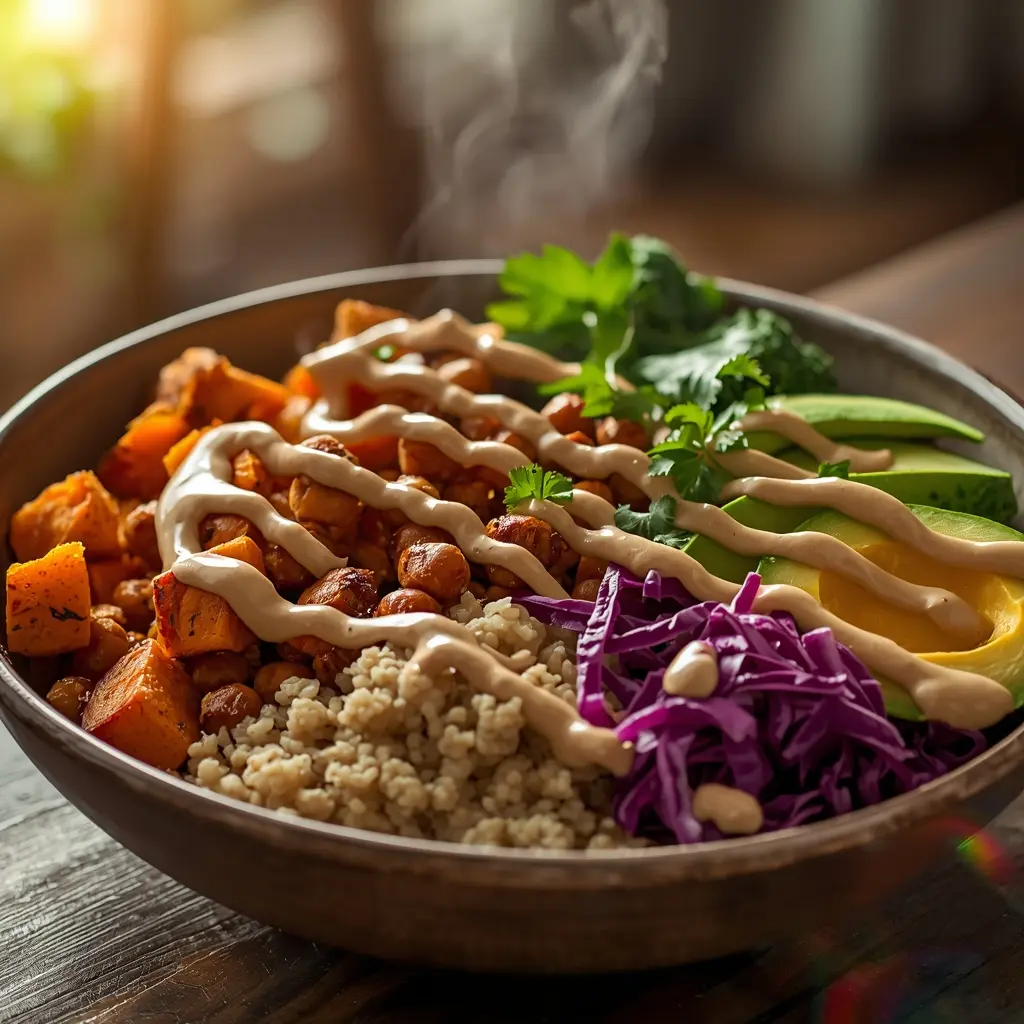
28-Day Vegan Meal Plan + Grocery list.
Transform your lifestyle with our comprehensive guide. This isn’t just a recipe book; it’s a complete system designed for success:
- The Vegan Guide: Essential transition tips and nutritional benefits.
- 40+ Chef Recipes: Breakfast, lunch, and dinner with high-quality photos.
- 4-Week Meal Plan: A fully structured day-by-day calendar.
- Grocery Lists: Categorized weekly lists to save you time and money.
- Photos: High-Quality Recipe Photos.
- Nutritions: Vegan Nutrition Guide Toolkit.
The 5 Pantry Items Every Teen Vegan Home Needs
- Tahini: calcium, zinc, protein in every spoonful. Versatile beyond hummus.
- Canned lentils: fastest complete protein and iron source. No prep.
- Hemp seeds: protein, zinc, omega-3. Add to everything without changing taste.
- Fortified oat or soy milk: calcium, D, B12 baseline. Drink it, cook with it, blend it.
- Peanut butter or almond butter: portable protein and fat. Works at every meal and snack.
With these five items always in stock, a teen can meet baseline nutrition even on the most chaotic day with zero cooking skill required.
Infographic: Teen Nutrient Needs vs. Vegan Food Sources
The infographic below maps each of the eight critical nutrients to their teen RDA, the key plant sources, and the daily volume needed to hit the target.
8 Critical Nutrients for Vegan Teenagers: RDA vs. Best Plant Sources
Calcium: 1,300mg/day
- Fortified plant milk x2 cups: 600-700mg
- Calcium-set tofu 100g: 350mg
- Kale 1 cup cooked: 180mg
- Tahini 2 tbsp: 130mg
Iron: 11-18mg/day
- Lentils 1 cup: 6.6mg
- Pumpkin seeds 30g: 4.2mg
- Spinach 1 cup cooked: 6.4mg
- Always pair with vitamin C
Protein: 1.2-1.6g/kg
- Tempeh 100g: 31g
- Edamame 1 cup: 17g
- Lentils 1 cup: 18g
- Hemp seeds 30g: 10g
B12: 2.4mcg/day
- Cyanocobalamin 250mcg supplement daily
- Fortified nutritional yeast
- Fortified plant milks
- Supplement is the only guarantee
Vitamin D: 600-1,000 IU/day
- Algae D3 1,000-2,000 IU supplement
- Fortified plant milk: 100 IU/cup
- UV mushrooms: variable
- Supplement essential in most teens
Zinc: 9-11mg/day
- Hemp seeds 30g: 3mg
- Pumpkin seeds 30g: 2.2mg
- Chickpeas 1 cup: 2.5mg
- Soak legumes to improve absorption
Omega-3 DHA: 250-500mg/day
- Algae DHA/EPA supplement: 250-500mg
- Walnuts and flaxseed: ALA only
- Conversion to DHA is poor (5-10%)
- Supplement is the only reliable source
Iodine: 150mcg/day
- Iodized salt 1/2 tsp: 140mcg
- Iodine supplement 150mcg
- Nori seaweed: variable, caution
- Supplement if iodized salt not used
Putting It Together: A Vegan Diet for Teenagers Is a Completely Viable Choice
A vegan diet for teenagers is not a nutritional compromise. Planned correctly, it supports every aspect of adolescent development: skeletal growth, muscle development, hormonal maturation, cognitive function, and athletic performance.
The four non-negotiable foundations are: supplement B12 daily, supplement algae D3 daily, hit 1,300mg calcium through fortified milks and calcium-set tofu, and eat legumes every day for iron, protein, and zinc. Everything else builds on top of these four anchors.
Teenagers choosing a plant-based diet deserve accurate, practical information, not vague reassurance or unwarranted alarm. The evidence is clear. The foods are available. The strategy in this guide works. A vegan diet for teenagers is a confident, science-backed choice when it is implemented with knowledge.
FAQ: 12 Questions About the Vegan Diet for Teenagers
Yes, with planning. Research reviewed at PubMed confirms that plant-based teenagers who supplement B12 and vitamin D and meet calcium and protein targets achieve normal growth patterns. The critical conditions are: planned nutrient coverage, supplementation of B12, D3, and algae DHA, and adequate calorie intake to support growth energy demands. Unplanned or calorie-restricted vegan diets in teenagers carry real growth risks. A planned one does not.
Teen protein requirements exceed adult levels on a per-kilogram basis:
- Sedentary teen: 1.0-1.2g per kg body weight
- Active teen: 1.3-1.6g per kg body weight
- Teen athlete in training: 1.6-2.0g per kg body weight
A 60kg moderately active teen needs approximately 78-96g protein daily. Achievable with lentils, tempeh, edamame, hemp seeds, and tofu across three meals. See the full vegan protein sources guide.
Yes. Three daily anchors cover the 1,300mg teen requirement:
- 2 cups fortified plant milk: 600-700mg
- 100g calcium-set tofu: 250-350mg
- 1-2 cups cooked kale or bok choy: 160-360mg
The total reaches 1,010-1,410mg before any other foods are counted. Vitamin D3 supplementation must accompany calcium intake to ensure absorption. The full protocol is in the vegan bone health guide.
Three supplements are non-negotiable for vegan teenagers:
- B12 (cyanocobalamin 250mcg daily): no reliable dietary source on a vegan diet
- Vitamin D3 (algae-derived 1,000-2,000 IU daily): most teenagers are deficient regardless of diet
- Algae DHA/EPA (250-500mg daily): critical for brain development. ALA from flaxseed does not convert adequately to DHA.
Iron and iodine supplementation may also be needed depending on dietary intake. Blood testing annually covers all bases.
Teen vegan athlete nutrition prioritises five food groups:
- Complex carbs for fuel: oats, sweet potato, brown rice, quinoa
- High-protein anchors: tempeh, edamame, lentils, hemp seeds
- Iron for oxygen delivery: lentils, tofu, pumpkin seeds always with vitamin C
- Electrolytes for performance: banana, coconut water, dates
- Recovery anti-inflammatories: tart cherry juice, turmeric, blueberries
Teen vegan athlete nutrition is covered in depth at the vegan athlete performance guide.
Three practical strategies:
- Pack lunch 3-4 days per week: overnight oats, hummus wraps, grain bowls, and lentil soup in a thermos are all portable and genuinely filling
- Identify the best canteen option in advance: pasta with tomato sauce, bean soups, rice and vegetable dishes, or salads with chickpeas are almost always available
- Never arrive at lunch hungry: a mid-morning snack (edamame, fruit with nut butter) prevents the canteen impulse to choose whatever is available regardless of nutrition
The vegan school lunch ideas guide provides 20 portable, practical, and socially normal options.
A well-planned plant-based teen diet supports academic performance through:
- DHA for neuronal membrane function and synaptic transmission
- Iron for oxygen delivery to the brain
- B vitamins for neurotransmitter synthesis
- Slow-release carbohydrates for stable glucose to the brain throughout study sessions
An unplanned vegan diet deficient in B12, iron, or DHA can impair cognition. A planned one, with supplements in place, provides the same or superior cognitive nutrition compared to an average omnivore teen diet. See the vegan brain health diet guide.
Three approaches that work:
- Share the evidence: Show them this guide. The science is clear. Planned plant-based diets support normal teen growth. Parental concern is valid but not evidence of a nutritional problem.
- Agree to a blood test: Offer to have iron, B12, vitamin D, and zinc checked. If levels are normal, concern is addressed objectively. If a gap is found, it can be corrected.
- Take responsibility for planning: Parents are most reassured when the teen demonstrates active knowledge of their nutrition. Learn the eight nutrients in this guide. Know your sources. That confidence is the best argument.
Tiredness in teen vegans is usually caused by one of four correctable issues:
- Iron deficiency: most common in teen girls. Test ferritin, not just haemoglobin.
- B12 insufficiency: correct with 250mcg cyanocobalamin daily
- Vitamin D deficiency: extremely common in all teenagers regardless of diet
- Insufficient total calories: teen growth demands are high. Under-eating on any diet causes fatigue.
A blood test is the fastest diagnostic tool. The full framework is covered at the vegan fatigue guide.
A vegan diet does not cause eating disorders. However, any restrictive dietary pattern can be used as a socially acceptable framework for disordered eating in individuals who are predisposed. Warning signs to watch for include:
- Eliminating entire food groups beyond animal products (oils, grains, nuts)
- Distress around food in social settings that goes beyond simple preference
- Significant unintentional weight loss
- Obsessive food tracking beyond reasonable nutritional awareness
If any of these signs are present, professional support from a dietitian or therapist is appropriate. A healthy vegan diet for teenagers is varied, abundant, and enjoyable.
Plant-based diets have several advantages for teen skin and hormones:
- Lower IGF-1 levels: dairy consumption raises insulin-like growth factor 1, strongly linked to acne. Plant-based teens typically have lower IGF-1 and less acne.
- Higher zinc from seeds: zinc is the most evidence-backed nutrient for acne reduction. Pumpkin seeds and hemp seeds cover teen zinc needs effectively.
- Anti-inflammatory plant compounds: polyphenols, omega-3 precursors, and fiber reduce the systemic inflammation that drives hormonal acne.
Teen hormonal development (testosterone, oestrogen) requires adequate zinc and healthy fats. Both are fully available on a well-planned plant-based teen diet.
Supplement B12 every day without exception. No other single action has a higher impact on long-term health and safety for a vegan teenager. B12 deficiency develops silently over months to years and causes irreversible neurological damage if uncorrected. The solution is trivially simple: 250mcg cyanocobalamin daily. It costs pennies. It eliminates the single most serious nutritional risk of plant-based eating at any age, especially during the rapid neurological development of the teenage years.
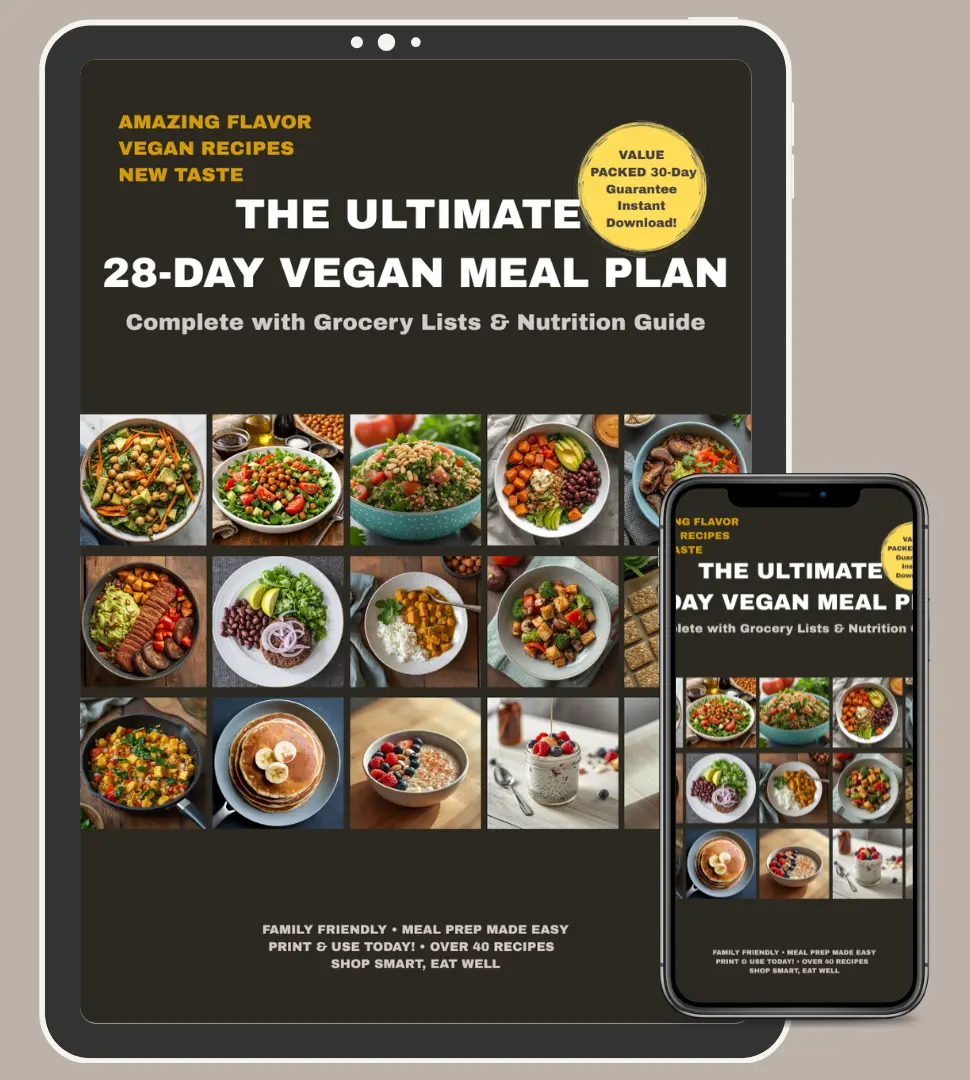
Still spending hours figuring out what to eat?
What’s included in your download
- 40+ nutritionist-approved recipes
- Complete 28-day calendar
- Meets protein, iron & B12 needs
- Family & meal prep friendly
- Vibrant photo for every recipe
- Simple, common ingredients
Instant PDF download. No subscriptions. No waiting.
Navigating Peer Pressure and Social Eating as a Teen Vegan
The social dimension of teenage veganism is as important as the nutritional one. Teens eat in groups. Food is identity, belonging, and social currency in adolescent culture. A nutrition guide that ignores this reality will not be followed.
The Three Social Eating Challenges for Teen Vegans
Confidence Strategies for Teen Vegans in Social Settings
For Parents: How to Support a Teen Choosing a Plant-Based Diet