
Nutritional Disclaimer: This content is for informational purposes only and does not constitute medical advice. If you suspect zinc deficiency, consult a registered dietitian or healthcare provider for testing and personalised guidance before starting supplementation.
Vegan Zinc Foods: The Complete Guide to Plant-Based Zinc Sources
TL;DR
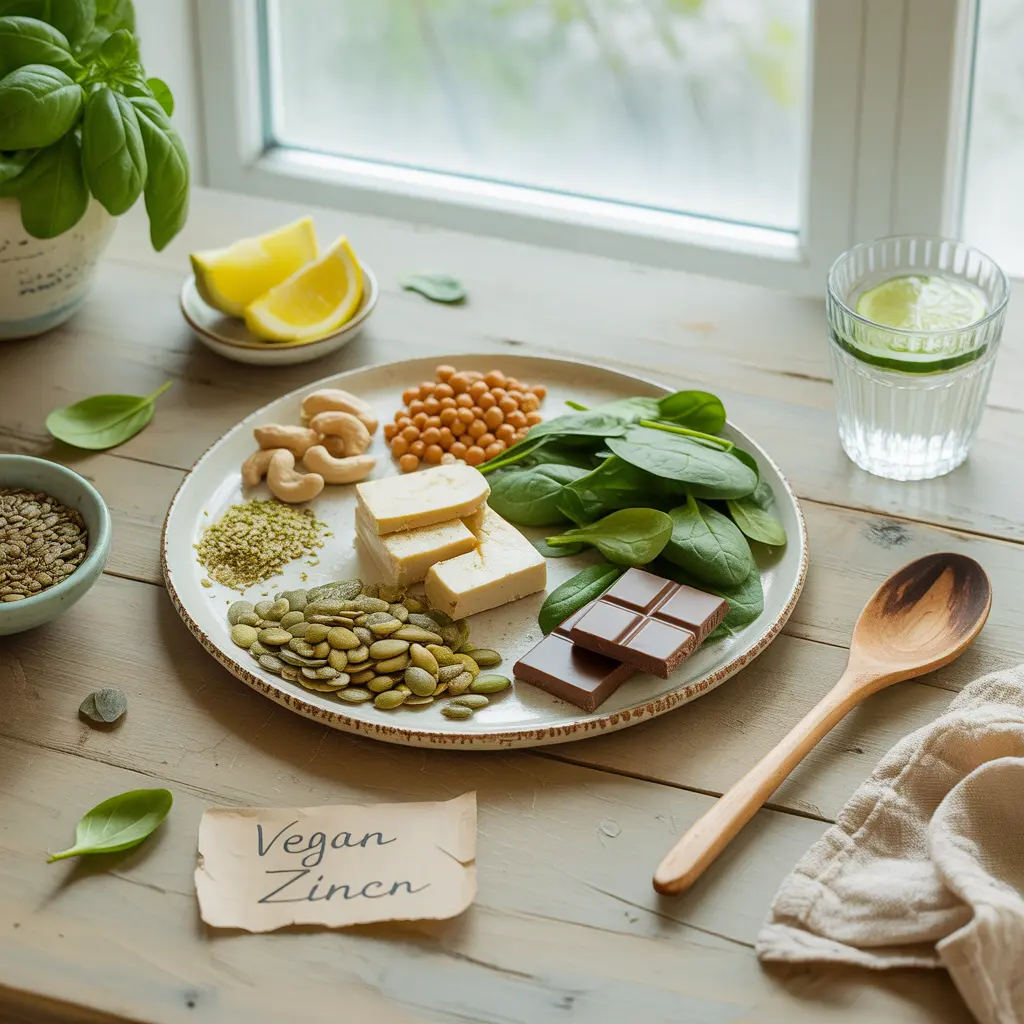
Vegan zinc foods can fully meet daily requirements, but success depends on understanding one concept that standard nutrition guides skip: phytate. Phytic acid in legumes, whole grains, nuts, and seeds binds zinc into insoluble complexes the body cannot absorb. The same foods richest in zinc also contain the most phytate. The solution is preparation: soaking, sprouting, fermenting, and roasting reduce phytate by 30-70%, doubling or tripling absorbed zinc from identical foods. Hemp seeds deliver 3mg zinc per 30g. Pumpkin seeds deliver 2.5mg. Tempeh, fermented from soy, absorbs at near-animal efficiency because fermentation eliminates phytate entirely. This guide covers the full phytate picture, the top 20 vegan zinc foods ranked by absorbed zinc per serving, 8 spotlight foods with macro analysis, a 6-step absorption improvement protocol, life stage requirements, and the complete 7-step daily zinc system.
Why Zinc Is the Vegan Diet’s Most Underestimated Mineral
Vegan zinc foods are abundant in the plant world. Pumpkin seeds, hemp seeds, lentils, chickpeas, cashews, tempeh, and oats all contain meaningful zinc. The challenge is not a shortage of zinc-containing plant foods. The challenge is a shortage of zinc that actually enters the bloodstream after eating those foods.
Zinc from animal foods absorbs at 40-60% efficiency because animal tissue contains no phytate. Zinc from unprocessed plant foods absorbs at 15-26% efficiency. This gap exists almost entirely because of one compound: phytic acid. Understanding phytate is the difference between a vegan diet that meets zinc requirements and one that chronically falls short despite eating technically zinc-rich foods every day.
What Zinc Controls That Makes Deficiency Seriously Impactful
Zinc is involved in immune function, testosterone synthesis, skin repair, wound healing, taste and smell perception, sperm quality, DNA replication, and growth. It is not a peripheral micronutrient. The systems it governs are the systems people most notice when they deteriorate: frequent illness, persistent acne, hair shedding, poor wound healing, reduced libido, and impaired taste. Each of these has zinc deficiency as a potential contributing cause that is often overlooked.
- Immunity: zinc is required for T-cell maturation and natural killer cell activity. Even mild zinc deficiency measurably reduces immune function. Clinical trials show zinc lozenges taken at the onset of a cold reduce duration by 33% on average.
- Testosterone: zinc is a cofactor for the 17-beta-HSD enzyme in testosterone biosynthesis. Deficient men have measurably lower testosterone that normalises with zinc repletion. The vegan male nutrition framework is at the vegan men’s nutrition guide.
- Skin: zinc regulates sebaceous gland activity and inhibits the inflammatory bacterial processes that drive acne. Zinc deficiency is one of the most correctable nutritional causes of persistent adult acne.
- Wound healing: zinc is required at every phase of wound repair from cell proliferation through collagen cross-linking to immune clearance. Slow wound healing on a plant-based diet is frequently zinc-related.
- Taste and smell: gustin, the enzyme responsible for taste bud development and maintenance, requires zinc. Loss of taste perception is a classic zinc deficiency symptom and one of the earliest to appear.
- Hair: zinc supports hair follicle protein structure. Diffuse hair shedding on a vegan diet is a frequent zinc-related presentation alongside iron and biotin considerations.
The full multi-mineral picture for plant-based eating is covered in the vegan nutrient deficiencies guide.
The Phytate Problem: How Much Zinc You Actually Absorb
Phytic acid, or inositol hexaphosphate, is the phosphorus storage molecule in seeds, grains, and legumes. Plants use it to store phosphorus for germination. In the digestive tract, phytic acid has an extremely high affinity for positively charged minerals including zinc, iron, calcium, and magnesium. It binds them into insoluble phytate-mineral complexes that pass through the gut without entering circulation.
The critical insight is that phytate is not fixed. It is highly responsive to preparation. The same lentil can absorb at 12% if cooked dry or at 35% if soaked overnight first. The same soy can absorb at 25% as fresh tofu or at 50% as fermented tempeh. Preparation is the single most impactful lever in vegan zinc nutrition.
High Phytate: Unprocessed
Zinc absorption from raw or dry-cooked plant foods- Unsoaked dried lentils and beans
- Commercial yeast whole grain bread
- Raw oats eaten dry
- Unsoaked brown rice
- Whole (unhulled) sesame seeds
- Roasted peanuts (high phytate skin)
Moderate Phytate: Processed
After soaking, cooking, roasting, or light fermentation- Soaked and cooked lentils and beans
- Hulled hemp seeds
- Roasted pumpkin seeds (hulled)
- Overnight oats (soaked cold)
- Cashews and almonds
- Canned chickpeas (rinsed)
Low Phytate: Fermented
Near-animal efficiency. Fermentation degrades phytate.- Tempeh (Rhizopus fermentation)
- Miso paste
- Sourdough bread (wild yeast)
- Sprouted lentils and chickpeas
- Nutritional yeast (low native phytate)
- Natto (Japanese fermented soy)
The Same Food — 2.4x More Zinc with One Preparation Change
Consider two identical days eating lentils:
- Unsoaked lentils (100g dry weight): 3.3mg zinc content x 15% absorption = 0.5mg zinc absorbed
- Overnight-soaked lentils (100g dry weight): 3.3mg zinc content x 35% absorption = 1.15mg zinc absorbed
Same food. Same meal. Same zinc content listed on any nutrition label. But the soaked version delivers 2.4 times more zinc into the body. Multiplied across every legume meal over a year, this preparation difference is the difference between adequate and deficient zinc status on a plant-based diet.
The 8 Best Vegan Zinc Foods: Spotlight Cards
These eight foods are ranked by the combination of zinc content, real-world absorption after standard preparation, and practical daily usability. Each card includes the absorbed zinc figure that actually matters for nutritional planning.
1. Pumpkin Seeds (Hulled, Roasted)
Zinc content: 2.5mg per 30g serving
Absorption rate: 35-40% after roasting
Absorbed zinc: approx 0.9-1.0mg per serving
The best absorbed seed zinc source available. Hulling removes the high-phytate outer coating and roasting further deactivates residual phytase inhibitors. Also the richest plant source of tryptophan and high in magnesium (156mg per 30g). A daily 30g handful is the most reliable single-food zinc habit in vegan nutrition.
2. Hemp Seeds (Hulled)
Zinc content: 3.0mg per 30g serving
Absorption rate: 25-30% (hulled, moderate phytate)
Absorbed zinc: approx 0.75-0.9mg per serving
The highest zinc content per gram of any common seed. Hulled hemp seeds are the ready-to-use form: no preparation needed, scatter on any dish. Also deliver complete protein (all 9 essential amino acids, 10g per 30g), omega-3 ALA (6.4g per 30g), and magnesium (210mg per 30g). The most nutritionally dense daily addition to a plant-based diet.
3. Tempeh
Zinc content: 1.7mg per 100g
Absorption rate: 40-55% (fermentation eliminates phytate)
Absorbed zinc: approx 0.7-0.9mg per 100g
The most bioavailable plant zinc source. Fermentation by Rhizopus moulds produces phytase that degrades phytic acid during tempeh production, leaving negligible residual phytate. The result is near-animal zinc absorption efficiency from a food that also delivers 20g complete protein, vitamin B12 precursors, and probiotic compounds. Replacing tofu with tempeh 4 times weekly is one of the highest-impact single dietary changes for plant-based zinc status.
4. Lentils (Soaked Overnight, Cooked)
Zinc content: 2.5mg per cup cooked
Absorption rate: 30-35% after overnight soaking
Absorbed zinc: approx 0.75-0.9mg per cup
The cornerstone vegan zinc food when prepared correctly. Overnight soaking activates the lentil’s own phytase enzyme, breaking down 30-50% of phytic acid before cooking begins. A daily cup of soaked-then-cooked lentils delivers substantial absorbed zinc alongside 18g protein, iron, folate, and resistant starch. The most practical high-volume daily zinc source in a plant-based diet.
5. Chickpeas (Soaked and Cooked)
Zinc content: 2.5mg per cup cooked
Absorption rate: 28-35% after soaking
Absorbed zinc: approx 0.7-0.9mg per cup
The zinc backbone of hummus, chana masala, falafel, and countless MENA dishes. As with lentils, soaking dried chickpeas for 12 hours before cooking dramatically improves zinc delivery. Canned chickpeas are convenient but unsoaked — always rinse canned versions thoroughly to remove the phytate-rich soaking liquid before use. Sprouting chickpeas (2-3 days in a jar) reduces phytate by up to 70% for the highest possible absorption.
6. Cashews
Zinc content: 1.6mg per 30g
Absorption rate: 20-25%
Absorbed zinc: approx 0.3-0.4mg per 30g
The highest zinc content of any tree nut. Also delivers copper (an important balance mineral when zinc intake is high), magnesium (83mg per 30g), and monounsaturated fats. Cashews as a daily snack contribute reliably to zinc across the week. Soaking cashews for 4 hours before eating as a snack or blending into sauces modestly improves zinc bioavailability by softening the seed coat and activating phytase.
7. Nutritional Yeast
Zinc content: 0.4-0.7mg per 2 tablespoons
Absorption rate: 55-65% (yeast has very low native phytate)
Absorbed zinc: approx 0.25-0.45mg per 2 tablespoons
Nutritional yeast stores its phosphorus differently from plant cells, resulting in very low phytate content and consequently high zinc bioavailability. Used at 2-3 tablespoons daily in cooking, it accumulates a meaningful absorbed zinc contribution alongside fortified B12 and a savoury flavour that integrates into soups, sauces, and grain dishes. One of the most underrated daily zinc contributors in plant-based cooking.
8. Tofu (Firm, Calcium-Set)
Zinc content: 0.8mg per 100g
Absorption rate: 25-35%
Absorbed zinc: approx 0.2-0.28mg per 100g
Lower zinc per gram than tempeh but a practical daily protein anchor that contributes to total zinc across large servings (150-200g daily). Calcium-set tofu also provides substantial calcium which works alongside zinc in immune and bone health pathways. Pressing and marinating tofu before cooking improves flavour density without affecting zinc content. For zinc specifically, replacing some tofu with tempeh is the single most impactful soy upgrade available.
The Ultimate 28-Day Vegan Meal Plan + Grocery List
Everything you need to eat well for a full month — planned, photographed, and ready to print.
- Complete 28-day daily calendar
- 40+ nutritionist-approved recipes
- 4 weekly grocery lists
- Protein, iron & B12 at every meal
- Saves 7+ hours of planning per week
Top 20 Vegan Zinc Foods Ranked by Absorbed Zinc per Serving
The chart below ranks vegan zinc foods by absorbed zinc per realistic daily serving after optimal preparation. These are the numbers that actually matter for nutritional planning. Standard nutrition databases list zinc content, not absorbed zinc. This chart corrects that gap.
How to Improve Plant Zinc Absorption by Up to 50%
The preparation protocols below are the practical application of the phytate science above. Each addresses a different route to reducing phytate and improving absorbed zinc. Applied consistently, they close most of the bioavailability gap between plant and animal zinc sources.
Soak All Dried Legumes Overnight Without Exception
Soaking dried lentils, chickpeas, black beans, and any other dried legume in cold water for 8-12 hours activates the legume’s own phytase enzyme, which begins degrading phytic acid before cooking. Phytate content drops 30-50% from soaking alone.
- Always discard the soaking water — it contains the leached phytate compounds
- Rinse thoroughly and cook in fresh water
- Even 4 hours of soaking is meaningfully better than no soaking at all
- Batch-soak on Sunday: 500g dried lentils and 500g chickpeas covers the full week’s legume meals. Store in the fridge for up to 3 days uncooked after soaking.
Replace Fresh Tofu with Tempeh at Least 4 Times Weekly
Fermentation is the most powerful phytate reduction method available. Tempeh’s Rhizopus fermentation process produces phytase that degrades phytic acid almost completely during production. You get near-animal zinc absorption efficiency from a food with the same protein content as tofu. For zinc status specifically, this is the highest-impact single food swap in vegan nutrition.
Sprout Your Legumes and Seeds for Maximum Phytate Reduction
Sprouting reduces phytate by 50-70%, the most significant reduction of any preparation method. It requires only a jar, water, and 2-3 days. Sprouted lentils, chickpeas, and mung beans can be eaten raw in salads, lightly steamed, or added to cooked dishes in the final minutes. They also accumulate vitamin C during sprouting, which provides an additional zinc absorption benefit through mineral solubility support.
- Rinse dried legumes, cover with water in a jar, soak 8-12 hours
- Drain, rinse, invert jar at an angle to allow air circulation
- Rinse and drain twice daily for 2-3 days until sprouts appear
- Use within 3-4 days refrigerated
Choose Sourdough Over Commercial Yeast Bread
Wild yeast fermentation in authentic sourdough creates organic acids that lower dough pH and activate grain phytase, dramatically reducing phytate compared to commercial yeast bread made with the same whole grain flour. Two slices of genuine sourdough deliver substantially more absorbed zinc and iron than two slices of commercial whole grain bread with identical nutrient content on the label.
Check ingredients: genuine sourdough contains only flour, water, salt, and starter culture. “Sourdough” products containing commercial yeast and vinegar are imitations without the phytate-reduction benefit.
Roast Seeds and Separate Calcium Supplements from Zinc Meals
Roasting pumpkin and sunflower seeds at 150-170°C for 15-20 minutes deactivates residual phytase inhibitors and improves zinc accessibility. Buy hulled seeds for lower baseline phytate before roasting. Additionally, high-dose calcium supplements compete with zinc for the same intestinal transporter (DMT1) and can reduce zinc absorption by 30-50% at the same meal. Separate calcium supplements from zinc-rich meals by at least 2 hours.
Include Vitamin C-Rich Foods at Every Main Zinc Meal
Vitamin C does not directly degrade phytate but it maintains zinc in its soluble ionic form in the digestive environment, keeping it available for absorption longer and reducing the extent to which residual phytate can bind it. Including red bell pepper, lemon juice, kiwi, or fresh tomato at the same meal as zinc-rich plant foods provides a complementary absorption enhancement on top of the preparation-based strategies above. The vitamin C foods guide is at vegan iron sources guide, which covers the identical vitamin C-mineral synergy for non-heme iron.
-
Complete 28-day calendarEvery breakfast, lunch, dinner & snack planned
-
40+ nutritionist-approved recipesVibrant photo for every single dish
-
Easy weekly grocery listsShop smart, spend less, waste nothing
-
Protein, iron & B12 at every mealNutritionally complete — no guesswork
-
Saves 7+ hours weeklyPrint it once, follow it all month
-
Bonus: Nutrition Guide ToolkitVegan tips, guides & family meal prep
Life Stage Zinc Requirements
Zinc requirements are not uniform across the lifespan. Several groups face elevated daily targets that require deliberate dietary attention on a plant-based diet. The figures below are the official RDAs, but many nutrition authorities recommend vegans target 50% above the stated RDA to account for reduced average plant zinc bioavailability.
Recognising Zinc Deficiency on a Plant-Based Diet
Zinc deficiency is frequently missed because its symptoms overlap with other common deficiencies and conditions. The most diagnostically characteristic signs:
- Immune pattern: more than 4 colds or infections per year, slow recovery, wounds that take more than 2 weeks to heal fully
- Skin: persistent inflammatory acne in adults, dry cracked skin at corners of mouth, slow healing of minor cuts and abrasions
- Hair: diffuse shedding across the whole scalp rather than pattern loss. Zinc is among the three most common correctable nutritional causes of hair shedding alongside iron and biotin.
- Taste and smell: food tastes muted or flat without explanation. This is one of the earliest zinc deficiency signs and often appears before any immune or skin changes.
- Men specifically: reduced morning testosterone (low energy, low libido, reduced muscle recovery) in the absence of other explanations.
Serum zinc testing is the standard diagnostic approach, though it reflects recent intake rather than body stores. A supervised 8-week trial of zinc citrate (15-25mg daily) with symptom monitoring is a practical assessment approach when testing is unavailable. Request zinc testing as part of the full vegan blood panel covered at the vegan blood test guide.
The 7-Step Daily Vegan Zinc Protocol
This protocol integrates all the food selection and preparation strategies above into a practical daily system. Applied consistently, it delivers 8-12mg zinc content daily from food with preparation-optimised absorption. The supplement layer adds targeted insurance for elevated-requirement groups.
Daily Seed Anchor: 30g Roasted Pumpkin Seeds or Hulled Hemp Seeds
One daily seed serving is the single most impactful standalone zinc habit available. It requires no preparation (buy hulled hemp seeds or pre-roasted pumpkin seeds), integrates into any meal, and delivers 0.75-1.0mg absorbed zinc per 30g serving alongside magnesium, protein, and healthy fats. Pre-portion 30g servings into daily bags on Sunday to make this habit automatic every day of the week.
Tempeh as the Primary Soy Protein: Minimum 4 Servings Weekly
Replacing at least half of weekly tofu consumption with tempeh produces the most impactful zinc bioavailability upgrade available in plant-based eating. Tempeh’s fermented phytate-free zinc absorbs at near-animal efficiency. Four 100g servings of tempeh per week contributes approximately 3.2-3.6mg of highly absorbed zinc from one ingredient alone.
Never Cook Dried Legumes Without Soaking Overnight First
Make this a non-negotiable kitchen rule. The Sunday prep routine: soak dried lentils and chickpeas in cold water overnight. In the morning, drain, rinse, and store in the fridge. Use throughout the week as needed. This single preparation habit roughly doubles the zinc absorbed from every legume meal without adding any cooking time to the actual meal preparation.
Daily Nutritional Yeast: 2 Tablespoons in Cooking
Two tablespoons of nutritional yeast stirred into soups, sauces, or grain dishes delivers 0.25-0.45mg absorbed zinc at very high bioavailability due to yeast’s naturally low phytate content. If the product is fortified with B12 (as most good quality nutritional yeasts are), this habit simultaneously covers a portion of the most critical vegan supplementation need. Addressed in detail at the vegan B12 foods guide.
Switch Daily Bread to Genuine Sourdough
Verify the ingredient list says “sourdough starter” or “wild yeast culture” rather than commercial yeast or vinegar. Genuine wild-fermented sourdough reduces grain phytate by 40-60% through the fermentation process, meaningfully increasing the absorbed zinc and iron from every slice. For people who eat bread daily, this one swap delivers accumulated zinc benefit across every day of the year.
Add a Vitamin C Source to Every Main Zinc Meal
Red bell pepper sliced raw into lentil salad, lemon juice squeezed over chickpea dishes, fresh tomato alongside tempeh, kiwi with the breakfast seed portion. The vitamin C maintains zinc in its soluble absorbable form and complements the phytate-reduction preparation strategies above. This habit also significantly improves iron absorption from the same meals, addressing two mineral bioavailability challenges simultaneously. The complete vegan magnesium picture — the third key mineral alongside iron and zinc — is at the vegan magnesium guide.
Supplement Zinc Citrate If Targets Are Not Consistently Met
For adult men, pregnant women, people with skin or immunity concerns, or anyone whose diet is not consistently following the above protocols, 15-25mg zinc citrate or zinc glycinate daily provides reliable zinc insurance without displacing the value of dietary zinc from food. Zinc citrate and glycinate absorb significantly better than zinc oxide, which is the cheapest and least bioavailable form used in most budget supplements. Take with food to avoid nausea. Separate from iron and calcium supplements by at least 2 hours. The full supplement framework for vegan diets is at the vegan supplements guide.
Chef Section: MENA Seed and Legume Zinc Traditions
Twenty years of professional MENA and Mediterranean kitchen experience reveals something nutritional science has only recently quantified: traditional MENA cooking is a highly optimised zinc delivery system. The practices that maximise plant zinc absorption — overnight soaking, fermentation, grinding seeds into pastes, and daily liberal seed use — are structural features of MENA culinary tradition that predate any understanding of phytate chemistry. The cooks understood through accumulated generations of practice what nutritional biochemistry now validates.
Four MENA Zinc Cooking Traditions That Nutritional Science Validates
1. The Overnight Soak as Non-Negotiable Kitchen Standard
In every professional MENA kitchen, dried legumes are put to soak the previous evening without exception. Ful medames begins with overnight fava beans. Hummus begins with overnight chickpeas. Lentil soups in their best form begin with overnight lentils, even though lentils cook quickly without soaking. This practice is embedded in MENA culinary culture as a quality and digestibility standard. Its nutritional consequence, now understood, is that every professional MENA kitchen has been producing significantly more bioavailable zinc and iron from legumes than any kitchen that cooks them dry. The overnight soak is not a slow-cooking affectation. It is the foundation of mineral-dense legume cooking.
2. Tahini as a Daily Structural Component
In professional MENA cooking, tahini is not a garnish. It is a daily structural ingredient: as the base of sauces, as a protein-fat component of grain dishes, as the binding element in dressings, and as a spread on bread. At 3-4 tablespoons per daily portion across multiple applications, the cumulative zinc delivery from tahini becomes substantial. The combination of tahini with lemon juice, which is standard in virtually every MENA tahini sauce preparation, is nutritionally elegant: the lemon’s citric acid maintains zinc in its soluble form while the fat content of tahini slows gastric emptying, allowing more time for mineral absorption in the small intestine. The MENA kitchen arrived at the optimal zinc delivery format for a sesame-based condiment through culinary refinement rather than nutritional instruction.
3. Pine Nuts as a Finishing Garnish Tradition
The professional MENA kitchen finishes rice dishes, lentil preparations, salads, and roasted vegetable plates with a scattering of toasted pine nuts. This aesthetic finishing tradition delivers a specific nutritional contribution that most garnishes do not: pine nuts have lower phytate content than most seeds and nuts, making them a relatively high-bioavailability zinc source used at the end of cooking when heat has not degraded their nutrient content. The toasted pine nut finish on mujaddara (lentil and rice) is particularly relevant because the overall dish already contains substantial zinc from soaked lentils. The pine nut finish adds a second zinc source with different bioavailability characteristics, increasing the total absorbed zinc from the meal beyond what either component provides alone.
4. Miso and Fermented Condiments in MENA-Adjacent Traditions
While miso is Japanese in origin, fermented soy and grain pastes are found across the broader MENA and eastern Mediterranean food tradition in various forms. The professional application is daily use of fermented condiments as seasoning: a tablespoon of miso dissolved into a vegetable soup base, fermented preserved lemons in a grain dish, or the fermented components of a traditional za’atar and olive oil spread. Each of these fermented elements contributes low-phytate, high-bioavailability zinc alongside complex flavour compounds that non-fermented alternatives cannot replicate. The daily fermented condiment habit is one of the most nutritionally productive and culinarily satisfying features of traditional MENA-adjacent cooking.
The MENA Zinc Day: A Professional Kitchen Total
- Breakfast: overnight-soaked ful medames with 3 tbsp tahini sauce and fresh lemon (approx 0.9mg absorbed zinc)
- Snack: 30g roasted pumpkin seeds + 2 tbsp nutritional yeast stirred into warm soup (approx 1.2mg absorbed zinc)
- Lunch: tempeh bowl with quinoa, roasted red bell pepper, and lemon-tahini dressing (approx 1.3mg absorbed zinc)
- Dinner: mujaddara (overnight-soaked lentils with caramelised onion and rice) finished with toasted pine nuts and sourdough bread (approx 1.4mg absorbed zinc)
- Daily food total: approx 4.8mg absorbed zinc from food alone.
- With 15mg zinc citrate supplement: total zinc intake exceeds 11mg absorbed — meeting the male adult RDA from food and supplement combined.
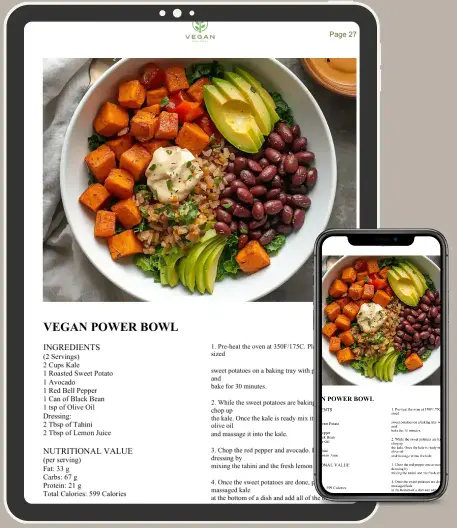
The Complete 28-Day Vegan Meal Plan + Grocery List
- 28-day structured calendar — breakfast, lunch, dinner & snack, every single day
- Every meal meets protein, iron & B12 — no guesswork, no gaps
- 4 weekly grocery lists — categorised, budget-friendly, zero waste
- Saves 7+ hours weekly — print once, follow all month
- Bonus Nutrition Guide Toolkit — vegan tips, guides & family meal prep
Instant digital download · Printable PDF · Use today
Putting It Together: Vegan Zinc Foods Work When the System Is Applied
Vegan zinc foods are not a compromise on zinc nutrition. They are a complete zinc nutrition strategy that requires one additional layer of understanding that omnivore diets do not: preparation. The zinc in pumpkin seeds, hemp seeds, lentils, chickpeas, and tempeh is real, abundant, and sufficient for daily requirements. The question is whether it leaves the food and enters the body, and the answer to that question is determined almost entirely by how the food is prepared before eating.
Soaking dried legumes overnight, choosing tempeh over fresh tofu as the primary weekly soy protein, using genuine sourdough bread over commercial yeast bread, roasting hulled seeds before eating, and including vitamin C at every main zinc meal produces a dietary zinc system that closes most of the bioavailability gap between plant and animal sources. These are practical, low-effort preparation habits that compound daily across every meal of the year.
For the groups that need more — men, pregnant women, people with skin and immunity concerns, or anyone whose eating pattern is inconsistent — 15-25mg zinc citrate daily provides the supplement layer that ensures no zinc gap persists regardless of day-to-day dietary variation. A vegan zinc foods strategy built on informed preparation, strategic food selection, and targeted supplementation when needed is a robust and fully sufficient approach to one of plant-based nutrition’s most misunderstood minerals. The deficit narrative is outdated. The preparation knowledge makes it so.
FAQ: 12 Questions About Vegan Zinc Foods
By zinc content per serving, hulled hemp seeds (3mg per 30g) contain the most zinc of any commonly used plant food at a daily serving size. By absorbed zinc after optimal preparation, roasted pumpkin seeds deliver the most accessible zinc per serving at approximately 0.9-1.0mg absorbed per 30g. Tempeh delivers similar absorbed zinc per 100g serving with the additional advantage of complete protein and near-animal bioavailability from fermentation. For practical daily use, the combination of pumpkin seeds as a snack and tempeh as the weekly protein anchor delivers the most reliable absorbed zinc from the fewest habit changes.
Yes, but it requires deliberate food selection and consistent preparation practices. Adult women (8mg RDA) can typically meet zinc requirements from a well-constructed plant diet using the preparation methods in this guide. Adult men (11mg RDA) and pregnant women (11mg RDA) face a higher target that requires very consistent daily seed consumption, regular tempeh, and properly soaked legumes. For anyone in an elevated-requirement group whose diet is inconsistent, a 15-25mg zinc citrate supplement functions as practical insurance without replacing the value of dietary zinc. Most nutrition authorities advise vegans to target 50% above the standard RDA in food intake to account for lower average plant zinc bioavailability.
Yes, significantly so. Both come from soybeans and have similar total zinc content. The difference is entirely bioavailability. Fresh tofu has not undergone phytate reduction and absorbs at 25-35% efficiency. Tempeh’s Rhizopus fermentation produces phytase during production, degrading phytic acid almost completely. The result is 40-55% absorption efficiency — nearly double that of fresh tofu at equivalent serving sizes. Additionally, tempeh contains slightly more zinc per 100g than firm tofu. The combination of higher content and dramatically better absorption makes tempeh the superior soy food for zinc nutrition by a clear margin. Replacing two tofu meals with tempeh per week produces a measurable improvement in zinc status over time.
Research reviewed at PubMed consistently shows that soaking legumes for 8-12 hours reduces phytic acid content by 30-50%. Since phytate is the primary zinc inhibitor in legumes, this translates to approximately 1.5-2.4 times more absorbed zinc from the soaked versus the unsoaked version of the same legume at the same meal. Over a full year of daily lentil eating, the cumulative difference in absorbed zinc between someone who always soaks and someone who never soaks is very substantial — easily the equivalent of months of zinc supplementation in terms of total zinc delivered to tissues. The effort required is minimal: put lentils in water the night before. The zinc payoff is not.
Yes. Zinc addresses acne through three independent mechanisms: it regulates sebaceous gland activity and reduces sebum overproduction, it inhibits Propionibacterium acnes bacterial proliferation in hair follicles, and it reduces the inflammatory neutrophil response that converts a blocked pore into a red inflamed pustule. Clinical trials have found zinc supplementation reduces acne severity comparably to low-dose antibiotic treatment in some study populations, without antibiotic resistance consequences. The full vegan diet and acne relationship — including the glycaemic index, dairy absence, and zinc roles — is at the vegan diet and acne guide.
Zinc citrate or zinc glycinate are the recommended forms for both bioavailability and gastrointestinal tolerability. Key selection points:
- Form: zinc citrate or zinc glycinate. Both absorb well and are gentle on the stomach.
- Avoid: zinc oxide, which is extremely cheap and extremely poorly absorbed — it is primarily a topical compound that appears frequently in low-cost multivitamins and supplements.
- Dose: 15-25mg daily for maintenance. 25-40mg for 8-week repletion if deficiency is suspected. Never exceed 40mg daily long-term without medical supervision.
- Timing: with food to prevent nausea. At least 2 hours away from iron supplements and high-dose calcium supplements to avoid absorption competition.
The most commonly presenting signs in plant-based eaters:
- Frequent infections and colds (more than 4 per year)
- Slow wound healing — minor cuts taking more than 10-14 days to heal fully
- Persistent inflammatory acne in adults
- Diffuse hair shedding across the whole scalp
- Reduced sense of taste — food tastes muted or flat without explanation
- Reduced sense of smell
- In men: unexplained low libido, fatigue, or reduced athletic recovery
These symptoms are non-specific and overlap with other deficiencies. A serum zinc blood test confirms deficiency. Request it alongside the standard vegan nutritional panel described at the vegan blood test guide.
Yes, through a direct enzymatic mechanism. Zinc is a cofactor for 17-beta-hydroxysteroid dehydrogenase, a critical enzyme in the final step of testosterone synthesis. In zinc-deficient men, testosterone levels fall measurably and restore to normal range within 6-12 weeks of zinc repletion. This effect is specific to deficiency correction: supplementing zinc in already zinc-sufficient men does not raise testosterone above the normal range. For vegan men who eat inconsistently or do not prioritise zinc-rich plant foods, zinc deficiency is a correctable and often overlooked contributor to low energy, reduced libido, and impaired muscle recovery. The full male vegan nutrition framework is at the vegan men’s nutrition guide.
They have different strengths and the best answer is to use both across the week. Pumpkin seeds deliver higher absorbed zinc per serving (0.9-1.0mg) after roasting due to their excellent phytate reduction response to heat treatment. Hemp seeds deliver slightly higher total zinc content (3mg vs 2.5mg per 30g) but at lower absorption efficiency (25-30%). Hemp seeds have the advantage of complete protein, optimal omega-3 ratio, and substantially higher magnesium content. For a zinc-maximisation day, roasted pumpkin seeds at snack time and hulled hemp seeds scattered on morning porridge covers both bases. Rotating between them also provides broader mineral diversity than using one exclusively.
Zinc toxicity from food alone is essentially impossible. The body regulates zinc absorption through metallothionein, a metal-binding protein that sequesters excess dietary zinc before it enters circulation. The tolerable upper limit of 40mg daily applies specifically to supplemental zinc taken regularly. Chronic supplemental excess above 40mg daily can cause copper deficiency by competing for the shared intestinal transporter. At standard supplemental doses of 15-25mg alongside dietary zinc, toxicity risk is negligible. Ensuring adequate copper intake from cashews, seeds, and legumes provides the balance mineral that protects against any potential zinc-copper competition from supplementation.
Three important mineral interactions are worth managing actively on a plant-based diet:
- Zinc and iron: both use the DMT1 intestinal transporter. High-dose iron supplements (above 25mg) taken at the same meal as zinc-rich foods significantly reduce zinc absorption. Separate iron and zinc supplements by at least 2 hours. Dietary iron and zinc from food at the same meal do not create this competition at normal concentrations.
- Zinc and calcium: high-dose calcium supplements (above 300mg) compete with zinc absorption. Separate calcium supplements from zinc-rich meals and zinc supplements. Dietary calcium from plant foods does not create this level of competition.
- Zinc and copper: zinc and copper share an absorption pathway and oppose each other at high intakes. Maintaining dietary copper from cashews, seeds, and legumes ensures the zinc-copper balance remains appropriate even at standard supplemental zinc doses.
The broader mineral interaction picture is covered in the vegan calcium guide and the vegan iron guide.
Not always, but more often than most vegans currently do. The evidence suggests that vegans eating inconsistently, without daily seeds, without soaked legumes, and without regular tempeh consumption are likely to have suboptimal zinc status that would benefit from supplementation. Vegans eating consistently following the preparation and food selection principles in this guide can meet requirements without supplementation in most cases, particularly women at the lower 8mg RDA. Men, pregnant women, and people with active zinc-dependent concerns (skin, immunity, fertility) should supplement 15-25mg zinc citrate daily regardless of dietary consistency. Testing serum zinc annually is the most reliable way to confirm whether dietary zinc strategy is adequate without supplementation. Request this test alongside the full nutritional blood panel recommended at the vegan supplements guide.
