


📋 Practical note: Menu offerings and preparation methods vary by region and individual restaurant. Always confirm ingredients directly with your server or the kitchen.
Vegan Options at Restaurants: 7 Cuisines, Zero Guesswork
Vegan options at restaurants exist in every cuisine when you know what to ask for. This guide covers 7 major cuisines (Italian, Thai, Indian, Mexican, Chinese, Middle Eastern, Japanese), the safest dishes to order in each, the hidden ingredient traps that trip up even experienced vegans, and the exact ordering phrases that get you a great meal without guesswork.
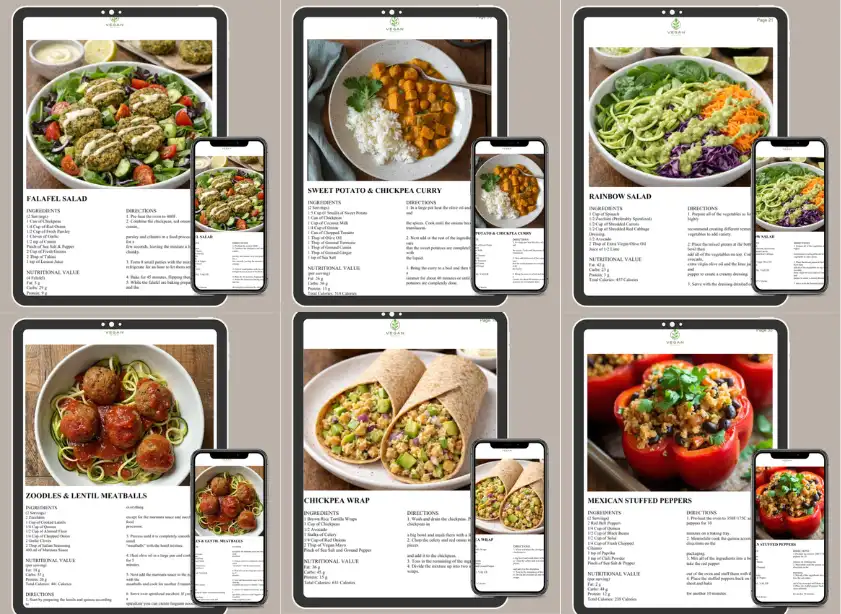
Most people searching for vegan options at restaurants are not actually struggling with the menu. They are struggling with a single thought: “I don’t want to be the difficult one at the table.” That internal blocker is more powerful than any hidden fish sauce or egg wash. Here is the truth: asking clear questions about ingredients is normal. Chefs prefer a specific request before cooking over a dish sent back to the kitchen. And most cuisines around the world have naturally plant-based dishes that require zero modification when you know what they are called.
This guide gives you the exact safe dishes, hidden traps, and ordering phrases for seven major cuisines. You will walk into any restaurant knowing what to order and what to ask. The Ultimate 28-Day Vegan Meal Plan + Grocery List (Complete Solution) complements this perfectly with simple recipes with common supermarket ingredients so you always have a backup plan at home.
The 3-Question System That Works at Any Restaurant
Before diving into individual cuisines, master this universal framework. These three questions, asked in order, will get you a safe vegan meal at any restaurant in the world. They work because they are specific, easy for the server to answer, and do not require the kitchen to redesign the menu.
This opens the conversation positively and lets the server guide you to the kitchen’s strengths.
This covers the four most common hidden ingredients across all cuisines. It is specific and easy for the kitchen to verify.
In many restaurants, butter is added at the very end, to vegetables, rice, pasta, and even steaks. This final question catches the most common finish that turns a vegan dish non-vegan.
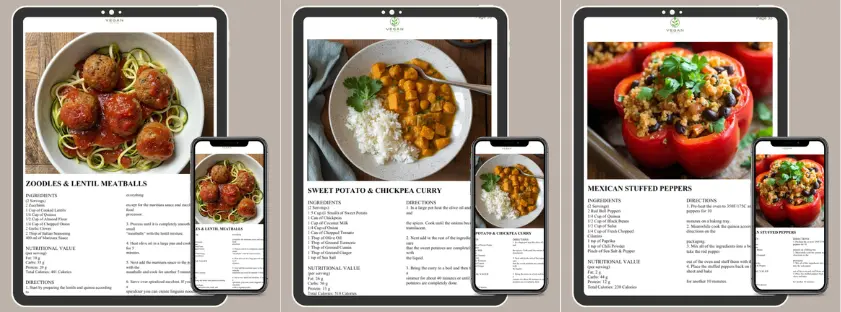
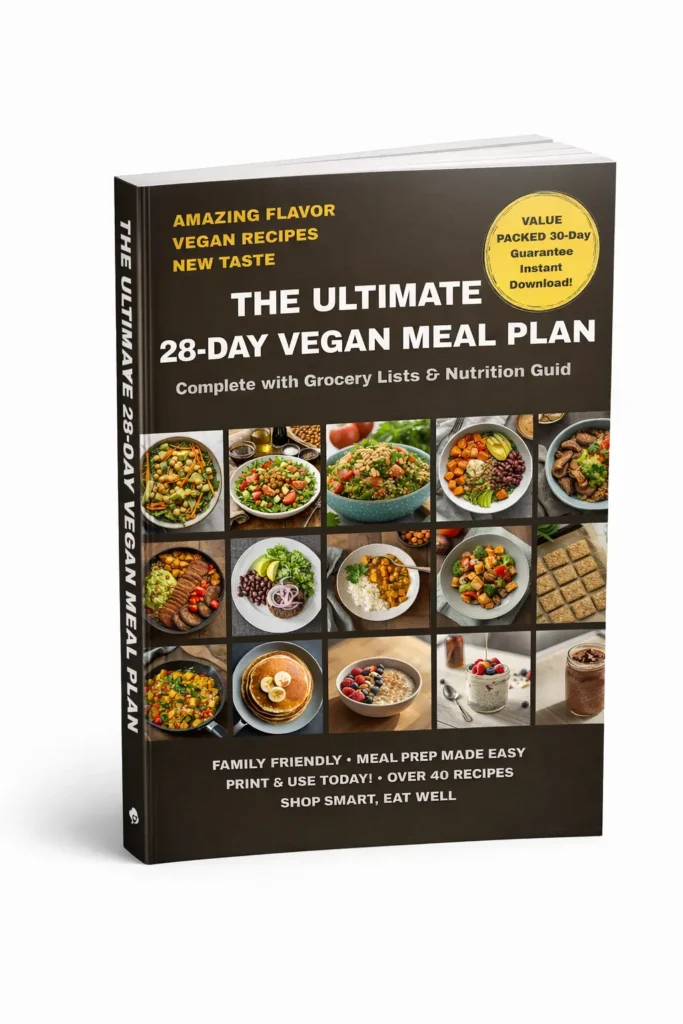
28-Day Vegan Meal Plan + Grocery list.
Transform your lifestyle with our comprehensive guide. This isn’t just a recipe book; it’s a complete system designed for success:
- 28-Day Meal Plan every meal, nothing to figure out
- 4 Weekly Grocery Lists sorted by aisle, saves money
- Balanced Macros protein, iron and B12 daily
- Under $1 Per Serving eat well on any budget
- 90-Min Sunday Prep one session, whole week fed
- Vegan Swaps Guide meat, dairy and eggs replaced
- Nutrition Toolkit protein targets and dining guide
- 36 Chef Recipes every meal photographed
🇮🇹 Italian
✅ Safe Dishes
- Pasta aglio e olio (garlic and oil)
- Bruschetta (check no parmesan garnish)
- Ribollita (Tuscan bread soup)
- Panzanella (bread salad)
- Grilled vegetables
- Tomato-based pasta (marinara)
⚠️ Hidden Traps
- Fresh pasta contains egg (ask for dried)
- Parmesan in risotto and most sauces
- Anchovy in puttanesca
- Lard in some breads
- Butter finish on vegetables
Italian cuisine is more navigable than French but less straightforward than many assume. The key distinction is pasta: fresh pasta (fresca) contains egg; dried pasta (secca) is typically just semolina flour and water. Always confirm the pasta type, and never assume a tomato sauce is dairy-free, butter or parmesan rind may be simmered into the base. For more on navigating Italian menus, the beginner vegan diet guide includes a full section on European dining.
🇹🇭 Thai
✅ Safe Dishes
- Vegetable pad see ew (specify no egg)
- Papaya salad (specify no dried shrimp)
- Fresh spring rolls
- Mango sticky rice
- Most vegetable curries (specify no fish sauce)
⚠️ Hidden Traps
- Fish sauce in almost everything
- Oyster sauce in stir-fries
- Shrimp paste in many curry pastes
- Egg in pad thai and fried rice
- Dried shrimp in papaya salad
Thai cuisine is arguably the most vegan-friendly cuisine globally, once you navigate the fish sauce. The word “Jay” (pronounced “jay”) signals to the kitchen that you follow a plant-based diet, and most Thai cooks immediately understand to omit fish sauce, oyster sauce, and shrimp paste. Always confirm curry pastes are made without shrimp paste, as this is a standard ingredient even in “vegetable” curries. The vegan travel tips international guide covers Thailand and other vegan-friendly destinations in depth.
🇮🇳 Indian
✅ Safe Dishes
- Dal (lentil soup)
- Chana masala (chickpea curry)
- Aloo gobi (potato and cauliflower)
- Baingan bharta (roasted eggplant)
- Vegetable biryani
- Roti (usually vegan)
⚠️ Hidden Traps
- Ghee in most cooking including dal
- Paneer assumed in vegetarian dishes
- Yogurt marinades for meats and vegetables
- Cream in korma and butter sauces
- Butter naan (roti is safer)
Indian cuisine is naturally rich in plant-based dishes, but ghee (clarified butter) is the universal cooking fat. Even a simple dal is often finished with a ghee tempering. Asking for “Jain-style” or specifying “no ghee, oil only” is essential. The vegan protein sources guide covers legumes and lentils, which form the foundation of Indian vegan eating.
🇲🇽 Mexican
✅ Safe Dishes
- Bean tacos (check lard)
- Guacamole
- Salsa and chips
- Rice (check stock)
- Vegetable fajitas (no cheese/sour cream)
- Elotes without cheese
⚠️ Hidden Traps
- Lard in refried beans and tamale masa
- Chicken stock in rice
- Beef stock in beans
- Cheese assumed on everything
- Sour cream garnish standard
Mexican cuisine appears vegan-friendly but has two major traps: lard in beans and chicken stock in rice. Asking “frijoles sin manteca” is the single most important phrase. Many restaurants now offer whole black beans as a lard-free alternative to refried beans. The whole food vegan diet guide includes a full section on building plant-based Mexican meals at home.
🇨🇳 Chinese
✅ Safe Dishes
- Vegetable fried rice (specify no egg)
- Steamed vegetables with garlic
- Mapo tofu (specify no pork, check stock)
- Edamame
- Vegetable dumplings (specify no pork)
⚠️ Hidden Traps
- Oyster sauce in almost all vegetable dishes
- Pork lard in wok cooking
- Egg in fried rice
- Fish sauce in soups
- Chicken stock in “vegetable” soups
Chinese restaurant ordering hinges on one ingredient: oyster sauce. It is in nearly every vegetable stir-fry unless you specifically request otherwise. Asking for “pure vegetarian” or “Buddhist vegetarian” preparation signals the kitchen to use vegetarian oyster sauce (made from mushrooms) or omit it entirely. The vegan fast food guide covers quick-service Chinese options as well.
🇱🇧 Middle Eastern & Mediterranean
✅ Safe Dishes
- Hummus
- Falafel (check no egg binder)
- Tabbouleh
- Fattoush
- Baba ganoush
- Mujadara (lentils and rice)
- Stuffed grape leaves (check no meat)
⚠️ Hidden Traps
- Yogurt in tzatziki and labneh
- Clarified butter in some pilafs
- Lamb stock in some lentil soups
- Egg in some falafel recipes
- Feta garnish on salads
This is my own culinary tradition, and I can tell you with confidence: Middle Eastern and Mediterranean cuisine is the most naturally vegan-friendly in the world. The mezze tradition, small shared plates, is built on plant-forward dishes: hummus, baba ganoush, tabbouleh, falafel, dolmas, and lentil soups. The only consistent trap is yogurt, which appears in tzatziki, labneh, and sometimes as a garnish on otherwise vegan dishes. A simple “no yogurt, no cheese” covers most situations. For home cooking inspiration, the Middle Eastern vegan recipes guide covers all the classics.
Tired of overthinking your meals?
What’s included in your download
- 28-Day Meal Plan
- 4 Weekly Grocery Lists
- Balanced Nutrtion, protein, iron, B12
- Under $1 Per Serving
- 90-Min Sunday Prep
- Vegan Swaps Guide
- Nutrition Toolkit
- Beginner Action Plan
- Dining Out Guide
- 36 Chef Recipes
Instant PDF download. No subscriptions.
🇯🇵 Japanese
✅ Safe Dishes
- Vegetable sushi rolls (kappa maki, avocado roll)
- Edamame
- Agedashi tofu (check dashi)
- Vegetable tempura (check batter and oil)
- Miso soup (check dashi)
⚠️ Hidden Traps
- Dashi (fish stock) in miso soup and sauces
- Bonito flakes on okonomiyaki and agedashi
- Hidden fish in many sauces
- Egg in tamago and some batters
- Shared fryer oil with seafood
Japanese cuisine is the most challenging on this list for vegans. Dashi, a stock made from dried fish and seaweed, is the foundation of nearly every soup, sauce, and simmered dish. Miso soup? Dashi. Agedashi tofu? Dashi in the sauce. Even vegetable tempura dipping sauce contains dashi. The key is specifying “kombu dashi only”, seaweed stock without the fish. Sushi restaurants are often the easiest Japanese option: vegetable rolls, inari (tofu pouches), and edamame are reliably vegan. The vegan social situations guide covers navigating group dinners at Japanese restaurants.
When the Menu Has Nothing: The Emergency Protocol
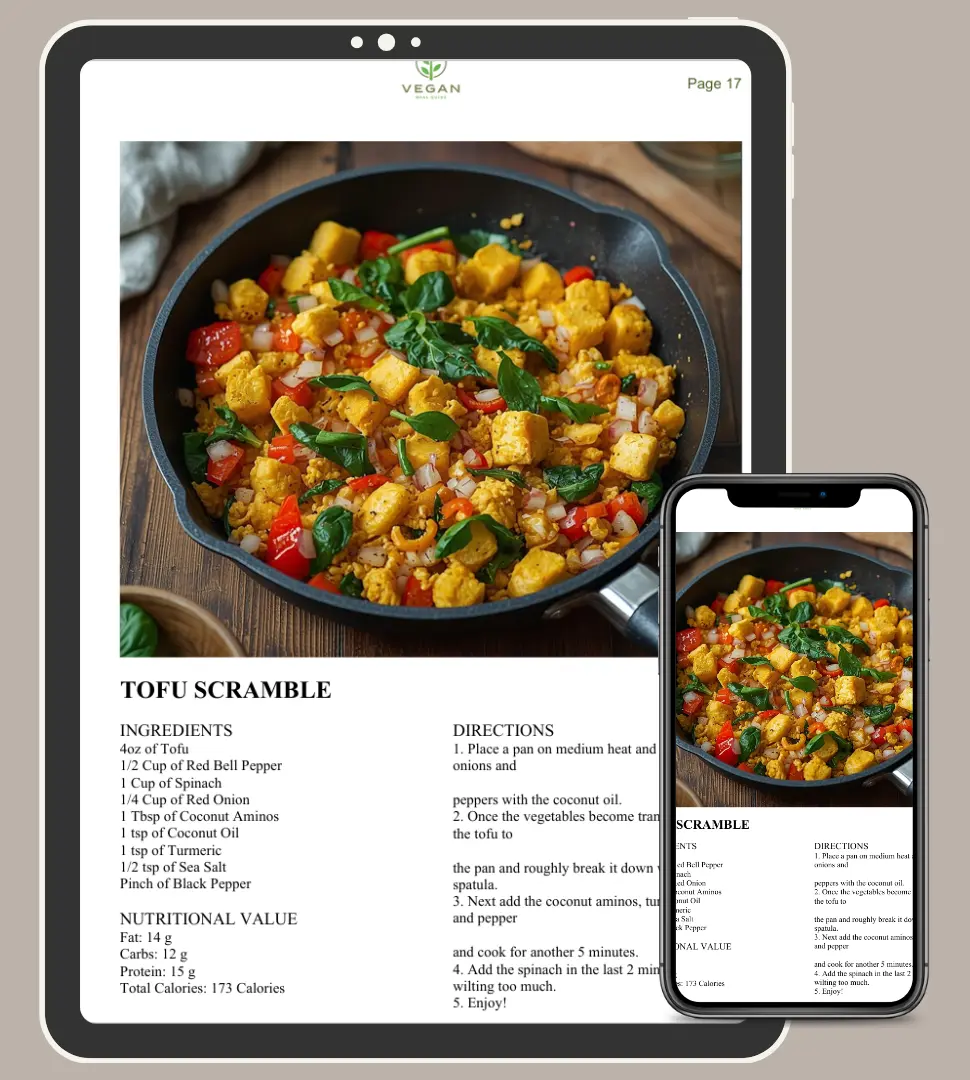
You have scanned the menu twice. There is genuinely nothing obviously vegan. Do not panic. This flowchart protocol will get you fed.
Frequently Asked Questions About Vegan Options at Restaurants
What can vegans eat at most restaurants?
In most restaurants, vegans can eat salads (without cheese, creamy dressing, or croutons made with butter), steamed or roasted vegetables (request no butter), plain baked potatoes, rice (check for stock), pasta with marinara sauce (confirm no egg in pasta, no cheese in sauce), and bean-based dishes (confirm no lard or stock). The key is asking specific questions about preparation rather than relying on menu descriptions.
How do I find vegan options at restaurants near me?
Three tools: HappyCow (global vegan restaurant finder with user reviews), Google Maps (search within reviews for “vegan” to see what others ordered), and Yelp (filter by “vegan” or search reviews). Before agreeing to a restaurant, check the menu online. If nothing is obviously vegan, call ahead and ask: “I’m looking at your menu online. Are there dishes that can be prepared without animal products?”
What is the most vegan-friendly cuisine?
Middle Eastern and Mediterranean cuisine is the most naturally vegan-friendly globally. The mezze tradition is built on plant-based dishes: hummus, baba ganoush, tabbouleh, falafel, dolmas, and lentil soup. Ethiopian cuisine is a close second, with fasting platters that are entirely vegan by religious tradition. Thai and Indian cuisines are also excellent when you specify no fish sauce or ghee.
How do I ask about vegan options without being difficult?
Use the 3-question system from this guide. Frame questions positively: “What dishes are naturally plant-based?” rather than “What can I eat?” Be specific: “Does this contain dairy, eggs, or fish sauce?” rather than “Is this vegan?” And thank the server genuinely when they check with the kitchen. Servers remember polite, clear customers positively.
What hidden ingredients should vegans watch for at restaurants?
The eight most common traps: fish sauce (Thai, Vietnamese, Korean), chicken stock in vegetable soups, butter on vegetables and rice, egg in fresh pasta, anchovies in Caesar dressing and Worcestershire, gelatin in desserts, lard in refried beans, and dairy in bread. Always confirm these specifically rather than assuming a dish is vegan based on its name.
Is it safe to order vegetarian and ask for no dairy?
This works in many restaurants, but it is not foolproof. “Vegetarian” dishes often contain eggs, cheese, cream, or butter. Asking for “no dairy” addresses the obvious but may miss eggs in pasta, fish sauce in stir-fries, or stock in soups. The safer approach is the 3-question system, which catches these hidden ingredients before ordering.
What do I do if there are no vegan options on the menu?
Follow the emergency protocol: ask for a custom plate from sides, request the chef build something from available ingredients, or use apps to find a nearby alternative. If you are already seated and cannot leave, a baked potato with steamed vegetables and oil and vinegar is available at nearly every restaurant. It is not exciting, but it is food.
How do I eat vegan at fast food restaurants?
Most fast food chains now have vegan options or modifications. Chipotle: sofritas or beans, rice, fajita vegetables, guacamole, salsa. Taco Bell: bean burrito “fresco style” (no cheese, add guacamole). Burger King: Impossible Whopper without mayo. Always check the chain’s allergen guide online before ordering, as preparation varies by location. The vegan fast food guide covers all major chains.
What should I say at a restaurant if I’m vegan?
The exact script: “I avoid all animal products, no meat, dairy, eggs, fish sauce, or meat stock. What dishes on the menu are naturally plant-based or can be prepared that way?” This is specific, clear, and frames the request as a collaboration rather than a demand. Avoid saying “I’m vegan, what can I eat?” which puts the burden entirely on the server.
Are there any cuisines I should avoid as a vegan?
French cuisine is the most challenging, butter, cream, and stock are foundational. American diners and steakhouses offer few options beyond plain salads and baked potatoes. Japanese cuisine requires careful navigation due to dashi. However, no cuisine is impossible. With the right questions and the ordering phrases in this guide, you can find something to eat anywhere.
How do I handle social situations at non-vegan restaurants?
Three strategies: check the menu online before agreeing to the restaurant and call ahead if needed, eat a small snack beforehand so you are not starving and anxious, and redirect conversation away from your food. “I’m good with this, the kitchen was really helpful. How’s your [dish]?” deflects attention gracefully. The vegan social situations guide covers this in depth.
What is the easiest way to stay consistently vegan?
The simplest approach is having a reliable system at home so restaurant meals become the exception, not the daily stressor. The Ultimate 28-Day Vegan Meal Plan + Grocery List (Complete Solution) includes easy weekly grocery lists, 4 weeks covered and nutritionist-approved recipes, making it easy to eat well at home without planning everything from scratch. When you do eat out, this guide gives you the exact scripts and safe dishes for every cuisine.
You now have a complete system for finding vegan options at restaurants across seven major world cuisines. The 3-question ordering framework that works at any restaurant. The exact safe dishes in Italian, Thai, Indian, Mexican, Chinese, Middle Eastern, and Japanese cuisine. The hidden ingredient traps specific to each cuisine, and the precise ordering phrases, from “Jay” in Thai to “frijoles sin manteca” in Spanish, that signal the kitchen you know exactly what you are doing. The emergency protocol for when the menu genuinely has nothing. And an inside perspective from a chef on what kitchens can actually do and what they wish you knew. This knowledge transforms restaurant dining from a source of anxiety into a skill. The Ultimate 28-Day Vegan Meal Plan + Grocery List (Complete Solution) gives you the home foundation: 36 chef-tested recipes with a photo for every recipe, complete 28-day calendar with shopping lists, and simple recipes with common supermarket ingredients. The plan is nutritionist-approved, includes a bonus Vegan Nutrition Guide Toolkit, and is backed by a 30-day money-back guarantee, no questions asked. Eat well, everywhere.
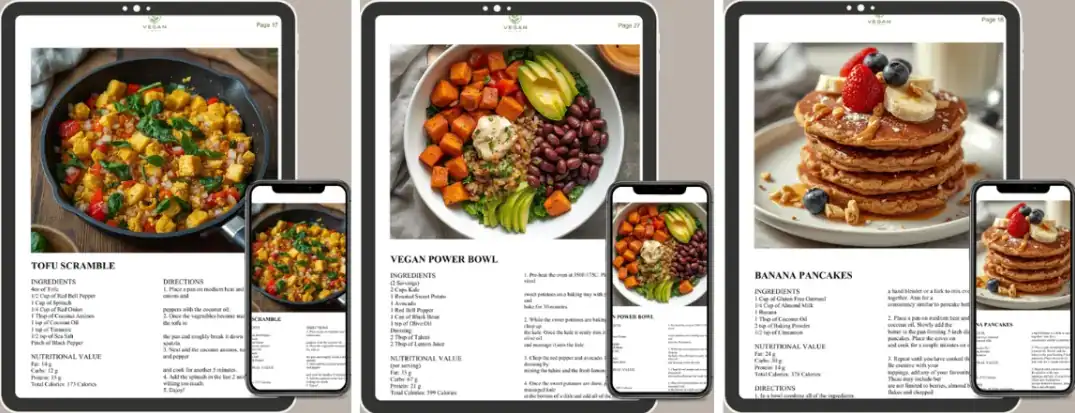
🍴 Master the Art of Dining Out
Navigating a non-vegan menu is a skill. Use these resources to ensure you always find a delicious, plant-powered meal:
- 🍔 Fast Food Hacks: Survival Guide for 25+ Chain Restaurants
- 🤝 Social Survival: Dating, Holidays, and Work Events
- 🧪 Menu Logic: The Best Protein Sources to Look For
- ✈️ On the Go: International Travel & Airport Survival
Want a 28-day plan for when you’re NOT eating out?
Get the 28-Day Success BundleP.S. For a no-stress way to start, I created a 28-Day Vegan Meal Plan that comes with all the grocery lists and nutrition info you’ll need. Get it here.
Want to try before you buy?
Enter your email below to get 2 free recipes instantly: