

Disclaimer: This article is for informational purposes only. Always confirm ingredients with restaurant staff, as menus and preparation methods vary. The scripts provided are suggestions; use your judgment in each situation.
How to Eat Vegan at Restaurants: 12 Scripts That Work
How to eat vegan at restaurants without anxiety. This guide gives you 12 word-for-word scripts for every situation—from booking to handling mistakes—a cuisine-by-cuisine guide ranking 10 cuisines from safest to trickiest, and the 3-question system that works anywhere. You’ll also learn the 8 most common hidden ingredients, 5 fixes when the menu has nothing, and exactly what chefs actually want you to say.
Most vegans who struggle with how to eat vegan at restaurants are not struggling with the menu. They are struggling with a single thought: “I don’t want to be difficult.” That internal blocker is more powerful than any hidden fish sauce or egg wash. Once you reframe the interaction—you are not being difficult, you are being clear about a dietary requirement that the kitchen is professionally equipped to handle—everything changes. This guide gives you the exact words to use, the three questions that work everywhere, and the confidence to eat well anywhere.
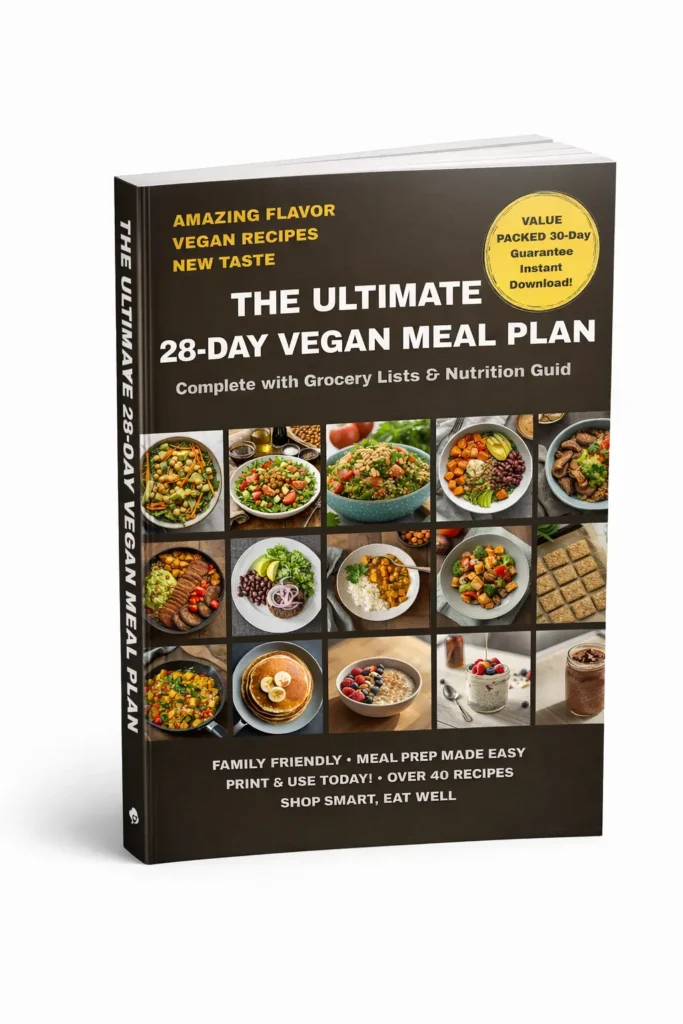
You will learn the 3-question system that works at any restaurant, 12 situation-specific scripts you can use verbatim, a cuisine ranking from safest to trickiest, the 8 hidden ingredients that trip up even experienced vegans, and the tools that make restaurant research fast. You’ll also get a chef’s inside perspective on what kitchens can genuinely do—and what they wish you knew. The Ultimate 28-Day Vegan Meal Plan + Grocery List (Complete Solution) complements this guide with simple recipes with common supermarket ingredients so you always have a backup plan at home.
The 3-Question System That Works at Any Restaurant
Before we get to the scripts, you need a framework. These three questions, asked in this order, will get you a great vegan meal at any restaurant in the world. They work because they are specific, easy for the server to answer, and do not require the kitchen to redesign the menu.
Question 1: “Does this dish contain any dairy, egg, fish sauce, or animal stock in the base?”
This is the opening question. It covers the four most common hidden animal ingredients across all cuisines. Notice what it does not do: it does not ask “Is this vegan?” That word is not universally understood, and it puts the burden of interpretation on the server. Instead, you name the specific ingredients you avoid. The server can check with the kitchen quickly and return with a clear answer.
Question 2: “Can the kitchen prepare this without [specific ingredient]?”
If Question 1 reveals an issue, do not abandon the dish immediately. Ask if it can be modified. “Can the kitchen prepare the pad thai without fish sauce and egg?” is a reasonable request that most kitchens can accommodate. The key is to name the specific ingredient to omit, not to say “make it vegan.”
Question 3: “What do the vegan diners usually order here?”
This is the secret weapon. Servers hear this question regularly, and they often have an immediate answer. It signals that you are part of a community of diners they have served before, and it frames the request as routine rather than exceptional. This question alone has produced off-menu vegan dishes, chef specials, and combinations the server has seen work well.
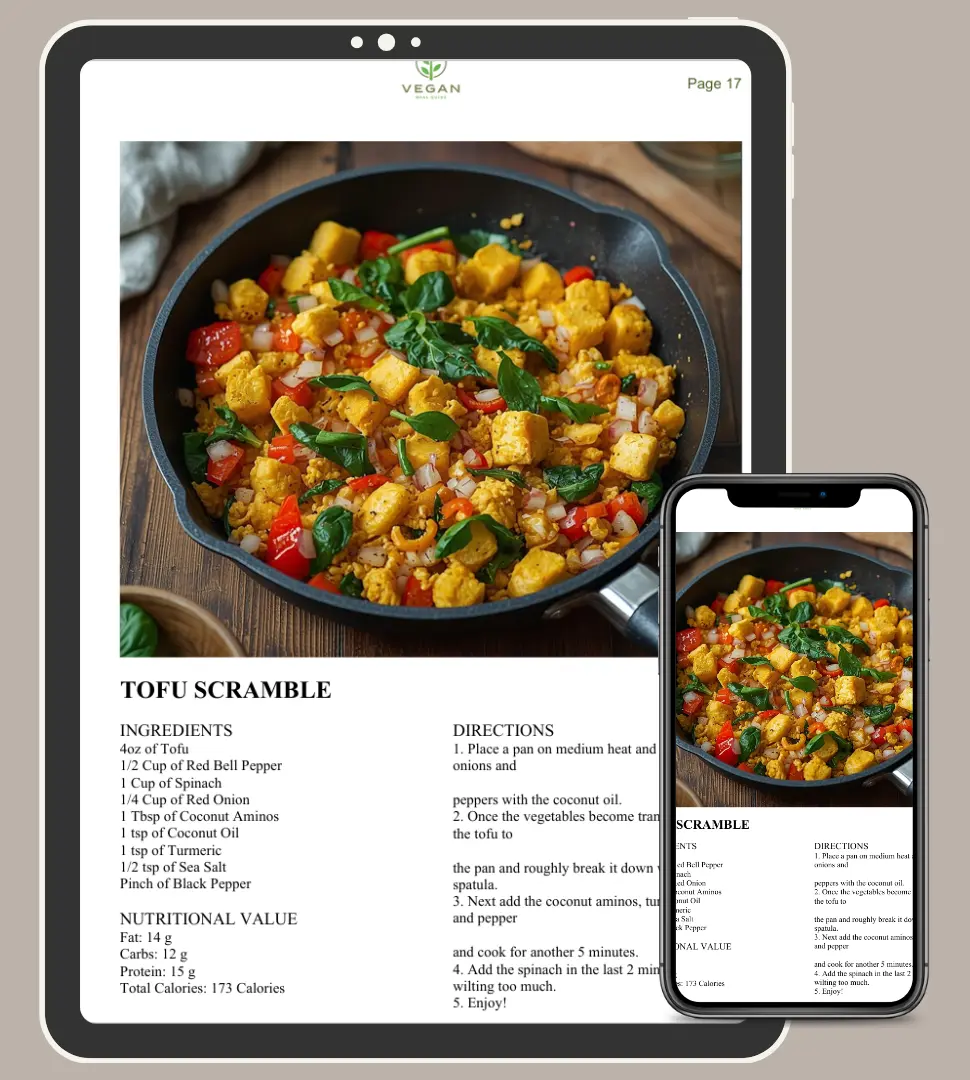
Psst.. Start your transformation now. Everything is done for you, 36 chef vegan recipes, 4 weekly grocery lists, and a full 28-day Meal Plan. Zero thinking, every meal decided. Balanced macros daily, one Sunday prep feeds your whole week. No subscription.
Get the Plan →12 Scripts by Situation: Exactly What to Say
These are word-for-word scripts you can use. Adapt the tone to your personality, but the structure works. Each script includes the exact phrasing, when to use it, and why it works.
These scripts work because they are specific, polite, and assume competence in the kitchen. The beginner vegan diet guide includes additional scripts for social situations beyond restaurants, including family gatherings and work events.
Cuisine-by-Cuisine Guide: Safest to Trickiest
Some cuisines are naturally more vegan-friendly. Others require more navigation. Here is the ranking, with exactly what to order and what to watch for in each.
For more on navigating specific cuisines, the Middle Eastern vegan recipes guide covers the naturally plant-based dishes of that region, and the vegan travel tips international guide covers eating abroad in depth.
28-Day Vegan Meal Plan + Grocery list.
Transform your lifestyle with our comprehensive guide. This isn’t just a recipe book; it’s a complete system designed for success:
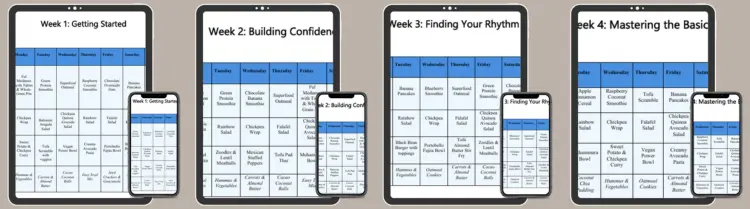
- 28-Day Meal Plan every meal, nothing to figure out
- 4 Weekly Grocery Lists sorted by aisle, saves money
- Balanced Macros protein, iron and B12 daily
- Under $1 Per Serving eat well on any budget
- 90-Min Sunday Prep one session, whole week fed
- Vegan Swaps Guide meat, dairy and eggs replaced
- Nutrition Toolkit protein targets and dining guide
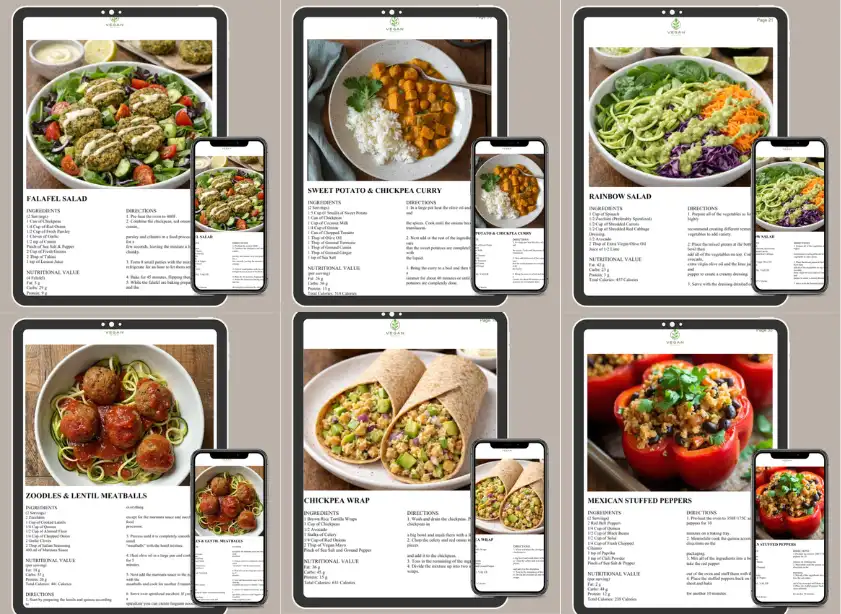
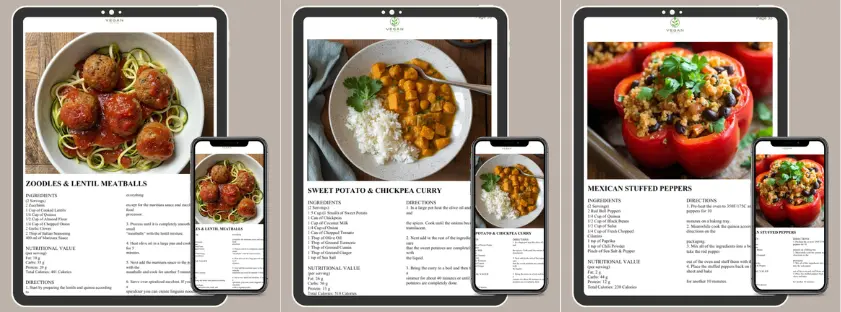
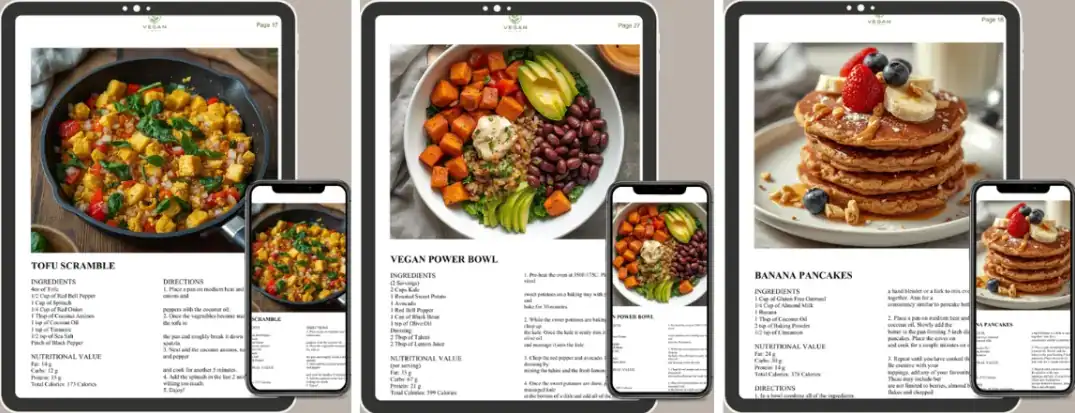
- 36 Chef Recipes every meal photographed
When the Menu Has Nothing: 5 Fixes That Work
You have scanned the menu twice. There is genuinely nothing vegan. Do not panic. These five strategies will get you fed.
Apps and Tools That Actually Help
These are the tools that experienced vegan diners use. They are fast, reliable, and remove the guesswork from restaurant selection.
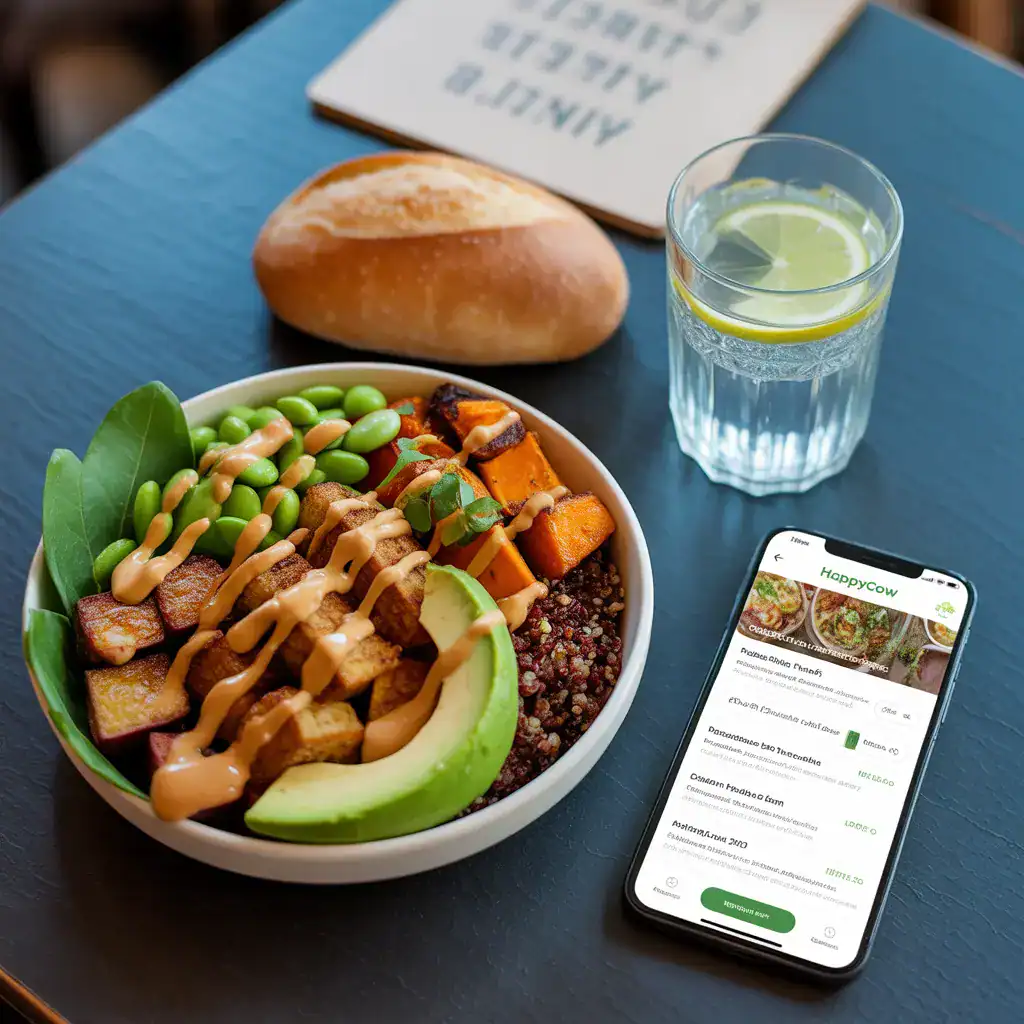
HappyCow
The definitive vegan and vegetarian restaurant finder. Available as a website and app, it shows vegan, vegetarian, and veg-friendly restaurants worldwide, with user reviews specifically about vegan options. The paid version adds offline access—essential for travel. For any unfamiliar city, check HappyCow before you go.
Google Maps Vegan Filter
Search for a restaurant, tap “Reviews,” then search within reviews for “vegan.” This surfaces comments from actual diners who have navigated the menu before you. It is faster than reading the entire review section and gives you specific dish recommendations.
Dietary Cards in Local Languages
For international travel, carry a small card that states your dietary restrictions in the local language. “I do not eat meat, fish, eggs, dairy, or fish sauce.” Apps like Vegan Passport provide digital versions, but a physical card works when your phone dies or when showing the kitchen directly is easier.
The vegan options at restaurants guide includes a more detailed breakdown of these tools plus region-specific resources.
Frequently Asked Questions About How to Eat Vegan at Restaurants
What are the most common hidden animal ingredients in restaurant food?
Fish sauce (Thai, Vietnamese, Korean), chicken stock in vegetable soups, butter on vegetables and rice, egg in fresh pasta, anchovies in Caesar dressing and Worcestershire sauce, gelatin in desserts, lard in refried beans, and dairy in bread. Always ask specifically about these rather than using the word “vegan.”
Should I call ahead to a restaurant about vegan options?
Yes, for fine dining, tasting menus, or special occasions. For casual dining, calling ahead is optional but appreciated. The script: “I wanted to note that one person in our party avoids all animal products—dairy, eggs, fish sauce, and meat. Is that something your kitchen can accommodate comfortably?” This gives them time to prepare and you peace of mind.
What is the easiest way to eat vegan at restaurants?
The simplest approach combines preparation with the right scripts. The Ultimate 28-Day Vegan Meal Plan + Grocery List (Complete Solution) gives you simple recipes with common supermarket ingredients for home, so restaurant meals become the exception, not the daily stressor. When you do eat out, use the 3-question system and the 12 scripts in this guide.
Should I say I have an allergy if I’m vegan?
No. Do not claim an allergy if you do not have one. It undermines the seriousness of true allergies for diners who have life-threatening reactions. Instead, be specific about your dietary restriction: “I avoid all animal products.” If cross-contamination is a concern for you personally, you can say “I have a strong sensitivity” or “I cannot have any contact with dairy” without claiming a medical allergy. The distinction matters to kitchen staff.
How do I handle a romantic dinner or special occasion?
Call ahead. “I have a reservation for two on Friday. I wanted to note that I avoid all animal products—no dairy, eggs, meat, or fish sauce. I’d love for the kitchen to know in advance so we can have a special evening without any awkward moments at the table.” Most fine dining kitchens appreciate this and will prepare something off-menu.
What can I eat at a steakhouse as a vegan?
This is one of the hardest restaurant types for vegans. Options: baked potato (no butter, no sour cream), steamed vegetables (request no butter), plain salad with oil and vinegar, and sometimes a portobello mushroom “steak” if they are willing. Call ahead or check the menu online before agreeing to a steakhouse. If you must go, eat something beforehand and treat the restaurant as a social occasion rather than a meal.
How do I order vegan at a Japanese restaurant?
Japanese cuisine is challenging due to dashi (fish stock) in miso soup, sauces, and simmered dishes. Safe options: edamame, vegetable sushi rolls (cucumber, avocado, pickled radish—confirm no mayonnaise), agedashi tofu (request no bonito flakes, confirm dashi-free sauce), and vegetable tempura (confirm batter is egg-free). Always ask: “Is there dashi or bonito in this?” The vegan options at restaurants guide covers Japanese dining in more detail.
What are the vegan traps in Indian restaurants?
Ghee (clarified butter) is the main trap. It appears in many curries, breads, and rice dishes. Cream is used in rich sauces like tikka masala and korma. Paneer (cheese) is common in vegetarian dishes. Ask: “Is this made with ghee or oil? Does it contain cream or paneer?” Many Indian restaurants understand “vegan” and can guide you to dal, chana masala, aloo gobi, and vegetable biryani made with oil.
How concerned should I be about cross-contamination?
This is a personal decision. Some vegans are comfortable with shared grills and fryers; others are not. If shared equipment bothers you, you must ask specifically: “Are the fries cooked in the same oil as meat or fish?” and “Is the veggie burger cooked on the same grill as meat?” Be prepared for the answer to be yes at most casual restaurants. If this is a concern, prioritize dedicated vegetarian or vegan restaurants.
Should I tip differently based on vegan accommodation?
No. If the server and kitchen accommodate your requests professionally, tip as you normally would. If they go significantly above and beyond—creating an off-menu dish, checking multiple ingredients with the kitchen, making you feel genuinely welcome—consider a higher tip and a genuine thank-you. Positive reinforcement makes restaurants more vegan-friendly for everyone. The vegan meal plan for families guide includes additional dining-out etiquette for group meals.
How do I eat vegan while travelling internationally?
Three tools: HappyCow (global vegan restaurant finder), Google Maps with “vegan” search within reviews, and dietary cards in the local language. Learn the words for “no meat, no fish, no egg, no dairy, no fish sauce” in the local language. Prioritize cuisines that are naturally vegan-friendly: Indian, Ethiopian, Middle Eastern, and Thai (with careful ordering). The vegan travel tips international guide covers this comprehensively.
What if they mess up my order twice?
At this point, it is reasonable to politely decline the dish and ask for it to be removed from the bill. “I’m sorry—this still has cheese on it, and I mentioned I avoid dairy. I think I’ll pass on this dish. Could you please remove it from the bill?” You do not need to be aggressive. You also do not need to pay for food you cannot eat. Most restaurants will comply without issue. If they push back, remain calm and repeat your request. The vegan diet for seniors guide includes additional scripts for handling difficult dining situations gracefully.
You now have everything you need to master how to eat vegan at restaurants without anxiety. The 3-question system that works at any restaurant, any cuisine, any country. Twelve word-for-word scripts covering every situation from booking ahead to handling mistakes mid-meal. A cuisine-by-cuisine ranking from safest Indian and Ethiopian to trickiest French and diner food. The eight hidden ingredients that trip up even experienced vegans, and exactly how to ask about them. Five fixes for when the menu genuinely has nothing. The apps and tools that make restaurant research fast. And an inside perspective from a chef on what kitchens can actually do—and what they wish you knew. This knowledge transforms restaurant dining from a source of stress into a skill you can rely on. The Ultimate 28-Day Vegan Meal Plan + Grocery List (Complete Solution) complements this perfectly with 36 chef-tested recipes with a photo for every recipe and simple recipes with common supermarket ingredients, so you always have a delicious vegan meal waiting at home. The plan is nutritionist-approved, includes a complete 28-day calendar with shopping lists, and is backed by a 30-day money-back guarantee, no questions asked. Eat well, everywhere.
🌍 Navigate the World with Confidence
Mastering the menu is just one part of the social side of being vegan. Use these guides to handle every social situation like a pro:
- 👥 Social Situations: Social Survival: Handling Friends, Family & Holidays
- ✈️ On the Road: The Ultimate Vegan Travel & International Guide
- 🛒 Quick Groceries: Grocery Store Map: Find Staples Anywhere
- 🥦 Protein Facts: Deficiency Guide: How Much Protein Do You Really Need?
Want to stop worrying about what to eat?
Get the 28-Day “No-Stress” Meal PlanP.S. If figuring out what to cook each night is the hardest part, I’ve done the planning for you. Get my 28-Day Vegan Meal Plan with grocery lists and nutrition guides here.
Want to try before you buy?
Enter your email below to get 2 free recipes instantly: