This guide covers research on dietary patterns and metabolic outcomes. It is for informational purposes and does not replace medical advice. Individual metabolic responses vary. If you have a medical condition affecting weight or metabolism, consult a healthcare professional before making significant dietary changes.
Vegan Metabolism: Why Plant Eaters Burn More at Rest
Most explanations of vegan weight loss focus on what you stop eating. The more interesting story is what happens to your metabolic rate when you start eating whole plant foods. Four specific mechanisms raise resting energy expenditure on a high-fibre plant-based diet: a higher thermic effect of food, reduced caloric extraction by the gut microbiome, elevated adiponectin levels, and improved insulin sensitivity that widens the fat oxidation window. Kahleova et al. (2018) confirmed a 14.1% higher post-meal thermogenesis on a vegan diet compared to a control diet in a randomised controlled trial. This guide explains all four mechanisms and the specific foods that activate them.
The standard explanation of vegan metabolism weight loss is caloric: plant foods are lower in calories, so vegans eat fewer calories and lose weight. This is true but incomplete. It misses the mechanisms that raise metabolic rate independently of caloric intake. Two people eating identical calories can have different fat loss outcomes based on the thermic effect of their food, their gut microbiome’s energy extraction efficiency, and their insulin and adiponectin levels. Understanding these mechanisms is what separates a vegan diet that produces lasting metabolic change from one that simply produces temporary caloric restriction.
The 4 Mechanisms That Raise Metabolic Rate
The thermic effect of food is the energy cost of digesting, absorbing, and metabolising nutrients. Protein has the highest TEF of any macronutrient: 20 to 30% of its calories are burned in the process of digestion itself. Fat has the lowest TEF at 0 to 3%. Fibre adds a further thermogenic component through colonic fermentation: when Bifidobacterium and Roseburia bacteria ferment dietary fibre to produce short-chain fatty acids (acetate, propionate, butyrate), the fermentation process generates heat. A meal containing 30g protein from lentils plus 15g fibre from the lentils and accompanying vegetables burns more calories in digestion than the same caloric intake from a lower-fibre, lower-protein source.
Kahleova et al. (2018) in a randomised crossover trial measured post-meal thermogenesis directly via indirect calorimetry in participants on a low-fat vegan diet versus a control diet at equal calories. The vegan diet produced 14.1% higher post-meal thermogenesis and 9.5% higher resting metabolic rate over 16 weeks. The mechanism is the fibre and protein quality of whole plant foods producing a higher metabolic cost of nutrient processing compared to the lower-fibre, higher-fat control diet. This is the clearest experimental confirmation that a vegan diet raises metabolic rate independent of caloric intake.
Gut microbiome composition determines what percentage of ingested food calories actually enters the bloodstream. Two people eating identical diets can have meaningfully different net caloric absorption based on their microbiome. Prevotella-dominant gut microbiomes, consistently associated with high-fibre plant-based diets, extract fewer calories per gram of food than Bacteroides-dominant microbiomes associated with high-fat Western diets. This is not hypothetical: studies of faecal transplants confirm that microbiome transplant from obese to lean individuals affects caloric extraction efficiency and body weight outcomes.
Beyond caloric extraction, short-chain fatty acids (SCFAs) produced by fibre fermentation activate G-protein coupled receptors GPR41 and GPR43 in the gut epithelium. GPR43 activation stimulates glucagon-like peptide-1 (GLP-1) release, the same appetite-suppressing hormone targeted by semaglutide (Ozempic) and liraglutide (Victoza). A high-fibre vegan diet producing abundant SCFA stimulates GLP-1 release naturally at every meal. The gut microbiome mechanisms that underpin this are covered extensively in the vegan gut health guide.
Adiponectin is a cytokine secreted by adipose (fat) tissue that performs a counterintuitive function: higher body fat is associated with lower adiponectin, while leanness and aerobic fitness are associated with higher adiponectin. Adiponectin increases insulin sensitivity, enhances fatty acid oxidation in skeletal muscle, stimulates mitochondrial biogenesis (more mitochondria per cell = higher resting metabolic rate), and activates AMP-kinase, the cellular energy-sensing enzyme that shifts cells toward fat burning rather than fat storage. Higher adiponectin directly produces a higher resting metabolic rate and more efficient fat oxidation between meals.
Plant-based diets are consistently associated with higher adiponectin levels compared to omnivore diets. The primary mechanism is ceramide reduction: saturated fatty acids stimulate ceramide synthesis in adipose tissue, and ceramides directly suppress adiponectin secretion by inhibiting AdipoR receptor signalling. Removing the primary dietary saturated fat sources reduces ceramide accumulation and increases adiponectin output. Additionally, soy isoflavones (genistein and daidzein) from tofu, tempeh, and edamame directly activate PPARgamma (peroxisome proliferator-activated receptor gamma), a transcription factor that stimulates adiponectin gene expression.
Insulin is the primary metabolic switch between fat storage and fat oxidation. When insulin is elevated, lipolysis (fat breakdown from adipose tissue) is suppressed and glucose is prioritised as fuel. When insulin is low (between meals), the body shifts toward fat oxidation for energy. The duration of the low-insulin window between meals determines how many hours per day the body spends in fat-burning mode. Vegan diets consistently produce 20 to 30% lower fasting insulin compared to standard Western diets, primarily through the high dietary fibre slowing glucose absorption and reducing post-meal glucose spikes, which in turn reduces the insulin response required. The low-carbohydrate vegan approach and its insulin management strategy are covered in detail in the low-carb vegan meal plan guide.
Lower fasting insulin also restores leptin sensitivity. Leptin is the satiety hormone produced by fat cells that signals fullness to the hypothalamus. Chronically elevated insulin produces leptin resistance, where the brain stops responding to leptin’s fullness signal despite adequate body fat stores, driving overconsumption. Reducing fasting insulin through a high-fibre vegan diet restores leptin signalling and improves the accuracy of hunger and satiety cues. The result is eating less without restriction, because the body’s appetite regulation system is working correctly.
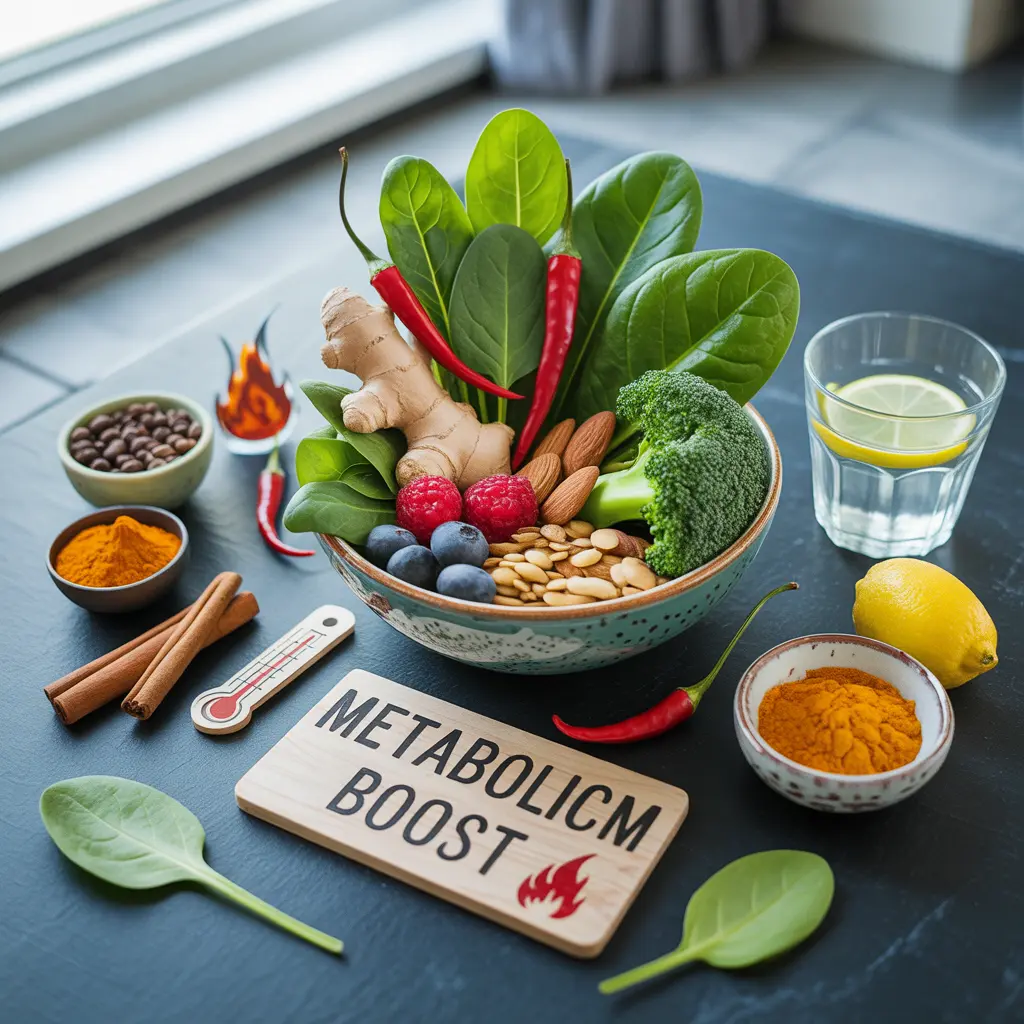
The 8 Foods That Accelerate Vegan Fat Loss

Psst.. Start your transformation now. Everything is done for you, 36 chef vegan recipes, 4 weekly grocery lists, and a full 28-day Meal Plan. Zero thinking, every meal decided. Balanced macros daily, one Sunday prep feeds your whole week. No subscription.
Get the Plan →The Caloric Density Principle
Beyond the metabolic mechanisms above, the most straightforward explanation of vegan weight loss is caloric density. Whole plant foods contain 60 to 80% fewer calories per gram than animal foods and processed foods. This means a plate that produces high satiety through volume and fibre delivers significantly fewer calories than an equivalent-volume plate of higher-caloric-density food.
What to Reduce for Faster Results
7-Day Vegan Weight Loss Meal Plan
Every day activates all four metabolic mechanisms: high-fibre legumes for TEF (mechanism 1), fermented foods or resistant starch for microbiome (mechanism 2), tofu or tempeh for adiponectin via isoflavones (mechanism 3), and whole grain fibre for insulin sensitivity (mechanism 4). Green tea, ginger, and chilli appear daily for thermogenic support.

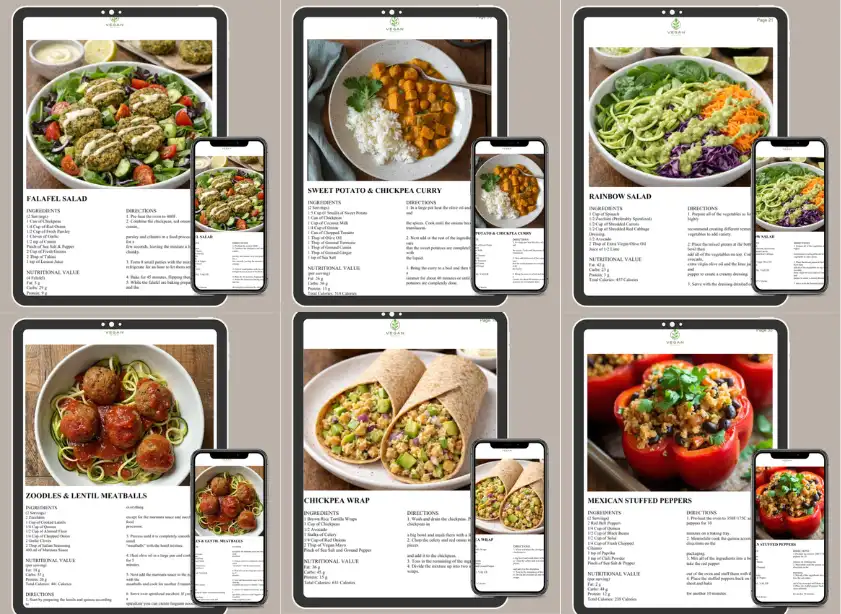
28-Day Vegan Meal Plan + Grocery list.
Transform your lifestyle with our comprehensive guide. This isn’t just a recipe book; it’s a complete system designed for success:
- 28-Day Meal Plan every meal, nothing to figure out
- 4 Weekly Grocery Lists sorted by aisle, saves money
- Balanced Macros protein, iron and B12 daily
- Under $1 Per Serving eat well on any budget
- 90-Min Sunday Prep one session, whole week fed
- Vegan Swaps Guide meat, dairy and eggs replaced
- Nutrition Toolkit protein targets and dining guide
- 36 Chef Recipes every meal photographed
Frequently Asked Questions
Does a vegan diet boost metabolism?
Yes, through four specific mechanisms. Kahleova et al. (2018) confirmed a 14.1% higher post-meal thermogenesis and 9.5% higher resting metabolic rate on a vegan diet compared to a control diet in a randomised controlled trial. The mechanisms are the higher thermic effect of food from legume protein and dietary fibre, reduced caloric extraction from a Prevotella-dominant gut microbiome, elevated adiponectin from reduced ceramide accumulation and soy isoflavone activation of PPARgamma, and improved insulin sensitivity from high dietary fibre reducing glucose spikes and insulin responses. These mechanisms operate independently of caloric intake, meaning the metabolic rate advantage exists even when calories are held equal between vegan and non-vegan diets.
How much weight can you lose on a vegan diet?
Barnard et al. (2006) found that participants on a low-fat vegan diet lost an average of 4.9kg more than participants on the ADA-recommended diet over 74 weeks without calorie restriction. Turner-McGrievy et al. (2015) in the GEICO study found that vegans lost the most weight among five dietary patterns compared (vegan, vegetarian, pesco-vegetarian, semi-vegetarian, and omnivore) over 18 months. Individual results vary significantly based on starting weight, food quality, exercise, stress, sleep, and whether the vegan diet is built on whole plant foods or processed vegan products. A well-planned vegan diet built on legumes, whole grains, and vegetables typically produces 0.5 to 1kg per week of fat loss without caloric restriction, with the metabolic mechanisms above explaining why restriction is not required for meaningful results.
What is the thermic effect of food?
The thermic effect of food (TEF) is the energy cost of digesting, absorbing, and metabolising nutrients. Protein has the highest TEF at 20 to 30% of its caloric value, meaning 20 to 30 kcal of every 100 kcal of protein are burned in digestion before the net energy is available. Carbohydrates have a TEF of 5 to 10%. Fat has the lowest TEF at 0 to 3%. Dietary fibre adds an additional thermogenic component through colonic fermentation: the heat produced by bacterial metabolism of fibre to short-chain fatty acids represents energy expenditure. A vegan meal high in legume protein and dietary fibre burns more calories in digestion than an equal-calorie meal lower in protein and fibre. This is why total caloric intake does not fully explain fat loss differences between dietary patterns.
Why do vegans have higher adiponectin?
Adiponectin, a metabolic hormone produced by fat tissue, is consistently higher in plant-based dieters compared to omnivores. The primary mechanism is ceramide reduction: saturated fatty acids (abundant in meat and dairy) stimulate ceramide synthesis in adipose tissue, and ceramides directly suppress adiponectin secretion by inhibiting AdipoR receptor signalling. Removing dietary saturated fat sources reduces ceramide accumulation and allows adiponectin production to rise. Additionally, soy isoflavones (genistein and daidzein from tofu, tempeh, and edamame) directly activate PPARgamma, a nuclear receptor that stimulates adiponectin gene expression. Higher adiponectin increases fat oxidation, improves insulin sensitivity, and stimulates mitochondrial biogenesis, all contributing to a higher resting metabolic rate. The vegan diet and cholesterol guide covers the related cardiovascular benefits of adiponectin elevation.
How does gut bacteria affect weight loss on a vegan diet?
The gut microbiome determines energy extraction efficiency from food. Prevotella-dominant microbiomes (associated with high-fibre plant-based diets) extract fewer calories per gram than Bacteroides-dominant microbiomes (associated with high-fat Western diets). Two people consuming identical calories can have different net caloric absorption based on this difference. Beyond caloric extraction, SCFA production from fibre fermentation activates GPR41 and GPR43 receptors on gut L-cells, stimulating GLP-1 release. GLP-1 reduces appetite, slows gastric emptying (extending satiety), and improves insulin secretion and sensitivity. This is the same mechanism targeted by GLP-1 receptor agonist medications like semaglutide, achieved naturally through dietary fibre fermentation. The vegan gut health guide covers all six key bacteria and the full SCFA production mechanism.
Is intermittent fasting effective with a vegan diet for weight loss?
Yes. The combination of a high-fibre vegan diet and intermittent fasting (16:8 being the most practical) is particularly effective because both strategies independently improve insulin sensitivity and lower fasting insulin, widening the fat oxidation window. The legume and vegetable-rich vegan diet produces high satiety from fibre and protein, making the 16-hour fasting window easier to maintain than a lower-fibre dietary pattern. Turner-McGrievy et al. confirmed in GEICO data that the vegan diet group maintained adherence better than other dietary pattern groups, suggesting the satiety advantage of the high-fibre vegan diet helps sustain the structured eating protocol. The vegan intermittent fasting guide covers the full protein timing strategy and meal structure for the compressed eating window.
What is the best vegan food for weight loss?
Legumes (lentils, chickpeas, black beans) consistently show the strongest evidence for weight management from a single food category: high protein drives TEF and CCK/GLP-1 appetite suppression, high fibre drives SCFA production and gut microbiome health, low caloric density allows high-volume eating, and the resistant starch component reduces net caloric absorption and stimulates butyrate production. A daily cup of legumes is the single dietary habit most consistently associated with lower BMI and waist circumference across large population studies. After legumes, dark leafy greens (for nitrate-driven mitochondrial biogenesis), fermented soy products (for adiponectin elevation), and whole grains (for insulin sensitivity) complete the foundational fat-loss food structure.
Does a plant-based diet reduce insulin resistance?
Yes, through multiple mechanisms. Dietary fibre slows glucose absorption, reducing post-meal glucose spikes and the insulin response required, directly lowering fasting insulin over time. SCFA production from fibre fermentation (particularly butyrate and propionate) improves insulin signalling at the receptor level through GPR43 activation. Adiponectin elevation from the dietary pattern (mechanism 3) directly improves skeletal muscle insulin sensitivity through AMP-kinase activation. Reduced systemic inflammation from the anti-inflammatory plant food pattern also improves insulin receptor sensitivity (chronic inflammation activates IKK-beta, which phosphorylates and deactivates insulin receptor substrate 1). Barnard et al. (2006) confirmed improved insulin sensitivity as a key outcome of the vegan dietary intervention alongside weight loss, suggesting the two are mechanistically linked. The vegan blood test guide covers fasting insulin and HOMA-IR testing to monitor improvements.
Can a vegan diet cause slow metabolism?
A poorly planned low-calorie vegan diet can slow metabolism through muscle mass loss, but a well-planned high-protein vegan diet does not. Metabolism slows when caloric intake is too low and protein is insufficient to maintain muscle mass (the primary determinant of resting metabolic rate). The Kahleova et al. (2018) study specifically found a higher resting metabolic rate on the vegan diet group, contradicting the idea that vegan diets slow metabolism. The key variable is protein adequacy: a vegan diet providing 0.8 to 1.2g protein per kg bodyweight daily from tofu, tempeh, lentils, and hemp seeds maintains muscle mass and prevents the metabolic adaptation to caloric restriction. For the full protein strategy, the vegan protein sources guide covers all sources and leucine content.
How long does it take to lose weight on a vegan diet?
Most people see measurable weight loss within 2 to 4 weeks of adopting a whole-food vegan diet, with the initial loss partly reflecting reduced dietary sodium and processed food intake alongside the metabolic shift beginning. The full metabolic changes (microbiome shift to Prevotella dominance, adiponectin normalisation, fasting insulin reduction) take 4 to 12 weeks to fully establish. Sustained fat loss at 0.5 to 1kg per week is typical for overweight individuals on a whole-food vegan diet without deliberate caloric restriction, based on the Barnard et al. and Turner-McGrievy et al. trial data. The rate slows as target weight is approached and the metabolic advantage of the dietary pattern transitions from active weight loss to weight maintenance mode.
What supplements do I need while losing weight on a vegan diet?
Three supplements are non-negotiable: B12 (500 to 1,000mcg cyanocobalamin daily, as no plant food provides it reliably), lichen-derived vitamin D3 (1,000 to 2,000 IU daily, especially in winter), and algae DHA (200 to 300mg daily, as ALA converts to DHA at 0 to 4%). During active weight loss, monitoring ferritin is also important because caloric restriction can impair iron absorption; maintaining adequate iron prevents the fatigue that impairs exercise capacity and metabolic rate. The vegan supplements guide covers all required supplements with minimum effective doses and most cost-effective forms. The vegan blood test guide covers the monitoring panel to confirm the supplements are working.
What is the easiest way to start a vegan diet for weight loss?
Replace one meal per day with a legume-based vegan meal, starting with lunch: lentil dal over brown rice, chickpea curry, or black bean bowl. Do this for two weeks without changing anything else. By the end of week two, the gut microbiome shift toward Prevotella dominance will have begun, fasting insulin will have started to fall, and the satiety effect of high-fibre legumes will be reducing total caloric intake naturally without restriction. Week three: add a daily green tea and a daily flaxseed addition to breakfast. Week four: shift dinner to a whole-food vegan pattern as well. For the complete 28-day progression, the Ultimate 28-Day Vegan Meal Plan + Grocery List (Complete Solution) covers the full structure with easy grocery lists. The vegan meal plan for beginners and the beginner vegan diet guide cover the foundational framework.
Tired of overthinking your meals?
What’s included in your download
- 28-Day Meal Plan
- 4 Weekly Grocery Lists
- Balanced Nutrtion, protein, iron, B12
- Under $1 Per Serving
- 90-Min Sunday Prep
- Vegan Swaps Guide
- Nutrition Toolkit
- Beginner Action Plan
- Dining Out Guide
- 36 Chef Recipes
Instant PDF download. No subscriptions.
Your 8-Week Progress Framework
Vegan metabolism weight loss operates through four mechanisms that raise resting metabolic rate independently of caloric restriction. Build your diet around the seven foods that activate them. The Ultimate 28-Day Vegan Meal Plan + Grocery List (Complete Solution) provides the complete meal structure with easy weekly grocery lists built around all four metabolic mechanisms across 4 weeks.