
⚡ TL;DR: Low Carb Vegan Meal Plan at a Glance
- A low carb vegan meal plan is genuinely achievable and nutritionally complete, but requires more strategic planning than either low carb or vegan diets alone.
- The target in this guide is 50 to 100g of net carbs daily: low enough to improve insulin sensitivity and support fat loss, high enough to sustain adequate fibre, legume protein, and micronutrient intake from plant foods.
- The central challenge: most high-protein plant foods (legumes, grains) are also moderate-to-high in carbohydrates. The solution is strategic portion control of legumes alongside heavy use of tofu, tempeh, nuts, seeds, and non-starchy vegetables.
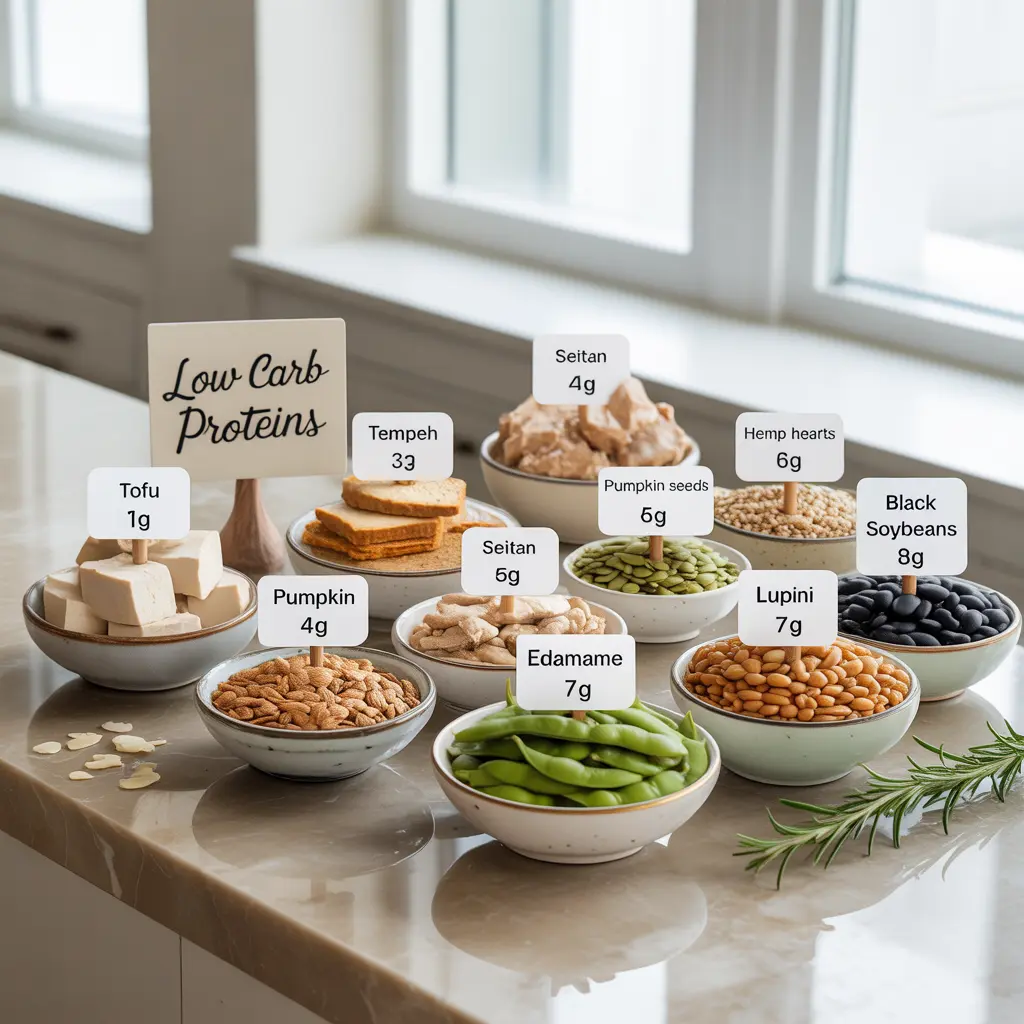
- The best low carb plant proteins are: tempeh (9g net carbs per 100g), firm tofu (2g net carbs per 100g), edamame (5g net carbs per 100g), hemp seeds (2g net carbs per 30g), and pumpkin seeds (3g net carbs per 30g).
- This 7-day plan delivers an average of 75g net carbs, 85g protein, and 40g fibre daily across three meals per day.
- Ketogenic veganism (under 20g net carbs) is possible but extremely difficult to maintain with adequate nutrition. The moderate low carb range of 50 to 100g is far more sustainable and nutritionally sound for plant-based eaters long term.
Low Carb Vegan Meal Plan: 7 Days of High-Protein Plant-Based Eating Under 100g Carbs
The most common objection to a low carb vegan meal plan is that it is a contradiction in terms. Plant-based proteins come packaged with carbohydrates. Legumes, grains, and starchy vegetables, which form the nutritional backbone of most vegan diets, are moderate to high in carbohydrates by nature. And unlike an omnivore reducing carbs (who simply eats more chicken, eggs, and fish), a vegan reducing carbs must find a way to maintain protein, micronutrients, and satiety without the carbohydrate-dense foods that typically deliver them.
It is a real challenge. But it is a solvable one, and the solution is more interesting nutritionally than simply “eat more tofu.”
This guide delivers a complete 7-day low carb vegan meal plan targeting 50 to 100g net carbs daily, with exact macros for every meal, the science behind why this carbohydrate range produces the metabolic benefits most people are seeking, and the specific cooking strategies that make this approach sustainable rather than restrictive.
The Science: Why Low Carb Works and Where Plant-Based Fits
🔬 What Reducing Carbohydrates Actually Does
The primary mechanism through which carbohydrate reduction produces metabolic benefits is insulin reduction. Dietary carbohydrates are the primary insulin secretagogue: they raise blood glucose, which triggers pancreatic beta cells to secrete insulin to drive glucose into cells for energy or storage. Chronically elevated insulin promotes fat storage, suppresses fat oxidation, drives cellular proliferation, and in insulin-resistant individuals produces progressively worsening glucose management.
Reducing dietary carbohydrates reduces the postprandial glucose excursion, reduces the insulin response to each meal, and over weeks to months improves insulin sensitivity in peripheral tissues. Research published in Nutrition and Metabolism found that low carbohydrate diets (under 130g per day) reduced fasting insulin by 25 to 47% and improved HOMA-IR by 31 to 55% over 12 to 24 weeks, with effects that were substantially better than low-fat calorie-restricted diets at equivalent weight loss.
📊 The Glycaemic Index Versus Net Carbs Debate
For plant-based low carb planning, net carbs is the more practical metric. Here is why:
- Legumes at 20g total carbs per 100g cooked (lentils, chickpeas) but only 12 to 14g net carbs after subtracting fibre. Their glycaemic index is 29 to 32. They produce minimal insulin excursions despite their carbohydrate content.
- White bread at 50g total carbs per 100g with minimal fibre and a glycaemic index of 73. Far more disruptive to insulin signalling despite having only 2.5 times the carbs of lentils.
- The practical rule: on a low carb vegan plan, legumes in moderate portions are metabolically more compatible than their carbohydrate content suggests. Refined carbohydrates (bread, pasta, rice, sweetened foods) are metabolically more disruptive than their carbohydrate content alone indicates.
🌿 How Plant-Based Low Carb Differs From Ketogenic
Strict ketogenic diets (under 20g net carbs daily) are extremely difficult to maintain on a plant-based diet without eliminating legumes entirely and relying almost exclusively on tofu, tempeh, nuts, seeds, oils, and non-starchy vegetables. This produces a diet that is difficult to sustain, potentially deficient in zinc, iron, folate, and several B vitamins, and lacks the gut microbiome-supporting resistant starch and prebiotic fibre that are central to the health benefits of plant-based eating.
The moderate low carb range of 50 to 100g net carbs daily is the nutritionally sound sweet spot for plant-based eaters:
- Low enough to produce meaningful insulin sensitivity improvement and fat loss support
- High enough to include moderate legume portions for protein, iron, zinc, and folate
- High enough to maintain gut microbiome diversity through fermentable fibre
- Sustainable long-term without the social and practical restrictions of strict ketogenic approaches
Setting Your Carb Target: The Three Low Carb Levels Explained
🎯 Low Carb Levels for Vegan Diets
This 7-day meal plan targets the moderate low carb range (50 to 100g net carbs) as the optimal zone for plant-based eaters combining metabolic benefits with nutritional completeness.
🧮 Understanding Net Carbs for Plant-Based Foods
Net carbs = Total carbohydrates minus dietary fibre. Fibre is a carbohydrate that humans cannot digest and does not raise blood glucose. Subtracting it from total carbs gives the carbohydrate fraction that meaningfully affects insulin and blood glucose.
For vegan low carb planning, this distinction matters enormously:
- Avocado: 9g total carbs, 7g fibre = 2g net carbs. Essentially a fat-and-fibre food with negligible glucose impact.
- Lentils (100g cooked): 20g total carbs, 8g fibre = 12g net carbs. Moderate impact, manageable in portions.
- Broccoli (100g): 7g total carbs, 3g fibre = 4g net carbs. Very low impact, eat liberally.
- Brown rice (100g cooked): 23g total carbs, 1.8g fibre = 21g net carbs. High impact, use sparingly or replace with cauliflower rice.
- Chickpeas (100g cooked): 27g total carbs, 8g fibre = 19g net carbs. Use in controlled portions.
The Best Low Carb Vegan Proteins: Ranked by Net Carbs
This ranking is the foundation of a successful low carb vegan meal plan. These are your primary protein anchors. They are high in protein and low enough in net carbs to form the basis of every meal without burning through your daily carb budget.
Ingredient Spotlights: The Top 5 Low Carb Vegan Foods
🫘 1. Firm Tofu: The Low Carb Vegan Cornerstone
Firm tofu is the single most carbohydrate-efficient plant protein source available. At just 2g net carbs per 200g serving, it can be eaten in quantities that deliver 30g or more of complete protein without meaningfully impacting the daily carb budget. This makes it the non-negotiable anchor of any serious low carb vegan meal plan.
- Calcium: 350 to 500mg per 200g (calcium-set varieties), addressing the bone health priority on a low carb vegan diet where dairy alternatives are minimised
- Complete amino acid profile: all nine essential amino acids including leucine at levels sufficient to activate mTOR for muscle protein synthesis
- Isoflavones: genistein and daidzein with documented cardiovascular protective, anti-inflammatory, and bone-supportive effects
- Iron: 2.7mg per 200g, a meaningful contribution to daily iron intake alongside vitamin C-rich vegetables
Low carb cooking applications: pan-fried crispy tofu cubes on salads, tofu scramble replacing grain-based breakfasts, baked tofu steaks with low carb vegetable sides, silken tofu blended into soups for creaminess without starch thickeners. The versatility of tofu across cooking formats makes it the most practically flexible low carb plant protein.
🥦 2. Non-Starchy Vegetables: The Unlimited Food Group
Non-starchy vegetables are the one food group that can be eaten in unlimited quantities on a low carb vegan plan without concern. They are the volume, micronutrient, antioxidant, and fibre delivery system of the entire diet. Understanding which vegetables are truly low carb is essential:
- Lowest net carbs (under 4g per 100g): spinach (1g), courgette/zucchini (2g), cucumber (2g), lettuce (1g), celery (1g), mushrooms (2g), asparagus (2g), broccoli (4g), cauliflower (3g)
- Moderate low carb (4 to 8g per 100g): green beans (4g), bell peppers (4 to 5g), kale (5g), bok choy (2g), Brussels sprouts (5g), artichoke hearts (5g)
- Eat in portions (over 8g net carbs per 100g): tomatoes (3g per 100g, fine in quantity), carrots (7g), beetroot (7g), sweetcorn (15g: use sparingly)
Building every low carb vegan meal around a large base of non-starchy vegetables before adding protein and fat creates volume and satiety that prevents the low carb hunger that causes plan abandonment.
🌱 3. Hemp Seeds: The Net-Zero Protein Booster
For a low carb vegan, hemp seeds are as close to a perfect food as exists. Three tablespoons add 10g of complete protein and essentially zero net carbs to any meal. No other plant food matches this protein-to-net-carb ratio at standard serving sizes.
- Magnesium: 210mg per 100g, often depleted on low carb diets due to reduced consumption of magnesium-rich grains and legumes
- Zinc: 9.9mg per 100g, critical on a low carb vegan plan where reduced legume intake can compromise zinc status
- GLA (gamma-linolenic acid): an omega-6 with anti-inflammatory properties that reduce the chronic low-grade inflammation associated with excess dietary saturated fat in high-fat low carb approaches
- Complete amino acid profile: including methionine that completes legume protein profiles when both are used together
🥑 4. Avocado: The Low Carb Vegan Superfood
Avocado is the most nutritionally complete low carb fat source in a plant-based kitchen. Its combination of exceptionally low net carbs, high monounsaturated fat, extraordinary fibre content, and comprehensive micronutrient profile makes it uniquely suited to a low carb vegan meal plan:
- Oleic acid: the monounsaturated fat that upregulates LDL receptor expression and reduces cardiovascular risk, particularly important on a higher-fat low carb diet
- Potassium: 700mg per 150g, one of the most important electrolytes to maintain on a low carb diet as reduced insulin promotes increased renal potassium excretion
- Plant sterols: 57mg per 150g, blocking cholesterol absorption in the small intestine
- Folate: 121mcg per 150g, an important micronutrient that can be compromised when legumes (the primary plant folate source) are reduced on a low carb vegan plan
🌰 5. Tempeh: The Highest-Protein Low Carb Option
Tempeh is the highest-protein plant food available and the most valuable legume-based option for low carb vegan eating because its fermentation process reduces the net carbohydrate impact compared to unfermented soybeans. The fermentation breaks down a portion of the carbohydrate content and produces beneficial organic acids that lower the glycaemic impact of the remaining carbohydrates.
- Protein density: 21g per 100g, the highest of any whole plant food, producing the most protein per gram of net carbs of any legume
- Fermentation benefits: reduced phytate content improves zinc, iron, and copper bioavailability, directly compensating for the reduced mineral intake when legume portions are controlled
- Resistant starch reduction: fermentation converts a significant proportion of the starch in the original soybeans, resulting in lower effective net carbs than unfermented bean products
- Tryptophan: precursor to serotonin and melatonin, supporting mood and sleep quality which can be disrupted during carbohydrate restriction adaptation
High-Carb Vegan Foods to Limit or Restructure
These are not foods to eliminate permanently. They are foods to manage strategically. Understanding their net carb impact allows intelligent portioning rather than blanket exclusion:
- Grains: brown rice (21g net carbs per 100g cooked), oats (60g per 100g dry), quinoa (18g per 100g cooked), bread (40 to 50g per 100g). Replace with cauliflower rice, courgette noodles, or reduce portion size significantly.
- Starchy vegetables: sweet potato (17g net carbs per 100g), regular potato (15g), corn (15g), parsnip (13g), butternut squash (9g). Use in small portions or replace with lower-carb alternatives.
- Most fruits: bananas (20g net carbs per 100g), grapes (16g), mango (13g), dried fruit (concentrated sugar). Favour berries (5 to 8g net carbs per 100g) as the lowest-carb fruit option.
🔄 Smart Substitutions for a Low Carb Vegan Kitchen
- Rice replaced by cauliflower rice (5g net carbs per 200g vs 42g for rice): pulse raw cauliflower in a food processor and sauté 5 minutes
- Pasta replaced by courgette noodles (zoodles) (3g net carbs per 200g vs 52g for pasta): spiralise and sauté briefly or eat raw
- Bread replaced by large lettuce or nori wraps (1 to 2g net carbs vs 40g for bread): sturdy lettuce leaves or nori sheets hold fillings effectively
- Potato mash replaced by cauliflower mash (5g net carbs per 200g vs 30g for potato): steam cauliflower, blend with olive oil, nutritional yeast, and garlic
- Oat porridge replaced by hemp and chia seed porridge (8g net carbs per serving vs 32g for oats): blend hemp seeds, chia seeds, coconut milk, and cinnamon
- Banana smoothie replaced by avocado and spinach smoothie (8g net carbs vs 22g): avocado, spinach, unsweetened almond milk, vanilla, protein powder
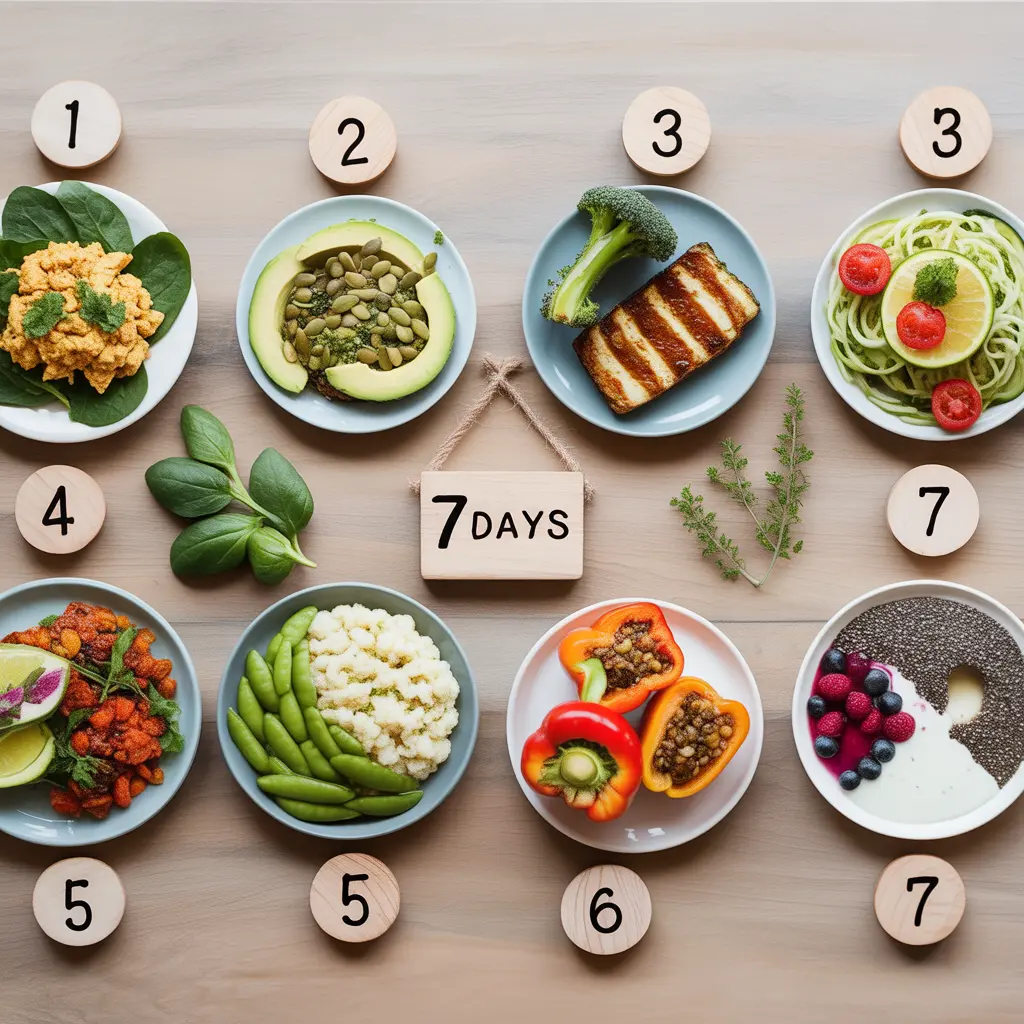
7-Day Low Carb Vegan Meal Plan (With Exact Macros)
Every day in this plan stays within 50 to 100g net carbs while delivering a minimum of 80g protein and 35g fibre. Each meal follows the architecture: protein anchor (tofu, tempeh, or seeds) + non-starchy vegetables + healthy fat (avocado, tahini, or olive oil) + optional controlled legume portion.
📅 Day 1: Tofu-Forward Day
Breakfast: Hemp and Chia Seed Porridge
4 tablespoons hemp seeds + 2 tablespoons chia seeds soaked in 250ml unsweetened almond milk. Add cinnamon, vanilla, and a small handful of blueberries (8g net carbs per 80g). Top with 2 tablespoons pumpkin seeds.
Lunch: Crispy Tofu Buddha Bowl
200g crispy baked tofu over a large base of mixed greens, cucumber, cherry tomatoes, and steamed broccoli. Dress with tahini-lemon-garlic sauce. Top with 3 tablespoons hemp seeds and pumpkin seeds. Half avocado on the side.
Dinner: Tempeh Stir-Fry with Cauliflower Rice
150g tempeh pan-fried with broccoli, bok choy, snap peas, garlic, ginger, tamari, and sesame oil. Serve over 200g cauliflower rice. Top with sesame seeds and spring onions. Drizzle with a small amount of toasted sesame oil to finish.
📅 Day 2: Legume-Included Day (Controlled Portions)
Breakfast: Tofu Scramble With Spinach and Mushrooms
200g firm tofu crumbled with turmeric, black salt, smoked paprika, and 2 tablespoons nutritional yeast. Cook with a large handful of spinach and sliced mushrooms in olive oil. No bread or toast. Serve with half avocado and a handful of cherry tomatoes.
Lunch: Lentil and Roasted Vegetable Bowl (Controlled Portion)
100g cooked green lentils (half the usual portion) with roasted courgette, red pepper, aubergine, and cherry tomatoes. Dress with olive oil, cumin, sumac, and lemon. Top with 3 tablespoons hemp seeds for additional protein. No grain base.
Dinner: Creamy Tahini Tofu With Zoodles
Bake 200g firm tofu at 200°C for 20 minutes until golden. Make a sauce from tahini, lemon, garlic, nutritional yeast, and water. Serve over 200g courgette noodles with steamed broccoli and roasted cherry tomatoes. Scatter pumpkin seeds over the top.
📅 Day 3: Edamame and Seed Focus
Breakfast: Green Protein Smoothie Bowl
Blend 150g silken tofu with 200ml unsweetened almond milk, a large handful of spinach, half avocado, and cinnamon. Pour into a bowl. Top with 3 tablespoons hemp seeds, a small handful of raspberries (4g net carbs per 50g), and 2 tablespoons pumpkin seeds.
Lunch: Edamame and Avocado Salad
150g edamame (defrosted) over a bed of mixed greens, sliced cucumber, radishes, and sliced avocado. Dress with sesame oil, rice vinegar, tamari, and ginger. Top with nori strips and sesame seeds. Add 3 tablespoons hemp seeds.
Dinner: Tempeh and Mushroom Sauté Over Cauliflower Mash
Pan-fry 150g crumbled tempeh with mixed mushrooms, onion, garlic, fresh thyme, and tamari. Serve over 250g steamed and blended cauliflower mashed with olive oil, nutritional yeast, garlic, and salt. Scatter pumpkin seeds and fresh parsley to finish.
📅 Day 4 to Day 7: The Rotation
Days 4 through 7 follow the same three architecture pillars: protein-first, non-starchy vegetable base, controlled legume. Rotate through these proven low carb vegan combinations:
- Day 4: Chia pudding breakfast (almond milk, hemp seeds) + miso tofu noodle bowl with courgette noodles + tofu and edamame stir-fry over cauliflower rice
- Day 5: Tofu scramble with kale + tempeh and avocado lettuce wraps + baked tofu with tahini broccoli and roasted peppers
- Day 6: Hemp and almond smoothie bowl + warm lentil (100g) and kale salad with hemp seeds + tempeh tikka with cauliflower rice
- Day 7: Silken tofu berry smoothie bowl + edamame and cucumber nori hand rolls + crispy tofu with tahini slaw and roasted courgette
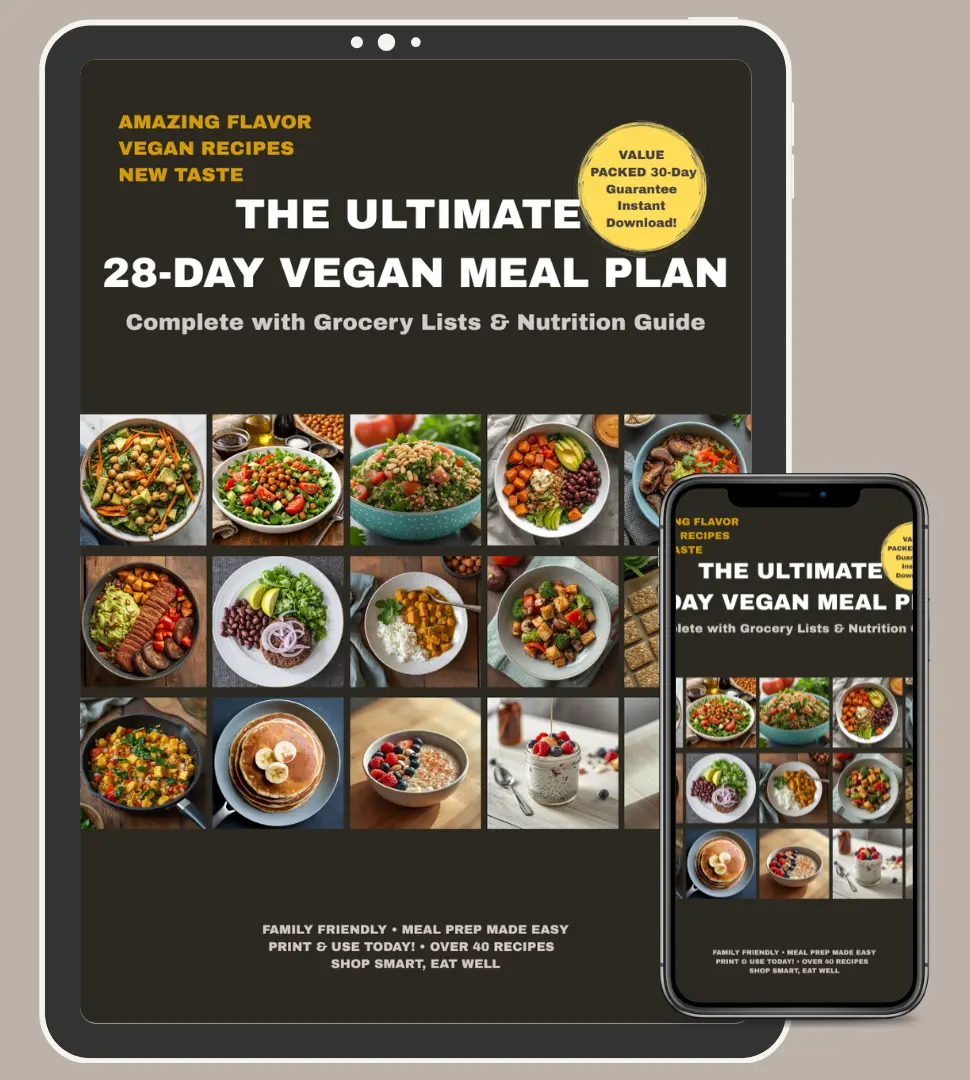
Psst..just to add: Turning dietary knowledge into daily action. The 28-Day Vegan Meal Plan gives you 40+ recipes, a full shopping list, and a 28-day calendar. No subscription.
Get the Plan →Reference Tables
Net Carbs in the Most Common Vegan Foods
Micronutrient Watch: What to Monitor on a Low Carb Vegan Plan
28-Day Vegan Meal Plan
+ Grocery List
Complete Solution · Nutritionist-Approved · Print & Use Today
Read on any device · No apps needed
Chef Tips: Low Carb Cooking in a Vegan Kitchen
🔪 Tip 1: Master Cauliflower: The Low Carb Vegan’s Most Versatile Ingredient
In twenty years of cooking professionally across Lebanon, Dubai, and Saudi Arabia, cauliflower earned the nickname “the chameleon vegetable” in every kitchen I worked in. It absorbs flavour completely, adapts to any cuisine format, and in a low carb vegan kitchen it replaces more dishes than any other single ingredient.
- Cauliflower rice: pulse raw florets in a food processor 8 to 10 times until rice-sized. Sauté with olive oil, garlic, and salt for 4 minutes. The result is a neutral, absorbent base that takes on the flavour of any sauce poured over it.
- Cauliflower mash: steam florets until very tender, then blend with olive oil, nutritional yeast, roasted garlic, and salt. The result is creamy, comforting, and delivers 5g net carbs per 200g versus 30g for potato mash.
- Whole roasted cauliflower: rub with olive oil, za’atar, cumin, and smoked paprika. Roast at 220°C for 35 minutes until deeply caramelised. The Levantine preparation produces a dish that is extraordinary on its own with tahini sauce.
- Cauliflower steaks: slice the head into 2cm thick slabs. Sear in a hot pan with olive oil until golden, then transfer to the oven at 200°C for 12 minutes. A substantial low carb main course with any protein accompaniment.
🥬 Tip 2: The Volumetric Eating Principle for Low Carb Vegan Satisfaction
The most common reason low carb vegan diets fail is insufficient meal volume. When grains and starchy vegetables are removed, the volume of food on the plate drops dramatically, producing unsatisfied meals that lead to between-meal hunger and eventual plan abandonment.
The professional solution is deliberate volumetric eating: filling at least half the plate with non-starchy vegetables before adding the protein anchor and fat components. This produces meals that are visually abundant, physically filling, and nutritionally complete, without exceeding carb targets.
- Half the plate: non-starchy vegetables (spinach, broccoli, courgette, cauliflower rice, mushrooms)
- Quarter of the plate: protein anchor (tofu, tempeh, edamame, hemp seeds)
- Fat component: avocado, tahini dressing, or a drizzle of olive oil
- Optional legume addition: 80 to 100g cooked lentils or chickpeas if the day’s carb budget allows
🫙 Tip 3: Build a Low Carb Vegan Sauce Library
The difference between a satisfying low carb vegan meal and a bland, restrictive one almost always comes down to the sauce. Sauces add fat, flavour, and satisfaction without adding meaningful carbohydrates. These five sauces cover every cuisine format in this guide:
- Tahini-lemon-garlic (0g net carbs): tahini, lemon juice, minced garlic, water, salt. Covers Middle Eastern, Mediterranean, and any grain bowl.
- Miso-sesame-ginger (2g net carbs per serving): white miso, sesame oil, rice vinegar, ginger, tamari, water. Covers all Asian-format dishes.
- Avocado-lime-coriander (2g net carbs): blended avocado, lime juice, fresh coriander, garlic, olive oil, salt. Works on tacos, salads, and bowls.
- Smoky tomato base (4g net carbs): blended roasted tomatoes, smoked paprika, garlic, olive oil, apple cider vinegar. For Italian and Spanish formats.
- Peanut-tamari-chilli (5g net carbs): natural peanut butter (no added sugar), tamari, lime juice, chilli, garlic, water. Covers satay, stir-fry, and noodle dishes.
5 Mistakes That Derail a Low Carb Vegan Plan
❌ Mistake 1: Going Too Low Too Fast
Dropping to under 30g net carbs on day one of a low carb vegan plan produces the “low carb flu”: fatigue, headaches, irritability, and brain fog from the rapid transition away from glucose metabolism combined with electrolyte depletion. The body adapts to burning fat for fuel over 2 to 4 weeks. Start with 100 to 130g net carbs, reduce by 15 to 20g per week over 4 to 6 weeks until reaching the 50 to 100g target range. The gradual reduction is dramatically more sustainable and produces the same long-term metabolic outcomes as an abrupt restriction.
❌ Mistake 2: Neglecting Electrolytes
Carbohydrate reduction lowers insulin, and lower insulin reduces renal sodium, potassium, and magnesium reabsorption. The resulting electrolyte losses produce the fatigue and brain fog that most people attribute to “low carb flu” but is actually a simple electrolyte depletion problem. On a low carb vegan plan, add a small pinch of sea salt to water daily, eat avocado (potassium) and hemp seeds (magnesium) at every meal, and consider a magnesium glycinate supplement if muscle cramps appear. Our vegan supplements guide covers electrolyte supplementation on plant-based diets in detail.
❌ Mistake 3: Not Monitoring Folate and Zinc
Legumes are the primary plant source of both folate and zinc. Reducing legume intake on a low carb vegan plan without deliberately compensating through other food sources (hemp seeds, pumpkin seeds, edamame, dark leafy greens) creates deficiency risks over months. A vegan blood panel including folate and zinc at the 3-month mark of a low carb vegan plan is strongly advisable. Our vegan blood test guide covers which markers to monitor and at what frequency.
❌ Mistake 4: Using Fruit as the Primary Carbohydrate Source
Many vegans transitioning to low carb replace grain carbohydrates with fruit, reasoning that fruit is natural and healthy. Fructose in fruit, while metabolised differently from glucose, still triggers insulin secretion and contributes to the daily carbohydrate total. High-fructose intake specifically increases liver triglyceride production (de novo lipogenesis), which is counterproductive to the metabolic goals of a low carb approach. Limit fruit to one to two servings of low-carb varieties (berries, kiwi) daily and build carbohydrates primarily around non-starchy vegetables and controlled legume portions instead.
❌ Mistake 5: Not Getting Enough Total Calories
A low carb vegan meal plan that is also too low in total calories produces muscle catabolism, metabolic adaptation (reduced basal metabolic rate), hormonal disruption, and unsustainable hunger. The minimum calorie intake for most adults on a low carb vegan plan is 1,400 calories for women and 1,700 for men. Fat intake from avocados, olive oil, nuts, seeds, and tahini must be sufficient to meet calorie targets when carbohydrates are reduced. The fear of dietary fat that many plant-based eaters carry from conventional nutrition messaging is directly counterproductive on a low carb approach: fat is the primary energy substrate when carbohydrates are reduced, and inadequate fat intake produces inadequate total calories.
Frequently Asked Questions About Low Carb Vegan Meal Plans
Can you go low carb on a vegan diet?
Yes. A low carb vegan meal plan is achievable and nutritionally complete with strategic planning. The approach centres on tofu, tempeh, edamame, hemp seeds, pumpkin seeds, and nutritional yeast as primary protein sources (all very low in net carbs), non-starchy vegetables as the bulk component, and controlled portions of legumes for additional protein, folate, and zinc. The target range of 50 to 100g net carbs daily is realistic without eliminating any entire plant food category.
What is the best vegan protein for low carb eating?
Firm tofu is definitively the best low carb vegan protein at just 2g net carbs per 200g serving delivering 17g complete protein. Hemp seeds follow closely at 2g net carbs per 30g with 10g complete protein. Tempeh provides the highest absolute protein (21g per 100g) at 9g net carbs per 100g, making it the best option when higher protein density is the priority. These three foods form the protein foundation of any effective low carb vegan meal plan.
Can vegans do keto?
Strict ketogenic veganism (under 20g net carbs daily) is possible but extremely difficult to sustain nutritionally and practically. It requires eliminating all legumes, most fruits, all grains, and most starchy vegetables, which removes the primary sources of folate, iron, zinc, B vitamins, and prebiotic fibre from a plant-based diet. The nutritional gaps created are difficult to address through food alone and require comprehensive supplementation. The moderate low carb approach of 50 to 100g net carbs delivers most of the metabolic benefits of ketosis (improved insulin sensitivity, increased fat oxidation, reduced inflammation) while maintaining nutritional completeness and long-term sustainability.
How do you replace rice and pasta on a low carb vegan plan?
The four most effective replacements are: cauliflower rice (5g net carbs per 200g vs 42g for cooked rice), courgette noodles/zoodles (3g net carbs per 200g vs 52g for pasta), shirataki noodles (0g net carbs, made from konjac flour), and spaghetti squash (6g net carbs per 100g, pulls apart into noodle-like strands after roasting). All four absorb sauce as effectively as their grain equivalents and produce genuinely satisfying meals when properly prepared. Cauliflower rice in particular becomes almost indistinguishable from standard rice when stir-fried with tamari and sesame oil.
Will I lose muscle on a low carb vegan diet?
Muscle loss on a low carb vegan diet is a function of protein adequacy, not carbohydrate restriction. Research consistently shows that adequate protein intake (1.2 to 1.6g per kilogram of bodyweight) preserves lean mass during carbohydrate restriction. The challenge for vegans is ensuring protein targets are met when lower-carb protein sources (tofu, tempeh, hemp seeds) replace higher-carb ones (legumes, grains). The protein stacking approach described in this guide, targeting 25 to 35g protein per meal across three meals, consistently delivers adequate daily protein for muscle preservation.
Every Recipe in the 28-Day Vegan Meal Plan Is Built Carefully
40+ nutritionist-approved recipes + GROCERY LIST with every meal meeting protein, iron, and B12 needs. Having a structured plan makes the difference between intention and consistency.
Get the 28-Day Plan: $9.99 →How much weight can I lose on a low carb vegan diet?
Weight loss results vary substantially by individual, baseline diet, activity level, and hormonal status. Research on low carbohydrate diets generally shows 3 to 5% body weight reduction over 12 weeks compared to 1 to 2% for low-fat approaches at the same caloric intake, with the difference attributed to greater initial water weight loss (from glycogen depletion), improved insulin sensitivity, and stronger appetite suppression from higher fat and protein intake. A well-structured low carb vegan plan producing a moderate caloric deficit of 300 to 500 calories per day would be expected to produce 0.3 to 0.5kg of fat loss per week consistently over 8 to 12 weeks.
What is net carbs and why does it matter for vegans?
Net carbs = total carbohydrates minus dietary fibre. Fibre is a carbohydrate that humans cannot digest, does not raise blood glucose, and does not trigger an insulin response. Subtracting fibre from total carbs gives the carbohydrate fraction that meaningfully affects metabolism. This distinction is especially important for vegans because plant foods typically contain significant fibre alongside their carbohydrates. Lentils at 20g total carbs per 100g cooked become 12g net carbs after subtracting 8g fibre, making them metabolically far more compatible with low carb eating than their total carb count suggests. Always count net carbs, not total carbs, when planning a low carb vegan meal plan.
Is a low carb vegan diet good for people with PCOS?
Yes. Polycystic ovary syndrome (PCOS) is characterised by insulin resistance and elevated androgens, both of which are directly improved by carbohydrate restriction. Research published in the American Journal of Clinical Nutrition found that low glycaemic index diets (which reduce the insulin response to each meal) significantly reduced androgen levels and improved menstrual regularity in women with PCOS. A low carb vegan meal plan, which combines carbohydrate restriction with the additional insulin-sensitising effects of high-fibre plant foods, is one of the most evidence-supported dietary approaches for PCOS management. Our vegan diet for PCOS guide covers the complete nutritional strategy.
Do I need to supplement on a low carb vegan diet?
Standard vegan supplementation priorities (B12, vitamin D, algae DHA/EPA) remain essential and are not changed by carbohydrate restriction. Additionally, magnesium supplementation (magnesium glycinate, 200 to 400mg daily) is frequently warranted on low carb diets due to increased renal excretion. Monitoring folate and zinc through a blood test at 3 months is recommended because reduced legume intake can compromise both. If blood tests confirm deficiency, targeted supplementation of these specific nutrients is appropriate under medical guidance.
Can I include oats in a low carb vegan plan?
Standard oats (60g net carbs per 100g dry) are too high in net carbs for most low carb vegan meal plans. However, a small portion (20g dry oats providing 12g net carbs) combined with high-protein additions (hemp seeds, chia seeds, protein powder) can fit within a moderate low carb budget on days where other meals are very low carb. A more practical replacement is a hemp and chia “porridge” made from hemp seeds and chia seeds soaked in unsweetened plant milk, delivering 8g net carbs per serving alongside 22g protein, which exceeds the protein content of oat porridge at a fraction of the carbohydrate cost.
What fruits are allowed on a low carb vegan diet?
The lowest net carb fruits suitable for a low carb vegan meal plan are raspberries (5g per 100g), blackberries (5g per 100g), strawberries (6g per 100g), blueberries (12g per 100g), and kiwi (9g per 100g). These can be incorporated in 80 to 100g portions without exceeding carb budgets. Avocado (2g net carbs per 150g) is technically a fruit and is essentially unrestricted. Citrus juice and zest used as flavouring add minimal carbs. Bananas, mangoes, grapes, and dried fruit are too high in sugar and net carbs for regular inclusion and should be avoided or used only in very small quantities as flavouring.
How do I get enough fibre on a low carb vegan diet?
Achieving adequate fibre (25 to 35g daily) on a low carb vegan plan requires deliberate sourcing from low-carb, high-fibre foods. Avocado provides 9g fibre per 150g at only 2g net carbs. Chia seeds provide 10g fibre per 30g at 2g net carbs. Hemp seeds provide 2g fibre per 30g alongside 10g protein. Non-starchy vegetables collectively contribute 3 to 5g fibre per 100g serving. Ground flaxseeds provide 8g fibre per 30g at 0g net carbs. Building every meal around large portions of non-starchy vegetables and including avocado, chia, hemp, and flaxseeds daily consistently delivers 35g or more fibre within a 50 to 100g net carb budget.
Still spending hours figuring out what to eat?
What’s included in your download
- 40+ nutritionist-approved recipes
- Complete 28-day calendar
- Meets protein, iron & B12 needs
- Family & meal prep friendly
- Vibrant photo for every recipe
- Simple, common ingredients
Instant PDF download. No subscriptions. No waiting.