
Medical Disclaimer: This content is for informational purposes only and does not constitute medical advice. Endometriosis is a medical condition requiring professional diagnosis. Symptoms including severe pelvic pain, dysmenorrhoea, and infertility require evaluation by a gynaecologist or specialist. Dietary changes are supportive measures and do not replace medical treatment. If you suspect endometriosis, seek professional diagnosis before making significant dietary changes.
Vegan Diet for Endometriosis: The Complete Plant-Based Hormone and Pain Guide
TL;DR
Endometriosis affects approximately 1 in 10 women globally and is driven by two intersecting mechanisms that dietary intervention can directly address: chronic inflammation and oestrogen dominance. A well-designed vegan diet for endometriosis targets both simultaneously. The anti-inflammatory mechanisms of plant polyphenols, omega-3 fatty acids, and fiber reduce the prostaglandin production that drives period pain and the cytokine environment that promotes endometrial implant growth. The oestrogen clearance mechanism operates through a four-stage pathway: dietary fiber binds and excretes oestrogen conjugates through the gut, cruciferous vegetables provide DIM and I3C to promote healthy oestrogen Phase 1 metabolism in the liver, B vitamins and magnesium support Phase 2 methylation, and the high-fiber plant diet reduces the gut beta-glucuronidase activity that would otherwise reactivate excreted oestrogen for reabsorption. This guide covers both mechanisms in detail, the eight most important plant foods, the foods to eliminate, the oestrogen clearance pathway, and the complete 7-step protocol.
What Endometriosis Is and Why Diet Matters
Endometriosis is a chronic inflammatory gynaecological condition in which tissue resembling the endometrium grows outside the uterus. These ectopic lesions respond to hormonal fluctuations during the menstrual cycle, causing cyclical inflammation, scarring, and adhesion formation. The condition produces some of the most debilitating menstrual pain of any gynaecological diagnosis, alongside chronic pelvic pain and significant fertility impairment in moderate to severe cases.
Average diagnosis delay is 7 to 10 years because symptoms are routinely normalised or attributed to other conditions. Dietary intervention does not cure endometriosis. Only surgical excision removes established lesions. But diet addresses the two primary biological drivers that make the condition symptomatic and progressive: systemic inflammation and oestrogen dominance. These are both modifiable through specific, targeted plant-based dietary choices that go well beyond generic healthy eating recommendations.
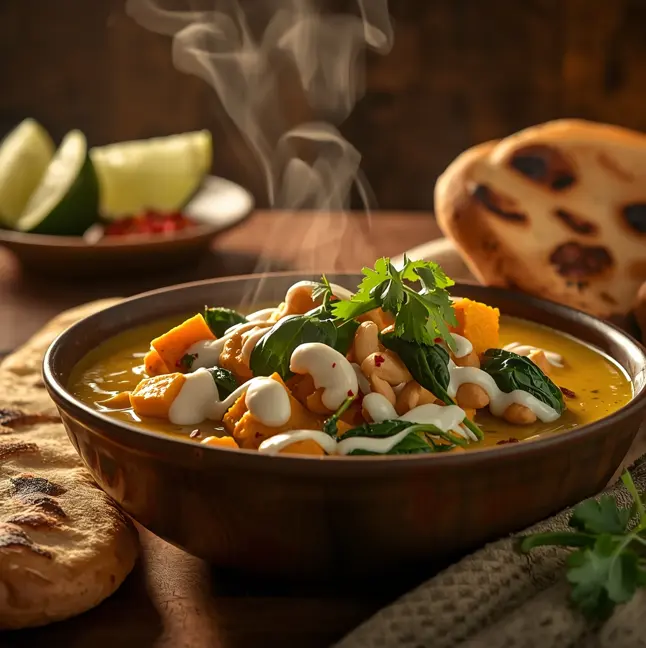
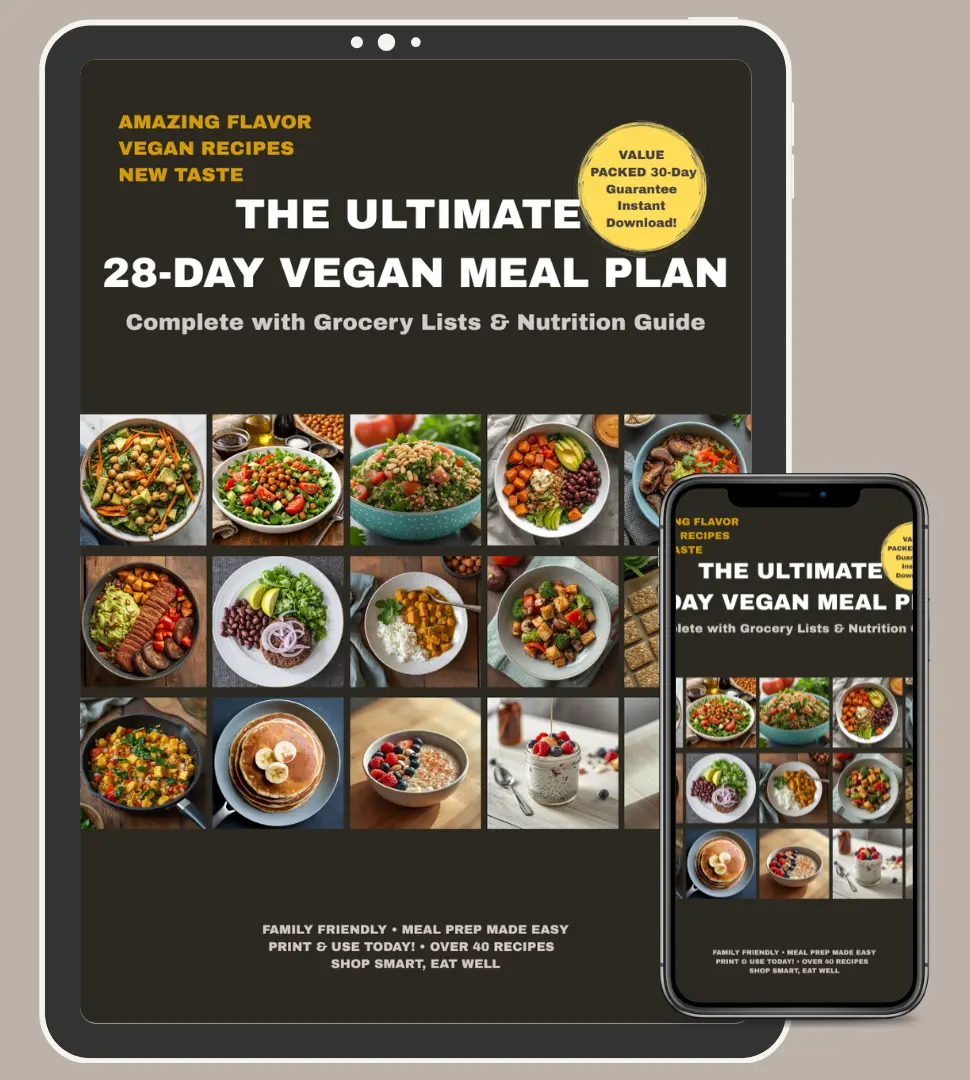
28-Day Vegan Meal Plan + Grocery list.
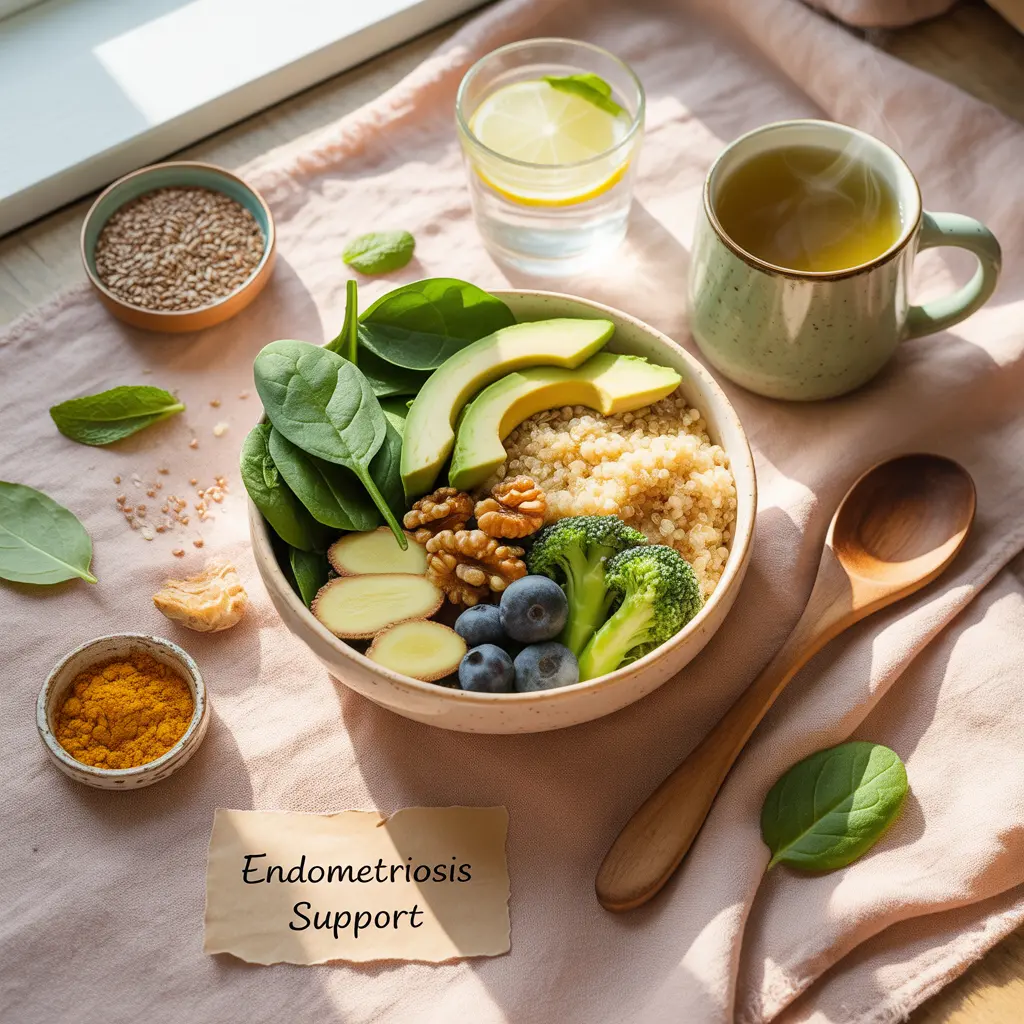
Transform your lifestyle with our comprehensive guide. This isn’t just a recipe book; it’s a complete system designed for success:
- The Vegan Guide: Essential transition tips and nutritional benefits.
- 40+ Chef Recipes: Breakfast, lunch, and dinner with high-quality photos.
- 4-Week Meal Plan: A fully structured day-by-day calendar.
- Grocery Lists: Categorized weekly lists to save you time and money.
- Photos: High-Quality Recipe Photos.
- Nutritions: Vegan Nutrition Guide Toolkit.
The Two Dietary Targets: Inflammation and Oestrogen Dominance
Endometriosis is driven by two mechanisms that are both independently addressable through diet. A vegan diet structured for endometriosis management targets both simultaneously through overlapping but distinct dietary pathways. Understanding each mechanism precisely determines which foods matter most and why generic anti-inflammatory advice is insufficient on its own.
Target 1: Prostaglandin-Mediated Inflammation and Period Pain
Endometriotic lesions produce prostaglandin E2 (PGE2) at significantly higher rates than normal endometrial tissue. PGE2 is the primary chemical mediator of period pain, uterine cramping, and the inflammatory cascade that drives lesion progression. PGE2 production is directly stimulated by arachidonic acid, an omega-6 fatty acid found predominantly in animal products, particularly red meat, dairy, and eggs. The dietary omega-6 to omega-3 ratio determines how much arachidonic acid substrate is available for the COX-2 enzyme to convert to PGE2: a high-omega-6 diet provides abundant PGE2 substrate, while a high-omega-3 diet competitively inhibits this pathway. Research published in the American Journal of Obstetrics and Gynecology and accessible via PubMed confirms women with higher omega-3 intake have significantly lower endometriosis-associated pain scores and lower serum inflammatory markers. A plant-based diet that eliminates animal-derived arachidonic acid and replaces it with omega-3 from algae, walnuts, and flaxseed directly reduces the prostaglandin substrate available to endometriotic lesions at every menstrual cycle.
Target 2: Oestrogen Dominance and Endometrial Lesion Growth
Endometriosis is an oestrogen-dependent condition. Endometriotic lesions express oestrogen receptors and require oestrogen for their survival and proliferation. The lesions themselves produce aromatase, the enzyme that converts androgens to oestrogen locally, creating a self-sustaining oestrogen loop that drives their own growth. This means that reducing systemic and local oestrogen exposure is a direct therapeutic target alongside inflammation management. Dietary factors that promote healthy oestrogen metabolism in the liver, increase oestrogen clearance through the gut, and reduce xenoestrogen exposure from food all directly reduce the hormonal environment enabling lesion growth. A high-fiber plant-based diet is structurally suited to oestrogen clearance because it supports the enterohepatic circulation of oestrogen conjugates toward excretion rather than reabsorption, reduces the beta-glucuronidase enzyme activity in the gut that deconjugates and reactivates excreted oestrogen, and provides cruciferous vegetables rich in indole-3-carbinol and its metabolite DIM, which shift oestrogen metabolism toward the less proliferative 2-hydroxy pathway. The evidence base is reviewed at Examine.com.
Why a Vegan Diet Addresses Both Targets at Once
Animal products contribute to both mechanisms simultaneously. They provide arachidonic acid (driving PGE2 inflammation) and they contain exogenous oestrogens and oestrogen precursors, particularly from dairy and conventionally raised meat from animals receiving oestrogen-based growth hormones. Eliminating animal products therefore removes both the primary dietary inflammatory substrate and the primary dietary exogenous oestrogen source in a single dietary change. This double-mechanism action is the structural reason why a well-designed plant-based diet outperforms generic anti-inflammatory dietary advice for endometriosis management. The anti-inflammatory framework covering the shared inflammatory mechanisms is at the anti-inflammatory vegan diet guide.
The Oestrogen Clearance Pathway
Understanding how dietary choices affect oestrogen metabolism and clearance is the most mechanistically sophisticated aspect of a vegan diet for endometriosis. It operates in four stages, each of which is modifiable by specific dietary choices. A plant-based diet that is deliberately constructed for endometriosis addresses all four stages simultaneously.
The Dietary Interventions That Optimise Each Stage
- Stage 1 (Liver Phase 1): eat cruciferous vegetables daily (broccoli, Brussels sprouts, kale, cabbage) for I3C and DIM. Add rosemary to cooking. Avoid alcohol, which inhibits CYP1A2 and impairs Phase 1 metabolism.
- Stage 2 (Liver Phase 2): ensure adequate folate from lentils, edamame, and leafy greens; vitamin B6 from chickpeas, bananas, and sunflower seeds; B12 via supplement (no reliable plant food source); and magnesium from pumpkin seeds, dark chocolate, and spinach.
- Stage 3 (Gut excretion): eat 40 to 60g dietary fiber daily from diverse plant sources to reduce beta-glucuronidase activity and bind free oestrogens. Calcium D-glucarate from grapefruit, apples, and cruciferous vegetables further inhibits beta-glucuronidase directly.
- Stage 4 (Faecal clearance): the high-fiber plant diet delivers this automatically. Studies reviewed at PubMed confirm plant-based women have significantly higher faecal oestrogen excretion than omnivores at equivalent serum oestrogen, direct evidence that the dietary strategy produces measurable hormonal clearance benefits.
The 8 Most Important Vegan Foods for Endometriosis
These eight foods address the inflammation and oestrogen dominance mechanisms through specific, evidence-supported pathways. Each is selected for its endometriosis-specific relevance rather than general health benefits, and each is practical and usable daily on a plant-based diet.
1. Ground Flaxseed (Daily)
Mechanism: omega-3 ALA + lignans for oestrogen receptor competition + beta-glucuronidase reduction
Ground flaxseed is the single food that most directly addresses both endometriosis targets simultaneously. Its ALA omega-3 reduces the omega-6 to omega-3 ratio driving PGE2 production. Its lignans, converted to phytoestrogenic enterolactone by gut bacteria, compete with oestradiol at oestrogen receptors, reducing oestrogenic stimulation of lesions. Its soluble fiber reduces beta-glucuronidase activity for oestrogen Stage 3 clearance. Two tablespoons daily, ground not whole, is the target. Grind fresh each week for maximum ALA and lignan potency.
2. Broccoli and Cruciferous Vegetables
Mechanism: I3C and DIM for oestrogen Phase 1 metabolism + sulforaphane COX-2 inhibition
The most important food category for the oestrogen clearance mechanism. Indole-3-carbinol from broccoli and its metabolite DIM directly shift hepatic oestrogen metabolism from the 16-OH proliferative pathway to the 2-OH protective pathway. DIM also inhibits aromatase in endometriotic stromal cells, reducing local oestrogen synthesis. Sulforaphane independently inhibits COX-2, directly reducing PGE2 prostaglandin production. Daily rotation through broccoli, Brussels sprouts, cauliflower, kale, and cabbage delivers consistent I3C and DIM supply. Lightly steam for 3 to 4 minutes maximum, or eat a portion raw daily to maximise glucosinolate content.
3. Algae Omega-3 (EPA and DHA Supplement)
Mechanism: EPA competes with arachidonic acid for COX-2 and directly reduces PGE2 synthesis
EPA from algae oil is the most direct dietary inhibitor of the PGE2 pathway relevant to endometriosis pain. EPA occupies the COX-2 active site as a competitive substrate to arachidonic acid, and when EPA is used instead, the resulting product is PGE3, a far less potent and less inflammatory prostaglandin series. The more EPA accumulated in endometriotic lesion cell membranes, the less PGE2 those cells produce per cycle. Algae-derived EPA and DHA at 1000 to 2000mg daily is the most important supplement for endometriosis pain management on a plant-based diet. ALA from flaxseed and walnuts converts at insufficient efficiency to provide therapeutic EPA levels in cell membranes without direct supplementation.
4. Turmeric with Black Pepper
Mechanism: NF-kB inhibition + aromatase inhibition + COX-2 suppression through three independent pathways
Curcumin inhibits three distinct pathways relevant to endometriosis: NF-kB (reducing inflammatory cytokine production), COX-2 (reducing PGE2 prostaglandin production), and aromatase (reducing local oestrogen synthesis by endometriotic lesions). Multiple in vitro studies show curcumin induces apoptosis in endometriotic cells and inhibits their adhesion and invasion, the mechanisms of lesion spread. One teaspoon in daily cooking with a pinch of black pepper is the practical target. Piperine from black pepper increases curcumin bioavailability by 2000%. Cooking with fat alongside further enhances curcumin absorption.
5. Lentils and Legumes
Mechanism: fiber for oestrogen clearance + folate for Phase 2 methylation + protein without arachidonic acid
Legumes address endometriosis through three simultaneous pathways. They replace arachidonic-acid-rich animal protein, removing the primary PGE2 substrate. They provide 16g fiber per cup of lentils, the primary Stage 3 oestrogen clearance mechanism. They deliver 90% of the folate RDA per cup, the primary methyl donor for Stage 2 COMT methylation of oestrogen metabolites. One cup of cooked lentils daily covers these three roles in a single food, making legumes the dietary foundation of any vegan endometriosis protocol.
6. Green Tea (EGCG)
Mechanism: EGCG inhibits aromatase in endometriotic cells + anti-angiogenic for lesion blood supply
EGCG from green tea has been specifically studied in endometriosis cell models. It inhibits aromatase expression in endometriotic stromal cells, reducing local oestrogen production. It also induces apoptosis in endometriotic cells at concentrations achievable through regular tea consumption, and inhibits angiogenesis, the new blood vessel formation that supplies developing lesions. Three to five cups of brewed green tea daily is the practical target. Matcha contains 10 to 15 times more EGCG than standard brewed green tea and is the highest-concentration daily option.
7. Walnuts
Mechanism: highest ALA omega-3 of any nut + ellagitannins converted to anti-proliferative urolithins
Walnuts deliver 2.7g ALA omega-3 per 30g, the highest of any tree nut, contributing to the omega-3 pool that competitively inhibits PGE2 synthesis. Their ellagitannins, converted by gut bacteria to urolithins, demonstrate direct anti-proliferative effects on endometriotic cells in in vitro models. A daily 30g handful of walnuts is the most practical food-based ALA omega-3 habit for a plant-based endometriosis protocol, particularly valuable for people who do not use ground flaxseed consistently.
8. Dark Leafy Greens (Spinach, Kale, Chard)
Mechanism: magnesium for period cramp reduction + folate for Phase 2 methylation + vitamin K for NF-kB modulation
Magnesium is the most studied dietary mineral for period pain: it relaxes uterine smooth muscle by inhibiting calcium-mediated muscle contraction. Systematic reviews confirm dietary magnesium reduces dysmenorrhoea severity. Dark leafy greens provide magnesium alongside folate for Stage 2 COMT methylation and vitamin K, which modulates NF-kB inflammatory signalling. Two cups of raw or one cup of cooked leafy greens daily covers all three of these endometriosis-relevant contributions. Kale and spinach are both excellent daily choices.

Top Vegan Endometriosis Foods Ranked
The chart below ranks foods by their composite endometriosis-specific benefit score across four dimensions: prostaglandin and inflammation reduction, oestrogen clearance support, aromatase inhibition, and period pain relief evidence. This is not a general nutrition ranking but an endometriosis-specific assessment based on the evidence reviewed in the preceding sections.
Foods to Eliminate or Reduce
The dietary strategy for endometriosis is not only about what to add. Several foods actively worsen both the inflammatory and oestrogenic mechanisms driving the condition. Eliminating these is at least as important as adding the protective foods above, and for some people it produces more immediate symptomatic improvement than any addition.
Eliminate Entirely
- Red meat: highest dietary arachidonic acid density. The strongest food-specific epidemiological association with endometriosis risk in prospective data. Women eating 2 or more servings daily had 56% higher endometriosis risk in the Nurses’ Health Study II. Remove entirely, not reduce.
- Conventional dairy: contains exogenous oestrogens, progesterone, and IGF-1 from the animal. Arachidonic acid in dairy fat contributes to PGE2 production. A common dietary continuity in plant-based transitions that undermines the oestrogen clearance strategy.
- Trans fats: associated with significantly higher endometriosis risk in epidemiological studies. Found in processed baked goods, fried fast food, and some margarines. The mechanism includes both direct membrane inflammation and disruption of the prostaglandin balance.
- Alcohol: raises circulating oestrogen, reduces hepatic oestrogen clearance capacity by inhibiting CYP1A2 Phase 1 metabolism, and increases aromatase activity. Even moderate consumption measurably worsens the oestrogen dominance driving endometriotic lesion growth.
Reduce Significantly
- High-omega-6 vegetable oils: sunflower, corn, and soybean oil provide linoleic acid substrate for arachidonic acid synthesis. Replace with extra virgin olive oil and avocado oil, both oleic-acid-dominant and non-PGE2-driving.
- Refined carbohydrates and added sugar: drive insulin and IGF-1 elevation, which stimulates aromatase activity and reduces SHBG, increasing the free oestradiol available to endometriotic lesions.
- High coffee consumption: associated with elevated oestrogen in some studies. Replace most coffee intake with green tea, which provides caffeine alongside direct aromatase inhibition from EGCG that partially offsets the oestrogenic effect of caffeine.
- Processed soy protein isolate at high doses: very high isoflavone concentrations in processed soy isolate supplements may provide oestrogenically stimulating doses in oestrogen-sensitive tissue. Prefer fermented soy (tempeh, miso) and whole edamame over soy protein powders and supplements.
The 7-Step Vegan Endometriosis Protocol
This protocol applies both dietary targets within a practical daily structure. The minimum 12-week implementation period reflects the time required for membrane fatty acid composition to shift toward omega-3 dominance (4 to 8 weeks), for the gut microbiome to reduce beta-glucuronidase activity (6 to 8 weeks), and for oestrogen metabolism markers to shift toward the 2-OH pathway (8 to 12 weeks). Most women report meaningful pain reduction within 2 to 3 menstrual cycles of consistent adherence.
Algae EPA and DHA: 1000 to 2000mg Daily — The Most Critical Supplement
This is the single most evidence-supported dietary intervention for endometriosis pain reduction. EPA directly competes with arachidonic acid for COX-2 enzyme activity, reducing PGE2 prostaglandin production in endometriotic lesions. The therapeutic dose range of 1000 to 2000mg EPA plus DHA exceeds what ALA conversion from food can reliably provide. Start at 1000mg daily and increase to 2000mg if pain is not adequately managed within 8 weeks. Take with the largest meal for optimal fat-facilitated absorption. The vegan omega-3 framework is at the vegan omega-3 guide.
Daily Cruciferous Vegetables: Minimum 2 Cups Cooked
Two cups of cooked broccoli, Brussels sprouts, cauliflower, kale, or cabbage delivers sufficient I3C for meaningful DIM production and oestrogen Phase 1 metabolism shifting. Allow 40 minutes between chopping or chewing and cooking to maximise myrosinase-mediated glucosinolate conversion. Lightly steam for 3 to 4 minutes. Rotate varieties weekly for full glucosinolate spectrum coverage.
- Raw cruciferous in daily salads (kale, cabbage, radishes) maximises I3C content and counts toward the target
- Consider supplemental DIM at 100 to 200mg daily during the perimenstrual week when symptoms peak
- Rosemary added to any cruciferous dish provides additional CYP1A2 upregulation for Phase 1 support
2 Tablespoons Ground Flaxseed Daily
Ground flaxseed, not whole, is required for lignan bioavailability. Whole seeds pass through largely undigested. Two tablespoons deliver the ALA omega-3, soluble fiber for oestrogen clearance, and lignan content for oestrogen receptor competition that make flaxseed uniquely valuable. Add to morning porridge, smoothies, salad dressings, or sprinkle over any savoury dish. Grind fresh each week for maximum potency of both ALA and lignans.
Daily Turmeric with Black Pepper in Cooking
One teaspoon of turmeric with a pinch of black pepper in the daily cooking base. This curcumin plus piperine combination inhibits NF-kB, COX-2, and aromatase through three independent molecular pathways, making it one of the most comprehensive single-spice interventions for endometriosis management. Include in lentil dishes, rice, vegetable stews, and soups. Use with fat (olive oil, avocado oil) for additional curcumin absorption enhancement alongside piperine.
Replace All Red Meat and Dairy with Plant Protein
This structural dietary change carries the strongest epidemiological support of any dietary modification for endometriosis. The Nurses’ Health Study II data showing 56% higher risk with high red meat consumption and 22% lower risk with high omega-3 intake frames this as the most impactful single dietary decision. Replace red meat with tempeh, tofu, lentils, chickpeas, and edamame. This eliminates both the primary dietary arachidonic acid source and the exogenous oestrogen source in one change. The complete replacement framework is at the vegan protein sources guide.
Ensure Phase 2 Methylation Nutrients Are Adequate Daily
The four nutrients required for COMT-mediated oestrogen Phase 2 methylation must be consistently adequate. Deficiency in any one creates a bottleneck that accumulates catechol oestrogens and impairs the clearance pathway regardless of how well Phase 1 and Phase 3 are supported.
- Folate: lentils (358mcg per cup), spinach (263mcg per cup), chickpeas (282mcg per cup)
- B6: chickpeas (1.1mg per cup), bananas (0.4mg each), sunflower seeds (0.8mg per 30g)
- B12: supplement 500mcg cyanocobalamin daily. No reliable plant food source. See the vegan B12 guide.
- Magnesium: pumpkin seeds (156mg per 30g), dark chocolate 85%+ (65mg per 30g), spinach (157mg per cup cooked). Add magnesium glycinate 200 to 400mg at bedtime for additional period pain management through uterine muscle relaxation.
Targeted Perimenstrual Protocol: The 5 to 7 Days Before and During Menstruation
Endometriosis pain peaks perimenstrually. These targeted additions in the days before and during menstruation can meaningfully reduce peak pain severity on top of the baseline daily protocol:
- Increase EPA and DHA to 2000mg daily in the week before menstruation begins, pre-loading the membrane fatty acid pool before PGE2 synthesis peaks
- Ginger tea, 2 to 4 cups daily: a 2009 RCT found ginger as effective as ibuprofen for primary dysmenorrhoea via the same COX inhibition mechanism as pharmaceutical NSAIDs
- Magnesium glycinate 400mg at bedtime: uterine smooth muscle relaxation during the highest-pain days
- Dark chocolate 85%+, 30g daily: magnesium plus theobromine provide combined uterine muscle relaxation
- Reduce caffeine and refined carbohydrates during menstruation, as both elevate the prostaglandin response acutely

Chef Section: MENA Anti-Inflammatory Cooking for Hormonal Health
Twenty years of professional MENA and Mediterranean kitchen experience reveals a culinary tradition that addresses both endometriosis mechanisms through cooking practices developed for flavour and culture rather than endocrinology. The MENA kitchen is structurally anti-inflammatory and oestrogen-supportive not by design but by the culinary logic of its foundational ingredients and techniques.
Three MENA Traditions With Specific Endometriosis Relevance
1. The Spice Bloom as a Daily Anti-Inflammatory and Aromatase-Inhibiting Practice
Every professional MENA kitchen begins the construction of a lentil soup, a chickpea stew, a grain dish, or a vegetable preparation with a taqlia: a spice bloom in olive oil that includes, invariably, turmeric, cumin, and in many regional traditions cinnamon and black pepper. This is the foundational flavour architecture of MENA cuisine, not a health intervention. From an endometriosis perspective, the consequence of this culinary tradition is daily delivery of curcumin (NF-kB, COX-2, and aromatase inhibition), cumin volatile compounds (anti-inflammatory and antioxidant), cinnamon (insulin sensitisation reducing IGF-1 and free oestrogen), and piperine from black pepper (curcumin bioavailability enhancement at 2000%) from a single 2-minute spice-blooming step at the beginning of every main cooking session. The MENA cook who follows this tradition daily is inadvertently deploying a highly targeted endometriosis anti-inflammatory intervention at every main meal through a practice developed entirely for flavour.
2. Extra Virgin Olive Oil Used Cold as a Daily COX Inhibitor
MENA cooking uses EVOO in two nutritionally distinct applications: as a low-heat cooking medium and as a cold finishing drizzle applied at serving. For endometriosis management, the cold finishing application is the more clinically relevant: oleocanthal, EVOO’s primary polyphenol, inhibits COX-1 and COX-2 inflammatory enzymes at concentrations present in one to two tablespoons of cold EVOO per meal, directly reducing prostaglandin production through the same biochemical step that ibuprofen targets. The MENA tradition of finishing dishes with olive oil at the table, rather than using it only as a cooking fat, delivers this COX-inhibiting polyphenol at maximum bioavailability with every main meal. This is not a supplementation strategy. It is a serving convention that happens to be pharmacologically meaningful.
3. The Legume-Cruciferous Combination as an Oestrogen Clearance Pattern
In professional MENA cooking, it is standard practice to include a leafy green or cruciferous vegetable component alongside every legume-based main dish. Lentil soup with wilted spinach stirred in at the end. Falafel accompanied by raw cabbage slaw dressed with lemon and EVOO. Hummus served alongside raw cauliflower florets and broccoli rather than only bread. This culinary pairing of legumes (fiber for Stage 3 oestrogen clearance, folate for Stage 2 methylation) plus cruciferous vegetables (I3C and DIM for Stage 1 oestrogen metabolism) is the precise dietary combination that the four-stage oestrogen clearance pathway requires. It is delivered daily through cultural culinary habit rather than dietary therapy, in a cuisine that has nothing to do with hormone health and everything to do with culinary convention built around legume-centred meals.
The MENA Endometriosis Day: A Professional Kitchen Template
- Breakfast: cold overnight oats with 2 tbsp ground flaxseed and mixed berries, with matcha green tea alongside (lignans plus ALA plus EGCG aromatase inhibitor plus beta-glucan fiber)
- Lunch: lentil tabbouleh with raw broccoli, fresh parsley, lemon, and 2 tbsp EVOO finish, with 1 cup edamame alongside. Eaten vegetables first, then legumes. (I3C from raw broccoli plus folate plus fiber oestrogen clearance plus oleocanthal COX inhibition)
- Afternoon snack: 30g walnuts and 30g dark chocolate 85%+ with green tea (ALA omega-3 plus magnesium plus EGCG plus ellagitannins)
- Dinner: tempeh 100g cooked in turmeric, cumin, black pepper base with steamed broccoli and wilted spinach, finished with cold EVOO and lemon (curcumin plus I3C and DIM plus magnesium plus sulforaphane plus oleocanthal)
- Supplements taken with dinner: algae EPA and DHA 1000 to 2000mg, algae D3 2000 IU. Magnesium glycinate 300mg at bedtime. B12 500mcg at any meal.
- Daily score: full omega-3 anti-inflammatory load, complete oestrogen Phase 1 to 4 clearance support, aromatase inhibition from three independent dietary sources.
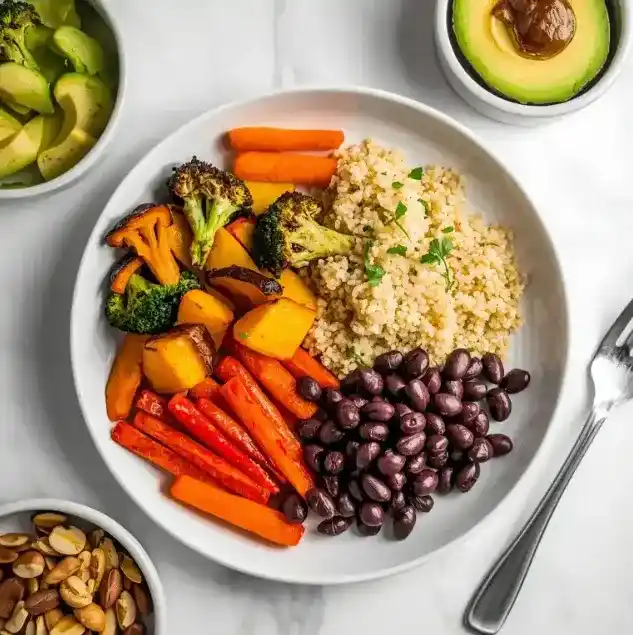
The Ultimate 28-Day Vegan Meal Plan + Grocery List
Everything you need to eat well for a full month — planned, photographed, and ready to print.
- Complete 28-day daily calendar
- 40+ nutritionist-approved recipes
- 4 weekly grocery lists
- Protein, iron & B12 at every meal
- Saves 7+ hours of planning per week
Putting It Together: Vegan Diet for Endometriosis as a Two-Target Protocol
A vegan diet for endometriosis is most effective when it deliberately targets both drivers of the condition rather than applying generic healthy eating principles. The prostaglandin-mediated inflammation that produces pain and the oestrogen dominance that fuels lesion growth are distinct biological mechanisms that require distinct dietary interventions, even though a plant-based diet structurally addresses both simultaneously when correctly designed.
Algae-derived EPA and DHA is the most important supplement for endometriosis pain management on a plant-based diet, with evidence for pain reduction equivalent to some pharmaceutical NSAIDs at therapeutic doses. Ground flaxseed, broccoli, and green tea address the aromatase mechanism and oestrogen metabolism pathways that no pain medication touches. The elimination of red meat and dairy removes the dual contribution of arachidonic acid and exogenous oestrogen that drives both mechanisms simultaneously, and represents the single most impactful structural dietary change supported by the epidemiological literature.
The oestrogen clearance pathway is the aspect of this protocol that most distinguishes it from generic anti-inflammatory dietary advice. The four-stage cascade, from liver Phase 1 metabolism through Phase 2 methylation, gut excretion, and faecal clearance, requires specific daily food choices that address each stage: cruciferous vegetables for Stage 1, adequate B vitamins and magnesium for Stage 2, high dietary fiber for Stage 3, and the plant diet’s overall structure for Stage 4. Dietary intervention does not replace surgical excision for established severe endometriosis, and does not replace hormonal therapy where clinically indicated. It is the persistent daily reduction in the inflammatory and oestrogenic environment that surgical and pharmaceutical interventions cannot provide alone. The fertility connection is covered at the vegan fertility guide. The gut microbiome framework underlying the oestrogen clearance mechanism is at the vegan gut health guide.
FAQ: 12 Questions About the Vegan Diet for Endometriosis
Yes, through two well-characterised dietary mechanisms. First, eliminating animal products removes arachidonic acid (the primary substrate for PGE2 prostaglandin synthesis driving endometriosis pain) and exogenous oestrogens from dairy and conventionally raised meat. Second, a high-fiber plant-based diet with cruciferous vegetables actively supports the four-stage oestrogen clearance pathway that reduces the oestrogenic environment sustaining endometriotic lesion growth. The epidemiological evidence from the Nurses’ Health Study II, reviewed at PubMed, confirms women with the highest omega-3 intake have 22% lower endometriosis risk, and women with the highest red meat intake have 56% higher risk. Dietary intervention does not cure endometriosis, but it meaningfully reduces pain severity and the oestrogenic conditions that promote lesion growth and recurrence after surgery.
The four most evidence-supported dietary eliminations for endometriosis:
- Red meat: highest arachidonic acid content, strongest epidemiological association with endometriosis risk in prospective data
- Conventional dairy: exogenous oestrogens and progesterone, arachidonic acid in dairy fat
- Trans fats: directly associated with higher endometriosis risk in epidemiological studies
- Alcohol: raises circulating oestrogen, reduces hepatic oestrogen clearance
Significant reductions: high-omega-6 vegetable oils (replace with EVOO), refined carbohydrates and added sugar (raise insulin and IGF-1 stimulating aromatase), and very high coffee consumption (associated with elevated oestrogen in some studies).
Yes, through a specific and well-characterised biochemical mechanism. EPA from algae oil occupies the COX-2 active site competitively with arachidonic acid. When EPA is used as substrate instead of arachidonic acid, COX-2 produces PGE3 rather than PGE2. PGE3 is a far less potent and less inflammatory prostaglandin that produces significantly less uterine cramping and inflammatory signalling than PGE2. The more EPA accumulated in endometriotic lesion cell membranes, the less PGE2 those cells produce at each menstrual cycle. Multiple clinical trials and the observational evidence reviewed at Examine.com confirm omega-3 supplementation at 1000 to 3000mg EPA and DHA daily reduces endometriosis-associated pain scores and inflammatory markers significantly over 8 to 16 weeks. Algae-derived EPA and DHA is the vegan form; ALA from flaxseed and walnuts does not convert at sufficient efficiency to provide equivalent therapeutic EPA levels in cell membranes without direct supplementation.
DIM (diindolylmethane) is formed from indole-3-carbinol when cruciferous vegetables are digested. I3C is released from glucobrassicin when the vegetable is chewed or chopped, activating the myrosinase enzyme. In the acidic stomach environment, I3C polymerises to form DIM. DIM has three mechanisms relevant to endometriosis: it shifts hepatic oestrogen metabolism from the 16-OH pathway (producing proliferative 16-alpha-hydroxy oestrone) to the 2-OH pathway (producing the less oestrogenically active 2-hydroxy oestrone); it inhibits aromatase expression in endometriotic stromal cells, reducing local oestrogen production; and it inhibits the NF-kB pathway driving endometriotic inflammation. Two cups of cooked cruciferous vegetables daily delivers sufficient I3C for meaningful DIM production. Supplemental DIM at 100 to 200mg daily can augment food-based intake during perimenstrual high-symptom periods without the need to double vegetable consumption.
Normal dietary soy consumption of 1 to 2 servings daily appears safe for most women with endometriosis, despite early theoretical concerns about phytoestrogens stimulating oestrogen-dependent tissue. The clinical reality is more nuanced: soy isoflavones preferentially activate ERbeta, the anti-inflammatory, anti-proliferative oestrogen receptor subtype, rather than ERalpha, the proliferative subtype that drives endometriosis. In observational data, populations with high traditional soy consumption do not show higher endometriosis rates than low-soy populations. Fermented soy (tempeh, miso) is preferable to processed soy isolate for endometriosis management, because fermentation reduces raw isoflavone concentration while improving overall bioavailability. Very high doses of supplemental soy protein isolate, not food-form soy, are the context where individual monitoring is most warranted.
Yes, through both chronic dietary management and acute perimenstrual strategies. The most effective acute dietary interventions for period pain in endometriosis are ginger tea (4 or more cups daily in the days before and during menstruation, with a 2009 RCT finding ginger equivalent to ibuprofen for primary dysmenorrhoea via COX inhibition), increased EPA and DHA dosing to 2000mg in the pre-menstrual week to pre-load the membrane fatty acid pool before PGE2 synthesis peaks, magnesium glycinate 400mg nightly during the perimenstrual period for uterine smooth muscle relaxation, and turmeric with black pepper at every meal for COX-2 curcumin inhibition. Chronic management through the full protocol produces cumulative pain reduction over 3 to 6 months as the cellular omega-3 to arachidonic acid ratio in lesion membranes shifts and the oestrogen environment gradually normalises.
The timeline varies by mechanism. Omega-3 membrane integration requires 4 to 8 weeks for significant EPA accumulation in cell membranes and measurable PGE2 reduction, with pain improvements from supplementation typically beginning within 2 to 3 menstrual cycles. Gut microbiome and beta-glucuronidase reduction requires 6 to 8 weeks of consistent high-fiber eating to meaningfully reduce oestrogen reabsorption from the gut. Oestrogen metabolism pathway shifting requires 8 to 12 weeks of consistent cruciferous vegetable consumption and Phase 2 methylation nutrient adequacy to show measurable shifts in the 2-OH to 16-OH oestrogen ratio. Most women following the full protocol report meaningful improvement in pain severity and menstrual symptom burden at 3 to 6 menstrual cycles of consistent adherence.
In priority order for endometriosis-specific management:
- Algae EPA and DHA 1000 to 2000mg daily: the most important supplement for pain reduction. Must be algae-derived for vegans.
- Magnesium glycinate 200 to 400mg at bedtime: uterine muscle relaxation, Phase 2 methylation cofactor, sleep quality support
- B12 500mcg cyanocobalamin daily: universal vegan requirement and Phase 2 methylation cofactor
- Algae D3 2000 IU daily: vitamin D deficiency is associated with more severe endometriosis in observational data; D3 has immunomodulatory effects relevant to endometriosis inflammatory pathology
- DIM 100 to 200mg during the perimenstrual phase: supplemental DIM augments food-based I3C for oestrogen Phase 1 metabolism during the highest-symptom period
Yes, through the gut-oestrogen axis described in Section 3. The gut microbiome controls the proportion of conjugated oestrogen that is reabsorbed versus excreted. High beta-glucuronidase activity, associated with dysbiosis and low-fiber diets, deconjugates excreted oestrogen in the gut, allowing it to be reabsorbed and recirculate rather than be eliminated. Women with endometriosis show specific microbiome differences from controls: reduced Lactobacillus populations, increased gram-negative bacteria raising inflammatory LPS, and altered beta-glucuronidase activity. A high-fiber plant diet with fermented foods directly addresses these differences by feeding beneficial bacterial populations, reducing pathogenic bacteria, and lowering beta-glucuronidase activity. The full gut health framework is at the vegan gut health guide.
Endometriosis and PCOS are distinct conditions with different hormonal profiles but they do co-occur in some women and share certain dietary management principles. Endometriosis is characterised by oestrogen dominance. PCOS is typically characterised by androgen excess and insulin resistance, though it may also involve oestrogen insufficiency in some subtypes. Dietary overlap exists: both benefit from anti-inflammatory plant-based eating, both are worsened by high refined carbohydrate intake (through different mechanisms, insulin resistance in PCOS and aromatase stimulation via IGF-1 in endometriosis), and both benefit from gut microbiome optimisation through fiber and fermented foods. The PCOS-specific dietary framework is at the vegan PCOS guide.
The oestrogen dominance dietary protocol for endometriosis has four components corresponding to the four clearance pathway stages in Section 3. Stage 1 support requires 2 cups of cruciferous vegetables daily for I3C and DIM to promote the 2-OH oestrogen pathway, plus rosemary in cooking for additional CYP1A2 upregulation. Stage 2 support requires daily folate from lentils and leafy greens, B6 from chickpeas, B12 supplementation, and magnesium from seeds and greens for COMT methylation capacity. Stage 3 gut clearance requires 40 to 60g dietary fiber daily from diverse plant sources plus fermented foods to reduce beta-glucuronidase. Stage 4 faecal excretion is handled automatically by the high-fiber plant diet structure. This is not a low-oestrogen diet. It is an oestrogen clearance optimisation diet that promotes healthy metabolism and elimination of oestrogen rather than simply reducing intake or avoiding oestrogenic foods.
Endometriosis is the leading cause of female infertility, affecting approximately 40% of women with the condition. The mechanisms include adhesions and scarring that physically obstruct egg release and transport, inflammatory peritoneal fluid that is toxic to sperm and early embryos, altered follicular fluid composition from endometriosis-related ovarian involvement, and immune dysregulation that impairs implantation. Dietary intervention improves fertility prospects in endometriosis through three pathways: reducing the inflammatory peritoneal environment through omega-3, turmeric, and cruciferous vegetables; reducing the oestrogen dominance that drives lesion growth and ovarian damage through fiber, I3C and DIM, and reduced exogenous oestrogen; and improving overall systemic inflammatory markers that affect egg quality and uterine receptivity. The vegan fertility framework covering endometriosis in the context of plant-based conception optimisation is at the vegan fertility guide.
Still spending hours figuring out what to eat?
What’s included in your download
- 40+ nutritionist-approved recipes
- Complete 28-day calendar
- Meets protein, iron & B12 needs
- Family & meal prep friendly
- Vibrant photo for every recipe
- Simple, common ingredients
Instant PDF download. No subscriptions. No waiting.