Medical Disclaimer: This article is for informational and educational purposes only. It does not constitute medical advice. If you are pregnant, planning pregnancy, or managing a condition related to folate metabolism such as MTHFR gene mutation, consult a qualified healthcare provider before making changes to your diet or supplementation.
Vegan folate foods are one of the clearest nutritional advantages of a plant-based diet. Unlike iron, omega-3, or B12, folate is not a nutrient that vegans typically need to worry about. Legumes, leafy greens, asparagus, avocado, and edamame all deliver folate in significant quantities, and a varied plant-based diet routinely exceeds the 400 mcg daily reference intake for adults without any specific planning effort.
That said, the subject of folate on a plant-based diet has two important layers that most guides skip entirely. First, the distinction between food folate and synthetic folic acid matters enormously for supplementation decisions. Second, the MTHFR gene variant, which affects a significant portion of the population, changes how the body processes both food folate and folic acid supplements, and this has direct implications for pregnancy planning.
Why Folate Is the Vegan Diet’s Nutritional Strength
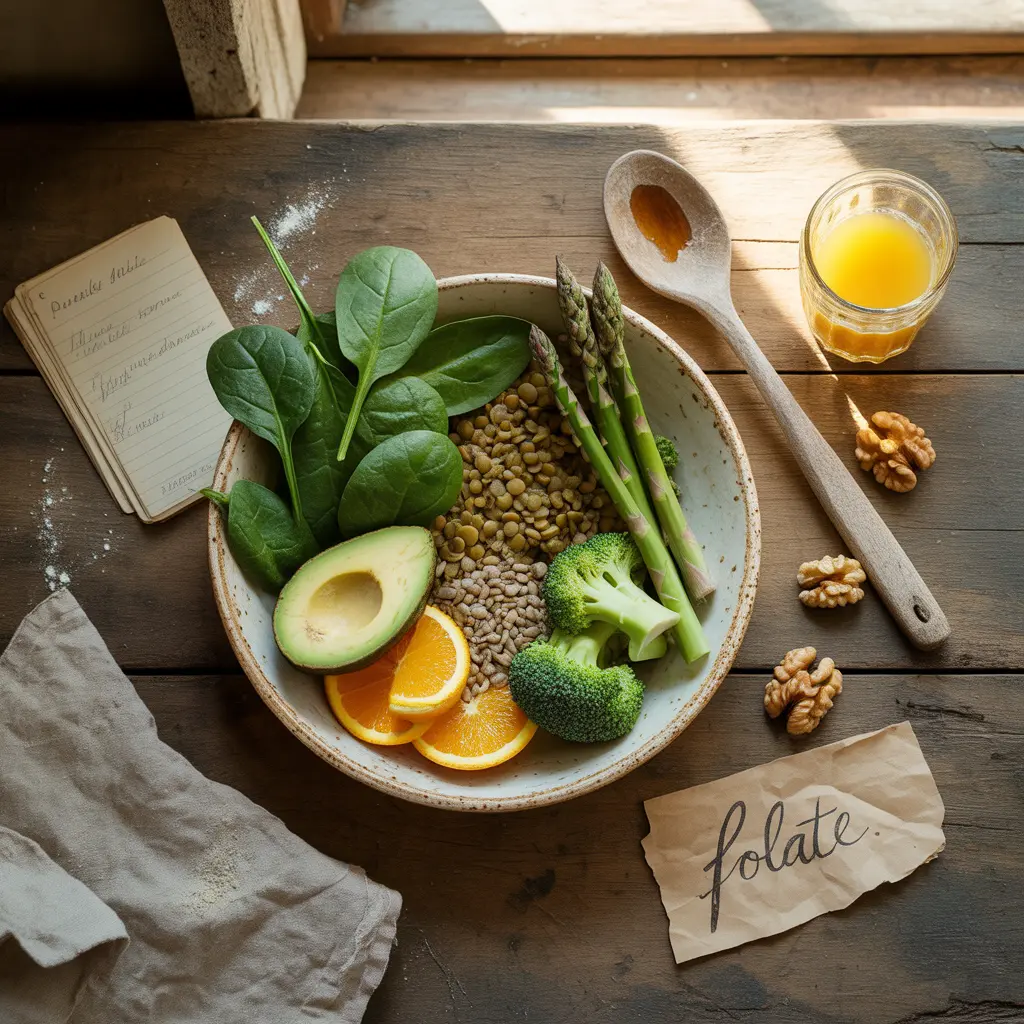
Most discussions of plant-based nutrition focus on what vegans are at risk of missing. Folate is the exception. Vegan folate foods naturally include some of the most folate-dense foods in the human dietary spectrum. Lentils, chickpeas, black beans, edamame, spinach, asparagus, and broccoli all deliver folate in quantities that are difficult to match from animal products alone.
Vegans who eat lentils, black beans, or chickpeas regularly, alongside leafy greens and avocado, are almost certainly meeting their daily folate requirement without any supplementation. This is a genuine nutritional advantage that plant-based diets hold over many omnivorous dietary patterns, which frequently fall short of folate targets due to low vegetable intake.
Folate vs. Folic Acid: The Critical Distinction
The conversion of folic acid to active folate is carried out by the enzyme methylenetetrahydrofolate reductase, the same enzyme encoded by the MTHFR gene. When this enzyme functions normally, folic acid conversion is efficient and the synthetic form is broadly equivalent to food folate for practical purposes. When MTHFR enzyme activity is reduced (due to genetic variants, which are common), unconverted folic acid can accumulate in the blood.
High unmetabolised folic acid in the bloodstream is an area of active research, with some evidence suggesting it may interfere with natural folate activity and mask B12 deficiency at high doses. This provides a practical reason to prefer methylfolate supplements over standard folic acid when supplementation is necessary.
MTHFR Gene: Why Some People Need Methylfolate
For vegans with MTHFR variants, the standard advice to eat plenty of vegan folate foods remains valid and important. Food folate enters the metabolic pathway at a point that partially bypasses the MTHFR bottleneck, making whole food sources more accessible than synthetic folic acid for people with reduced enzyme activity. Asparagus, lentils, edamame, avocado, and dark leafy greens are all excellent choices for vegan MTHFR dietary planning.
The supplementation decision changes for people with confirmed MTHFR variants. Standard folic acid supplements require full MTHFR enzyme conversion and are therefore less efficiently used in people with reduced enzyme activity. Methylfolate supplements (labelled as 5-MTHF or L-methylfolate) provide the pre-converted active form and bypass the MTHFR step entirely. This makes them a better choice for anyone with confirmed MTHFR variants, and for pregnant vegans who want to ensure maximum folate availability during the neural tube formation window.
The vegan MTHFR diet also intersects with B12 status. The MTHFR enzyme is required to regenerate methionine from homocysteine using both folate and B12. When either nutrient is low, or when MTHFR activity is impaired, homocysteine accumulates. Elevated homocysteine is associated with cardiovascular risk, pregnancy complications, and cognitive decline. This connection between vegan folate foods, B12, and MTHFR is covered in depth in the homocysteine triangle section below, and in the complete guide to vegan B12.
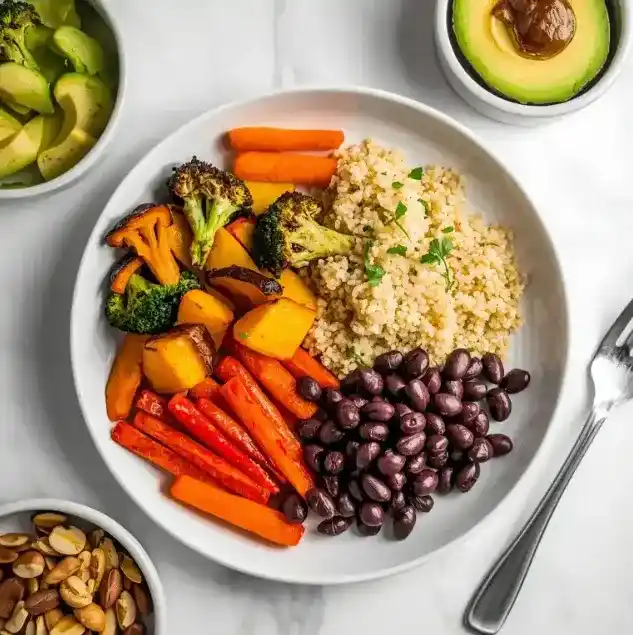
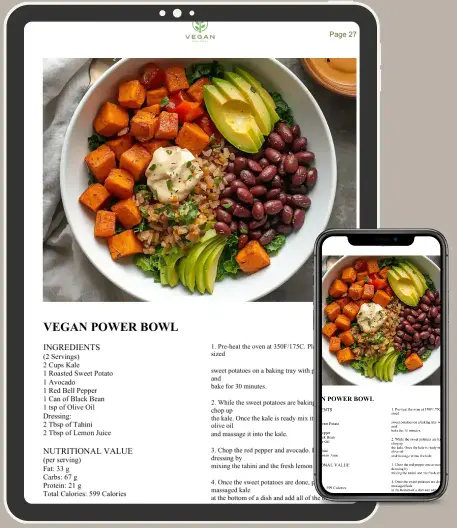
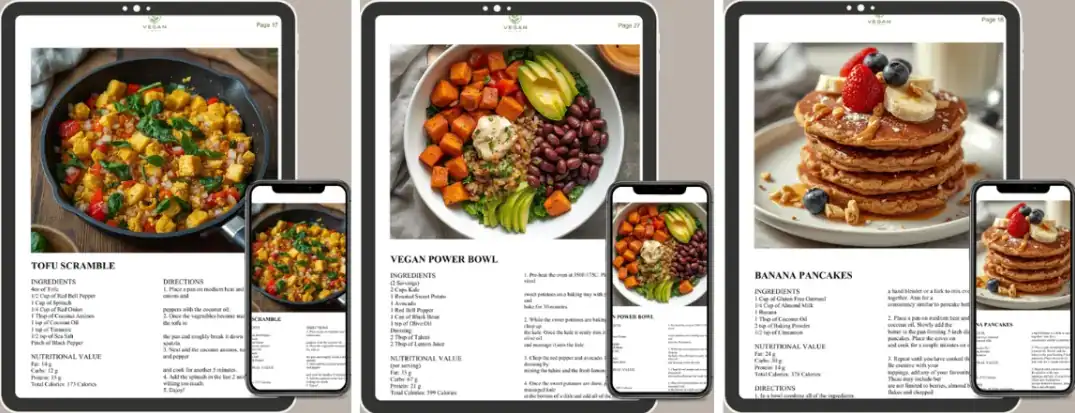
The Ultimate 28-Day Vegan Meal Plan + Grocery List
Everything you need to eat well for a full month — planned, photographed, and ready to print.
- Complete 28-day daily calendar
- 40+ nutritionist-approved recipes
- 4 weekly grocery lists
- Protein, iron & B12 at every meal
- Saves 7+ hours of planning per week
Top 20 Vegan Folate Foods Ranked
The bar chart below ranks the top 20 plant-based folate sources by their folate content per standard serving, alongside a bioavailability note. Food folate bioavailability ranges from 50 to 80 percent depending on the food and preparation method. The figures shown are based on USDA food composition data and represent cooked weights for legumes and grains, raw weights for vegetables and fruit.
Top 20 Plant Folate Sources: mcg per Serving
Source: USDA FoodData Central. Values are approximate and vary by variety, growing conditions, and preparation method. Legume values are for cooked weight.
The most important pattern from this ranking is that legumes dominate the top positions. Edamame, lentils, chickpeas, black beans, and kidney beans all deliver 230 mcg or more per cup, meaning that a single serving of legumes at one meal covers 57 to 120 percent of the adult daily requirement. This is why a vegan diet built around regular legume consumption rarely has a folate problem.
Asparagus and cooked spinach represent the best non-legume plant folate sources by volume. Broccoli, Brussels sprouts, and kale contribute meaningfully as part of a varied plant diet even if they are not in the same league as edamame. The key insight for practical meal planning is to include high-folate plant foods in at least one or two meals daily, anchored around legumes as the primary source and leafy greens and cruciferous vegetables as daily complements.
6 Spotlight Folate Foods for a Plant-Based Diet
Folate Through the Life Cycle
Folate requirements vary significantly across life stages. For most adults eating a well-varied plant-based diet with regular legumes, daily needs are met comfortably from food alone. The life stages where specific attention is warranted are pregnancy, fertility planning, and older adults at risk of cognitive decline.
Folate and Pregnancy
Vegan folate for pregnancy requires both adequate food intake and supplementation. Neural tube defects form in the first 28 days of embryonic development, often before a pregnancy is confirmed. This means adequate folate status must be established before conception, not after. The standard recommendation for all people planning a plant-based pregnancy is to supplement with 400 to 800 mcg of methylfolate (not standard folic acid) daily for at least three months before conception and throughout the first trimester.
Folate and Depression
Vegan plant folate depression research shows a consistent association between low folate status and depressive symptoms. Folate is required for the synthesis of SAMe (S-adenosylmethionine), which is the body’s primary methyl donor and a precursor for the neurotransmitters serotonin and dopamine. Low folate impairs methylation and reduces neurotransmitter availability. Several clinical trials have found that folate supplementation as an adjunct to antidepressant therapy improves treatment response. For vegans interested in the nutritional foundations of mood, folate sits alongside B12 and omega-3 as the three most evidence-based dietary contributors. The plant-based depression guide covers the full picture.
Folate and Brain Health in Older Adults
Vegan folate brain health evidence shows that low folate in older adults is associated with cognitive decline and increased dementia risk. Folate works synergistically with B12 to keep homocysteine levels low. Elevated homocysteine is one of the strongest nutritional markers for cognitive decline and white matter lesions. Older vegans should ensure that both folate from food and B12 through supplementation remain adequate. The vegan brain health guide covers the evidence in detail.
The Folate-B12-Homocysteine Triangle
How Folate and B12 Regulate Homocysteine
For vegans, low B12 is the more common driver of elevated homocysteine. Folate from food is usually adequate. The combination of both deficiencies carries the greatest risk.
The plant diet homocysteine folate connection is one of the most practically important pieces of vegan nutrition biochemistry to understand. Homocysteine is an amino acid produced during methionine metabolism. It is normally cleared from the bloodstream by being converted back to methionine, a reaction that requires both folate (specifically 5-MTHF) and B12 (specifically methylcobalamin).
For vegans, B12 deficiency is the more common driver of elevated homocysteine because plant foods provide no reliable B12. Folate from plant foods is usually adequate, which means the B12-dependent step in the clearance reaction becomes the bottleneck. This is why B12 testing and supplementation is foundational for all vegans, and why the annual vegan blood test panel should always include homocysteine alongside B12 and folate.
Elevated homocysteine (above 15 micromol/L) is associated with a two-fold increase in cardiovascular disease risk, a significantly elevated risk of dementia, and in pregnant women, an increased risk of neural tube defects and pregnancy complications. Addressing both the folate and B12 sides of this triangle simultaneously is the most effective risk-reduction strategy. Plant-based folate absorption from food combined with B12 supplementation is the standard approach. The vegan nutrient deficiency guide covers which blood markers to track and when.
The 7-Step Daily Folate Protocol
This protocol is built for vegans who want to ensure optimal folate intake across all life stages, with specific considerations for pregnancy planning and those with known MTHFR variants.
- Build at least one legume-anchored meal into every day. Lentils, chickpeas, black beans, or edamame at lunch or dinner provides 230 to 480 mcg of folate in a single meal, covering 57 to 120 percent of the adult daily requirement. A pot of lentil soup, a bowl of dhal, a chickpea curry, or a black bean salad covers this entirely. This single habit alone resolves the folate question for most non-pregnant adults on a plant-based diet.
- Add at least one folate-rich vegetable daily. Cooked asparagus, spinach, broccoli, or Brussels sprouts alongside your legume anchor provides redundancy and additional micronutrients. Variety across the week, rotating through different green vegetables, ensures broad coverage of the plant-based folate sources spectrum.
- Use avocado as a daily fat source where possible. One whole avocado contributes 163 mcg of folate alongside healthy monounsaturated fats, potassium, and B6. Used as a spread, in salads, or in grain bowls, it is the most pleasant-tasting of all plant folate sources and requires no cooking.
- Cook and do not boil your vegetables. Folate is water-soluble and heat-sensitive. Roasting, steaming, or stir-frying preserves more folate than boiling in large amounts of water. When cooking spinach or asparagus, steam or wilt rather than submerge. This simple change can improve folate retention by 20 to 30 percent across weekly vegetable consumption.
- Test your folate and B12 status annually. Although vegan folate foods provide abundant folate for most people, confirmed status is the only way to know. A serum folate test and red blood cell folate (more stable and reflective of tissue stores) alongside B12 should be part of every annual plant-based blood panel. Anyone with homocysteine above 12 micromol/L should address both folate and B12 simultaneously. See the full testing guide.
- If planning pregnancy, supplement with methylfolate from three months before conception. Do not rely on food alone during this window. Use a methylfolate supplement (5-MTHF labelled) at 400 to 800 mcg per day rather than standard folic acid, particularly if you have or suspect an MTHFR variant. The neural tube formation window closes at 28 days post-conception, before most pregnancies are confirmed. The vegan pregnancy guide covers the complete preconception protocol.
- If you have an MTHFR variant, prioritise food folate and methylfolate supplements over folic acid. Natural vegan folate foods enter the metabolic pathway at a step that partially bypasses MTHFR enzyme activity. This makes them more accessible for people with reduced MTHFR function than synthetic folic acid. If supplementation is needed, choose products labelled methylfolate or L-5-MTHF, not standard folic acid. Discuss this with a healthcare provider who understands MTHFR.
A Chef’s Perspective: MENA Legume and Green Cooking for Folate
In over 20 years cooking professionally across the Middle East and Mediterranean, I have prepared thousands of dishes that were unknowingly optimised for folate, long before I understood the nutritional science behind them. The traditional MENA kitchen is built on legumes and leafy greens in a way that no other culinary tradition matches at scale.
Lebanese mujaddara, a dish of slow-cooked lentils and rice with caramelised onions and fresh parsley, delivers over 360 mcg of folate per serving from the lentils alone, plus an additional contribution from the parsley. Egyptian ful medames, the breakfast staple of slow-cooked fava beans with lemon and olive oil, delivers 200 to 300 mcg depending on portion size. Palestinian and Jordanian maqlooba uses a legume base that contributes similar folate per serving. None of these dishes were designed as folate delivery systems. They evolved over centuries in climates where legumes were the most reliable, affordable, and culturally embedded protein source.
The cooking methods also preserve folate intelligently. Traditional MENA preparation of lentils and beans involves slow simmering in minimal water with the lid on, which reduces the water-soluble vitamin loss that comes from boiling in large volumes of water with the lid off. Steaming and incorporating cooking liquid into the final dish (as in dhal and soups) further reduces nutrient loss. These are the same practices that modern nutritional science recommends for optimising plant-based folate absorption.
My practical recommendation: build your vegan folate foods strategy around the MENA legume tradition. A pot of lentils or chickpeas simmered slowly with cumin, turmeric, and lemon provides not only the most folate-dense meal available from plant sources, but also one of the most culturally rich and genuinely satisfying. The Ultimate 28-Day Vegan Meal Plan + Grocery List (Complete Solution) is built with this principle at its core, with 36 chef-tested recipes meeting protein, iron, and B12 needs, built from simple supermarket ingredients that cover all major vegan folate foods naturally across the 28 days.
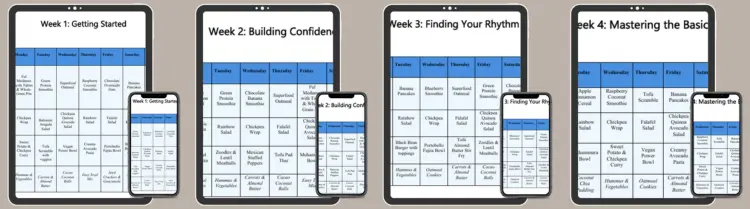
28-Day Vegan Meal Plan
+ Grocery List
Complete Solution · Nutritionist-Approved · Print & Use Today
Read on any device · No apps needed
Frequently Asked Questions
Do vegans get enough folate from diet alone?
Most vegans who eat a varied diet including regular legumes and leafy greens get adequate folate from food alone. Unlike B12 or iodine, folate is not a nutrient that requires supplementation for the majority of plant-based eaters outside of pregnancy and preconception. The high folate density of lentils, edamame, chickpeas, and dark leafy greens means that a typical varied diet built around vegan folate foods routinely meets or exceeds the 400 mcg adult daily reference intake.
What is the difference between folate and folic acid?
Folate is the naturally occurring form of vitamin B9 found in plant-based folate sources including legumes, leafy greens, and vegetables. Folic acid is the synthetic, fully oxidised form used in most supplements and food fortification. The body must convert folic acid into its active form (5-MTHF) before use, a step that requires the MTHFR enzyme. People with MTHFR variants may convert folic acid less efficiently. Food folate enters the pathway at a stage that partially bypasses this conversion step, making it more directly usable for people with reduced MTHFR activity.
What are the best vegan folate foods for pregnancy?
The best vegan folate foods for pregnancy are edamame (482 mcg per cup), lentils (358 mcg per cup), chickpeas (282 mcg per cup), asparagus (268 mcg per cup), and cooked spinach (263 mcg per cup). These foods should be consumed daily throughout pregnancy. However, food alone is insufficient for the 600 mcg daily pregnancy requirement and the preconception window. A methylfolate supplement at 400 to 800 mcg per day is recommended for all plant-based people planning pregnancy.
Should vegans with MTHFR take a folate supplement?
Vegans with confirmed MTHFR variants benefit most from prioritising natural vegan folate foods over synthetic folic acid supplements. When supplementation is needed (particularly for pregnancy), choose products labelled as methylfolate or L-5-methyltetrahydrofolate (L-5-MTHF) rather than standard folic acid. These provide the pre-converted active form that bypasses the MTHFR conversion step entirely. Always confirm supplementation decisions with a healthcare provider familiar with MTHFR.
Can too much folate be harmful?
Toxicity from food folate is effectively impossible through normal dietary intake. The tolerable upper limit applies to synthetic folic acid supplementation, set at 1,000 mcg per day for adults. Exceeding this from supplements may mask B12 deficiency symptoms, allowing neurological damage to progress undetected. This is one reason why B12 testing should accompany any discussion of folate supplementation in vegans. Eating large amounts of folate-rich plant foods does not carry this risk.
Does cooking destroy folate in plant foods?
Yes, cooking reduces folate content, but the degree depends on method. Boiling vegetables in large volumes of water causes the greatest loss, as folate leaches into the cooking water. Steaming, roasting, stir-frying, and simmering with minimal water preserve significantly more folate. When making soups, incorporating the cooking liquid into the final dish retains the folate that would otherwise be discarded. Raw consumption of appropriate folate-rich foods such as avocado and edamame provides folate with no cooking losses.
What is the connection between folate and iron absorption?
Folate and iron work synergistically in red blood cell production. Folate deficiency impairs DNA synthesis in rapidly dividing cells including red blood cells, leading to megaloblastic anaemia. Iron deficiency separately causes microcytic anaemia from a different mechanism. In vegans eating plenty of legumes, both folate and iron are typically well-provided by the same foods simultaneously, since lentils, chickpeas, and spinach are high in both nutrients. See the vegan iron guide for the full absorption strategy.
How does folate affect homocysteine levels?
Folate in its active form (5-MTHF) donates a methyl group to B12-dependent enzymes that convert homocysteine back to methionine. When folate is low, this conversion slows and homocysteine accumulates in the blood. Elevated homocysteine above 15 micromol/L is associated with cardiovascular disease, cognitive decline, and pregnancy complications. Adequate plant-based folate sources combined with B12 supplementation keeps homocysteine in the normal range for most vegans.
Is avocado a good folate source for a vegan diet?
Yes. One whole avocado provides 163 mcg of folate, covering about 40 percent of the adult daily requirement. Avocado is distinctive among vegan folate foods because it combines folate with monounsaturated fats, potassium, vitamin E, and vitamin B6. Its fat content also supports the absorption of fat-soluble vitamins in meals eaten alongside it. It is not a substitute for legumes as the primary folate source, but it is a valuable daily contributor with excellent culinary versatility.
What blood tests should vegans get to check folate status?
The two most informative tests for folate status are serum folate (which reflects recent dietary intake) and red blood cell folate (which reflects longer-term tissue stores and is the more stable and clinically meaningful measure). Testing homocysteine alongside both folate and B12 gives the most complete picture of the methylation pathway status. These should be included in any comprehensive annual plant-based blood panel. See the complete vegan blood test guide for the full recommended panel.
Can folate from food prevent neural tube defects?
Adequate folate before and during early pregnancy significantly reduces the risk of neural tube defects such as spina bifida. While high intake of vegan folate foods substantially raises folate status, food alone is generally not considered reliable enough for the preconception and first-trimester window, because the timing of neural tube closure (days 21 to 28 post-conception) often predates confirmed pregnancy. Standard guidance recommends a methylfolate supplement at 400 to 800 mcg daily for at least three months before conception in addition to food intake.
Which is better for vegans: lentils or spinach for folate?
Lentils deliver significantly more folate per serving (358 mcg per cooked cup) than cooked spinach (263 mcg per cooked cup), and also provide substantially more protein and iron. However, the two foods are complementary rather than competing: lentils as the folate anchor and spinach as the daily leafy green contribution. Using both regularly across the week covers folate targets reliably across all meals and provides a broader micronutrient profile than either food delivers alone.
Maintaining healthy Vitamin B9 levels is vital for red blood cell formation and cellular function. According to the Mayo Clinic, folate is found naturally in dark green leafy vegetables, beans, and nuts. For a detailed breakdown of dietary sources and intake requirements, the NHS recommends incorporating peas, lentils, and fortified cereals to ensure you meet your daily nutritional needs.
Folate on a Plant-Based Diet: The Bottom Line
Vegan folate foods are the area of plant-based nutrition where the dietary pattern has the clearest and most consistent advantage. Legumes and leafy greens deliver folate in quantities that most omnivorous diets struggle to match. For the majority of adults following a plant-based diet with regular legume consumption, folate is not a nutrient that requires supplementation or specific concern.
The nuances that do require attention are specific. The folate versus folic acid distinction matters for supplementation in pregnancy and for those with MTHFR variants. The B12-folate-homocysteine connection means adequate B12 through supplementation is essential for the folate in your food to work correctly. The preconception window requires deliberate methylfolate supplementation before relying on food alone.
Build daily meals around lentils or chickpeas as the folate foundation, include asparagus, spinach, and avocado regularly, test homocysteine and folate status annually, and address the B12 side of the triangle through supplementation. That combination closes the folate chapter of plant-based nutrition. The Ultimate 28-Day Vegan Meal Plan + Grocery List (Complete Solution) gives you 28 days of whole food, chef-tested recipes with grocery lists included, meeting protein, iron, and B12 needs throughout. Vegan folate foods are one of the clearest demonstrations that a well-planned plant-based diet surpasses, not just matches, nutritional standards.