Disclaimer: This article is written for general informational and educational purposes only. It does not constitute medical or nutritional advice. If you have a medical condition, are pregnant, or have specific dietary requirements, consult a qualified healthcare professional or registered dietitian before making significant dietary changes. Individual nutritional needs vary.
Whole Food Vegan Diet: The Complete Guide to Unprocessed Plant-Based Eating
WFPB Defined: What Counts and What Does Not
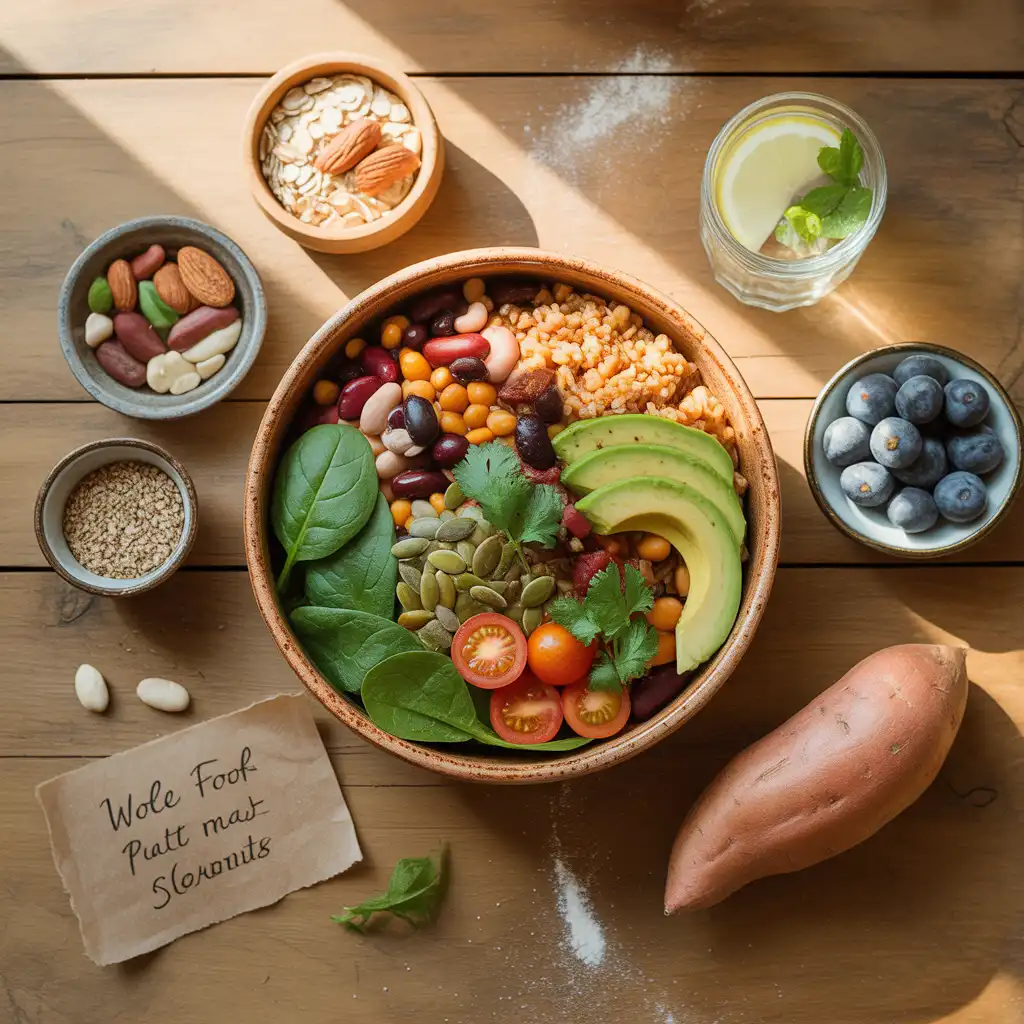
The whole food vegan diet is defined by what it keeps intact, not just what it excludes. A whole food plant-based diet centres on foods that are either unprocessed or minimally processed: foods that arrive on your plate in a state close to how they grew. This definition is more nuanced than it first appears, because the word “processed” exists on a spectrum rather than as a binary.
The most widely used classification system for processing levels is the NOVA framework, developed by researchers at the University of Sao Paulo. NOVA divides foods into four groups based on the nature and extent of processing applied to them. A whole food vegan diet draws primarily from NOVA Groups 1 and 2, uses Group 3 foods selectively, and minimises Group 4 ultra-processed products.
The Four NOVA Processing Groups: A Practical Guide
Group 1: Unprocessed or minimally processed foods. The foundation of a whole food vegan diet. Fresh and frozen vegetables, dried legumes, whole grains, fresh and dried fruits, raw nuts and seeds, tofu made from soybeans and water, and plain plant milks. Minimally processed means cleaning, cutting, freezing, fermenting, or cooking with nothing added.
Group 2: Processed culinary ingredients. Used in cooking but not eaten alone. Cold-pressed olive oil, tahini (sesame seeds only), pure nut butters (nuts only), vinegar, and salt. These enhance whole food meals without being ultra-processed.
Group 3: Processed foods. Foods with added salt, sugar, or oil to extend shelf life. Canned tomatoes, canned chickpeas, simple wholegrain breads, and fermented foods like tempeh or miso. Use freely as practical conveniences within a whole food vegan diet.
Group 4: Ultra-processed foods. Industrial formulations with five or more ingredients including additives, flavour enhancers, and emulsifiers. Many vegan products fall here: meat alternatives made from isolated protein and methylcellulose; vegan cheese from modified starch; vegan snack bars with long ingredient lists of syrups and isolates.
The distinction that matters most for the whole food vegan diet is between Group 3 and Group 4. Canned chickpeas (Group 3) are an excellent whole food vegan pantry staple. A vegan chicken burger made from pea protein isolate, methylcellulose, natural flavours, and modified tapioca starch (Group 4) is an ultra-processed food that happens to contain no animal products. Both are vegan. Only one belongs at the centre of a whole food plant-based diet.
This distinction is not about purity or perfectionism. A whole food vegan diet can include a processed vegan burger occasionally. The question is whether whole, minimally processed plant foods form the foundation of daily eating, or whether ultra-processed vegan products have become the default. The answer to that question is what separates a WFPB approach from simply eating a vegan diet that happens to rely on processed alternatives.
-
Complete 28-day calendarEvery breakfast, lunch, dinner & snack planned
-
40+ nutritionist-approved recipesVibrant photo for every single dish
-
Easy weekly grocery listsShop smart, spend less, waste nothing
-
Protein, iron & B12 at every mealNutritionally complete — no guesswork
-
Saves 7+ hours weeklyPrint it once, follow it all month
-
Bonus: Nutrition Guide ToolkitVegan tips, guides & family meal prep
The Ultra-Processed Vegan Food Problem
The growth of the vegan food market over the past decade brought enormous choice and accessibility. It also brought a wave of ultra-processed vegan products that have little in common with the whole food plant-based eating that the research evidence supports. Understanding this distinction is the single most important insight for anyone building a whole food vegan diet in 2026.
The research on ultra-processed food consumption is among the most consistent in modern nutritional epidemiology. Large prospective cohort studies have found significant associations between ultra-processed food intake and increased risk of cardiovascular disease, type 2 diabetes, cancer, depression, and all-cause mortality. These findings apply to vegan ultra-processed foods just as much as to omnivore ones.
A vegan diet built primarily around whole plant foods produces dramatically different health outcomes than one built around processed meat alternatives, vegan cheese, and high-sugar plant-based snacks. The evidence for plant-based diet health benefits comes overwhelmingly from studies of traditional dietary patterns in populations eating predominantly whole foods: legumes, vegetables, grains, and fruits. Applying these findings to a diet of processed vegan burgers is not valid.
Common Ultra-Processed Vegan Foods to Recognise
- Vegan meat alternatives made from isolated protein, methylcellulose, and flavourings
- Vegan cheese made from modified starch, coconut oil fractions, and flavour compounds
- Plant-based protein bars with 15 or more ingredients including syrups and isolates
- Vegan ready meals with long ingredient lists of additives, thickeners, and flavour enhancers
- Refined flour vegan baked goods: white bread, croissants, pastries made with margarine
- Vegan yogurt alternatives made from starch thickeners and artificial flavours rather than live cultures
- Sweetened plant milks with added sugars, carrageenan, and emulsifiers as primary ingredients
- High-sugar breakfast cereals marketed as plant-based
None of this means ultra-processed vegan foods deserve moral condemnation. They have played a genuinely important role in making veganism accessible and reducing animal product consumption at scale. The point is nutritional: if health is a significant motivation for your whole food vegan diet, the processing level of your daily food choices matters as much as whether they contain animal ingredients.
The Whole Food Plant-Based Food Pyramid
The traditional food pyramid has been revised many times, but for a whole food vegan diet the structure below reflects both the nutritional evidence base and the practical meal-building logic of WFPB eating. Foods at the base form the majority of daily calories and volume. Foods at the top are used as flavour, nutrient-density additions, or occasional additions rather than primary calorie sources.
Outside the pyramid tiers, a whole food vegan diet also includes a small number of flavour and nutrient foundations used in cooking: cold-pressed olive oil, herbs and spices (turmeric, cumin, coriander, ginger, garlic), fermented foods (miso, tempeh, sauerkraut, kimchi), and minimally processed condiments like tahini, apple cider vinegar, and tamari. These are not calorie foundations but culinary tools that make whole food plant-based meals genuinely pleasurable to eat.
The pyramid notably excludes refined oils, white flour products, isolated protein powders as daily staples, vegan processed meats, and sweetened plant milks as regular choices. These are not forbidden, but they sit outside the whole food vegan diet framework and should be occasional rather than routine.
Top WFPB Food Categories Ranked by Nutritional Density
Nutritional density on a whole food vegan diet means the ratio of micronutrients, fibre, and beneficial plant compounds relative to calorie content. The ranking below reflects the combined score of protein quality, micronutrient breadth, fibre content, antioxidant load, and phytochemical diversity for each food category.
Dark leafy greens and legumes share the exceptional tier for good reason. Leafy greens deliver vitamins K1, C, E, folate, calcium, iron, and antioxidant polyphenols at extremely low caloric cost. Legumes provide complete amino acid profiles, exceptional fibre for SCFA production, iron, zinc, folate, magnesium, and potassium. These two food groups, eaten daily, form the nutritional backbone of a whole food vegan diet that meets most requirements without supplementation beyond B12 and vitamin D.
The key practical insight from this ranking is that the top five categories (leafy greens, legumes, cruciferous vegetables, berries, and seeds) are also among the cheapest foods available anywhere. Building a whole food plant-based diet around the most nutritionally dense foods is simultaneously the most economical approach.
8 Whole Foods That Replace Processed Vegan Alternatives
Transitioning to a whole food vegan diet does not require deprivation. Every ultra-processed vegan product has a whole-food equivalent that is more nutritious, less expensive, and in most cases equally satisfying once the palate adjusts to less sodium, sugar, and artificial flavour. These eight categories cover the most common processed vegan products and their whole-food replacements.
Reading Labels: How to Identify Ultra-Processed Vegan Products
Product labels can be confusing, particularly when manufacturers use language that sounds natural and wholesome while the actual ingredient list tells a different story. Knowing which ingredients signal ultra-processing helps navigate any supermarket aisle with confidence on a whole food vegan diet.
The simplest practical rule is the five-ingredient test: if a vegan product has more than five ingredients, look at what those ingredients are. If any are industrial compounds not recognisable as whole plant foods, the product is likely ultra-processed. This is not an absolute rule, as some excellent products have more than five ingredients, but it is a useful screening shortcut that works in most situations.
The ingredient order rule is also worth knowing: ingredients are listed in descending order by weight. If the first two or three ingredients are not recognisable whole plant foods, the product’s nutritional character is determined by those dominant ultra-processed inputs regardless of what else is on the label.
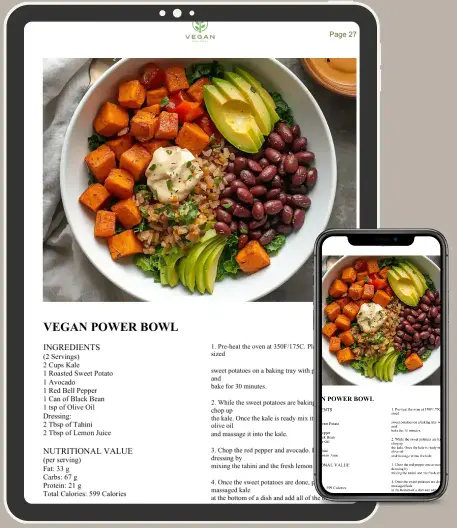
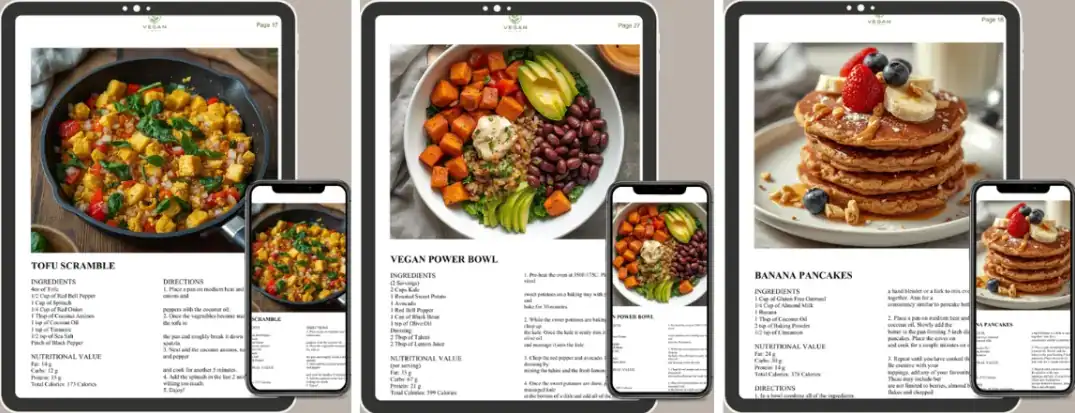
The Complete 28-Day Vegan Meal Plan + Grocery List
- 28-day structured calendar — breakfast, lunch, dinner & snack, every single day
- Every meal meets protein, iron & B12 — no guesswork, no gaps
- 4 weekly grocery lists — categorised, budget-friendly, zero waste
- Saves 7+ hours weekly — print once, follow all month
- Bonus Nutrition Guide Toolkit — vegan tips, guides & family meal prep
Instant digital download · Printable PDF · Use today
Budget Strategy: Why Whole Foods Cost Less
One of the most persistent misconceptions about plant-based eating is that it is expensive. This is true of ultra-processed vegan products, which carry significant manufacturing and marketing costs. It is false of a genuine whole food vegan diet, which is built around some of the cheapest foods in any supermarket or market anywhere in the world.
The Cost Comparison: WFPB vs. Processed Vegan Products
Consider a simple protein comparison. 100g of protein from dried red lentils costs approximately 25 to 40 cents in most Western markets. The same 100g of protein from a processed vegan burger patty costs 4 to 6 dollars. That is a 10 to 15 times price difference for nutritionally inferior protein. Lentils provide complete nutrition in a food matrix with fibre, minerals, and phytochemicals. The vegan burger provides isolated protein in a processed format with additives and minimal whole-food nutrition.
The same pattern holds across every category. Rolled oats versus vegan granola bars: 8 to 10 times cheaper. Homemade hummus from dried chickpeas versus processed vegan ready meals: 5 to 8 times cheaper. Frozen vegetables versus ultra-processed vegan side dishes: 3 to 5 times cheaper. A whole food vegan diet is not just healthier than a processed vegan diet. It is dramatically more affordable.
Practical Budget WFPB Shopping Strategy
The most cost-effective whole food vegan pantry is built around bulk dried staples combined with fresh and frozen seasonal produce. Dried lentils, chickpeas, black beans, brown rice, oats, and whole wheat pasta form the calorie foundation at very low cost per serving. These store for months, reducing waste. Frozen vegetables maintain full nutritional value at a fraction of fresh cost out of season.
The core principle for whole food vegan diet budget planning is to spend the majority of the grocery budget on the base layer of the pyramid (vegetables and legumes), a smaller portion on whole grains, and very little on processed vegan alternatives. This structure naturally keeps costs low while maximising nutritional return. More detail is in the budget vegan meal guide on this site.
7-Step Transition to Whole Food Plant-Based Eating
Moving to a whole food vegan diet is most successful as a gradual transition rather than an overnight overhaul. Each step below builds on the previous one and can be taken at whatever pace suits individual circumstances and cooking confidence.
Audit your current vegan diet for ultra-processed products. Before changing anything, spend one week writing down every vegan product you eat. Apply the label-reading guide from this post. Note which products fall into the ultra-processed category. This audit usually reveals two or three key products that account for the majority of ultra-processed food intake, making the transition far more targeted than attempting a wholesale overhaul.
Replace your primary protein source with whole legumes. This single swap has the largest nutritional and cost impact. If you currently rely on vegan meat alternatives for protein, replace them with lentils, chickpeas, black beans, or tempeh. Start with one meal per day. Batch cook a large pot of lentils or chickpeas on Sunday for use throughout the week. This is the foundation of a whole food vegan diet in practical daily terms.
Build your pantry around whole-food staples rather than vegan products. Restock your kitchen with dried legumes, whole grains, raw nuts and seeds, a full spice rack, cold-pressed olive oil, and a range of vegetables and fruits. When these are the things you reach for, cooking a whole food plant-based meal becomes the path of least resistance. The vegan pantry staples guide on this site covers this setup in full.
Learn five core whole food vegan recipes you can cook from memory. A lentil soup, a chickpea curry, a grain bowl with roasted vegetables, a bean stew, and an oat-based breakfast cover most nutritional bases and can be prepared in under 30 minutes. Once these are automatic, the whole food vegan diet requires no deliberate effort. The vegan cooking techniques guide on this site covers foundational plant-based cooking skills.
Replace processed snacks with whole-food alternatives. Keep a bowl of mixed nuts and seeds on the counter, fresh fruit accessible, and hummus and vegetable sticks ready in the fridge. When a processed vegan snack urge arises, having whole-food alternatives immediately available removes the friction that leads to default processed food choices.
Switch to minimal-ingredient plant milks and condiments. Replace sweetened plant milks with unsweetened versions that have three ingredients or fewer. Replace processed vegan spreads with whole avocado or nut butter. Replace store-bought hummus with a batch made from dried chickpeas. These are small changes with significant cumulative impact on the ultra-processing level of your whole food vegan diet.
Introduce weekly meal prep to make WFPB eating the convenient default. Two to three hours of meal prep on one day produces enough whole-food plant-based meals to cover most of the week, at lower cost and higher nutritional value than any processed vegan alternative. The beginner vegan diet guide on this site supports the full transition to plant-based eating from scratch.
What the Research Shows About Switching to WFPB
Studies of people transitioning from omnivore or processed vegan diets to whole food plant-based eating consistently show improvements in body weight, blood lipid profiles, blood glucose regulation, blood pressure, and inflammatory markers within 4 to 12 weeks. The NutritionFacts.org evidence database provides accessible summaries of the clinical literature on WFPB dietary interventions. Additional scientific analysis of whole plant food consumption is available through the PubMed research database, where searches for “whole food plant-based diet” return several hundred peer-reviewed studies. The VeganHealth.org nutritionist-reviewed guidance covers evidence-based supplementation within a WFPB framework.
Chef’s Perspective: MENA Cuisine as the Original WFPB Tradition
In over twenty years of professional cooking across Lebanon, the Gulf, and Saudi Arabia, I worked with food cultures that never needed the term “whole food plant-based” because the concept was simply how people ate. Traditional MENA cuisine, in its home-cooked form, is one of the world’s most complete expressions of the whole food vegan diet. The irony is that it took Western nutritional science decades to articulate what MENA grandmothers have been doing every day in their kitchens for generations.
Consider the classic Lebanese meze table. Hummus made from chickpeas, tahini, lemon, and garlic. Ful medames: fava beans slow-cooked with olive oil, cumin, and lemon. Fattoush salad built around tomatoes, cucumber, radish, fresh herbs, and toasted whole grain bread. Tabbouleh: predominantly fresh parsley and tomato with minimal bulgur wheat. Moutabal: roasted aubergine blended with tahini and garlic. This is a complete, balanced, genuinely whole food plant-based meal, and it has been for centuries.
The Saudi and Gulf kitchen traditions are equally instructive. Harees, whole wheat slow-cooked to a porridge, is whole-grain eating at its most elemental. Lentil-based soups appear at almost every Ramadan table across the region, representing the daily legume consumption that WFPB research identifies as the cornerstone of plant-based health. Herb-heavy dishes, spice-forward stews, and consistent use of olive oil and sesame throughout MENA cooking create a dietary pattern that aligns precisely with what the evidence supports.
When I design vegan meals in my professional kitchen today, I return constantly to these traditions. They are not nostalgic choices. They are the result of centuries of culinary refinement that, without knowing the science, arrived at exactly the dietary pattern that research confirms as optimal. The whole food vegan diet is not a new invention. It is a rediscovery of how most of the world’s plant-centred cuisines were eating before ultra-processed convenience food arrived.
Frequently Asked Questions About the Whole Food Vegan Diet
What is the difference between a vegan diet and a whole food vegan diet?
A vegan diet excludes all animal products but places no restrictions on processing level. A person eating exclusively processed vegan burgers, vegan cheese, white bread, and vegan snack bars is technically vegan. A whole food vegan diet additionally requires that the majority of daily food intake comes from minimally processed plant foods: whole grains, legumes, vegetables, fruits, nuts, and seeds in states close to how they grew. The distinction matters for health outcomes, as the evidence base for plant-based diet benefits applies overwhelmingly to whole-food patterns rather than processed vegan products.
Is a whole food vegan diet the same as WFPB?
Yes. WFPB stands for whole food plant-based, and the two terms are used interchangeably. Some WFPB advocates additionally recommend minimising or eliminating added oils, salt, and sugar, going beyond simply avoiding ultra-processed foods. The approach in this guide takes a practical middle position: cold-pressed oils used in reasonable culinary quantities, salt used in cooking, and natural sweeteners from whole fruit are all compatible with a whole food vegan diet. Strict oil-free WFPB is a more demanding version that some people find beneficial and others find unsustainable long-term.
Can I eat tofu on a whole food vegan diet?
Yes. Traditional tofu made from soybeans, water, and a natural coagulant (nigari or calcium sulphate) is a minimally processed whole food that fits comfortably within WFPB principles. It is essentially condensed soy milk, made by a process not dissimilar to cheesemaking. Check the ingredient list: soybeans, water, and a coagulant is the standard. Tofu with added flavourings, preservatives, or emulsifiers is more processed but generally still acceptable within a whole food vegan diet framework. Tofu is one of the most complete plant-based protein sources and an important part of a nutritionally robust WFPB diet.
How do I get enough protein on a whole food vegan diet without protein powders?
A whole food vegan diet built around legumes, whole grains, tofu, tempeh, edamame, nuts, and seeds provides ample protein without any protein powder. The key is eating legumes at least once and preferably twice daily. A 200g serving of cooked lentils provides approximately 18g protein. A 150g serving of tempeh provides approximately 23g. A 200g serving of chickpeas provides approximately 15g. Combined with whole grains and seeds throughout the day, meeting 1.2 to 1.6g protein per kilogram of body weight is straightforward without any isolated protein products.
Is a whole food vegan diet suitable for weight loss?
The whole food vegan diet is associated with lower body weight and reduced obesity risk in multiple large population studies. The mechanism is straightforward: high fibre content from legumes, vegetables, and whole grains increases satiety, slows digestion, and reduces overall caloric density compared to a diet high in processed foods. People moving from processed vegan eating to whole food plant-based eating typically experience natural weight normalisation over weeks to months, without calorie counting. The high volume, high fibre, lower caloric density of WFPB eating creates a natural satiety effect that processed foods cannot match.
Do I need to take supplements on a whole food vegan diet?
Yes. Vitamin B12 is not reliably found in plant foods and must be supplemented on any vegan diet, including WFPB. Vitamin D is recommended for most people living in climates with limited sun exposure regardless of diet. Algae-based omega-3 providing EPA and DHA is worth considering given the limited conversion from plant ALA sources. Iodine may need attention depending on whether iodised salt is used. Selenium status varies by geographical soil content. A whole food vegan diet is nutritionally complete for almost everything else, but these specific nutrients require supplementation or careful food-based strategies. The vegan supplements guide on this site covers all of these in detail.
Is white rice allowed on a whole food vegan diet?
White rice is a processed grain with the bran and germ removed, reducing its fibre and micronutrient content compared to brown rice. Most WFPB approaches recommend brown rice, black rice, or other whole grain varieties over white rice as a daily staple. That said, white rice is a benign food with a centuries-long history in healthy populations, and its occasional use does not undermine a whole food vegan diet. The practical guidance is to use whole grains as the daily default while allowing white rice, white pasta, and similar refined grains as occasional choices rather than regular foundations of the diet.
What is the quickest whole food vegan meal I can make on a weeknight?
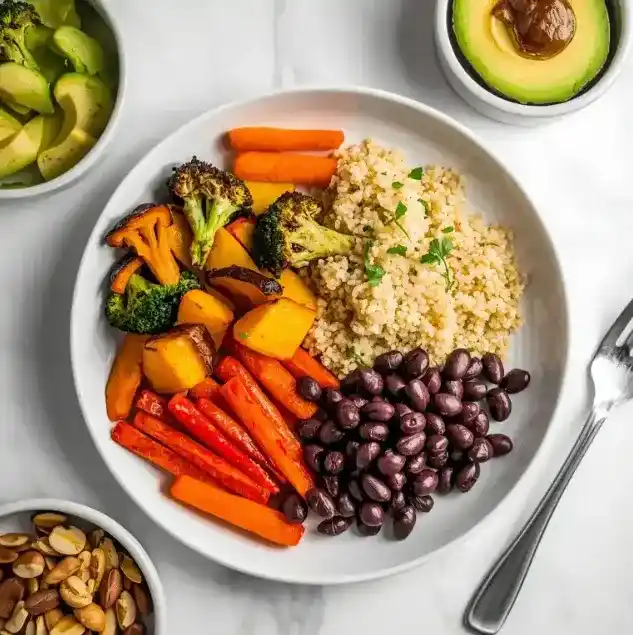
A grain bowl with canned legumes takes under fifteen minutes. Cook a serving of quinoa or brown rice while opening a can of chickpeas or black beans. Drain and rinse the beans. Add whatever fresh or frozen vegetables are available, raw or quickly sauteed. Top with tahini thinned with lemon juice and water, a sprinkle of cumin, and fresh herbs if available. This is a complete, nutritionally excellent whole food vegan meal with protein, complex carbohydrates, healthy fat, fibre, and a broad micronutrient profile, in less time than a delivered meal arrives.
Can children eat a whole food vegan diet safely?
A well-planned whole food vegan diet can meet children’s nutritional needs, with careful attention to B12, vitamin D, calcium, iodine, iron, zinc, and omega-3. Children have higher nutrient needs relative to body weight and are in critical growth phases. A paediatric dietitian review is strongly recommended for parents feeding children on any vegan dietary pattern. The advantage of a WFPB approach for children is developing a palate built around whole plant foods, creating dietary habits with long-term health benefits well into adulthood.
Is the whole food vegan diet suitable for athletes?
Yes, with appropriate attention to energy intake and specific nutrient needs. Athletes on a whole food vegan diet need to ensure total caloric intake is sufficient, as high-fibre whole foods can be filling and create unintentional caloric deficits under high training loads. Protein targets of 1.4 to 2.0g per kilogram body weight are achievable through legumes, tempeh, tofu, edamame, and seeds without processed protein powders. Creatine supplementation has strong evidence for strength athletes and is absent from plant foods, making it worth considering for performance-focused vegans.
How is the whole food vegan diet different from the Mediterranean diet?
Both emphasise legumes, whole grains, vegetables, fruits, olive oil, nuts, and seeds, and both have strong cardiovascular and metabolic health evidence. The primary differences are that the Mediterranean diet includes fish, seafood, and small amounts of poultry and dairy, while WFPB excludes all animal products. A vegan diet incorporating Mediterranean culinary principles, with algae omega-3 replacing fish, represents one of the strongest evidence-based dietary approaches available for long-term health.
How do I handle eating out on a whole food vegan diet?
Eating out on a whole food vegan diet becomes more comfortable with practice. Most cuisines offer genuinely whole food plant-based options: Middle Eastern restaurants with lentil soup and hummus; Indian restaurants with dal and chana masala; Japanese restaurants with edamame and miso soup; Ethiopian restaurants with lentil stews. The challenge is more pronounced in fast food contexts. The practical approach is to eat whole foods at home as the default and accept that meals out may sometimes involve more processed ingredients, without treating this as a failure of your overall dietary approach.
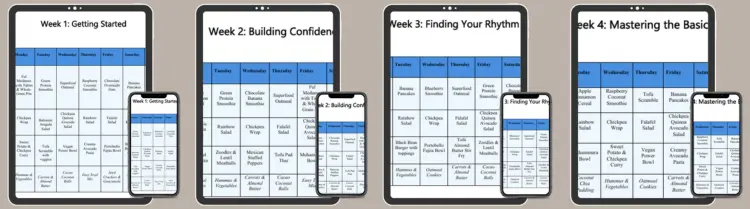
28-Day Vegan Meal Plan
+ Grocery List
Complete Solution · Nutritionist-Approved · Print & Use Today
Read on any device · No apps needed
Conclusion: The Whole Food Vegan Diet as a Lifetime Foundation
A whole food vegan diet is not a trend or a restrictive phase. It is a return to the dietary pattern that most human populations ate for most of history, and that the most comprehensively studied healthy populations in the world still eat today. It is how the Blue Zone communities of Sardinia, Okinawa, Loma Linda, and Nicoya eat. It is how traditional Lebanese, Palestinian, Iranian, Ethiopian, and Indian plant-centred cuisines have always been structured. The science has simply confirmed what centuries of culinary tradition already knew.
The distinction between a whole food vegan diet and a processed vegan diet is not a minor technicality. The health evidence for plant-based eating is built on whole food dietary patterns. Applying it to a diet of ultra-processed vegan alternatives misrepresents the research. The good news is that the whole food vegan diet is not only the healthiest plant-based approach, it is also the most affordable, the most culinarily rich, and the most aligned with the food traditions that have sustained healthy populations for generations.
Explore the full plant-based nutrition library on this site for additional support: the vegan protein sources guide, the vegan nutrient deficiencies guide, and the budget vegan meals guide all support the transition to genuinely whole food plant-based eating. For the evidence base, PubMed, NutritionFacts.org, and VeganHealth.org are the three most reliable sources of peer-reviewed plant-based nutrition research.