
Medical Disclaimer: The information on this page is for general educational purposes only and does not constitute medical advice. Niacin deficiency and supplementation require professional guidance. Never modify your supplement regimen or diet without consulting your healthcare provider or registered dietitian. This content does not replace clinical diagnosis or individualised medical care.
Vegan Niacin Foods: 12 Plant Sources for Energy and DNA Repair
Vegan niacin foods are essential for meeting vitamin B3 needs on a plant-based diet, especially since a 2020 systematic review confirmed B3 intake can be low among vegans [[30]]. Niacin supports energy metabolism, DNA repair, and healthy cholesterol levels. The most reliable plant sources include peanuts, mushrooms, nutritional yeast, and brown rice. This guide delivers 12 evidence-backed vegan niacin foods, daily intake targets, and a practical 7-day meal framework to close the B3 gap.
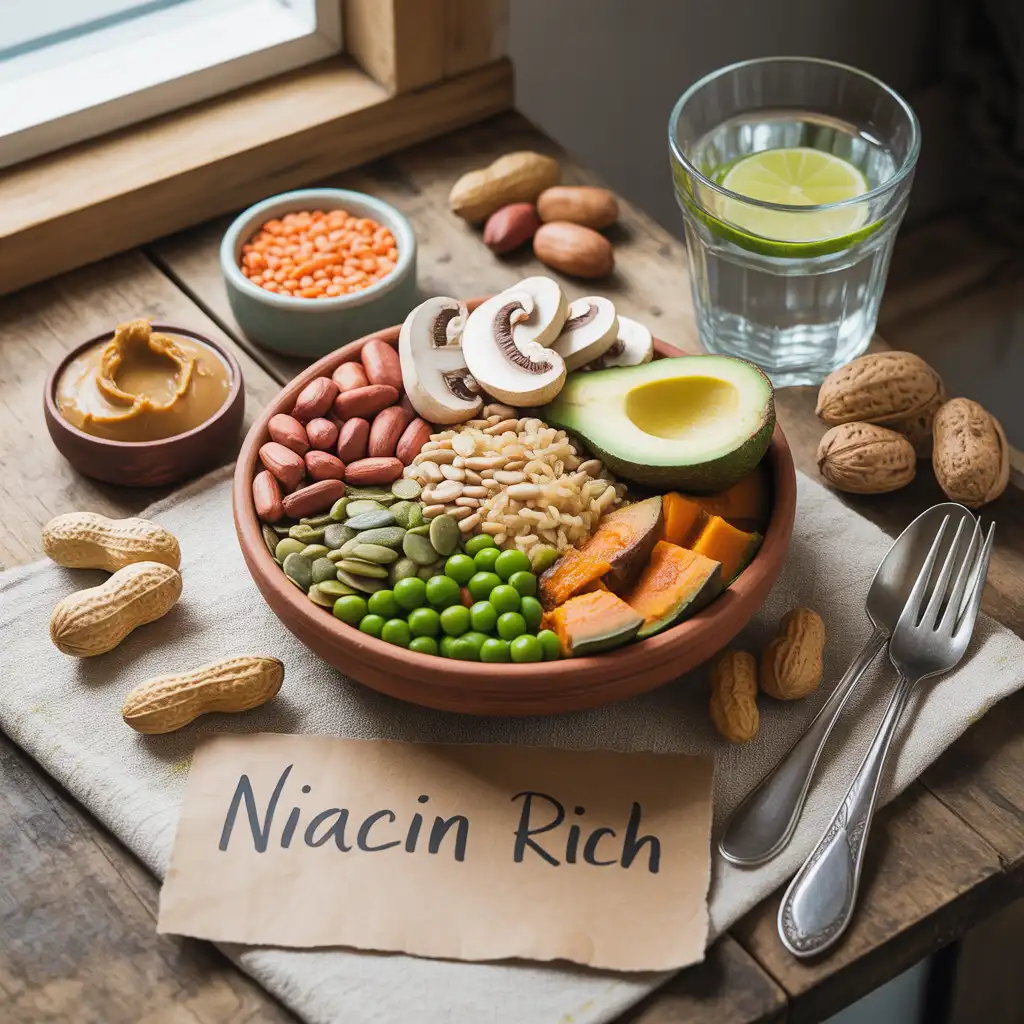
Vegan niacin foods are a critical consideration for anyone following a plant-based diet, because research shows vitamin B3 intake can fall below recommended levels without intentional food selection. A systematic review of vegan diet adequacy published in 2020 identified niacin as one of the nutrients where intake was consistently lower among vegans compared to other dietary patterns [[30]]. This matters because niacin is not optional: it powers cellular energy production, enables DNA repair mechanisms, and supports healthy cholesterol metabolism. If you have been searching for reliable, science-backed plant sources of vitamin B3, this guide delivers exactly that. You will learn which vegan niacin foods provide the most bioavailable B3, how much you need daily, and a practical framework to incorporate these foods consistently.
Niacin, also known as vitamin B3, is a water-soluble B vitamin that exists in two primary forms: nicotinic acid and nicotinamide [[12]]. Both forms are converted in the body to nicotinamide adenine dinucleotide (NAD), a coenzyme involved in more than 400 enzymatic reactions [[3]]. Unlike some nutrients that are abundant in plant foods, niacin bioavailability varies significantly across plant sources. In cereal grains especially, naturally occurring niacin is often bound to polysaccharides that reduce absorption to approximately 30 percent unless the grain is processed with alkaline treatment [[12]]. This means simply eating whole grains is not enough: you need to select and prepare vegan niacin foods strategically to meet your needs.
The distinction between adequate intake and optimal intake is important. While severe niacin deficiency (pellagra) is rare in high-income countries, suboptimal B3 status can manifest as persistent fatigue, brain fog, or difficulty managing cholesterol levels. For vegans, the solution is not supplementation by default but rather intentional inclusion of high-B3 plant foods prepared in ways that maximise bioavailability. This guide focuses on that practical, food-first approach.
What Niacin Does in Your Body
Understanding why vegan niacin foods matter requires understanding what niacin actually does. Niacin is the precursor to NAD and NADP, coenzymes that participate in redox reactions essential for converting carbohydrates, fats, and proteins into usable cellular energy (ATP) [[3]]. Without adequate niacin, your mitochondria cannot efficiently produce the energy your cells require for basic function. This is why low B3 status often presents first as unexplained fatigue or reduced exercise tolerance.
Energy Metabolism
Every cell in your body relies on NAD-dependent reactions to generate ATP. During glycolysis, the citric acid cycle, and oxidative phosphorylation, NAD accepts electrons to become NADH, which then donates those electrons to the electron transport chain. This process is the foundation of cellular respiration. When niacin intake is insufficient, NAD pools become depleted, slowing ATP production and leaving you feeling drained even after adequate sleep. For more on how B vitamins support sustained energy on a plant-based diet, see the vegan foods for energy guide.
DNA Repair and Genomic Stability
NAD is also a required substrate for poly(ADP-ribose) polymerases (PARPs), enzymes that detect and initiate repair of DNA strand breaks [[33]]. When DNA damage occurs from oxidative stress, UV exposure, or normal metabolic byproducts, PARPs consume NAD to signal repair machinery. Research indicates that niacin deficiency delays DNA repair and promotes accumulation of DNA strand breaks, chromosomal translocations, and telomere erosion typical of accelerated aging [[33]]. This makes adequate niacin intake particularly important for long-term cellular health and cancer prevention strategies.
Cholesterol and Cardiovascular Support
Pharmacological doses of nicotinic acid have long been used to improve lipid profiles by raising HDL cholesterol and lowering triglycerides [[37]]. While therapeutic dosing requires medical supervision, dietary niacin from vegan niacin foods contributes to baseline lipid metabolism support. NAD-dependent enzymes regulate cholesterol synthesis and clearance pathways, meaning consistent B3 intake helps maintain healthy cholesterol levels as part of an overall heart-healthy dietary pattern. For evidence-based guidance on managing cholesterol with plant foods, the vegan diet for high cholesterol guide covers this in depth.
A 2020 systematic review of vegan diet adequacy found that niacin intake was lower in vegans than in other diet groups across multiple studies, identifying B3 as a nutrient of potential concern for those following plant-based diets [[30]]. This does not mean deficiency is inevitable, but rather that intentional food selection is required to meet needs.
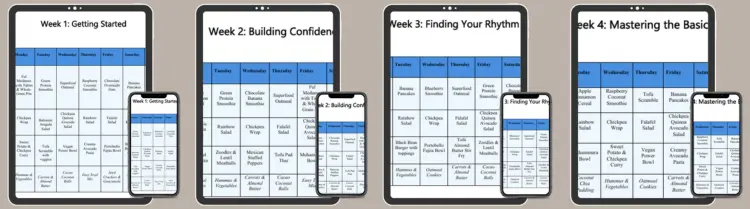
Psst..just to add: The 28-Day Vegan Meal Plan gives you 36+ recipes, 4 Weeks Grocery List, and a 28-day calendar. No subscription.
Get the Plan →12 Best Vegan Niacin Foods
The following vegan niacin foods provide the most reliable sources of bioavailable vitamin B3. Values are based on USDA nutrient data and NIH reference information [[11]][[12]]. Portion sizes reflect typical serving amounts to help you plan practical meals.
Peanuts, dry roasted (per 1 oz / 28g serving)
Peanuts are among the most accessible and niacin-dense vegan foods available. A single ounce provides approximately 4.2 mg of niacin, covering about 26 percent of the adult male RDA. They also deliver protein, healthy fats, and magnesium. For best absorption, choose dry-roasted or raw peanuts without added oils or excessive salt. Peanut butter is equally effective when made from 100 percent peanuts.
1. Peanuts and Peanut Butter
Peanuts are the single richest plant source of niacin, providing approximately 14-15 mg per 100 grams [[11]]. A standard 1-ounce serving delivers over 4 mg of bioavailable nicotinic acid. Because peanuts are widely available, affordable, and versatile, they represent the most practical cornerstone food for meeting vegan niacin needs. Incorporate them as a snack, blend into sauces, or use natural peanut butter on toast.
2. Nutritional Yeast (Fortified)
Fortified nutritional yeast is a powerhouse for B vitamins, typically providing 8-10 mg of niacin per 2-tablespoon serving. Unlike naturally occurring niacin in grains, the niacin added during fortification is in free form and therefore highly bioavailable [[12]]. Nutritional yeast also delivers complete protein and B12 when fortified, making it a strategic multi-nutrient addition to vegan meals. Sprinkle on popcorn, blend into dressings, or stir into soups.
3. Portobello and Cremini Mushrooms
Mushrooms, particularly portobello and cremini varieties, provide 3-4 mg of niacin per cooked cup. They are also one of the few plant sources of vitamin D when exposed to UV light. Cooking mushrooms enhances niacin bioavailability by breaking down cell walls. Sauté with garlic and herbs, add to grain bowls, or use as a meaty base for plant-based burgers.
4. Brown Rice and Whole Grains
Brown rice provides approximately 2.6 mg of niacin per cooked cup [[11]]. While the bioavailability of grain-bound niacin is lower than free-form niacin, traditional preparation methods like soaking, sprouting, or fermentation can improve absorption. Combine brown rice with legumes to create complete protein meals that support overall B-vitamin status. For guidance on optimizing grain preparation, the vegan nutrient deficiencies guide covers this in detail.
5. Green Peas
Green peas deliver about 2 mg of niacin per cooked cup along with protein, fibre, and vitamin K. They are versatile, affordable, and freeze well for year-round access. Add to soups, blend into pesto, or stir into grain salads. Their moderate niacin content makes them a reliable supporting player in a B3-focused eating pattern.
6. Sunflower Seeds
Sunflower seeds provide approximately 2.4 mg of niacin per ounce along with vitamin E, selenium, and healthy fats. They are portable, shelf-stable, and easy to incorporate into meals. Sprinkle on salads, blend into seed butters, or use as a crunchy topping for oatmeal. Their fat content also supports absorption of fat-soluble nutrients.
7. Avocado
One medium avocado contains about 2 mg of niacin plus heart-healthy monounsaturated fats, potassium, and fibre. Avocado’s creamy texture makes it ideal for smoothing sauces, enriching smoothies, or adding to salads. While not the highest niacin source, its nutrient density and versatility earn it a place on this list.
8. Whole Wheat Pasta and Bread
Enriched whole wheat products typically provide 2-3 mg of niacin per serving. The enrichment process adds free-form niacin that is highly bioavailable [[12]]. Choose products labeled “enriched” to ensure added B vitamins. Use as a base for legume-based sauces or pair with mushroom ragout for a niacin-boosting meal.
9. Lentils and Split Peas
Cooked lentils provide approximately 2 mg of niacin per cup along with protein, iron, and folate. Their affordability and long shelf life make them practical staples. Red lentils cook quickly and break down into creamy soups, while green and brown lentils hold shape well for salads. For the full picture of plant-based iron sources that complement B3-rich meals, see the vegan iron sources guide.
10. Tahini (Sesame Seed Paste)
Tahini delivers about 1.5 mg of niacin per 2-tablespoon serving plus calcium, iron, and healthy fats. Its rich, nutty flavor enhances dressings, dips, and sauces. Because sesame seeds are small and dense, tahini provides concentrated nutrition in a small volume. Drizzle over roasted vegetables or blend into hummus for a B3 boost.
11. Potatoes (with Skin)
A medium baked potato with skin provides approximately 2.3 mg of niacin along with potassium and vitamin C. The skin contains additional nutrients and fibre, so avoid peeling when possible. Potatoes are affordable, versatile, and widely available year-round. Top with beans and salsa for a complete niacin-supporting meal.
12. Fortified Breakfast Cereals
Many plant-based breakfast cereals are fortified with 5-10 mg of niacin per serving. Because fortification uses free-form niacin, absorption is excellent [[12]]. Check labels to confirm fortification levels and choose options low in added sugar. Pair with fortified plant milk for a double B-vitamin boost to start your day.
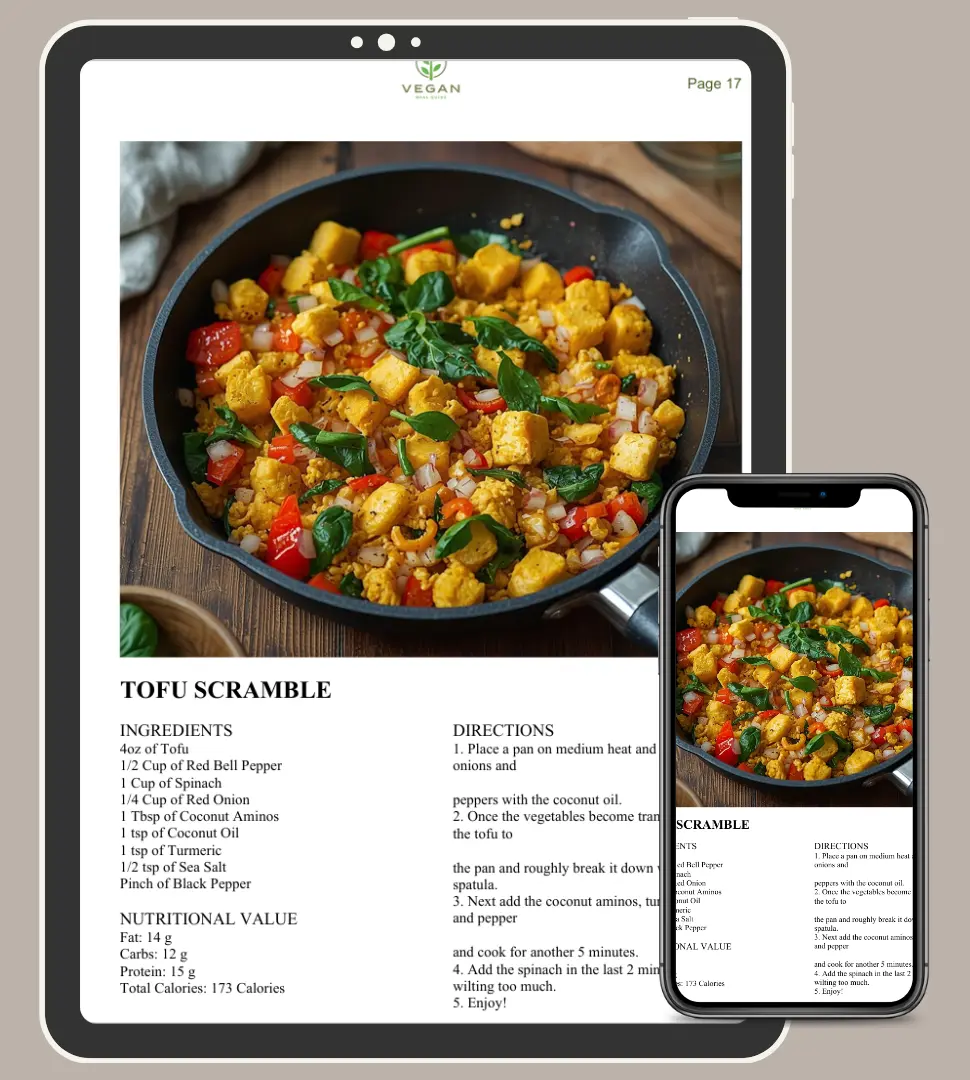
Getting consistent daily intake from these foods is far easier with a structured plan already in place. The Ultimate 28-Day Vegan Meal Plan + Grocery List (Complete Solution) includes nutritionist-approved recipes and easy weekly grocery lists covering all 4 weeks, giving you a reliable framework to incorporate vegan niacin foods without daily planning stress.
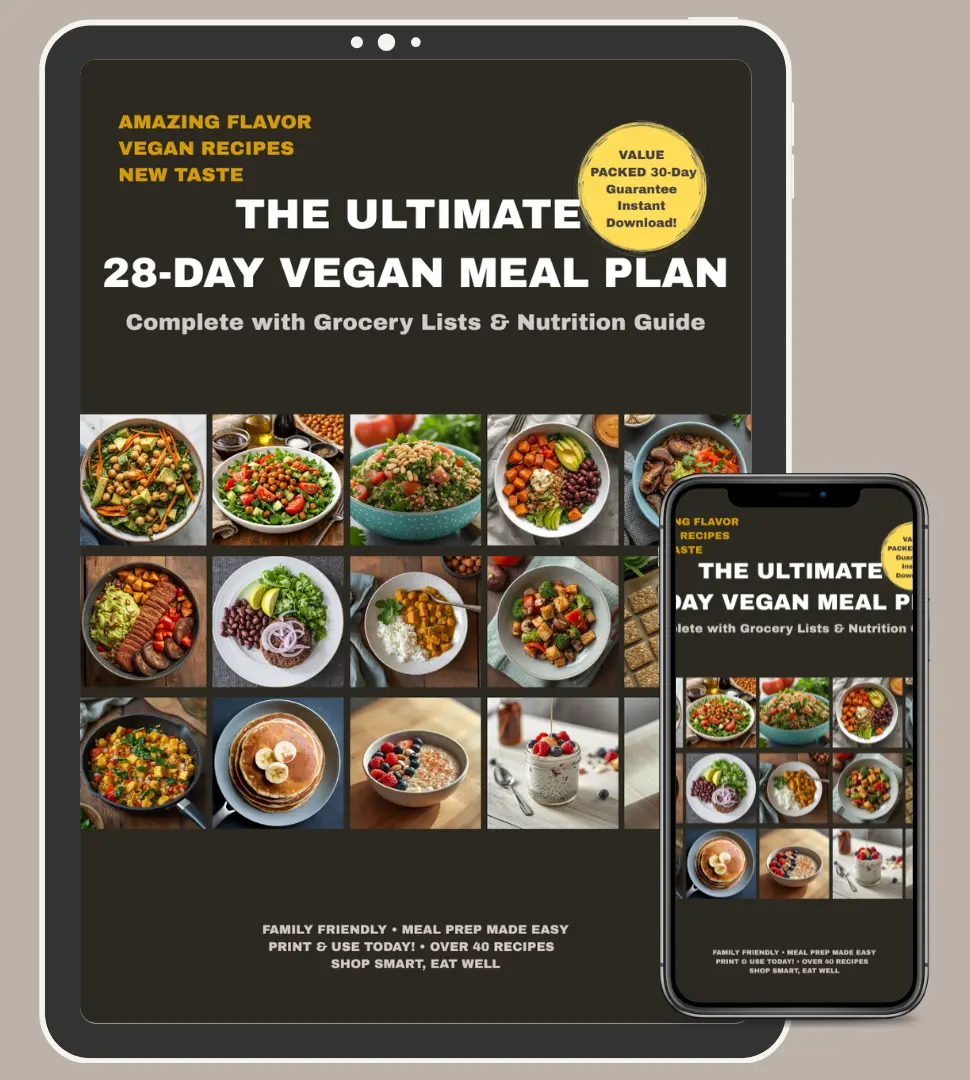
28-Day Vegan Meal Plan + Grocery list.
Transform your lifestyle with our comprehensive guide. This isn’t just a recipe book; it’s a complete system designed for success:
- The Vegan Guide: Essential transition tips and nutritional benefits.
- 36+ Chef Recipes: Breakfast, lunch, and dinner with high-quality photos.
- 4-Week Meal Plan: A fully structured day-by-day calendar.
- Grocery Lists: Categorized weekly lists to save you time and money.
- Photos: High-Quality Recipe Photos.
- Nutritions: Vegan Nutrition Guide Toolkit.
Maximising Niacin Absorption from Plant Foods
Knowing which vegan niacin foods to eat is only half the equation. How you prepare and combine these foods significantly impacts how much niacin your body actually absorbs.
Understand Bioavailability Differences
Niacin in animal foods is primarily bound to NAD and NADP, which are highly bioavailable. In plant foods, especially cereal grains, niacin is often bound to polysaccharides and glycopeptides that reduce absorption to approximately 30 percent unless processed [[12]]. This is why traditional food preparation methods matter. Alkaline treatment (nixtamalization) of corn, for example, frees bound niacin and prevented pellagra in cultures that traditionally prepared maize this way.
Use Soaking, Sprouting, and Fermentation
Soaking legumes and grains overnight, sprouting seeds, or fermenting foods like tempeh can improve niacin bioavailability by breaking down compounds that bind the vitamin. These traditional techniques also reduce antinutrients like phytates, improving overall mineral absorption. Incorporate soaked lentils, sprouted grain breads, and fermented soy products into your routine for enhanced nutrient uptake.
Combine with Tryptophan-Rich Foods
The body can synthesize niacin from the amino acid tryptophan, with approximately 60 mg of tryptophan yielding 1 mg of niacin equivalents [[12]]. Plant foods rich in tryptophan include pumpkin seeds, soy products, oats, and spirulina. Pairing these with direct niacin sources creates a dual-pathway approach to meeting B3 needs. For example, oatmeal topped with pumpkin seeds and fortified nutritional yeast delivers both preformed niacin and tryptophan for endogenous synthesis.
Ensure Adequate Cofactor Intake
The conversion of tryptophan to niacin requires vitamin B6, riboflavin (B2), and iron as cofactors [[12]]. Deficiencies in any of these nutrients can impair niacin synthesis even if tryptophan intake is adequate. This is why a varied, whole-food plant-based diet is superior to isolated supplementation: foods naturally provide nutrient clusters that work synergistically. For guidance on testing and addressing B-vitamin status, the vegan blood test guide provides a complete panel with frequency recommendations.
Individual absorption of niacin from plant foods depends on gut health, food preparation methods, and overall dietary pattern. If you have digestive conditions that affect nutrient absorption, work with a registered dietitian to personalize your approach. The NIH notes that people with malabsorption syndromes, liver cirrhosis, or certain genetic conditions may require higher niacin intake [[12]].
How Much Niacin Do You Need
The Recommended Dietary Allowance (RDA) for niacin is expressed in niacin equivalents (NE), where 1 NE equals 1 mg of niacin or 60 mg of tryptophan [[12]]. Current RDAs are:
| Age Group | Male (mg NE/day) | Female (mg NE/day) |
|---|---|---|
| 19+ years | 16 mg | 14 mg |
| Pregnancy | – | 18 mg |
| Lactation | – | 17 mg |
These values assume adequate intake of protein (to provide tryptophan) and cofactor nutrients (B6, riboflavin, iron). For most healthy adults eating a varied plant-based diet that includes the vegan niacin foods listed above, meeting these targets is achievable without supplementation. However, individuals with increased needs, malabsorption issues, or restrictive eating patterns should consult a healthcare provider for personalized guidance.
The Tolerable Upper Intake Level (UL) for supplemental nicotinic acid is 35 mg/day for adults, based on the risk of flushing and other side effects at higher doses [[12]]. This UL applies to supplements and fortified foods, not to naturally occurring niacin in whole foods. There are no known adverse effects from consuming niacin through whole plant foods alone.
Niacin status can be assessed through urinary excretion of niacin metabolites like N-methylnicotinamide [[3]]. However, routine testing is not typically recommended for asymptomatic individuals. If you experience persistent fatigue, skin changes, or digestive issues alongside a restrictive diet, discuss targeted nutrient testing with your healthcare provider. The vegan supplements guide covers when supplementation may be appropriate.
7-Day Vegan Niacin Meal Framework
This flexible framework demonstrates how to incorporate vegan niacin foods into daily meals. Adjust portions to your energy needs and preferences. All meals prioritize the highest-bioavailability B3 sources identified earlier.
Breakfast: Fortified oatmeal with peanut butter and banana
Lunch: Lentil and mushroom soup with whole wheat bread
Dinner: Brown rice bowl with tahini-roasted vegetables and sunflower seeds
Breakfast: Smoothie with fortified nutritional yeast, avocado, and spinach
Lunch: Whole wheat pasta with pea and mint pesto
Dinner: Baked potato topped with black beans, salsa, and avocado
Breakfast: Fortified cereal with fortified plant milk and berries
Lunch: Large salad with mixed greens, chickpeas, sunflower seeds, and tahini dressing
Dinner: Stir-fried portobello mushrooms with brown rice and green peas
Breakfast: Peanut butter toast on whole wheat bread with sliced avocado
Lunch: Split pea soup with whole grain crackers
Dinner: Lentil bolognese over whole wheat pasta with nutritional yeast sprinkle
Breakfast: Overnight oats with peanut butter, chia seeds, and fortified plant milk
Lunch: Quinoa bowl with roasted vegetables, tahini sauce, and pumpkin seeds
Dinner: Mushroom and pea risotto with nutritional yeast
Breakfast: Smoothie bowl with fortified nutritional yeast, banana, and sunflower seed topping
Lunch: Whole wheat wrap with hummus, avocado, and mixed vegetables
Dinner: Baked sweet potato with black beans, corn, and tahini drizzle
Breakfast: Fortified cereal with sliced banana and peanut butter
Lunch: Large green salad with lentils, sunflower seeds, and tahini dressing
Dinner: Brown rice and vegetable stir-fry with tofu and nutritional yeast
For meal prep strategies that reduce daily cooking time while maintaining nutrient density, the vegan meal prep for beginners guide covers batch-cooking techniques that work well for B-vitamin-rich recipes.
Signs You May Need More Niacin
While severe niacin deficiency (pellagra) is rare in high-income countries, suboptimal intake can manifest in subtler ways. Be aware of these potential indicators:
- Persistent fatigue: Unexplained tiredness despite adequate sleep may signal impaired cellular energy production due to low NAD levels.
- Brain fog or difficulty concentrating: NAD-dependent reactions support neurotransmitter synthesis and neuronal function.
- Digestive discomfort: Niacin supports mucosal integrity in the gastrointestinal tract; low status may contribute to sensitivity.
- Skin changes: While full pellagra presents with photosensitive dermatitis, mild deficiency may cause subtle dryness or sensitivity.
- Difficulty managing cholesterol: NAD-dependent enzymes regulate lipid metabolism; low B3 status may affect baseline cholesterol levels.
If you recognize multiple symptoms alongside a restrictive or unvaried diet, consider reviewing your intake of vegan niacin foods and discussing targeted testing with your healthcare provider. For context on how B-vitamin status connects to cognitive function, the vegan brain health diet guide covers this relationship in depth.
Do not self-diagnose niacin deficiency. Symptoms like fatigue, brain fog, or skin changes have many potential causes. Work with a registered dietitian or healthcare provider to assess your dietary pattern, consider appropriate testing, and develop a personalized nutrition plan. This is especially important if you have underlying health conditions, take medications, or follow a highly restrictive eating pattern.
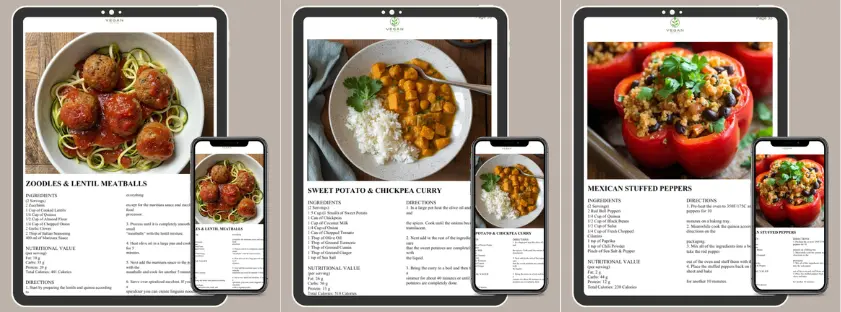
28-Day Vegan Meal Plan + Grocery list.
Transform your lifestyle with our comprehensive guide. This isn’t just a recipe book; it’s a complete system designed for success:
- The Vegan Guide: Essential transition tips and nutritional benefits.
- 36+ Chef Recipes: Breakfast, lunch, and dinner with high-quality photos.
- 4-Week Meal Plan: A fully structured day-by-day calendar.
- Grocery Lists: Categorized weekly lists to save you time and money.
- Photos: High-Quality Recipe Photos.
- Nutritions: Vegan Nutrition Guide Toolkit.
Frequently Asked Questions
Are vegan niacin foods sufficient to meet daily B3 needs?
Yes, when selected and prepared intentionally. The NIH confirms that plant-based foods like nuts, legumes, and grains provide 2-5 mg of niacin per serving, and fortified foods add highly bioavailable free-form niacin [[12]]. By incorporating multiple vegan niacin foods daily, such as peanuts, nutritional yeast, and mushrooms, most adults can meet the 14-16 mg RDA without supplementation. A 2020 systematic review noted lower average niacin intake among vegans, highlighting the importance of deliberate food selection rather than indicating inherent inadequacy of plant-based diets [[30]].
Can I get enough niacin from tryptophan conversion alone?
While the body can synthesize niacin from tryptophan (60 mg tryptophan = 1 mg NE), relying solely on this pathway is not optimal. Conversion efficiency depends on adequate intake of cofactor nutrients (vitamin B6, riboflavin, iron) and can be impaired by certain health conditions [[12]]. A balanced approach that includes both preformed niacin from vegan niacin foods and tryptophan-rich plant proteins provides the most reliable path to meeting needs.
Does cooking affect niacin content in plant foods?
Cooking can both preserve and enhance niacin bioavailability. While niacin is water-soluble and some may leach into cooking water, traditional preparation methods like soaking, sprouting, fermentation, and alkaline treatment can free bound niacin in grains, significantly improving absorption [[12]]. For maximum benefit, use cooking methods that retain nutrients: steam vegetables, use minimal water for grains, and incorporate soaking or sprouting for legumes and seeds.
Are fortified foods necessary for meeting vegan niacin needs?
Fortified foods are not strictly necessary but can be highly practical. Fortified nutritional yeast and breakfast cereals provide free-form niacin that is 100 percent bioavailable, making them efficient ways to boost intake [[12]]. However, a varied whole-food plant-based diet that includes peanuts, mushrooms, legumes, and whole grains can also meet needs without fortification. Choose the approach that aligns with your preferences and lifestyle.
What is the easiest way to include more vegan niacin foods daily?
The simplest approach is to follow a structured plan that builds niacin-rich foods into meals automatically. The Ultimate 28-Day Vegan Meal Plan + Grocery List (Complete Solution) includes nutritionist-approved recipes and easy weekly grocery lists covering all 4 weeks, making it easy to start without planning everything from scratch.
Can high niacin intake from foods cause side effects?
No adverse effects are associated with consuming niacin through whole plant foods. The Tolerable Upper Intake Level of 35 mg/day applies to supplemental nicotinic acid, which can cause flushing at higher doses [[12]]. Naturally occurring niacin in foods like peanuts and mushrooms does not pose this risk. Focus on food-first strategies before considering supplements.
How does niacin support cholesterol management on a vegan diet?
NAD-dependent enzymes regulate cholesterol synthesis and clearance pathways. While pharmacological doses of nicotinic acid are used therapeutically to improve lipid profiles, dietary niacin from vegan niacin foods contributes to baseline metabolic support [[37]]. Combined with other heart-healthy plant foods like legumes, whole grains, and nuts, adequate niacin intake supports overall cardiovascular health. For evidence-based guidance on managing cholesterol with plant foods, the vegan diet for high cholesterol guide covers this in depth.
Is niacin important for brain health on a plant-based diet?
Yes. NAD is required for neuronal energy production and DNA repair mechanisms that protect cognitive function over time. Research indicates that niacin deficiency can delay DNA repair and promote genomic instability, while adequate intake supports long-term brain health [[33]]. For more on how B vitamins connect to cognitive function on a plant-based diet, the vegan brain health diet guide provides detailed guidance.
Should I take a niacin supplement if I eat vegan niacin foods?
Supplementation is generally not necessary if you consume a varied plant-based diet that includes the vegan niacin foods outlined in this guide. The NIH notes that deficiency is rare in high-income countries when diets are adequate [[12]]. However, individuals with malabsorption conditions, restrictive eating patterns, or increased needs should consult a healthcare provider for personalized advice. For guidance on when supplementation may be appropriate, the vegan supplements guide covers this topic comprehensively.
How can I test my niacin status?
Niacin status can be assessed through urinary excretion of metabolites like N-methylnicotinamide, though routine testing is not typically recommended for asymptomatic individuals [[3]]. If you experience persistent symptoms alongside a restrictive diet, discuss targeted nutrient testing with your healthcare provider. The vegan blood test guide provides a complete panel with frequency recommendations for plant-based eaters.
Does niacin help with fatigue on a vegan diet?
Niacin supports cellular energy production through NAD-dependent reactions in mitochondrial ATP synthesis. If fatigue stems from suboptimal B3 status, increasing intake of vegan niacin foods may help restore energy levels. However, fatigue has many potential causes, so address overall dietary adequacy, sleep, stress, and medical factors. For more on addressing fatigue through nutrition, the why am I tired on a vegan diet guide covers this comprehensively.
What does the latest research say about vegan niacin intake?
A 2020 systematic review of vegan diet adequacy found that niacin intake was lower in vegans than in other diet groups across multiple studies, identifying B3 as a nutrient of potential concern [[30]]. However, the review also noted that mean intakes in most studies remained above estimated average requirements, suggesting that intentional food selection can prevent deficiency. Ongoing research continues to clarify optimal intake levels and bioavailability factors for plant-based eaters. For the full picture of nutrient adequacy on vegan diets, the vegan nutrient deficiencies guide provides evidence-based context.
Meeting Your Niacin Needs with Whole Plant Foods
Vegan niacin foods are not a niche concern but a practical, evidence-based strategy for supporting energy metabolism, DNA repair, and cardiovascular health on a plant-based diet. The key is intentional selection: prioritize peanuts, nutritional yeast, mushrooms, and other high-B3 plant foods, prepare them using traditional methods that enhance bioavailability, and combine them with tryptophan-rich foods and cofactor nutrients for optimal absorption. This food-first approach aligns with the NIH guidance that niacin is widely available in plant foods when diets are varied and well-planned [[12]]. By incorporating the 12 vegan niacin foods outlined in this guide into your daily eating pattern, you can confidently meet your B3 needs without relying on supplementation. The Ultimate 28-Day Vegan Meal Plan + Grocery List (Complete Solution) gives you exactly that, with 36 chef-tested recipes with a photo for every recipe, easy weekly grocery lists covering all 4 weeks, and a complete 28-day calendar so you always know what to prepare next.
Still spending hours figuring out what to eat?
What’s included in your download
- 40+ nutritionist-approved recipes
- Complete 28-day calendar
- Meets protein, iron & B12 needs
- Family & meal prep friendly
- Vibrant photo for every recipe
- Simple, common ingredients
Instant PDF download. No subscriptions. No waiting.