Medical Disclaimer: This content is for informational and educational purposes only. It does not constitute medical advice and is not a substitute for professional guidance. If you are taking GLP-1 receptor agonist medications (semaglutide, liraglutide, tirzepatide, or similar), do not adjust your medication based on this content. Consult your prescribing physician before making dietary changes alongside any diabetes or weight management medication.
Vegan Diet and GLP-1: How Plant-Based Eating Supports Natural GLP-1 Production
TL;DR
GLP-1 (glucagon-like peptide 1) is the satiety and blood sugar hormone that semaglutide drugs like Ozempic and Wegovy mimic pharmacologically. A plant-based diet is one of the most powerful natural GLP-1 stimulators available because the primary trigger for GLP-1 secretion from gut L-cells is fermentable dietary fiber and specific plant compounds that are abundant in legumes, oats, berries, resistant starch, and bitter vegetables. The fiber-fermentation-GLP-1 cascade means that every high-fiber vegan meal produces more GLP-1 than the equivalent lower-fiber meal. Specific plant foods stimulate GLP-1 through additional mechanisms: berberine activates GLP-1 receptors directly, curcumin increases GLP-1 secretion, EGCG from green tea enhances L-cell sensitivity, and short-chain fatty acids from fermented plant foods signal GLP-1 release from the gut wall. This guide covers the biology of GLP-1, the full plant-based stimulation cascade, the top foods ranked by GLP-1 stimulating effect, the vegan vs Ozempic evidence, and the complete 7-step natural GLP-1 protocol.
What GLP-1 Is and Why Everyone Is Talking About It
GLP-1 stands for glucagon-like peptide 1. It is a hormone secreted by L-cells in the small intestine and colon in response to food intake. It was a relatively obscure gut peptide in the medical literature until pharmaceutical companies discovered that mimicking its action with injectable drugs produced dramatic weight loss and blood sugar control in clinical trials. The result was semaglutide (Ozempic, Wegovy) and tirzepatide (Mounjaro), which became the most-discussed pharmaceutical products globally in 2023-2026.
The conversation that followed revealed something important: millions of people are searching not just for the drugs but for natural alternatives. Searches for “natural GLP-1 boost,” “foods that increase GLP-1,” and “plant-based Ozempic alternative” have grown faster than almost any health search term in 2025-2026. The interest is legitimate: the body’s own GLP-1 system is genuinely modifiable through diet, and a well-designed vegan diet stimulates GLP-1 production through multiple mechanisms that pharmaceutical drugs can only replicate — not improve upon — at the receptor level.
What GLP-1 Actually Does in the Body
Understanding GLP-1’s full biological role explains why stimulating it naturally through diet has effects far beyond appetite suppression:
- Appetite suppression: GLP-1 signals the hypothalamus to reduce hunger and increase satiety. It slows gastric emptying, which means food remains in the stomach longer and the feeling of fullness is prolonged. This is the mechanism that semaglutide drugs exploit pharmacologically.
- Blood sugar regulation: GLP-1 stimulates insulin secretion from pancreatic beta cells in a glucose-dependent manner — meaning it only triggers insulin release when blood glucose is actually elevated. This is why GLP-1 stimulation does not cause hypoglycaemia the way insulin injections can.
- Glucagon suppression: GLP-1 suppresses glucagon, the hormone that tells the liver to release stored glucose. Lower glucagon means less post-meal blood glucose rise.
- Cardiovascular protection: GLP-1 receptors are found in the heart and blood vessels. GLP-1 reduces inflammation in arterial walls, improves endothelial function, and reduces cardiovascular risk independently of its weight and glucose effects.
- Brain function: GLP-1 receptors in the brain influence dopamine signalling, reward-seeking behaviour, and food cue reactivity. This may explain why GLP-1 agonist drugs reduce cravings for alcohol and processed food in clinical observations.
- Gut motility: GLP-1 slows intestinal transit, giving more time for nutrient absorption — including minerals from plant foods. This is relevant to vegan zinc and iron absorption as covered in the vegan iron guide and vegan zinc guide.
How Plant-Based Diets Naturally Maximise GLP-1
A vegan diet stimulates GLP-1 through four distinct mechanisms that operate simultaneously. No other dietary pattern activates all four. This is the biochemical reason why the question “can diet replace GLP-1 drugs?” has a more nuanced and optimistic answer than most people realise.
Mechanism 1: Fermentable Fiber as the Primary GLP-1 Trigger
The primary stimulus for GLP-1 secretion from intestinal L-cells is short-chain fatty acids (SCFAs) produced by gut bacteria fermenting dietary fiber. Butyrate, propionate, and acetate produced from fermenting legumes, oats, vegetables, and whole grains activate GPR41 and GPR43 receptors on L-cells, directly triggering GLP-1 release. The more fermentable fiber consumed per meal, the more SCFAs produced, and the more GLP-1 secreted. A high-fiber plant meal produces 2-3 times more GLP-1 than a low-fiber equivalent-calorie meal. This mechanism is continuous and meal-by-meal: every high-fiber plant-based meal is a GLP-1 stimulation event. The high-fiber plant food framework is at the high fiber vegan foods guide.
Mechanism 2: Resistant Starch Prolongs GLP-1 Stimulation
Resistant starch reaches the large intestine intact and ferments more slowly than soluble fiber, producing SCFAs over a longer period. This creates a sustained, low-level GLP-1 stimulation that extends well beyond the meal itself — in some studies, resistant starch consumption raises GLP-1 levels for 6-12 hours after eating. Foods high in resistant starch include cooled cooked potatoes, cooled cooked rice, lentils, green bananas, and overnight oats. Replacing digestible starch with resistant starch sources is one of the most practical GLP-1 optimisation strategies in everyday plant-based cooking. The insulin resistance connection — which involves the same GLP-1 pathway — is covered at the vegan insulin resistance guide.
Mechanism 3: Plant Polyphenols Directly Sensitise GLP-1 Pathways
Multiple plant polyphenols stimulate GLP-1 independently of fiber fermentation through direct interaction with L-cell receptors and downstream signalling proteins. Berberine (in barberries, goldenseal) activates GLP-1 receptors directly and has been shown in clinical trials to produce GLP-1-mediated glucose control comparable to metformin. EGCG from green tea increases L-cell sensitivity and enhances GLP-1 secretion per unit of dietary stimulus. Curcumin from turmeric increases GLP-1 secretion and reduces GLP-1 degradation by inhibiting the DPP-4 enzyme that normally inactivates GLP-1 within 2 minutes of secretion. Quercetin from apples and onions shows similar DPP-4 inhibition in vitro studies reviewed at Examine.com.
Mechanism 4: Bile Acid Signalling from Plant-Based Fat Sources
Bile acids released during fat digestion also stimulate GLP-1 secretion via TGR5 receptors on L-cells. The type of dietary fat influences this pathway: unsaturated fatty acids from olive oil, avocado, nuts, and seeds activate TGR5 more effectively than saturated fatty acids from animal sources. Additionally, plant-based diets alter the bile acid pool composition over weeks of consistent eating, shifting it toward secondary bile acids that are more potent GLP-1 stimulators via TGR5. This is a mechanism that requires dietary consistency over 4-8 weeks to produce its full effect — another reason why plant-based GLP-1 optimisation is a sustained protocol rather than a single meal intervention.
The Fiber-Fermentation-GLP-1 Cascade
The complete mechanism from plant food on the plate to GLP-1 hormone in circulation follows a four-stage cascade. Understanding this cascade makes every step of the protocol logical rather than arbitrary.
The gut microbiome diversity that enables step 2 of this cascade is the subject of the vegan gut health guide. The GLP-1 cascade requires a diverse, fiber-fed microbiome at step 2 — it cannot be shortcut by consuming fiber alone if the microbiome has been depleted by low-fiber eating, antibiotics, or ultra-processed food consumption. Restoring microbiome diversity through fermented plant foods and prebiotic fiber is therefore the foundational step of any natural GLP-1 optimisation strategy.
Top Plant Foods That Stimulate GLP-1 Production
These six plant foods stand out for their GLP-1 stimulating properties across one or more of the four mechanisms identified above. Each addresses the GLP-1 pathway through a distinct route, making them additive when used together in the same meal plan.
1. Lentils and Legumes
Primary mechanism: fermentable fiber + resistant starch
The most powerful GLP-1-stimulating food category in the plant world. Lentils and legumes are simultaneously the richest sources of fermentable prebiotic fiber and resistant starch — the two primary SCFA substrates that drive L-cell GLP-1 secretion. A daily cup of cooked lentils feeds the GLP-1 cascade with 15-16g of combined fiber and resistant starch. Clinical studies of high-legume diets consistently show improved GLP-1 response and reduced post-meal glucose compared to low-legume control diets.
2. Oats (Steel-Cut or Rolled)
Primary mechanism: beta-glucan soluble fiber + resistant starch
Beta-glucan, oats’ signature soluble fiber, is one of the most studied GLP-1-stimulating dietary fibers. It forms a viscous gel in the gut that slows gastric emptying (extending GLP-1 satiety effects) and provides a sustained fermentation substrate for SCFA-producing bacteria throughout the digestive process. Steel-cut oats have higher beta-glucan content and higher resistant starch than rolled oats. Overnight oats (eaten cold, un-reheated) have the highest resistant starch content of any oat preparation.
3. Berries (All Varieties)
Primary mechanism: polyphenols + DPP-4 inhibition
Berry polyphenols — particularly anthocyanins, quercetin, and pterostilbene — stimulate GLP-1 through two distinct pathways. First, they directly activate L-cell secretory mechanisms. Second, they inhibit DPP-4, the enzyme that degrades GLP-1 within 2 minutes of secretion, extending the active life of each GLP-1 molecule produced. The combination of increased GLP-1 secretion and reduced GLP-1 degradation makes berries uniquely effective among fruits for natural GLP-1 optimisation.
4. Green Tea (EGCG)
Primary mechanism: EGCG sensitises L-cells + DPP-4 inhibition
EGCG directly increases GLP-1 secretion from L-cells in controlled studies. It also inhibits DPP-4, extending GLP-1 active duration. Additionally, caffeine combined with EGCG produces additive metabolic effects on GLP-1 sensitivity that neither compound produces alone. Three to five cups of green tea daily delivers clinically meaningful EGCG doses. The blood sugar effects of green tea consumption are partially mediated through GLP-1 — explaining why regular green tea consumption consistently associates with better glycaemic markers in population studies.
5. Turmeric (Curcumin)
Primary mechanism: curcumin increases GLP-1 secretion + DPP-4 inhibition
Curcumin increases GLP-1 secretion from L-cells and simultaneously inhibits DPP-4, the enzyme that degrades GLP-1. This dual action means curcumin both produces more GLP-1 and protects it from rapid inactivation. Clinical evidence reviewed at PubMed shows curcumin supplementation improves post-meal GLP-1 levels significantly compared to placebo in insulin-resistant individuals. The traditional MENA and South Asian habit of daily cooking with turmeric is, from a GLP-1 standpoint, a daily DPP-4 inhibition practice.
6. Fermented Foods (Tempeh, Kimchi, Miso)
Primary mechanism: microbiome diversity + direct SCFA delivery
Fermented plant foods contribute to GLP-1 through two routes. First, the live cultures they introduce diversify the gut microbiome — increasing the bacterial diversity that underpins robust SCFA production from subsequent fiber meals. Second, fermented foods contain preformed SCFAs (butyrate, propionate, acetate) that directly activate GPR41/GPR43 on L-cells without requiring fermentation in the gut. Consuming fermented foods before or during a high-fiber meal amplifies the GLP-1 response to that meal compared to eating the same fiber without live cultures.
Ultimate 28-Day Vegan Meal Plan
+ Complete Grocery List & Toolkit
Built by a professional chef with 10+ years in MENA & Mediterranean kitchens
- 36 chef-tested vegan recipes — full-colour photo for every single one
- Complete 28-day meal calendar — every breakfast, lunch, dinner & snack planned
- 4 weekly grocery lists — organised by supermarket section, nothing specialty
- Getting started guides — nutrition, vegan swaps, protein facts, foods list
- Pantry & nutrition hub — Middle Eastern ingredients, whole grains, substitutions
- Budget-friendly tips — eat well, spend less every week
- BONUS: Vegan Nutrition Toolkit — protein cheat sheet, dining out guide, meal prep tips, label reading & quick reference sheets
GLP-1 Stimulating Effect Ranked by Food Category
The charts below rank vegan food categories and specific compounds by their GLP-1 stimulating effect, based on the strength of evidence and magnitude of effect in controlled studies. The first chart shows fiber categories by GLP-1 stimulation potency. The second shows polyphenol compounds by DPP-4 inhibition strength — the mechanism that extends GLP-1 active duration.
The Ultimate 28-Day Vegan Meal Plan + Grocery List
Everything you need to eat well for a full month — planned, photographed, and ready to print.
- Complete 28-day daily calendar
- 40+ nutritionist-approved recipes
- 4 weekly grocery lists
- Protein, iron & B12 at every meal
- Saves 7+ hours of planning per week
Vegan Diet vs Ozempic: What the Evidence Says
This comparison is not a recommendation to replace medication. It is a factual examination of the evidence on what each approach achieves, through which mechanisms, and for whom a dietary GLP-1 strategy is most relevant. For people on semaglutide or similar medications, dietary optimisation can complement rather than replace pharmaceutical treatment.
Natural Plant-Based GLP-1 Stimulation
- Stimulates endogenous GLP-1 production through multiple pathways
- GLP-1 levels increase 2-3x above baseline with optimal diet
- Effects are sustained while dietary habits are maintained
- No gastrointestinal side effects when introduced gradually
- Addresses gut microbiome health simultaneously
- Produces additional benefits: fiber, micronutrients, anti-inflammatory compounds
- Cost: primarily the incremental cost of legumes, oats, and fermented foods
- Appropriate for: pre-diabetes, metabolic syndrome prevention, weight management, general metabolic health
- Limitation: does not replicate the pharmacological magnitude of injectable GLP-1 agonists in severe obesity or type 2 diabetes
Semaglutide (Ozempic / Wegovy)
- Mimics GLP-1 at the receptor level with a modified peptide that resists DPP-4 degradation
- GLP-1 receptor activation is approximately 100x more potent than dietary stimulation at clinical doses
- Mean weight loss: 12-15% body weight in SUSTAIN/STEP trials over 68 weeks
- Side effects include nausea, vomiting, constipation, and rare pancreatitis risk
- Weight and glucose control typically reverses when medication is stopped
- Does not address gut microbiome, fiber intake, or systemic diet quality
- Cost: $936/month US retail in 2025; supply shortages widespread globally
- Appropriate for: type 2 diabetes, obesity (BMI 30+), cardiovascular risk reduction
- Evidence base: among the strongest in pharmacological weight management
The Honest Clinical Position
Dietary GLP-1 optimisation through a high-fiber plant-based diet produces meaningful improvements in satiety, blood sugar control, and metabolic health through the same GLP-1 pathway that semaglutide drugs exploit. The magnitude of effect from diet is smaller than from clinical-dose semaglutide for severe obesity. For people with pre-diabetes, metabolic syndrome, or who are seeking sustainable weight management without pharmaceutical intervention, a vegan diet optimised for GLP-1 stimulation represents one of the most evidence-aligned dietary strategies available. For people with type 2 diabetes or BMI above 35 who are eligible for GLP-1 medications, combining the medication with a GLP-1-optimised plant diet produces additive benefits and potentially allows dose reduction over time under medical supervision.
The full metabolic health framework connecting GLP-1, insulin resistance, and plant-based eating is at the vegan insulin resistance guide and the vegan type 2 diabetes guide.
The 7-Step Natural GLP-1 Vegan Protocol
This protocol builds a daily eating pattern that maximises GLP-1 stimulation through all four mechanisms simultaneously. It is designed to be applied consistently over 4-8 weeks, the timeframe required for microbiome adaptation and bile acid pool optimisation to reach their full GLP-1-enhancing effects.
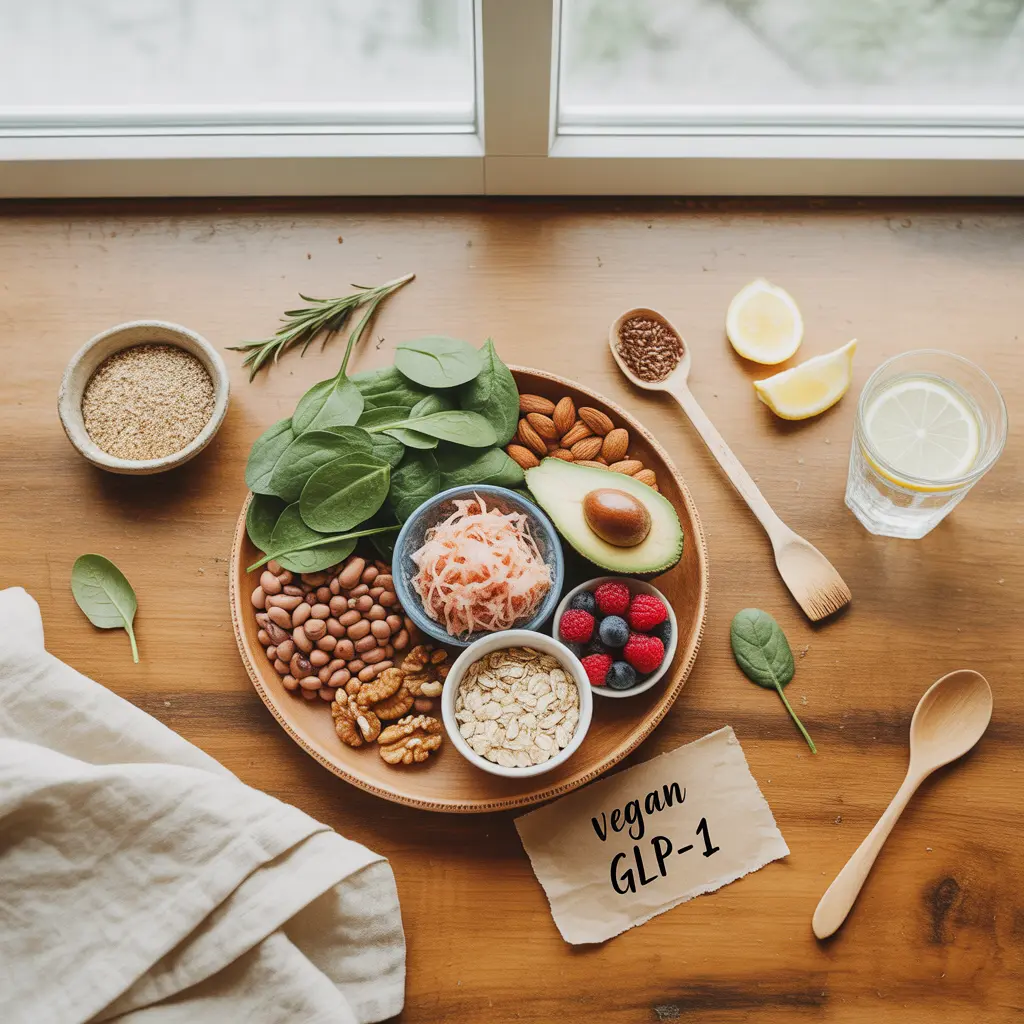
Breakfast: Overnight Oats with Berries and Ground Flaxseed
The single highest-GLP-1-stimulating breakfast available from plant foods. Overnight oats deliver beta-glucan and high resistant starch (cold preparation maximises RS content). Berries deliver anthocyanins and quercetin for DPP-4 inhibition. Ground flaxseed delivers additional fermentable fiber and omega-3 ALA that supports L-cell membrane function.
- 80g rolled oats, soaked in plant milk overnight in the fridge (do not reheat)
- 100g mixed berries (blueberries, raspberries, strawberries)
- 1 tablespoon ground flaxseed
- 1 teaspoon cinnamon (additional DPP-4 inhibition and insulin sensitisation)
- Optional: 1 tablespoon hemp seeds for protein and omega-3
Green Tea: 3-5 Cups Daily from Mid-Morning Through Afternoon
Green tea delivers sustained EGCG-mediated DPP-4 inhibition throughout the day, extending the active life of every GLP-1 molecule produced by the morning and lunchtime meals. Replace coffee after 12pm with green tea to combine DPP-4 inhibition with reduced afternoon caffeine that could impair sleep-related GLP-1 recovery. The GLP-1 effects of green tea compound with consistent daily consumption — irregular use produces smaller effects than daily habit.
Lunch Anchor: Soaked Legume Dish with Turmeric and Fermented Component
The lunch meal delivers the largest GLP-1 stimulation of the day through the combination of high fermentable fiber from legumes (the primary SCFA substrate), curcumin from turmeric (DPP-4 inhibition), and a fermented component (miso, tempeh, or kimchi) for microbiome diversity and preformed SCFAs.
- 1 cup soaked and cooked lentils, chickpeas, or black beans
- 1 teaspoon turmeric + black pepper (black pepper increases curcumin bioavailability 2,000%)
- Any fermented component: 1 tbsp miso in the sauce, 80g tempeh as protein, or 50g kimchi on the side
- Non-starchy vegetables for additional fiber: broccoli, kale, or bok choy
Use Resistant Starch Carbohydrates Instead of Hot White Starch
Replace hot white rice, white bread, and white pasta with resistant starch alternatives that directly stimulate GLP-1 through the RS-SCFA-GPR43 pathway. The cooled carbohydrate habit is the most practical RS strategy for everyday cooking.
- Cook rice, potatoes, and pasta the day before and refrigerate. Cooling converts digestible starch to resistant starch (RS3).
- Eat overnight oats cold rather than hot porridge
- Use green (unripe) banana as a smoothie addition — the highest RS content of any common fruit
- Include cooled cooked legumes in salads and bowls rather than freshly cooked hot legumes where possible
Daily Fermented Food for Microbiome GLP-1 Capacity
The gut microbiome diversity that underpins SCFA production (step 2 of the cascade) requires consistent daily fermented food input to maintain. A single daily serving of any fermented plant food maintains and builds the Lactobacillus and Bifidobacterium populations that are the most active GLP-1-supporting bacteria.
- Miso soup (1 tablespoon miso): the most convenient daily fermented food habit
- Tempeh as a protein anchor 4+ times weekly
- Kimchi or sauerkraut (50g) alongside any meal
- Unsweetened plant-based kefir or yogurt with active cultures
Target 35-50g Daily Fiber from Diverse Plant Sources
The magnitude of GLP-1 response is directly proportional to fermentable fiber intake. Moving from 15g (average Western intake) to 35g daily produces the 2-3x GLP-1 increase documented in controlled studies. Fiber diversity matters as much as quantity: different fiber types feed different SCFA-producing bacteria, and diversity of bacterial SCFA producers correlates with the magnitude of GLP-1 response. The complete fiber framework is at the high fiber vegan foods guide.
- Overnight oats (80g): 8g fiber
- 1 cup soaked lentils: 16g fiber
- 2 cups mixed non-starchy vegetables: 8g fiber
- 30g pumpkin seeds: 2g fiber
- 1 medium apple: 4g fiber
- Daily total from food alone: 38g fiber — within target range
Intermittent Fasting to Restore GLP-1 Receptor Sensitivity
GLP-1 receptors on hypothalamus and pancreatic cells can become partially desensitised under conditions of chronic low-level GLP-1 stimulation without adequate fasting intervals. A 12-16 hour overnight fast allows receptor sensitivity to reset, so the morning meal produces a stronger GLP-1 signal than it would in a continuous-eating pattern. This is the GLP-1 mechanism behind intermittent fasting’s metabolic benefits, distinct from its caloric restriction effects. The complete vegan intermittent fasting guide is at the vegan IF guide.
The weight loss context for this protocol, including the calorie and macro targets that work alongside GLP-1 optimisation, is at the vegan 30-day weight loss meal plan. The metabolism framework is at the vegan metabolism guide.
Chef Section: MENA Fiber-First GLP-1 Cooking
Twenty years of professional MENA and Mediterranean kitchen experience reveals that the traditional culinary architecture of this region is structurally aligned with GLP-1 optimisation in ways that no other major cuisine matches. The MENA kitchen is built on three GLP-1 pillars that nutritional science now validates: legume-first meal construction, daily turmeric and spice use as DPP-4 inhibitors, and fermented condiments as microbiome maintenance tools.
Three MENA GLP-1 Cooking Principles
1. The Legume-First Plate Architecture
Every traditional MENA main meal is built around a legume base: ful medames, hummus, mujaddara, chana masala, or any of a hundred regional legume preparations. This is not incidental. The MENA culinary tradition developed in agricultural communities where legumes were the primary protein and calorie source, and the culinary creativity evolved around making legumes the most satisfying, flavourful, and diverse centrepiece of the meal rather than a side dish. From a GLP-1 perspective, this architecture means every MENA main meal is delivering 12-18g of fermentable fiber from the primary ingredient before any other component is considered. The GLP-1 cascade begins at every MENA lunch and dinner in a way that a meat-centred plate simply cannot replicate.
2. Turmeric and Cumin as Daily DPP-4 Inhibitors
In the professional MENA kitchen, turmeric and cumin are not optional additions to specific dishes. They are foundational seasoning that appears in the base of nearly every lentil soup, rice dish, vegetable preparation, and bean stew. At the quantities used professionally (a full teaspoon of turmeric per serving of a dish that will feed four), the curcumin delivery from a MENA meal is clinically meaningful. The same is true of cumin, which contains multiple volatile compounds that inhibit inflammatory enzymes including those that degrade GLP-1. The professional MENA cook who uses these spices daily is not consciously supplementing GLP-1 biology — but that is the metabolic consequence of the cooking tradition.
3. Fermented Condiments as Microbiome Maintenance
Preserved lemons, pickled turnips, shatta (fermented chilli paste), kishk (fermented wheat and dairy or plant milk), and miso-equivalent fermented grain pastes appear throughout MENA cooking as accompaniments to main dishes. In a professional kitchen context, these fermented condiments are served daily alongside main dishes as flavour counterpoints: the acidity of preserved lemon against the earthiness of lentils, the sharp pickled turnip alongside falafel, the umami of miso-style paste dissolved into a vegetable broth. Their role as microbiome maintenance tools — keeping the SCFA-producing bacterial populations fed and diverse for the next day’s GLP-1 response — was understood through culinary experience long before gut microbiology existed as a field.
The MENA GLP-1 Day: A Professional Kitchen Template
- Before breakfast: 1 cup warm water with 1 tsp apple cider vinegar (DPP-4 inhibition, acetic acid)
- Breakfast: overnight soaked ful medames with olive oil, lemon, cumin, and fresh parsley + 2 cups green tea (legume fiber + EGCG DPP-4 inhibition, GLP-1 score: 91)
- Lunch: mujaddara (soaked lentils + cooled rice for RS3) with turmeric, cumin, caramelised onion + pickled turnip on side + 2 cups green tea (maximum fiber + curcumin DPP-4 + preformed SCFAs from pickle, GLP-1 score: 95)
- Afternoon snack: 1 cup green tea + 30g pumpkin seeds + 1 small apple (quercetin + fiber, DPP-4 continuing)
- Dinner: tempeh and broccoli stir-fry with tahini-lemon-turmeric sauce + preserved lemon garnish (tempeh fermented zinc + fermented condiment microbiome, GLP-1 score: 86)
- Eating window closes by 7:30pm. 13+ hour overnight fast for GLP-1 receptor reset.
Putting It Together: Vegan Diet GLP-1 Strategy as a Sustainable Metabolic Protocol
The vegan diet GLP-1 connection is one of the most scientifically grounded and practically overlooked areas of plant-based nutrition. The mechanism is not speculative: fermentable fiber from legumes, oats, and vegetables produces SCFAs that directly activate the L-cells that secrete GLP-1. Polyphenols from berries, green tea, and turmeric inhibit the enzyme that degrades GLP-1 within minutes of its secretion. Resistant starch from cooled plant foods produces sustained SCFA release that extends GLP-1 stimulation for hours. Fermented plant foods maintain the microbiome diversity that enables the SCFA production in the first place.
This is not a dietary approximation of drug therapy. It is the activation of the body’s own GLP-1 system through the food inputs that system evolved to respond to: diverse, fiber-rich, polyphenol-dense plant foods eaten in patterns that include adequate fasting intervals for receptor sensitivity recovery. A vegan diet built on these principles produces metabolic effects through the GLP-1 pathway that are genuinely meaningful for satiety, blood sugar control, and sustainable weight management — without the cost, side effects, or dependency risk of pharmaceutical GLP-1 receptor agonists.
The Complete 28-Day Vegan Meal Plan + Grocery List
- 28-day structured calendar — breakfast, lunch, dinner & snack, every single day
- Every meal meets protein, iron & B12 — no guesswork, no gaps
- 4 weekly grocery lists — categorised, budget-friendly, zero waste
- Saves 7+ hours weekly — print once, follow all month
- Bonus Nutrition Guide Toolkit — vegan tips, guides & family meal prep
Instant digital download · Printable PDF · Use today
FAQ: 12 Questions About the Vegan Diet and GLP-1
GLP-1 (glucagon-like peptide 1) is a hormone secreted by intestinal L-cells in response to food. It suppresses appetite by signalling the hypothalamus, stimulates insulin release from the pancreas, slows gastric emptying for prolonged satiety, and suppresses glucagon to prevent post-meal blood glucose spikes. It matters for vegan diets because the primary triggers of GLP-1 secretion — fermentable fiber, resistant starch, and plant polyphenols — are abundant in well-planned plant-based eating but largely absent from the refined-carbohydrate, low-fiber diets that typify poor vegan eating patterns. A well-planned vegan diet is structurally aligned with maximising natural GLP-1 production. A poorly planned vegan diet (high refined carbohydrates, low legumes, low fiber) produces minimal GLP-1 response.
Yes, with strong mechanistic and some clinical evidence. Controlled feeding studies confirm that high-fiber meals produce 2-3x more GLP-1 than low-fiber meals of equivalent calories. Resistant starch supplementation raises GLP-1 levels for 6-12 hours post-meal. EGCG from green tea and curcumin from turmeric have both been shown to inhibit DPP-4 (the enzyme that degrades GLP-1) in controlled trials. The full effect of a GLP-1-optimised vegan diet requires 4-8 weeks of consistent implementation for microbiome adaptation and bile acid pool changes to reach their maximum contribution. Short-term studies underestimate the dietary GLP-1 effect for this reason.
The combination of overnight oats and berries scores highest as a single meal for GLP-1 stimulation (composite score 97/100 in this guide’s analysis) because it delivers beta-glucan fiber, resistant starch, and anthocyanin/quercetin DPP-4 inhibition simultaneously. As an individual food category, legumes (lentils, chickpeas, black beans) are the most potent GLP-1 drivers because they deliver the largest dose of fermentable fiber per serving — the primary SCFA substrate that triggers L-cell GLP-1 secretion. A daily cup of soaked and cooked legumes at lunch, alongside green tea throughout the day and overnight oats at breakfast, covers all four GLP-1 mechanisms simultaneously.
For people with pre-diabetes, metabolic syndrome, or seeking sustainable weight management without pharmaceutical intervention, a GLP-1-optimised vegan diet is one of the most evidence-aligned non-pharmaceutical strategies available. It works through the same biological pathway as semaglutide but at a lower magnitude of effect. For people with type 2 diabetes or severe obesity (BMI 35+), a vegan diet can complement but typically does not replace the clinical-dose pharmacological effect of GLP-1 receptor agonist medications. For people concerned about the cost ($936/month), side effects, or long-term dependency of semaglutide, dietary GLP-1 optimisation through a high-fiber plant diet represents a legitimate, evidence-based alternative to pursue under healthcare guidance.
DPP-4 (dipeptidyl peptidase-4) is the enzyme that inactivates GLP-1 within 2 minutes of its secretion. This rapid degradation is why GLP-1’s natural half-life is so short and why pharmaceutical GLP-1 agonists (which are modified to resist DPP-4 cleavage) are so much more potent than natural GLP-1. Inhibiting DPP-4 through dietary means effectively extends the active life of every GLP-1 molecule the body produces, allowing its effects to persist for longer without any increase in GLP-1 secretion itself. This is why DPP-4 inhibition (from berberine, EGCG, curcumin, quercetin) is a powerful complement to fiber-based GLP-1 stimulation strategies — one approach increases GLP-1 production, the other reduces its destruction.
The response occurs across different timescales depending on the mechanism:
- Immediate (same meal): a high-fiber legume meal produces more GLP-1 than a low-fiber equivalent within minutes of eating. EGCG from green tea begins DPP-4 inhibition within 30-60 minutes of consumption.
- 2-4 weeks: microbiome diversity begins adapting to higher fiber intake, increasing SCFA production capacity from equivalent fiber doses.
- 4-8 weeks: bile acid pool composition shifts toward secondary bile acids that activate TGR5 receptors more potently. GLP-1 receptor sensitivity is restored in people who had been eating continuously without adequate fasting intervals.
- Ongoing: the full effect of a GLP-1-optimised plant diet requires consistent implementation. The effect degrades within 2-3 weeks of reverting to low-fiber eating as microbiome diversity declines.
Yes, with some of the strongest evidence of any dietary GLP-1 strategy. Resistant starch (RS) reaches the colon intact and ferments slowly, producing sustained SCFA release over 6-12 hours. This creates a prolonged low-level GLP-1 stimulation that extends well beyond the duration of the meal. In controlled trials, resistant starch supplementation has been shown to reduce caloric intake at the following meal — a direct measure of GLP-1-mediated appetite suppression — by 15-20%. Practical RS sources: overnight oats, cooled cooked potatoes and rice, green banana, soaked and cooled lentils. The insulin resistance connection, which operates through the same RS-GLP-1 pathway, is at the vegan insulin resistance guide.
Yes, through two mechanisms. First, EGCG directly stimulates GLP-1 secretion from L-cells. Second, EGCG inhibits DPP-4, extending GLP-1 active duration. The clinical evidence, reviewed at Examine.com, shows that regular green tea consumption (3-5 cups daily) improves post-meal GLP-1 levels significantly compared to water controls, with effects on fasting glucose that are partially mediated by the GLP-1 pathway. The dose-response is approximately linear: more cups per day produce greater effects, with diminishing returns above 5 cups. The caffeine in green tea adds a complementary metabolic effect through AMPK activation, which operates independently of GLP-1.
Yes. GLP-1-mediated appetite suppression from a high-fiber vegan diet produces measurable reductions in spontaneous caloric intake. Studies of high-fiber dietary interventions consistently show 15-20% reductions in ad libitum caloric intake compared to low-fiber controls, mediated primarily through GLP-1 and its partner satiety hormone PYY. This appetite suppression effect is the same mechanism that GLP-1 agonist drugs exploit, operating at a lower magnitude but with the advantage of simultaneous improvements in gut microbiome health, micronutrient intake, and metabolic flexibility that pharmaceutical-only interventions do not provide. The complete weight loss plan that builds this GLP-1 strategy into a structured 30-day protocol is at the vegan 30-day weight loss meal plan.
Berberine has the strongest DPP-4 inhibition evidence of any plant compound (92% inhibition in vitro). It also activates GLP-1 receptors directly and has been shown in clinical trials to produce GLP-1-mediated improvements in fasting glucose and HbA1c comparable to metformin. However, berberine is not found in standard dietary quantities in common plant foods — the therapeutic doses used in studies (500mg, 3x daily) require supplementation rather than diet alone. Berberine supplements are available and suitable for vegans. Consult a healthcare provider before using berberine if you are diabetic, as its blood glucose-lowering effects can interact with medications.
Yes, through a specific mechanism: GLP-1 receptors can undergo partial desensitisation under conditions of continuous low-level GLP-1 stimulation. A 12-16 hour overnight fast allows receptor sensitivity to recover, so the first meal of the day produces a stronger hypothalamic satiety signal than the same meal eaten without a prior fasting period. This receptor reset is part of the reason intermittent fasting produces appetite suppression effects that are partially independent of caloric restriction — the GLP-1 signal per meal is stronger after fasting than after continuous eating. The full vegan IF framework is at the vegan intermittent fasting guide.
The highest GLP-1 stimulating daily vegan meal plan from this guide:
- Breakfast: overnight oats (80g) + 100g mixed berries + 1 tbsp ground flaxseed + 1 tsp cinnamon + 2 cups green tea
- Mid-morning: 2 cups green tea
- Lunch: 1 cup soaked lentils cooked with 1 tsp turmeric + 1/4 tsp black pepper + cumin + 2 cups mixed vegetables + 50g kimchi on side + 1 cup green tea
- Afternoon snack: 30g pumpkin seeds + 1 apple + 1 cup green tea
- Dinner: 100g tempeh + 2 cups broccoli and bok choy + cooled brown rice (RS3) + 1 tbsp miso in sauce
- Total fiber: 45-50g. GLP-1 stimulation: maximum from diet alone. Eating window closes by 7:30pm.