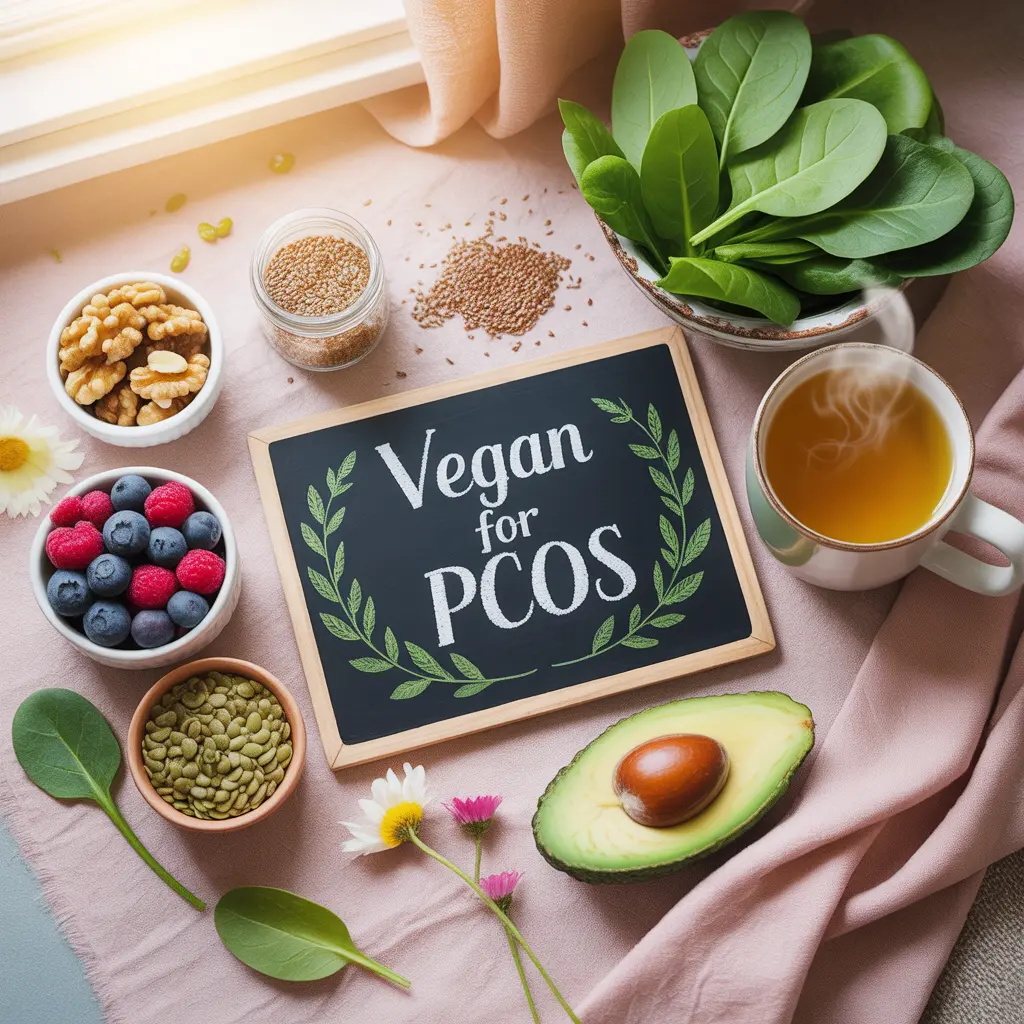
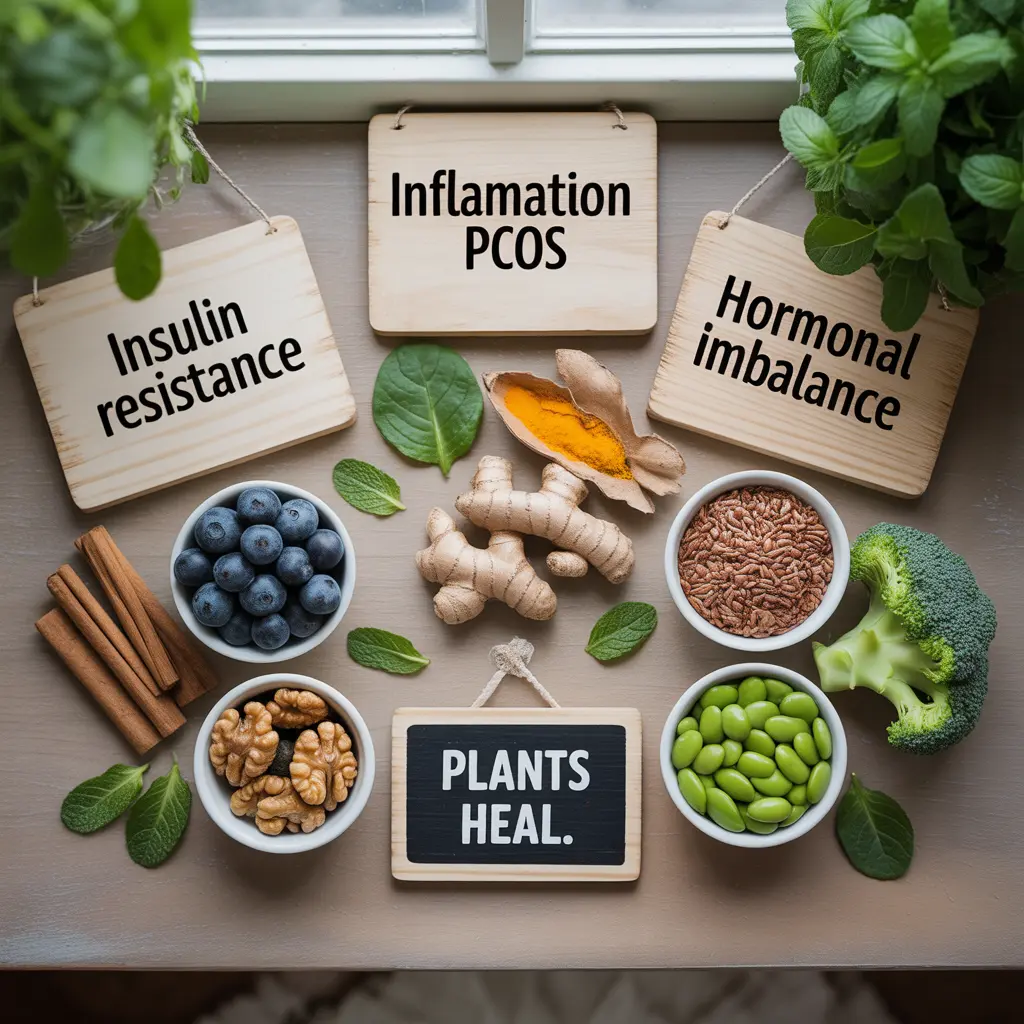
- A vegan diet for PCOS is one of the most strategically aligned dietary choices available because it directly targets all three root mechanisms of the condition: insulin resistance, chronic inflammation, and androgen excess.
- The high fibre content of a whole food plant-based diet is the single most powerful dietary tool for improving insulin sensitivity in PCOS, more consistently effective than calorie restriction alone.
- Eliminating dairy removes the primary dietary source of IGF-1 and bovine androgens, both of which directly worsen androgen-driven PCOS symptoms including acne, excess hair growth, and hair thinning.
- Not all vegan food helps PCOS. Refined carbohydrates, added sugars, and highly processed vegan products spike insulin as aggressively as any non-vegan equivalent and will worsen PCOS symptoms regardless of their plant-based label.
- Most women with PCOS following a well-structured vegan diet report meaningful symptom improvement within 8 to 12 weeks. Menstrual cycle regularity, skin clarity, energy levels, and weight management are consistently the earliest and most reported improvements.
- Why a Vegan Diet for PCOS Works Differently Than Other Diets
- The Three Root Causes of PCOS and How Plants Address Each One
- 7 Proven Ways a Vegan Diet for PCOS Improves Symptoms
- The Complete PCOS Symptom and Vegan Food Fix Reference Table
- Best and Worst Vegan Foods for PCOS — Your Daily Eating Guide
- The Dairy Question: Why Elimination Matters More Than You Think
- The 6 Nutrients PCOS Depletes and How to Restore Them on a Vegan Diet
- What to Expect and When: The PCOS Recovery Timeline
- Frequently Asked Questions
- Your Action Plan
If you have PCOS, you have probably been told to “eat less, exercise more, lose weight” so many times that the advice has become meaningless noise. You may have tried low-carb diets, calorie counting, intermittent fasting, and half a dozen other approaches, only to find that your body responds to each of them differently than it does for people without the condition. That experience is not a failure of willpower. It is a predictable consequence of insulin resistance, which fundamentally changes how the body processes and responds to food.
A vegan diet for PCOS is not another version of the same generic advice repackaged with a plant-based label. It is a dietary approach that specifically targets the three biochemical mechanisms that drive PCOS: insulin resistance, chronic inflammation, and androgen excess. The foods that define a well-structured plant-based diet, legumes, flaxseeds, whole grains, non-starchy vegetables, fermented foods, act on each of these mechanisms simultaneously in ways that no single medication currently does.
This guide is written for people who want to understand not just what to eat but precisely why each food choice matters for PCOS specifically. Because when you understand the mechanism, the choice stops being an act of discipline and starts being an act of logic. And logic is far more sustainable than willpower over the months and years that managing a lifelong condition requires.
If fatigue is one of your dominant PCOS symptoms, our guide on why you feel tired on a vegan diet covers the nutrient overlap between PCOS-related fatigue and vegan dietary gaps in detail, since the two frequently compound each other.
Why a Vegan Diet for PCOS Works Differently Than Other Diets
Most dietary approaches to PCOS focus on what to restrict: fewer calories, fewer carbohydrates, less sugar. A vegan diet for PCOS works primarily through what it adds rather than what it removes, and this distinction matters enormously for long-term adherence and outcomes.
The mechanism that makes plant-based eating uniquely well suited to PCOS is dietary fibre. A whole food vegan diet provides 40 to 60g of fibre per day, compared to the 15 to 20g of the average Western diet. This fibre acts through multiple simultaneous pathways relevant to PCOS: it slows gastric emptying and glucose absorption, reducing insulin spikes after every meal; it feeds gut bacteria that produce short-chain fatty acids, which directly improve insulin sensitivity in peripheral tissues; it binds sex hormone-binding globulin substrates in the digestive tract, reducing the circulating androgens that drive the most visible PCOS symptoms; and it promotes the consistent, sustainable weight loss that reduces pancreatic metabolic load over time.
No low-carbohydrate diet, however effective in the short term at reducing insulin spikes, provides these fibre-mediated benefits simultaneously. This is the core reason a vegan diet for PCOS produces results that feel different from other dietary approaches: it is not simply restricting the problem food. It is adding the compounds that repair the underlying mechanisms.
The second major reason a vegan diet for PCOS works differently is dairy elimination. Conventional dairy products contain bovine insulin-like growth factor 1 (IGF-1), bovine androgens, and oestrogen precursors that are bioactive in the human body. For women with PCOS, whose androgen receptors are already hyperresponsive and whose insulin signalling is already disrupted, these compounds add a meaningful hormonal load with every glass of milk, every portion of cheese, and every spoonful of yoghurt. Removing this load completely is one of the most consistent and rapid changes women report when they begin a vegan diet for PCOS, with skin clarity and acne improvement typically appearing within four to eight weeks of dairy elimination alone.
The Three Root Causes of PCOS and How Plants Address Each One
Root Cause 1: Insulin Resistance
Insulin resistance is present in approximately 70 percent of women with PCOS regardless of body weight. It is not a consequence of being overweight with PCOS. It is a core feature of the condition that exists independently of weight status. When cells are resistant to insulin’s signal, the pancreas compensates by producing more insulin. Chronically elevated insulin directly stimulates the ovaries and adrenal glands to produce more androgens, creating the hormonal environment that drives PCOS symptoms.
A vegan diet for PCOS addresses insulin resistance through four simultaneous mechanisms that no single food or supplement replicates alone. High dietary fibre reduces post-meal insulin spikes. The complete elimination of saturated animal fat reduces intramyocellular lipid accumulation (fat inside muscle cells that is the primary physical barrier to insulin signalling). The consistent calorie deficit produced by high-volume, low-calorie-density plant foods promotes gradual weight loss that reduces overall metabolic load. And inositol, a naturally occurring compound found in highest concentrations in lentils, beans, and wholegrains, directly participates in insulin signalling pathways in the ovaries.
Myo-inositol, the form most relevant to PCOS, has more clinical evidence than any other supplement in PCOS management. It is found in food, not just supplements. A vegan diet for PCOS built around daily legume consumption provides meaningful inositol alongside all the other beneficial compounds simultaneously, rather than in isolation.
Root Cause 2: Chronic Inflammation
Chronic low-grade inflammation is now recognised as a central, independent driver of PCOS rather than just a secondary consequence of insulin resistance. Women with PCOS show elevated levels of inflammatory markers including C-reactive protein, interleukin-6, and tumour necrosis factor alpha regardless of weight, and this inflammation directly impairs ovarian function, disrupts hormonal signalling, and amplifies insulin resistance.
A whole food vegan diet is one of the most anti-inflammatory dietary patterns available. Plant polyphenols from berries, legumes, and vegetables suppress the inflammatory pathways that worsen PCOS. Omega-3 fatty acids from walnuts, flaxseeds, and chia seeds reduce the production of pro-inflammatory prostaglandins. The complete elimination of the saturated fat and arachidonic acid found in animal products removes two of the primary dietary drivers of the inflammation that characterises PCOS. An algae-based DHA and EPA supplement of 500mg daily provides the pre-formed long-chain omega-3 that ALA from plant sources cannot reliably convert to in sufficient quantities, ensuring the anti-inflammatory benefits are fully realised.
Root Cause 3: Androgen Excess
Elevated androgens, specifically testosterone and its more potent metabolite DHT, are responsible for the most visible and distressing PCOS symptoms: acne, excess facial and body hair, and hair thinning on the scalp. Androgen excess in PCOS is driven primarily by the hyperinsulinaemia from insulin resistance, but it is amplified by dairy consumption, worsened by zinc deficiency, and perpetuated by the gut microbiome dysbiosis that characterises the PCOS metabolic environment.
A vegan diet for PCOS addresses androgen excess through dietary lignan compounds in flaxseeds that directly block androgen receptors and modulate the conversion of androgens to less potent forms. Zinc from pumpkin seeds inhibits 5-alpha reductase, the enzyme responsible for converting testosterone into the more potent DHT. Spearmint, consumed as tea twice daily, has clinical evidence for reducing free testosterone that rivals some pharmaceutical interventions. And the gut microbiome diversity that a high-fibre vegan diet builds over weeks and months produces beneficial metabolites that modulate androgen metabolism at the cellular level.
7 Proven Ways a Vegan Diet for PCOS Improves Symptoms
1. Stabilises Blood Sugar and Breaks the Insulin-Androgen Cycle
The most fundamental improvement a vegan diet for PCOS produces is the stabilisation of post-meal blood sugar. When you replace white bread and refined grains with lentils, chickpeas, and quinoa, the glycaemic response to each meal flattens dramatically. Lower insulin spikes mean lower androgen stimulation from the ovaries. Lower androgen stimulation means reduced acne, reduced hirsutism, and improved menstrual regularity. This is the cascade that makes dietary change so powerful in PCOS: one mechanism addressed correctly improves symptoms across multiple seemingly unrelated areas simultaneously.
2. Clears Acne by Removing the Dairy-Androgen Connection
Acne in PCOS is primarily androgen-driven, but dairy compounds provide a secondary androgenic stimulus that most dermatologists do not discuss with their PCOS patients. Bovine IGF-1 in dairy stimulates sebum production through the same pathway as testosterone. Bovine androgens in dairy products directly bind human androgen receptors. Eliminating dairy as part of a vegan diet for PCOS removes both of these stimuli simultaneously. The majority of women with PCOS who report dramatic skin improvement within weeks of dietary change attribute it specifically to dairy elimination rather than any other single change.
3. Supports Ovarian Function Through Inositol-Rich Foods
The ovaries require inositol for normal insulin signalling and follicle maturation. PCOS ovaries are characterised by inositol depletion at the tissue level even when serum levels appear normal. Supplemental myo-inositol is one of the most prescribed natural interventions for PCOS fertility support, but the dietary source from legumes is frequently overlooked. A vegan diet for PCOS built around daily lentil and bean consumption provides ongoing inositol alongside the complete protein, iron, and zinc that ovarian health also requires.
4. Rebuilds the Gut Microbiome That PCOS Disrupts
Research published in the last five years has established that the gut microbiome of women with PCOS is consistently dysbiotic, characterised by lower diversity, reduced Lactobacillus populations, and higher levels of inflammatory bacterial species compared to women without the condition. This dysbiosis is bidirectional: it worsens insulin resistance, which worsens PCOS, which further disrupts the gut microbiome. A vegan diet for PCOS provides the prebiotic fibre and fermented foods that rebuild gut microbiome diversity and restore the beneficial bacterial populations that improve insulin sensitivity from the inside out.
5. Reduces Inflammation That Drives Hormonal Disruption
The anti-inflammatory effect of a whole food plant-based diet is measurable within weeks and continues to improve for months. Studies consistently show reductions in CRP, IL-6, and other inflammatory markers in people who switch to a predominantly plant-based diet. For women with PCOS, where inflammation is an independent driver of hormonal disruption rather than just a consequence of it, this anti-inflammatory effect is therapeutic rather than merely preventive. The combination of plant polyphenols, omega-3 fatty acids, and the elimination of pro-inflammatory saturated fat makes the anti-inflammatory case for a vegan diet for PCOS particularly compelling.
6. Supports Weight Management Through Mechanism, Not Just Calories
PCOS-related weight gain is mechanistically different from standard weight gain and responds differently to calorie restriction. Hyperinsulinaemia actively signals fat cells to store fat regardless of calorie intake. Calorie restriction without addressing insulin resistance is therefore significantly less effective in PCOS than in people without the condition. A vegan diet for PCOS addresses insulin resistance directly through fibre, inositol, and the elimination of insulin-spiking refined foods, making weight management possible through mechanism rather than pure willpower-driven restriction.
7. Protects Long-Term Cardiovascular and Metabolic Health
PCOS is associated with a significantly elevated lifetime risk of type 2 diabetes, cardiovascular disease, and endometrial cancer. A vegan diet for PCOS addresses the metabolic drivers of all three of these long-term risks simultaneously: improving insulin sensitivity (diabetes risk), reducing LDL cholesterol and blood pressure (cardiovascular risk), and promoting healthy oestrogen metabolism through lignans and fibre (endometrial cancer risk). The benefits of a vegan diet for PCOS extend far beyond symptom management into genuine disease prevention over the decades that follow diagnosis.
The two tables below are the most complete practical references available for managing PCOS through a vegan diet. Table 1 connects every major PCOS symptom to its root mechanism and the specific vegan foods and interventions that address it. Table 2 is your daily eating decision guide. Both are designed to be saved, screenshotted, and used as ongoing references rather than read once and forgotten.
| PCOS Symptom | Root Mechanism | Best Vegan Foods to Address It | Foods to Eliminate | Supporting Supplement | Timeline for Improvement |
|---|---|---|---|---|---|
| Irregular or absent periods | Insulin resistance disrupts the HPO (hypothalamic-pituitary-ovarian) axis, suppressing the LH surge needed for ovulation. Elevated androgens prevent follicle maturation. | Flaxseeds (lignans modulate oestrogen), lentils and chickpeas (inositol-rich, directly improves ovarian function), pumpkin seeds (zinc for LH production), oats (beta-glucan for insulin control) | Refined sugar, white bread, white rice, fruit juice, vegan processed snacks, alcohol | Myo-inositol 2g twice daily — the most evidence-backed supplement specifically for restoring ovulation in PCOS. Vitamin D3 1,000 to 2,000 IU daily. | 8 to 16 weeks of consistent dietary change. Cycle regularity is one of the earliest reported improvements on a vegan diet for PCOS. |
| Acne and oily skin | Elevated androgens (testosterone and DHT) increase sebum production. Dairy IGF-1 and bovine androgens amplify this directly. Insulin spikes from refined carbs further elevate androgen production. | Pumpkin seeds (zinc: reduces 5-alpha reductase activity that converts testosterone to DHT), green tea (EGCG reduces androgen receptor sensitivity), berries (antioxidants reduce skin inflammation), walnuts (omega-3 reduces sebum production) | All dairy including cheese, butter, whey protein, yoghurt. Refined carbohydrates. Vegan processed cheese alternatives with refined starch. | Zinc 15 to 25mg daily. Spearmint tea twice daily (clinical evidence for androgen reduction specifically). Omega-3 algae DHA 500mg daily. | 4 to 8 weeks after dairy elimination and refined carbohydrate reduction. Skin is frequently the first and most dramatic visible improvement. |
| Excess facial or body hair (hirsutism) | Elevated DHT binds to androgen receptors in hair follicles, stimulating terminal hair growth in androgen-sensitive areas. This is driven by high insulin and high androgen levels simultaneously. | Flaxseeds daily (1 to 2 tablespoons: lignans block androgen receptors), spearmint (clinical trials confirm reduction in free testosterone), soy foods in moderate amounts (isoflavones compete at androgen receptors), green tea | Dairy, refined sugar, high-GI foods. All the same insulin-spiking foods that worsen every other androgen-driven PCOS symptom. | Spearmint capsules or 2 cups spearmint tea daily. Myo-inositol 2g twice daily. Zinc if deficient. | 3 to 6 months. Hirsutism is the slowest symptom to improve because hair follicle changes are gradual. Dietary changes prevent worsening first, then gradual improvement follows. |
| Weight gain and difficulty losing weight | Insulin resistance causes hyperinsulinaemia (chronically elevated insulin), which directly signals fat cells to store rather than release fat. This makes standard calorie restriction less effective than addressing insulin resistance directly. | Legumes at every meal (low GI, high protein, high fibre: the ideal insulin-sensitising combination), non-starchy vegetables in large volume, oats, tempeh, tofu, nuts and seeds. These foods work through insulin mechanism not just calorie restriction. | Refined carbohydrates, all added sugars, sweetened plant milks, fruit juice, vegan ice cream and sweet snacks. These foods directly worsen the insulin resistance that causes PCOS-related weight retention. | Myo-inositol. Berberine (natural insulin sensitiser with clinical evidence in PCOS, discuss with doctor). Magnesium 300mg before bed. | 4 to 12 weeks for initial movement. Weight loss in PCOS is consistently slower than in people without the condition due to insulin resistance. A vegan diet for PCOS works through the mechanism, not just calories, making it more effective than standard diets long-term. |
| Fatigue and low energy | Insulin resistance means cells are starved of glucose despite high blood sugar. Mitochondrial dysfunction is common in PCOS. Iron deficiency from heavy or irregular periods. Chronic low-grade inflammation is energetically expensive. | Iron-rich plant foods paired with vitamin C for absorption: lentils with tomatoes, spinach with lemon, fortified tofu with bell pepper. Oats. Dark leafy greens. Tempeh. Foods rich in CoQ10 precursors. | High-sugar foods that create energy spikes and crashes. Ultra-processed vegan foods that provide calories without micronutrients. Excessive caffeine that masks fatigue without addressing it. | Iron bisglycinate (gentler than ferrous sulphate, better absorbed). B12 methylcobalamin 1,000mcg daily. Magnesium glycinate. Vitamin D3. | 4 to 8 weeks when iron and B12 are addressed alongside dietary change. Energy improvement is consistently reported within the first month by women with PCOS following a vegan diet for PCOS. |
| Hair thinning and loss | DHT miniaturises hair follicles on the scalp (androgenetic alopecia pattern). Iron deficiency (ferritin below 70mcg/L) is a separate major contributor in women with heavy periods. Zinc and biotin deficiency compound both mechanisms. | Pumpkin seeds (zinc: blocks 5-alpha reductase), flaxseeds (lignans reduce DHT), lentils (iron and protein), pumpkin seed oil as a supplement has clinical evidence for androgenetic hair loss specifically | Dairy (worsens androgen excess). Low-protein diets (hair follicles require sustained protein for growth phase). Crash diets that deplete iron and zinc rapidly. | Pumpkin seed oil 400mg daily. Iron bisglycinate if ferritin is below 70. Zinc 15 to 25mg. B12. Note: biotin interferes with thyroid blood test results if taken within 7 days of testing. | 3 to 6 months for visible hair density improvement. Ferritin levels must reach above 70mcg/L for hair regrowth to occur. Blood test is essential before supplementing. |
| Anxiety and mood instability | Blood sugar dysregulation from insulin resistance causes mood swings that mirror anxiety. Chronic inflammation directly impairs serotonin production. Elevated cortisol in PCOS disrupts emotional regulation. Gut microbiome imbalance (common in PCOS) reduces neurotransmitter precursor availability. | Magnesium-rich foods: dark leafy greens, pumpkin seeds, dark chocolate 70 percent plus, black beans. Tryptophan-rich plant foods: oats, pumpkin seeds, tofu, tempeh. Fermented foods: kimchi, tempeh, miso for gut-brain axis support. | High-sugar foods, refined carbohydrates, excessive caffeine, alcohol. All of these worsen the blood sugar dysregulation and cortisol elevation that drive PCOS-related mood symptoms. | Magnesium glycinate 300mg before bed. Omega-3 algae DHA 500mg. Ashwagandha (KSM-66 form) has clinical evidence for cortisol reduction specifically in women with hormonal conditions. | 2 to 6 weeks. Mood stability is often reported within the first two to three weeks of blood sugar stabilisation on a low-GI vegan diet for PCOS. |
| Bloating and digestive discomfort | Gut microbiome dysbiosis is significantly more prevalent in women with PCOS than in the general population. The PCOS gut is characterised by lower diversity, reduced populations of beneficial Lactobacillus strains, and higher inflammatory bacterial species. This bidirectionally worsens insulin resistance. | Fermented vegan foods daily: tempeh, miso, sauerkraut, kimchi, unsweetened kombucha. Prebiotic foods: garlic (cooked), oats, slightly green bananas, Jerusalem artichoke. Gradually increase legume intake with correct preparation. | Artificial sweeteners including sorbitol and maltitol (common in sugar-free vegan products and disruptive to the gut microbiome). Raw cruciferous vegetables in large amounts. Carbonated drinks. | Multi-strain probiotic for 8 to 12 weeks. The PCOS gut microbiome responds well to probiotic intervention in research and is one of the most evidence-backed supplement strategies in PCOS management. | 4 to 8 weeks with consistent fermented food consumption and correct legume preparation. Gut and digestive symptoms are usually among the earliest to improve. |
| Elevated LDL cholesterol and triglycerides | Insulin resistance promotes hepatic de novo lipogenesis (the liver converting excess glucose to fat). PCOS is independently associated with dyslipidaemia regardless of weight. This elevates cardiovascular risk significantly over the long term. | Oats (beta-glucan actively lowers LDL through bile acid sequestration), legumes, walnuts, flaxseeds, avocado, olive oil. A whole food vegan diet for PCOS eliminates dietary cholesterol entirely, which is relevant for LDL management. | Coconut oil and coconut cream (high saturated fat, worsens LDL in the context of insulin resistance). Refined carbohydrates and added sugars (directly raise triglycerides). Sweetened plant milks. | Plant sterol supplements if LDL remains elevated after dietary intervention. Omega-3 algae DHA and EPA specifically lowers triglycerides. Berberine has clinical evidence for lipid management in PCOS. | 6 to 12 weeks for meaningful LDL and triglyceride changes on a whole food vegan diet for PCOS. Oat consumption specifically can reduce LDL by 5 to 10 percent within 4 weeks. |
Work through this table matching your dominant symptoms to their root mechanism. Most women with PCOS will find that three or four symptoms in this table share the same root cause, which means the same dietary interventions address multiple symptoms simultaneously. This is why a vegan diet for PCOS feels so different from treating each symptom individually with separate interventions.
For the complete blood testing framework to track your progress, our vegan blood test guide covers every panel worth requesting including fasting insulin, ferritin, testosterone, DHEA-S, vitamin D, B12, zinc, and the thyroid panel that is frequently disrupted in PCOS.
According to NutritionFacts.org’s research on PCOS and plant-based diets, women following plant-based diets show significantly lower circulating levels of IGF-1 and bioavailable androgens compared to omnivores, with the difference explained primarily by the combined effect of higher fibre intake binding sex hormone-binding globulin substrates and the elimination of dairy-derived hormonal compounds that are present in all conventional dairy products regardless of organic or free-range labelling.
| Food | PCOS Verdict | Specific Benefit or Risk | How Much and How Often | Pro Tip |
|---|---|---|---|---|
| Ground flaxseeds | Essential daily | The single most evidence-backed food specifically for PCOS. Lignans in flaxseeds bind androgen receptors, reduce free testosterone, and modulate oestrogen metabolism. Omega-3 ALA reduces inflammation. Fibre improves insulin sensitivity. | 1 to 2 tablespoons of ground flaxseeds daily. Must be ground, not whole, for lignan bioavailability. | Add to overnight oats, smoothies, or stir into porridge. Ground and refrigerated for maximum freshness and potency. |
| Pumpkin seeds | Daily essential | Highest plant source of zinc. Zinc inhibits 5-alpha reductase (the enzyme that converts testosterone to the more potent DHT responsible for acne and hair loss). Also provides magnesium, iron, and protein. | 30g (3 tablespoons) daily as a consistent zinc source. | Combine with vitamin C-rich foods to improve the minimal iron absorption from seeds. Eat as a standalone snack, on salads, or blended into sauces. |
| Lentils | Build every meal around them | The most inositol-rich food in the plant kingdom. Inositol is a naturally occurring compound directly involved in insulin signalling. Low inositol in the ovaries is a documented feature of PCOS. Lentils also provide iron, folate, zinc, and the protein needed to stabilise blood sugar at every meal. | 150 to 200g cooked at minimum once daily. More is better on a vegan diet for PCOS. | Red lentils are the easiest starting point: no soaking required, cook in 20 minutes, blend into any sauce or soup invisibly for texture and nutrition. |
| Spearmint tea | Daily therapeutic | One of the most surprising items on this list and one of the most evidence-backed. A 2010 randomised controlled trial found that two cups of spearmint tea daily significantly reduced free testosterone in women with PCOS after 30 days. Anti-androgenic effects are now well replicated across multiple studies. | 2 cups daily. Brew from dried spearmint leaves (stronger than tea bags) for 5 to 7 minutes. | Replace your morning and afternoon coffee or tea. The anti-androgenic effects are dose-dependent and cumulative, meaning consistency over weeks matters more than intensity. |
| Oats (steel-cut or rolled, not instant) | Excellent daily base | Beta-glucan fibre in oats directly blunts post-meal insulin spikes, which is the central dietary goal of a vegan diet for PCOS. Also lowers LDL cholesterol and provides prebiotic fibre for the gut microbiome rebalancing that is particularly important in PCOS. | 80g dry (one standard serving) for breakfast most mornings. Add 1 tablespoon of ground flaxseeds, a handful of berries, and 30g of pumpkin seeds for a complete PCOS-targeted breakfast. | Cook thoroughly and cool before eating if possible (resistant starch increases on cooling, lowering GI further). Avoid instant oats which have a significantly higher GI due to processing. |
| Walnuts | Excellent daily | Omega-3 ALA reduces systemic inflammation, a core mechanism of PCOS. Unique anti-androgenic properties have been identified in walnut consumption specifically in PCOS research. Magnesium supports insulin receptor function. | 30g daily (a small handful). Do not exceed due to calorie density. | Walnuts are one of the few foods with documented androgen-lowering effects in PCOS specifically, not just general anti-inflammatory properties. Prioritise them over other nuts as your daily nut choice. |
| Tempeh | Excellent protein choice | Fermented soy provides isoflavones that compete at oestrogen and androgen receptors, helping modulate hormonal activity. Fermentation makes it prebiotic, directly supporting the gut microbiome rebalancing essential for PCOS. High protein stabilises blood sugar. | 100 to 150g as a main meal protein source three to four times per week. | Steam first before any other cooking to maximise digestibility and reduce any residual gas-producing compounds. Moderate soy intake from whole foods is beneficial for PCOS. The concern about soy and hormones refers primarily to isolated isoflavone supplements, not whole soy foods. |
| White bread, white rice, white pasta | Avoid or minimise | High glycaemic index foods spike insulin rapidly. In the context of existing insulin resistance from PCOS, this creates a disproportionately large insulin response that elevates androgen production, worsens all androgen-driven symptoms, and perpetuates the insulin resistance cycle that makes PCOS so difficult to manage. | Replace with whole grain equivalents. If eating white rice occasionally, cool and reheat to increase resistant starch. Always pair with large amounts of legumes and vegetables to lower meal GI. | The biggest single dietary change most women make when starting a vegan diet for PCOS is replacing refined grains with legumes. This switch alone meaningfully changes insulin dynamics within weeks. |
| Soy milk and oat milk (sweetened) | Use with caution | Unsweetened versions are completely fine. Sweetened plant milks contain added sugar that creates insulin spikes with every coffee, smoothie, or bowl of cereal they are added to. This is a frequently missed hidden source of insulin disruption in women who have otherwise cleaned up their vegan diet for PCOS. | Choose unsweetened only. Read every label. “Original” versions of oat milk frequently contain 4 to 7g of sugar per 200ml serving. | Switch to unsweetened soy milk as your standard plant milk. Highest protein content, most stable in hot drinks, and lowest glycaemic impact of all plant milks when unsweetened. |
| Berries (blueberries, raspberries, strawberries) | Excellent daily | Anthocyanins in berries directly improve insulin sensitivity and reduce oxidative stress, both of which are central mechanisms in PCOS management. Low GI (25 to 40). High in vitamin C which improves non-haem iron absorption from lentils and seeds. Anti-inflammatory across multiple pathways. | 100 to 150g daily. Fresh or frozen are equally beneficial. Frozen is often more economical and more convenient for consistent daily use. | Combine with your oats and flaxseed breakfast for a genuinely therapeutic morning meal rather than just a nutritious one. Every element of that combination targets a specific PCOS mechanism. |
This table is your daily decision framework. The vegan diet for PCOS does not require restriction and deprivation. It requires choosing the right plant foods deliberately and understanding why each choice matters. When you understand that a tablespoon of ground flaxseeds reduces your free testosterone or that spearmint tea has the same anti-androgenic mechanism as certain PCOS medications at a fraction of the dose, the choices feel purposeful rather than punitive.
For complete guidance on meeting your protein needs from these plant sources to stabilise blood sugar effectively, our complete guide to vegan protein sources covers the specific foods, combinations, and daily targets that work within a PCOS-supportive eating framework.
The NHS guidance on PCOS treatment explicitly states that diet and lifestyle modifications are the first-line treatment recommendation for PCOS management, confirming that a healthy diet reducing refined carbohydrates and supporting healthy weight is central to PCOS care before pharmaceutical intervention is considered.
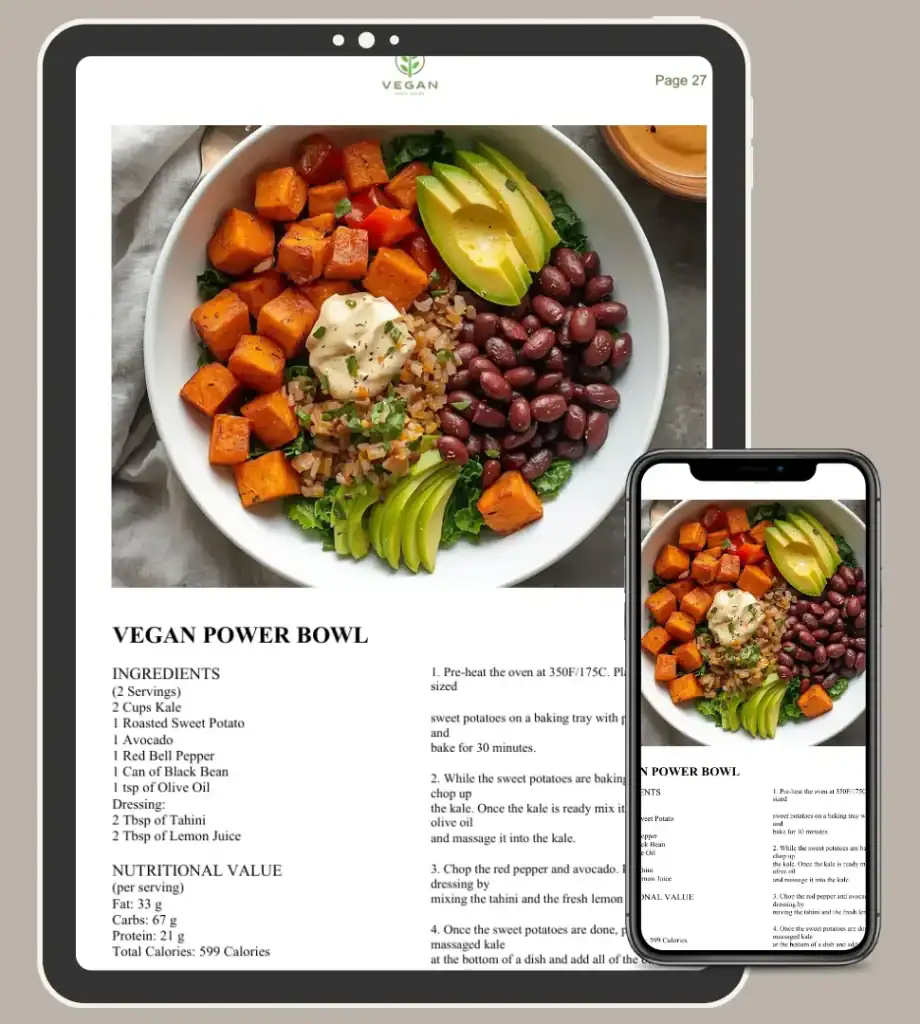
Nutritionist Approved
28-Day Vegan Meal Plan
40+ recipes · Photos · Shopping lists
🔁 7-Day Money-Back Guarantee · 📱 Works on All Devices
The Dairy Question: Why Elimination Matters More Than You Think
The connection between dairy and PCOS is one of the most consistently reported and least discussed relationships in women’s health nutrition. It deserves its own section because it is not simply about lactose intolerance or digestive sensitivity. It is about the specific hormonal compounds in conventional dairy products that have documented effects on androgen pathways relevant to PCOS.
Conventional dairy milk contains IGF-1 (insulin-like growth factor 1), which stimulates sebum-producing skin cells through the same pathway as androgens. It contains oestrogen precursors from pregnant cows, which represent approximately 75 percent of commercial dairy herds. And it contains trace bovine androgens that, while present in small amounts individually, accumulate meaningfully when dairy is consumed multiple times daily as it is in most Western diets.
The vegan diet for PCOS removes all of these compounds simultaneously and permanently. This is not achievable through dairy reduction or choosing organic dairy. Organic dairy still contains the same hormonal compounds. The elimination is the intervention, not the modification.
It is worth acknowledging that not all plant-based dairy alternatives are created equal for PCOS. Sweetened oat milk, flavoured soy milk, and barista versions of plant milks with added sugars provide a constant stream of small insulin spikes that undo part of the benefit of dairy elimination. The replacement that serves a vegan diet for PCOS best is unsweetened soy milk, which is the highest protein plant milk, the most hormonally neutral, and the most stable in both hot and cold applications.
The 6 Nutrients PCOS Depletes and How to Restore Them on a Vegan Diet
PCOS creates specific nutritional vulnerabilities that a vegan diet for PCOS must account for deliberately. These are not theoretical concerns. They are documented nutritional patterns in women with PCOS that, when unaddressed, perpetuate the very symptoms that dietary change is trying to resolve.
Vitamin D is deficient in up to 85 percent of women with PCOS in some studies. Vitamin D functions as a hormone, not just a vitamin, and directly regulates insulin receptor expression and ovarian function. PCOS independently disrupts vitamin D metabolism, creating a deficiency that worsens insulin resistance and inflammatory burden simultaneously. Supplement with vegan D3 from lichen at 2,000 IU daily year-round and test annually. For the full testing framework, our vegan blood test guide covers every PCOS-relevant panel in detail.
Magnesium is depleted in women with insulin resistance because elevated insulin increases urinary magnesium excretion. Lower magnesium worsens insulin receptor function, creating a cycle that directly perpetuates PCOS. Plant foods are excellent magnesium sources: dark leafy greens, pumpkin seeds, black beans, and dark chocolate provide meaningful amounts. A magnesium glycinate supplement of 300mg before bed addresses deficiency, improves sleep quality (disrupted in PCOS), and directly supports insulin sensitivity.
Zinc deficiency is documented in PCOS and plays a specific role: zinc inhibits 5-alpha reductase, the enzyme that converts testosterone into DHT. Without sufficient zinc, this conversion proceeds unchecked, worsening acne and hair loss. Pumpkin seeds provide the highest plant source. A zinc supplement of 15 to 25mg daily is appropriate if dietary sources are insufficient, but should be taken with food to avoid nausea and balanced with copper over the long term.
Iron is frequently depleted in women with PCOS through heavy or prolonged periods. Ferritin below 70mcg/L is associated with hair loss that compounds the androgenetic hair loss from DHT excess, creating a dual mechanism that requires both to be addressed for hair regrowth to occur. Plant iron from lentils, tofu, and dark leafy greens is always paired with vitamin C at the same meal for maximum absorption. For a complete supplement guide that covers all relevant supplementation including iron forms and dosing, our vegan supplement guide provides the full detail.
B vitamins, particularly B12, folate, and B6, are involved in homocysteine metabolism, hormone detoxification via the liver, and neurotransmitter production. B12 is non-negotiable on any vegan diet. Folate from legumes and dark leafy greens is particularly important if pregnancy is a consideration, since PCOS is a leading cause of infertility and dietary folate from food is the recommended source for preconception nutrition.
Omega-3 DHA and EPA are the most consistently anti-inflammatory nutrients available and directly relevant to PCOS through their effects on inflammation, insulin sensitivity, and mood regulation. An algae-based DHA and EPA supplement of 500mg daily is the most reliable source on a vegan diet for PCOS, since the conversion rate from ALA in flaxseeds and walnuts to DHA is too low to rely on alone despite the importance of those foods for their lignan and fibre content.
What to Expect and When: The PCOS Recovery Timeline on a Vegan Diet
Expectations matter in PCOS management. The condition develops over years and responds to dietary change over months, not days. Understanding what to expect at each stage prevents the discouragement that causes most people to abandon dietary interventions before the meaningful improvements arrive.
Weeks 1 to 2. Blood sugar stabilises noticeably as refined carbohydrates are replaced with legumes and whole grains. Energy levels begin to even out as the blood sugar crashes from high-GI eating reduce. Some digestive adjustment is normal as fibre increases. Mood stability may improve early due to blood sugar regulation alone.
Weeks 3 to 6. Skin clarity typically begins in this window, particularly if dairy elimination is consistent. This is frequently the first visible change and the one that provides the strongest motivation to continue. Bloating usually resolves as the gut adapts to higher fibre intake. Some women report the first signs of menstrual cycle changes in this period, though meaningful cycle regularisation typically takes longer.
Weeks 6 to 12. Weight begins to move more consistently as insulin resistance improves and the combined effect of lower insulin spikes, gut microbiome rebalancing, and anti-inflammatory dietary changes take hold. Energy levels feel substantially different for most women in this window. If supplements including myo-inositol, vitamin D, and magnesium have been added and maintained consistently, hormonal markers in blood tests typically begin to show improvement.
Months 3 to 6. Menstrual cycle regularity improves for a significant proportion of women following a consistent vegan diet for PCOS. Hair loss slows as ferritin levels recover (if iron was addressed) and DHT production reduces through the zinc and flaxseed mechanisms. Hirsutism begins to stabilise rather than worsen, with gradual reduction following for those with consistent dietary adherence.
6 months and beyond. The full benefit of a vegan diet for PCOS accumulates over the long term. HbA1c and fasting insulin, the markers that determine long-term diabetes risk, improve progressively. Cardiovascular risk markers (LDL, triglycerides, blood pressure) reach their new baseline. For women pursuing fertility, the combination of restored ovulation from improved insulin signalling and inositol sufficiency creates the hormonal environment for pregnancy that was previously disrupted.
The timeline is long but the trajectory is consistent. A vegan diet for PCOS is not a quick fix. It is a structural change to the conditions that allow PCOS to dominate. Every week of consistency moves the hormonal environment further from the state that drives symptoms.
Frequently Asked Questions About Vegan Diet for PCOS
Can a vegan diet for PCOS actually improve fertility?
Yes, for many women. PCOS is the most common cause of anovulatory infertility, meaning the primary fertility issue is the absence of ovulation rather than the ability to conceive once ovulation occurs. A vegan diet for PCOS that improves insulin sensitivity, reduces androgen excess, and restores the hormonal signalling required for ovulation addresses the root cause of PCOS-related infertility directly. Combining dietary change with myo-inositol supplementation provides the most evidence-backed natural intervention for restoring ovulation in PCOS. Medical oversight is essential for anyone actively trying to conceive.
Is soy safe with PCOS on a vegan diet?
Yes. The concern about soy and hormones in PCOS is based on a misunderstanding of how soy isoflavones work. Soy isoflavones are phytoestrogens, which are not the same as oestrogen. They bind weakly to oestrogen receptors and can actually modulate androgen activity beneficially. Multiple clinical trials have shown that moderate whole soy food consumption (tofu, tempeh, edamame) either has no effect on or modestly improves hormonal markers in PCOS. The concern relates primarily to high-dose isolated isoflavone supplements, not to whole soy foods consumed as part of a vegan diet for PCOS. Tempeh is particularly beneficial due to its additional fermentation-related gut health benefits.
How quickly will acne improve on a vegan diet for PCOS?
Most women report visible skin improvement within 4 to 8 weeks of consistent dairy elimination and refined carbohydrate reduction on a vegan diet for PCOS. Dairy elimination is typically the single most impactful change for PCOS acne specifically. Zinc from pumpkin seeds and spearmint tea twice daily accelerate the androgen-driven component of improvement. Full skin clarity at a new baseline typically takes 8 to 12 weeks as the androgen-to-sebum pathway normalises. If acne is severe or cystic, combining dietary change with dermatological care produces faster and more complete results.
Should I go low-carb or stay high-carb on a vegan diet for PCOS?
Neither extreme is necessary. The evidence for a vegan diet for PCOS supports a low-glycaemic approach rather than low-carbohydrate. The distinction matters: low-GI carbohydrates from legumes, oats, and whole grains are specifically beneficial for insulin resistance and are also the primary source of the fibre that makes a plant-based diet therapeutic for PCOS. Eliminating carbohydrates removes these benefits. The goal is replacing high-GI refined carbohydrates with low-GI whole food carbohydrates, not eliminating carbohydrates as a category. A low-carb vegan diet is also very difficult to sustain adequately on plant foods without extensive use of protein supplements. See our vegan protein sources guide for the complete picture of plant protein options.
What is the single most important food to add on a vegan diet for PCOS?
Ground flaxseeds, one to two tablespoons daily. No single food addresses more PCOS mechanisms simultaneously. Lignans block androgen receptors and reduce free testosterone. Omega-3 ALA reduces inflammation. Soluble fibre improves insulin sensitivity and feeds beneficial gut bacteria. Insoluble fibre promotes the consistent bowel transit that eliminates recycled oestrogen. They cost almost nothing, they are invisible when added to oats or smoothies, and the clinical evidence for their specific benefits in PCOS is stronger than for almost any other whole food. If you add one thing to your vegan diet for PCOS tomorrow, make it ground flaxseeds.
Your Action Plan: Starting a Vegan Diet for PCOS This Week
PCOS is a condition that rewards consistency and punishes impatience. The action plan below is designed to be genuinely achievable rather than aspirationally comprehensive, because a plan you actually follow for three months outperforms a perfect plan abandoned in three weeks.
This week: The three non-negotiables. Remove all dairy completely. Replace your breakfast with oats, ground flaxseeds, berries, and pumpkin seeds. Start drinking two cups of spearmint tea daily. These three changes alone address dairy-androgen burden, blood sugar stabilisation, and androgen receptor modulation simultaneously. They are cheap, simple, and backed by clinical evidence specific to PCOS.
This week: The foundational swap. Replace white bread, white rice, and pasta at your main meals with lentils, chickpeas, or quinoa as the carbohydrate base. This single swap flattens your post-meal insulin response more than any other dietary change and is the structural foundation that everything else builds on.
Week 2: Add the supplements. Myo-inositol 2g twice daily (the most evidence-backed PCOS supplement available). Vegan D3 2,000 IU daily. Magnesium glycinate 300mg before bed. Algae-based omega-3 DHA 500mg daily. These four supplements alongside the dietary changes create the comprehensive intervention that the research supports.
Week 3: Get your baseline blood tests. Fasting insulin, HbA1c, ferritin (not just haemoglobin), vitamin D, B12, zinc, free and total testosterone, DHEA-S, and a full thyroid panel. These numbers are your baseline. They will change on a vegan diet for PCOS and tracking them is both motivating and medically important, particularly if you are on medication that may need adjusting as insulin sensitivity improves.
Ongoing: Build the fermented food habit. Tempeh at least three times per week. A tablespoon of miso in soups or sauces. A small portion of kimchi or sauerkraut with meals when possible. Two cups of unsweetened kombucha on days when other fermented foods are not eaten. The gut microbiome rebalancing that reduces insulin resistance at its source requires consistent prebiotic and probiotic input, not occasional supplementation.
A vegan diet for PCOS is not about perfection. It is about systematically removing the dietary factors that worsen your condition and consistently adding the ones that repair it. The improvements come. They are documented in research, reported by thousands of women with PCOS, and mechanistically explainable. They take time. They require consistency. And they are worth it.