
Disclaimer: This content is for informational purposes only and does not constitute medical or dermatological advice. If you have a diagnosed skin condition, consult a dermatologist or healthcare provider before making significant dietary changes.
Vegan Diet for Glowing Skin: The Complete Plant-Based Skin Nutrition Guide
TL;DR
A vegan diet for glowing skin works through six specific nutritional mechanisms: vitamin C for collagen synthesis, beta-carotene for skin cell renewal and UV protection, zinc for oil regulation and healing, omega-3 for the skin barrier and inflammation control, polyphenols for oxidative stress protection, and a diverse plant fiber intake for the gut-skin axis. The skin reflects internal health with a delay of approximately 28 days, the full skin cell turnover cycle. This means dietary changes show measurable skin improvements after four weeks of consistent nutrition, not four days. This guide covers the gut-skin biology, the six critical skin nutrients, the top 20 skin foods ranked, a skin concern-to-nutrient map, the foods that damage skin on a vegan diet, and the complete 30-day plant-based skin transformation protocol.
The Gut-Skin Axis: Why Gut Health Is Skin Health
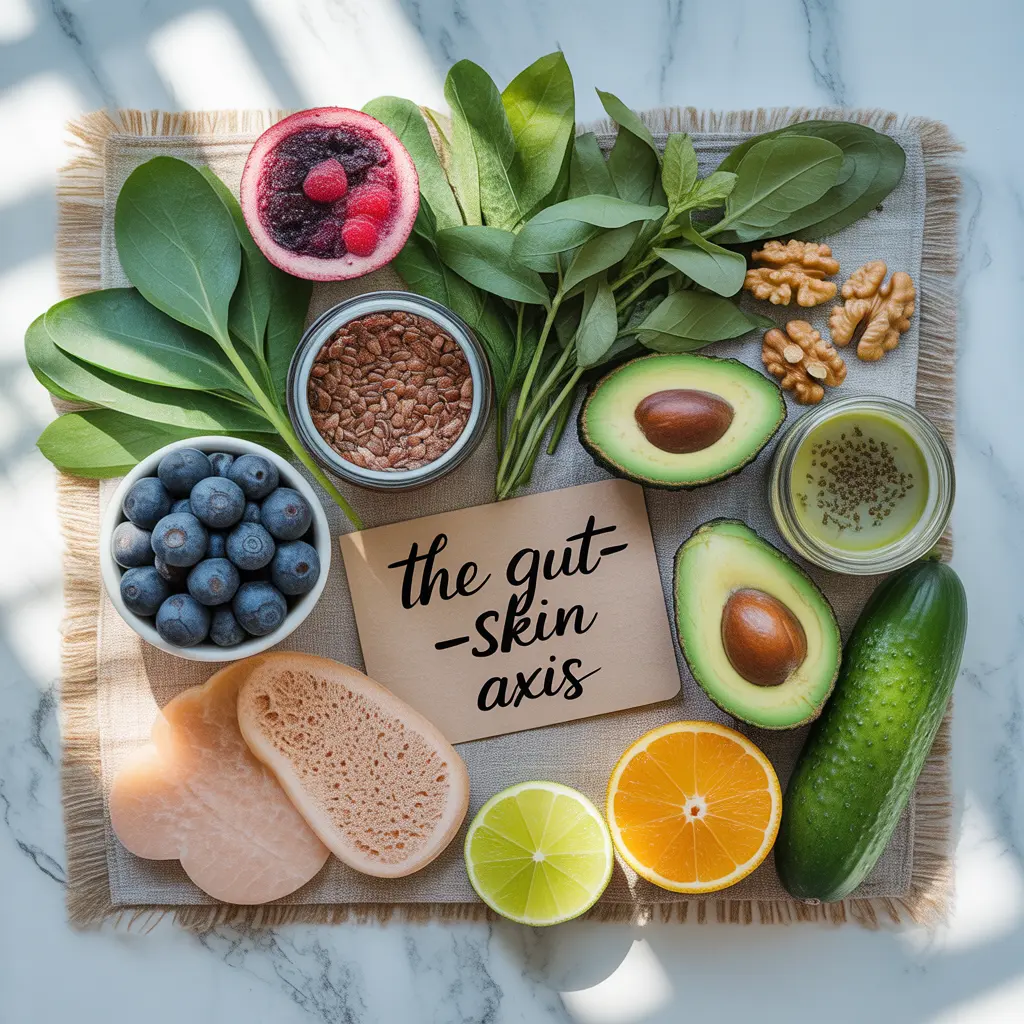
The vegan diet for glowing skin starts not at the skin surface but in the gut. The gut-skin axis is a bidirectional communication system between the intestinal microbiome, the immune system, and the skin that determines much of the skin’s inflammatory state, barrier integrity, and cellular renewal capacity.
When the gut microbiome is diverse and well-fed with plant fiber, it produces short-chain fatty acids (SCFAs), particularly butyrate, that reduce systemic inflammation throughout the body including in skin tissue. When the microbiome is disrupted by poor diet, processed foods, or antibiotics, inflammatory signals spread systemically. The skin registers this inflammation as acne, eczema flares, redness, dullness, and accelerated ageing. The gut and the skin are not separate systems. They are connected branches of the same inflammatory network.
How a Plant Diet Supports the Gut-Skin Connection
Plant-based eating is structurally advantageous for gut microbiome diversity for a simple reason: plant fiber is the primary food source for beneficial gut bacteria. Animal foods contain no fiber. Ultra-processed foods contain no useful fiber. Only whole plant foods deliver the prebiotic substrate that feeds a diverse, anti-inflammatory gut ecosystem.
- Prebiotic fiber from legumes, oats, and bananas: feeds Bifidobacterium and Lactobacillus species that produce skin-protective SCFAs
- Polyphenols from berries, dark chocolate, and green tea: directly feed Akkermansia muciniphila, the microbiome species most associated with gut barrier integrity and reduced systemic inflammation
- Fermented plant foods (tempeh, kimchi, miso): introduce live cultures that diversify gut flora and produce GABA and B vitamins alongside gut-protective compounds
- 30+ plant species weekly: the minimum threshold for the microbiome diversity that translates into systemic anti-inflammatory benefit reflected in skin clarity and radiance
The full gut microbiome diversity framework and its systemic effects are covered in the vegan gut health guide.

Ultimate 28-Day Vegan Meal Plan,
Easy Grocery List + 40 Recipes
• Comprehensive Guide
• 4-Week Structured Calendar
• Categorized Weekly Grocery Lists
• Chef-Verified Nutritional Tips
• Family Friendly Meal Prep
• Print & Use Today
The 6 Most Critical Skin Nutrients in Plant Foods
A vegan diet for glowing skin requires deliberate attention to six nutrients that directly control skin structure, hydration, renewal, and inflammation. Plant foods are rich in every one of them when chosen strategically.
1. Vitamin C
Skin role: the master collagen cofactor. Vitamin C is required for the hydroxylation of proline and lysine in collagen fibres. Without it, collagen cannot form stable triple-helix structures. Also the primary water-soluble antioxidant in skin tissue, protecting against UV and environmental oxidative damage.
Best plant sources: guava (228mg per 100g), red bell pepper (190mg per 100g), kiwi (93mg per fruit), broccoli (89mg per cup), strawberries (85mg per cup), papaya (88mg per 100g).
Daily target: 75-200mg. Easily exceeded with two servings of the above foods.
2. Beta-Carotene (Pro-Vitamin A)
Skin role: converts to vitamin A (retinol) in the body. Vitamin A regulates skin cell turnover, reduces sebum overproduction, maintains skin barrier function, and gives skin the warm, healthy colour associated with dietary beta-carotene accumulation in subcutaneous fat.
Best plant sources: sweet potato (9614mcg per medium), carrots (8285mcg per 100g), butternut squash (4226mcg per cup), kale (9226mcg per cup raw), mango (1262mcg per fruit).
Note: absorption is enhanced by eating alongside fat (olive oil, avocado).
3. Zinc
Skin role: regulates sebaceous gland activity (excess sebum causes acne), supports wound healing and tissue repair, anti-inflammatory in skin via inhibiting neutrophil activity, essential for the enzymes that protect skin collagen from degradation.
Best plant sources: pumpkin seeds (2.5mg per 30g), hemp seeds (3mg per 30g), cashews (1.6mg per 30g), lentils (2.5mg per cup), tempeh (1.7mg per 100g).
Skin-specific note: zinc deficiency is one of the most common nutritional causes of persistent acne.
4. Omega-3 (EPA and DHA)
Skin role: EPA and DHA are structural components of skin cell membranes. They maintain membrane fluidity and permeability, regulate the skin barrier function, and suppress the arachidonic acid inflammatory cascade that drives eczema, psoriasis, and inflammatory acne.
Best vegan sources: algae-derived EPA/DHA supplement (only reliable long-chain source). ALA precursors: flaxseed (6.4g per 30g), chia seeds (5.1g per 30g), walnuts (2.7g per 30g).
Strategy: supplement 250-500mg EPA+DHA algae oil daily alongside dietary ALA sources. See the omega-3 guide.
5. Polyphenols
Skin role: plant polyphenols are the skin’s most powerful dietary anti-ageing compounds. They neutralise reactive oxygen species (ROS) that damage collagen and elastin fibres. Resveratrol activates sirtuins (longevity proteins). Quercetin reduces skin inflammation. EGCG from green tea protects against UV-induced DNA damage in skin cells.
Best plant sources: blueberries, pomegranate, dark chocolate 85%+, green tea, red grapes, purple cabbage, turmeric (curcumin).
6. Vitamin E
Skin role: the primary fat-soluble antioxidant in skin cell membranes. Protects membrane phospholipids from lipid peroxidation. Works synergistically with vitamin C: vitamin C regenerates oxidised vitamin E, making the combination more effective than either alone. Also supports skin moisture retention and barrier function.
Best plant sources: sunflower seeds (7.4mg per 30g), almonds (7.3mg per 30g), avocado (2.7mg per half), wheat germ oil, hazelnuts (4.3mg per 30g), pine nuts.
28-Day Vegan Meal Plan
+ Grocery List
Complete Solution · Nutritionist-Approved · Print & Use Today
Read on any device · No apps needed
Top 20 Vegan Skin Foods Ranked by Skin-Nutrient Score
The composite skin-nutrient score below rates each food across six dimensions: vitamin C content, beta-carotene, zinc, omega-3, polyphenol density, and anti-inflammatory index. Foods scoring across multiple skin dimensions rank highest.

Psst..just to add: reading about anti-inflammatory eating and actually eating that way every day are two very different things. The 28-Day Vegan Meal Plan gives you 40+ recipes, a full shopping list, and a 28-day calendar. No subscription.
Get the Plan →Skin Concerns Mapped to Nutrients
Different skin concerns have different nutritional root causes. The infographic below maps the four most common skin concerns to the specific plant nutrients and foods that address them most directly.
Acne and Breakouts
- Zinc: regulates sebum and reduces bacterial inflammation
- Omega-3: reduces the arachidonic acid pathway driving cystic inflammation
- Probiotic foods: reduce gut-driven systemic inflammation
- Low glycaemic index foods: prevent IGF-1 and insulin spikes that trigger sebum overproduction
Key foods: pumpkin seeds, hemp seeds, lentils, flaxseed, fermented foods
Eczema and Dry Skin
- EPA/DHA omega-3: restores skin barrier phospholipid composition
- Vitamin E: protects membrane lipids from oxidative damage
- GLA (gamma-linolenic acid): reduces inflammatory prostaglandins in skin
- Gut microbiome diversity: reduces allergic immune activation driving eczema
Key foods: algae oil, evening primrose, hemp seeds, avocado, fermented foods
Premature Ageing
- Vitamin C: collagen synthesis and UV-induced oxidative damage repair
- Polyphenols: protect collagen and elastin from ROS degradation
- Beta-carotene: skin cell renewal and natural UV protection accumulation
- Vitamin E: membrane lipid protection in skin cells
Key foods: red bell pepper, blueberries, sweet potato, pomegranate, dark chocolate. Full guide: vegan anti-ageing diet.
Dullness and Uneven Tone
- Iron: low iron reduces oxygen delivery to skin cells, causing grey-tinged dullness
- Beta-carotene: dietary carotenoids accumulate in subcutaneous fat and add a healthy golden tone
- Vitamin C: inhibits tyrosinase, the enzyme involved in excess melanin production and dark spots
- Hydration: cucumbers, celery, and water-rich plant foods maintain skin cell turgor
Key foods: carrots, sweet potato, lentils, kiwi, strawberries, red bell pepper
The acne-specific nutritional framework with additional detail on hormonal and dietary triggers is covered in the vegan diet and acne guide. The collagen precursor foods and supplement strategy are covered in the vegan collagen boosters guide.
Foods That Damage Skin on a Vegan Diet
A vegan diet for glowing skin is not only about what to add. Several foods common in poorly planned vegan diets actively degrade skin quality through specific mechanisms. Knowing these is as important as knowing the beneficial foods.
High Glycaemic Index Foods: The Acne and Ageing Accelerator
Refined carbohydrates (white bread, white rice, processed vegan snacks, sugary drinks) trigger large insulin and IGF-1 (insulin-like growth factor 1) spikes. IGF-1 directly stimulates sebaceous gland activity, increasing sebum production and driving acne. Chronically elevated blood glucose also drives glycation, the process by which glucose molecules bond to collagen fibres, making them stiff and brittle. This glycation-driven collagen degradation is a primary mechanism of dietary premature skin ageing. The solution is not to avoid carbohydrates but to choose low-glycaemic plant sources: lentils, legumes, whole grains, oats, and sweet potato instead of white rice, white bread, and processed snack foods.
High Omega-6 Processed Oils: The Silent Inflammatory Driver
Sunflower oil, corn oil, soybean oil, and most vegetable oils used in processed vegan foods are extremely high in omega-6 linoleic acid. When consumed in excess relative to omega-3, these oils promote the arachidonic acid inflammatory cascade in skin tissue, worsening acne, eczema, redness, and inflammatory skin ageing. The omega-6 to omega-3 ratio in modern Western diets is approximately 15:1 to 20:1. The anti-inflammatory target is 4:1 or lower. Reducing processed vegetable oil consumption and increasing omega-3 from flaxseed, walnuts, chia seeds, and algae oil is one of the highest-impact dietary interventions for skin inflammation.
Dairy Alternatives with Added Sugar
Many popular vegan milks, yogurts, and desserts contain significant added sugar that contributes to the glycaemic load and AGE (advanced glycation end-product) formation described above. When choosing fortified plant milks for their calcium and B12 content, the unsweetened versions perform better for skin. The flavoured, sweetened plant milk varieties that dominate café menus deliver meaningful sugar loads alongside their nutritional benefits. Read labels for added sugar content and default to unsweetened plant milks for daily use.
Alcohol: The Skin Dehydrator and Collagen Disruptor
Alcohol is among the most directly skin-damaging substances in the diet. Mechanisms include systemic dehydration (reducing skin cell turgor and elasticity), liver burden that reduces the body’s ability to clear inflammatory toxins, disruption of sleep architecture (growth hormone is released during deep sleep and drives skin repair overnight), direct inhibition of vitamin A metabolism (vitamin A is the skin’s primary cellular renewal vitamin), and vasodilation causing persistent facial redness and broken capillaries over time. Even moderate regular alcohol consumption produces measurable skin ageing effects visible in photographic studies comparing drinkers and non-drinkers of the same age.

| Plan Comparison | Standard Search | Your 28-Day Plan |
|---|---|---|
| Structured 4-Week Calendar | — | ✓ Included |
| Ready-to-Use Grocery Lists | — | ✓ Included |
| 40+ Professional Recipes | Random Results | ✓ Included |
| Nutrition & Transition Guide | — | ✓ Included |
| Chef-Verified Methods | — | ✓ Included |
| High-Quality Recipe Photos | — | ✓ Included |
The 30-Day Plant-Based Skin Transformation Protocol
This protocol is structured around the 28-day skin cell turnover cycle. The first 28 days of consistent implementation replaces the surface layer of skin with newly formed cells built from better nutritional inputs. Visible improvements in clarity, tone, and radiance are typically noticeable at the 3-4 week mark.
Daily: Beta-Carotene at Every Main Meal
Include one orange or deep-yellow plant food at each main meal: sweet potato, carrots, butternut squash, mango, or orange bell pepper. Always pair with a fat source (olive oil, avocado, nuts) to maximise beta-carotene absorption. Beta-carotene accumulates in subcutaneous tissue over 4-6 weeks, progressively improving skin tone and providing internal UV protection.
Daily: Vitamin C with Every Meal
Vitamin C is water-soluble and cannot be stored. Skin requires a continuous supply for ongoing collagen synthesis. Include one high-vitamin C food at every meal: red bell pepper in lunch salad, kiwi or strawberries at breakfast, broccoli at dinner. This ensures constant vitamin C availability for collagen hydroxylation throughout the day.
- Never cook vitamin C foods at high heat for extended periods
- Lemon juice squeezed over cooked vegetables at the end of cooking preserves it
- Raw kiwi or strawberries as a daily snack is the simplest daily C habit
Daily: Omega-3 Supplementation Plus Dietary ALA
250-500mg algae EPA/DHA daily is the supplement foundation. Alongside this, include a daily dietary ALA source: 1 tablespoon ground flaxseed in porridge or smoothie, 2 tablespoons chia seeds in overnight oats, or 30g walnuts as a daily snack. The combination of dietary ALA and supplemental EPA/DHA provides complete skin barrier fatty acid coverage.
Daily: Zinc from Seeds and Legumes
30g pumpkin seeds or hemp seeds as a daily habit delivers 2.5-3mg zinc for sebum regulation and wound healing. Combined with a daily legume serving (lentils, chickpeas), the daily zinc intake approaches the 8-11mg RDA from food alone.
- Scatter pumpkin seeds on salads, soups, or grain bowls
- Hemp seeds blend invisibly into smoothies and porridge
- Soak dried legumes: reduces phytate and improves zinc absorption by 20-30%
Daily: Polyphenol-Rich Foods
Rotate between high-polyphenol plant foods throughout the week to cover the full spectrum of antioxidant compounds. No single food covers all polyphenol classes. A daily rotation should include at least two from this list: blueberries or mixed berries, dark chocolate 85%+, pomegranate seeds or juice, green tea (2-3 cups), red or purple grapes, purple cabbage.
Daily: Gut Microbiome Support
At least one fermented plant food daily for live culture diversity plus high-fiber prebiotic foods to feed the existing microbiome. The gut-skin axis responds to consistent feeding over 4-8 weeks. This is not a one-time intervention.
- Fermented: miso soup, tempeh, sauerkraut, kimchi, or plant-based kefir
- Prebiotic: oats, garlic, onion, leek, banana, asparagus, legumes
- Aim for 30+ plant species per week across all categories
Remove: High Glycaemic Foods and Processed Oils
For the 30-day protocol to produce maximum visible results, the skin-damaging inputs must be reduced alongside the skin-building inputs being increased. The three most impactful removals are:
- Replace white rice and white bread with brown rice, quinoa, or oats
- Reduce sunflower, corn, and vegetable oil in cooking. Replace with olive oil or avocado oil.
- Eliminate or significantly reduce sweetened beverages, processed vegan snack foods, and added sugar
These removals alone produce measurable skin clarity improvements within 2-3 weeks in people whose baseline diets include significant amounts of these foods.
28-Day Vegan Meal Plan + Grocery list.
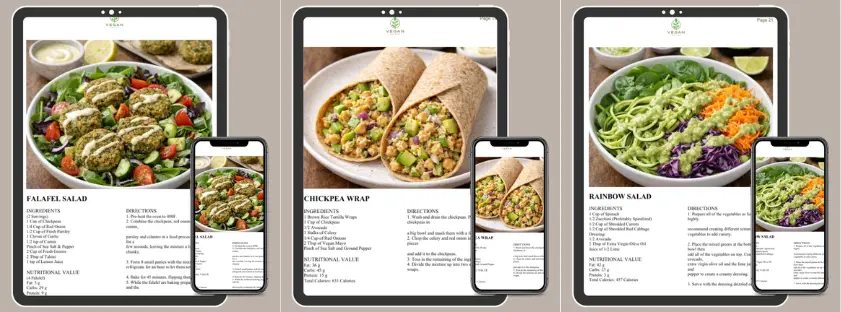
Transform your lifestyle with our comprehensive guide. This isn’t just a recipe book; it’s a complete system designed for success:
- The Vegan Guide: Essential transition tips and nutritional benefits.
- 40+ Chef Recipes: Breakfast, lunch, and dinner with high-quality photos.
- 4-Week Meal Plan: A fully structured day-by-day calendar.
- Grocery Lists: Categorized weekly lists to save you time and money.
- Photos: High-Quality Recipe Photos.
- Nutritions: Vegan Nutrition Guide Toolkit.
Chef Section: MENA Skin-Nourishing Traditional Ingredients
Twenty years of professional MENA and Mediterranean kitchen experience reveals a culinary tradition built around ingredients that modern dermatological nutrition now identifies as the most skin-protective foods available. This is not coincidence. These culinary traditions developed in climates with intense UV exposure, where the skin protection provided by dietary carotenoids, polyphenols, and olive-derived vitamin E was a survival advantage long before nutrition science existed to name it.
Four MENA Skin Ingredients That Science Now Validates
1. Pomegranate: The MENA Skin Fruit
Pomegranate has been used as a medicinal and culinary fruit across the Levant, Iran, and North Africa for thousands of years. Modern research identifies it as one of the most potent anti-ageing plant foods available. Punicalagins, its unique polyphenol compounds, have no equivalent in other fruits and demonstrate direct collagen synthesis stimulation in fibroblast cell studies alongside exceptional free radical scavenging. In MENA professional kitchens, pomegranate molasses is used as a finishing glaze on roasted vegetables, grain salads, and lentil dishes. This is daily concentrated polyphenol delivery disguised as seasoning. One tablespoon of pomegranate molasses delivers a significant polyphenol load in a format that integrates into everyday cooking invisibly.
2. Rose Water and Rose Hip: Vitamin C in the MENA Beverage Tradition
Rose water is used across MENA cooking not merely as a flavour but as a drink additive. Rose hip, the fruit of the rose plant, is one of the most vitamin C-dense foods in existence: 400-500mg per 100g fresh fruit. The traditional MENA and Turkish practice of rose hip tea consumed daily is, nutritionally, a potent skin vitamin C delivery system. In professional kitchen application, rose hip syrup can be stirred into warm water, drizzled over fruit salads, or used as a sauce base. Rose water itself is used in desserts, rice dishes, and drinks throughout MENA cooking and provides gentle anti-inflammatory compounds alongside its culinary role.
3. Olive Oil: The Skin Fat Tradition
Extra virgin olive oil is not a neutral cooking fat. It contains squalene (a natural emollient that supports skin hydration), vitamin E, and oleocanthal (a polyphenol with documented anti-inflammatory properties equivalent to low-dose ibuprofen in laboratory studies). The MENA kitchen practice of finishing dishes with cold extra virgin olive oil rather than using it as the primary cooking medium preserves these bioactive compounds. Internally consumed olive oil contributes to skin hydration, membrane integrity, and polyphenol-driven anti-inflammation. The Mediterranean dietary pattern, heavily featured in the anti-inflammatory vegan diet guide, is built around olive oil as its primary fat.
4. Turmeric: The MENA Skin Spice
Turmeric has been used medicinally for skin conditions across the Middle East, South Asia, and North Africa for millennia. Curcumin, its active compound, inhibits NF-kB, the master inflammatory transcription factor. Reduced NF-kB activity means reduced inflammatory cytokine production throughout the body including in skin tissue. In professional MENA kitchens, turmeric is used not as a therapeutic supplement but as a daily cooking spice in lentil soups, rice dishes, and vegetable stews. A quarter teaspoon of turmeric used daily in cooking delivers a clinically meaningful curcumin load when consumed with black pepper (which increases curcumin bioavailability by 2,000%) and olive oil (fat enhances curcumin absorption).
The MENA Skin Day: A Professional Kitchen Routine
- Breakfast: oat porridge with ground flaxseed + sliced mango and kiwi (ALA omega-3 + beta-carotene + vitamin C)
- Lunch: lentil soup with turmeric and black pepper + roasted sweet potato + tahini (zinc + beta-carotene + curcumin)
- Snack: pomegranate seeds + 30g pumpkin seeds + dark chocolate square (polyphenols + zinc + flavanols)
- Dinner: tempeh and broccoli stir-fry + red bell pepper raw salad + olive oil drizzle (zinc + vitamin C + vitamin E)
- Supplement: algae EPA/DHA 500mg + algae D3 2000 IU
Putting It Together: Vegan Diet for Glowing Skin Is a System, Not a Supplement
The vegan diet for glowing skin is not about adding a single superfood or taking a beauty supplement. It is a system of consistent daily nutritional inputs that works across the full 28-day skin cell cycle. Sweet potato and red bell pepper supply beta-carotene and vitamin C. Pumpkin seeds and hemp seeds supply zinc. Flaxseed, walnuts, and algae oil supply the omega-3 that controls skin barrier integrity and inflammation. Blueberries, pomegranate, dark chocolate, and green tea supply the polyphenols that protect collagen from oxidative degradation. Fermented plant foods supply the gut microbiome diversity that controls skin inflammation from the inside out.
Remove the skin-damaging inputs (refined carbohydrates, high-omega-6 oils, alcohol, added sugar) and add the skin-building inputs consistently for 28 days. The results are visible because the mechanism is physiological, not cosmetic. New skin cells built from better raw materials look different from old skin cells built from nutritionally depleted ones. A vegan diet for glowing skin provides those better raw materials in abundance. The only requirement is consistency across the full renewal cycle.
FAQ: 12 Questions About the Vegan Diet for Glowing Skin
The minimum visible timeframe is 28 days, the full skin cell turnover cycle. Dietary changes improve the quality of newly formed skin cells, not existing ones. The surface layer of skin you see today was built 28 days ago from the nutrients available at that time. From the point of dietary improvement, each day the skin becomes incrementally more built from better nutritional inputs. Most people notice meaningful improvements in clarity, tone, and radiance at the 4-6 week mark with consistent protocol adherence. Acne reduction may begin earlier (2-3 weeks) because it responds to acute inflammatory reduction from omega-3 and zinc changes. Skin ageing reversal markers take longer: 3-6 months for collagen remodelling changes to become visible.
Sweet potato scores highest on the composite skin-nutrient index because it delivers beta-carotene (the highest concentration of any common food), vitamin C, fiber for the gut-skin axis, and anti-inflammatory compounds simultaneously. Red bell pepper is a close second for its extraordinary vitamin C content and carotenoid profile. For anti-ageing specifically, blueberries and pomegranate are the most polyphenol-dense options. For acne, pumpkin seeds score highest for their zinc and anti-inflammatory properties. The honest answer is that no single food covers all skin mechanisms: a daily rotation across the top 20 foods in this guide is the complete approach.
A well-planned vegan diet for glowing skin addresses several of the primary nutritional drivers of acne. The mechanisms include reduced dairy consumption (dairy is one of the most consistent dietary acne triggers through IGF-1 stimulation of sebaceous glands), lower high-glycaemic food intake when the diet is built on whole plant foods, higher omega-3 intake from seeds and algae oil reducing arachidonic acid inflammatory signalling, and higher zinc intake from pumpkin seeds and legumes regulating sebum production. However, a poorly planned vegan diet high in refined carbohydrates and processed snack foods can worsen acne. The diet quality matters as much as the dietary pattern. The acne-specific guide is at the vegan diet and acne guide.
Yes. The body synthesises all its own collagen. Dietary collagen from animal products is digested into amino acids and does not directly incorporate into human skin collagen. What the body needs to synthesise collagen is: vitamin C (the hydroxylation cofactor), glycine (abundant in plant proteins), proline (present in most plant foods), and adequate protein overall. A plant diet rich in vitamin C from red bell peppers, kiwi, and broccoli alongside adequate total protein from legumes, tofu, and seeds provides all the raw materials for full collagen synthesis. The collagen precursor strategy is covered at the vegan collagen boosters guide.
The gut-skin axis operates through three pathways. First, the gut microbiome regulates systemic inflammation levels: a diverse, fiber-fed microbiome produces butyrate and other SCFAs that suppress inflammatory cytokines throughout the body including in skin tissue. Second, gut permeability affects what enters circulation: a compromised gut barrier allows bacterial fragments (LPS: lipopolysaccharide) to enter the bloodstream, triggering systemic low-grade inflammation that manifests in skin as redness, acne, and delayed healing. Third, the gut produces and regulates serotonin and other signalling molecules that affect skin cell behaviour through neural pathways. Improving gut health through plant fiber diversity, fermented foods, and prebiotic feeding is one of the most fundamental skin interventions available. The complete gut framework is at the vegan gut health guide.
Yes, and the change is considered universally positive. Carotenoids accumulate in the subcutaneous fat layer beneath the skin over several weeks of consistent consumption. This accumulation produces a warmer, more golden skin tone that study participants consistently rate as healthy and attractive. Research reviewed at Examine.com confirms that carotenoid skin colouration is rated as healthier-looking than sun-tan colouration in controlled perception studies. Practically: eating carrots, sweet potato, butternut squash, mango, and kale daily for 6-8 weeks progressively improves the warmth and vitality of skin tone through dietary carotenoid accumulation. This is the dietary equivalent of a healthy glow.
Not if dietary vitamin C is adequate. Unlike B12, vitamin C is abundant in plant foods. Two servings per day of high-vitamin C foods (one red bell pepper provides 190mg, one kiwi provides 93mg) easily exceeds the 75-200mg range most skin nutrition protocols target. The important caveat is distribution: vitamin C is water-soluble with a short half-life in tissue. Concentrating all vitamin C in one meal is less effective for collagen synthesis than spreading it across two or three meals throughout the day. If dietary vitamin C is consistently below target (which can happen in vegan diets dominated by starchy foods without adequate vegetables and fruit), a 200-500mg vitamin C supplement is a reasonable addition.
Partially from food, fully from algae supplementation. ALA from flaxseed, chia seeds, and walnuts converts to EPA and DHA at only 5-10% efficiency in the body, which is insufficient for the skin barrier and anti-inflammatory benefits that require meaningful EPA and DHA levels in cell membranes. Algae-derived EPA/DHA supplements at 250-500mg daily bypass this conversion limitation and deliver the long-chain omega-3 directly. Algae is the original source from which fish accumulate their omega-3 anyway, making algae oil the direct-source equivalent. Dietary ALA from flaxseed and chia seeds contributes additional omega-3 supply and should be maintained alongside supplementation.
The most common nutritional causes of dull skin on a plant-based diet are iron deficiency (reduces oxygen delivery to skin cells), vitamin B12 deficiency (impairs cell renewal), zinc insufficiency (slows skin repair and turnover), and inadequate beta-carotene intake (removes the dietary glow contribution). Processing and cooking method matter too: overcooked vegetables lose most of their vitamin C and beta-carotene, reducing the skin-building compounds available even when the diet appears vegetable-rich. The iron framework for plant-based eaters is covered at the vegan iron sources guide.
Yes. This is one of the most direct diet-skin ageing relationships known. The mechanism is glycation: excess blood glucose binds to collagen and elastin fibres, forming advanced glycation end-products (AGEs). Glycated collagen fibres are stiff, brittle, and unable to maintain the skin elasticity that characterises youthful skin. They cannot be repaired, only replaced, which requires new collagen synthesis over months. The impact of chronically elevated blood sugar (from high-glycaemic diets) on skin ageing is observable in controlled studies comparing skin elasticity and collagen cross-linking between high-sugar and low-sugar dietary pattern groups. Reducing added sugar and refined carbohydrates is one of the most evidence-supported anti-ageing dietary interventions available.
Dark circles have multiple causes but the nutritional contributors are iron deficiency (the most common dietary cause), vitamin K deficiency (affects blood vessel integrity under thin under-eye skin), vitamin C deficiency (weakens capillary walls, increasing under-eye pooling), and general inflammation. The most targeted plant food approach:
- Iron: lentils, tofu, pumpkin seeds with vitamin C to enhance absorption
- Vitamin K: kale, broccoli, Brussels sprouts, spinach
- Vitamin C: red bell pepper, kiwi, strawberries
- Anti-inflammatory: omega-3, turmeric, berries
Dark circles from genetic pigmentation or anatomy are not primarily nutritional and require dermatological intervention rather than dietary change.
A well-planned vegan diet for glowing skin has structural advantages over an omnivore diet for skin health. These include higher antioxidant intake (more fruit and vegetables), higher fiber intake (better gut-skin axis function), absence of dietary cholesterol oxidation products that damage skin cells, higher carotenoid intake, and the avoidance of dairy (which via IGF-1 is one of the strongest dietary acne triggers). However, an unplanned vegan diet high in refined carbohydrates, processed foods, and deficient in zinc, omega-3, and iron can produce worse skin outcomes than a well-planned omnivore diet. The quality of execution matters more than the dietary label. The vegan diet for glowing skin described in this guide, applied consistently, outperforms the average Western omnivore diet for skin outcomes across virtually every measurable marker.
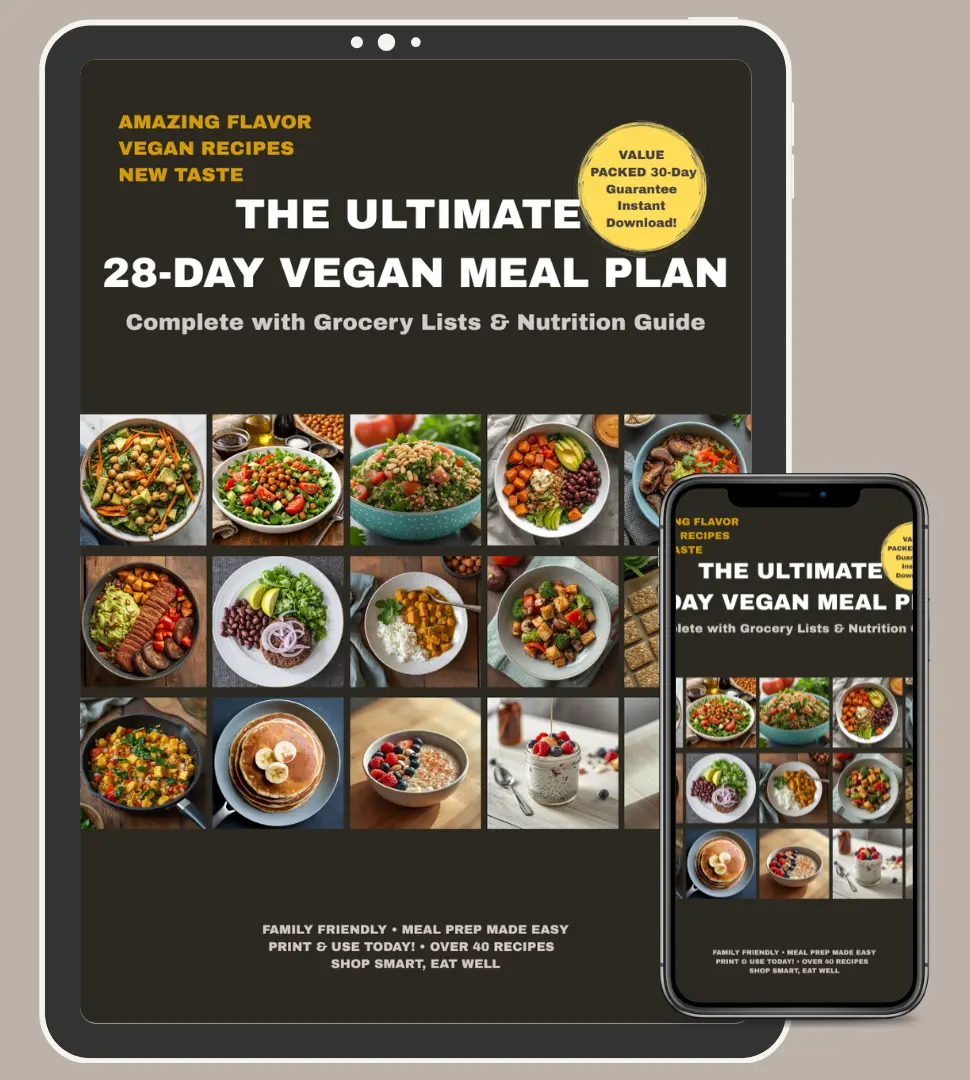
Still spending hours figuring out what to eat?
What’s included in your download
- 40+ nutritionist-approved recipes
- Complete 28-day calendar
- Meets protein, iron & B12 needs
- Family & meal prep friendly
- Vibrant photo for every recipe
- Simple, common ingredients
Instant PDF download. No subscriptions. No waiting.