
Section 1: The Competitive Edge: The Vegan Advantage for Elite Performance
The modern athletic landscape is undergoing a profound and data-driven shift. Once considered a niche dietary choice, a strategic vegan diet like vegan diet for athletes performance for athletes performance is now a calculated advantage adopted by elite competitors across the spectrum. This movement is led not by activists, but by results-driven professionals: record-shattering ultra-runners like Scott Jurek and Fiona Oakes, NFL forces such as Derrick Morgan and Griff Whalen, and Olympic champions like weightlifter Kendrick Farris and sprinter Morgan Mitchell. Their collective success dismantles the outdated notion that animal protein is a prerequisite for power and endurance.
Instead, it highlights a fundamental truth: a well-constructed vegan diet for athletes performance provides distinct physiological benefits that directly translate to competitive gains. The primary advantage is reduced systemic inflammation. Animal products, particularly red and processed meats, are rich in saturated fats and compounds like Neu5Gc and endotoxins that can trigger inflammatory pathways. Chronic, low-grade inflammation is the arch-nemesis of recovery, impeding muscle repair and prolonging soreness.
A whole-food, plant-based diet, abundant in antioxidants and phytonutrients from fruits, vegetables, and legumes, actively counteracts this inflammation all are to be in the vegan diet for athletes performance. This translates to faster recovery times between intense training sessions, enabling athletes to train more frequently and with higher qualitythe very foundation of athletic progression.
Beyond recovery, a vegan diet for athletes performance confers significant cardiovascular and metabolic benefits. These diets are naturally low in saturated fat and cholesterol, promoting endothelial health and optimal blood viscosity. The result is improved blood flow and vascular function. For an athlete, this means more efficient delivery of oxygen and nutrients to working muscles and enhanced removal of metabolic waste products like lactate.
Studies have shown this can lead to improvements in VO2 max, the gold standard measure of aerobic capacity, and greater endurance. Furthermore, the high complex carbohydrate content of a plant-based diet ensures robust glycogen stores, the primary fuel for moderate to high-intensity exercise. This abundance of clean fuel supports sustained energy output, delays fatigue, and facilitates more effective training adaptations.
The myth that “you need meat to build muscle” is conclusively debunked by the growing legion of vegan bodybuilders and strength athletes, who demonstrate that muscle hypertrophy is a product of consistent mechanical tension and adequate protein intake both entirely achievable on plants. The core principles of training progressive overload, specificity, and periodization remain unchanged.
What evolves is the nutritional strategy: a deliberate shift toward optimizing macronutrient timing, leveraging micronutrient density, and using food as a tool for enhancing recovery and adaptation. This comprehensive guide details the exact framework for building your own high-performance vegan diet for athletes performance, translating theory into actionable daily practice.
Section 2: Protein Precision: Meeting and Exceeding the Demands of Athletic Performance
Protein is the fundamental substrate for muscle protein synthesis (MPS), the process of repairing and rebuilding muscle tissue damaged during training. Therefore, optimizing protein intake is a cornerstone of any effective vegan diet for athletes performance. While needs are higher than for sedentary individuals, they are often overstated. Evidence-based guidelines provide clear targets that are readily achievable through strategic food selection:
- Endurance Athletes: 1.2 – 1.4 grams of protein per kilogram of body weight.
- Strength/Power Athletes (Bodybuilding, Powerlifting): 1.6 – 2.2 grams per kg.
- Ultra-Endurance Athletes (Ironman, Ultra-Marathon): 1.4 – 1.6 grams per kg.
For a 70 kg (154 lb) strength athlete, this translates to a range of 112 to 154 grams of protein per day. The most critical factor is hitting this total daily intake. However, within this framework, strategic timing can further optimize the body’s anabolic response. The concept of a narrow “anabolic window” has been expanded; the body remains primed for nutrient uptake for several hours post-exercise. Nevertheless, distributing protein evenly across 4-6 meals or feeding occasions, each containing 20-40 grams of high-quality protein, is considered optimal. This is because MPS appears to reach a saturation point with a dose of roughly 20-25 grams of leucine-rich protein per sitting. Spreading intake maximizes the frequency of MPS triggers throughout the day.
Strategic Nutrient Timing for a Vegan Diet for Athletes Performance:
- Pre-Workout (1-3 Hours Before): 15-25g protein combined with complex carbohydrates. This provides a steady stream of amino acids during training, potentially reducing muscle breakdown. Example: A tofu and vegetable stir-fry with brown rice.
- Post-Workout (Within 2 Hours): 20-40g of fast-digesting protein alongside high-glycemic carbohydrates. This combination rapidly halts catabolism, jump-starts MPS, and replenishes glycogen stores. Example: A protein smoothie with banana, berries, and vegan protein powder.
- Before Bed: 20-30g of a slow-digesting protein source. While vegan casein doesn’t exist, a blended protein powder (e.g., pea and rice) or a small serving of cottage-style tofu can provide a sustained amino acid release throughout the night, supporting overnight recovery.
Elite Plant-Based Protein Sources for the Performance Athlete:
- Seitan (Wheat Gluten): The undisputed champion of protein density, offering approximately 75g of protein per 100g serving. Its meat-like texture makes it ideal for hearty meals.
- Soy Products: A complete protein family. Tempeh (fermented, high in protein and fiber), Extra-Firm Tofu (versatile, high-protein), and Edamame (great snack) provide all essential amino acids.
- Vegan Protein Powder Blends (Pea, Brown Rice, Hemp): A convenient and fast-absorbing option to hit post-workout targets or boost any meal. Look for blends that combine sources to ensure a complete amino acid profile.
- Lentils & Legumes: Nutritional powerhouses that provide not only protein (18g per cup for lentils) but also complex carbohydrates, iron, and fiber. Essential for endurance athletes.
- Nutritional Yeast (Fortified): While not a primary protein source, it’s a valuable “booster,” adding a cheesy flavor, protein, and crucial B-vitamins to sauces, soups, and scrambles.
The “Athlete’s Protein Floor” – A Foolproof Daily Template:
- Breakfast (7 AM): Large tofu scramble with spinach, mushrooms, and nutritional yeast, served with two slices of whole-grain toast. (~30g protein)
- Lunch (12 PM): Substantial bowl with a base of quinoa, 1.5 cups of black beans, roasted vegetables, and a tahini-lemon dressing. (~35g protein)
- Afternoon Snack/Pre-Workout (3 PM): A serving of edamame or a small smoothie with one scoop of protein powder. (~20g protein)
- Post-Workout (6 PM): Recovery meal featuring a large portion of baked tempeh or seitan, with sweet potato and steamed greens. (~40g protein)
- Evening (9 PM): A slow-digesting protein source like a casein-style vegan protein pudding or a small bowl of lentil soup. (~20g protein)
- Total Daily Protein: ~145g. This template provides a robust foundation that can be scaled up or down based on individual body weight and training phase.
Section 3: Carbohydrates: The Primary and Non-Negotiable Fuel for Athletic Performance
If protein is the builder, carbohydrates are the fuel. In the context of a vegan diet for athletes performance, carbohydrates are not merely important, they are the primary determinant of energy availability and high-intensity output. Muscle glycogen, stored glucose, is the premium fuel for moderate to high-intensity exercise. A diet deficient in carbohydrates leads to suboptimal glycogen stores, resulting in premature fatigue, the dreaded “bonk” or “hitting the wall,” decreased power output, and impaired recovery. One of the greatest strengths of a vegan diet for athletes performance is the ease with which high-quality, complex carbohydrates can be consumed in sufficient volumes.
Carbohydrate Needs Scale Directly with Training Volume and Intensity:
- Light/Moderate Training (3-5 hours/week): 3-5 grams per kg of body weight.
- Moderate Training (1 hour of moderate-vigorous exercise daily): 5-7 grams per kg.
- Endurance Training (1-3 hours per day): 6-10 grams per kg.
- Extreme Endurance or Two-a-Day Training (4+ hours): 8-12 grams per kg.
For a 70 kg athlete engaged in 10 hours of endurance training per week, the target is 420-700 grams of carbohydrates daily. This is not only achievable but can be deliciously diverse: two cups of cooked oats (110g), two large sweet potatoes (80g), two cups of cooked brown rice (90g), three bananas (80g), and a cup of cooked lentils (40g) already provides 400g, with ample room for vegetables and other foods.
Strategic Carbohydrate Timing for a Vegan Diet for Athletes Performance:
- 2-4 Hours Pre-Training (Foundation Meal): Focus on complex, low-glycemic carbohydrates combined with a moderate amount of protein and low fat/fiber to minimize GI distress. Examples: Oatmeal with berries and a scoop of protein powder, a rice and bean burrito bowl, or pasta with lentil marinara.
- 30-60 Minutes Pre-Training (Top-Up): Simple, easily digestible carbohydrates to elevate blood glucose without gastric burden. Examples: A banana, a handful of dates, applesauce, or white rice cakes.
- During Training (Sessions >75-90 Minutes): Aim for 30-60 grams of carbohydrates per hour in a quickly absorbable form. This maintains blood glucose and delays glycogen depletion. Vegan options: commercial energy gels (check for vegan status), homemade date paste packets, raisins, or a DIY sports drink of maple syrup, water, and a pinch of salt.
- Post-Training (The 30-Minute “Golden Window”): This is critical. Consume 1-1.2 grams of carbohydrates per kg of body weight alongside 20-40g of protein. The carbs should be high-glycemic to rapidly stimulate insulin and drive glycogen resynthesis. Examples: A large fruit smoothie, white rice with maple syrup and protein, or a bagel with jam and a protein shake.
Section 4: Strategic Fat Intake: Supporting Hormones, Joints, and Health
While carbohydrates and protein take center stage around training, healthy fats play a vital supporting role in a comprehensive vegan diet for athletes performance. Fats are essential for the production of steroid hormones (including testosterone), the absorption of fat-soluble vitamins (A, D, E, K), joint lubrication, and providing a dense energy source for low-intensity activity. Athletes should aim for fats to comprise 20-30% of total daily calories, with a strong emphasis on anti-inflammatory omega-3 fatty acids.
Key Fat Sources in a High-Performance Vegan Diet:
- Omega-3 ALA (Alpha-Linolenic Acid): Ground flaxseed (1-2 tbsp daily stirred into oatmeal or smoothies) is the most cost-effective source. Chia seeds and walnuts are also excellent.
- Omega-3 EPA & DHA: This is where supplementation is highly recommended. The conversion of ALA to the long-chain EPA and DHA in the human body is inefficient (typically <10%). EPA and DHA are directly involved in reducing exercise-induced inflammation, supporting brain function, and promoting cardiovascular health. An algae oil supplement providing 250-500mg of combined EPA/DHA daily is a prudent investment for any serious athlete.
- Monounsaturated Fats: Sources like avocado, olive oil (for low-heat dressing), and almonds support heart health and provide sustained energy.
- Saturated Fats: Should be consumed minimally. While coconut oil can be used for high-heat cooking, it should not be a dietary staple.
The Strategic Rule for Fat Timing: Minimize high-fat intake in the 2-3 hours immediately before and during training, as fat slows gastric emptying and can cause discomfort. Distribute healthy fats throughout the rest of the day’s meals, in your morning oatmeal, lunch salad dressing, and evening stir-fry.
Check my Post on Vegan Protein Deficiency.
Section 5: Micronutrients: The Unseen Pillars of Performance and Recovery
A vegan diet for athletes performance requires diligent attention to specific micronutrients. Athletic endeavors increase turnover and losses of these compounds, and deficiencies can directly and severely impair performance, recovery, and overall health.
- Iron (Focus on Ferritin): Iron is the core component of hemoglobin, which transports oxygen in the blood. Deficiency, even in the early “non-anemic” stage (low ferritin), drastically reduces endurance capacity and increases fatigue. Female athletes, endurance runners, and those who avoid fortified foods are at higher risk. Action: Get a ferritin test (not just a standard CBC) annually. Athletes should aim for a ferritin level >30 ng/mL, with some experts recommending >50 ng/mL for optimal performance. Dietary Strategy: Consume iron-rich plant foods (lentils, spinach, tofu, pumpkin seeds) with a source of vitamin C (bell peppers, citrus, broccoli) to enhance absorption. Avoid coffee and tea for 1-2 hours before and after iron-rich meals, as tannins inhibit uptake.
- Zinc: Critical for immune function, protein synthesis, and testosterone production. Heavy training increases zinc loss through sweat and urine. Action: Prioritize daily intake from pumpkin seeds, hemp seeds, lentils, and chickpeas. Athletes with high training loads may benefit from a 10-15mg supplement, especially during intense training blocks or if immune function seems compromised.
- Magnesium: Involved in over 300 enzymatic reactions, including muscle contraction, relaxation, and energy production. Deficiency is common and manifests as muscle cramps, poor sleep, and increased perceived effort. Action: Consume magnesium-rich foods like dark leafy greens, pumpkin seeds, almonds, and black beans. Given its role in neuromuscular relaxation, supplementing with 200-400mg of magnesium glycinate or citrate before bed can significantly improve sleep quality and recovery.
- Calcium & Vitamin D: The Bone Health Duo. Calcium is vital for bone mineral density and muscle contraction. Vitamin D is essential for calcium absorption, immune modulation, and muscle function. High-impact athletes are at risk of stress fractures if this duo is neglected. Action: Consume calcium from fortified plant milks (300-400mg/cup), calcium-set tofu (check for calcium sulfate), tahini, and bok choy. Vitamin D should be supplemented year-round for most athletes, as food sources are minimal and sun exposure is unreliable. Test 25-hydroxyvitamin D levels, aiming for 40-60 ng/mL. Supplement with 2,000-4,000 IU of vegan D3 (from lichen) daily.
- Vitamin B12: Non-negotiable. Deficiency leads to megaloblastic anemia and irreversible neurological damage. Athletic exertion may increase needs. Action: Supplement daily with at least 250-500 mcg of cyanocobalamin or a weekly dose of 2,500 mcg. Do not rely solely on fortified foods.
- Electrolytes (Sodium & Potassium): Heavy sweaters lose significant electrolytes. Sodium is crucial for maintaining blood volume, nerve function, and preventing hyponatremia during long events. Action: Do not fear salt. Athletes training for multiple hours, especially in heat, should actively replace sodium. Consume salty foods post-training and consider an electrolyte mix during prolonged sessions. Potassium, found abundantly in bananas, potatoes, and beans, helps with muscle function and cramp prevention.
Section 6: The Pre-Workout Fuel Protocol: Engineering Optimal Readiness
The goal of pre-training nutrition is to maximize glycogen availability, ensure stable blood sugar, provide a small protein buffer, and avoid any gastrointestinal discomfort. The timing and composition of this meal are key levers in a vegan diet for athletes performance.
- The Foundation Meal (2-4 Hours Before Training): This is your opportunity for a larger, balanced meal. Aim for 1-4 grams of carbohydrates per kg of body weight, 15-25g of protein, and keep fat and fiber moderate-to-low to facilitate digestion.
- Example Meal 1 (Strength Athlete): 1.5 cups of cooked quinoa, a large block of baked tofu (150g), and a side of steamed green beans. (~75g C, 35g P, 15g F)
- Example Meal 2 (Endurance Athlete): A large bowl of oatmeal made with soy milk, topped with a sliced banana, berries, and a scoop of protein powder. (~90g C, 25g P, 10g F)
- The Top-Up Snack (30-60 Minutes Before Training): If you train first thing in the morning or several hours after your last meal, a small, simple-carb snack can elevate blood glucose.
- Examples: A banana, 2-3 medjool dates, applesauce pouch, or a slice of white toast with jam. Aim for 0.5-1g of carbs per kg.
- Caffeine as an Ergogenic Aid: Caffeine is a well-researched performance enhancer. It can reduce perceived exertion, increase alertness, and mobilize fatty acids. A dose of 3-6 mg per kg of body weight (approx. 200-400mg for a 70kg athlete) taken 60 minutes before exercise is effective. This can come from coffee, a caffeine pill, or certain pre-workout supplements.
Section 7: Intra-Workout Fueling: Sustaining Output During Prolonged Efforts
For training sessions or competitions lasting longer than 75-90 minutes, intra-workout nutrition becomes essential to maintain intensity and delay central fatigue.
- The Goal: Provide 30-60 grams of easily digestible carbohydrates per hour to supplement dwindling glycogen stores.
- The Strategy: Begin fueling 45-60 minutes into the session and continue every 20-30 minutes. Consistency is more important than large, infrequent doses.
- Vegan-Friendly Intra-Workout Options:
- Homemade Sports Drink: 500ml water + 4-6 tbsp maple syrup or agave nectar + a pinch of sea salt.
- Commercial Gels: Many are vegan (check for honey or gelatin). GU Energy Gels and Clif Shots offer vegan varieties.
- Real Food: Medjool dates (2-3 per 30 min), raisins, or applesauce packets.
- For Ultra-Endurance (>3 hours): Adding 5-10g of protein per hour (from a very dilute protein drink) may help reduce muscle breakdown.
- Hydration: Fluid needs vary dramatically. A general starting point is 500-1000ml per hour, adjusting based on sweat rate (weigh yourself before and after training). For sessions over 60-90 minutes, always include electrolytes (sodium) in your fluid.
Section 8: The Post-Workout Recovery Window: Catalyzing Adaptation
The period immediately following training is when your body is most receptive to nutrients for repair and replenishment. A strategic post-workout meal accelerates recovery and prepares you for the next session.
- The Goal: Rapidly replenish muscle glycogen, provide amino acids to switch from catabolism to anabolism, rehydrate, and begin the inflammatory repair process.
- The Formula (The 30-60 Minute Window):
- Carbohydrates: 1-1.2 grams per kg of body weight. Prioritize high-glycemic index carbs for a rapid insulin spike.
- Protein: 20-40 grams (0.25-0.4g per kg) of a fast-digesting, leucine-rich source.
- Ideal Ratio: A 3:1 or 4:1 ratio of carbohydrates to protein is ideal for recovery.
- The Perfect Post-Workout Meal Examples:
- Rapid-Absorption Smoothie: 2 bananas, 1 cup frozen berries, 1-2 scoops vegan protein powder, 1 cup oat milk, handful of spinach. Blend. (~85g C, 35g P)
- Whole Food Option: A large baked white potato or sweet potato topped with a serving of seasoned tempeh or crumbled tofu, with a side of steamed broccoli. (~70g C, 30g P)
- Quick & Simple: A bagel with vegan cream cheese or jam, alongside a ready-to-drink vegan protein shake. (~70g C, 25g P)
- Anti-Inflammatory Additions: Consider incorporating turmeric (with black pepper), tart cherry juice, or ginger into your post-workout meal to further support the reduction of exercise-induced inflammation.
Section 9: Training Day vs. Rest Day Nutrition: Matching Fuel to Demand
Your vegan diet for athletes performance is not static; it should ebb and flow with your training cycle. Fueling the same on a rest day as you do on a heavy training day can lead to unnecessary fat gain, while undereating on a training day hampers performance.
- Training Day Nutrition Profile:
- Focus: High carbohydrate availability, high protein, moderate fat.
- Rationale: Carbohydrates are needed to fuel the upcoming session and to replenish glycogen post-session. Protein remains high to support the repair of the damage incurred.
- Macro Breakdown (Example for 70kg Athlete): 400-600g Carbs | 130-160g Protein | 60-80g Fat.
- Rest Day Nutrition Profile:
- Focus: Moderate carbohydrate, high protein, slightly higher fat.
- Rationale: Without a significant glycogen-depleting workout, carbohydrate needs are lower. However, protein must remain elevated to continue the muscle repair process that lasts 24-48 hours. Slightly increasing healthy fat intake can help with satiety and hormone production.
- Macro Breakdown (Example for 70kg Athlete): 200-300g Carbs | 130-160g Protein | 70-90g Fat.
- Practical Application:
- On Training Days: Center your meals around starchy carbohydrates (oats, rice, potatoes, pasta) and time them around your workout.
- On Rest Days: Build your meals around protein sources and vegetables. Include starchy carbs in 1-2 meals, but make legumes, tofu, tempeh, and plenty of non-starchy vegetables the stars of your plate.
Section 10: In the case of vegan diet for athletes performance Those are Sample Meal Plans for Different Athletic Disciplines
A. The Endurance Athlete (70kg Marathon Runner, High-Volume Week – 3,200 kcal)
Goal: Maximize glycogen stores, support mitochondrial density, manage inflammation.
- 6:00 AM Breakfast (Pre-Morning Run): Oatmeal (1 cup dry) cooked with soy milk, topped with 1 tbsp ground flax, 1 tbsp chia seeds, 1 sliced banana, and a drizzle of maple syrup. (~90g C, 20g P, 15g F)
- 9:00 AM Post-Run Recovery: Smoothie: 1.5 scoops vegan protein, 1.5 cups tart cherry juice, handful of spinach. (~60g C, 30g P, 2g F)
- 12:00 PM Lunch: Large Buddha bowl: 1.5 cups cooked quinoa, 1.5 cups chickpeas, large serving of roasted sweet potato & broccoli, avocado, lemon-tahini dressing. (~110g C, 30g P, 25g F)
- 3:30 PM Pre-Evening Session: 2 rice cakes with almond butter and banana slices. (~45g C, 8g P, 10g F)
- 6:30 PM Post-Workout/Dinner: Large plate of whole wheat pasta (2 cups cooked) with lentil bolognese, nutritional yeast, side salad. (~100g C, 35g P, 10g F)
- 8:30 PM Evening Snack: Toast with peanut butter and a glass of fortified soy milk. (~40g C, 15g P, 15g F)
- Daily Totals: ~445g Carbs, ~138g Protein, ~77g Fat.
B. The Strength/Power Athlete (85kg Powerlifter, Building Phase – 3,500 kcal)– vegan diet for athletes performance
Goal: Support muscle protein synthesis, provide energy for intense lifts, optimize recovery.
- 7:00 AM Breakfast: Tofu scramble (400g firm tofu) with onions, peppers, spinach, turmeric, served with 3 slices of whole-grain toast and 1/2 avocado. (~60g C, 45g P, 30g F)
- 10:30 AM Meal 2: 1 cup cooked lentils mixed with 1 cup brown rice and steamed vegetables. (~75g C, 22g P, 5g F)
- 1:00 PM Pre-Workout: Oatmeal made with water, mixed with 1 scoop protein powder and 1 tbsp peanut butter. (~45g C, 30g P, 10g F)
- 4:00 PM Post-Workout (Most Important): 2 scoops vegan protein powder in water, plus a large banana. Immediately followed 1 hour later by a meal of 200g seitan, 1.5 cups white rice, and green beans. (Shake: ~10g C, 50g P. Meal: ~70g C, 50g P, 5g F)
- 7:30 PM Dinner: Large tempeh stir-fry (200g tempeh) with broccoli, bell peppers, and snap peas in a ginger-garlic sauce, served over quinoa (1.5 cups cooked). (~70g C, 45g P, 20g F)
- 10:00 PM Bedtime Snack: Slow-digesting protein shake (blended pea/casein-style protein) or a small bowl of vegan cottage cheese (from pressed tofu). (~5g C, 25g P, 5g F)
- Daily Totals: ~335g Carbs, ~267g Protein, ~75g Fat.
C. The CrossFit/MTB HIIT Athlete (65kg, Training 2x Day – 2,900 kcal)–vegan diet for athletes performance
Goal: Balance glycogen for metcons, support power output, promote rapid recovery between sessions.
- 6:00 AM Pre-AM Session: 1 cup cooked oatmeal with berries and a scoop of protein powder. (~55g C, 25g P, 5g F)
- 8:00 AM Post-AM Session: Recovery smoothie: 1 banana, 1 scoop protein, 1 cup oat milk, handful of spinach. (~45g C, 25g P, 5g F)
- 11:00 AM Lunch: Large sweet potato stuffed with black beans, salsa, corn, and guacamole. (~80g C, 20g P, 15g F)
- 2:30 PM Pre-PM Session: Apple with 2 tbsp almond butter and a handful of pretzels. (~40g C, 7g P, 16g F)
- 5:00 PM Post-PM Session: Chocolate plant milk (2 cups) and a vegan protein bar. (~45g C, 20g P, 10g F)
- 7:00 PM Dinner: “Power Bowl” with 1 cup cooked quinoa, 150g baked tofu, roasted Brussels sprouts and beets, pumpkin seeds, tahini dressing. (~60g C, 35g P, 25g F)
- Daily Totals: ~325g Carbs, ~132g Protein, ~76g Fat.
Section 11: The Evidence-Based Supplement Stack for the Vegan Athlete (vegan diet for athletes performance)
While food should always be the foundation, specific supplements can fill nutritional gaps and provide ergogenic benefits in a vegan diet for athletes performance.
Tier 1: Foundational & Non-Negotiable
- Vitamin B12: 500-1000 mcg cyanocobalamin daily, or 2500 mcg weekly.
- Vitamin D3: 2000-4000 IU daily (from lichen). Crucial for athletes in indoor sports or northern latitudes.
- Algae-Based Omega-3 (EPA & DHA): 500-1000 mg daily. Directly addresses the omega-3 gap and reduces inflammation.
Tier 2: High-Impact Performance Enhancers (Strongly Recommended) in vegan diet for athletes performance
- Creatine Monohydrate: 5 grams daily. It is the most researched ergogenic aid in sports nutrition. It increases phosphocreatine stores in muscles, enabling faster regeneration of ATP during high-intensity efforts. This translates to more power, more reps, and better training adaptations. Vegan athletes often begin with lower baseline creatine levels, making supplementation particularly effective.
- Beta-Alanine: 3-6 grams daily (can be split into 2-3 doses to minimize paresthesia – the “tingles”). It increases intramuscular carnosine levels, which buffers hydrogen ions (H+) produced during high-intensity exercise. This delays the burn of muscular acidosis, improving performance in efforts lasting 1-4 minutes (e.g., 800m run, 200m swim, many CrossFit WODs).
Tier 3: Situational & Beneficial
- Citrulline Malate: 6-8 grams taken 45-60 minutes pre-workout. Increases nitric oxide production, which can improve blood flow, muscle pumps, and possibly reduce fatigue.
- Caffeine: 3-6 mg/kg as needed before competition or key training sessions for its stimulant and performance-enhancing effects.
- Electrolyte Supplement: For heavy sweaters or during long training/competition in the heat. Look for a mix with sodium, potassium, and magnesium.
Vegan Diet for Athletes Performance Will Help What NOT to Waste Money On:
- BCAAs (Branched-Chain Amino Acids): If you are meeting your daily protein targets with whole foods or protein powder, supplemental BCAAs are redundant and an unnecessary expense.
- Glutamine: Research does not support its use for muscle growth or immune support in well-nourished athletes.
- Proprietary “Testosterone Boosters”: These are typically underdensed herbal blends with little to no evidence for efficacy. More Trusted resources are here.
Section 12: Common Pitfalls and How to Avoid Them (vegan diet for athletes performance)
Even with the best information, athletes can stumble. Here are the most frequent mistakes in implementing a vegan diet for athletes performance and how to correct them:
- Pitfall: Chronic Undereating (Energy Availability).
- Symptom: Stalled progress, persistent fatigue, frequent illness, loss of menstrual cycle (in females), irritability, poor sleep.
- Solution: Track your food intake for 3-5 days using an app like Cronometer. Compare your calorie intake to your estimated Total Daily Energy Expenditure (TDEE). Ensure you are in at least a slight caloric surplus for muscle gain or at maintenance for performance. Remember, training burns significant calories that must be replaced.
- Pitfall: The Protein-Only Focus (Neglecting Carbs).
- Symptom: Feeling flat and weak during training, inability to complete high-volume sessions, poor recovery between sets.
- Solution: Re-prioritize carbohydrates. Use the g/kg guidelines in Section 3. Make starchy carbohydrates the centerpiece of your pre- and post-workout meals. View carbs as your performance fuel, not the enemy.
- Pitfall: Inconsistent Hydration & Electrolyte Neglect.
- Symptom: Muscle cramps (especially late in workouts), headaches, dizziness, dark urine, performance decline in later sets or miles.
- Solution: Hydrate consistently throughout the day, not just during training. Weigh yourself before and after a representative workout to estimate sweat loss (1kg lost = 1 liter of fluid). Replenish 125-150% of this loss. For sessions >60 minutes, use an electrolyte-containing drink.
- Pitfall: Flying Blind (No Blood Work), vegan diet for athletes performance will help:
- Symptom: “Mystery” fatigue that sleep and food don’t fix, consistently low energy, poor recovery that isn’t explained by training load.
- Solution: Get annual blood work. The essential panel for a vegan athlete includes: Complete Blood Count (CBC), Ferritin (iron stores), 25-Hydroxy Vitamin D, Vitamin B12, and a Metabolic Panel. This provides objective data to guide your supplement and dietary strategy.
- Pitfall: Inadequate Recovery Nutrition.
- Symptom: Prolonged muscle soreness (>48 hours), feeling drained the day after a hard session, lack of adaptation (strength/speed not improving).
- Solution: Treat your post-workout meal with the same importance as your workout. Have a plan and the food ready. Prioritize the 30-60 minute window, especially after key sessions, with the proper carb and protein ratio.
Adopting and mastering a strategic vegan diet for athletes performance is a journey that requires education, planning, and self-awareness. It is far more than simply removing animal products; it is about intentionally leveraging plant-based nutrition to enhance recovery, fuel output, and support long-term health. By applying the frameworks in this guide, respecting protein needs, prioritizing carbohydrate timing, supplementing intelligently, and listening to your body through regular testing, you can build a diet that doesn’t just support your athletic goals, but actively propels you toward them. The proof is no longer anecdotal; it’s in the podiums, records, and personal bests of athletes worldwide who have made plants their power source.
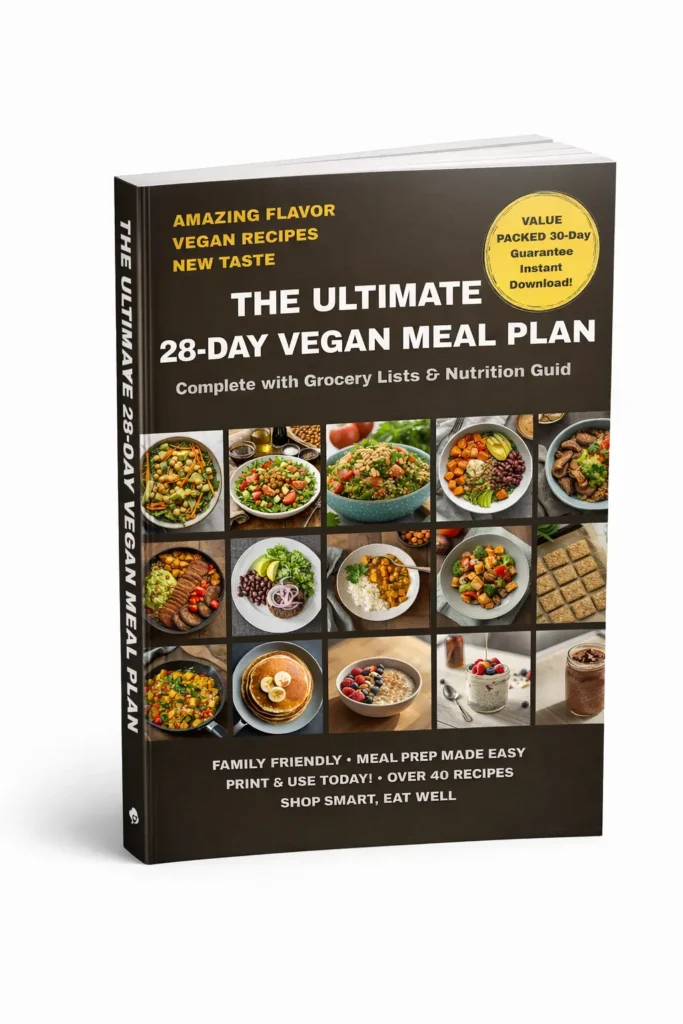
P.S. To guide you through your first month, here’s my 28-Day Vegan Meal Plan complete with shopping lists and nutrition guides. Download it here.
Want to try before you buy?
Enter your email below to get 2 free recipes instantly: