Medical Disclaimer: This article is for informational and educational purposes only. Choline requirements vary by age, sex, pregnancy status, and genetic factors. If you are pregnant, have liver disease, or are managing a neurological condition, consult a qualified healthcare provider before significantly changing your choline intake or starting supplementation.
Vegan choline foods rarely appear in discussions of plant-based nutrition. Most people planning a plant-based diet focus on B12, iron, omega-3, and vitamin D. Choline appears at the bottom of a deficiency list, if it appears at all. Yet multiple systematic reviews now identify choline as the nutrient most consistently below adequate levels in vegan dietary analyses, not B12, not iodine, but choline.
The reason choline is overlooked is partly historical. It was not classified as an essential nutrient until 1998, and for decades was assumed to be adequately produced endogenously, an assumption now known to be wrong for most people, and especially for vegans.
This guide gives you the full picture: which plant foods deliver meaningful choline, the pregnancy and brain health urgency, the TMAO debate addressed honestly, and a practical seven-step protocol.
Why Choline Is the Forgotten Vegan Nutrient
Choline is not a vitamin and not a mineral. It is a vitamin-like essential nutrient classified in the B vitamin family by most health authorities, though it is structurally distinct. The body produces small amounts endogenously in the liver, but not nearly enough to meet daily requirements without dietary contribution. The adequate intake for adults is 425 mg per day for women and 550 mg per day for men, rising to 450 mg and 550 mg respectively during pregnancy and breastfeeding.
For those building a vegan choline foods intake, four essential functions underpin why this nutrient cannot be substituted:
- Cell membrane structure: phosphatidylcholine, the most abundant phospholipid in cell membranes, is built from choline. Every cell in the body requires it for structural integrity and membrane signalling.
- Neurotransmitter synthesis: choline is the precursor to acetylcholine, the primary neurotransmitter for memory, muscle control, and the parasympathetic nervous system.
- Liver fat metabolism: choline is required to transport triglycerides out of the liver as VLDL. Without adequate choline, fat accumulates in the liver, causing non-alcoholic fatty liver disease (NAFLD) even in lean individuals.
- Methylation and homocysteine regulation: choline donates methyl groups to the same methylation pathway that folate and B12 support, helping to keep homocysteine levels in the safe range.
Key point: Choline deficiency does not produce dramatic immediate symptoms. Instead, it quietly impairs liver function, reduces acetylcholine availability for memory and cognition, and compromises fetal brain development over months and years. It is one of the most consequential nutritional gaps precisely because it is so difficult to notice until the deficit is significant.
The 30% DV Gap: What Most Vegan Diets Are Missing
The 2023 study published in PLOS ONE that analysed a week of vegan meal plans from a major plant-based nutrition platform found choline at just 30% of the daily value, the worst deficit of any nutrient measured, more severe than iodine (1% DV), selenium (68% DV), and B12 (82% DV) in the same analysis. This is a remarkable finding that has not yet translated into mainstream plant-based nutrition guidance.
The structural choline gap on a plant-based diet connects to a broader pattern seen in vegan nutrient deficiency research: the nutrients most reliably below target are those that were historically obtained from foods the diet no longer includes, without a deliberate plant-based replacement strategy. Choline is the most extreme example of this pattern. Unlike B12, there is no widely recommended vegan choline supplement protocol yet established in mainstream guidance, meaning most vegans are not supplementing and most are not tracking.
The practical vegan choline foods gap is most severe for pregnant vegans, older adults with cognitive concerns, and anyone with existing liver stress. All three groups should treat choline as an urgent nutritional priority.
Vegan Choline Foods Ranked
The chart below ranks the top plant sources by choline content per standard serving. Values come from USDA FoodData Central. PRIMARY sources should anchor daily intake. SECONDARY sources are useful contributors when consumed regularly.
Plant Choline Sources: mg per Serving
Source: USDA FoodData Central. Values are approximate. Soy foods are the most choline-dense plant category. Cruciferous vegetables are the best non-soy plant choline sources.
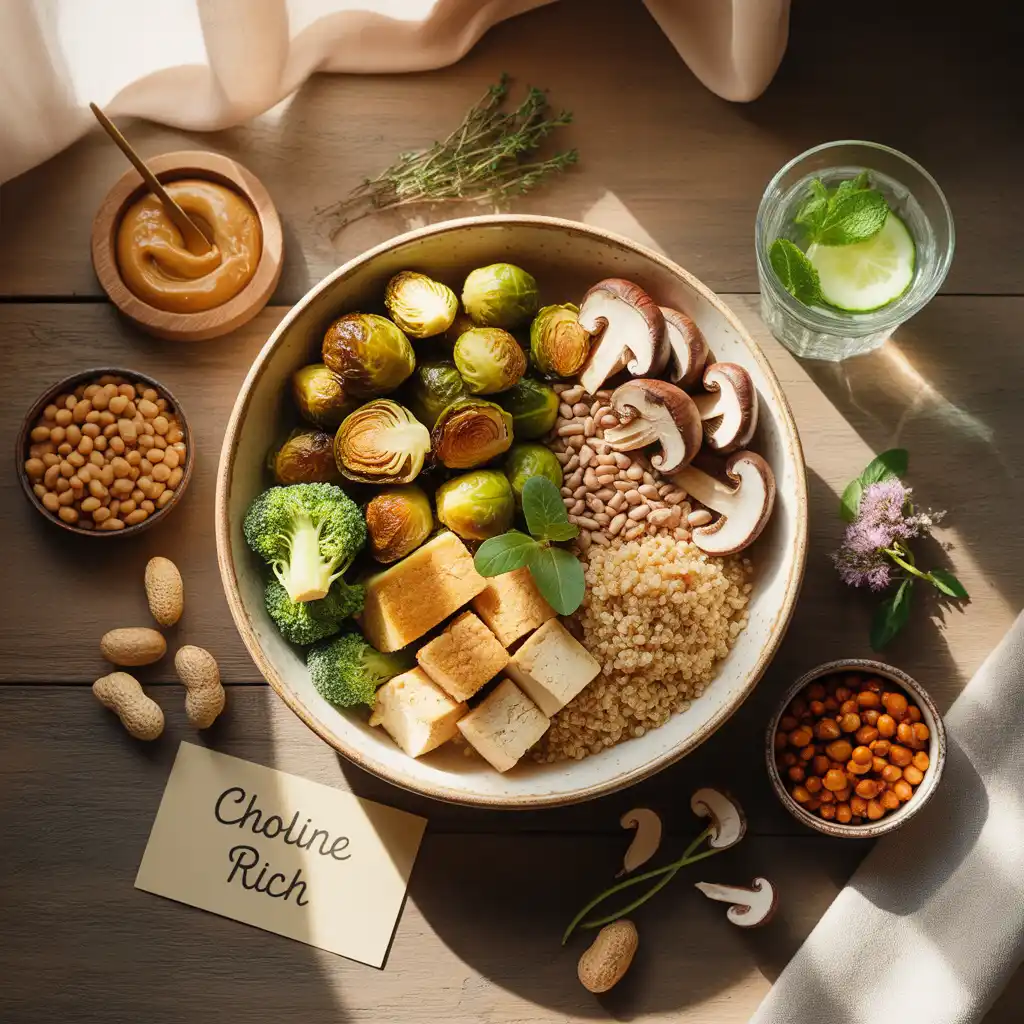
The pattern: Soy foods and cruciferous vegetables are the two meaningful plant choline categories. Everything else contributes marginally. A vegan diet without daily soy food consumption and regular cruciferous vegetables will not approach the daily choline target from food alone. This is the fundamental structural issue with vegan choline foods that makes deliberate dietary planning, and often supplementation, necessary.
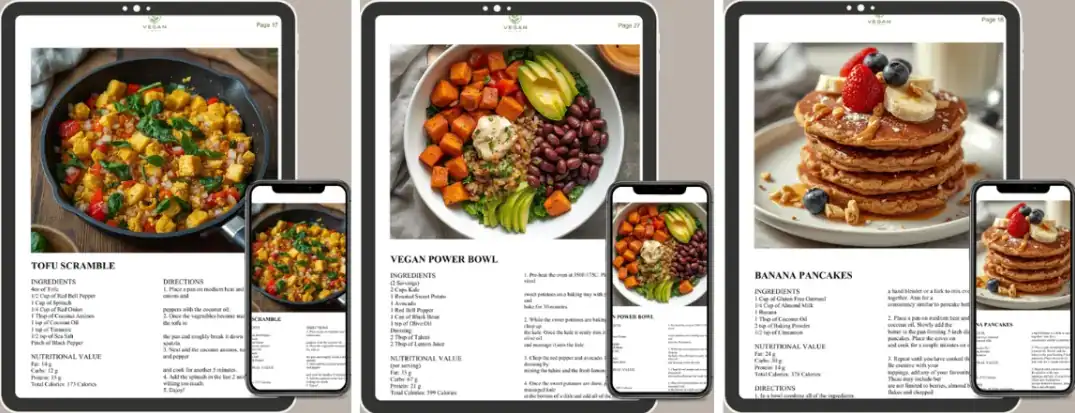
The Ultimate 28-Day Vegan Meal Plan + Grocery List
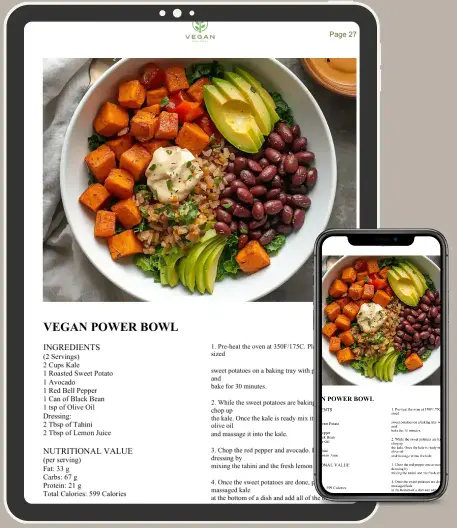
Everything you need to eat well for a full month — planned, photographed, and ready to print.
- Complete 28-day daily calendar
- 40+ nutritionist-approved recipes
- 4 weekly grocery lists
- Protein, iron & B12 at every meal
- Saves 7+ hours of planning per week
6 Spotlight Choline Foods for a Plant-Based Diet
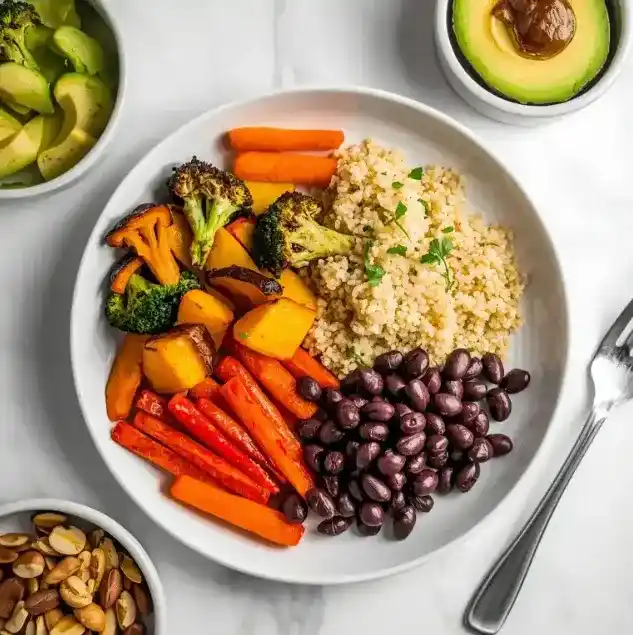
These six foods are the practical core of any plant-based choline strategy. Each is selected for choline density, availability, culinary versatility, and the additional nutritional benefits they bring alongside choline.
Choline for Brain Health and Liver Function
The Brain: Acetylcholine and Memory
Acetylcholine is the neurotransmitter that governs memory consolidation, attention, and the speed of neural signal transmission. The synthesis pathway is direct: choline from food or supplements is acetylated in the brain to form acetylcholine. When vegan choline foods intake is chronically low, acetylcholine synthesis is impaired, and the resulting deficit is experienced as slower working memory, reduced attention capacity, and, over decades, increased dementia risk.
A Framingham Heart Study cohort analysis found that higher dietary choline intake was associated with better cognitive test performance and reduced cerebrovascular damage markers. For vegans, choline sits alongside omega-3 DHA and B12 as one of the three most evidence-supported cognitive nutrition interventions. See the plant-based brain health guide.
Two Critical Choline Functions at Risk on a Low-Choline Diet
Low choline reduces acetylcholine synthesis. Results: slower working memory, reduced attention span, increased long-term dementia risk. The hippocampus, which depends heavily on cholinergic neurotransmission, is particularly affected.
Choline is required to package triglycerides into VLDL for export from the liver. Without adequate choline, fat accumulates in hepatocytes. Clinical choline deficiency produces NAFLD within weeks in controlled studies, even in lean individuals eating calorically appropriate diets.
Liver Function: The Underappreciated Risk
Controlled depletion studies show that healthy adults develop signs of liver damage within weeks of eliminating choline, even eating adequate calories and protein. The mechanism is VLDL assembly failure: without phosphatidylcholine to package triglycerides, fat accumulates in liver cells.
For vegans, a low-choline diet combined with high refined carbohydrate intake creates the metabolic environment most associated with NAFLD. Addressing vegan choline foods is therefore not only a cognitive and pregnancy issue but a liver health issue with real long-term implications.
The connection between choline, folate, and B12 in the methylation pathway also means that vegans with suboptimal B12 status may have compounded choline function impairment, as both nutrients contribute to the same homocysteine clearance pathway. Addressing choline alongside B12 and folate as a coordinated methylation strategy is the most comprehensive approach. Low choline, like low B12 and low folate, may be associated with elevated depression risk through the same neurotransmitter synthesis pathways, the plant-based depression guide covers these overlapping mechanisms.
Choline in Pregnancy: The Critical Window
The TMAO Controversy: What the Evidence Says
Any guide to choline cannot avoid the TMAO question, and the honest answer is more nuanced than either side of the debate typically acknowledges.
TMAO (trimethylamine N-oxide) is a compound produced when gut bacteria metabolise choline (and carnitine from red meat) into trimethylamine, which the liver then oxidises to TMAO. Several studies, particularly from the Cleveland Clinic, found associations between higher blood TMAO levels and increased cardiovascular risk.
The nuance that matters: These studies were predominantly conducted in people with cardiovascular disease risk profiles eating high choline from animal sources (particularly phosphatidylcholine from eggs and meat) combined with omnivorous gut microbiomes optimised for TMAO production. Multiple subsequent studies have found that:
- Plant-based eaters produce significantly less TMAO from equivalent choline doses because their gut microbiome composition is fundamentally different, with lower populations of TMAO-producing bacterial genera
- Fish consumption raises TMAO dramatically higher than choline from any source, yet fish consumption is negatively associated with cardiovascular risk in the same datasets, raising questions about causality vs. confounding
- Phosphatidylcholine from food is metabolised differently than free choline in supplements, with different TMAO production profiles
For vegans with plant-adapted gut microbiomes, the available evidence suggests cardiovascular risk from plant-sourced choline is substantially lower, and the benefits for brain function, liver health, and pregnancy outweigh the theoretical TMAO concern. See the Examine.com choline evidence review and the NIH choline fact sheet.
The 7-Step Vegan Choline Protocol
This vegan choline foods protocol moves most plant-based eaters from 100-150 mg daily toward the 425-550 mg adult target, using food first and supplementation for the gap. Steps 1-3 alone add approximately 200-250 mg per day.
-
1Add edamame to your daily diet, starting today
One cup of cooked edamame delivers 116 mg of choline, covering 21-27% of the adult daily requirement from a single food that requires minimal preparation. Frozen edamame takes four minutes to prepare. This single addition to your daily routine moves the needle on choline more than any other single plant food change. Use it as a snack, a grain bowl topping, or an ingredient in stir-fries and rice dishes.
-
2Switch to soy milk as your default plant milk
Soy milk delivers 57 mg of choline per cup and is the only plant milk with meaningful protein content. Two cups per day through porridge, coffee, and smoothies contributes 114 mg of choline passively, without changing meal structure. This also replaces oat milk, almond milk, or rice milk, all of which deliver negligible choline. The swap requires no additional food preparation and provides a consistent background choline contribution daily.
-
3Include cruciferous vegetables four to five times per week
Cauliflower, broccoli, and Brussels sprouts each deliver 60-72 mg of choline per cooked cup, making cruciferous vegetables collectively the best non-soy plant choline category. Four to five servings per week adds approximately 40-50 mg of daily average choline contribution, bridging the gap between soy-based primary sources and the daily target. These vegetables also provide glucosinolates with independent cancer-protective properties.
-
4Cook with tofu or tempeh three to four times per week
Firm tofu provides 70 mg of choline per 100g. Tempeh provides approximately 50 mg. Both are soy-based and deliver choline consistently alongside protein, iron, and calcium. Building one soy-protein dinner three to four times per week adds approximately 50-80 mg of daily average choline, compounding the effect of the edamame and soy milk additions above.
-
5Add peanut butter daily as a background choline contributor
Two tablespoons of peanut butter daily adds 30 mg of choline passively, through toast, smoothies, noodle sauces, or dips. This requires no meal restructuring. As a background contributor alongside edamame, soy milk, tofu, and cruciferous vegetables, peanut butter helps close the remaining gap toward the daily target without requiring any additional soy meals.
-
6Supplement with 250-500 mg choline daily if you are pregnant, trying to conceive, or in a high-risk group
Even with the best-planned vegan choline foods strategy, most plant-based diets will reach 300-400 mg per day from food, still below the adult daily target and substantially below the elevated pregnancy requirement. A supplement of 250-500 mg of choline bitartrate or CDP-choline covers this gap reliably. For pregnancy, particularly from the second trimester onward, a supplement is strongly warranted given the Cornell research showing benefit at 930 mg per day. Check the evidence at PubMed (choline and fetal brain development).
-
7Include choline in your annual blood and dietary assessment
Plasma choline and serum phosphatidylcholine can be tested but are not standard on most annual blood panels. A more practical approach is using a free dietary tracking tool (Cronometer is well-suited for plant-based diets) to log one week of food intake and see where your choline total lands. This takes one week of effort and tells you precisely how large your gap is and which meals to target. Include choline in the same annual review as B12, vitamin D, iron, and selenium. See the vegan blood test guide for the full recommended annual panel.
A Chef’s Perspective: MENA Legume and Soy Traditions for Choline
In over 20 years cooking professionally across the Middle East and Mediterranean, MENA cooking does not naturally solve the choline problem. The tradition relies heavily on legumes, grains, and vegetables, which provide meaningful choline in aggregate but do not approach the density of soy foods.
The most practical adaptation for MENA-style cooking and vegan choline foods is to integrate soy products into traditionally legume-rich dishes. Replacing half the chickpeas in a Lebanese hummus recipe with silken tofu, adding edamame to a tabbouleh, or using soy milk in Lebanese kaak cookies are small substitutions that significantly shift the choline profile of familiar dishes. The cultural bridge is straightforward because both soy and chickpeas are legumes with similar textural properties in many applications.
In the commercial kitchens where I worked across Riyadh, Dubai, and Beirut, I saw edamame gain rapid acceptance as a snack and appetiser ingredient, particularly in contemporary Middle Eastern restaurant settings. Its mild flavour and versatility make it one of the easiest plant foods to introduce into any cuisine without disruption. Two cups of edamame served as a starter at dinner, which is how I often presented them, contributes 232 mg of choline in a single shared plate before the main course begins.
My practical recommendation: build the vegan choline foods strategy around edamame as a daily snack or grain bowl topping, soy milk as your cooking and beverage milk, and tofu or tempeh as your primary protein three to four evenings per week. This replicates the highest-choline plant-based dietary patterns observed in any population and requires no unusual ingredients. The Ultimate 28-Day Vegan Meal Plan + Grocery List (Complete Solution) is built on exactly this principle: 36 chef-tested recipes using common supermarket ingredients, meeting protein, iron, and B12 needs across all 28 days, with the soy-forward cooking approach embedded throughout.
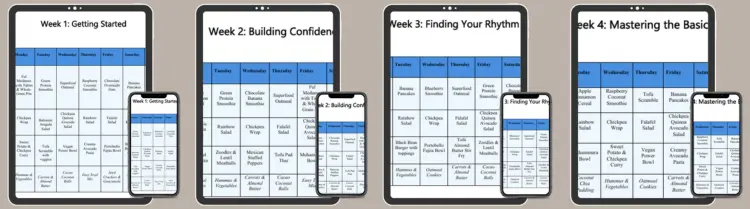
28-Day Vegan Meal Plan
+ Grocery List
Complete Solution · Nutritionist-Approved · Print & Use Today
Read on any device · No apps needed
Choline is an essential nutrient for brain health, liver function, and cellular structural integrity. While often associated with animal products, Harvard T.H. Chan School of Public Health notes that a well-planned vegan diet can provide sufficient amounts through staples like soybeans, quinoa, and cruciferous vegetables. To ensure you are hitting your daily targets, The NHS recommends incorporating diverse plant proteins such as beans and peanuts, which support the synthesis of neurotransmitters vital for memory and muscle control.
Frequently Asked Questions
Do vegans get enough choline?
Most vegans do not meet daily choline requirements without deliberate planning. A 2023 analysis of plant-based meal plans found average choline intake at 30% of the daily value. Vegan choline foods can provide adequate choline, but only if the diet is specifically structured around soy foods (edamame, tofu, soy milk, tempeh) and cruciferous vegetables consumed regularly and in meaningful quantities. A standard plant-based diet anchored in grains, pasta, and common vegetables without soy typically delivers 100-150 mg per day, well below the 425-550 mg adult requirement.
What are the best vegan sources of choline?
The best vegan choline foods are, in order of choline density per serving: edamame (116 mg/cup), firm tofu (70 mg/100g), cauliflower, cooked (72 mg/cup), Brussels sprouts, cooked (63 mg/cup), broccoli, cooked (62 mg/cup), soy milk (57 mg/cup), kidney beans (54 mg/cup), tempeh (50 mg/100g), and peanut butter (30 mg/2 tbsp). Soy foods and cruciferous vegetables are the two meaningful categories. All other plant foods contribute marginally.
Should vegans take a choline supplement?
For most vegans, supplementation is a rational and low-risk strategy. The tolerable upper limit for choline is 3,500 mg per day, making 250-500 mg supplementation very safe. Supplementation is particularly strongly indicated for pregnancy, breastfeeding, and older adults experiencing any cognitive concerns. CDP-choline (citicoline) is the most bioavailable form with additional neurological benefits. Choline bitartrate is effective and lower cost for general use. Most vegan B12 supplements do not include choline, check labels carefully.
Is choline important for fetal brain development?
Yes, and this is perhaps choline’s most critical application. Choline is required for neural tube closure, hippocampal development, and the programming of cortisol stress response systems during fetal development. Cornell University research found that 930 mg per day in the third trimester significantly improved infant cognitive function compared to the standard 480 mg guidance. For vegan pregnancy, where choline from food alone rarely approaches even the standard 450 mg target, supplementation throughout pregnancy is strongly recommended. See the complete vegan pregnancy guide for the full preconception and pregnancy nutrition protocol.
What are the symptoms of choline deficiency?
Choline deficiency rarely produces acute symptoms. Common signs include: fatigue and muscle weakness, memory difficulty and brain fog, elevated liver enzymes, and in more severe cases non-alcoholic fatty liver disease. Long-term subclinical deficiency is associated with increased dementia risk. See the complete nutrient deficiency guide.
Should vegans be concerned about TMAO from choline?
The TMAO concern is substantially lower for plant-based eaters: vegan gut microbiomes produce significantly less TMAO from equivalent choline doses than omnivore microbiomes. Fish raises TMAO far higher than any plant source yet associates with lower cardiovascular risk in the same datasets, questioning the association’s causality. The current consensus is that adequate choline from vegan choline foods poses low cardiovascular risk for people following plant-based diets.
How does choline relate to B12 and folate on a vegan diet?
Choline, B12, and folate all feed the same one-carbon methylation pathway regulating homocysteine, DNA synthesis, and neurotransmitter production. A deficit in any one increases demand on the others. For vegans already at risk of B12 deficiency, a simultaneous choline deficit compounds the impairment. Addressing all three together is the most comprehensive vegan methylation strategy.
Is soy safe to eat daily for choline?
Yes. The concern that soy phytoestrogens are harmful at dietary amounts has been thoroughly addressed in the research literature. Multiple large prospective studies show no adverse hormonal effects from daily soy food consumption in healthy adults. Soy isoflavones act as mild antioestrogens in most contexts. Four to five servings per day is within the range consumed in East Asia, where rates of hormone-sensitive cancers are lower, not higher. Those with Hashimoto’s should discuss soy intake with their physician.
How much choline does edamame provide compared to eggs?
Two large eggs provide approximately 294 mg of choline; one cup of edamame provides 116 mg. The vegan choline foods strategy does not rely on edamame alone: combining one cup of edamame (116 mg), two cups of soy milk (114 mg), 100g of tofu (70 mg), one cup of cauliflower (72 mg), and two tablespoons of peanut butter (30 mg) delivers approximately 402 mg per day, approaching the adult female target from food alone.
What form of choline supplement is best for vegans?
CDP-choline (citicoline) is the most bioavailable form with additional neurological benefits. Choline bitartrate is effective and lower cost for general use. Alpha-GPC has strong bioavailability but is the most expensive form. Any of the three is appropriate for pregnancy. Check that the capsule is plant-based (cellulose, not gelatin). The Examine.com review covers comparative evidence for each form.
Can I get enough choline without eating soy?
Without soy foods, it is very difficult to meet adult choline targets from plants alone. Non-soy sources collectively contribute roughly 100-150 mg per day even with generous consumption. If avoiding soy for allergy or thyroid reasons, a 300-500 mg choline supplement is the practical alternative. Sunflower lecithin is a soy-free choline source available in most health food stores.
How does choline deficiency affect the liver?
Choline is required for VLDL assembly, which exports triglycerides from the liver. Without it, fat accumulates in liver cells. Controlled depletion studies show healthy adults develop elevated liver enzymes within weeks of choline restriction, producing non-alcoholic fatty liver disease even in lean individuals. Long-term deficiency is a significant, under-recognised NAFLD risk for people on plant-based diets.
Closing the Most Underacknowledged Vegan Nutrient Gap
Vegan choline foods exist, they are accessible, and they are sufficient, if you know which foods to prioritise and in what amounts. The challenge is that most plant-based nutrition guidance still does not address choline explicitly, leaving most vegans with a 70% deficit in a nutrient that governs liver health, memory, and fetal brain development.
The vegan choline foods protocol is practical: edamame daily, soy milk as your default plant milk, tofu or tempeh several times per week, cruciferous vegetables regularly, and peanut butter as a daily background contributor. This strategy reaches approximately 350-400 mg per day from food, with a 250-500 mg supplement covering the remainder for most adults and providing the additional capacity needed during pregnancy.
If you want a structured 28-day foundation for this approach, the Ultimate 28-Day Vegan Meal Plan + Grocery List (Complete Solution) gives you 36 chef-tested recipes with a photo for every recipe, four weekly grocery lists, and a complete 28-day calendar, built from simple supermarket ingredients and meeting protein, iron, and B12 needs.