
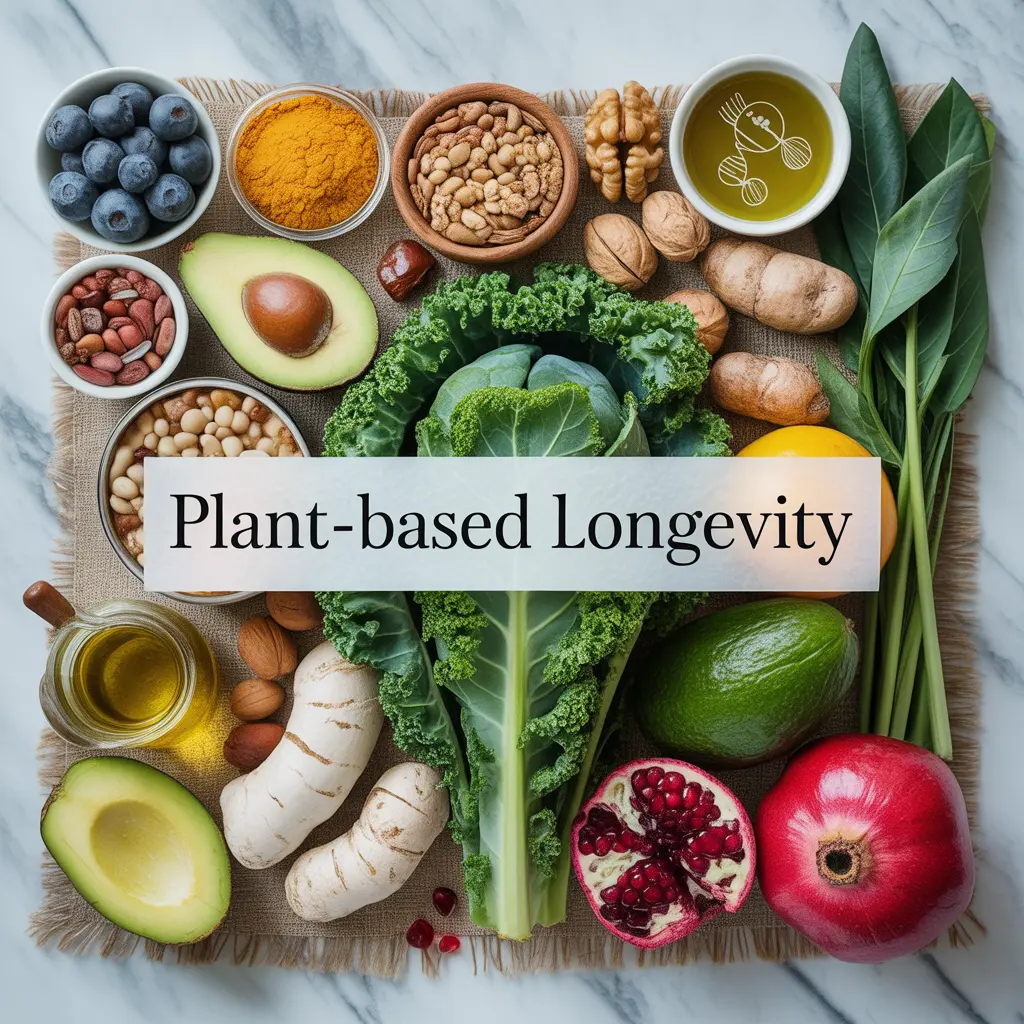
🌱 Introduction: The Science of Plant-Based Longevity
When you adopt a vegan anti-ageing diet, you engage one of the most powerful, evidence-supported strategies for slowing biological ageing available today.
Emerging longevity science reveals that specific plant compounds directly influence the cellular mechanisms driving ageing: telomere shortening, cellular senescence, NAD+ decline, oxidative damage, mTOR overactivation, and chronic inflammation.
This comprehensive guide translates cutting-edge research into practical nutrition: ranking the top 20 plant-based longevity foods, explaining the biochemistry of anti-ageing compounds, and providing a step-by-step daily protocol you can implement immediately.
Anti-ageing nutrition has become the fastest-growing health content category in 2026, and for good reason.
People are discovering that what we eat directly impacts how quickly our cells age, how well our DNA repairs itself, and how long we maintain vitality and cognitive function.
The vegan anti-ageing diet is not about restriction or deprivation.
It is about abundance: abundance of polyphenols, abundance of fiber, abundance of phytonutrients that work synergistically to protect your cells from the inside out.
Research from PubMed confirms that individuals following plant-based patterns show favorable biomarkers across multiple ageing pathways.
These include longer leukocyte telomeres, reduced C-reactive protein levels, improved insulin sensitivity, and enhanced autophagy markers.
Understanding these mechanisms empowers you to make informed food choices that support longevity at the cellular level.
This guide will show you exactly which foods to prioritize, how to prepare them for maximum bioavailability, and how to structure your daily eating pattern for optimal anti-ageing benefits.

Ultimate 28-Day Vegan Meal Plan,
Easy Grocery List + 40 Recipes
• Comprehensive Guide
• 4-Week Structured Calendar
• Categorized Weekly Grocery Lists
• Chef-Verified Nutritional Tips
• Family Friendly Meal Prep
• Print & Use Today
🔬 The 6 Biological Hallmarks of Ageing That Diet Directly Influences
Modern longevity science has identified twelve hallmarks of ageing, but six of them are particularly responsive to dietary intervention.
Understanding these mechanisms helps you select foods that target specific cellular pathways.
Hallmark 1: Telomere Attrition
Telomeres are protective caps at the ends of chromosomes that shorten with each cell division.
When telomeres become critically short, cells enter senescence or die, contributing to tissue ageing and dysfunction.
Dietary antioxidants, particularly polyphenols from berries, vitamin C from citrus, and omega-3 fatty acids from flaxseeds and walnuts, have been shown to slow telomere shortening rates.
Research indicates that higher polyphenol intake associates with 23% slower leukocyte telomere attrition in longitudinal cohorts.
Hallmark 2: Cellular Senescence
Senescent cells accumulate with age, secreting inflammatory factors known as the senescence-associated secretory phenotype (SASP).
These cells damage surrounding tissue and drive chronic inflammation.
Senolytic compounds selectively clear senescent cells, restoring tissue function.
Plant-based senolytics include quercetin from onions and capers, fisetin from strawberries, and apigenin from parsley and chamomile.
Human trials combining quercetin with dasatinib showed significant reductions in senescent cell burden.
Hallmark 3: NAD+ Decline
Nicotinamide adenine dinucleotide (NAD+) is essential for cellular energy production, DNA repair, and sirtuin activation.
NAD+ levels decline by up to 50% between ages 40 and 60, impairing mitochondrial function and stress resistance.
Plant foods provide NAD+ precursors including niacin (vitamin B3) from mushrooms and peanuts, tryptophan from pumpkin seeds and oats, and trace amounts of nicotinamide riboside from broccoli and cabbage.
While plant precursors require conversion steps, consistent intake supports steady NAD+ pools more sustainably than bolus supplementation.
Hallmark 4: Oxidative Stress
Reactive oxygen species (ROS) damage DNA, proteins, and lipids, accelerating cellular ageing.
While some ROS are necessary for signaling, chronic oxidative stress overwhelms endogenous antioxidant defenses.
Plant foods provide exogenous antioxidants including polyphenols (flavonoids, stilbenes), carotenoids, and vitamins C and E.
Crucially, whole-food matrices enhance antioxidant bioavailability and efficacy compared to isolated supplements through synergistic interactions.
Hallmark 5: Dysregulated Nutrient Sensing (mTOR)
The mechanistic target of rapamycin (mTOR) pathway promotes cellular growth and proliferation.
Chronic mTOR overactivation suppresses autophagy, the cellular cleanup process that removes damaged components.
Plant proteins have lower leucine content than animal proteins, naturally moderating mTOR signaling.
Polyphenols like resveratrol from grapes and EGCG from green tea further modulate mTOR via AMPK activation, supporting autophagy and cellular renewal.
Hallmark 6: Chronic Inflammation (Inflammageing)
Low-grade chronic inflammation drives multiple age-related diseases including cardiovascular disease, diabetes, and neurodegeneration.
Anti-inflammatory plant compounds include curcumin from turmeric, gingerols from ginger, oleocanthal from extra virgin olive oil, and anthocyanins from berries.
Additionally, fiber-rich plant diets produce short-chain fatty acids (SCFAs) like butyrate through microbial fermentation, which exert potent anti-inflammatory effects systemically.
For those interested in reducing systemic inflammation, see our guide on anti-inflammatory vegan diet strategies.
These six hallmarks provide a framework for understanding how specific foods influence biological ageing.
The vegan anti-ageing diet leverages this knowledge by prioritizing foods rich in telomere-protective antioxidants, senolytic compounds, NAD+ precursors, mTOR modulators, and anti-inflammatory phytonutrients.
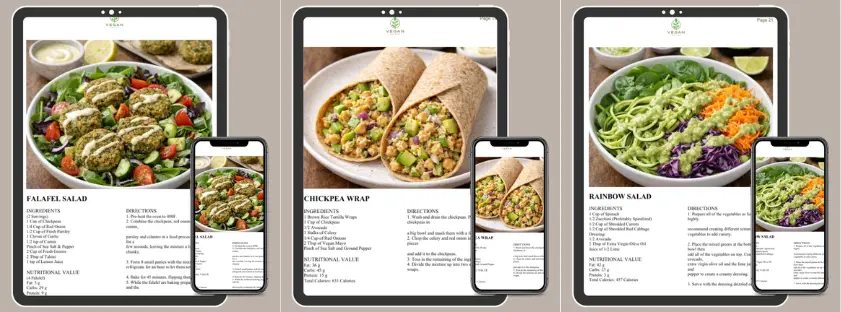
28-Day Vegan Meal Plan
+ Grocery List
Complete Solution · Nutritionist-Approved · Print & Use Today
Read on any device · No apps needed
📊 Top 20 Plant-Based Anti-Ageing Foods Ranked by Longevity Biomarker Impact
Not all plant foods deliver equal anti-ageing benefits.
The ranking below evaluates vegan anti-ageing diet foods based on a composite biomarker impact score considering telomere protection, senolytic activity, NAD+ support, antioxidant capacity, mTOR modulation, and anti-inflammatory effects.
This bar chart visualizes relative longevity scores derived from peer-reviewed research and traditional use in Blue Zones populations.
Key insight: The highest-ranking vegan anti-ageing diet foods share three characteristics: high polyphenol density, diverse phytonutrient profiles, and traditional culinary use in longevity cultures.
Processing matters significantly. Extra virgin olive oil retains polyphenols lost in refined oils.
Raw broccoli sprouts provide substantially more sulforaphane than cooked mature broccoli.
For those following a blue zones diet vegan protocol, prioritizing the top seven items on this list delivers the most significant biomarker support.
For more information on mushroom-specific longevity benefits, explore our guide on mushroom nutrition vegan research.
These rankings provide a roadmap for prioritizing foods with the strongest evidence for influencing biological ageing pathways.
The next section provides detailed spotlight cards for eight of these top foods, including preparation methods and synergy tips.

Psst..just to add: reading about anti-inflammatory eating and actually eating that way every day are two very different things. The 28-Day Vegan Meal Plan gives you 40+ recipes, a full shopping list, and a 28-day calendar. No subscription.
Get the Plan →🔬 Polyphenols, NAD+ Precursors, and mTOR Inhibitors: The Science
Understanding the biochemistry behind plant compounds empowers smarter food choices for longevity.
Three mechanistic categories dominate anti-ageing nutrition research: polyphenols, NAD+ precursors, and mTOR modulators.
🍇 Polyphenols
- Activate Nrf2 antioxidant pathway
- Protect telomeres from oxidative damage
- Reduce SASP inflammatory signaling
- Top sources: berries, green tea, olive oil
⚡ NAD+ Precursors
- Fuel sirtuin proteins for DNA repair
- Support mitochondrial biogenesis
- Enhance cellular stress resistance
- Top sources: mushrooms, seeds, crucifers
🎯 mTOR Modulators
- Balance growth signaling with autophagy
- Support cellular cleanup processes
- Reduce age-related protein accumulation
- Top sources: legumes, green tea, fasting
Polyphenols: The Antioxidant Powerhouses
Polyphenols are plant secondary metabolites with potent antioxidant and anti-inflammatory properties.
They activate Nrf2, the master regulator of cellular antioxidant response, upregulating over 200 protective genes.
Human trials show polyphenol-rich diets increase plasma antioxidant capacity by 20-40% within weeks.
Berry anthocyanins cross the blood-brain barrier, supporting cognitive longevity and neuronal protection.
Olive oil polyphenols like oleocanthal mimic ibuprofen’s anti-inflammatory action without gastrointestinal side effects.
NAD+ Precursors: Cellular Energy Support
Nicotinamide adenine dinucleotide (NAD+) fuels sirtuins, proteins essential for DNA repair and mitochondrial function.
NAD+ levels decline by up to 50% between ages 40 and 60, impairing cellular resilience.
Plant foods provide NAD+ precursors including niacin from mushrooms, tryptophan from pumpkin seeds, and trace nicotinamide riboside from broccoli.
While plant precursors require conversion steps, consistent intake supports steady NAD+ pools more sustainably than bolus supplementation.
For those interested in targeted support, see our guide on vegan supplements what to take for evidence-based guidance.
mTOR Modulators: Balancing Growth and Repair
The mechanistic target of rapamycin (mTOR) pathway promotes cellular growth and proliferation.
Chronic mTOR overactivation suppresses autophagy, the cellular cleanup process that removes damaged components.
Plant proteins have lower leucine content than animal proteins, naturally moderating mTOR signaling.
Polyphenols like EGCG from green tea and resveratrol from grapes further modulate mTOR via AMPK activation.
This supports autophagy and cellular renewal, key processes for longevity maintenance.
Research from Examine.com confirms that whole-food matrices enhance compound bioavailability compared to isolated supplements.
Synergistic interactions between plant phytonutrients amplify anti-ageing effects beyond what any single compound can achieve.
This principle underpins the vegan anti-ageing diet approach: prioritize diverse, whole plant foods over isolated extracts.

| Plan Comparison | Standard Search | Your 28-Day Plan |
|---|---|---|
| Structured 4-Week Calendar | — | ✓ Included |
| Ready-to-Use Grocery Lists | — | ✓ Included |
| 40+ Professional Recipes | Random Results | ✓ Included |
| Nutrition & Transition Guide | — | ✓ Included |
| Chef-Verified Methods | — | ✓ Included |
| High-Quality Recipe Photos | — | ✓ Included |
🌍 The Blue Zones Dietary Pattern Decoded
Blue Zones regions (Okinawa, Sardinia, Loma Linda, Nicoya, Ikaria) share common dietary patterns validated by longevity research.
These populations demonstrate exceptional healthspan and lifespan, with high concentrations of centenarians.
Key Blue Zones Principles Applied to Vegan Longevity
Legume centrality: Half to one cup daily of beans, lentils, or chickpeas provides protein, fiber, and polyphenols with favorable amino acid profiles for mTOR modulation.
Vegetable diversity: Seven or more colors weekly maximizes phytonutrient range, supporting multiple ageing pathways simultaneously.
Healthy fat focus: Extra virgin olive oil, nuts, and seeds serve as primary fat sources, delivering monounsaturated fats and polyphenols.
Mindful eating: Time-restricted windows, communal meals, and gratitude practices support metabolic health and stress reduction.
Minimal processing: Whole foods over refined; traditional preparation over industrial methods preserves nutrient integrity.
Okinawan centenarians consume sweet potato, turmeric, bitter melon, and green tea daily, a pattern directly translatable to modern vegan anti-ageing protocols.
For more on regional longevity patterns, explore our guide on blue zones diet vegan applications.
These cultural wisdoms now have scientific validation through biomarker research and epidemiological studies.
Integrating Blue Zones principles with modern longevity science creates a powerful framework for healthy ageing.
⚖️ Caloric Restriction vs. Dietary Quality: Which Matters More?
Both caloric moderation and nutrient density influence longevity, but dietary quality may offer greater practical benefit for most people.
Severe caloric restriction is difficult to sustain and risks nutrient deficiencies if not carefully planned.
A vegan anti-ageing diet prioritizes nutrient-dense, low-energy-density foods that naturally support healthy energy intake.
Evidence Summary
Caloric restriction (CR): Extends lifespan in model organisms; human data shows improved metabolic markers but adherence challenges limit long-term utility.
Dietary quality: Mediterranean and plant-based patterns associate with longer telomeres, lower inflammation, and reduced mortality independent of calories.
Synergistic approach: Time-restricted eating (12-14 hour overnight fast) combined with nutrient-dense vegan meals offers sustainable longevity benefits.
Research from PubMed indicates that plant-based dietary patterns consistently associate with favorable ageing biomarkers across diverse populations.
For those interested in structured fasting approaches, see our guide on vegan intermittent fasting for evidence-based protocols.
The vegan anti-ageing diet emphasizes quality over quantity, making longevity nutrition accessible and sustainable for everyday life.
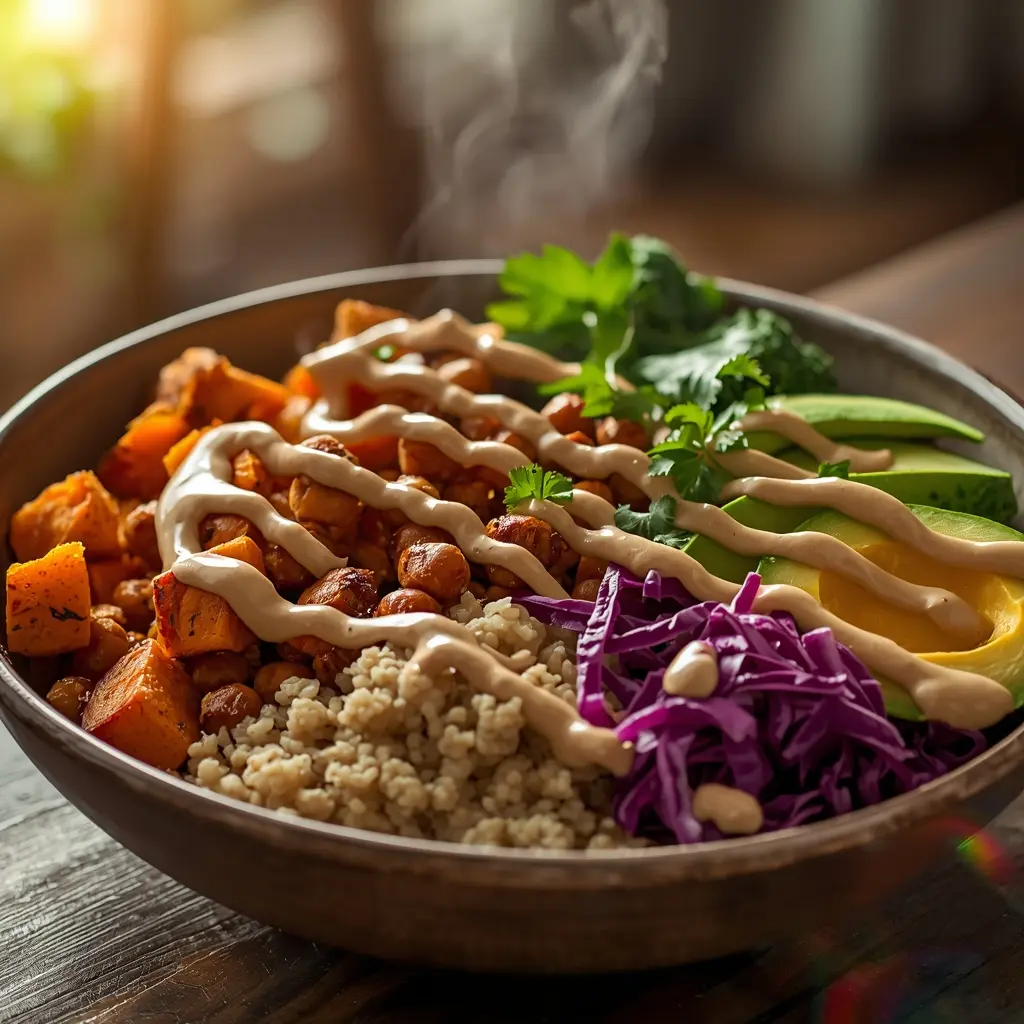
28-Day Vegan Meal Plan + Grocery list.
Transform your lifestyle with our comprehensive guide. This isn’t just a recipe book; it’s a complete system designed for success:
- The Vegan Guide: Essential transition tips and nutritional benefits.
- 40+ Chef Recipes: Breakfast, lunch, and dinner with high-quality photos.
- 4-Week Meal Plan: A fully structured day-by-day calendar.
- Grocery Lists: Categorized weekly lists to save you time and money.
- Photos: High-Quality Recipe Photos.
- Nutritions: Vegan Nutrition Guide Toolkit.
📅 The Daily Vegan Anti-Ageing Protocol (7 Steps)
Implementing longevity nutrition requires practical, actionable guidance.
This 7-step protocol translates science into daily habits you can start today.
Step 1: Morning Hydration + Polyphenol Boost
Upon waking: 16 oz water with lemon for vitamin C and hydration support.
Add 1 tsp matcha or green tea extract for EGCG and morning antioxidant support.
This simple ritual kickstarts cellular protection processes for the day ahead.
Step 2: Breakfast: Senolytic + NAD+ Foundation
Base: Oats or chia pudding for fiber and beta-glucans.
Add: Half cup wild blueberries for anthocyanins, 1 tbsp walnuts for ALA and ellagitannins.
Optional: 1 tsp ground flax for lignans and omega-3 support.
This combination targets telomere protection and cellular repair pathways.
Step 3: Mid-Morning: NAD+ Support Snack
Option A: Handful of pumpkin seeds for tryptophan and zinc.
Option B: Small apple with 10 almonds for quercetin and vitamin E.
These snacks provide steady precursor supply for NAD+ synthesis throughout the day.
Step 4: Lunch: mTOR-Friendly Plant Protein + Cruciferous Power
Base: Large salad or grain bowl with mixed greens and colorful vegetables.
Protein: Three-quarters cup lentils, chickpeas, or tempeh for low-leucine plant protein.
Cruciferous: Half cup broccoli sprouts or steamed broccoli for sulforaphane.
Dressing: 1 tbsp extra virgin olive oil with lemon and herbs for polyphenols and absorption.
Step 5: Afternoon: Antioxidant Maintenance
Beverage: Green tea or hibiscus tea for polyphenols and hydration.
Optional: Small square dark chocolate (85% or higher) for flavanols.
This midday boost supports ongoing cellular protection without excessive calories.
Step 6: Dinner: Anti-Inflammatory + Mitochondrial Support
Base: Roasted or steamed vegetables with diverse colors for phytonutrient variety.
Protein: Tofu, tempeh, or beans for complete amino acids and isoflavones.
Healthy fat: 1 tbsp olive oil or avocado for monounsaturated fats.
Spice: Turmeric with black pepper and ginger for curcumin and gingerols.
Step 7: Evening: Recovery + Cellular Repair
Optional: Chamomile or tart cherry tea for apigenin and melatonin support.
Timing: Finish eating 3 hours before bed to support overnight autophagy.
Sleep: Prioritize 7-9 hours for cellular repair processes and hormonal balance.
Adaptation notes: Adjust portions to individual energy needs and activity levels.
Rotate foods weekly to maximize phytonutrient diversity and prevent adaptation.
Consistency matters more than perfection: small, sustainable changes yield significant long-term benefits.
For meal planning support that aligns with this protocol, explore our vegan meal prep busy professionals resources.
👨🍳 Chef Anass: MENA and Mediterranean Longevity Food Traditions
In my two decades working across Lebanon, Dubai, and Saudi Arabia, I have observed how traditional MENA and Mediterranean cuisines naturally align with modern longevity science.
These culinary traditions emphasize polyphenol-rich ingredients, mindful preparation, and communal eating, patterns now validated by ageing research.
Traditional Longevity Ingredients in MENA Cooking
Extra virgin olive oil: Cold-pressed, early-harvest varieties retain highest polyphenol content. Use raw for finishing to preserve oleocanthal and hydroxytyrosol.
Za’atar blend: Thyme (thymol), sumac (anthocyanins), and sesame (sesamin) create a synergistic anti-inflammatory spice mix. Sprinkle on vegetables, legumes, or whole grains.
Pomegranate molasses: Concentrated punicalagins support mitochondrial health. Use in dressings, marinades, or drizzled over roasted vegetables.
Lentils and chickpeas: Staple legumes provide protein, fiber, and polyphenols with favorable amino acid profiles for mTOR modulation.
Garlic and onions: Organosulfur compounds support cardiovascular longevity. Crush garlic and let rest 10 minutes before cooking to maximize allicin formation.
Professional Technique for Maximizing Anti-Ageing Compounds
One method I use in professional kitchens is phytonutrient layering: combining ingredients that enhance each other’s bioavailability.
For example, adding lemon juice to spinach increases iron absorption; pairing turmeric with black pepper and fat boosts curcumin uptake by 20-fold.
These traditional culinary wisdoms now have scientific validation through bioavailability research.
Cultural Wisdom Meets Modern Science
Mediterranean and MENA traditions emphasize seasonal eating, minimal processing, and joyful communal meals.
These factors are increasingly recognized as critical to longevity beyond mere nutrient composition.
The vegan anti-ageing diet honors this wisdom while providing precise, actionable guidance for modern lifestyles.
For more regional inspiration, explore our collection of middle eastern vegan recipes.
❓ Frequently Asked Questions
🎯 Final Thoughts on Vegan Anti-Ageing Nutrition
Adopting a vegan anti-ageing diet represents one of the most powerful, evidence-supported strategies for influencing the biological mechanisms of ageing through nutrition.
By targeting telomere protection, cellular senescence, NAD+ support, oxidative stress reduction, mTOR modulation, and inflammation control with specific plant compounds, you can actively support longevity at the cellular level.
This guide has provided the science, the food rankings, and a practical protocol to begin your longevity journey.
Remember: consistency matters more than perfection. Start with one or two changes, adding wild blueberries to breakfast, using extra virgin olive oil as your primary fat, or incorporating broccoli sprouts weekly.
Your cells will respond. Your future self will thank you.
The vegan anti-ageing diet is not about deprivation; it is about abundance, abundance of flavor, abundance of nutrients, abundance of life.
Begin today. Your longevity journey starts with a single, intentional choice.
Embrace the power of plants to support vibrant, healthy ageing through the vegan anti-ageing diet.
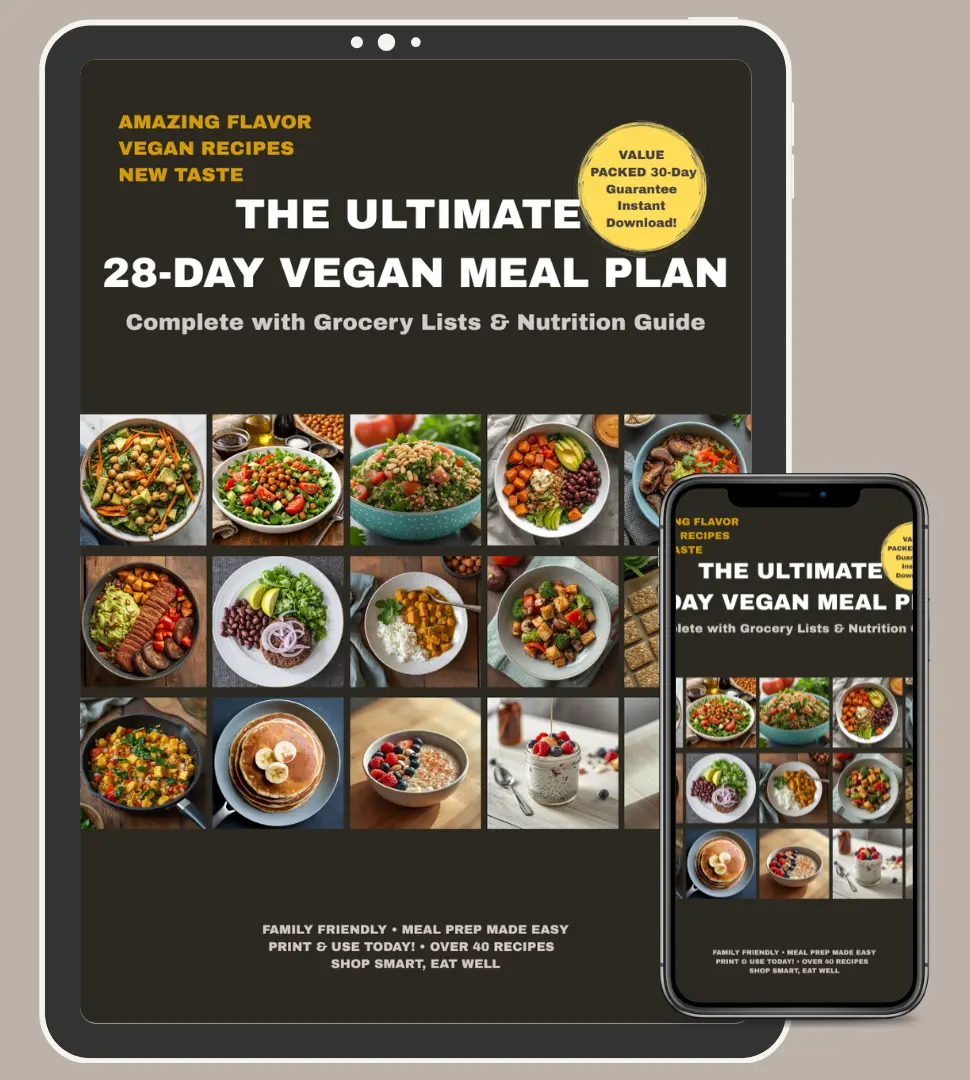
Still spending hours figuring out what to eat?
What’s included in your download
- 40+ nutritionist-approved recipes
- Complete 28-day calendar
- Meets protein, iron & B12 needs
- Family & meal prep friendly
- Vibrant photo for every recipe
- Simple, common ingredients
Instant PDF download. No subscriptions. No waiting.