
⚡ TL;DR , Key Takeaways
- A high protein vegan dinner of 35–45g protein supports overnight muscle repair, prevents morning hunger, and completes your daily protein distribution.
- Dinner is where most plant-based eaters compensate for low protein at breakfast and lunch , making it the highest-pressure meal of the day for hitting targets.
- The best evening plant proteins are tempeh, tofu, lentils, black beans, chickpeas, edamame, and seitan , all delivering 15–25g per standard serving.
- Protein consumed at dinner directly fuels overnight muscle protein synthesis , the repair window that occurs during sleep is protein-dependent and often neglected.
- Grain + legume combinations at dinner create complete amino acid profiles that remain active in the blood amino acid pool throughout the overnight repair window.
- Every meal in this guide includes exact protein counts, calorie totals, prep times, and difficulty ratings for straightforward weekly planning.
High Protein Vegan Dinner: 12 Metabolism-Boosting Meals With 35g+ Protein Each
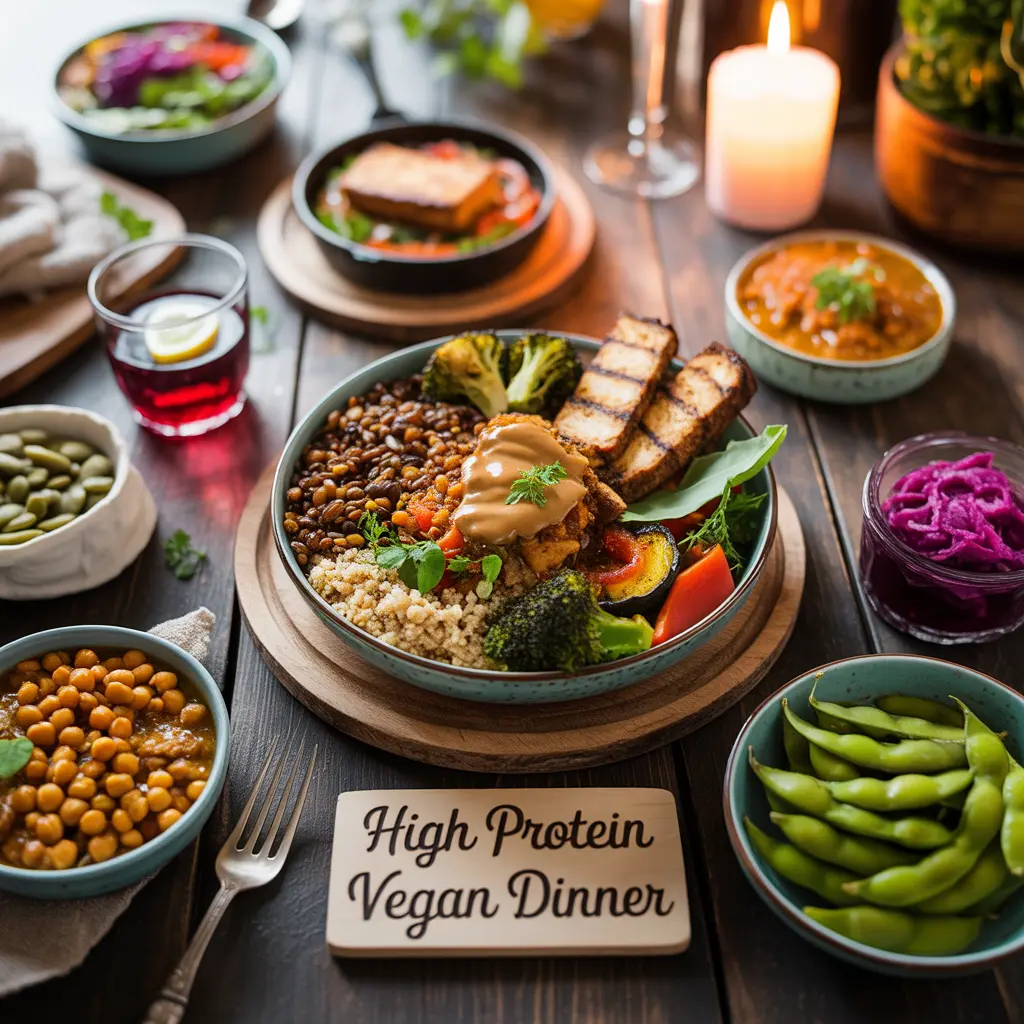
Dinner is the meal that determines whether your day of plant-based eating ends in nutritional success or deficit. It is the final opportunity to hit your daily protein target , and for most people eating a high protein vegan dinner consciously, it is also the most important recovery meal of the day.
Here is what the research shows: protein consumed at dinner directly fuels overnight muscle protein synthesis , the repair and rebuilding processes that occur during sleep. This window is not optional. It is the primary repair cycle for anyone who trains, works physically, or simply wants to maintain lean body mass as they age. And it is entirely protein-dependent.
Most plant-based eaters manage reasonable protein at breakfast and lunch but underestimate the evening requirement. After a day of physical or cognitive work, the body arrives at dinner in a partially depleted state. Eating a low-protein evening meal means going into the overnight repair window without adequate substrate , and the consequences are felt the next morning as stiffness, fatigue, and reduced recovery.
This guide solves that with 12 high protein vegan dinner options , each with exact protein counts, calorie totals, and prep times , built around the plant proteins that actually deliver at the quantities needed for overnight recovery. Whether you are cooking for one, feeding a family, or batch-prepping for a week, every option here is practical, flavourful, and nutritionally complete.
The Science: Overnight Muscle Repair, Protein Distribution & Satiety
🌙 Overnight Muscle Protein Synthesis , The Repair Window
Sleep is the body’s primary repair cycle. Growth hormone , the principal anabolic hormone responsible for tissue repair, muscle synthesis, and metabolic regulation , is secreted in its largest pulse during the first hours of deep sleep. This hormone requires amino acid substrate to function effectively. Without adequate protein in the pre-sleep window, growth hormone activity continues but draws on existing muscle protein rather than dietary amino acids.
Research published in the Journal of Nutrition established that consuming a protein-rich meal in the two to three hours before sleep significantly increases overnight muscle protein synthesis rates compared to a low-protein evening meal , even when total daily protein intake is held constant. The timing and quantity of dinner protein matters independently of the daily total.
For plant-based eaters, this means a high protein vegan dinner is not just about hitting a daily number. It is about placing adequate amino acid substrate in the blood pool at the point when the overnight repair window opens. Aiming for 35–45g of protein at dinner , from sources with a complete or near-complete amino acid profile , is the evidence-based target.
📊 Protein Distribution , Why Front-Loading Fails
A common pattern in plant-based eating is consuming the majority of daily protein at lunch and compensating with a lighter dinner. Research on protein distribution consistently shows this is suboptimal. Studies comparing even distribution (roughly equal protein at each of three meals) versus skewed distribution (heavy at one meal, light at others) find that even distribution produces significantly better muscle protein synthesis outcomes across the day , even when the daily total is identical.
The reason is the leucine threshold mechanism. Each meal needs to independently cross the leucine threshold (approximately 2–3g) to activate mTOR signalling for muscle protein synthesis. A meal that falls below this threshold , even if the day’s total protein is adequate , misses the synthesis window for that meal entirely. Distributing protein evenly across three meals maximises the number of leucine threshold activations per day.
For a full framework on daily protein distribution on a plant-based diet, our guide on how to reach 100g protein as a vegan breaks down the complete strategy including breakfast, lunch, and dinner targets.
🧠 The Anabolic Window Extended , Evening Protein and Morning Satiety
The Protein Leverage Hypothesis , the documented phenomenon that humans maintain a specific appetite drive for protein independent of total calorie intake , does not switch off at dinner. Inadequate protein at the evening meal drives compensatory hunger the following morning that manifests as an unusually large appetite at breakfast, difficulty controlling mid-morning snacking, and reduced morning cognitive performance.
Solving the high protein plant-based evening meal therefore produces downstream effects the following morning. People who consistently hit 35g+ protein at dinner report better morning satiety, more consistent appetite regulation throughout the following day, and reduced overall calorie intake , driven not by calorie restriction but by satisfaction of the protein leverage drive.
⚗️ Plant Protein Bioavailability at Dinner , Key Considerations
Two bioavailability factors are particularly relevant at the evening meal:
- Slow-digesting proteins at dinner: Casein protein from dairy is traditionally recommended at night due to its slow digestion rate , providing a sustained amino acid release during sleep. The plant-based equivalent is tofu and lentils, both of which digest more slowly than whey-equivalent sources and provide a more sustained overnight amino acid release compared to fast-digesting protein sources.
- Leucine density in plant proteins: Soy proteins (tofu, tempeh, edamame) have the highest leucine content of all plant foods , critical for crossing the mTOR activation threshold. Including at least one soy-based protein in the evening meal consistently crosses the leucine threshold and activates the overnight synthesis window.
Protein Pairing Logic: Complete Amino Acids for Overnight Synthesis
🧬 The Overnight Amino Acid Pool
Amino acids from dinner remain in the blood amino acid pool for four to six hours after eating , which means that for most people eating dinner at 7–8pm, dietary amino acids are available in circulation until 11pm to midnight, covering the initial and most anabolically active hours of sleep.
This makes the completeness of dinner protein particularly important. If essential amino acids are missing from the dinner meal, the overnight synthesis window opens with an incomplete substrate , and the body cannot build or repair structures that require those missing amino acids, regardless of how many other amino acids are present.
🌾 The Most Effective Dinner Protein Pairings
- Lentils or chickpeas + whole grain: The classic legume-grain pairing. Legumes supply lysine; whole grains supply methionine. Together they provide all essential amino acids in a single meal , activating the overnight synthesis window with complete substrate.
- Tofu or tempeh + any grain or vegetable: Soy proteins are complete on their own. Adding grains increases leucine density and carbohydrate availability for energy, but is not required for amino acid completeness.
- Seitan + legume: Seitan (wheat gluten) is high in protein but limiting in lysine. Pairing with any legume (lentils, chickpeas, black beans) creates a complete profile. The combination also stacks protein from two different sources, making high protein totals easier to achieve.
- Hemp seeds added to any dinner bowl: Hemp seeds provide a complete amino acid profile including methionine , the limiting amino acid in most legume-based dinners. Three tablespoons added to any dinner bowl closes the amino acid gap instantly.
For the full science on protein pairing, bioavailability, and daily targets on a plant-based diet, the Vegan Health protein guide , written by registered dietitian Jack Norris , provides the most comprehensive and evidence-based freely available resource on this topic.
The 8 Best Protein Sources for a Plant-Based Evening Meal
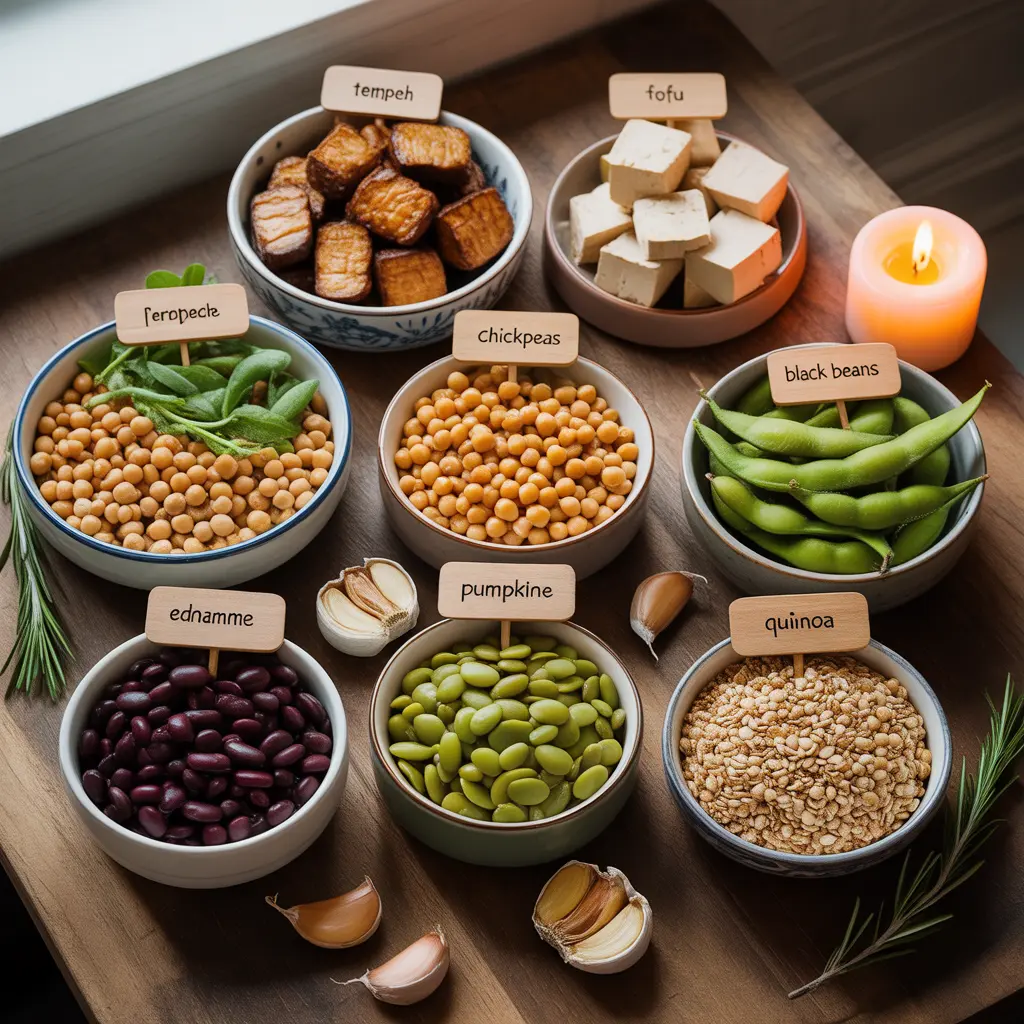
- Tempeh (100g) , 21g protein , The highest-density whole plant protein. Complete amino acids. Fermented for improved digestibility and gut health.
- Seitan (100g) , 25g protein , The highest protein plant food by weight. Wheat gluten. Not suitable for coeliac disease. Pair with legumes for amino acid completeness.
- Firm Tofu (200g) , 17g protein , Complete amino acids. Slow-digesting , ideal pre-sleep protein. Works marinated, baked, or pan-fried.
- Cooked Lentils (200g) , 18g protein , Slow-release protein plus iron, folate, and fibre. The most nutritionally complete single plant food for dinner.
- Cooked Chickpeas (200g) , 15g protein , Versatile, freeze-well, work in curries, stews, and roasted formats.
- Edamame (200g) , 17g protein , Complete protein. Frozen-ready. Works as a side or main component in Asian-inspired dinners.
- Black Beans (200g cooked) , 15g protein , Lysine-rich. The legume backbone of Latin-inspired high protein vegan dinners.
- Nutritional Yeast (2 tbsp) , 8g protein , B12-fortified. Stir into any sauce or sprinkle over any dish for an immediate evening protein boost.
These eight ingredients collectively cover every major cuisine format , Asian, Middle Eastern, Latin, Mediterranean, and European , making a high protein plant-based evening meal achievable in every kitchen context without repetition or boredom.
Ingredient Spotlights: Deep Dives on the Top 5
🥊 1. Seitan , The Highest-Protein Plant Food
Seitan is wheat gluten , the protein fraction of wheat after the starch has been washed away. At 25g protein per 100g, it is the single highest-protein plant food available by weight, outperforming even tempeh and tofu on a gram-for-gram basis. Its dense, chewy texture makes it the most convincing meat substitute in terms of mouthfeel and culinary application.
- Phosphorus , 160mg per 100g, supporting ATP energy production and bone mineralisation
- Selenium , supporting thyroid function and antioxidant enzyme activity
- Iron , 1.2mg per 100g (moderate, pair with vitamin C for absorption)
- B vitamins , B2, B3, and B6 present in meaningful quantities supporting energy metabolism
Critical limitation: Seitan is derived from wheat gluten and is not suitable for anyone with coeliac disease or non-coeliac gluten sensitivity. It is also limiting in lysine , the pairing principle is essential when using seitan as your dinner protein anchor. Combine with any legume (lentils, chickpeas, black beans) to complete the amino acid profile.
🥩 2. Tempeh , The Fermented Evening Anchor
Tempeh at dinner provides 21g complete protein per 100g alongside fermentation-derived benefits that are specifically valuable in the evening context. The fermentation process creates beneficial bacterial metabolites including short-chain fatty acids that support gut barrier integrity overnight , when the gut undergoes its own repair cycle during sleep.
- Tryptophan , a precursor to serotonin and melatonin, making tempeh a sleep-supportive protein source beyond its amino acid completeness
- Manganese , 1.3mg per 100g, supporting enzymatic function in energy metabolism
- Riboflavin (B2) , 0.36mg per 100g, supporting cellular energy production during overnight repair
- Probiotics , live bacterial cultures (in unpasteurised tempeh) supporting gut microbiome diversity
The tryptophan content in tempeh is nutritionally significant at dinner specifically: tryptophan is converted to serotonin and subsequently to melatonin, supporting sleep quality as well as overnight muscle repair. This makes tempeh one of the most holistically appropriate evening protein choices available on a plant-based diet.
🫘 3. Lentils , The Slow-Release Overnight Protein
Lentils are the ideal slow-release plant protein for the evening meal. Their combination of protein (18g per 200g cooked) and resistant starch creates a gradual digestion pattern that extends the amino acid release window into the early hours of sleep , functionally similar to the slow-release protein profile traditionally attributed to casein in dairy-based pre-sleep nutrition.
- Folate , 358mcg per 200g (90% daily requirement) , DNA synthesis and cellular repair occurring overnight are folate-dependent
- Iron , 6.6mg per 200g , overnight tissue repair requires oxygen transport supported by adequate iron status
- Zinc , 2.5mg per 200g , zinc is directly involved in growth hormone receptor signalling, the primary anabolic process of overnight repair
- Fibre , 15g per 200g , feeding gut bacteria whose overnight activity produces SCFAs that support intestinal repair simultaneously
💪 4. Chickpeas , The Versatile Dinner Protein
Chickpeas are the most format-flexible dinner protein on this list , working in curries, stews, roasted as a crunchy topping, blended into dips, tossed in pasta, or pan-fried crispy as a meat replacement. 200g cooked provides 15g protein alongside:
- Manganese , 1.7mg (enzymatic reactions in energy metabolism)
- Copper , 0.6mg (collagen synthesis and iron absorption cofactor)
- B6 , 0.3mg (neurotransmitter synthesis , supporting the serotonin and GABA pathways relevant to sleep quality)
- Resistant starch , feeds Bifidobacterium species whose overnight activity produces butyrate, the primary fuel for colonocytes and a key anti-inflammatory compound
🌱 5. Hemp Seeds , The Complete Protein Finisher
Three tablespoons (30g) of hemp seeds at dinner deliver 10g complete protein , all nine essential amino acids including methionine at levels that compensate for the methionine deficit in legume-based dinners. The additional nutritional profile per 30g serving makes hemp seeds the most efficient protein booster available:
- Omega-3 ALA , 2.5g per 30g, reducing systemic inflammation that peaks overnight and supporting morning joint mobility
- Gamma-linolenic acid (GLA) , an omega-6 fatty acid with documented anti-inflammatory properties distinct from standard linoleic acid
- Magnesium , supporting muscle relaxation and sleep quality (magnesium activates the parasympathetic nervous system)
- Vitamin E , antioxidant protection for cell membranes during the oxidative stress of overnight metabolic repair
Sprinkling hemp seeds over any dinner bowl , literally any bowl , adds 10g complete protein, 2.5g omega-3, and magnesium in under 5 seconds. This is the single highest-return, lowest-effort nutritional addition available for a high protein plant-based evening meal.
12 High Protein Vegan Dinner Ideas (With Exact Macros)
🍛 1. Tempeh and Chickpea Coconut Curry
Protein: 42g | Calories: 560 | Prep: 25 min | Difficulty: Moderate
The highest-protein dinner on this list. Pan-fry 150g cubed tempeh until golden. Add one can chickpeas, onion, garlic, ginger, coconut milk, turmeric, garam masala, and spinach. Simmer 15 minutes. Serve with 185g cooked quinoa and 2 tablespoons hemp seeds stirred through.
Why it works: Tempeh (complete protein) + chickpeas (lysine) + quinoa (complete protein) + hemp seeds = four simultaneous plant protein sources. The coconut milk provides medium-chain triglycerides that support fat-soluble vitamin absorption and slow gastric emptying for extended overnight amino acid release.
Meal prep note: Make a double batch. Freezes perfectly for 3 months. Reheat from frozen in 8 minutes.
🥘 2. Seitan and Black Bean Chilli
Protein: 44g | Calories: 510 | Prep: 30 min | Difficulty: Moderate
Crumble 150g seitan and brown with onion, garlic, chipotle, cumin, coriander, and smoked paprika. Add one can black beans, one can diced tomatoes, and vegetable stock. Simmer 20 minutes. Serve with brown rice, avocado, and lime.
The seitan-legume protein pairing principle in action: Seitan is limiting in lysine , black beans are lysine-rich. This combination achieves amino acid completeness and stacks 44g protein in a single bowl. The tomatoes provide vitamin C for iron absorption from both the seitan and the black beans.
🍜 3. Tofu Ramen with Edamame and Miso Broth
Protein: 38g | Calories: 490 | Prep: 20 min | Difficulty: Easy
Bake 200g cubed firm tofu at 200°C for 15 minutes. Build broth: dissolve 3 tablespoons white miso in vegetable stock with soy sauce, ginger, and garlic. Cook ramen noodles. Assemble bowls with broth, noodles, tofu, 150g edamame, nori, spring onions, and sesame seeds.
This is a complete amino acid profile dinner from three simultaneous soy-based sources: tofu (complete), edamame (complete), miso (fermented soy). The tryptophan content across these three sources also supports overnight serotonin → melatonin conversion for better sleep quality.
🫘 4. Lentil Shepherd’s Pie with Lentil Mash
Protein: 36g | Calories: 480 | Prep: 35 min | Difficulty: Moderate
Cook 200g green lentils with onion, carrots, celery, garlic, tomato paste, rosemary, and vegetable stock until thick. Transfer to a baking dish. Top with mashed sweet potato mixed with 2 tablespoons nutritional yeast and black pepper. Bake at 200°C for 20 minutes.
Comfort food with serious nutrition credentials. Lentils deliver the slow-release overnight protein profile discussed in the spotlight above. Nutritional yeast adds B12-fortified protein and a cheesy flavour. Sweet potato provides beta-carotene and potassium. This is one of the most family-friendly high protein vegan dinners on this list.
🌮 5. Tempeh Tikka Masala with Brown Rice
Protein: 38g | Calories: 540 | Prep: 30 min | Difficulty: Moderate
Marinate 200g cubed tempeh in yoghurt-free tikka paste (blended cashews, tomato, garam masala, coriander, chilli). Pan-fry until charred at edges. Simmer in a sauce of onion, garlic, ginger, tomatoes, coconut cream, and garam masala. Serve with 185g brown rice and fresh coriander.
This delivers the flavour architecture of classic Indian restaurant food with a plant-based protein density that matches or exceeds the original. The cashew base in the marinade adds additional plant protein and healthy fat for fat-soluble vitamin absorption.
🍝 6. White Bean and Tempeh Ragu with Wholemeal Pasta
Protein: 40g | Calories: 590 | Prep: 25 min | Difficulty: Easy
Brown 100g crumbled tempeh with onion, garlic, and fennel seeds. Add one can white beans, one can crushed tomatoes, fresh basil, and a splash of red wine. Simmer 15 minutes. Toss with 90g cooked wholemeal pasta and finish with 2 tablespoons nutritional yeast and lemon zest.
Three protein sources in a single pasta dish: tempeh (21g per 100g), white beans (10g per 150g), nutritional yeast (8g per 2 tbsp). This is the single most practical way to transform a standard pasta dinner into a protein-rich vegan evening meal without changing the format or adding significant prep time.
🥘 7. Black Bean and Sweet Potato Enchiladas
Protein: 35g | Calories: 520 | Prep: 30 min | Difficulty: Moderate
Mix roasted sweet potato cubes, one can black beans, corn, cumin, coriander, smoked paprika, and 150g crumbled firm tofu. Fill whole grain tortillas, roll tightly, place in a baking dish. Cover with enchilada sauce (blended tomatoes, chipotle, garlic). Bake 20 minutes. Top with avocado and lime.
Tofu + black beans + whole grain tortilla = complete amino acid profile plus 35g protein. This is a family-format dinner that works at scale , make 8 enchiladas, eat 2, refrigerate or freeze the rest. One 30-minute cooking session covers four evenings.
🍲 8. Chickpea and Spinach Moroccan Tagine
Protein: 35g | Calories: 460 | Prep: 30 min | Difficulty: Easy
Simmer one can chickpeas with onion, garlic, preserved lemon, harissa, cumin, coriander, cinnamon, cherry tomatoes, and a large handful of spinach. Serve over 185g cooked couscous with a squeeze of lemon and 3 tablespoons hemp seeds scattered over the top.
This draws directly from North African culinary tradition , a region where chickpea-based dishes have fuelled entire populations for centuries. The couscous provides methionine to complete the chickpea amino acid profile; the hemp seeds add a further 10g complete protein and omega-3. The preserved lemon provides vitamin C for iron absorption.
🌿 9. Tofu and Broccoli Stir-Fry with Soba Noodles
Protein: 36g | Calories: 470 | Prep: 20 min | Difficulty: Easy
Press and cube 200g firm tofu. Stir-fry with broccoli, red bell pepper, snap peas, and garlic in tamari, sesame oil, and ginger. Serve over cooked soba noodles (buckwheat , a complete protein grain). Finish with 2 tablespoons hemp seeds and sliced spring onions.
Soba noodles over wheat noodles is a deliberate choice. Buckwheat provides a complete amino acid profile unlike wheat pasta , meaning this dinner delivers complete protein from three simultaneous sources: tofu, soba, and hemp seeds. The broccoli provides 51mg vitamin C per 80g serving for iron absorption from the tofu.
🧆 10. Lentil and Walnut Stuffed Peppers
Protein: 33g | Calories: 450 | Prep: 35 min | Difficulty: Moderate
Mix 200g cooked green lentils with finely chopped walnuts, cooked quinoa, sun-dried tomatoes, smoked paprika, cumin, and fresh parsley. Stuff into halved bell peppers. Drizzle with olive oil. Bake at 190°C for 25 minutes. Serve with tahini drizzled over the top.
Lentils (lysine-rich) + quinoa (complete protein) + walnuts (methionine + omega-3 ALA) + tahini (additional sesame protein) = four protein sources with a complete amino acid profile. This is a visually impressive dinner that photographs well , relevant for anyone creating plant-based food content for social media , and freezes well for meal prep.
🥗 11. Warm Edamame and Quinoa Protein Bowl
Protein: 35g | Calories: 430 | Prep: 15 min | Difficulty: Very Easy
The lowest-calorie 35g+ protein dinner on this list at 430 calories. Combine 185g cooked quinoa, 200g warm edamame, steamed broccoli, sliced avocado, pickled ginger, and nori strips. Dress with miso, rice vinegar, sesame oil, and ginger. Top with 2 tablespoons hemp seeds.
All three primary protein sources , quinoa, edamame, hemp seeds , are complete proteins. This bowl is the most nutritionally straightforward high protein vegan dinner on this list: no complex cooking, no timing requirements, and zero chance of under-delivery on the amino acid completeness front.
🍛 12. Red Lentil Dal with Whole Grain Flatbread
Protein: 34g | Calories: 440 | Prep: 20 min | Difficulty: Easy
Simmer 200g red lentils with onion, garlic, ginger, turmeric, cumin, coriander, and canned tomatoes until thick and creamy. Finish with lemon juice, coconut milk, and fresh coriander. Serve with 2 small whole grain flatbreads and 2 tablespoons hemp seeds stirred through the dal.
Red lentils cook in 15 minutes , making this the fastest protein-rich vegan dinner on this list that does not rely on pre-cooked ingredients. The whole grain flatbread provides methionine for amino acid completeness; the hemp seeds complete the protein stack. Lemon juice in the dal ensures vitamin C is present for iron absorption.
Complete Reference Tables
12 High Protein Vegan Dinners , Full Macro Reference
Dinner Protein Stacking Guide , Build Any 35g+ Evening Meal
Chef’s Professional Tips: 20 Years Cooking in Lebanon, Dubai, and Saudi Arabia
🌙 Lesson 1 , The Dinner Table in a Professional Kitchen
In every professional kitchen I have managed across the MENA region, the evening staff meal , eaten in the brief window between afternoon prep and dinner service , is the most nutritionally critical meal of the day for the brigade. A kitchen team running a full dinner service at 70–80 covers needs to be physically and cognitively at peak for four to six consecutive hours. The food they eat at 5pm determines whether they are sharp at 9pm or running on fumes.
The lesson I learned early as a chef: carbohydrates fuel the shift, but protein sustains performance to the end. A pasta-only staff meal produces good energy for the first two hours and a visible collapse by hour four. A protein-anchored staff meal , lentil stew with grain, or tempeh with rice and vegetables , produces consistent, even performance through the full service window. This is not theory. I have seen it play out in kitchens from Beirut to Riyadh over two decades.
🔥 Lesson 2 , The One-Pot Dinner Principle
The most protein-efficient dinners on this list are one-pot formats: curries, stews, tagines, dals, and chillies. Here is why this matters from a professional kitchen perspective:
- One-pot cooking concentrates flavour through reduction , you get more taste with less effort
- Protein sources in liquid environments (lentils, beans, tofu in broth) are more digestible than dry-cooked equivalents , the cooking liquid softens the cell structures that inhibit protein absorption
- One-pot dishes scale perfectly , make 4 portions as easily as 1, freeze 3, eat 1 tonight
- The grain-legume protein pairing happens naturally in these formats , lentil soup with bread, chickpea curry with rice , without requiring separate assembly thinking
🫙 Lesson 3 , The Freezer as a Protein Asset
In professional kitchens, the freezer is a production tool , not a storage space for things you forgot to eat. Apply this principle to your high protein vegan dinner routine:
- Every curry, dal, stew, chilli, and soup on this list freezes perfectly for 3 months
- Cook double batches every time you make Meals 1, 2, 4, 7, and 12 , freeze the second portion in individual meal-size containers
- Label containers with protein content (e.g., “Tempeh Curry , 42g protein”) , this keeps nutritional awareness high even when you are reheating rather than cooking
- A freezer stocked with 5–6 high protein plant-based evening meals means you never face the “nothing prepared, ordering processed food” scenario that derails protein targets
The freezer strategy is the single most high-return habit in a plant-based home kitchen. One cooking session per week, 30–40 minutes of active time, produces five to seven high protein vegan dinners ready in under 10 minutes each. This is how professional kitchen efficiency translates to domestic nutritional consistency.
5 Mistakes That Undermine Your Evening Protein
❌ Mistake 1: Treating Dinner as a Light Meal
The cultural assumption that dinner should be light , particularly among those trying to manage body weight , directly conflicts with the protein synthesis science. The overnight repair window requires protein. Eating a light, low-protein dinner to “avoid eating heavy at night” undermines muscle recovery, reduces growth hormone effectiveness, and frequently causes compensatory hunger by 10pm. A protein-rich dinner of 430–560 calories is not heavy eating , it is precise recovery nutrition.
❌ Mistake 2: Relying on Grains Alone as the Dinner Base
Rice, pasta, or bread as a dinner base without a protein anchor delivers 6–10g protein at best. The protein anchor must be deliberate and substantial , 150g tempeh, 200g tofu, 200g lentils, or 200g chickpeas. Grains are the carbohydrate and amino acid completion component; they are not the protein source.
❌ Mistake 3: Not Using Seitan When Appropriate
Seitan is the most protein-dense plant food available at 25g per 100g , more than chicken breast by weight , yet many plant-based eaters avoid it out of unfamiliarity. For anyone without gluten sensitivity, seitan is an exceptional high protein vegan dinner ingredient that works in stews, stir-fries, curries, and sandwiches. The only requirement: always pair with a lysine-rich legume to complete the amino acid profile.
❌ Mistake 4: Skipping the Legume-Grain Pairing
Eating lentils or chickpeas alone without a grain component delivers incomplete amino acids for the overnight synthesis window. The methionine contribution from whole grains is not optional when legumes are the primary dinner protein. Every dinner on this list includes a grain component for precisely this reason.
❌ Mistake 5: Cooking Fresh Every Evening
Cooking a high protein plant-based evening meal from scratch every night is the primary reason people abandon protein targets by midweek. Batch cooking one or two dinners per week eliminates this friction entirely. Our vegan meal prep vs daily cooking guide covers the complete efficiency framework , including time savings, cost per meal, and nutritional consistency comparisons.
Meal Prep Strategy: Dinners Ready in Under 20 Minutes
The Sunday Evening Prep System
- Make one large stew or curry (30 minutes): Choose Meal 1 (tempeh curry), Meal 2 (seitan chilli), or Meal 8 (Moroccan tagine). Cook a 4-portion batch. Refrigerate 2 portions, freeze 2.
- Cook two grains simultaneously (15 minutes active): Brown rice and quinoa. Both ready in parallel. Covers grain base for all week dinners.
- Marinate and bake one full block of tofu (20 minutes including bake): Slice 300g firm tofu, marinate in tamari and smoked paprika, bake at 200°C for 20 minutes. Refrigerates 5 days. Reheats in 2 minutes or works cold in bowls.
- Pre-portion hemp seeds (2 minutes): 7 daily servings ready for the week.
Result: Monday and Tuesday dinners are the batch-cooked stew reheated from the fridge in 8 minutes. Wednesday and Thursday are tofu bowls with pre-cooked grain assembled in under 5 minutes. Friday uses the frozen stew portion reheated from frozen in 10 minutes. Total evening cooking time across a five-day week: under 30 minutes.
For the full four-week version of this system across all three meals, our 30-day vegan meal prep plan builds the habit progressively with shopping lists and prep guides. For performance athletes managing total daily protein targets, the vegan bodybuilding meal plan includes dinner protein targets alongside the full daily distribution framework.
Frequently Asked Questions About High Protein Vegan Dinner
How much protein should I eat at dinner?
Research supports 35–45g of protein at dinner for adequate overnight muscle protein synthesis activation. This range ensures the leucine threshold for mTOR signalling is crossed independently at the evening meal, activating the overnight repair window without relying on carry-over from earlier meals. For most adults, 35g is the practical minimum; athletes and individuals over 50 benefit from targeting the upper range.
Is tofu good for dinner?
Yes , tofu is one of the most appropriate dinner proteins on a plant-based diet specifically because it digests more slowly than fast-release protein sources, providing a sustained amino acid release that extends into the early overnight repair window. Press and marinate tofu before cooking for the best flavour and texture. Baked tofu (200°C, 20 minutes) is the most hands-off preparation method.
What is the highest protein vegan dinner?
The seitan and black bean chilli (Meal 2) delivers 44g protein , the highest on this list. The tempeh chickpea curry (Meal 1) follows at 42g. Both use protein stacking across two plant sources to reach the high totals. For anyone needing 40g+ protein at dinner consistently, seitan-based and tempeh-based dishes are the most reliable format.
Is seitan suitable for a vegan diet?
Yes , seitan is entirely plant-based (wheat gluten with no animal ingredients). It is not suitable for anyone with coeliac disease or non-coeliac gluten sensitivity, as it is pure gluten. For everyone else, it is the highest-protein plant food available at 25g per 100g , making it an exceptionally valuable protein anchor for a high protein vegan dinner. Always pair with a lysine-rich legume to complete the amino acid profile.
Can I build a 35g protein vegan dinner in under 20 minutes?
Yes , with pre-cooked components. The edamame quinoa bowl (Meal 11) takes 15 minutes with pre-cooked quinoa. The tofu stir-fry with soba (Meal 9) takes 20 minutes from scratch. The red lentil dal (Meal 12) takes 20 minutes using red lentils (no soaking required). Building a Sunday meal prep base of pre-cooked grains and pre-baked tofu reduces every dinner assembly to under 10 minutes.
Does plant protein support overnight muscle repair?
Yes. Research confirms that plant protein consumed at dinner supports overnight muscle protein synthesis as effectively as animal protein when total protein intake is adequate and amino acid completeness is achieved through strategic food combinations. Soy-based proteins (tofu, tempeh, edamame) have the highest leucine content of all plant foods , critical for activating mTOR signalling that drives overnight repair. For a complete review of the evidence, the VeganHealth.org protein guide covers this in depth.
What is the best vegan dinner for muscle building?
For muscle building, prioritise leucine density and amino acid completeness at dinner. The tempeh chickpea curry (Meal 1), seitan black bean chilli (Meal 2), and white bean tempeh pasta (Meal 6) are the strongest options , each providing 40–44g protein from soy or combined plant sources with high leucine availability. See the full muscle-building framework in our vegan bodybuilding meal plan.
Is lentil dal a complete protein?
Lentil dal alone is not a complete protein , lentils are limiting in methionine. However, paired with whole grain flatbread, rice, or quinoa (all methionine-containing), the combination creates a complete amino acid profile. The dal-with-grain format, used in Meals 8 and 12 of this guide, is one of the most nutritionally proven complete-protein combinations in any culinary tradition , backed by both ancient empirical food culture and modern amino acid science.
How do I make vegan dinner filling enough for overnight?
Three structural elements guarantee overnight satiety: adequate protein (35g minimum to satisfy the protein leverage drive), adequate fibre (10–15g to slow gastric emptying and feed gut bacteria that influence hunger hormones), and adequate fat (healthy fat from avocado, tahini, or olive oil extends the satiety window). Every meal on this list is built around all three. If you find yourself hungry before bed after a vegan dinner, the gap is almost always protein.
Can I freeze these high protein vegan dinners?
Most options freeze excellently. Best for freezing (3 months): tempeh curry, seitan chilli, lentil shepherd’s pie, Moroccan tagine, red lentil dal, and black bean enchiladas. Freeze in individual portion containers labelled with protein content. Do not freeze grain components separately , cook fresh when reheating. Avoid freezing the tofu ramen broth and the stir-fry (Meal 9) , the noodles and vegetables are best cooked fresh from pre-prepared components.
What is the easiest high protein vegan dinner?
The edamame quinoa bowl (Meal 11) requires the least skill , combine pre-cooked quinoa, defrosted edamame, and steamed broccoli, dress with miso and sesame, scatter hemp seeds. Assembly time: under 5 minutes with pre-cooked quinoa. The red lentil dal (Meal 12) is the easiest cooked-from-scratch option , red lentils need no soaking, cook in 15 minutes, and require minimal technique.
How does a high protein vegan dinner affect sleep?
Several plant proteins on this list contain meaningful tryptophan , the amino acid precursor to serotonin and melatonin. Tempeh, tofu, and edamame all provide tryptophan in amounts that support the serotonin → melatonin conversion pathway relevant to sleep onset. Pairing tryptophan-rich plant foods with a moderate carbohydrate (which increases tryptophan’s transport across the blood-brain barrier) creates a sleep-supportive as well as muscle-supportive dinner combination. The tofu ramen (Meal 3), tempeh curry (Meal 1), and red lentil dal (Meal 12) are the strongest sleep-supportive options on this list.