
⚡ TL;DR: Anti-Inflammatory Vegan Diet at a Glance
- A whole-food plant-based diet is one of the most evidence-supported dietary patterns for reducing systemic inflammation. The evidence is consistent across multiple disease contexts: cardiovascular disease, type 2 diabetes, rheumatoid arthritis, and inflammatory bowel conditions.
- The anti-inflammatory effect of a vegan diet is not a single mechanism. It operates through at least seven simultaneous, well-documented pathways including NF-kB suppression, gut microbiome remodelling, EPA/DHA production from ALA, and antioxidant enzyme upregulation via Nrf2.
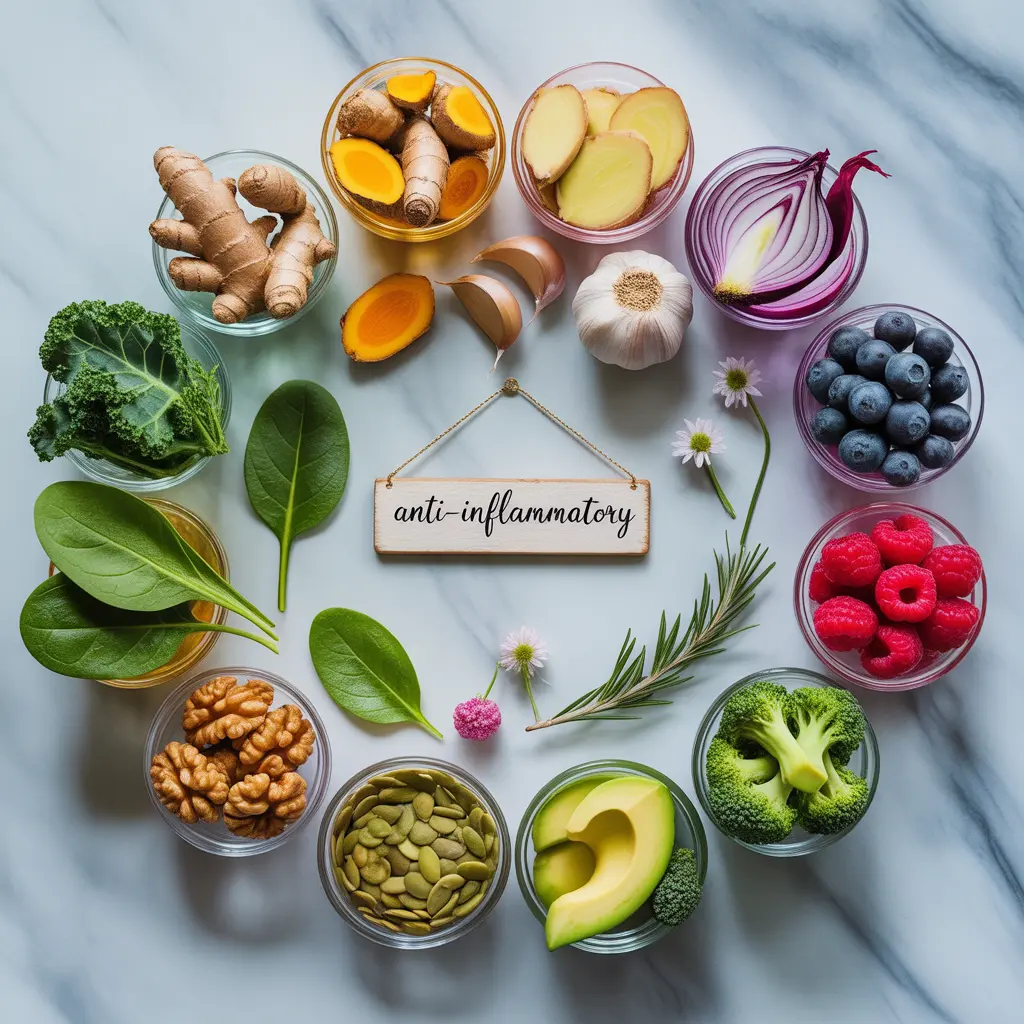
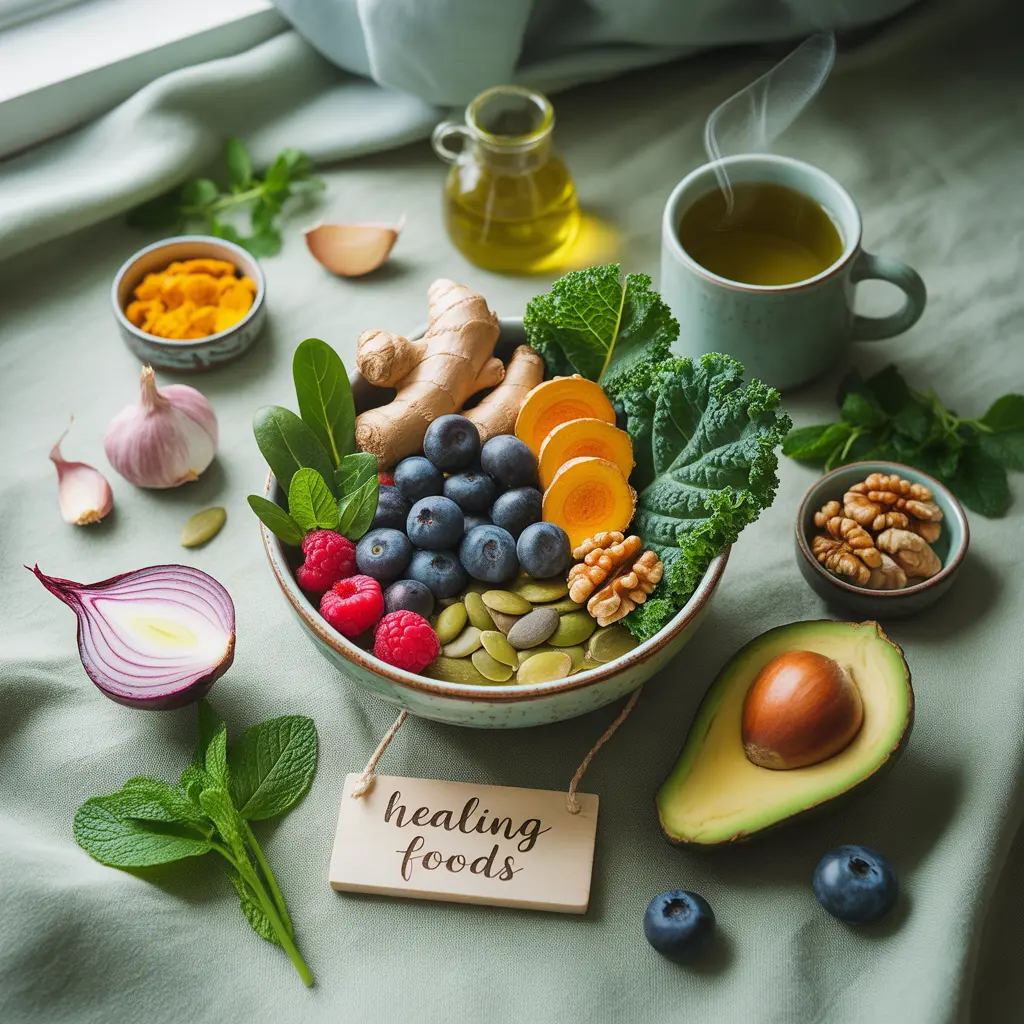
- The most potent anti-inflammatory plant foods are: turmeric, walnuts, flaxseeds, blueberries, extra virgin olive oil, leafy green vegetables, broccoli, and ginger. All should feature in daily eating.
- Not all vegan foods are anti-inflammatory. Refined carbohydrates, coconut oil, processed vegan products, and excess omega-6 from seed oils actively promote inflammation even in the absence of animal products.
- Measuring inflammation is straightforward. C-reactive protein (CRP) and interleukin-6 (IL-6) are the two primary blood markers. A well-structured anti-inflammatory vegan diet reduces CRP by 20 to 32% within 8 to 12 weeks in most published studies.
- Gut microbiome diversity is the hidden mechanism behind most of the anti-inflammatory benefits of a plant-based diet. Fibre diversity feeds SCFA-producing bacteria whose metabolites actively suppress the NF-kB inflammatory signalling pathway.
Anti-Inflammatory Vegan Diet: The Complete Guide to Eating for Lower Inflammation
Inflammation is not the enemy. It is the body’s primary defence and repair mechanism, a finely calibrated biological process that clears infection, heals tissue damage, and rebuilds injured structures. The problem is not inflammation itself. The problem is when inflammation becomes chronic, when it persists at a low, continuous level in the absence of acute injury or infection, silently damaging blood vessel walls, degrading joint cartilage, disrupting hormonal signalling, and accelerating the cellular ageing processes that manifest as cardiovascular disease, type 2 diabetes, Alzheimer’s disease, and certain cancers.
Chronic systemic inflammation is now understood to be the underlying mechanism, directly or indirectly, in the majority of leading causes of premature death in industrialised countries. And it is meaningfully, measurably modifiable through diet.
This guide goes beyond the list of “anti-inflammatory foods” that most nutrition articles provide. It delivers the full biochemistry: the seven molecular pathways through which plant foods reduce inflammation, the specific bioactive compounds responsible, the foods that actively promote inflammation on a vegan diet (a blind spot most guides miss entirely), a complete 7-day meal plan, and the professional cooking techniques that make anti-inflammatory compounds bioavailable rather than merely present in the food.
The Deep Science: 7 Pathways Through Which Plants Reduce Inflammation
🔬 Understanding the Inflammatory Cascade
Inflammation at the molecular level is orchestrated by a network of transcription factors, signalling proteins, and enzymatic pathways. The central master regulator is NF-kB (nuclear factor kappa-light-chain-enhancer of activated B cells), a transcription factor complex that, when activated, drives the expression of over 150 inflammatory genes including those encoding TNF-alpha, interleukin-1, interleukin-6, COX-2, and C-reactive protein. Activating NF-kB is how a bacterial infection triggers fever and tissue repair. Chronically activating NF-kB from dietary and lifestyle signals produces the persistent, low-grade systemic inflammation that drives chronic disease.
The genius of a well-planned anti-inflammatory vegan diet is that it suppresses NF-kB through multiple simultaneous mechanisms, each independent of the others. Reducing any one activator reduces inflammation to some degree. Reducing all seven simultaneously produces the 30%+ CRP reduction documented in research.
⚗️ Pathway 1: NF-kB Direct Suppression by Plant Polyphenols
The most direct anti-inflammatory mechanism of plant foods is the capacity of specific polyphenols to block NF-kB signalling at multiple points in the activation cascade. This is not a metaphorical “anti-inflammatory” effect. It is a molecular event measured at the level of gene expression:
- Curcumin (turmeric): inhibits IKKbeta, the kinase that phosphorylates and activates the NF-kB complex. At physiologically achievable concentrations from dietary turmeric combined with piperine (black pepper), curcumin suppresses NF-kB activation by 60 to 80% in cell culture models. Clinical trials confirm reduced TNF-alpha, IL-6, and CRP in humans.
- Quercetin (apples, onions, kale, berries): inhibits IKK and directly blocks NF-kB nuclear translocation. One of the most comprehensively studied plant anti-inflammatory compounds in human trials.
- EGCG (green tea): suppresses NF-kB through both IKK inhibition and direct interaction with the p65 NF-kB subunit. Research in Journal of Nutrition and Biochemistry confirmed significant IL-6 and TNF-alpha reduction from regular green tea consumption.
- Resveratrol (grapes, berries): activates SIRT1, which deacetylates the p65 subunit of NF-kB, preventing its transcriptional activity. Additionally activates AMPK, reducing NF-kB activity through a second independent mechanism.
🧬 Pathway 2: Nrf2 Activation and Antioxidant Enzyme Upregulation
Nrf2 (Nuclear factor erythroid 2-related factor 2) is the master transcription factor that controls the expression of over 200 genes in the body’s antioxidant and cytoprotective network, including superoxide dismutase (SOD), glutathione peroxidase, catalase, and heme oxygenase-1. When Nrf2 is activated, it programmes the cell to produce its own endogenous antioxidant enzymes at a scale that dietary antioxidants alone cannot match.
Sulforaphane from broccoli and other cruciferous vegetables is the most potent known dietary Nrf2 activator. The mechanism: sulforaphane releases Nrf2 from its inhibitor protein Keap1 by modifying cysteine residues on Keap1, allowing Nrf2 to translocate to the nucleus and activate antioxidant gene expression. This single mechanism explains a large portion of the cancer-protective, cardiovascular-protective, and neuroprotective effects attributed to cruciferous vegetable consumption in epidemiological research.
🫘 Pathway 3: Gut Microbiome Remodelling and SCFA-Mediated Inflammation Suppression
This is the most indirect but arguably the most powerful pathway through which a plant-based diet reduces systemic inflammation. The mechanism links dietary fibre diversity, gut microbiome composition, short-chain fatty acid (SCFA) production, and NF-kB suppression in a chain that operates across the gut-immune axis:
- A diverse plant-based diet feeds a diverse array of fibre-fermenting gut bacteria (primarily Bifidobacterium, Lactobacillus, Faecalibacterium prausnitzii, and Akkermansia muciniphila)
- These bacteria produce SCFAs: primarily butyrate, propionate, and acetate from fermentation of indigestible plant fibres
- Butyrate is absorbed by colonocytes and enterocytes and inhibits histone deacetylase (HDAC), which keeps the NF-kB gene promoter in a repressed chromatin state
- Butyrate also directly activates GPR109a and GPR43 receptors on immune cells, suppressing pro-inflammatory cytokine production
- Propionate reaches the liver via the portal circulation and inhibits hepatic NF-kB activation, reducing systemic CRP and IL-6 production
Research published in Nature Medicine found that a high-plant-diversity diet increased SCFA production by 40% within 4 weeks and significantly reduced plasma IL-6 and CRP, with the magnitude of reduction directly correlated with the degree of microbiome diversity increase. The number of different plant species eaten per week is more predictive of gut microbiome anti-inflammatory activity than any other single dietary variable. Target 30 or more different plant foods per week.
🐟 Pathway 4: Omega-3 Fatty Acids and Specialised Pro-Resolving Mediators
The resolution of inflammation requires not just the suppression of pro-inflammatory signals but the active production of specialised pro-resolving mediators (SPMs): resolvins, protectins, and maresins. These compounds, derived from EPA and DHA, signal the end of the inflammatory response and programme macrophages to clear inflammatory debris. Without adequate EPA and DHA, inflammation persists not because it continues to be activated but because it fails to resolve.
Plant-sourced ALA (from flaxseeds, walnuts, hemp seeds, chia seeds) converts to EPA at approximately 5 to 10% efficiency in most adults, and to DHA at even lower rates. For full SPM production, an algae-based DHA and EPA supplement (250 to 500mg daily) is the evidence-supported recommendation for anyone following a plant-based diet who wants to maximise the resolution arm of inflammation management. Our vegan supplements guide covers algae DHA/EPA in detail.
The Remaining Three Pathways in Brief
- Pathway 5: Saturated fat elimination. Dietary saturated fat activates TLR4 (toll-like receptor 4) on immune cells, directly triggering NF-kB activation independently of infection. Elimination of saturated fat from animal products removes this activation signal. Research shows that even a single high-saturated-fat meal produces measurable IL-6 elevation within 3 hours in healthy adults.
- Pathway 6: Omega-6 to omega-3 ratio improvement. Western diets typically deliver an omega-6 to omega-3 ratio of 15:1 to 20:1. The physiological optimum is 4:1 or lower. Excess omega-6 produces pro-inflammatory eicosanoids (prostaglandin E2, leukotriene B4) that compete with the anti-inflammatory EPA/DHA pathways. A plant-based diet emphasising flaxseeds, walnuts, and hemp seeds moves this ratio toward the optimal range.
- Pathway 7: Hyperinsulinaemia reduction. Insulin at chronically elevated levels activates NF-kB, promotes pro-inflammatory adipokine secretion, and drives the production of reactive oxygen species in adipose tissue. The high-fibre, low glycaemic index plant foods that characterise a whole-food vegan diet reduce postprandial insulin excursions, directly reducing this inflammatory stimulus over time.
The 12 Most Powerful Anti-Inflammatory Vegan Foods
These twelve foods have the strongest and most evidence-supported anti-inflammatory mechanisms. They should feature in daily rotation, not as occasional additions to an otherwise unchanged diet.
-
Turmeric + Black Pepper
Curcumin Piperine NF-kB inhibitorCurcumin is the most studied single dietary anti-inflammatory compound. Black pepper’s piperine increases curcumin bioavailability by 2,000%. These two must always be used together. Daily dose: 1 teaspoon turmeric with a pinch of black pepper.
-
Walnuts
ALA omega-3 Ellagitannins UrolithinsThe only tree nut with significant omega-3. Ellagitannins metabolised by gut bacteria produce urolithins with documented NF-kB suppression and mitochondrial biogenesis effects. 30g daily is the therapeutic dose confirmed across multiple RCTs.
-
Ground Flaxseeds
ALA (6.4g per 30g) Lignans Soluble fibreHighest plant ALA source. Lignans reduce IL-6 and CRP independently. Soluble fibre feeds SCFA-producing bacteria. Use ground, not whole (whole passes undigested). Store in freezer.
-
Blueberries
Anthocyanins Quercetin PterostilbeneAnthocyanins directly inhibit NF-kB. Pterostilbene is a more bioavailable resveratrol analogue. One of the most evidence-supported anti-inflammatory fruits in human clinical trials. 150g daily frozen or fresh.
-
Broccoli and Cruciferous Vegetables
Sulforaphane Nrf2 activator Indole-3-carbinolSulforaphane is the most potent dietary Nrf2 activator known. Prepare correctly (chop and rest 10 minutes before cooking) for maximum sulforaphane production. Critical for the antioxidant enzyme upregulation pathway.
-
Extra Virgin Olive Oil
Oleocanthal Oleuropein Oleic acidOleocanthal inhibits COX-1 and COX-2 enzymes by the same mechanism as ibuprofen, at concentrations achievable from 3 to 4 tablespoons of high-quality EVOO daily. This is the mechanism behind the Mediterranean diet’s cardiovascular protective effect. Use cold, never for high-heat cooking.
-
Ginger
Gingerols Shogaols 6-paradolGingerols and shogaols inhibit COX-2 and LOX-5 (lipoxygenase), the two primary enzymes producing pro-inflammatory prostaglandins and leukotrienes. Clinical trials in rheumatoid arthritis patients show ginger reduces pain and joint swelling comparably to low-dose NSAIDs with a significantly superior safety profile.
-
Green Tea
EGCG L-theanine CatechinsEGCG suppresses NF-kB, inhibits STAT3 (another inflammatory transcription factor), and activates AMPK. 3 to 4 cups daily deliver therapeutically relevant EGCG concentrations. Brew at 75 to 80°C, not boiling, to preserve catechin content.
-
Dark Leafy Greens (Kale, Spinach, Swiss Chard)
Lutein and zeaxanthin Vitamin K1 ChlorophyllLutein and zeaxanthin inhibit NF-kB and reduce the oxidative stress that activates it. Vitamin K1 activates Matrix Gla Protein, which inhibits vascular calcification driven by chronic inflammation. Eat at least 2 large servings daily.
-
Legumes (Especially Lentils)
Resistant starch Polyphenols Prebiotic fibreDaily legume consumption consistently predicts lower CRP in population studies. The resistant starch and prebiotic fibre drive the gut microbiome SCFA production pathway. Polyphenols in the seed coats (particularly in red lentils and black beans) directly inhibit NF-kB.
-
Berries (All Varieties)
Anthocyanins Ellagic acid Resveratrol (grapes, raspberries)Every berry colour represents a different polyphenol profile. Rotating through blueberries, raspberries, strawberries, blackberries, and pomegranate seeds maximises the diversity of anti-inflammatory compound input and the breadth of NF-kB pathway suppression.
-
Hemp Seeds
ALA omega-3 GLA omega-6 Complete proteinUnique among seeds for containing both ALA omega-3 and GLA (gamma-linolenic acid), an unusual omega-6 that reduces rather than increases inflammation by competing with arachidonic acid for the COX enzyme. This makes hemp seeds the most anti-inflammatory seed available, distinct from other omega-6-rich seeds.
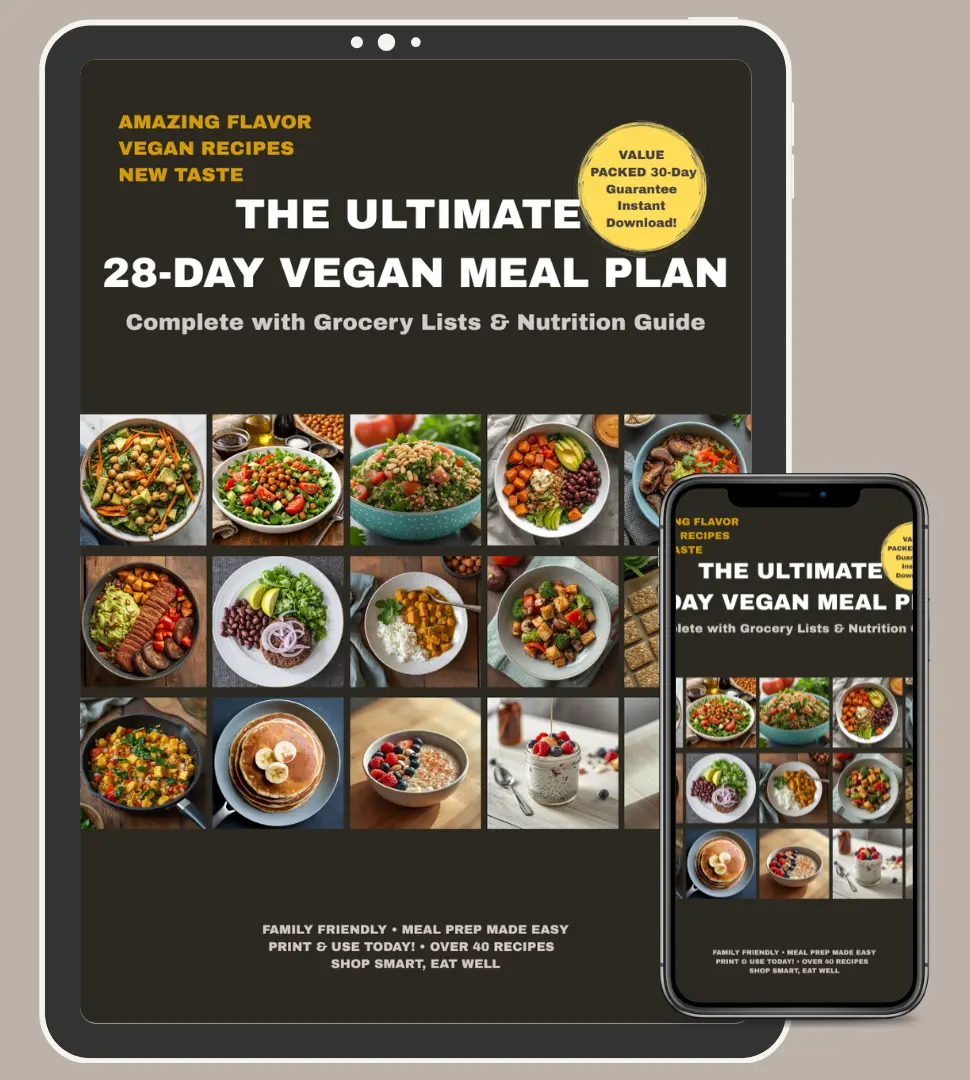
28-Day Vegan Meal Plan + Grocery list.
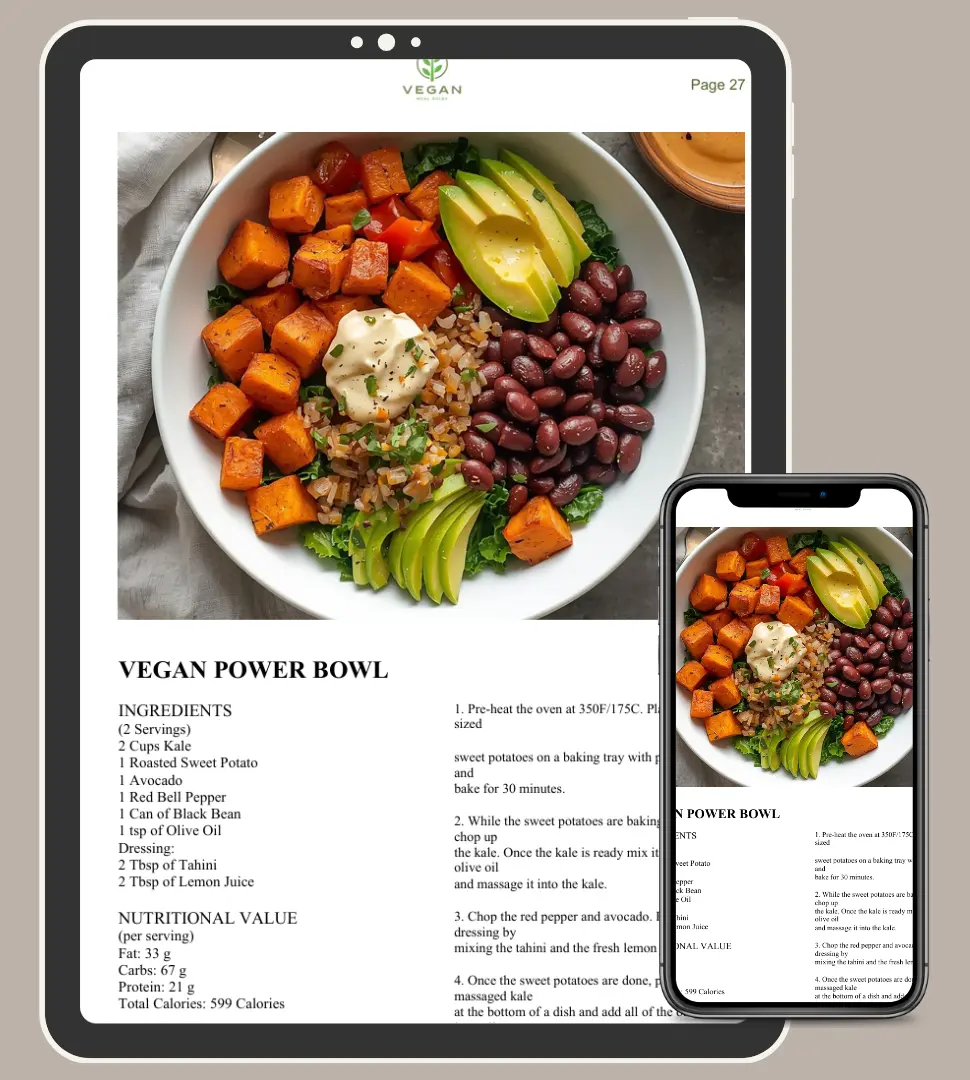
Transform your lifestyle with our comprehensive guide. This isn’t just a recipe book; it’s a complete system designed for success:
- The Vegan Guide: Essential transition tips and nutritional benefits.
- 40+ Chef Recipes: Breakfast, lunch, and dinner with high-quality photos.
- 4-Week Meal Plan: A fully structured day-by-day calendar.
- Grocery Lists: Categorized weekly lists to save you time and money.
- Photos: High-Quality Recipe Photos.
- Nutritions: Vegan Nutrition Guide Toolkit.
Ingredient Spotlights: Deep Dives on the Top 5
🌿 1. Turmeric: The Most Studied Anti-Inflammatory Plant Compound on Earth
Curcumin, the primary curcuminoid in turmeric, has been the subject of over 12,000 published studies, making it the most extensively researched dietary phytochemical in human nutrition science. The breadth of its anti-inflammatory mechanisms is exceptional:
- NF-kB suppression: curcumin inhibits IKKbeta, preventing NF-kB activation, and also directly modifies the p50 and p65 subunits of the NF-kB complex, blocking their DNA binding. This dual mechanism produces more complete NF-kB suppression than any other single dietary compound.
- COX-2 and LOX-5 inhibition: blocks both arms of the arachidonic acid cascade that produces pro-inflammatory prostaglandins (PGE2) and leukotrienes (LTB4). This mechanism is why curcumin reduces joint pain and swelling comparably to NSAIDs in multiple RCTs.
- STAT3 suppression: inhibits signal transducer and activator of transcription 3, a transcription factor implicated in chronic inflammatory diseases and several cancer pathologies.
- Nrf2 activation: independently activates the antioxidant enzyme network, compounding the anti-inflammatory effect of sulforaphane when both are consumed regularly.
🫐 2. Blueberries: The Brain and Cardiovascular Anti-Inflammatory
Blueberries have accumulated one of the strongest bodies of clinical evidence of any anti-inflammatory food specifically for brain and cardiovascular inflammation. The active compounds are anthocyanins, primarily delphinidin, cyanidin, petunidin, peonidin, and malvidin glycosides.
- Endothelial protection: a 2019 RCT in American Journal of Clinical Nutrition found that 200g of blueberries daily for one month significantly reduced endothelial dysfunction (a primary cardiovascular inflammation marker) and reduced systolic blood pressure by 5mmHg in adults with metabolic syndrome
- BDNF elevation: anthocyanins cross the blood-brain barrier and increase BDNF (brain-derived neurotrophic factor), the primary neuroprotective and neuroplasticity protein, counteracting the neuroinflammation that drives cognitive decline
- NF-kB suppression in adipose tissue: blueberry anthocyanins specifically reduce inflammatory cytokine expression in adipose macrophages, the primary site of obesity-driven chronic inflammation
- Pterostilbene: a methylated form of resveratrol present in blueberries with significantly higher bioavailability than resveratrol itself, activating SIRT1 and AMPK simultaneously
🫒 3. Extra Virgin Olive Oil: The Liquid Anti-Inflammatory
Extra virgin olive oil’s anti-inflammatory credentials are among the most rigorously validated of any dietary fat. The primary active compound, oleocanthal, was identified in 2005 when Gary Beauchamp at the Monell Chemical Senses Center noticed that high-quality fresh EVOO produced a throat burn identical in character to ibuprofen. Subsequent research confirmed that oleocanthal inhibits COX-1 and COX-2 by the same molecular mechanism as ibuprofen.
- Ibuprofen equivalence: 50g of high-quality EVOO (3.5 tablespoons) delivers approximately 10% of the standard 200mg ibuprofen dose in oleocanthal equivalent COX inhibition. Not a replacement for pharmaceutical anti-inflammatories, but a meaningful daily dietary anti-inflammatory contribution through the same mechanism
- Oleuropein: a secoiridoid unique to olive products that inhibits NF-kB through a mechanism distinct from oleocanthal, providing dual-pathway NF-kB suppression
- Hydroxytyrosol: the primary polyphenol in EVOO, with the highest antioxidant capacity of any plant phenol, protecting LDL particles from oxidation and reducing the endothelial inflammation triggered by oxidised LDL
Quality matters enormously here. Cheap olive oils that have been stored in clear bottles, exposed to light and heat, or are blended with lower-quality oils contain minimal oleocanthal and polyphenols. High-quality EVOO is characterised by a peppery, slightly bitter throat sensation (the oleocanthal signature), a recent harvest date on the label, and dark glass packaging. The throat burn is not a defect. It is the indicator of anti-inflammatory potency.
🫚 4. Flaxseeds: The Omega-3 and Lignan Dual Action
Flaxseeds produce anti-inflammatory effects through three independent mechanisms that compound each other:
- ALA omega-3: 6.4g per 30g, the highest ALA concentration of any food. Converts to EPA (5 to 10%) and DHA (less than 5%), providing the substrate for specialised pro-resolving mediator production. The conversion is enhanced by reducing omega-6 intake, which competes for the same desaturase enzymes.
- Secoisolariciresinol diglycoside (SDG): the primary lignan in flaxseeds, metabolised by gut bacteria to enterolactone and enterodiol, phytoestrogens with documented NF-kB suppression and COX-2 inhibition activity. Flaxseeds contain 75 to 800mg SDG per 100g, the highest lignan concentration of any food.
- Viscous soluble fibre: feeds Bifidobacterium and Lactobacillus species, increasing SCFA production and gut microbiome-mediated NF-kB suppression. The combination of direct NF-kB inhibition (via lignans) and indirect suppression (via SCFAs) makes flaxseeds uniquely comprehensive as an anti-inflammatory food.
🫚 5. Ginger: The COX and LOX Dual Inhibitor
Ginger’s anti-inflammatory profile is built around a family of pungent phenolic compounds: gingerols (dominant in fresh ginger), shogaols (dominant in dried ginger, formed by dehydration of gingerols), and paradols. Each compound inhibits inflammation through overlapping but distinct mechanisms:
- COX-2 inhibition: 6-gingerol and 6-shogaol inhibit cyclooxygenase-2 at concentrations achievable from 1 to 2g of dried ginger or 5 to 10g of fresh ginger. This reduces prostaglandin E2 (PGE2), the primary mediator of fever, joint inflammation, and pain sensitisation.
- 5-LOX inhibition: uniquely among common dietary anti-inflammatories, ginger simultaneously inhibits lipoxygenase-5, reducing leukotriene B4 (LTB4) production. LTB4 is a potent activator of neutrophil migration and is central to the inflammatory pathology of asthma, IBD, and psoriasis. NSAIDs do not inhibit this pathway, making ginger’s dual COX/LOX inhibition profile therapeutically broader.
- NF-kB suppression: 6-shogaol directly inhibits IKKbeta, blocking NF-kB activation upstream of prostaglandin and cytokine synthesis
A 2015 meta-analysis in Osteoarthritis and Cartilage covering 9 RCTs found that ginger supplementation significantly reduced pain and disability in osteoarthritis patients, with an effect size comparable to low-dose ibuprofen and significantly fewer gastrointestinal side effects. Use 5 to 10g fresh ginger or 1 to 2g dried ginger daily in cooking, teas, and dressings.
Vegan Foods That Promote Inflammation: The Blind Spots
This is the section that separates a genuinely anti-inflammatory vegan diet from a vegan diet that simply lacks meat. Not all plant-based foods are anti-inflammatory. These are the most commonly overlooked pro-inflammatory foods in a vegan diet:
- Refined carbohydrates (white bread, white rice, pastries, sugary drinks): raise blood glucose sharply, triggering insulin spikes that activate NF-kB and promote the production of advanced glycation end products (AGEs), which directly stimulate RAGE receptors linked to chronic inflammation.
- High omega-6 seed oils (sunflower oil, corn oil, safflower oil, soybean oil): provide abundant linoleic acid that competes with ALA for the same desaturase enzymes, reducing EPA production and shifting the omega-6 to omega-3 ratio toward the pro-inflammatory range. Replace with olive oil, avocado oil, or flaxseed oil.
- Coconut oil and palm oil in processed vegan products: saturated fat activates TLR4 on immune cells, triggering NF-kB through the same receptor used by bacterial lipopolysaccharide. Even a single high-saturated-fat meal measurably elevates IL-6 within 3 hours in human studies.
- Processed vegan foods (vegan sausages, vegan cheese, ready meals, sweetened plant milks): often contain a combination of refined carbohydrates, high omega-6 oils, emulsifiers, and added sugars that collectively produce a pro-inflammatory dietary pattern despite containing no animal products. Being vegan does not make a food anti-inflammatory.
Every Recipe in the 28-Day Vegan Meal Plan Is Built Carefully
40+ nutritionist-approved recipes with every meal meeting protein, iron, and B12 needs. Having a structured plan makes the difference between intention and consistency.
Get the 28-Day Plan: $9.99 →7-Day Anti-Inflammatory Vegan Meal Plan
This plan maximises daily anti-inflammatory compound intake through:
- Turmeric and black pepper in at least one meal daily
- Ground flaxseeds or walnuts at every breakfast
- Cruciferous vegetables prepared correctly (chopped and rested) at least once daily
- Berries daily
- Extra virgin olive oil as a finishing oil on every dish
- 30 or more different plant species across the week for maximum microbiome diversity
📅 Day 1
📅 Day 2
📅 Day 3
📅 Days 4 to 7: The Anti-Inflammatory Rotation Principle
The most important principle for days 4 to 7 is botanical diversity. Rotating through different plant species maximises the breadth of anti-inflammatory compounds in the diet and maintains gut microbiome diversity. Target a minimum of 5 different vegetables, 2 different legumes, 2 different whole grains, and 3 different fruit varieties across the day.
- Day 4 anchor: Walnut and broccoli focus. Roasted cauliflower with za’atar and tahini at lunch, tempeh walnut Bolognese with whole grain pasta at dinner, turmeric smoothie at breakfast.
- Day 5 anchor: Omega-3 maximum day. Flaxseed porridge breakfast, edamame and avocado bowl at lunch with hemp seed dressing, lentil dal dinner with extra turmeric and ginger.
- Day 6 anchor: Cruciferous and berry focus. Green smoothie with kale, broccoli rabe and white bean dinner, triple-berry chia pudding breakfast with ground flaxseeds.
- Day 7 anchor: Gut microbiome focus. Maximum plant variety day. Jerusalem artichokes, chicory, fermented foods (miso soup, sauerkraut), 8 to 10 different vegetables, legumes, and whole grains across the full day.
Reference Tables
Anti-Inflammatory Compounds: Mechanisms and Daily Targets
CRP Reduction by Dietary Intervention: Evidence Overview

+ Grocery List
Chef Tips: Cooking to Maximise Anti-Inflammatory Bioavailability
🔪 Tip 1: The Bioavailability Principles That Change Everything
In twenty years of professional cooking across Lebanon, Dubai, and Saudi Arabia, the single most important lesson I have carried from laboratory nutrition science back into the kitchen is this: the anti-inflammatory potential of a food and the anti-inflammatory effect you actually receive from eating it are two very different things, determined entirely by how the food is prepared.
Three preparation principles determine whether the anti-inflammatory compounds in your food are active or inert when they reach the gut:
- The fat co-consumption principle: curcumin, lycopene, beta-carotene, lutein, and oleocanthal are all fat-soluble. Eating them without dietary fat produces absorption rates of less than 5%. Eating them with olive oil, tahini, avocado, or walnuts increases absorption to 30 to 60%. This is why turmeric in water (a common “wellness drink”) is nutritionally futile. Turmeric in a tahini dressing with EVOO is highly bioactive. Every fat-soluble anti-inflammatory compound in this guide requires co-consumption with fat.
- The enzyme activation principle: sulforaphane from broccoli and allicin from garlic are not present in the intact plant cell. They are produced enzymatically when the cell is disrupted by chopping, crushing, or chewing. Chop broccoli and let it rest 10 minutes before cooking. Crush or mince garlic and let it sit 10 minutes before adding heat. These rest periods allow the enzymatic conversion to occur before heat destroys the enzymes.
- The pepper rule: every dish containing turmeric must also contain freshly ground black pepper. No exceptions in a professional anti-inflammatory kitchen. The piperine in black pepper inhibits the CYP3A4 enzyme that rapidly metabolises curcumin in the gut, extending its bioavailability window 20-fold.
🫒 Tip 2: EVOO as a Finishing Oil, Not a Cooking Oil
The oleocanthal and polyphenol content of extra virgin olive oil is heat-sensitive. At temperatures above 180°C, oleocanthal content begins to degrade measurably. In professional Levantine kitchens, high-quality EVOO is never the primary cooking medium for high-heat applications. A neutral, high-smoke-point oil (avocado oil) is used for searing and stir-frying. The EVOO is added at the end, over finished dishes, in generous quantities. This single change preserves the anti-inflammatory potency of the oil that a lifetime of cooking over heat would otherwise destroy.
🍵 Tip 3: The Anti-Inflammatory Kitchen Essentials List
These seven items should be stocked, on the counter, and used daily. Not as supplements. As kitchen ingredients:
- Turmeric and black pepper: a spice grinder with fresh peppercorns, a jar of turmeric powder or fresh turmeric root
- High-quality EVOO: look for a harvest date within 18 months, dark glass bottle, peppery taste when swallowed raw
- Fresh ginger root: kept in the freezer, grated directly from frozen into dishes, soups, and teas
- Ground flaxseeds: buy whole and grind weekly, or store pre-ground in the freezer
- Walnuts: 30g daily as a snack, on porridge, or in salads
- Frozen berries: nutritionally equivalent to fresh, available year-round, ready instantly
- Green tea: loose leaf or high-quality bags, brewed at 75 to 80°C (not boiling)
5 Mistakes That Undermine a Vegan Anti-Inflammatory Diet
❌ Mistake 1: Using Turmeric Without Black Pepper or Fat
The most common single mistake in vegan anti-inflammatory eating. Curcumin has 1 to 2% standalone bioavailability. Adding piperine (black pepper) increases this to 20%. Adding both piperine and fat increases it further. Every turmeric application in cooking must include both. A golden milk made with turmeric, black pepper, and oat milk without any fat delivers virtually no bioactive curcumin. The same drink made with full-fat coconut milk or with a tahini swirl delivers a meaningfully different biochemical reality.
❌ Mistake 2: Cooking Broccoli to Soft
Overcooked broccoli is broccoli that has lost most of its sulforaphane. Myrosinase (the enzyme that produces sulforaphane) is inactivated above 70°C within 3 minutes. Boiling broccoli for 8 to 10 minutes destroys both the enzyme and most of the sulforaphane it would have produced. Eat broccoli raw (in salads, as crudités with hummus), very lightly steamed (3 minutes), or apply the chop-and-rest method before cooking. The Levantine kitchen’s long tradition of eating raw vegetables with tahini dip is, inadvertently, one of the most sulforaphane-optimal culinary practices in existence.
❌ Mistake 3: Relying on Processed Vegan Foods
A plant-based diet built around vegan sausages, processed vegan cheese, sweetened plant milks, refined grain products, and coconut oil-containing vegan convenience foods is not an anti-inflammatory diet. It is a diet that has removed saturated animal fat while replacing it with refined carbohydrates, high omega-6 seed oils, and food additives, all of which independently activate NF-kB. The anti-inflammatory benefit of a plant-based diet comes from whole plant foods, not from the absence of animal products in processed products.
❌ Mistake 4: Not Supplementing Algae DHA/EPA
The resolution arm of inflammation, driven by resolvins and protectins derived from EPA and DHA, cannot be adequately supported by ALA conversion alone. Research consistently shows that vegan populations have significantly lower blood EPA and DHA than omnivores, and that plasma EPA/DHA levels are directly correlated with inflammatory marker levels in plant-based individuals. Supplementing 250 to 500mg of algae-derived DHA and EPA daily is the evidence-based standard for closing this gap. For the full supplementation rationale, our vegan supplements guide covers the complete DHA/EPA case.
❌ Mistake 5: Eating Too Few Different Plants
The single most predictive dietary variable for gut microbiome anti-inflammatory activity is the number of different plant species consumed per week. Research from the British Gut Project and subsequent microbiome studies consistently shows that 30 or more different plant foods per week produces significantly greater microbiome diversity, higher SCFA production, and lower systemic inflammation markers than 10 to 15 plant species per week, even when total fibre intake is equivalent. Variety is not a preference. It is a microbiome health requirement. Count your plant species. Target 30 per week minimum.
Ready to Eat This Way Every Day Without the Planning Work?
The 28-Day Vegan Meal Plan has 40+ carefully made recipes, a structured 28-day calendar, and complete shopping lists. Everything you need to eat consistently: which is actually works.
See What’s Inside: $9.99Frequently Asked Questions About Anti-Inflammatory Vegan Diet
Is a vegan diet anti-inflammatory?
A whole-food vegan diet is one of the most consistently anti-inflammatory dietary patterns documented in human research. Meta-analyses show 20 to 32% reductions in CRP and significant reductions in IL-6 compared to omnivorous patterns. The mechanisms are multiple and simultaneous: NF-kB suppression by polyphenols, gut microbiome SCFA production, Nrf2-mediated antioxidant enzyme upregulation, elimination of dietary saturated fat (a TLR4 activator), and improvement of the omega-6 to omega-3 ratio. However, a processed vegan diet high in refined carbohydrates and omega-6 oils is not anti-inflammatory despite being plant-based.
How long does an anti-inflammatory vegan diet take to work?
Measurable reductions in CRP are typically seen within 4 to 8 weeks of adopting a consistent whole-food plant-based diet. Gut microbiome changes that drive the SCFA-mediated inflammation suppression pathway take 4 to 6 weeks to establish fully. Maximum CRP reduction is generally seen at the 8 to 12-week mark in clinical trials. Subjective improvements in joint stiffness, energy, and skin quality are often reported within 2 to 4 weeks, preceding the laboratory marker improvements.
What is the single most anti-inflammatory food?
There is no single “most” anti-inflammatory food because the seven inflammatory pathways are each addressed by different food compounds. If forced to choose one, turmeric (with black pepper) would be the most evidence-supported single food for direct NF-kB and COX-2 suppression across the broadest range of inflammatory conditions. However, the combination of daily turmeric, EVOO, blueberries, broccoli, walnuts, and flaxseeds activates all seven anti-inflammatory pathways simultaneously, producing effects that no single food achieves alone.
Can an anti-inflammatory vegan diet help with autoimmune conditions?
An anti-inflammatory diet does not treat autoimmune conditions and should not replace medical care. However, significant research supports dietary anti-inflammatory interventions as adjunctive management for rheumatoid arthritis (ginger, curcumin), inflammatory bowel disease (gut microbiome remodelling through diverse plant fibre), psoriasis (omega-3, antioxidants), and lupus (plant-based dietary patterns reducing inflammatory flares). Always work with a rheumatologist or specialist alongside dietary changes. Our vegan nutrition science guide covers the clinical evidence base in more detail.
Does cooking destroy anti-inflammatory compounds?
It depends entirely on the compound and the cooking method. Vitamin C and sulforaphane are heat-sensitive and significantly reduced by cooking above 70°C. Curcumin is heat-stable but requires fat and piperine for absorption. Lycopene and beta-carotene in tomatoes and carrots are actually made more bioavailable by gentle cooking and fat co-consumption. EGCG in green tea is destroyed by boiling water (brew at 75 to 80°C). The practical rule: eat a mix of raw and gently cooked plant foods daily, always with a fat source for fat-soluble compounds, and follow the enzyme activation protocol for broccoli and garlic.
Is coffee anti-inflammatory?
Yes. Black coffee is one of the most consistently anti-inflammatory beverages in human epidemiological research. Coffee polyphenols, particularly chlorogenic acids, reduce IL-6 and CRP through NF-kB-suppressing mechanisms. Large population studies consistently show that regular coffee drinkers have lower inflammatory markers than non-drinkers, independent of other lifestyle factors. The anti-inflammatory benefit is present in both caffeinated and decaffeinated coffee, confirming it is polyphenol-mediated rather than caffeine-mediated. 2 to 4 cups of black coffee daily is consistent with optimal anti-inflammatory benefit without the cortisol and sleep disruption of higher consumption.
What should I drink on an anti-inflammatory vegan diet?
The most anti-inflammatory beverages are: green tea (EGCG and L-theanine, 3 to 4 cups daily at 75 to 80°C), black coffee (chlorogenic acids, 2 to 4 cups), tart cherry juice (anthocyanins and melatonin, 240ml daily in research studies), pomegranate juice (punicalagins, 240ml daily), and turmeric-ginger golden milk made with fortified soy milk and black pepper. Avoid: sweetened drinks (promote AGE formation and NF-kB activation), high-sugar fruit juices, and sweetened plant milks as daily staples.
How do I know if my inflammation is improving?
The most reliable way to track dietary anti-inflammatory effectiveness is through blood testing. C-reactive protein (hsCRP) is the primary clinical inflammation marker, with optimal levels below 1.0 mg/L and elevated levels above 3.0 mg/L. Interleukin-6 (IL-6) is a secondary marker. Getting a baseline hsCRP test before starting a structured anti-inflammatory vegan diet, and retesting at 8 and 12 weeks, provides objective evidence of dietary effectiveness. Our vegan blood test guide covers CRP alongside all other key markers worth monitoring on a plant-based diet.
Is olive oil the only healthy oil for an anti-inflammatory diet?
No, but it is the most anti-inflammatory cooking oil with the strongest evidence base. Avocado oil has a comparable monounsaturated fat profile and a higher smoke point, making it the better choice for high-heat cooking. Flaxseed oil provides the highest ALA omega-3 of any oil (53g per 100ml) but must never be heated. Walnut oil provides ALA and polyphenols. The oils to minimise are sunflower, corn, safflower, and soybean oils: all are high in linoleic acid (omega-6) that competes with ALA for desaturase enzymes, reducing EPA production and worsening the omega-6 to omega-3 ratio.
Can stress increase inflammation even on a perfect anti-inflammatory diet?
Yes. Chronic psychological stress activates the HPA axis, elevating cortisol which at sustained high levels promotes NF-kB activation, increases intestinal permeability (allowing lipopolysaccharide translocation that activates TLR4), reduces gut microbiome diversity, and impairs the Nrf2 pathway. Research shows that chronic stress can blunt the anti-inflammatory benefits of dietary interventions by 30 to 50%. Sleep deprivation produces equivalent effects. A comprehensive anti-inflammatory strategy must address chronic stress and sleep quality alongside diet. This does not diminish the value of dietary intervention but contextualises it as one component of a broader approach.
Does alcohol affect inflammation on a vegan diet?
Yes, substantially. Moderate alcohol consumption (1 to 2 drinks daily) produces a complex picture: some studies show modest anti-inflammatory effects from resveratrol in red wine. However, alcohol is a gut permeability disruptor: it increases intestinal permeability, allowing bacterial lipopolysaccharide (LPS) to enter circulation and activate TLR4, directly triggering NF-kB. Chronic alcohol use significantly elevates CRP, IL-6, and TNF-alpha. The anti-inflammatory vegan diet evidence base does not support alcohol as a beneficial component. If consumed, limit to occasional moderate quantities and avoid entirely during active anti-inflammatory dietary protocols.
What are the best anti-inflammatory spices beyond turmeric and ginger?
Six additional spices with strong anti-inflammatory evidence are worth incorporating daily: cinnamon (inhibits NF-kB and improves insulin sensitivity that secondarily reduces inflammation), cloves (highest antioxidant capacity of any spice by ORAC value, containing eugenol that inhibits COX-2), rosemary (carnosic acid and rosmarinic acid inhibit NF-kB and protect neurons from inflammatory damage), black pepper (piperine independently inhibits NF-kB beyond its curcumin-enhancing role), cardamom (reduces IL-6 and CRP in clinical trials), and star anise (trans-anethole inhibits NF-kB activation). The Levantine spice tradition of using allspice, cinnamon, turmeric, and black pepper together in savoury cooking was, unknowingly, one of the most anti-inflammatory spice practices in any global culinary tradition.
Still spending hours figuring out what to eat?
What’s included in your download
- 40+ nutritionist-approved recipes
- Complete 28-day calendar
- Meets protein, iron & B12 needs
- Family & meal prep friendly
- Vibrant photo for every recipe
- Simple, common ingredients
Instant PDF download. No subscriptions. No waiting.