

Product note: Brand recommendations reflect availability in UK, EU, and North American markets as of early 2026. Formulations change. Always check the label for the most current ingredient information.
Vegan Dairy Alternatives Guide: Best Swap for Every Dairy
This vegan dairy alternatives guide is not a list of every plant milk on the market. It is a clear answer to one question for each dairy product you currently use: what is the single best replacement, and why. You will get 12 categories covered, best swaps ranked by taste, protein, and cost, and a complete reference table for every dairy product in your kitchen.
The vegan dairy alternatives guide most people need is not a list of every plant milk on the market but a clear answer to one question for each dairy product they currently use: what is the single best replacement, and why. This guide covers every dairy category, ranks the best alternatives by taste, protein, and cost, explains the science behind each substitution, and gives you the exact products and ratios to use from day one. You will know which swap to make for milk, cheese, butter, cream, yoghurt, and seven more categories, with no guesswork.
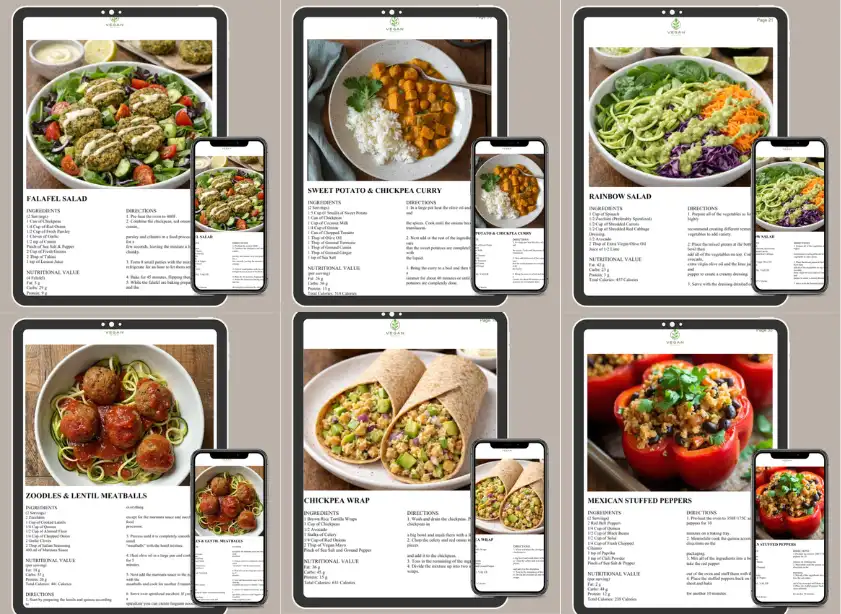
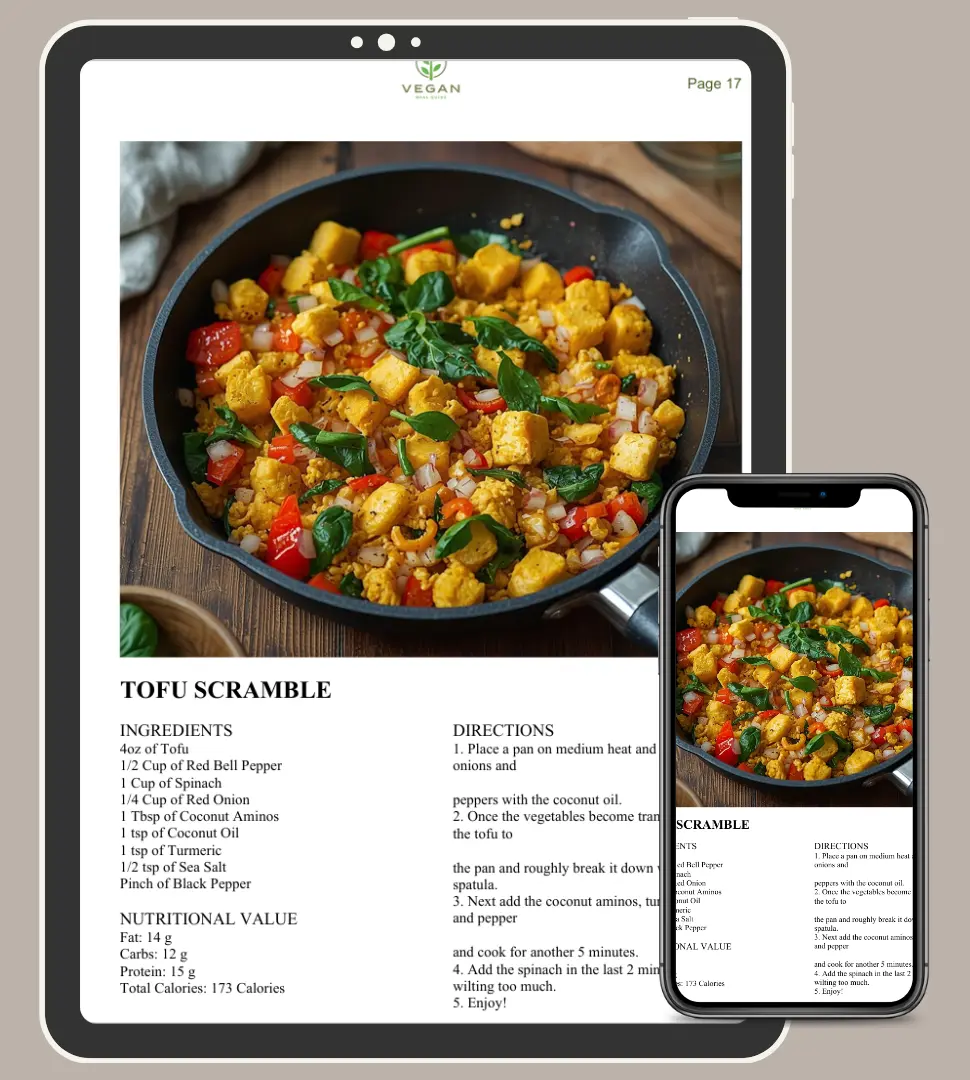
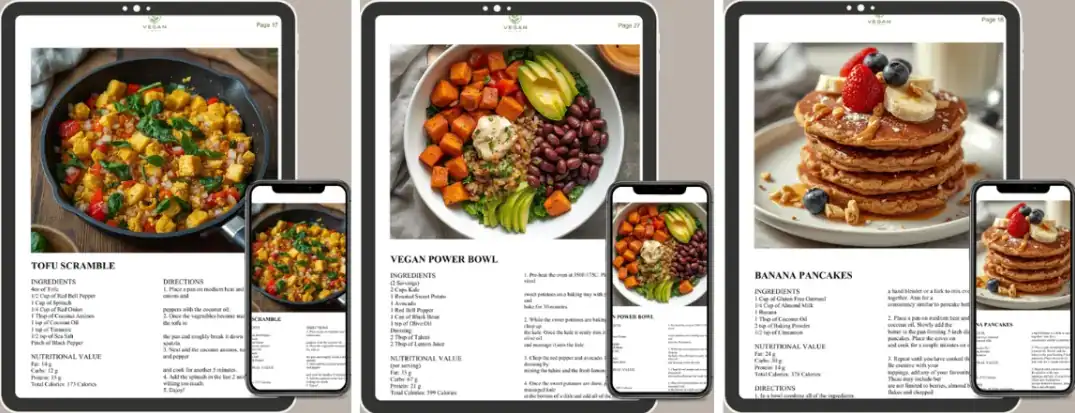
The Ultimate 28-Day Vegan Meal Plan + Grocery List (Complete Solution) incorporates every dairy swap in this guide into a complete 28-day framework. It includes 36 chef-tested recipes with a photo for every recipe and easy weekly grocery lists, 4 weeks covered, so you are not testing dairy alternatives on a busy weeknight.
Why Dairy Is the Hardest Thing to Replace
Dairy is uniquely difficult to replace because it performs multiple functions simultaneously in cooking and eating: fat delivery, protein structure, emulsification of oil and water, texture (creamy, stretchy, crumbly), and a distinct flavour profile built on fatty acids and fermented compounds. No single plant-based alternative replicates all of these in every application. The solution is function-matching: choosing the alternative based on what the dairy is doing in the context, not what it is called. Milk in coffee needs protein for frothing. Milk in a cake needs fat and moisture. The same dairy product requires different alternatives depending on its role.
The beginner vegan diet guide covers the full first-month transition, including the taste adaptation timeline that makes dairy alternatives start to taste normal by Week 3 to 4.

Psst.. Start your transformation now. Everything is done for you, 36 chef vegan recipes, 4 weekly grocery lists, and a full 28-day Meal Plan. Zero thinking, every meal decided. Balanced macros daily, one Sunday prep feeds your whole week. No subscription.
Get the Plan →Milk: The Most Important Category
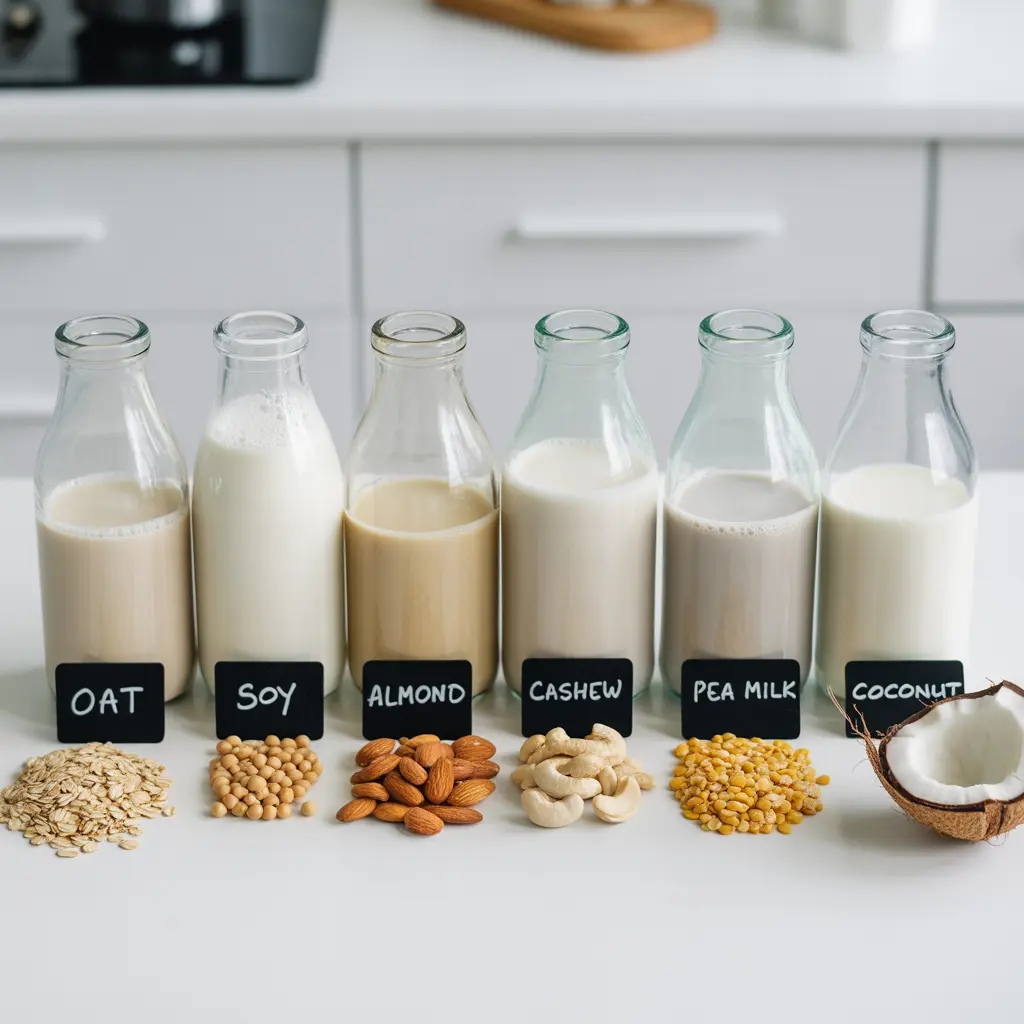
Milk is the highest-volume dairy product for most people. The choice here affects daily protein intake, monthly cost, and cooking performance more than any other dairy swap. The decision tree is simple: soy milk for everyday use, barista soy or oat for coffee, soy milk for cooking. All other plant milks are for flavour variety, not nutritional or functional reasons.
| Plant Milk | Protein per Cup | Cost per Litre | Best For |
|---|---|---|---|
| Soy milk | 7–8g | $1.80–2.50 | Everything — the default choice |
| Pea milk | 8g | $2.50–3.50 | Coffee, cereal, cooking |
| Oat milk | 2–3g | $2.00–3.00 | Coffee, baking |
| Almond milk | 0–1g | $1.80–2.50 | Light cooking, cereal |
| Coconut milk (carton) | 0–1g | $2.00–3.00 | Smoothies |
| Rice milk | 0–1g | $1.80–2.50 | Allergen-free cooking |
For coffee specifically: Standard soy milk can split in hot espresso due to acidity. Buy barista-edition soy or oat milk, which has higher fat content and added stabilisers that prevent curdling. These froth correctly and produce latte art comparable to dairy. For cooking: Soy milk is the universal cooking milk. Its protein content helps sauces emulsify. Do not use oat milk in savoury cooking unless you want the dish to be noticeably sweeter.
Cheese: The Hardest Swap
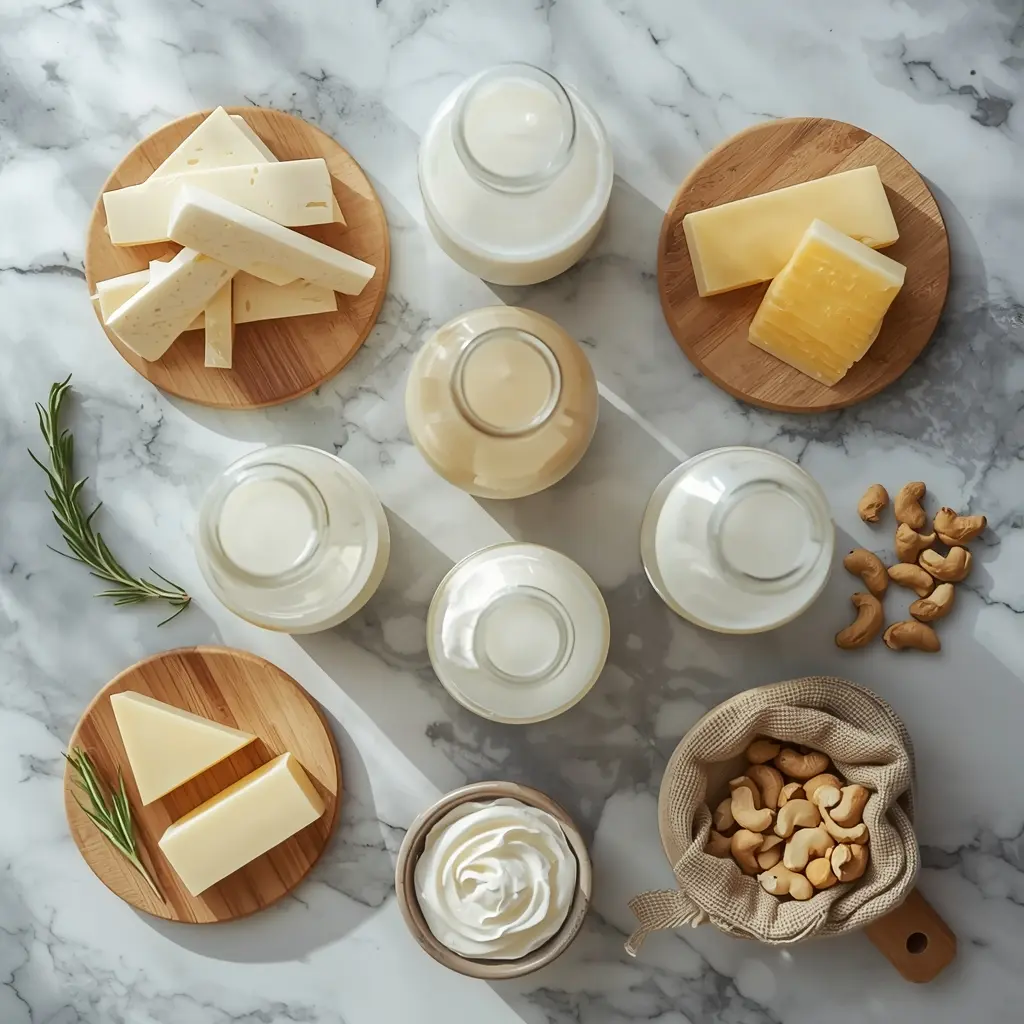
Honest assessment. Vegan cheese is the most frequently disappointing dairy alternative category. Most commercial vegan cheeses fail on melt, flavour depth, and texture simultaneously. The solution is a two-track approach: commercial for convenience, homemade cashew-based for quality, and nutritional yeast for everyday cheese flavour at a fraction of the cost.
Commercial Vegan Cheese: Ranked by Use Case
Melting (pizza, toasting): Violife, Daiya, and Follow Your Heart melt reasonably well. Expect 70 to 80% of dairy cheese melt performance. None achieves the stretch of dairy mozzarella. For pizza, apply a thin layer and expect a soft melt rather than stringy pull.
Sliced for sandwiches: Violife slices are the closest to processed dairy cheese in texture. They soften at room temperature and work in cold sandwiches as well as grilled.
Cream cheese style: Kite Hill, Violife, and Miyoko’s perform well. Miyoko’s is the premium option with cultured depth of flavour. Violife is the budget-friendly workhorse.
Parmesan-style: Violife Prosociano is the most functional commercial option for grating over pasta. It does not melt identically to parmesan but delivers the salty, savoury hit.
Why it works: Contains the same glutamate compounds found in aged cheese, producing genuine cheese flavour without any dairy content. B12-fortified versions provide meaningful supplementation.
Cost: Approximately $0.10 per serving versus $0.80 or more for commercial vegan cheese.
The vegan cooking techniques tips guide covers the cashew cheese protocol in detail, including the agar-based firm cheese method for a sliceable result.
Butter: The Easiest Swap
Butter is the simplest dairy product to replace because its primary function, fat delivery with a specific mouthfeel, is straightforward to replicate. In most cooking applications, olive oil is nutritionally superior, cheaper, and functionally equivalent. Vegan butter is for the specific applications where butter flavour is irreplaceable.
For Spreading
Miyoko’s European Style, Earth Balance, and Flora Plant Butter all perform identically to dairy butter on toast, bread, and direct application. Miyoko’s is cultured and has the most complex flavour. Flora is the most widely available in UK and European supermarkets. Earth Balance is the US standard.
For Baking
Refined coconut oil replaces butter at a 1:1 ratio in most baking applications. The flavour is neutral when refined. Unrefined coconut oil adds coconut taste: use only in recipes where this complements the other flavours. For pastry requiring flaky layers, vegan block butter (not spreadable, which contains too much water) is required. Miyoko’s European Style and Naturli Vegan Block both produce proper lamination in puff pastry and croissant dough.
For Sautéing and Everyday Cooking
Olive oil is nutritionally superior and cheaper than any vegan butter. Use vegan butter only where butter flavour is specifically required, such as in beurre blanc-style sauces or finishing pastas. The cost of vegan butter is approximately the same as premium dairy butter ($4 to $6 per 250g). This is the one dairy alternative category with no cost advantage and no nutritional advantage over its dairy equivalent. Use it sparingly.
Cream: Three Applications, Three Solutions
Cream appears in three distinct culinary contexts. Each requires a different plant-based solution. The wrong substitute in the wrong application produces either a liquid mess or a curdled disaster.
Whipping cream detail: One can of full-fat coconut milk, refrigerated overnight, yields approximately 1 cup of solid coconut cream that whips to stiff peaks in 3 to 5 minutes with a hand mixer. Add 1 tablespoon of powdered sugar and ½ teaspoon vanilla extract for a dessert topping. Aquafaba whipped with sugar produces a lighter foam for mousses and pavlovas.
Cooking cream detail: Cashew cream, made by blending 1 cup of soaked raw cashews with ½ cup of water until completely smooth, replicates the texture and neutral flavour of dairy heavy cream in soups, pasta sauces, and curries. It does not split when heated, unlike many commercial oat and soy creams. Oat cream cartons (Oatly, Alpro) work for quick applications but add sweetness to savoury dishes.
Sour cream detail: Add lemon juice and a small amount of apple cider vinegar to cashew cream until the desired tanginess is reached. The acid thickens the cream slightly, producing a texture very close to dairy sour cream. Commercial options from Kite Hill and Forager Project are widely available in US supermarkets.
Yoghurt: Protein Is the Critical Variable
Most commercial plant-based yoghurts have dramatically lower protein than dairy yoghurt. Greek yoghurt delivers 10g of protein per 100g. Most vegan yoghurts deliver 2 to 4g per 100g. The gap is not a minor detail. It is the defining nutritional difference in this category.
Best protein options: Soy-based yoghurt is the only plant-based yoghurt with meaningful protein. Alpro and Silk soy yoghurts deliver 3 to 5g per 100g. Coconut yoghurt delivers 1 to 2g with high saturated fat. Oat yoghurt delivers 1 to 3g. For anyone who currently eats Greek yoghurt for protein, switching to coconut or oat yoghurt creates an 8 to 9g per serving protein deficit that must be compensated elsewhere in the diet. Always choose soy-based yoghurt and verify the protein content on the label before purchasing.
Ice Cream, Cream Cheese, and Remaining Categories
Ice Cream
The most mature and successful vegan dairy alternative category. Oatly, Ben and Jerry’s Non-Dairy, and Häagen-Dazs Non-Dairy all perform at near-parity with dairy ice cream in texture, mouthfeel, and flavour complexity. This category has been solved. Soy-based and oat-based ice creams are widely available. Coconut-based ice creams are richer but higher in saturated fat. The price is comparable to premium dairy ice cream at $5 to $7 per pint.
Cream Cheese
Kite Hill Chive, Miyoko’s Classic Plain, and Violife Original all work well for bagels and direct application. For cooking applications such as cheesecake or creamy dips, homemade cashew cream cheese (cashews, nutritional yeast, lemon, salt) outperforms all commercial options on both texture and cost. It also avoids the stabilisers and gums found in commercial vegan cream cheese.
Condensed Milk
Coconut condensed milk (Nature’s Charm is the most widely available brand) is a direct 1:1 replacement for sweetened condensed milk in all baking applications, including key lime pie, fudge, and caramel sauces. The coconut flavour is mild and disappears under other ingredients in most recipes.
Evaporated Milk
Full-fat canned coconut milk or oat cream can replace evaporated milk in recipes. Coconut adds flavour that works in sweet applications but may be unwelcome in savoury. For savoury evaporated milk replacement, use cashew cream thinned with water to the consistency of evaporated milk.
Kefir
Coconut kefir and soy kefir are available in specialty health stores. Probiotic content varies significantly by brand. Check the CFU (colony-forming unit) count on the label before buying. Homemade vegan kefir can be cultured using plant milk and a vegan kefir starter, available online and in health food stores.
28-Day Vegan Meal Plan + Grocery list.
Transform your lifestyle with our comprehensive guide. This isn’t just a recipe book; it’s a complete system designed for success:
- 28-Day Meal Plan every meal, nothing to figure out
- 4 Weekly Grocery Lists sorted by aisle, saves money
- Balanced Macros protein, iron and B12 daily
- Under $1 Per Serving eat well on any budget
- 90-Min Sunday Prep one session, whole week fed
- Vegan Swaps Guide meat, dairy and eggs replaced
- Nutrition Toolkit protein targets and dining guide
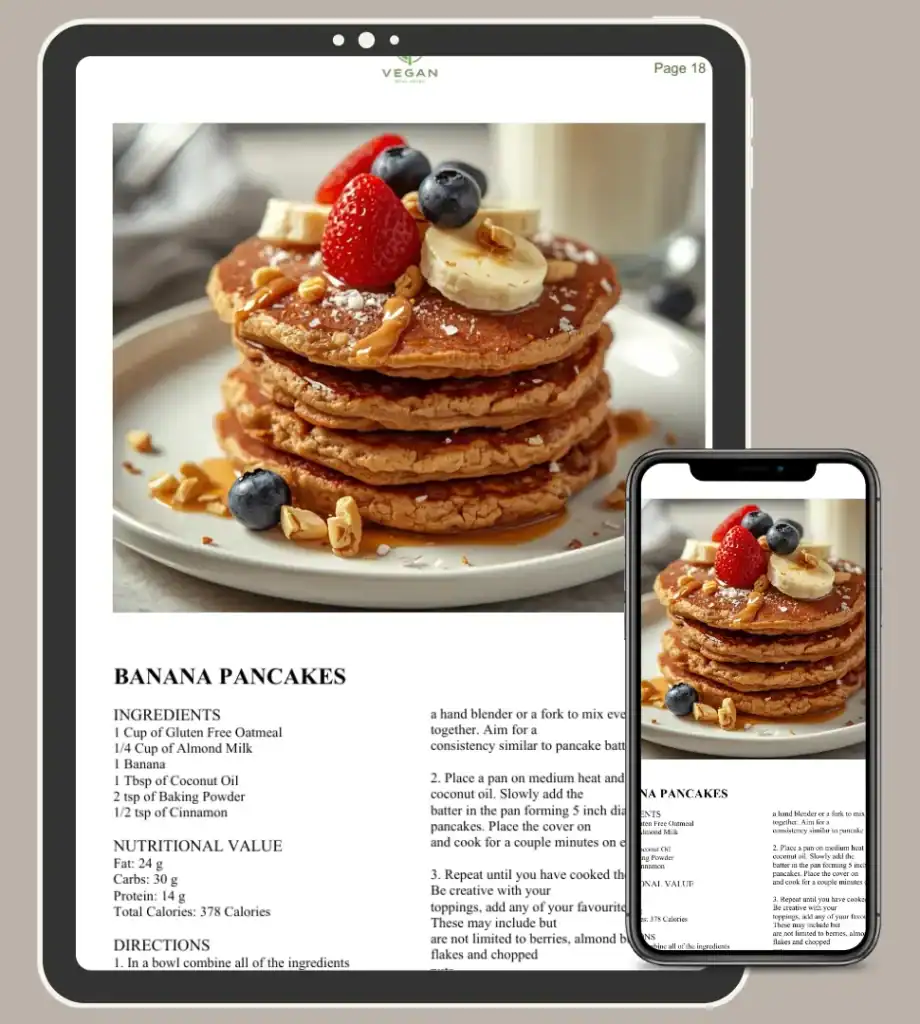
- 36 Chef Recipes every meal photographed
The Complete Swap Reference: One Table
The most shareable, bookmarkable element of this vegan dairy alternatives guide. A single table matching every dairy product to its best plant-based swap, with protein, cost, and ease-of-use comparisons.
| Dairy Product | Best Vegan Swap | Protein Match | Cost Match | Ease |
|---|---|---|---|---|
| Cow’s milk | Soy milk | Near-identical | Same | Easy |
| Greek yoghurt | Soy yoghurt | Closest option | Similar | Easy |
| Butter (spreading) | Miyoko’s / Earth Balance | N/A | Slightly higher | Easy |
| Butter (baking) | Vegan block butter or coconut oil | N/A | Similar | Easy |
| Cheddar / hard cheese | Violife / nutritional yeast | Much lower | Nutritional yeast cheaper | Moderate |
| Cream cheese | Kite Hill / cashew cream | Lower | Cashew cheaper | Moderate |
| Whipping cream | Coconut cream chilled | Lower | Cheaper | Moderate |
| Cooking cream | Cashew cream / oat cream | Lower | Cashew cheaper | Easy |
| Sour cream | Cashew + acid | Lower | Cheaper | Moderate |
| Ice cream | Oatly / Ben & Jerry’s | N/A | Slightly higher | Easy |
| Parmesan | Nutritional yeast | Lower but B12 | Much cheaper | Easy |
| Condensed milk | Coconut condensed milk | N/A | Similar | Easy |
The complete vegan nutrition guide covers the full nutritional implications of dairy replacement, including calcium, iodine, and vitamin B12 status when removing dairy from the diet.
Frequently Asked Questions About Vegan Dairy Alternatives Guide
Which plant milk is closest to cow’s milk?
Soy milk. It is the only widely available plant milk with a protein content comparable to dairy milk: 7 to 8g per cup versus 8g for whole cow’s milk. It is also the only plant milk that does not create a significant protein gap when used as a daily replacement. Pea milk is a close second at 8g per cup but costs more and is less widely available.
Does vegan cheese melt properly?
Most commercial vegan cheeses melt to approximately 70 to 80% of dairy cheese performance. They soften and spread but do not achieve the long stretch of melted dairy mozzarella. Violife and Daiya perform best for melting. For pizza, apply a thin layer and expect a creamy melt rather than stringy pull. The melt gap is closing as formulations improve but has not yet been fully closed by any brand.
Is vegan butter healthy?
Vegan butter is not a health food. It is a direct replacement for dairy butter in taste, function, and nutritional profile. Most vegan butters are made from a blend of plant oils (coconut, palm, canola, or sunflower) and have a similar saturated fat and calorie profile to dairy butter. Olive oil is a healthier and cheaper alternative for all cooking applications where butter flavour is not specifically required. The vegan diet nutrition facts science guide covers fat sources in detail.
What is the best vegan alternative for Greek yoghurt?
Soy-based yoghurt is the only option with meaningful protein. Alpro and Silk soy yoghurts deliver 3 to 5g of protein per 100g. Coconut yoghurt delivers 1 to 2g. Oat yoghurt delivers 1 to 3g. If you are replacing Greek yoghurt specifically for protein (10g per 100g), be aware that all vegan alternatives create a significant protein gap. Add hemp seeds, ground almonds, or a scoop of unflavoured protein powder to close it.
Can I make vegan cream at home?
Yes. Cashew cream is the professional standard. Soak 1 cup of raw cashews in water for 4 hours or boil for 15 minutes. Drain and blend with ½ cup of fresh water until completely smooth. This replicates the texture and neutral flavour of dairy heavy cream in all hot applications and does not split when heated. It keeps for 4 to 5 days in the refrigerator and freezes well. Cost: approximately $1.50 per cup versus $3 to $5 for commercial oat or soy cream cartons.
Which plant milk is best for coffee?
Barista-edition soy or oat milk. Standard soy milk can curdle in hot espresso due to acidity. Barista versions have higher fat content and added stabilisers that prevent splitting, froth correctly, and produce latte art comparable to dairy. Oatly Barista is the most widely available barista oat milk. Alpro Barista Soy is the soy equivalent. Both work well. Choose soy for protein or oat for the mildest flavour.
Is nutritional yeast the same as cheese?
Functionally, it delivers the same glutamate-based savoury flavour found in aged cheese. Nutritionally, it is a deactivated yeast, not a dairy product. Fortified versions provide B12. It does not melt, stretch, or set, so it cannot replace cheese in structural applications. But for flavour delivery on pasta, popcorn, salads, and in sauces, it is the most cost-efficient and nutritionally useful tool in the vegan dairy alternatives toolkit.
What is the best vegan butter for baking?
Vegan block butter, not spreadable vegan butter. Spreadable vegan butter contains too much water for proper pastry lamination and cake creaming. Miyoko’s European Style and Naturli Vegan Block are the two most reliable options for flaky pastry, croissant dough, and shortcrust. For cakes and cookies where the butter is creamed with sugar, both block and spreadable work, but block produces a superior texture.
Is coconut yoghurt healthy?
Coconut yoghurt is low in protein (1 to 2g per 100g) and high in saturated fat (typically 5 to 8g per 100g, comparable to full-fat dairy yoghurt). It is a flavour choice, not a health choice. Soy yoghurt is nutritionally superior on both protein content and saturated fat. Reserve coconut yoghurt for occasions where you specifically want the coconut flavour.
Which vegan cheese brand is best?
It depends on the application. Violife is the best all-arounder for melting, slicing, and general use. Miyoko’s is the best for flavour complexity and cultured depth. Kite Hill is best for cream cheese and soft cheese applications. Nutritional yeast surpasses all commercial vegan cheeses on cost and flavour delivery for everyday pasta and salad applications. No single brand wins across all categories.
How do I replace cream in a pasta sauce?
Cashew cream. It replicates the texture, richness, and neutral flavour of dairy cream without splitting when heated. For a quick version, blend ¼ cup of raw cashews (soaked if possible, or boiled for 10 minutes) with ¼ cup of water until completely smooth. Add to the pasta sauce at the end of cooking and stir through. The sauce will be creamy, rich, and indistinguishable from dairy cream versions to most palates.
Is vegan dairy more expensive than regular dairy?
It depends on the product. Soy milk is comparable to or cheaper than dairy milk. Vegan cheese is more expensive per gram than dairy cheese and delivers less protein. Vegan butter is comparable to premium dairy butter. Nutritional yeast is dramatically cheaper than any cheese, dairy or vegan. The overall cost difference depends on which categories you use and how much you rely on commercial products versus homemade alternatives like cashew cream. The Ultimate 28-Day Vegan Meal Plan + Grocery List (Complete Solution) is built on the cost-efficient end of this spectrum. It includes simple recipes with common supermarket ingredients and complete 28-day calendar with shopping lists, so your grocery bill stays manageable from the first week. The plan is nutritionist-approved, every meal meets protein, iron and B12 needs, and it is backed by a 30-day money-back guarantee, no questions asked.
This vegan dairy alternatives guide has given you the single best swap for every dairy product you use. Soy milk for cow’s milk, the only plant milk with comparable protein. Violife and nutritional yeast for cheese, the commercial and the cost-efficient routes. Vegan block butter or coconut oil for baking, the easiest swap in the dairy category. Cashew cream for cooking cream, the professional kitchen standard that outperforms every commercial carton. Soy yoghurt for Greek yoghurt, the only option that closes the protein gap. And a complete reference table that tells you at a glance which swap to reach for, whether you are making coffee, baking a cake, or building a cheese board. You also know that taste adaptation is real and temporary: the first week is the hardest, and by Week 4 the new flavours taste normal. The Ultimate 28-Day Vegan Meal Plan + Grocery List (Complete Solution) puts every swap into practice. It includes 36 chef-tested recipes with a photo for every recipe, complete 28-day calendar with shopping lists, and nutritionist-approved recipes. Every dairy substitution has been tested in a professional kitchen. You cook with confidence from Day 1. The plan is backed by a 30-day money-back guarantee, no questions asked. The best swap for every dairy is now in your hands.
Want to try before you buy?
Enter your email below to get 2 free recipes instantly: