
(And Which Is Right for You?)
Medical Disclaimer: The information on this page is for general educational purposes only and does not constitute medical or dietary advice. Always consult a qualified healthcare provider or registered dietitian before making significant changes to your nutrition plan. This content does not replace professional medical evaluation or individualized treatment.
Vegan vs Plant Based: The Complete Blueprint to Clarity
The debate around vegan vs plant based eating centers on ethics versus health. Veganism excludes all animal products for moral and environmental reasons, while a whole food plant based diet focuses on minimizing processed foods for optimal wellness. Both paths deliver proven benefits, but choosing the right one depends on your personal values, lifestyle flexibility, and long term goals.
Confusion around vegan vs plant based diets leaves many beginners overwhelmed, forcing them to guess which approach actually aligns with their health goals and personal values. This guide breaks down the exact differences, compares nutritional impacts, and gives you a clear roadmap to choose the right path without the stress or misinformation. Understanding the terminology is the first step toward building a sustainable eating pattern that supports your daily routine and long term wellness.
At its foundation, veganism is a comprehensive lifestyle choice that eliminates all animal derived products from food, clothing, cosmetics, and entertainment. The Vegan Society defines it as a philosophy seeking to exclude animal exploitation as far as possible and practicable. In contrast, a plant based diet primarily describes what ends up on your plate. Someone following a whole food plant based approach centers their meals around vegetables, fruits, legumes, nuts, seeds, and whole grains, but may occasionally include honey or ethically sourced dairy depending on their personal interpretation.
The critical distinction lies in intention. Veganism originates from ethical conviction and animal rights advocacy, making it a rigid framework with clear boundaries. Plant based eating stems from nutritional science and health optimization, allowing more flexibility around ingredient sourcing and social dining situations. When evaluating vegan vs plant based options, your primary motivation should dictate your approach rather than following trending labels. For a deeper dive into foundational principles, the beginner vegan diet guide provides structured entry points for newcomers.
Language matters immensely in this space. Restaurants, influencers, and food brands frequently use these terms interchangeably, which creates unnecessary confusion. A restaurant claiming to offer plant based dishes might actually serve vegan meals, while another might use dairy substitutes freely. Clear communication with chefs and grocery shoppers prevents accidental compromises. If your goal is strict animal welfare advocacy, vegan terminology guarantees consistency. If your focus remains on cellular health and disease prevention, plant based language offers broader menu access without ethical contradictions.
Nutritional Breakdown and Health Impacts
When analyzing vegan vs plant based eating through a clinical lens, both frameworks deliver measurable improvements in cardiovascular markers, insulin sensitivity, and inflammatory response. Peer reviewed research consistently demonstrates that removing animal products reduces saturated fat intake while increasing dietary fiber, antioxidants, and phytonutrients. However, the quality of food selection ultimately determines health outcomes more than the label itself.
A whole food plant based approach emphasizes minimally processed ingredients. Meals revolve around legumes, intact grains, leafy greens, cruciferous vegetables, and seasonal fruits. This pattern naturally maximizes micronutrient density while minimizing added sugars, refined oils, and sodium. Studies published by the Academy of Nutrition and Dietetics confirm that well planned plant forward diets meet all nutrient requirements across every life stage while supporting healthy weight management and chronic disease prevention.
Vegan nutrition requires deliberate attention to specific micronutrients that naturally concentrate in animal tissues. Vitamin B12, iron, zinc, omega 3 fatty acids, and vitamin D demand consistent monitoring or strategic supplementation. Without careful planning, strict vegan patterns can inadvertently become high in refined carbohydrates if processed meat alternatives and packaged snacks replace whole foods. The vegan nutrient deficiencies guide outlines evidence based testing protocols and targeted food combinations that prevent gaps before they impact energy or immunity.
Protein adequacy frequently dominates conversations around vegan vs plant based eating. Complete amino acid profiles exist abundantly in soy products, quinoa, hemp seeds, and buckwheat, while complementary pairings like rice and beans cover all essential amino acids throughout the day. Total protein intake matters less than distribution across meals and digestibility from whole food sources. Athletes and highly active individuals thrive on plant proteins when calorie targets align with training volume and recovery demands.
Research from the National Institutes of Health Office of Dietary Supplements confirms that vegetarian and vegan populations exhibit lower rates of hypertension, type 2 diabetes, and certain cancers. The protective mechanisms stem from higher fiber intake, improved gut microbiome diversity, and reduced oxidative stress markers compared to standard omnivorous patterns.
Gut health serves as the central hub connecting diet quality to systemic wellness. Plant fibers act as prebiotics, feeding beneficial bacteria that produce short chain fatty acids like butyrate. These compounds strengthen intestinal barriers, regulate immune responses, and influence neurotransmitter production. Transitioning toward higher plant diversity consistently correlates with increased microbial richness within four to eight weeks. For targeted strategies on restoring digestive balance, the vegan gut healing foods guide provides practical meal sequencing and fermentation techniques.
Ethics, Environment, and Personal Wellness
The philosophical divide between veganism and plant based eating extends far beyond grocery shopping. Veganism represents a moral stance against speciesism, viewing animals as sentient beings deserving freedom from exploitation. This perspective influences purchasing decisions across clothing, cosmetics, entertainment, and household products. Leather, wool, silk, and beeswax become off limits, while cruelty free certifications guide consumer behavior. For those driven by animal welfare, this comprehensive framework eliminates cognitive dissonance and aligns daily habits with deeply held values.
Plant based living prioritizes human health and ecological sustainability as primary motivators. Environmental research consistently ranks animal agriculture among the leading contributors to greenhouse gas emissions, deforestation, freshwater depletion, and ocean dead zones. Shifting calories from livestock to crops dramatically reduces land use while increasing food security for growing populations. People adopting this path often focus on carbon footprint reduction, biodiversity preservation, and sustainable sourcing rather than absolute animal exclusion.
Personal wellness goals shape how individuals navigate vegan vs plant based choices. Someone managing autoimmune symptoms might emphasize anti inflammatory foods, eliminating processed items regardless of animal origin. A person addressing metabolic syndrome could adopt a low glycemic plant pattern focused on legumes, non starchy vegetables, and healthy fats. Flexibility allows customization based on medical needs, cultural traditions, and taste preferences while maintaining core health benefits.
Social dynamics heavily influence long term adherence. Strict veganism requires navigating restaurants, family gatherings, and workplace events with clear boundaries. While growing acceptance makes this easier, unexpected ingredient cross contamination or limited menu options still occur. Plant based eaters typically experience fewer social friction points, ordering vegetable centric dishes without demanding complete menu restructuring. Both paths require communication skills and boundary setting, but the intensity differs significantly depending on personal strictness and surrounding support systems.
Building consistent habits requires more than motivation, it needs structure. The Ultimate 28-Day Vegan Meal Plan + Grocery List (Complete Solution) covers exactly this with nutritionist approved recipes and easy weekly grocery lists covering all 4 weeks, removing guesswork from daily meal execution.
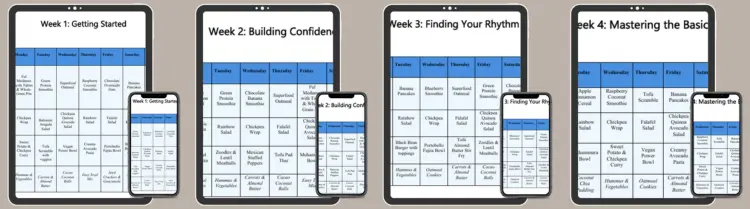
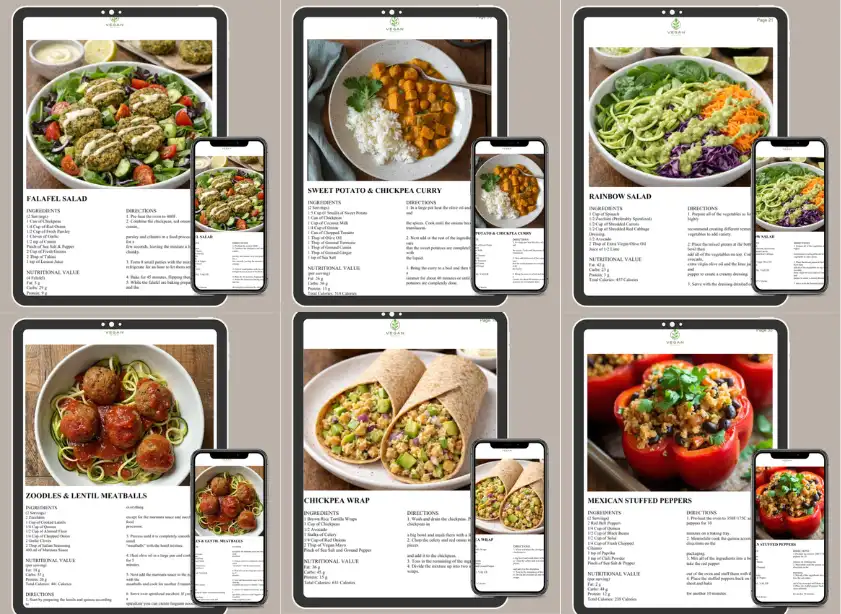
Psst.. Start your transformation now. Everything is done for you, 36 chef vegan recipes, 4 weekly grocery lists, and a full 28-day Meal Plan. Zero thinking, every meal decided. Balanced macros daily, one Sunday prep feeds your whole week. No subscription.
Get the Plan →The Flexibility Spectrum
Understanding where you fall on the flexibility scale clarifies your optimal dietary path. Vegan vs plant based decisions rarely exist as binary choices. Most people occupy a continuum shaped by lifestyle constraints, health conditions, ethical convictions, and environmental awareness. Recognizing your position prevents unnecessary guilt while maximizing adherence and long term success.
Strict Vegan Framework
This approach demands complete elimination of animal derived ingredients across all consumption categories. Food, clothing, personal care, and entertainment align with anti exploitation principles. Pros include unwavering ethical consistency, simplified ingredient reading, and strong community support. Cons involve higher planning demands, potential nutrient monitoring requirements, and occasional social friction. This path suits individuals prioritizing animal rights and environmental activism above convenience.
Whole Food Plant Based Framework
Centered on unprocessed botanical foods, this framework allows occasional animal products while emphasizing vegetables, legumes, whole grains, nuts, and seeds. Pros feature maximal nutrient density, proven clinical outcomes, and adaptable social integration. Cons include vigilance against processed plant alternatives and potential overcomplication of “whole food” definitions. This path suits individuals focused on longevity, metabolic health, and culinary variety.
Plant Forward Integration
Plant forward eating treats vegetables and legumes as the foundation while permitting smaller portions of animal products for flavor, convenience, or cultural practices. Pros offer seamless transition from standard diets, minimal lifestyle disruption, and gradual habit formation. Cons include potential inconsistency in health markers if animal portions exceed recommended thresholds. This path suits beginners testing dietary changes or families blending traditional recipes with modern wellness goals. For structured family implementation, the vegan meal plan for families guide covers age appropriate adjustments and bulk cooking strategies.
Navigating Mixed Environments
Shared households often require hybrid approaches. Partners may hold different ethical priorities, children need predictable nutrition, and elders maintain lifelong food traditions. Successful navigation involves designating core plant based meals while allowing optional additions based on individual preference. Batch cooking legumes, roasting seasonal vegetables, and preparing versatile sauces creates adaptable meal components that serve multiple dietary styles without doubling kitchen work.
How to Choose Your Path
Deciding between vegan vs plant based lifestyles requires honest self assessment. Start by identifying your primary motivation. Animal welfare concerns naturally align with veganism. Health optimization and disease prevention point toward whole food plant based patterns. Environmental sustainability fits either framework, depending on your willingness to extend ethical choices beyond food. Clarifying your core driver eliminates second guessing when facing difficult dining situations or ingredient substitutions.
Next, evaluate your current kitchen infrastructure and cooking confidence. Beginners benefit from starting with familiar plant proteins like tofu, lentils, and chickpeas before exploring specialty alternatives. Gradual replacement of animal ingredients prevents overwhelm and allows digestive adaptation. Increasing fiber intake rapidly can cause temporary bloating, which resolves within two to three weeks as gut microbiota adjust. Hydration, mindful chewing, and fermented food inclusion smooth the transition significantly.
Budget considerations also shape sustainable choices. Plant based eating proves highly economical when centering meals on dry beans, rice, oats, frozen vegetables, and seasonal produce. Processed vegan alternatives and imported specialty items quickly inflate grocery bills. Strategic shopping focuses on bulk bins, store brands, and local market discounts. For actionable money saving techniques, the cheap vegan meals on a budget guide outlines cost per serving calculations and seasonal shopping calendars.
Skill development accelerates long term satisfaction. Mastering basic techniques like sautéing aromatics, cooking grains to perfect texture, balancing acid and salt in dressings, and repurposing leftovers transforms simple ingredients into satisfying meals. Culinary confidence reduces reliance on packaged substitutes while expanding flavor profiles. Practice builds intuition, making kitchen execution faster and more enjoyable over time.
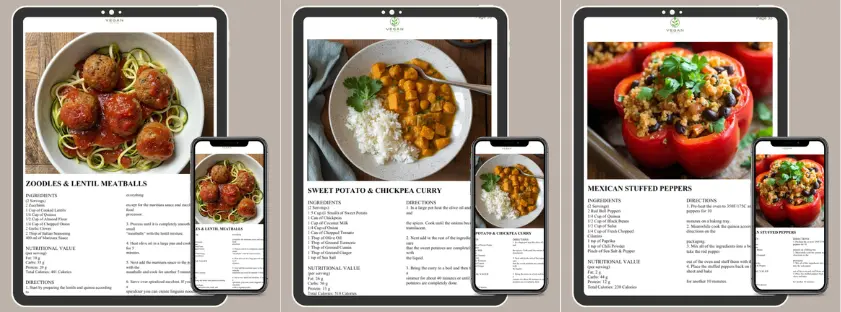
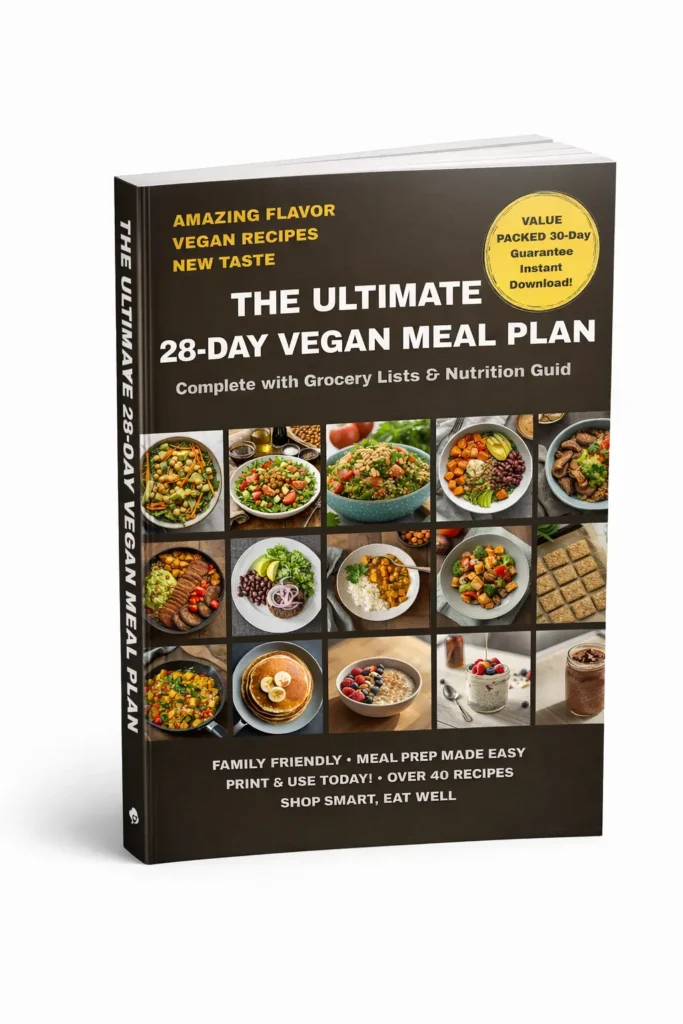
28-Day Vegan Meal Plan + Grocery list.
Transform your lifestyle with our comprehensive guide. This isn’t just a recipe book; it’s a complete system designed for success:
- 28-Day Meal Plan every meal, nothing to figure out
- 4 Weekly Grocery Lists sorted by aisle, saves money
- Balanced Macros protein, iron and B12 daily
- Under $1 Per Serving eat well on any budget
- 90-Min Sunday Prep one session, whole week fed
- Vegan Swaps Guide meat, dairy and eggs replaced
- Nutrition Toolkit protein targets and dining guide
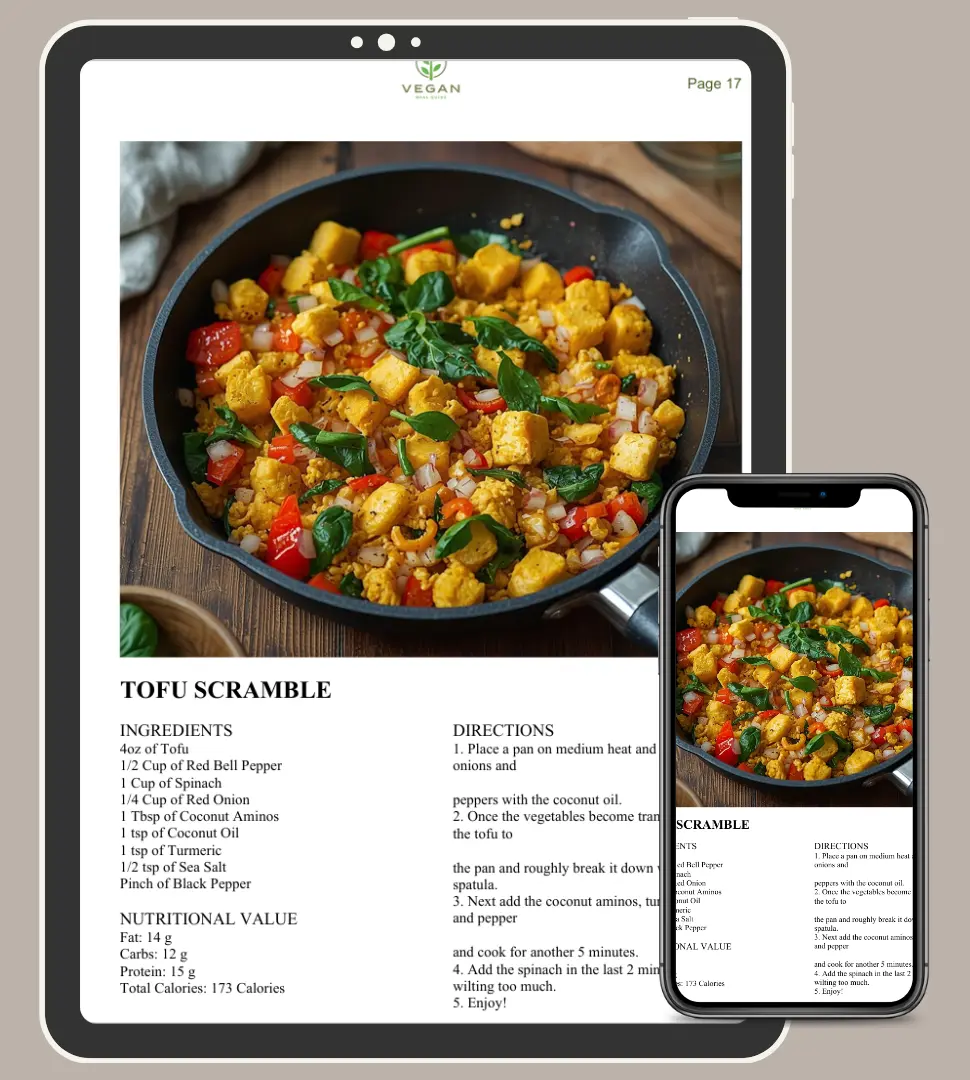
- 36 Chef Recipes every meal photographed
Weekly Framework for Success
Implementing your chosen dietary pattern requires systematic organization. The following framework demonstrates how to structure a seven day eating schedule that balances preparation efficiency, nutritional adequacy, and meal variety. Adjust portion sizes based on activity level, metabolic rate, and individual hunger cues. Consistency matters more than perfection.
Breakfast: Oatmeal with chia seeds, walnuts, and berries
Lunch: Lentil soup with whole grain bread
Dinner: Stir fried tofu with broccoli and brown rice
Breakfast: Green smoothie with spinach, banana, and hemp hearts
Lunch: Quinoa salad with roasted chickpeas and tahini dressing
Dinner: Black bean tacos with avocado and cabbage slaw
Breakfast: Whole wheat toast with almond butter and sliced pear
Lunch: Leftover quinoa salad wrapped in collard greens
Dinner: Mushroom and spinach pasta with garlic olive oil
Breakfast: Chia pudding made with fortified plant milk and mango
Lunch: Roasted vegetable and hummus grain bowl
Dinner: Red lentil curry with cauliflower rice
Breakfast: Scrambled tofu with nutritional yeast and tomatoes
Lunch: Black bean and sweet potato chili
Dinner: Veggie loaded pizza on whole wheat crust
Breakfast: Buckwheat pancakes with blueberries and maple syrup
Lunch: Large salad with edamame, seeds, and citrus vinaigrette
Dinner: Stuffed bell peppers with quinoa, beans, and salsa
Breakfast: Smoothie bowl with granola and coconut flakes
Lunch: Leftover stuffed peppers and mixed greens
Dinner: Batch cooking session: roast vegetables, cook grains, prep proteins
Streamlining weekly execution reduces decision fatigue and ensures consistent nutrient intake. The vegan meal prep for beginners guide details time blocking strategies, container rotation systems, and storage best practices that keep food fresh and accessible.
Debunking Persistent Misconceptions
Misinformation surrounding plant centered diets persists across social media, casual conversations, and outdated medical advice. Separating fact from fiction empowers confident decision making when evaluating vegan vs plant based approaches. Evidence based clarification removes unnecessary hesitation and supports sustainable implementation.
Myth 1: Plant Proteins Are Incomplete
Truth: Every plant food contains all nine essential amino acids. Some contain lower amounts of specific amino acids, but consuming a variety of legumes, grains, nuts, and seeds throughout the day naturally completes the profile. The outdated protein combining rule requiring simultaneous consumption has been thoroughly debunked by modern nutritional science.
Myth 2: You Cannot Build Muscle Without Animal Protein
Truth: Muscle hypertrophy depends on total protein intake, progressive resistance training, and caloric surplus. Soy, pea, hemp, and rice proteins deliver complete amino acid profiles that support lean tissue synthesis equally well when consumed in adequate quantities. Elite athletes across strength and endurance sports thrive on plant based fueling protocols with documented performance metrics.
Myth 3: Plant Based Diets Lack Calcium and Iron
Truth: Leafy greens, fortified plant milks, tofu set with calcium sulfate, tahini, and dried fruits provide substantial calcium. Legumes, pumpkin seeds, quinoa, dark chocolate, and vitamin C rich combinations enhance non heme iron absorption significantly. Clinical studies show comparable bone density markers in well planned plant eaters versus omnivores. For comprehensive mineral optimization, the vegan iron sources guide covers bioavailability enhancers and absorption timing.
Myth 4: Eating This Way Is Too Expensive
Truth: Staples like dried beans, lentils, rice, oats, potatoes, and frozen vegetables rank among the most affordable grocery items globally. Processed meat alternatives and specialty imported products inflate costs unnecessarily. Home cooking, bulk purchasing, and seasonal selection dramatically reduce weekly spending while improving nutritional quality. Budget friendly execution proves consistently cheaper than standard animal centered diets when avoiding convenience premiums.
Myth 5: You Will Feel Weak and Tired Constantly
Truth: Fatigue during transition typically stems from inadequate caloric intake, insufficient hydration, or rapid fiber increases overwhelming digestion temporarily. Proper meal sizing, balanced macronutrient distribution, and gradual adaptation eliminate energy crashes within weeks. Most practitioners report sustained vitality, improved mental clarity, and stable blood sugar once metabolic adaptation completes. For targeted energy optimization, the vegan foods for energy guide outlines timing strategies and nutrient dense snacks.
Frequently Asked Questions
Can I switch from vegan to plant based or vice versa easily?
Transitioning between vegan vs plant based frameworks depends entirely on your motivation shift. Moving from strict veganism to plant based eating introduces occasional animal ingredients while maintaining vegetable centrality. Shifting from plant based to veganism requires eliminating honey, dairy alternatives with animal derivatives, and non food animal products. Both transitions succeed when implemented gradually, allowing digestive adaptation and habit formation without overwhelming lifestyle disruption.
Do I need supplements on either diet?
Strict veganism universally requires vitamin B12 supplementation due to the complete absence of reliable dietary sources. Plant based eaters consuming dairy or eggs may meet B12 needs through those ingredients, though monitoring remains advisable. Omega 3 supplementation proves beneficial for both frameworks when algae based DHA and EPA targets prove difficult through dietary sources alone. Vitamin D, iodine, and iron supplementation depend on individual blood work, geographic location, and dietary variety. Consult a registered dietitian for personalized testing protocols.
Is vegan vs plant based eating suitable for children and pregnancy?
Both approaches support healthy development and fetal growth when carefully planned to meet elevated nutrient demands. Children require adequate calories, complete proteins, calcium, iron, zinc, and vitamin D for proper growth trajectories. Pregnant and lactating individuals need increased folate, iron, iodine, choline, and DHA intake. Working with a prenatal dietitian ensures safe implementation while monitoring growth milestones and maternal nutrient stores consistently throughout the lifecycle.
Will I lose weight automatically by switching?
Weight loss occurs when caloric intake falls below expenditure, regardless of dietary label. Plant based and vegan patterns naturally increase fiber volume and reduce energy density, often leading to spontaneous calorie reduction. However, highly processed vegan alternatives, excessive oil usage, and oversized portions can prevent weight loss entirely. Successful outcomes require mindful portion control, protein prioritization, and consistent physical activity alongside whole food selection.
What is the easiest way to follow a vegan vs plant based eating plan?
The simplest approach is to follow a structured plan. The Ultimate 28-Day Vegan Meal Plan + Grocery List (Complete Solution) includes nutritionist approved recipes and easy weekly grocery lists covering all 4 weeks, making it easy to start without planning everything from scratch.
How do I handle dining out and social gatherings?
Advance communication with restaurants ensures accommodating options without compromising your values or health goals. Calling ahead, reviewing online menus, and requesting chef modifications typically yield satisfactory results. At social events, offer to bring a shareable plant based dish that everyone enjoys. This guarantees you have safe options while introducing others to delicious alternatives. Flexibility during rare occasions prevents social isolation while maintaining long term adherence.
Does cooking from scratch take significantly more time?
Batch cooking and strategic planning actually reduce total weekly kitchen time compared to daily decision making. Preparing large quantities of grains, beans, roasted vegetables, and sauces on weekends creates assembly style meals throughout the week. Modern kitchen tools like pressure cookers, food processors, and slow cookers accelerate preparation significantly. For time optimized execution, the ultimate 30 day vegan meal prep plan provides detailed scheduling templates.
Can athletes perform optimally on plant based diets?
Research consistently demonstrates that plant centered nutrition supports elite athletic performance across endurance, strength, and team sports. Higher carbohydrate availability enhances glycogen storage, while abundant antioxidants accelerate recovery and reduce inflammation. Protein requirements increase proportionally with training volume, which remains easily achievable through soy, legumes, seeds, and targeted supplementation. Strategic meal timing around workouts maximizes adaptation and competitive outcomes.
How do I read labels effectively to avoid hidden animal ingredients?
Strict veganism requires vigilance regarding whey, casein, gelatin, shellac, carmine, lanolin, and certain vitamin D3 sources derived from sheep wool. Plant based eaters may permit these ingredients depending on personal boundaries. Scanning ingredient lists systematically, utilizing certification symbols, and consulting manufacturer websites ensures accurate compliance. Familiarity with common additives develops quickly with practice, turning label reading into an automatic habit.
Will my digestive system adjust to higher fiber intake?
The gut microbiome adapts remarkably to dietary shifts within two to four weeks. Initial bloating, gas, or altered bowel movements typically resolve as beneficial bacteria populations expand to digest increased fiber efficiently. Gradual implementation, adequate hydration, mindful chewing, and incorporating fermented foods like kimchi, sauerkraut, and tempeh smooth the transition significantly. Persistent discomfort warrants professional evaluation to rule out underlying conditions like IBS or SIBO.
Are there reliable resources for ongoing education?
Evidence based platforms like peer reviewed journals, registered dietitian publications, and clinical research databases provide accurate information free from marketing influence. Government health agencies publish comprehensive guidelines on plant based nutrition, while professional organizations maintain position statements on dietary safety. Avoiding anecdotal social media advice and prioritizing scientifically validated sources ensures sound decision making throughout your journey. For curated educational materials, the best vegan resources 2026 guide compiles verified references and expert publications.
How do I maintain long term motivation without burning out?
Sustainable adherence stems from aligning dietary choices with personal values, celebrating small victories, and cultivating culinary creativity. Experimenting with global flavor profiles, mastering new techniques, and connecting with supportive communities reinforce positive habits. Tracking non scale victories like improved energy, clearer skin, better digestion, and enhanced mood maintains intrinsic motivation during plateaus. Flexibility prevents rigidity, allowing occasional indulgences without guilt while preserving overall pattern consistency.
Choosing Clarity Over Confusion
Navigating the landscape of vegan vs plant based eating ultimately reduces to identifying your core motivation and aligning your daily habits accordingly. Both frameworks deliver measurable health benefits, environmental advantages, and ethical consistency when implemented thoughtfully. The distinction lies not in superiority but in personal fit, lifestyle flexibility, and long term sustainability. By understanding the nutritional requirements, preparing strategically, and embracing gradual implementation, you build a resilient foundation that supports lifelong wellness. The Ultimate 28-Day Vegan Meal Plan + Grocery List (Complete Solution) gives you exactly that, with 36 chef tested recipes with a photo for every recipe, easy weekly grocery lists covering all 4 weeks, and a complete 28 day calendar so you always know what to prepare next.
Tired of overthinking your meals?
What’s included in your download
- 28-Day Meal Plan
- 4 Weekly Grocery Lists
- Balanced Nutrtion, protein, iron, B12
- Under $1 Per Serving
- 90-Min Sunday Prep
- Vegan Swaps Guide
- Nutrition Toolkit
- Beginner Action Plan
- Dining Out Guide
- 36 Chef Recipes
Instant PDF download. No subscriptions.
🌱 Ready to Start Your Journey?
Now that you know the difference, here is exactly how to transition to a plant-based lifestyle successfully:
- ⭐ The Master Plan: How to Start Vegan in 30 Days
- 🛡️ Emergency Hacks: Your First 7 Days: Hour-by-Hour Survival
- 📈 Long-Term Goals: The 90-Day Transformation Milestones
- 📋 Quick Reference: The Essential Nutrition Cheat Sheet
Make it easy with a proven plan:
Get the 28-Day Beginner Meal PlanP.S. I put together a 28-Day Vegan Meal Plan with all the details shopping lists included to help you eat well without the hassle. It’s free, and you can check it out here.
Want to try before you buy?
Enter your email below to get 2 free recipes instantly: