Medical Disclaimer: This article is for informational and educational purposes only. Osteoporosis is a serious medical condition requiring diagnosis and management by a qualified physician. Nothing here constitutes medical advice or a substitute for professional care. If you have been diagnosed with osteoporosis or osteopenia, consult your doctor or registered dietitian before making significant dietary changes.
Vegan Diet for Osteoporosis: The Complete Plant-Based Bone Density Guide
The Bone Density Science: What Actually Drives Loss
Bone is not a static structure. It is a living tissue in constant remodelling, with two cell types in continuous dynamic balance: osteoblasts, which build new bone matrix and deposit mineral into it, and osteoclasts, which resorb old or damaged bone. In healthy adults, these processes are in equilibrium. In osteoporosis, resorption chronically outpaces formation, and bone mineral density (BMD) declines progressively until fracture risk becomes clinically significant.
The primary drivers of this imbalance are hormonal (oestrogen loss at menopause accelerates resorption dramatically), age-related (peak bone mass is typically reached between ages 25 and 35, after which net loss is the default trajectory), gravitational (mechanical loading from weight-bearing exercise is the strongest stimulus for osteoblast activity), and nutritional. The nutritional drivers are where diet has leverage, and where a well-designed vegan diet for osteoporosis can meaningfully intervene.
The 16% higher fracture risk finding in some vegan cohort data is worth addressing directly. This figure comes from the EPIC-Oxford study and has been widely cited as evidence against vegan diets for bone health. However, when the data are stratified by calcium intake, vegans with calcium intake above 525mg per day show no increased fracture risk compared to meat eaters. The risk is from inadequate calcium intake, not from the dietary pattern itself. A vegan diet for osteoporosis that meets calcium, vitamin D, K2, and protein needs eliminates this risk entirely.
The full nutritional picture of what drives and protects bone health on a plant-based diet requires understanding each of the six key nutrients. Their interactions are as important as their individual contributions: vitamin D enables calcium absorption, K2 directs absorbed calcium to bone rather than arteries, magnesium activates vitamin D, and protein provides the collagen scaffold into which calcium deposits. Deficiency in any one creates a bottleneck regardless of how well the others are covered. Nutrient deficiency gaps in plant-based diets are comprehensively mapped in the vegan nutrient deficiencies guide on this site.
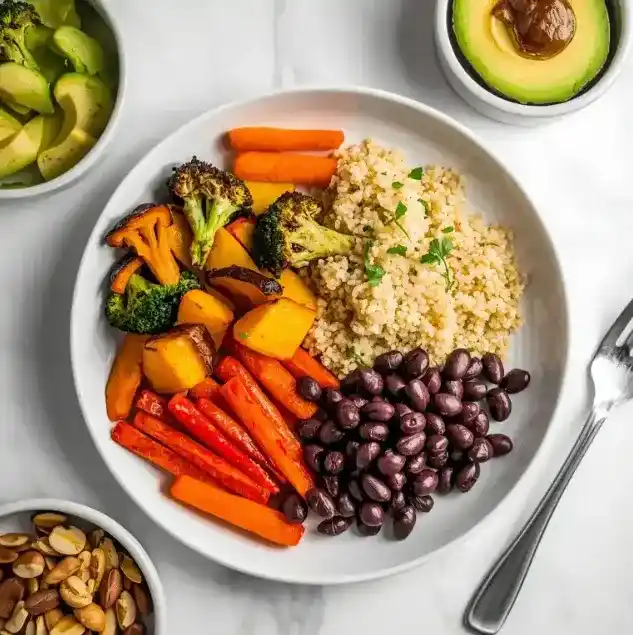
-
Complete 28-day calendarEvery breakfast, lunch, dinner & snack planned
-
40+ nutritionist-approved recipesVibrant photo for every single dish
-
Easy weekly grocery listsShop smart, spend less, waste nothing
-
Protein, iron & B12 at every mealNutritionally complete — no guesswork
-
Saves 7+ hours weeklyPrint it once, follow it all month
-
Bonus: Nutrition Guide ToolkitVegan tips, guides & family meal prep
The 6 Nutrients That Matter Most for Vegan Bone Health
The protein-bone connection is frequently underestimated and sometimes actively confused by well-intentioned but outdated guidance. An older theory suggested that high protein diets acidify the blood, causing the body to buffer acidity by leaching calcium from bones. This theory has not held up under clinical scrutiny. Current evidence confirms that adequate protein intake, including from plant sources, is positively associated with bone mineral density, not negatively. Protein provides the collagen scaffold into which calcium is deposited, and osteoblast activity is directly dependent on amino acid availability. For vegans managing osteoporosis, ensuring protein adequacy from legumes, tofu, tempeh, and seeds is a bone health priority, not a concern. The vegan protein sources guide covers the best plant foods for meeting protein needs that directly support bone collagen formation.
Vitamin B12 is worth mentioning specifically. Elevated homocysteine, which results from B12 deficiency, impairs the crosslinking of collagen fibres in bone matrix. This is not a theoretical risk: multiple studies confirm higher fracture rates in populations with elevated homocysteine, and B12 deficiency is universal in unsupplemented vegans. Ensuring adequate B12 supplementation from the vegan B12 guide is therefore directly relevant to bone health on a plant-based diet, not just neurological function.
Calcium Without Dairy: Top Plant Sources Ranked
The assumption that adequate calcium requires dairy is one of the most persistent nutritional myths in Western culture. It reflects dairy industry marketing more than nutritional science. Multiple plant foods provide calcium in quantities and bioavailabilities that match or in some cases exceed dairy. The vegan diet for osteoporosis can meet the 1,000 to 1,200mg daily calcium target entirely from plant sources, provided the right foods are chosen consistently.
Calcium Bioavailability: Plant vs Dairy
Dairy milk: approximately 32% absorption rate. A 250ml glass provides ~300mg calcium, of which ~96mg is absorbed.
Kale: approximately 49% absorption rate. A 100g serving provides ~150mg calcium, of which ~73mg is absorbed. Gram for gram, kale calcium is better absorbed than dairy calcium.
Calcium-set tofu: approximately 31% absorption rate. Similar to dairy. 100g provides ~350mg, of which ~108mg is absorbed.
Fortified plant milk: approximately 30 to 36% absorption rate depending on the calcium compound used (calcium carbonate vs tricalcium phosphate). Comparable to dairy when calcium carbonate is used and the milk is shaken before pouring.
Spinach calcium: approximately 5% absorption rate due to high oxalate content. Do not use spinach as a calcium source for osteoporosis management despite its high listed calcium content.
Building a daily calcium plan from plant sources that reaches 1,000 to 1,200mg requires structure but not effort once the foods are understood. Two servings of fortified plant milk (600mg), two servings of calcium-set tofu across two meals (700mg), and a daily contribution from kale, bok choy, tahini, almonds, and white beans across the day adds another 300 to 400mg. A well-planned vegan diet for osteoporosis easily reaches 1,000 to 1,200mg daily from food alone. Older vegans benefit from prioritising calcium-set tofu and fortified plant milk as the most reliable daily calcium foundations.
Spotlight: 6 Key Plant Foods for Bone Density
Check the label: tofu made with calcium sulphate (E516) or calcium chloride is the calcium-set variety. It provides more calcium per serving than most dairy products. Also provides complete protein for bone collagen support. A daily staple in any vegan osteoporosis diet.
The single best leafy green for bone health: high calcium with exceptional bioavailability (49%), plus vitamin K1 for bone matrix support, vitamin C for collagen synthesis, and very low oxalate content. Cook lightly with olive oil daily.
Ground sesame is an underrated bone food. Two tablespoons provide 130mg calcium, meaningful magnesium, and zinc. Used daily in MENA cooking as a dressing, dip base, or sauce, it contributes consistently to the calcium stack without requiring deliberate supplementation.
The most important bone food for vegans that most people do not eat. Natto provides the only meaningful plant source of vitamin K2 (MK-7), the nutrient that activates osteocalcin and routes calcium into bone. Two to three servings per week maintains K2 levels for the following several days given MK-7’s long half-life.
A cruciferous vegetable with excellent calcium bioavailability (54%), very low oxalates, and significant vitamin C for collagen synthesis. More versatile than kale in Asian-inspired cooking. A regular presence in soups, stir-fries, and steamed preparations.
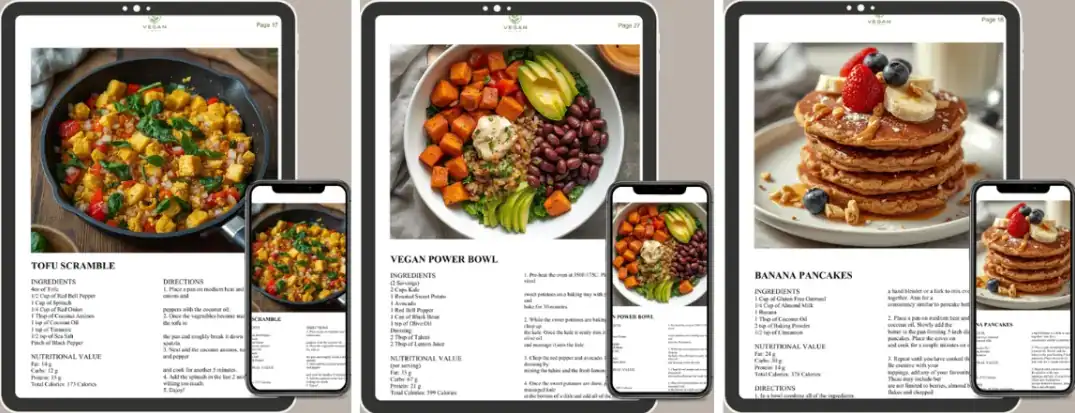
Cannellini and butter beans are the calcium-richest legumes and also provide magnesium, protein, and prebiotic fibre supporting gut health, which affects calcium absorption efficiency. 200g cooked white beans contribute approximately 260mg calcium alongside 14g protein.
The Acid-Load Myth Debunked
One of the most persistent and damaging nutritional myths in the osteoporosis space is the acid-ash hypothesis: the claim that high-protein diets and animal protein specifically acidify blood, causing the body to draw alkaline calcium from bone to buffer the acidity. This theory has been used to argue both that plant diets protect bones (through their “alkaline” nature) and that high-protein diets damage them. Both conclusions are wrong.
What the Evidence Actually Shows
The acid-ash hypothesis relies on a misunderstanding of human physiology. The body maintains blood pH within an extraordinarily tight range (7.35 to 7.45) through multiple buffering systems including the kidneys, lungs, and blood bicarbonate system. Dietary protein does slightly increase urinary calcium excretion, which was interpreted as bone calcium loss. However, controlled isotope tracing studies have demonstrated that the increased urinary calcium after high protein intake comes from enhanced calcium absorption in the gut, not from bone resorption. The net effect of adequate protein on bone is positive, not negative.
Large-scale population studies and meta-analyses consistently find that higher protein intake, from both animal and plant sources, is associated with higher bone mineral density and lower fracture risk, not lower. The clinical evidence entirely contradicts the acid-ash hypothesis. Vegans with osteoporosis should not restrict protein out of concern for bone calcium loss: they should actively ensure adequate protein intake to support bone collagen synthesis and osteoblast function.
The genuine dietary threats to bone health are not protein or acid load, but chronic calcium inadequacy, vitamin D deficiency, vitamin K2 absence, physical inactivity, smoking, excessive alcohol, and corticosteroid medication use. A plant-based diet that addresses the genuine nutritional gaps, as covered in this guide, is entirely compatible with excellent bone health across the lifespan.
Vitamin D and K2: The Two Most Critical Supplements
If there are two supplements that every vegan managing osteoporosis or seeking to prevent it must take seriously, they are vitamin D3 and vitamin K2 as MK-7. These are the two nutrients most consistently deficient in plant-based diets and most directly implicated in the bone density outcomes that distinguish successful from unsuccessful vegan bone health strategies.
Vitamin D3: Dosing and Testing for Vegan Bone Health
Without adequate vitamin D, only 10 to 15% of dietary calcium is absorbed in the gut. With vitamin D levels in the optimal range of 75 to 125 nmol/L, absorption increases to 30 to 40%. For someone consuming 1,000mg dietary calcium, this is the difference between absorbing 100 to 150mg and absorbing 300 to 400mg per day. The implication for bone mineral density over years is substantial.
Get serum 25(OH)D tested before supplementing. Target 75 to 125 nmol/L for bone health optimisation. Use vegan D3 derived from lichen, not D2, which is less potent and less stable. Start with 1,000 to 2,000 IU daily and retest after 12 weeks. Take with the largest fat-containing meal of the day for best absorption. The full vitamin D guide on this site covers food sources and testing in detail at the vegan vitamin D foods guide.
Vitamin K2 MK-7: The Bone-Calcium Routing Protein
K2 activates osteocalcin, the protein produced by osteoblasts that anchors calcium into bone crystal structure. Without K2, osteocalcin remains inactive (undercarboxylated) and calcium absorbed from the diet circulates without being efficiently incorporated into bone. Multiple randomised controlled trials confirm that MK-7 supplementation at 90 to 200 mcg per day improves bone mineral density and reduces markers of bone resorption in postmenopausal women. For vegans with osteoporosis, MK-7 supplementation is arguably the highest-priority intervention after vitamin D correction.
Natto eaten two to three times weekly is the only meaningful food strategy for K2 in a vegan diet. If natto is not practical, a vegan-certified MK-7 supplement at 100 to 200 mcg daily is the reliable alternative. Take with vitamin D and a fat-containing meal. The full K2 guide on this site, covering natto sources and supplementation, is at the vegan vitamin K foods guide.
The D and K2 synergy is critically important for bone health: vitamin D drives calcium absorption from the gut, increasing circulating calcium. Vitamin K2 then activates the proteins that direct this calcium into bone mineral rather than allowing it to deposit in arteries and soft tissue. Taking vitamin D without adequate K2 may increase calcium availability without ensuring it goes to bone. Taking both together, as part of a fat-containing meal, creates the optimal bone-building environment from supplementation. This same D and K2 synergy supports immune function and cardiovascular health alongside bone density.
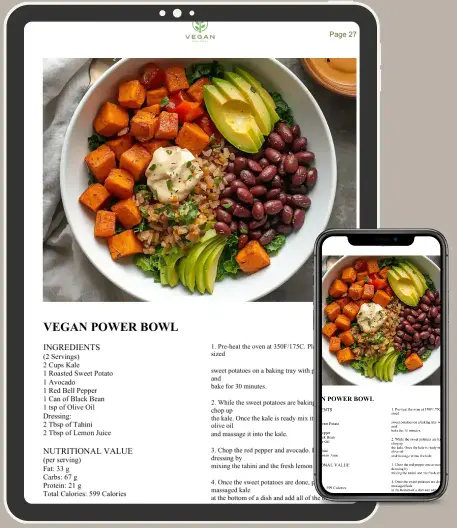
The Complete 28-Day Vegan Meal Plan + Grocery List
- 28-day structured calendar — breakfast, lunch, dinner & snack, every single day
- Every meal meets protein, iron & B12 — no guesswork, no gaps
- 4 weekly grocery lists — categorised, budget-friendly, zero waste
- Saves 7+ hours weekly — print once, follow all month
- Bonus Nutrition Guide Toolkit — vegan tips, guides & family meal prep
Instant digital download · Printable PDF · Use today
Bone Density Across the Lifespan: The Critical Windows
Understanding when bone density changes occur helps prioritise the vegan diet for osteoporosis strategy across different life stages. Intervention is most effective when targeted to the windows of greatest bone activity.
7-Step Vegan Osteoporosis Nutrition Protocol
Build daily calcium intake to 1,000 to 1,200mg from plant sources. Use calcium-set tofu (check label for calcium sulphate), fortified plant milk (shake before pouring, as calcium settles), kale and bok choy cooked daily, tahini in dressings and sauces, and white beans in stews. Avoid relying on spinach or beet greens as calcium sources despite their listed content: high oxalates reduce absorption to near zero. Track for one week to establish your baseline and identify gaps. Spread calcium intake across three meals rather than consuming it all at once, as absorption is limited to approximately 500mg per eating occasion.
Test and supplement vitamin D3 to reach 75 to 125 nmol/L. This is the single highest-impact intervention in the vegan diet for osteoporosis. Use lichen-derived D3. Take with your largest fat-containing meal for best absorption. Retest serum 25(OH)D after 12 weeks to confirm your dose is achieving the target. Most people in non-tropical climates need 1,500 to 3,000 IU daily to maintain optimal levels, though individual variation is significant. Your GP or specialist can advise on appropriate dosing based on your test results.
Add vitamin K2 as MK-7 at 100 to 200 mcg daily, or eat natto 2 to 3 times per week. This activates osteocalcin to anchor calcium into bone rather than circulating it unrouted. MK-7 has a 72-hour half-life, so consistency rather than daily timing is the priority. Take with your vitamin D supplement and a fat-containing meal for fat-soluble vitamin absorption. Do not use MK-4 short-chain K2 as the primary supplement: MK-7 from fermented soybeans has the most robust clinical evidence for bone density outcomes.
Ensure adequate magnesium intake from green vegetables and legumes. Magnesium is required to convert vitamin D to its active form in the kidneys. Without magnesium, D3 supplementation cannot reach its full effectiveness. Daily kale, chard, lentils, pumpkin seeds, and dark chocolate (70%+) covers magnesium needs for most adults. Target 320mg (women) to 420mg (men) daily. Detailed magnesium food sources are in the vegan magnesium guide on this site.
Meet protein targets of 1.0 to 1.2g per kilogram body weight daily. Bone is 30% collagen. Osteoblast function requires amino acid availability. Protein intake below 0.8g per kg is associated with impaired bone formation even when calcium and D are adequate. Use legumes, tofu, tempeh, edamame, and seeds as daily protein foundations. A 65kg woman needs approximately 65 to 78g protein daily for bone health optimisation. Soy protein from tofu and tempeh is the most complete and highest-quality plant protein for this purpose.
Supplement vitamin B12 and test homocysteine annually. Elevated homocysteine from B12 deficiency impairs collagen crosslinking in bone matrix, increasing fracture risk independently of bone mineral density. All vegans must supplement B12. If you have been vegan for years without supplementing, request a homocysteine test alongside your B12 level at your next blood test appointment. The full picture of what to test on a vegan diet is covered in the vegan blood test guide.
Prioritise weight-bearing exercise alongside dietary intervention. No dietary protocol for osteoporosis is complete without the mechanical loading component. Weight-bearing exercise, walking, resistance training, dancing, hiking, is the strongest known stimulus for osteoblast activity and new bone formation. It works synergistically with the nutritional protocol: calcium and protein provide the raw materials, and mechanical load signals the osteoblasts to use them. For vegans managing osteoporosis, resistance training two to three times per week alongside daily walking is the minimum effective physical activity dose for bone preservation.
Chef’s Perspective: MENA Bone-Building Culinary Traditions
In over twenty years of professional cooking across Lebanon, the Gulf, and Saudi Arabia, I cooked with ingredients that are now understood to be among the most effective plant-based bone health foods available. The MENA culinary tradition has always used sesame, legumes, leafy greens, and fortified preparations in combinations that deliver remarkable calcium and mineral density without any animal dairy.
Tahini is the centrepiece of this observation. In Lebanese cooking, tahini is not an occasional condiment. It is a daily presence: stirred into hummus in quantities that make it a primary ingredient, poured over falafel and fried vegetables as a sauce, used as the dressing base for tabbouleh and fattoush, and combined with lemon and garlic to create a sauce that appears at almost every meal. A typical Lebanese home might consume two to three tablespoons of tahini per person per day across all meal contexts. At 130mg calcium per two tablespoons, this daily tahini habit contributes 195 to 390mg calcium daily before any other food source is counted. Generations of Lebanese adults maintained bone health on largely plant-centred diets with tahini as a cornerstone calcium source.
The MENA tradition of slow-cooking legumes, particularly the white bean and fava bean traditions of Egypt and the Levant, provides the calcium, magnesium, and protein layer that completes the bone-building picture. Ful medames, slow-cooked fava beans finished with lemon and olive oil, is a calcium-magnesium-protein meal that has sustained populations through long working days for centuries. White bean stews cooked with herbs, olive oil, and tomato appear across the Gulf in forms that make legume intake a structural daily meal rather than an occasional choice.
When I design bone health meals today, I return to these traditions and simply amplify the elements we now understand to matter most: calcium-set tofu instead of meat in stir-fries (leveraging soy’s superior protein profile), kale and bok choy alongside the traditional parsley and mint, and a vitamin K2 consideration through natto stirred into miso dressings or eaten alongside rice in Japanese-influenced preparations. Traditional MENA cooking and evidence-based bone nutrition arrive at the same place.
Frequently Asked Questions: Vegan Diet for Osteoporosis
Can vegans really get enough calcium without dairy?
Yes, and the scientific evidence is clear on this point. Multiple plant foods provide calcium in quantities and bioavailabilities that match or exceed dairy. Calcium-set tofu provides more calcium per 100g than cow’s milk. Kale has a 49% calcium absorption rate compared to dairy’s 32%, meaning gram-for-gram, kale calcium is more efficiently absorbed. Fortified plant milk provides equivalent calcium to dairy milk in a 250ml serving. Building a vegan diet for osteoporosis that reaches 1,000 to 1,200mg calcium daily from calcium-set tofu, fortified plant milk, kale, bok choy, tahini, white beans, almonds, and chia seeds is entirely practical and evidence-supported.
Is a vegan diet safe if I already have osteoporosis?
A well-planned vegan diet for osteoporosis is not only safe but can be nutritionally superior to a standard omnivore diet for bone health when the six key nutrients are addressed. The risks come from an unplanned vegan diet that neglects calcium, vitamin D, K2, and protein. With deliberate planning across these nutrients, supplementation of D3 and K2, and adequate protein from legumes and soy foods, a plant-based diet supports bone preservation as effectively as any omnivore dietary pattern. Work with a registered dietitian familiar with plant-based nutrition to personalise the protocol to your specific bone density data and health context.
What is the best plant-based calcium source for osteoporosis?
Calcium-set tofu is the single best plant calcium source for osteoporosis management: it provides approximately 350mg calcium per 100g with a bioavailability of approximately 31%, comparable to dairy milk. It also provides complete protein essential for bone collagen support. The key is checking the ingredient label for calcium sulphate (E516) or calcium chloride, which confirm calcium-setting. Tofu made with magnesium chloride (nigari) is traditional Japanese tofu and contains far less calcium. Fortified plant milk is the next most reliable source at approximately 300mg per 250ml serving, with absorption rates comparable to dairy when calcium carbonate is the fortification agent and the milk is shaken before serving.
Should vegans with osteoporosis take calcium supplements?
Food sources of calcium are preferable to supplements for osteoporosis management. Large calcium supplement trials, most notably the Women’s Health Initiative calcium and vitamin D trial, have raised concerns about possible cardiovascular risk from high-dose calcium supplementation (above 500mg per day as a supplement), particularly without concurrent vitamin K2. If dietary calcium intake is consistently below 800mg despite food-based efforts, a low-dose calcium supplement of 250 to 500mg taken with meals can be added under medical supervision. Always take calcium supplements with food and alongside vitamin K2 to ensure the additional calcium is routed to bone rather than arterial tissue.
Does a vegan diet increase osteoporosis risk?
An unplanned vegan diet with low calcium and vitamin D intake is associated with higher fracture risk in some cohort studies, notably EPIC-Oxford. However, when vegan participants in that study are stratified by calcium intake, those consuming above 525mg daily show no increased fracture risk compared to meat eaters. The risk is specifically from nutrient gaps, not from the dietary pattern itself. A well-designed vegan diet for osteoporosis that meets calcium, vitamin D, K2, and protein needs produces bone health outcomes comparable to well-planned omnivore diets. Planning is the key variable, not whether the diet includes animal products.
How does protein affect bone health on a vegan diet?
Protein is essential for bone health and higher protein intake is associated with better bone mineral density, not worse. Bone is approximately 30% collagen protein scaffold. Adequate protein supports osteoblast function, collagen synthesis, and calcium retention. The outdated acid-ash hypothesis suggested protein leaches calcium from bone, but isotope tracing studies have disproven this: increased urinary calcium after higher protein intake comes from enhanced gut absorption, not bone resorption. Vegans with osteoporosis should target 1.0 to 1.2g protein per kilogram body weight daily from diverse plant sources, not restrict protein out of concern for bone health.
What is the role of vitamin K2 in vegan osteoporosis management?
Vitamin K2 activates osteocalcin, the protein produced by bone-building osteoblasts. When osteocalcin is fully activated (carboxylated) by K2, it anchors calcium crystals into the bone mineral matrix. Without K2, osteocalcin remains inactive and calcium absorbed from the diet circulates without efficient incorporation into bone. Multiple RCTs confirm MK-7 supplementation improves bone mineral density and bone strength in postmenopausal women. For vegans, K2 is almost entirely absent from the diet except through natto. Supplementing MK-7 at 100 to 200 mcg daily alongside vitamin D3 is the most evidence-supported non-dietary K2 strategy for vegan osteoporosis management.
Which vegan foods should be avoided by those with osteoporosis?
Spinach, beet greens, and Swiss chard are high in calcium on paper but also extremely high in oxalates, which bind calcium in the gut and prevent absorption. Their calcium bioavailability is approximately 5%, making them ineffective calcium sources for osteoporosis despite their nutrient content listings. Do not avoid them entirely, as they provide other important nutrients, but do not count their calcium toward your daily target. High sodium processed foods increase urinary calcium excretion. Very high caffeine intake (above 400mg daily) modestly reduces calcium retention. Excessive alcohol impairs osteoblast function and vitamin D metabolism. None of these requires total elimination, but awareness of their effect on calcium balance is relevant for anyone managing osteoporosis.
Is tofu good for osteoporosis?
Calcium-set tofu is one of the best single foods for a vegan osteoporosis diet. It provides approximately 350mg calcium per 100g with good bioavailability, alongside complete protein for bone collagen synthesis, magnesium, and isoflavones from soy that have modest oestrogen-like activity potentially supporting bone density in postmenopausal women. The critical point is to use calcium-set tofu specifically, not all tofu. Check the label for calcium sulphate or calcium chloride as a coagulant. Standard tofu made with magnesium chloride (nigari) provides far less calcium and should not be relied upon as a calcium source for osteoporosis management.
What should vegans with osteoporosis test for in blood tests?
Key blood markers for vegans managing osteoporosis: serum 25(OH)D (vitamin D status), serum calcium (to assess current calcium levels, though this is buffered tightly and not the most sensitive marker of dietary calcium adequacy), serum B12 and homocysteine (elevated homocysteine impairs bone collagen crosslinking), and undercarboxylated osteocalcin (a functional marker of vitamin K2 status, though this requires specialist testing). Additionally, a DEXA scan every one to two years provides the most direct measure of bone mineral density change over time. The complete guide to vegan blood testing is available at the vegan blood test guide on this site.
How does gut health affect calcium absorption in vegans with osteoporosis?
Gut health directly affects calcium absorption efficiency. Vitamin D-dependent active transport of calcium occurs in the small intestinal epithelium, and gut barrier integrity affects how efficiently this transport works. Conditions that impair gut health, including celiac disease (common in people with osteoporosis), inflammatory bowel disease, and significant gut dysbiosis, all reduce calcium absorption even when dietary intake is adequate. High dietary fibre from whole plant foods supports gut microbiome diversity and barrier integrity, which supports calcium absorption over time. Ensuring gut health through diverse prebiotic plant fibre and fermented foods is therefore directly relevant to the vegan diet for osteoporosis, not just a general wellness consideration.
Does the anti-inflammatory vegan diet help with osteoporosis?
Yes. Chronic systemic inflammation promotes osteoclast activity (bone resorption) and suppresses osteoblast function (bone formation). Elevated inflammatory cytokines including TNF-alpha and IL-6 directly stimulate osteoclast differentiation. A whole-food plant-based diet consistently reduces these inflammatory markers through reduced saturated fat intake, increased antioxidant load, and improved gut microbiome composition. The anti-inflammatory plant-based eating framework covered in the anti-inflammatory vegan diet guide on this site provides a complementary framework to the bone-specific nutrition protocol in this guide. Addressing both the direct nutritional inputs for bone building and the inflammatory environment that regulates bone remodelling creates the strongest possible dietary strategy for osteoporosis prevention and management.
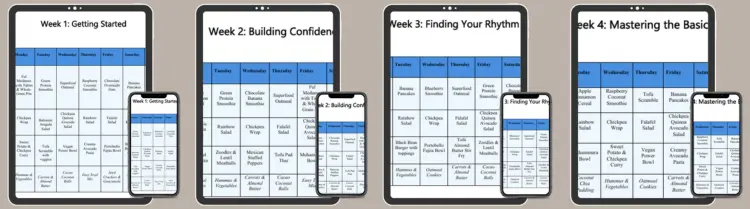
28-Day Vegan Meal Plan
+ Grocery List
Complete Solution · Nutritionist-Approved · Print & Use Today
Read on any device · No apps needed
Conclusion: A Vegan Diet for Osteoporosis That Actually Works
The evidence is clear and the strategy is practical. A vegan diet for osteoporosis is not a compromise or a risk. It is a genuine pathway to bone health when the six key nutrients are understood and consistently addressed. Calcium from calcium-set tofu, fortified plant milk, kale, bok choy, tahini, and white beans replaces dairy without sacrificing bioavailability. Vitamin D3 from lichen-derived supplements corrects the near-universal deficiency. Vitamin K2 from natto or MK-7 supplements activates the osteocalcin that routes calcium into bone. Magnesium from leafy greens and legumes activates the vitamin D. Protein from soy foods and legumes provides the collagen scaffold that calcium deposits into. And weight-bearing exercise gives the osteoblasts the mechanical signal to build.
The myth that dairy is essential for bone health has no support in the evidence base and has kept many people from exploring the genuinely excellent plant-based bone nutrition strategies available. A vegan diet built on the foods and supplements in this guide, supported by the full nutrient picture from a structured plant-based nutrition approach, provides everything bone tissue needs to maintain density, mineralisation, and resilience. A vegan diet for osteoporosis, built this way, is a genuine long-term strategy for bone health across the lifespan.
For supporting research, the NIH Office of Dietary Supplements calcium fact sheet at ods.od.nih.gov provides evidence-graded nutritional guidance. The clinical literature on plant-based diets and bone health is available through PubMed. Vegan-specific nutritional guidance including bone health considerations is available at VeganHealth.org.