Medical Disclaimer: This article is for informational and educational purposes only. If you have kidney disease, are taking potassium-sparing medications (such as ACE inhibitors or spironolactone), or have been advised to limit potassium intake by a physician, consult your healthcare provider before increasing dietary potassium. High potassium intake can be dangerous for people with impaired kidney function.
Vegan potassium foods are, in theory, one of the clearest advantages of a plant-based diet. Potassium is found abundantly in legumes, leafy greens, starchy vegetables, and fruits. Every food group that defines plant-based eating is rich in it. Yet fewer than 5 percent of Americans, including vegetarians and vegans, meet the recommended 4,700 mg daily intake.
The gap is not a plant problem. It is a pattern problem. A vegan diet built around refined grains, pasta, bread, and plant-based convenience foods delivers far less potassium than one built around legumes, whole vegetables, and unprocessed starchy foods. The difference between these two eating patterns, both technically vegan, can be the difference between 2,000 mg and 4,500 mg of potassium per day.
This guide corrects the banana myth, shows you which vegan potassium foods actually deliver, explains why potassium matters for blood pressure, bone mineral density, and athletic performance, and closes with a protocol that gets most people to 4,000-4,700 mg without any specialised products or expensive supplements.
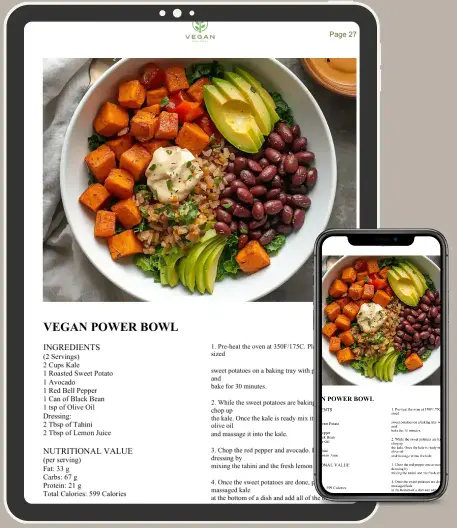
Ultimate 28-Day Vegan Meal Plan
+ Complete Grocery List & Toolkit
Built by a professional chef with 10+ years in MENA & Mediterranean kitchens
- 36 chef-tested vegan recipes — full-colour photo for every single one
- Complete 28-day meal calendar — every breakfast, lunch, dinner & snack planned
- 4 weekly grocery lists — organised by supermarket section, nothing specialty
- Getting started guides — nutrition, vegan swaps, protein facts, foods list
- Pantry & nutrition hub — Middle Eastern ingredients, whole grains, substitutions
- Budget-friendly tips — eat well, spend less every week
- BONUS: Vegan Nutrition Toolkit — protein cheat sheet, dining out guide, meal prep tips, label reading & quick reference sheets
The Banana Myth: Why Vegans Get This Wrong
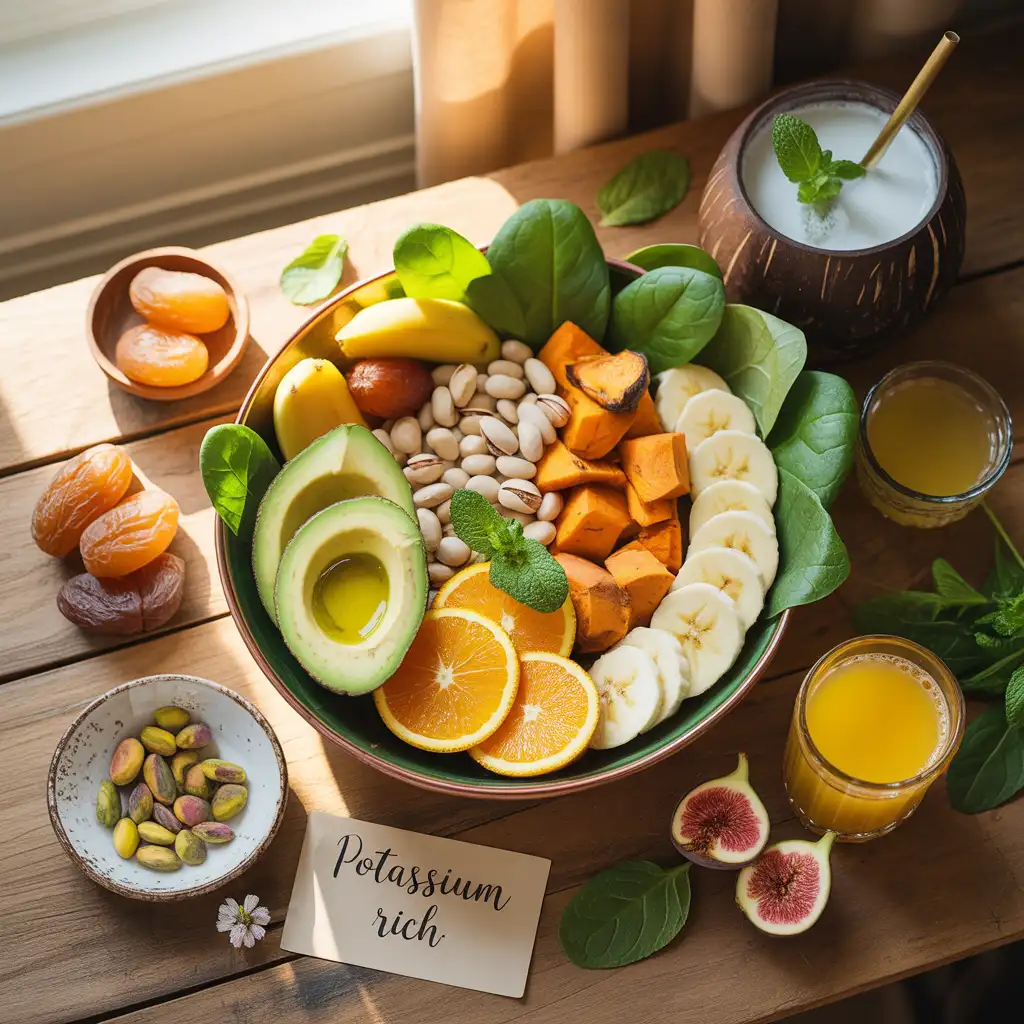
The banana association with potassium is so entrenched that most people, including many nutrition professionals, cite it reflexively. The reality is that bananas rank below potatoes, white beans, lentils, spinach, edamame, sweet potato, avocado, beet greens, and white mushrooms on a potassium-per-serving basis. Bananas are a good source of potassium. They are nowhere near the best.
This distinction matters practically. When vegans believe their potassium needs are covered by daily banana consumption, they may not build their diet around the legumes, starchy vegetables, and leafy greens that are the true backbone of vegan potassium foods intake. One banana per day while eating primarily refined grains and pasta leaves a potassium deficit of 3,000-3,500 mg per day, with real consequences for blood pressure regulation, bone health, and muscle function over time.
Why Some Vegans Still Fall Short on Potassium
The failure mode is substitution: when people transition to plant-based eating, they often replace animal proteins with refined carbohydrates, pasta, and convenience foods rather than legumes and whole vegetables. The result is a diet that is technically vegan but potassium-poor.
The Three Potassium Failure Patterns on a Plant-Based Diet
- Grain-dominant eating: a diet anchored in pasta, rice, bread, and cereals without sufficient legumes. Half a cup of cooked brown rice contains just 84 mg of potassium. Half a cup of cooked lentils contains 365 mg. Swapping grain-heavy meals for legume-anchored meals is the single highest-impact potassium intervention available.
- Low vegetable volume: most people underestimate how much cooked vegetable volume is needed to meet potassium targets. One cup of raw spinach contains 167 mg. One cup of cooked spinach contains 839 mg. Cooking concentrates potassium dramatically. Prioritising cooked leafy greens over salad greens delivers five times more potassium per volume.
- Ultra-processed vegan convenience foods: plant-based burgers, vegan cheese, and mock meat products are potassium-poor and sodium-high. High sodium further increases potassium requirements by accelerating renal potassium excretion. Every 1,000 mg of excess sodium increases urinary potassium loss by approximately 200 mg.
The fix is structural, not supplemental. No potassium supplement approaches the bioavailability and cofactor benefit of potassium from whole plant foods. The correct response to a potassium gap on a plant-based diet is to add one cup of legumes and one cup of cooked greens or starchy vegetables per day. That single change adds 800-1,400 mg of potassium, moving most people from deficit to adequacy.
Top 20 Vegan Potassium Foods Ranked
The chart below ranks the top 20 plant potassium sources by potassium content per standard cooked or served portion. Foods marked with TIER 1 should anchor your daily eating. Foods marked TIER 2 are strong supporting contributors.
Top 20 Vegan Potassium Sources, mg per Serving
Source: USDA FoodData Central. Cooked values used for legumes and vegetables. Note how brown rice (the backbone of many grain-heavy vegan diets) delivers just 7% as much potassium as white beans per serving.
The pattern is clear: Legumes and cooked leafy greens dominate the top tier. Starchy vegetables (potato, sweet potato, squash) occupy the middle ground. Bananas, soy milk, and grains occupy the bottom two tiers. A diet anchored in Tier 1 foods will meet potassium targets. A diet anchored in Tier 3-4 foods will not, regardless of how many other healthy choices it contains.
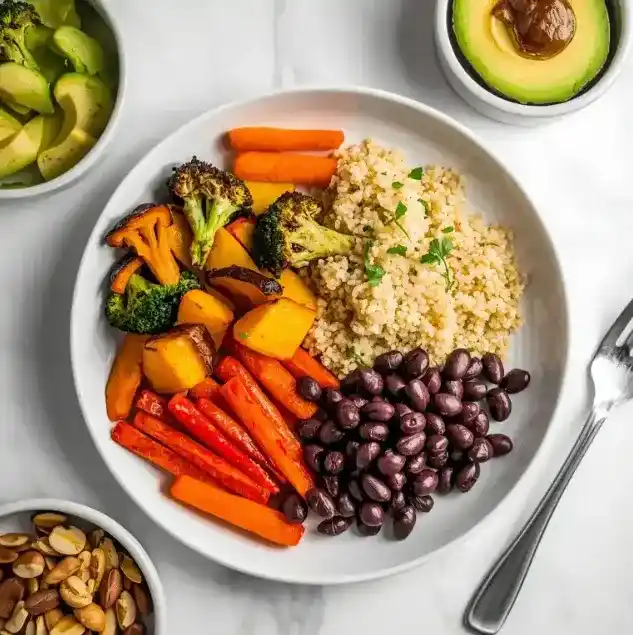
The Ultimate 28-Day Vegan Meal Plan + Grocery List
Everything you need to eat well for a full month — planned, photographed, and ready to print.
- Complete 28-day daily calendar
- 40+ nutritionist-approved recipes
- 4 weekly grocery lists
- Protein, iron & B12 at every meal
- Saves 7+ hours of planning per week
6 Spotlight Plant Potassium Foods
Six foods stand out from the full ranking for their combination of potassium density, additional nutrient value, and practical daily usability. These are the foods that should anchor a plant-based potassium foods strategy.
Potassium and Blood Pressure: The Sodium-Potassium Balance
The blood pressure benefit of vegan potassium foods is one of the most robustly evidenced relationships in nutritional science. The mechanism is not simply “potassium lowers blood pressure.” It is more precise and more powerful than that: potassium directly opposes sodium’s blood pressure-raising effect at the level of kidney tubular function.
In the kidney’s distal tubule, potassium and sodium compete for reabsorption. When potassium intake is high relative to sodium, the kidney excretes more sodium in urine and retains less in circulation. Lower circulating sodium reduces osmotic pressure in blood vessels, directly lowering blood pressure. This mechanism explains why the potassium-to-sodium ratio predicts cardiovascular risk more strongly than sodium alone.
The Potassium-Sodium Balance Mechanism
The vegan high blood pressure guide covers this mechanism in clinical detail, including the evidence from DASH and OmniHeart trials. For reference, the major dietary data points on potassium and cardiovascular risk are:
- A meta-analysis of 33 randomised trials found that increasing dietary potassium by 1,640 mg per day reduced systolic blood pressure by 4.4 mmHg in hypertensive individuals
- A 4.4 mmHg systolic reduction is equivalent to approximately 10-15% reduction in stroke risk and 8-10% reduction in coronary heart disease risk
- People with the highest potassium-to-sodium ratios have up to 50% lower risk of cardiovascular mortality than those with the lowest ratios
- The benefit is most pronounced in individuals already eating high-sodium diets, which includes most people in modern food environments regardless of dietary pattern
Practical implication: Combining a high vegan potassium foods intake with low-sodium cooking (using herbs, spices, lemon, and vinegar instead of salt) produces a potassium-to-sodium ratio that is strongly protective. The cholesterol guide explains how this same dietary pattern reduces LDL through complementary mechanisms.
Potassium and Bone Health: The Alkaline Diet Connection
The connection between vegan potassium foods and bone health operates through a mechanism called the acid-alkaline balance of dietary metabolism. When the body metabolises food, it produces either net acid (from protein, cereals, and processed foods) or net alkaline compounds (from vegetables, fruits, and legumes).
When the diet produces too much net acid, the body uses calcium and phosphate from bone as a pH buffer, a process called alkaline buffering. Over years and decades, this process slowly demineralises bone matrix. Potassium-rich plant foods, which generate net alkaline metabolites during digestion, reduce the acid load on bone tissue, decreasing the need for skeletal calcium buffering.
Research published in the American Journal of Clinical Nutrition found that higher dietary potassium intake was associated with significantly greater bone mineral density at the hip and lumbar spine, independent of calcium and vitamin D intake. Multiple prospective studies have since confirmed this association. The vegan bone health guide covers the full evidence base.
The Three Potassium-Bone Pathways
- Alkaline buffering reduction: plant potassium generates alkaline metabolites (bicarbonate, citrate) that directly neutralise dietary acid load, reducing skeletal calcium mobilisation
- Osteoblast activity support: adequate potassium supports the membrane potential of osteoblasts (bone-building cells), maintaining their synthetic function
- Magnesium co-action: potassium-rich foods are almost always magnesium-rich as well (legumes, greens, nuts), and magnesium is required for the enzymatic processes of bone mineralisation. See the vegan magnesium guide for the full co-factor picture.
The 7-Step Daily Potassium Protocol
This protocol is designed to move most plant-based eaters from a typical 2,000-2,500 mg daily intake to the 4,000-4,700 mg target through food selection changes only, without supplements. Steps 1-3 alone add approximately 1,500-2,000 mg of potassium to most diets.
-
1Swap one grain-based meal per day for a legume-based meal
Replace pasta, rice, or bread as the primary component of one meal daily with lentils, white beans, or chickpeas. A cup of brown rice contains 84 mg of potassium. A cup of lentils contains 731 mg. This single swap adds approximately 650 mg of potassium daily without any other dietary change. Over a week, this accounts for more than a quarter of the total potassium gap most vegans carry.
-
2Cook your greens, do not eat them only raw
Wilting, steaming, or cooking spinach, kale, and chard concentrates potassium fivefold compared to raw. One cup of cooked spinach delivers 839 mg of potassium; the same volume raw delivers 167 mg. Building one cup of cooked greens into dinner daily adds 600-900 mg of potassium from a single habit. Blend cooked spinach into sauces and soups for invisible potassium delivery to family meals.
-
3Make potato or sweet potato your primary starchy carbohydrate twice per week
Always eat the skin. A large baked potato with skin delivers 941 mg of potassium. Replacing pasta or rice with a baked potato twice per week adds approximately 350-500 mg of weekly average potassium. This is among the most affordable and globally accessible potassium food strategies available, making it a cornerstone of any budget-friendly potassium strategy.
-
4Add avocado to one meal daily
One whole avocado delivers 690 mg of potassium alongside the healthy fats that support cardiovascular potassium mechanisms and fat-soluble vitamin absorption. Avocado is the most potassium-dense fruit in any dietary pattern, surpassing bananas by 63% per whole fruit. On toast, in salads, as a dip, or blended into dressings, avocado is the easiest daily potassium food with no cooking required.
-
5Reduce ultra-processed and high-sodium food intake
High sodium intake accelerates renal potassium excretion by approximately 200 mg for every 1,000 mg of excess sodium consumed. Eliminating salty snacks, packaged convenience foods, and high-sodium plant-based alternatives effectively increases retained potassium without changing potassium intake at all. This passive potassium conservation is as valuable as actively increasing potassium food intake. For athletes concerned about electrolyte balance, the vegan athlete performance guide covers electrolyte strategy in detail.
-
6Use blackstrap molasses as a daily sweetener, not sugar or maple syrup
Blackstrap molasses, the most concentrated byproduct of sugar refining, contains 498 mg of potassium per tablespoon alongside iron, calcium, and magnesium. A tablespoon in oatmeal, smoothies, or baking replaces nutritionally empty sweeteners with one of the most mineral-dense plant foods available. This is particularly valuable for those also needing to improve iron intake: blackstrap molasses is one of the few plant foods delivering both iron and potassium in concentrated form. See the vegan iron guide for the full iron-rich plant food list.
-
7Track your intake for one week and identify your gap
Use Cronometer (free, plant-based focused) to log your actual potassium intake for seven days. Most people discover their average is 1,800-2,500 mg, roughly half the 4,700 mg target. Knowing your exact gap tells you precisely which of Steps 1-6 to prioritise. A gap primarily from low legume intake is solved differently than a gap from high sodium intake or low vegetable volume. One week of tracking followed by deliberate adjustment is more effective than any general advice. See the nutrient deficiency guide for a broader picture of what to track on a plant-based diet.
Potassium is an essential mineral that helps maintain healthy blood pressure and proper muscle function by balancing fluid levels in the body. To ensure a high-potassium intake, Harvard Medical School recommends focusing on diverse plant sources like bananas, sweet potatoes, and leafy greens. According to The NHS, incorporating pulses and nuts into your daily routine is a highly effective way to meet your nutritional requirements and support long-term heart health.
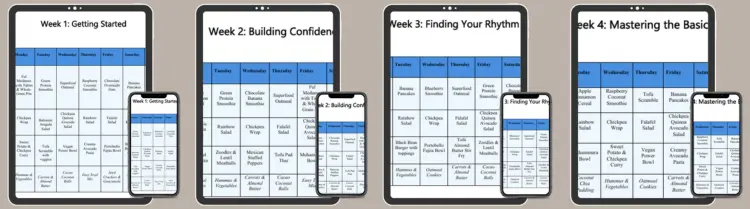
28-Day Vegan Meal Plan
+ Grocery List
Complete Solution · Nutritionist-Approved · Print & Use Today
Read on any device · No apps needed
A Chef’s Perspective: MENA Legume and Stew Traditions as a Potassium Strategy
In over 20 years working in professional kitchens across the Middle East and Mediterranean, I cooked with ingredients that the USDA potassium database now confirms are among the most potassium-dense foods on earth. The MENA culinary tradition did not build its legume-centred cooking around potassium targets. It built it around flavour, economy, and sustenance. The potassium density was a fortunate byproduct of a food culture that placed legumes, leafy greens, and starchy vegetables at the centre of every table.
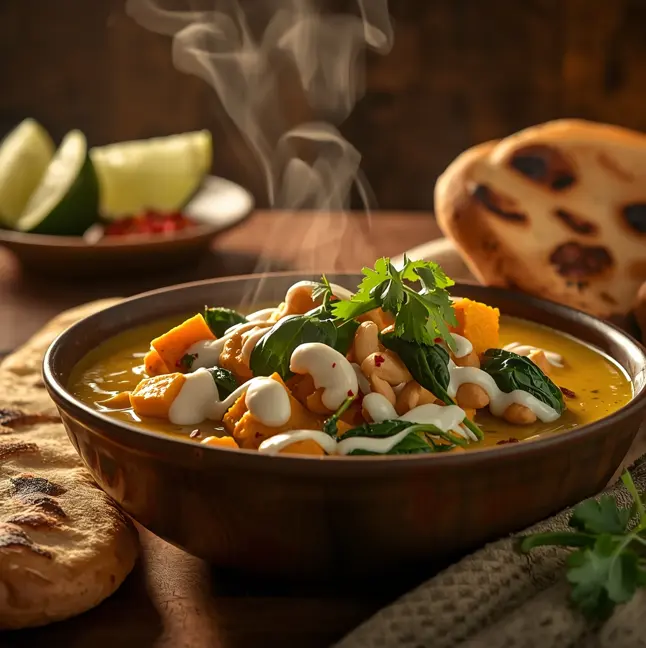
Lebanese makhlouta, a mixed legume stew of white beans, lentils, and chickpeas, delivers over 2,000 mg of potassium per bowl. Egyptian ful medames, slow-cooked fava beans with lemon and olive oil, delivers 700-800 mg per serving. Iranian ash-e reshteh, a thick herb and legume soup, combines legumes with cooked spinach and root vegetables, delivering approximately 1,500 mg of potassium per bowl.
None of these dishes were designed as potassium protocols. They evolved across centuries in food cultures where legumes were the primary affordable protein source, where fresh vegetables were cooked rather than served raw, and where plant-based eating was default rather than deliberate. The contemporary science of vegan potassium foods vindicates these traditions completely.
My practical recommendation: build at least two MENA-style legume stews per week into your rotation. Start with a Lebanese red lentil soup on Monday and an Egyptian white bean dish on Thursday. The potassium contribution from those two meals alone can add 1,500-2,000 mg to your weekly average without any other dietary change. The Ultimate 28-Day Vegan Meal Plan + Grocery List (Complete Solution) is built around exactly this principle: 36 chef-tested recipes using simple supermarket ingredients, with every meal meeting protein, iron, and B12 needs and legume-forward cooking embedded throughout all 28 days.
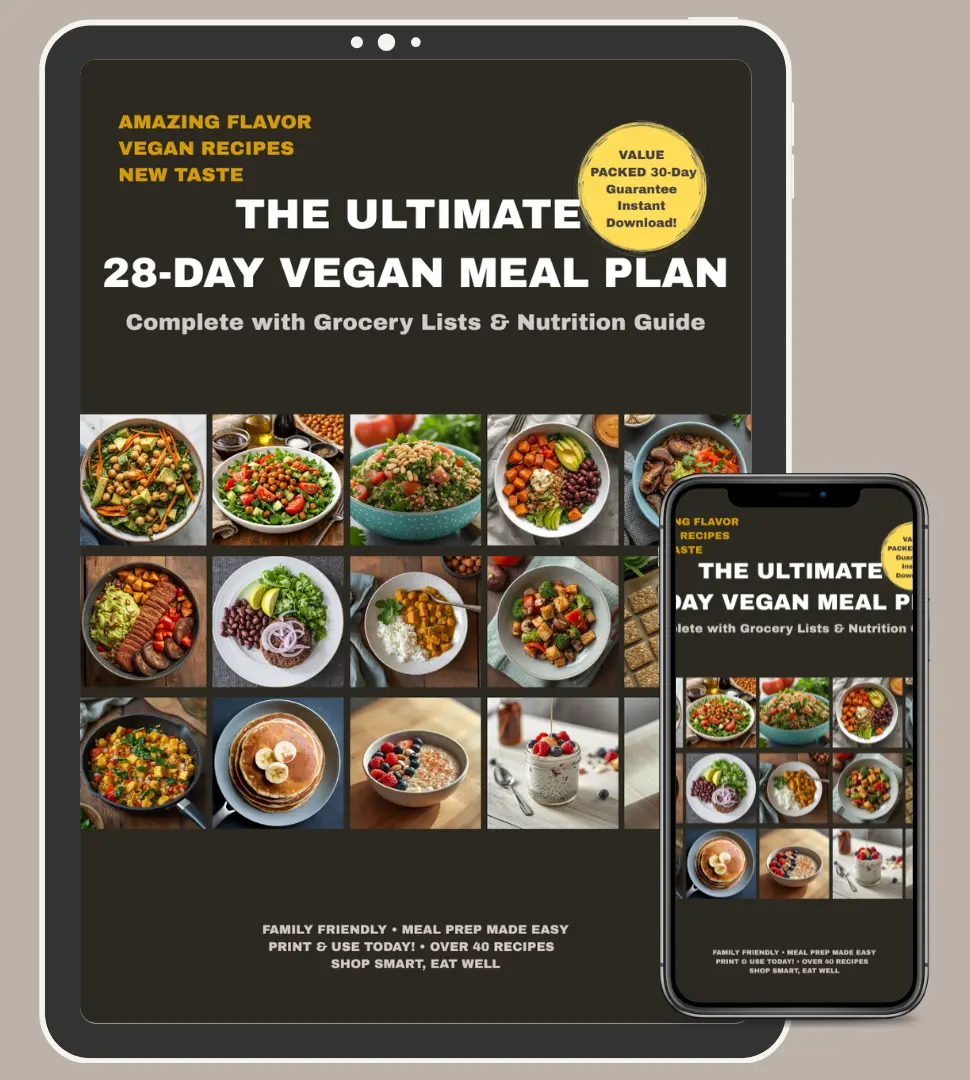
28-Day Vegan Meal Plan + Grocery list.
Transform your lifestyle with our comprehensive guide. This isn’t just a recipe book; it’s a complete system designed for success:
- The Vegan Guide: Essential transition tips and nutritional benefits.
- 40+ Chef Recipes: Breakfast, lunch, and dinner with high-quality photos.
- 4-Week Meal Plan: A fully structured day-by-day calendar.
- Grocery Lists: Categorized weekly lists to save you time and money.
- Photos: High-Quality Recipe Photos.
- Nutritions: Vegan Nutrition Guide Toolkit.
Frequently Asked Questions
Are bananas really not a good potassium source?
Bananas are a decent potassium source at 422 mg each, but they are nowhere near the richest vegan potassium foods available. White beans deliver 1,189 mg per cup, beet greens deliver 1,309 mg, and baked potatoes deliver 941 mg. Bananas rank in the Tier 3 category on the potassium density chart. They are nutritious and worth eating, but relying on them as a potassium strategy while neglecting legumes, cooked greens, and starchy vegetables leaves a massive gap in daily intake.
Do vegans typically get enough potassium?
Vegans can get enough potassium, but many do not. Studies consistently show that fewer than 5% of people on any dietary pattern meet the 4,700 mg daily adequate intake. Vegans who eat a variety of legumes, cooked leafy greens, and starchy vegetables are most likely to meet the target. Vegans whose diets are anchored in refined grains, pasta, and plant-based convenience foods are at similar risk of insufficiency as the general population. The quality and pattern of plant-based eating determines potassium adequacy, not the dietary label alone.
Should vegans take a potassium supplement?
No, for most people. Over-the-counter potassium supplements in most countries are limited to 99 mg per tablet by regulatory bodies precisely because excessive potassium supplementation can be dangerous, particularly for people with kidney disease or on certain medications. The appropriate strategy for inadequate potassium on a plant-based diet is dietary correction through vegan potassium foods, not supplementation. The bioavailability and cofactor context of food potassium is also significantly superior to isolated supplements. Medical-grade potassium supplementation exists but requires physician supervision.
Why does cooking spinach increase potassium delivery?
Cooking collapses the cellular structure of spinach, dramatically reducing its volume. Approximately 10 cups of raw spinach compress into 1 cup of cooked spinach. Since potassium is distributed throughout spinach tissue, this volume compression concentrates all minerals including potassium into a much smaller serving. The potassium content per cup increases from 167 mg raw to 839 mg cooked because you are eating the equivalent of five raw cups in the same volume. Note: boiling spinach in large amounts of water causes some potassium leaching. Steaming or wilting in a dry pan maximises potassium retention.
What are the signs of low potassium on a plant-based diet?
Mild potassium insufficiency (below 4,700 mg daily but above clinical deficiency) typically presents as: muscle cramping or weakness, particularly in the legs and during exercise; persistent fatigue despite adequate sleep; increased blood pressure readings; constipation; and in some cases, heart palpitations. Clinical hypokalaemia (blood potassium below 3.5 mEq/L) requires medical intervention. Suboptimal long-term intake affects cardiovascular and bone health without obvious acute symptoms, which is why addressing vegan potassium foods intake proactively matters more than waiting for symptoms.
How does potassium interact with sodium in the diet?
Potassium and sodium have opposing effects on blood pressure and cardiovascular risk. High sodium raises blood pressure by increasing fluid retention in vessels. High potassium lowers blood pressure by promoting renal sodium excretion. Every 1,000 mg increase in daily sodium intake increases potassium excretion by approximately 200 mg. This means that a high-sodium diet effectively doubles the potassium challenge: you need more potassium to compensate for increased loss, while the sodium itself is raising cardiovascular risk. The ideal approach is simultaneously increasing plant potassium intake and reducing processed food sodium.
Is potassium important for vegan athletes specifically?
Yes. Potassium is an electrolyte lost in sweat and required for muscle contraction, nerve signal transmission, and glycogen synthesis. Athletes training four or more times per week have higher requirements due to sweat losses and greater muscle mass. Legume-forward eating before and after training provides the highest potassium-per-calorie return of any vegan food strategy. Adding coconut water or high-potassium smoothies post-training is an effective electrolyte replenishment strategy for plant-based athletes on heavy training days.
Which legumes have the highest potassium content?
In descending order of potassium per cooked cup: white beans (1,189 mg), lima beans (955 mg), kidney beans (713 mg), lentils (731 mg), edamame (676 mg), chickpeas (477 mg), and black beans (611 mg). White beans are the clear leader and should be the default legume choice when potassium is the primary concern. All legumes are meaningful vegan potassium foods, and variety across the week ensures broad nutritional coverage alongside the potassium benefit.
Does cooking method affect potassium content in vegetables?
Yes, significantly. Boiling vegetables in large volumes of water causes the greatest potassium loss, as potassium is water-soluble and leaches freely into cooking liquid. Studies show boiling can reduce vegetable potassium content by 30-70% depending on the vegetable and water volume used. Steaming, roasting, stir-frying, and microwaving all preserve significantly more potassium because minimal or no water is used. When boiling is necessary (for soups and stews), keeping the cooking liquid and incorporating it into the final dish retains all leached potassium.
Can I get too much potassium from vegan potassium foods?
For people with healthy kidney function, there is no established upper tolerable limit for potassium from food sources. Healthy kidneys efficiently excrete excess potassium through urine. You cannot realistically consume dangerous levels of potassium from whole plant foods alone. The risk of excessive potassium applies only to supplements and to people with impaired kidney function, who should follow medical guidance on potassium intake. If you have chronic kidney disease, always consult a nephrologist or renal dietitian before significantly increasing potassium-rich food intake.
How does potassium affect bone health specifically?
High potassium intake from plant foods reduces the body’s need to mobilise calcium from bone as a pH buffer. When the diet produces excess acid (from high animal protein, refined cereals, or processed foods), the body releases calcium phosphate from bone to neutralise it. Potassium-rich plant foods generate alkaline metabolites (bicarbonate and citrate) that neutralise this acid load, reducing skeletal calcium release. Multiple prospective studies show that higher dietary potassium is independently associated with greater bone mineral density at the hip and spine, even after controlling for calcium and vitamin D intake.
What is the daily potassium target for vegans?
The adequate intake (AI) for potassium is 4,700 mg per day for adults, rising to 5,100 mg during pregnancy and 5,100 mg during breastfeeding. These targets apply equally to vegans and omnivores. Most dietary guidance considers 3,500 mg a practical minimum for cardiovascular benefit. The gap between the average Western intake of approximately 2,000-2,500 mg and the 4,700 mg target is large and consequential. Centering daily eating around vegan potassium foods, specifically legumes, cooked greens, and starchy vegetables, is the most reliable strategy to close this gap on a plant-based diet.
Making Potassium-Rich Plant Eating the Default
Vegan potassium foods are genuinely abundant. The plant kingdom provides potassium in the legumes, greens, and starchy vegetables that have been the foundation of human diet for most of recorded history. The banana myth, the grain-heavy vegan default, and the reliance on plant-based convenience foods are the patterns that create a potassium gap where none should exist.
The framework is straightforward: legumes at every dinner, cooked greens at every dinner, starchy vegetables twice per week, avocado daily, blackstrap molasses replacing sugar. Those five habits alone move most people from a 2,000 mg daily average to 4,000-4,500 mg, within range of the cardiovascular and bone-protective target zone.
If you want 28 days of meals already built around this principle, with legume-forward cooking, cooked vegetables, and starchy bases embedded throughout, the Ultimate 28-Day Vegan Meal Plan + Grocery List (Complete Solution) does that work for you. It includes 36 chef-tested recipes built from common supermarket ingredients, meeting protein, iron, and B12 needs with 4 complete weekly grocery lists. The vegan potassium foods strategy is built into the meal structure, not added as an afterthought.