
🌱 Introduction: The Fourth Trimester Nutrition Challenge
The postpartum period, often called the fourth trimester, represents one of the most nutritionally demanding phases of a woman’s life.
A vegan postpartum diet must strategically address the dual challenges of recovering from the physiological stress of birth while meeting the elevated nutritional demands of breastfeeding.
Pregnancy depletes critical nutrients including iron, DHA, iodine, B12, zinc, and folate; birth further increases losses through blood loss and tissue repair; and lactation draws from maternal stores to nourish infant development.
This comprehensive guide provides evidence-based, deeply practical nutrition guidance for plant-based new mothers: mapping nutrient deficits, ranking the most critical postpartum nutrients with specific food sources, explaining the science of milk supply support, addressing the nutrition-mental health connection, and offering a step-by-step 6-week recovery protocol you can implement today.
Whether you are navigating your first weeks as a new mother or supporting someone who is, understanding the unique nutritional landscape of postpartum recovery empowers you to make informed, compassionate choices for healing and nourishment.
Research from the Academy of Nutrition and Dietetics confirms that well-planned vegan diets support healthy lactation and maternal recovery when key nutrients are prioritized.
The vegan postpartum diet is not about restriction or perfection.
It is about abundance: abundance of iron-rich legumes, abundance of omega-3 sources, abundance of B-vitamin fortified foods, and abundance of culturally resonant, warming preparations that honor both body and tradition.
For continuity from pregnancy nutrition, see our guide on vegan pregnancy fertility.
This guide equips you with the knowledge to thrive during one of life’s most transformative chapters.
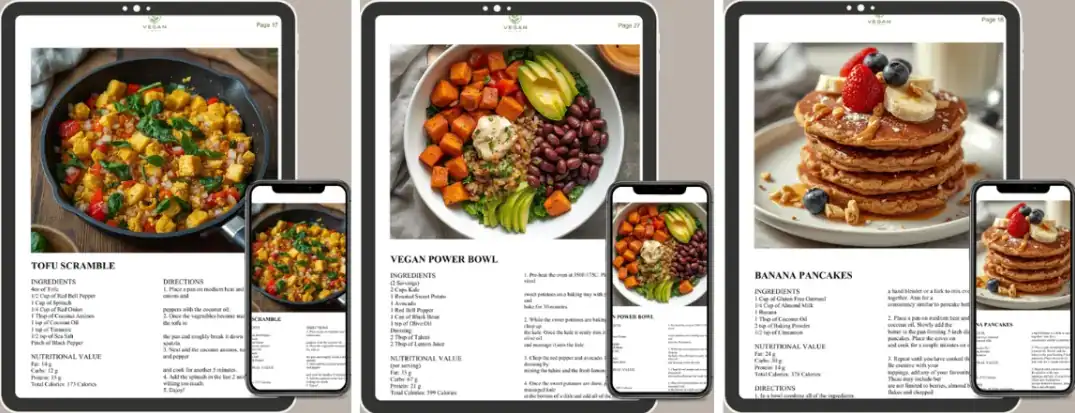
Ultimate 28-Day Vegan Meal Plan,
Easy Grocery List + 40 Recipes
• Comprehensive Guide
• 4-Week Structured Calendar
• Categorized Weekly Grocery Lists
• Chef-Verified Nutritional Tips
• Family Friendly Meal Prep
• Print & Use Today
🗺️ What Pregnancy and Birth Depletes: The Nutrient Deficit Map
Understanding which nutrients are most depleted during pregnancy and birth is the foundation of strategic postpartum recovery.
This deficit map prioritizes repletion based on clinical evidence and maternal-infant transfer rates.
Iron: The Most Common Postpartum Deficiency
Pregnancy increases iron needs by 50%; birth losses average 200-500mg blood loss.
Postpartum anemia affects up to 50% of new mothers, contributing to fatigue, impaired immunity, and reduced milk supply.
Plant sources include lentils, spinach, tofu, and fortified cereals; pair with vitamin C for absorption.
For comprehensive iron guidance, see our vegan iron sources resource.
DHA (Omega-3): Critical for Infant Brain Development
Fetal brain development draws maternal DHA stores; breastfeeding continues transfer via milk.
Low maternal DHA correlates with higher postpartum depression risk and suboptimal infant neurodevelopment.
Plant sources: algae oil supplements are the only reliable direct source; ALA from flax/chia requires inefficient conversion.
See vegan omega-3 foods for detailed guidance.
Vitamin B12: Non-Negotiable for Vegan Mothers
B12 stores deplete over pregnancy; breast milk B12 directly reflects maternal intake.
Infant deficiency can cause irreversible neurological damage; maternal deficiency linked to fatigue and depression.
Plant sources: fortified foods, supplements (cyanocobalamin 250-500 mcg daily recommended).
For supplement guidance, see vegan supplements what to take.
Iodine: Thyroid Function and Infant Cognition
Iodine needs increase 50% during lactation; deficiency impairs infant cognitive development.
Plant-based diets risk low iodine unless seaweed or iodized salt consumed consistently.
Plant sources: iodized salt, nori/kombu seaweed, supplements (150 mcg daily).
Zinc: Immunity, Healing, and Milk Production
Zinc supports wound healing, immune function, and enzymatic processes in milk synthesis.
Phytates in plant foods reduce zinc bioavailability; soaking/sprouting improves absorption.
Plant sources: pumpkin seeds, chickpeas, oats, fortified cereals.
Folate: Ongoing Need for Cell Division
Folate requirements remain elevated postpartum for tissue repair and red blood cell production.
Low folate linked to postpartum depression; synergistic with B12 for neurological health.
Plant sources: lentils, spinach, asparagus, fortified grains.
For those concerned about nutrient status, see our guide on vegan nutrient deficiencies.
Understanding these deficits allows you to prioritize foods and supplements that directly address postpartum recovery needs.
28-Day Vegan Meal Plan
+ Grocery List
Complete Solution · Nutritionist-Approved · Print & Use Today
Read on any device · No apps needed
🥗 8 Most Critical Postpartum Nutrients for Plant-Based Mothers
These eight nutrients form the foundation of a strategic vegan postpartum diet.
Each spotlight card provides exact targets, top plant sources, absorption tips, and supplement guidance.
🔴 Iron
Essential for oxygen transport, energy, immunity, and milk supply. Depletion risk is high due to pregnancy demands and birth blood loss.
Best sources: lentils (6.6mg/cup), spinach (6.4mg/cup cooked), tofu (3.4mg/½ cup), fortified cereals.
- Energy restoration
- Immune support
- Milk production
🌱 Protein
Critical for tissue repair, milk synthesis, and energy stability. Lactation increases needs by ~25g/day above baseline.
Best sources: tempeh (31g/cup), lentils (18g/cup), tofu (20g/½ cup), hemp seeds (10g/3 tbsp).
- Wound healing
- Milk volume
- Sustained energy
🧠 DHA (Omega-3)
Essential for infant brain development, maternal mood regulation, and anti-inflammatory support. Depletion risk is very high due to direct transfer to infant.
Best sources: algae oil supplements (200-300mg DHA daily); ALA from flax/chia has inefficient conversion.
- Infant neurodevelopment
- Mood regulation
- Inflammation control
💊 Vitamin B12
Non-negotiable for neurological function, red blood cell formation, and infant development. No reliable plant sources; stores deplete over pregnancy.
Best sources: fortified nutritional yeast, plant milks, cereals; cyanocobalamin supplements.
- Neurological health
- Infant development
- Energy metabolism
For calcium-specific guidance, see our vegan calcium foods resource.
These four nutrients form the immediate priority tier for postpartum repletion.
The next four cards (calcium, zinc, iodine, folate) complete the essential eight for comprehensive recovery support.
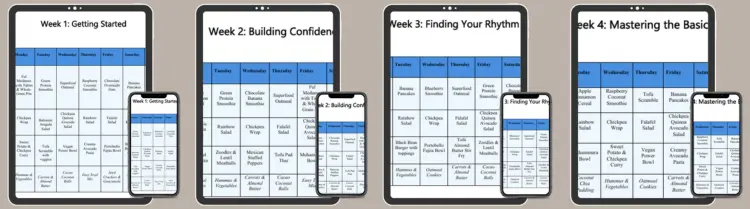
Psst..just to add: reading about anti-inflammatory eating and actually eating that way every day are two very different things. The 28-Day Vegan Meal Plan gives you 40+ recipes, a full shopping list, and a 28-day calendar. No subscription.
Get the Plan →🥗 8 Most Critical Postpartum Nutrients (Continued)
These four additional nutrients complete the essential eight for comprehensive postpartum recovery.
Each card provides exact targets, top plant sources, and practical absorption strategies.
🦴 Calcium
Essential for bone protection during lactation, muscle function, and milk mineral content.
Breastfeeding draws calcium from maternal bones if dietary intake is insufficient.
- Bone density protection
- Muscle function
- Milk mineral content
⚡ Zinc
Supports wound healing, immune function, and enzymatic processes in milk synthesis.
Phytates in plant foods reduce zinc bioavailability; soaking and sprouting improves absorption.
- Wound healing
- Immune support
- Milk production enzymes
🌊 Iodine
Critical for thyroid function, infant cognitive development, and metabolism regulation.
Plant-based diets risk low iodine unless seaweed or iodized salt is consumed consistently.
- Thyroid health
- Infant brain development
- Metabolism regulation
🥬 Folate
Supports cell division, red blood cell production, neurological health, and mood regulation.
Low folate is linked to postpartum depression; synergy with B12 is critical for neurological health.
- Cell repair
- Mood support
- Neurological health
For comprehensive calcium guidance, see our vegan calcium foods resource.
These eight nutrients form the foundation of a strategic vegan postpartum diet.
Prioritize them in your daily meal planning for optimal recovery and breastfeeding support.
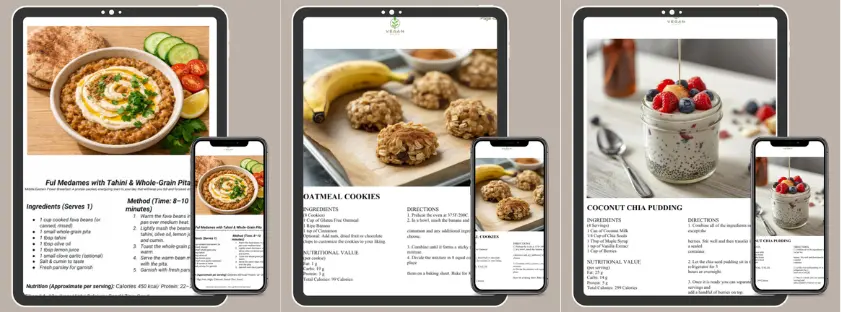
| Plan Comparison | Standard Search | Your 28-Day Plan |
|---|---|---|
| Structured 4-Week Calendar | — | ✓ Included |
| Ready-to-Use Grocery Lists | — | ✓ Included |
| 40+ Professional Recipes | Random Results | ✓ Included |
| Nutrition & Transition Guide | — | ✓ Included |
| Chef-Verified Methods | — | ✓ Included |
| High-Quality Recipe Photos | — | ✓ Included |
🤱 Breastfeeding Nutrition Demands vs. Standard Adult Needs
Understanding how lactation increases your nutritional requirements helps you prioritize intake.
This comparison chart shows the specific increases for breastfeeding mothers.
Key insight: Breastfeeding increases nutritional demands across multiple categories, but the pattern is not uniform.
Some nutrients like calories, protein, iodine, and zinc increase significantly.
Others like iron may decrease if menstruation has not resumed.
Some like B12 and DHA require consistent intake regardless of baseline because they directly transfer to infant via milk.
A vegan postpartum diet must prioritize nutrients with high transfer rates and low maternal storage capacity.
For continuity from pregnancy nutrition, see our guide on vegan pregnancy fertility.
🧠 The Postpartum-Depression Nutrition Connection: DHA, B12, Folate
DHA and Brain Function
DHA comprises 15-20% of brain phospholipids; low levels correlate with altered serotonin and dopamine signaling.
Maternal DHA deficiency is associated with 2-3x higher postpartum depression risk in observational studies.
Intervention trials show omega-3 supplementation may reduce depressive symptoms, though evidence is mixed.
For omega-3 guidance, see vegan omega-3 foods.
B12 and Neurological Health
B12 is essential for myelin synthesis and homocysteine metabolism; deficiency causes neurological symptoms including depression.
Vegan mothers with low B12 intake show higher rates of fatigue, cognitive fog, and mood disturbances.
Infant B12 status directly mirrors maternal intake; deficiency can cause developmental delays.
Folate and Methylation
Folate participates in one-carbon metabolism, producing SAMe, a key methyl donor for neurotransmitter synthesis.
Low folate status correlates with depression risk; synergy with B12 is critical.
Postpartum folate needs remain elevated for tissue repair and red blood cell production.
For mental health nutrition support, see our vegan diet for depression guide.
For testing guidance, see vegan blood test what to check.
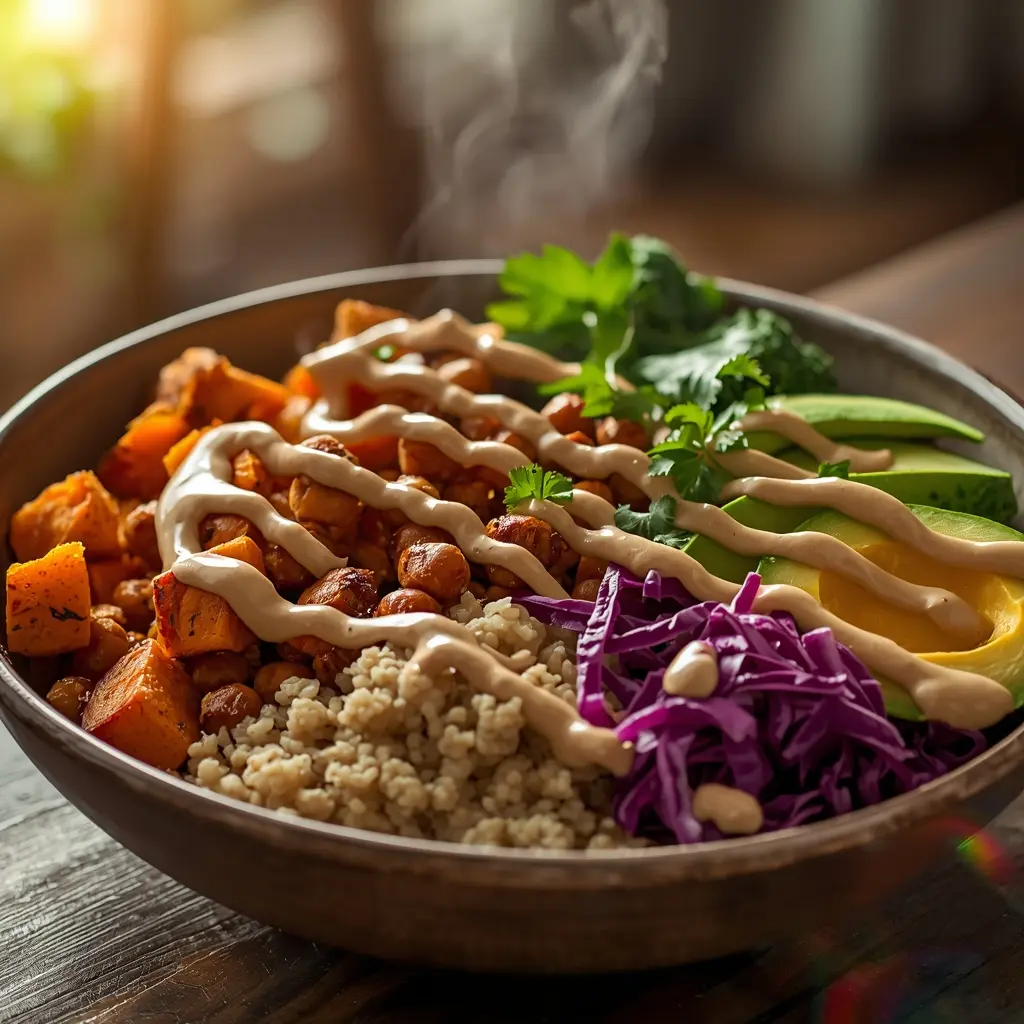
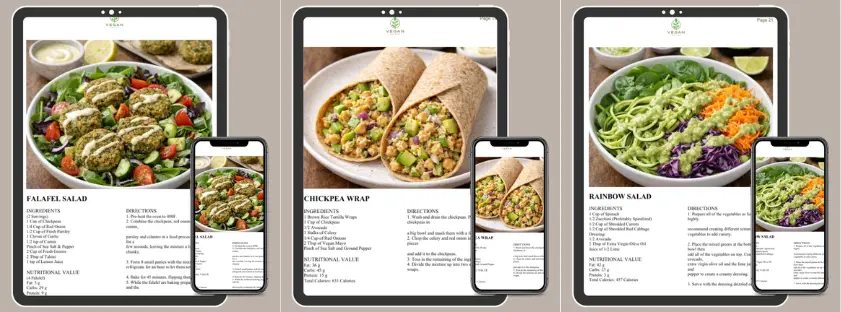
28-Day Vegan Meal Plan + Grocery list.
Transform your lifestyle with our comprehensive guide. This isn’t just a recipe book; it’s a complete system designed for success:
- The Vegan Guide: Essential transition tips and nutritional benefits.
- 40+ Chef Recipes: Breakfast, lunch, and dinner with high-quality photos.
- 4-Week Meal Plan: A fully structured day-by-day calendar.
- Grocery Lists: Categorized weekly lists to save you time and money.
- Photos: High-Quality Recipe Photos.
- Nutritions: Vegan Nutrition Guide Toolkit.
💧 Foods That Support Milk Supply on a Plant Diet
Milk supply is primarily regulated by demand and maternal hydration/nutrition status.
While galactagogue foods may provide supportive benefits, foundational practices matter most.
Key Insight
Milk supply is primarily regulated by demand (infant feeding frequency) and maternal hydration/nutrition status.
While galactagogue foods may provide supportive benefits, the most powerful interventions are frequent nursing or pumping, adequate calories, and stress reduction.
A vegan postpartum diet supports supply by ensuring nutrient density within these foundational practices.
For pantry staples that support lactation, see our vegan pantry staples list.
For meal prep strategies that save time, see vegan meal prep busy professionals.
📅 The 6-Week Postpartum Nutrition Recovery Protocol (7 Steps)
This step-by-step protocol translates science into daily habits you can implement today.
Each week builds on the previous, supporting gradual recovery while meeting breastfeeding demands.
Weeks 1-2: Immediate Recovery Focus
Priority: Hydration, iron repletion, gentle digestion.
Meals: Warm, easily digestible soups (lentil, miso), oatmeal with flax, soft-cooked vegetables.
Supplements: Continue prenatal; add algae DHA if not already taking.
Rest: Accept help; prioritize sleep over meal complexity.
Weeks 3-4: Nutrient Repletion Phase
Priority: Rebuild iron, B12, zinc stores; support milk production.
Meals: Iron-rich lentil stews with vitamin C vegetables; B12-fortified foods at each meal; zinc-rich pumpkin seeds as snacks.
Supplements: Confirm B12, DHA, iodine intake; consider iron if anemic per provider.
Movement: Gentle walking as tolerated; avoid intense exercise until cleared.
Weeks 5-6: Sustainable Pattern Establishment
Priority: Establish repeatable meal patterns; monitor infant growth and maternal energy.
Meals: Batch-cook staples (beans, grains, roasted vegetables); keep lactation snacks accessible (oat balls, nut butter toast).
Supplements: Review blood work if available; adjust based on labs and symptoms.
Support: Connect with lactation consultant or vegan dietitian if concerns arise.
Daily Protocol Framework (All Weeks)
- Morning: Hydrate with electrolyte water + B12-fortified breakfast (oatmeal with fortified plant milk, berries, flax)
- Mid-Morning: Iron-focused snack (hummus with bell peppers for vitamin C enhancement)
- Lunch: Protein + complex carb + vegetable (lentil soup with whole grain bread, side salad)
- Afternoon: Lactation support snack (oat energy ball + herbal tea)
- Dinner: Nutrient-dense plate (tofu stir-fry with broccoli, brown rice, tahini dressing)
- Evening: Wind-down ritual (calcium-fortified plant milk, magnesium-rich foods if sleep challenged)
- Supplements: Take with meals for absorption; set phone reminders for consistency
For budget-friendly meal strategies, see cheap vegan meals on a budget.
👨🍳 Chef Anass: MENA Traditional Postpartum Recovery Foods
In my two decades working across Lebanon, Dubai, and Saudi Arabia, I have prepared traditional postpartum recovery meals for countless new mothers.
MENA culinary traditions offer deeply nourishing, culturally resonant foods that align beautifully with modern nutritional science for postpartum recovery.
Traditional MENA Postpartum Recovery Ingredients
Fenugreek (Helba): Fenugreek seeds are steeped into tea or added to breads throughout the 40-day postpartum period (nifas). Modern research confirms fenugreek’s galactagogue properties, while traditional practice emphasizes its warming, digestive-supportive qualities—critical for new mothers with limited energy for complex digestion.
Dates (Tamr): Dates are consumed daily postpartum for quick energy, iron, and potassium. The natural sugars support milk production while the fiber prevents constipation—a common postpartum concern. Traditional wisdom pairs dates with tahini for balanced macronutrients.
Lentil Soups (Shorbat Adas): Lentil soup, enriched with lemon juice (vitamin C for iron absorption) and olive oil (healthy fats), serves as a staple recovery food. Its gentle texture, high iron and protein content, and ease of digestion make it ideal for the immediate postpartum period.
Tahini (Sesame Paste): Tahini provides calcium, zinc, and healthy fats in an easily digestible form. Traditionally mixed with date syrup (dibs) for a nutrient-dense snack that supports energy and milk production without requiring preparation.
Black Seed Oil (Habbat al-Baraka): Black seed oil is taken by the teaspoon for immune support and anti-inflammatory benefits. While research is emerging, traditional use emphasizes its role in postpartum recovery and infant health via breast milk.
Barley Water (Maa’ Sha’ir): Barley water, lightly sweetened with honey or date syrup, serves as a hydrating, mineral-rich beverage. Its gentle diuretic properties support fluid balance while providing B vitamins and soluble fiber.
Professional Technique for Modern Vegan Postpartum Cooking
One method I recommend to new mothers is batch-preparing a ‘recovery base’: a large pot of lentil soup with spinach, lemon, and olive oil that can be portioned and reheated throughout the week.
Pair with pre-made tahini-date balls for snacks and fortified oatmeal for breakfast.
This approach honors traditional wisdom while accommodating the reality of newborn care: minimal prep, maximum nutrition.
Cultural Wisdom Meets Modern Science
MENA postpartum traditions emphasize warming, easily digestible, nutrient-dense foods—principles that align with contemporary understanding of postpartum physiology.
The vegan postpartum diet can honor these traditions while ensuring adequacy of nutrients like B12 and DHA that require intentional sourcing in plant-based patterns.
For more regional inspiration, explore our collection of middle eastern vegan recipes.
❓ Frequently Asked Questions
🎯 Final Thoughts on Vegan Postpartum Nutrition
The postpartum period demands intentional, compassionate nutrition support.
A vegan postpartum diet is not only possible but can be deeply nourishing when guided by science and cultural wisdom.
By strategically replenishing nutrients depleted during pregnancy and birth—iron, DHA, B12, iodine, zinc, folate—and supporting breastfeeding demands with adequate calories, protein, and galactagogue foods, plant-based new mothers can thrive.
This guide has provided the nutrient deficit map, the 8 critical postpartum nutrients with specific food sources, the breastfeeding nutrition comparison, the mental health connection, milk supply support strategies, and a practical 6-week recovery protocol.
Remember: you are not alone.
Seek support from lactation consultants, vegan-knowledgeable dietitians, and your healthcare team.
Your nourishment matters: for your healing, your milk, your mental health, and your baby’s development.
Begin with one small step: add a lentil soup to your week, set a B12 reminder, or brew fenugreek tea.
Your postpartum journey deserves compassionate, evidence-based care.
Embrace the power of plants to support your recovery and your baby’s growth through the vegan postpartum diet.
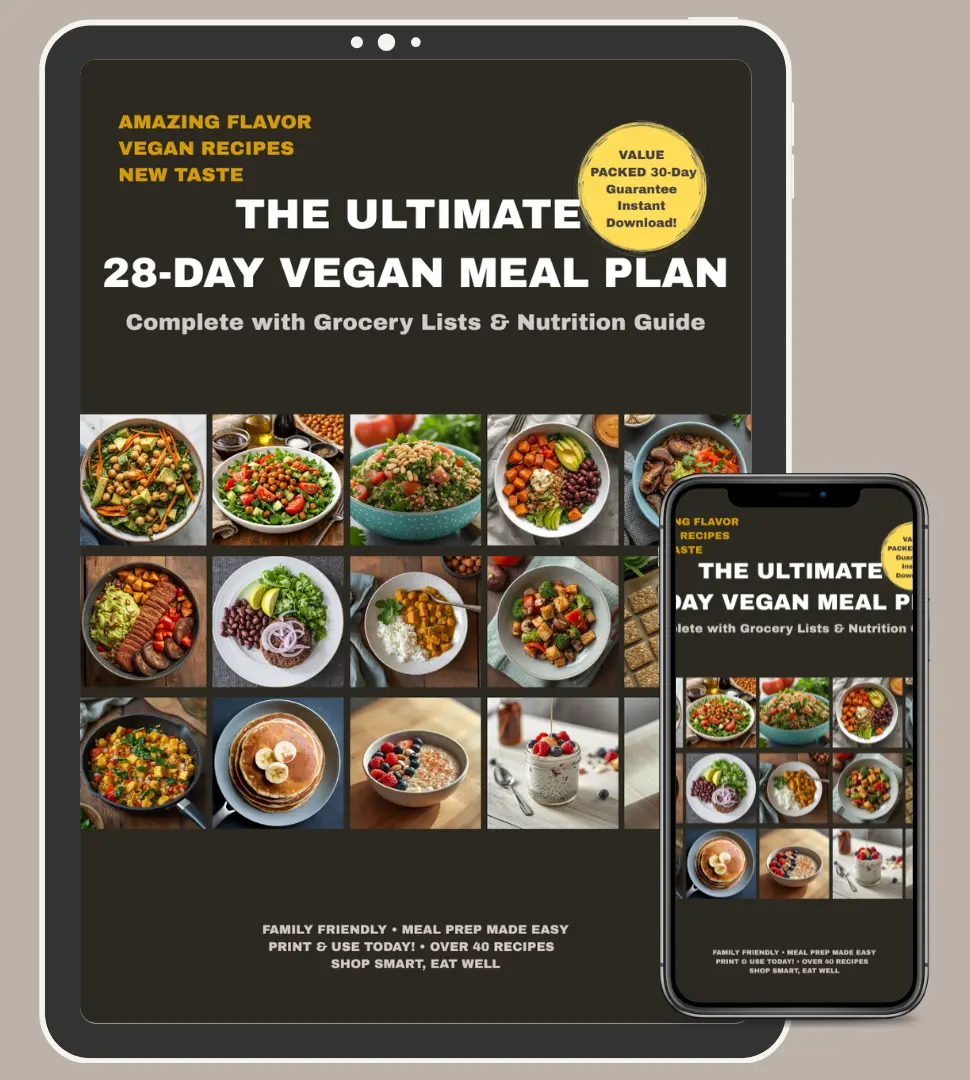
Still spending hours figuring out what to eat?
What’s included in your download
- 40+ nutritionist-approved recipes
- Complete 28-day calendar
- Meets protein, iron & B12 needs
- Family & meal prep friendly
- Vibrant photo for every recipe
- Simple, common ingredients
Instant PDF download. No subscriptions. No waiting.