

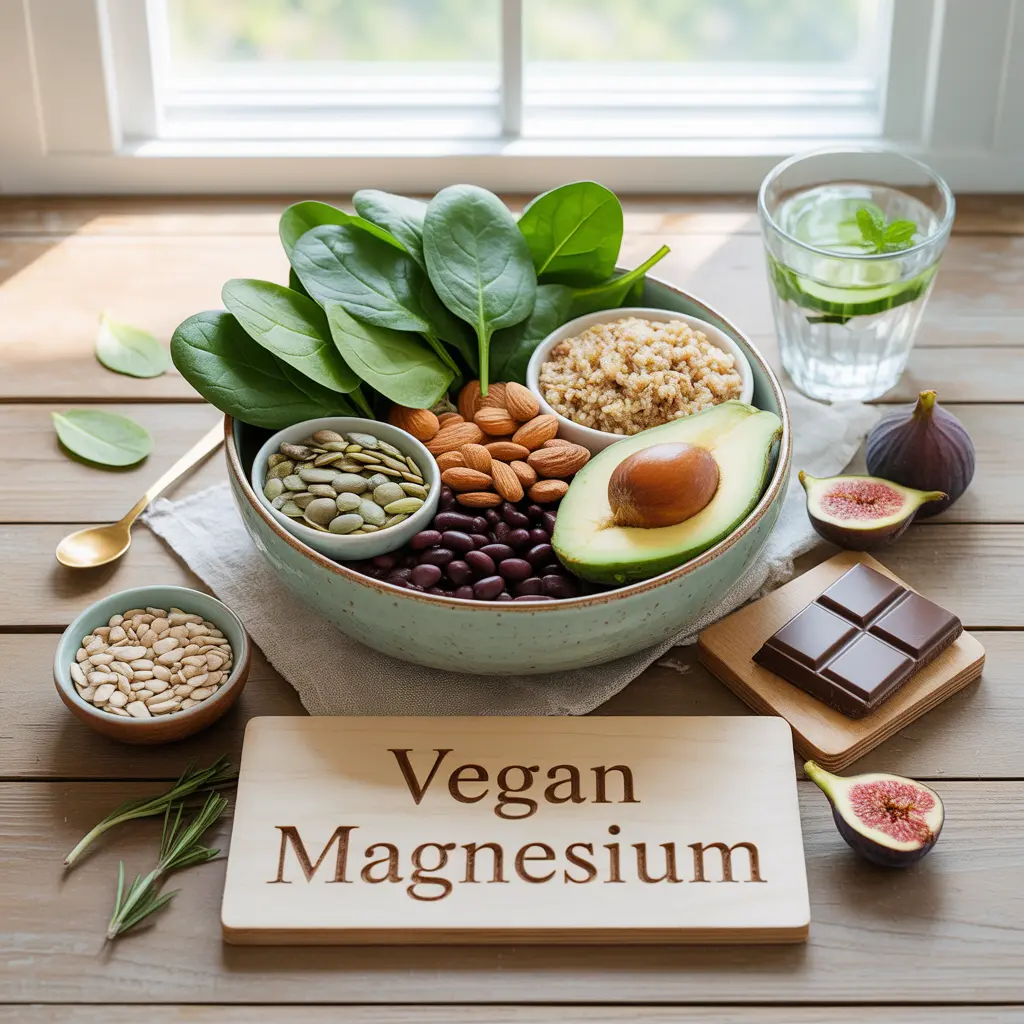
Nutritional Disclaimer: This content is for informational purposes only and does not constitute medical advice. If you are experiencing symptoms you believe may relate to magnesium deficiency, please consult a registered dietitian or qualified healthcare provider before changing your supplement or dietary protocol.
Vegan Magnesium Foods: The Complete Guide to Plant-Based Magnesium Sources
TL;DR
Vegan magnesium foods are among the richest magnesium sources in the human diet. Hemp seeds deliver 210mg per 30g serving, pumpkin seeds 156mg, dark chocolate 65mg per square. Plant-based eaters who eat whole foods, seeds, legumes, and leafy greens consistently out-perform omnivores in magnesium intake. The challenge is modern agriculture: magnesium in soil has declined 30-50% over the past century, meaning even the best plant magnesium foods deliver less than they once did. This guide covers the 300-reaction biology, the top 20 vegan magnesium foods ranked by content per serving, eight spotlight foods with macro pills, the sleep-anxiety-blood sugar-muscle function connection, the supplement type guide (glycinate vs. citrate vs. oxide), and a 7-step daily 400mg protocol. Vegan magnesium foods are the foundation. The protocol makes them reliable.
Magnesium: The 300-Reaction Mineral
Vegan magnesium foods matter more than most people realise. Magnesium is not a single-function mineral. It is a master cofactor that participates in over 300 enzymatic reactions, making it one of the most biologically indispensable nutrients in human physiology. No other mineral comes close to this breadth of function.
Every cell in the body requires magnesium to produce ATP, the molecule that powers every biological process. Without adequate magnesium, cellular energy production itself is compromised. The implications extend from muscle contraction to nerve signalling to DNA repair to protein synthesis. Magnesium deficiency is not a minor gap in nutrition. It is a systemic brake on human biology.
The Six Core Biological Roles of Magnesium
Understanding what magnesium actually does in the body explains why vegan magnesium foods are a priority, not an optional nutritional concern.
ATP Energy Production
Magnesium stabilises ATP molecules. Without it, cellular energy transfer cannot occur. Low magnesium directly causes fatigue at the cellular level.
GABA Activation
Magnesium activates GABA receptors throughout the brain and nervous system. GABA is the primary inhibitory neurotransmitter. Deficiency means a nervous system that cannot quiet down.
Insulin Sensitivity
Magnesium is required for insulin receptor function. Low magnesium increases insulin resistance. It is one of the most direct dietary determinants of blood sugar regulation.
Muscle and Nerve
Calcium causes muscles to contract. Magnesium causes them to relax. Without adequate magnesium, muscle cramps, spasms, and restless legs occur as calcium dominates.
Bone Mineralisation
60% of the body’s magnesium is stored in bone. Magnesium regulates bone density by influencing osteoblast and osteoclast activity alongside calcium and vitamin D.
DNA Repair
Magnesium is essential for DNA synthesis and repair enzyme function. Chronic deficiency accelerates cellular ageing and increases mutation accumulation over time.
The full picture of how magnesium interacts with other critical vegan nutrients is covered in the vegan nutrient deficiencies guide, which maps the complete micronutrient landscape for plant-based eaters.
8 Best Vegan Magnesium Foods: Spotlight Cards
These eight foods represent the most practical and nutrient-dense sources of magnesium on a plant-based diet. Each is ranked by magnesium content per realistic serving alongside the nutritional context that makes it genuinely valuable.
1. Hemp Seeds
Magnesium: 210mg per 30g (3 tbsp)
Why they lead: The highest magnesium density of any seed per gram. Hemp seeds also deliver complete protein and an optimal omega-3 to omega-6 ratio. Three tablespoons scattered on porridge or blended into smoothies delivers more than half the daily magnesium target from one ingredient.
2. Pumpkin Seeds
Magnesium: 156mg per 30g
Why they matter: Dense in magnesium, zinc, and tryptophan simultaneously. This makes pumpkin seeds uniquely valuable for sleep, immune function, and GABA production in one snack. The highest zinc content of any plant food alongside exceptional magnesium.
3. Dark Chocolate (85%+)
Magnesium: 65mg per 30g square
Why it belongs: Dark chocolate is the most overlooked magnesium source in clinical nutrition. A daily 30g piece delivers 65mg magnesium alongside iron, copper, and polyphenols with proven cardiovascular benefits. Choose 85% cocoa minimum. Below this threshold the sugar content begins to offset benefits.
4. Black Beans
Magnesium: 120mg per cup cooked
Why they excel: A full cup of cooked black beans delivers 120mg magnesium alongside 15g protein, 15g fiber, and significant iron. The combination of magnesium and fiber in black beans creates simultaneous blood sugar stabilisation and GABA support, addressing two of the most common magnesium deficiency symptoms at once.
5. Cooked Spinach
Magnesium: 157mg per cup cooked
Important note: Spinach is one of the best magnesium sources despite being a poor calcium source. The oxalates that block calcium absorption do not significantly affect magnesium. Cooked spinach delivers excellent magnesium with high bioavailability, making it a different nutritional tool than it is for calcium.
6. Almonds
Magnesium: 76mg per 30g
Why they work daily: Almonds are the most practical snack magnesium source: portable, satisfying, and delivering 76mg per 30g handful. Combined with their vitamin E and healthy fat content, almonds support both magnesium status and the fat-soluble vitamin absorption that complements it.
7. Edamame
Magnesium: 99mg per cup cooked
Why it is undervalued: Edamame delivers near-100mg magnesium per cup alongside 17g complete protein, 8g fiber, and significant iron. It is the fastest-cooking legume available, making it the most practical daily magnesium source from the legume family. Steam from frozen in 5 minutes.
8. Avocado
Magnesium: 58mg per whole avocado
Why it completes the picture: Avocado delivers magnesium alongside potassium and monounsaturated fats. The fat content meaningfully improves the absorption of fat-soluble vitamins (D, K) that work alongside magnesium in bone and cardiovascular health. Half an avocado daily is a simple magnesium habit that adds up over time.

28-Day Vegan Meal Plan
+ Grocery List
Complete Solution · Nutritionist-Approved · Print & Use Today
Read on any device · No apps needed
Top 20 Vegan Magnesium Foods Ranked by Content per Serving
The ranking below uses realistic serving sizes rather than per-100g figures, because 100g of pumpkin seeds is not a realistic daily serving but 30g is. Every number reflects what a person can actually eat in one sitting.

28-Day Vegan Meal Plan
+ Grocery List
Complete Solution · Nutritionist-Approved · Print & Use Today
Read on any device · No apps needed
Sleep, Anxiety, Blood Sugar, and Muscle: The Magnesium Map
Magnesium deficiency manifests differently depending on which biological system is most vulnerable. Understanding these connections explains why vegan magnesium foods are not a single-concern issue but a whole-body nutritional priority.
Magnesium and Sleep: The GABA Connection
Magnesium activates GABA receptors throughout the central nervous system. GABA is the brain’s primary inhibitory neurotransmitter, reducing neural excitability and enabling sleep onset. Without adequate magnesium, GABA receptor function is impaired regardless of how much GABA the body produces. Clinical trials of magnesium glycinate supplementation consistently show reduced sleep latency, fewer night wakings, and improved subjective sleep quality. Hemp seeds and pumpkin seeds consumed in the evening provide the magnesium pathway that supports this mechanism naturally. The full sleep nutrition framework is covered in the vegan diet for better sleep guide.
Magnesium and Anxiety: The Neural Calming Mechanism
Magnesium modulates the HPA (hypothalamic-pituitary-adrenal) axis, the central stress response system. Low magnesium sensitises this axis, producing exaggerated cortisol and adrenaline responses to normal stressors. The result is anxiety, irritability, and a nervous system that feels permanently activated. Magnesium also blocks NMDA receptors, which are excitatory glutamate receptors that, when chronically overactivated, produce anxiety and neurological excitability. Plant-based diets that include daily hemp seeds, dark leafy greens, and legumes address this mechanism from the ground up. The anxiety-nutrition connection is explored at the vegan diet and anxiety guide.
Magnesium and Blood Sugar: The Insulin Receptor Link
Magnesium is directly required for insulin receptor tyrosine kinase activity. Without adequate magnesium, insulin receptors on cell surfaces cannot function at full capacity, effectively creating insulin resistance at the cellular level even when blood insulin is normal. Studies reviewed at Examine.com confirm that magnesium supplementation improves insulin sensitivity, reduces fasting blood glucose, and lowers HbA1c in people with type 2 diabetes or pre-diabetes. Vegan magnesium foods from legumes, seeds, and whole grains provide a dietary route to improved blood sugar regulation that is missing from most diabetes nutrition discussions.
Magnesium and Muscle Function: The Calcium Antagonist
Calcium causes muscle fibres to contract. Magnesium causes them to relax. The calcium-magnesium ratio in cells determines whether muscles are in a state of contraction or relaxation at any given moment. When magnesium is deficient, calcium dominates this balance. The result is muscle cramps, spasms, eye twitches, and restless legs syndrome, particularly at night when the nervous system shifts into recovery mode. Athletes and highly active people deplete magnesium faster through sweat, making vegan magnesium foods even more critical for plant-based athletes. The full athletic nutrition framework is covered at the vegan athletes guide.
Why Most People Are Magnesium-Deficient Despite Eating Well
This is one of the most important questions in modern nutritional science. People eating what appear to be healthy, plant-rich diets still show magnesium deficiency in blood and tissue testing. Three factors explain this paradox.
Factor 1: Soil Magnesium Depletion
Intensive monoculture agriculture has depleted soil magnesium content by 30-50% over the past century. The same crop grown on modern agricultural soil contains measurably less magnesium than the same crop grown on traditional soil 50 years ago. This is not a matter of food choices. It is a structural problem with the food supply that affects all plant foods equally.
- Spinach grown in depleted soil may deliver 40% less magnesium than the same variety grown in mineral-rich soil
- Certified organic produce tends to have higher mineral density due to better soil management practices
- This is why even well-planned plant diets sometimes require supplementation to reach 400mg daily consistently
Factor 2: Food Processing and Refining
Processing eliminates magnesium with extraordinary efficiency:
- White rice retains only 15% of the magnesium in whole brown rice
- White flour retains approximately 16% of the magnesium in whole wheat
- Refined sugar contains zero magnesium (molasses, the byproduct of sugar refining, retains it all)
- Any whole grain that becomes a white grain loses 80-85% of its magnesium content in the process
Factor 3: Absorption Blockers in Modern Life
Several everyday habits reduce magnesium absorption or increase magnesium excretion:
- Alcohol: increases urinary magnesium excretion significantly even after a single drinking episode
- Caffeine: stimulates magnesium excretion through the kidneys
- High sugar intake: insulin surges drive magnesium into cells rapidly and then excretion follows
- High calcium supplementation: calcium and magnesium compete for absorption. Taking calcium supplements without magnesium can worsen magnesium status.
- Stress: cortisol directly increases urinary magnesium loss, creating a vicious cycle where stress depletes the mineral that helps the body manage stress
How to Test Magnesium Status
Standard serum magnesium blood tests miss most cases of magnesium deficiency. Only 1% of the body’s magnesium is in blood. The body prioritises maintaining serum levels by pulling from tissue and bone stores, so serum magnesium appears normal until deficiency is severe. More useful testing approaches include:
- Red blood cell (RBC) magnesium: reflects intracellular status more accurately than serum. Ask specifically for this test.
- 24-hour urine magnesium: very low urinary excretion indicates the kidneys are conserving magnesium due to deficiency
- Clinical symptoms trial: 8 weeks of magnesium glycinate supplementation and monitoring symptom improvement (sleep, cramps, anxiety, energy) is a practical self-assessment approach
The complete vegan blood testing framework is at the vegan blood test guide.
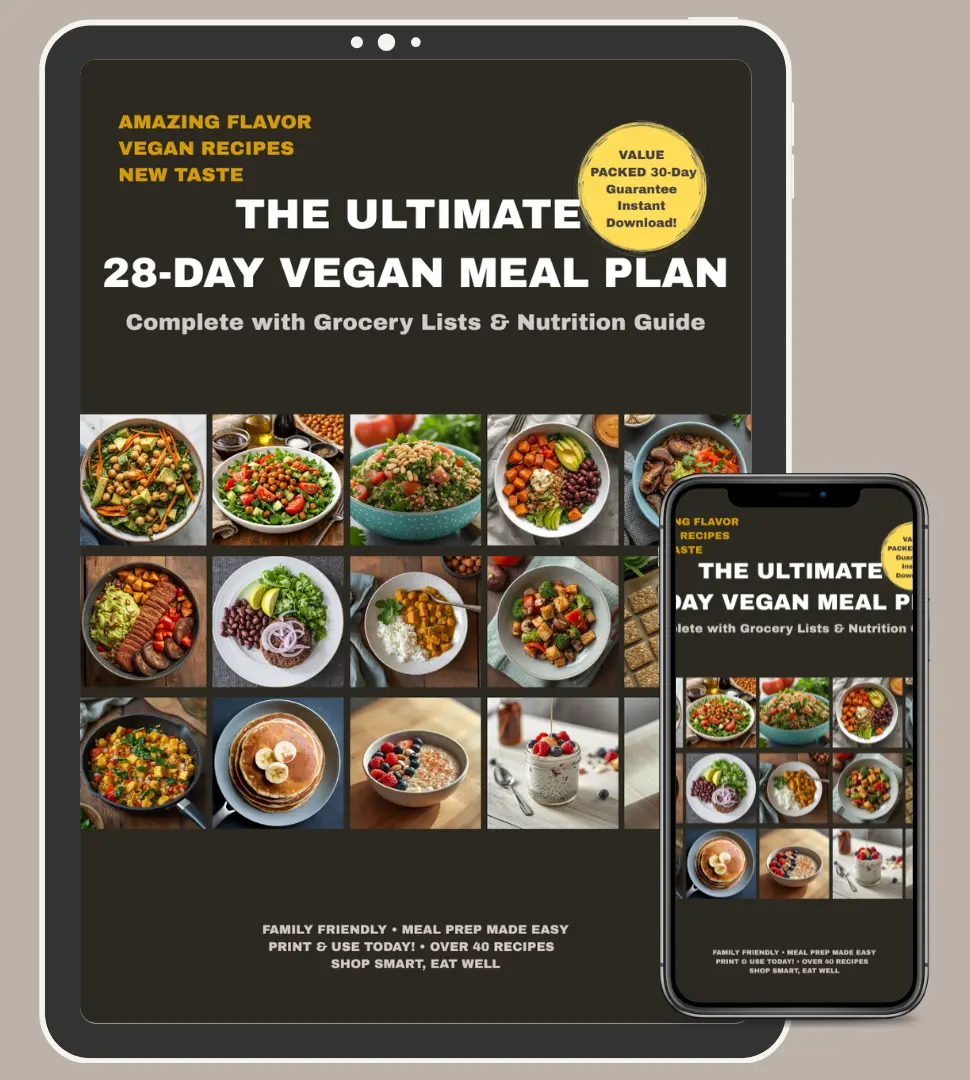
28-Day Vegan Meal Plan + Grocery list.
Transform your lifestyle with our comprehensive guide. This isn’t just a recipe book; it’s a complete system designed for success:
- The Vegan Guide: Essential transition tips and nutritional benefits.
- 40+ Chef Recipes: Breakfast, lunch, and dinner with high-quality photos.
- 4-Week Meal Plan: A fully structured day-by-day calendar.
- Grocery Lists: Categorized weekly lists to save you time and money.
- Photos: High-Quality Recipe Photos.
- Nutritions: Vegan Nutrition Guide Toolkit.
Magnesium Types: Glycinate vs. Citrate vs. Oxide
Not all magnesium supplements are equal. The form of magnesium determines how much is absorbed, what side effects occur, and which health goals it best addresses. For those who need to supplement beyond vegan magnesium foods, choosing the right form is as important as choosing the right dose.
Magnesium Glycinate
Magnesium bound to the amino acid glycine. Highest bioavailability. Glycine itself has calming properties, making this form optimal for sleep, anxiety, and nervous system support. No laxative effect at standard doses. The form most consistently supported by clinical evidence.
Magnesium Citrate
Magnesium bound to citric acid. High bioavailability. Has mild laxative properties at higher doses, making it useful if constipation is a concurrent concern. A reasonable choice for general supplementation if glycinate is unavailable.
Magnesium Malate
Magnesium bound to malic acid. Malic acid is involved in the Krebs cycle (cellular energy production). This form is often recommended specifically for fatigue and muscle pain conditions. Good absorption with minimal digestive side effects.
Magnesium Threonate
The only form that crosses the blood-brain barrier efficiently. Specifically studied for cognitive function, memory, and neurological applications. Expensive. Recommended specifically for brain health goals rather than general magnesium repletion.
Magnesium Oxide
The cheapest and most common form in budget supplements. Only 4% absorption rate versus 25-40% for glycinate and citrate. Primarily used as a laxative. Not recommended for magnesium repletion despite appearing on supplement labels frequently.
Topical Magnesium
Magnesium chloride applied to skin via sprays or flakes. The evidence for transdermal magnesium absorption is inconsistent. It may help with localised muscle tension when applied directly to cramping areas. Cannot reliably replace dietary or oral supplement magnesium for systemic needs.
Dosing guidance: 200-400mg magnesium glycinate in the evening is the most evidence-supported supplementation approach for adults. Always supplement in the evening: magnesium’s GABA-activating effects are best utilised during the night rest period. The complete vegan supplement framework is at the vegan supplements guide.
How to Reach 400mg Daily: The 7-Step Vegan Magnesium Protocol
The 400mg daily RDA is achievable from vegan magnesium foods alone for most adults who eat deliberately. The protocol below builds the target from reliable daily anchors rather than relying on a single food or supplement to carry the entire load.
Morning: Hemp or Chia Seeds in Breakfast
3 tablespoons hemp seeds (210mg Mg) or 2 tablespoons chia seeds (95mg Mg) added to porridge, smoothie, or yogurt alternative. This single habit covers 25-50% of the daily target before anything else is eaten.
- Hemp seeds: scatter on porridge or blend into smoothies. No flavour imposition.
- Chia seeds: overnight oats, chia pudding, or stirred into juice. No preparation needed.
- Alternating between the two maintains dietary variety and microbiome diversity.
Oats as the Breakfast Base
Using oats as the breakfast grain rather than processed cereal adds 63mg magnesium per serving from the breakfast base alone. Combined with hemp or chia seeds on top, the first meal of the day can deliver 150-270mg magnesium.
- Overnight oats with chia seeds: 158mg magnesium from two ingredients alone
- Porridge with hemp seeds: 273mg before adding any other toppings
- A brown rice or quinoa bowl in place of white rice at any meal adds 80-118mg
Daily Legume Serving (Lunch or Dinner)
Black beans, lima beans, edamame, or lentils as the protein anchor of one main meal delivers 80-126mg magnesium per cup. This is the most important single meal-level magnesium habit on a plant-based diet.
- Black bean bowl: 120mg magnesium
- Edamame as a snack or side: 99mg in minutes from frozen
- Lima beans in soup or stew: 126mg magnesium
- Always soak dried legumes: soaking removes phytate and improves magnesium absorption by 20-30%
Daily Dark Leafy Greens
A cup of cooked spinach (157mg), Swiss chard (150mg), or kale (100mg) at the main meal adds substantial magnesium with excellent bioavailability. Cooked volume is much smaller than raw, making it easy to eat a full cup without it dominating the meal.
- Spinach wilted into pasta, soups, curries: invisible in texture, significant in magnesium
- Swiss chard braised with garlic and lemon: a MENA kitchen standard with exceptional mineral density
- Note: unlike calcium, magnesium absorption from spinach is not significantly blocked by oxalates
Nut or Seed Snack (Mid-Afternoon)
30g of almonds (76mg), cashews (83mg), or pumpkin seeds (156mg) as a mid-afternoon snack covers the snacking calorie need while contributing significantly to the daily magnesium total. Choose the snack based on which other nutrients are needed:
- Need more zinc and tryptophan: pumpkin seeds
- Need more vitamin E and general magnesium: almonds
- Need copper alongside magnesium: cashews
Daily Dark Chocolate as the Evening Magnesium Ritual
30g of 85%+ dark chocolate in the evening provides 65mg magnesium alongside the polyphenols that have documented cardiovascular benefit. The magnesium contributes to GABA receptor activation, supporting the pre-sleep nervous system quieting process. This is evidence-based pleasure that also happens to be a nutrient delivery vehicle.
Supplement If Gaps Remain (Evening Dose)
With steps 1-6 in place, most adults reach 350-450mg magnesium daily from food. If symptoms of deficiency persist (poor sleep, muscle cramps, anxiety) or dietary intake is inconsistent:
- Magnesium glycinate 200-400mg in the evening is the first choice
- Magnesium citrate 200-300mg if glycinate is unavailable
- Never take magnesium within 2 hours of iron supplements: they compete for absorption
- Taking magnesium with food reduces the mild nausea some people experience
 🏆 BEST VALUE
+ Grocery List
Chef Section: MENA Seeds, Legumes, and Cacao Traditions
Twenty years of professional MENA and Mediterranean kitchen experience makes one thing clear: the traditional cooking of this region is a magnesium delivery system built by centuries of practical wisdom. Before nutritional science existed, these culinary traditions organised daily eating around the foods we now know are the planet’s richest magnesium sources.
Three MENA Magnesium Cooking Traditions
1. The Seed Culture: Za’atar, Tahini, and the Daily Seed Habit
Seeds are not a health food trend in MENA cooking. They are structural. Za’atar blend contains sesame seeds (magnesium-rich) consumed at every breakfast on flatbread dipped in olive oil. Tahini appears in hummus, mutabbal, and as a sauce on almost every plate. Sesame seeds encrust falafel, top breads, and finish salads. The cumulative daily seed intake in a traditional MENA kitchen often exceeds 60-80g, delivering 200-280mg magnesium from seeds alone before any other food is considered.
2. The Legume Tradition: Ful, Hummus, and the Protein Mineral Base
Fava beans (ful medames) are the traditional MENA breakfast, eaten slow-cooked with olive oil, lemon, and cumin. Chickpeas appear at lunch as hummus, at dinner as a stew component, and roasted as a snack. Lentils appear in soups, grain dishes, and as a protein anchor five to six times per week in a traditional Lebanese or Egyptian household. Each of these legume appearances delivers 80-120mg magnesium per serving. The cumulative weekly legume magnesium load in traditional MENA eating is staggering by modern nutritional standards.
3. The Cacao Tradition: The Case for Dark Chocolate in Professional Cooking
Raw cacao has been used in MENA and North African cooking long before Western health trends discovered it. Bitter cacao in spice blends, chocolate sauces for savoury applications, and dark chocolate as a post-meal digestif all reflect the same instinct that traditional cuisines developed around nutrient-dense bitter plant foods. A square of 85% dark chocolate after a meal is not an indulgence to be justified. It is a 65mg magnesium delivery mechanism with polyphenol benefits that clinical science now validates.
The MENA Magnesium Day: A Professional Kitchen Template
Daily Magnesium Total: 480-550mg from Food Alone
- Breakfast: Oats with 3 tbsp hemp seeds + banana (210mg + 63mg + 32mg = 305mg)
- Lunch: Hummus (tahini-rich) + ful medames + whole grain bread (80-100mg)
- Snack: 30g pumpkin seeds (156mg) or 30g cashews (83mg)
- Dinner: Black bean and Swiss chard stew (120mg + 150mg = 270mg)
- Evening: 30g dark chocolate 85%+ (65mg)
- Running total: well above 400mg RDA from whole vegan foods. No supplement required.
For practical everyday Middle Eastern recipes that naturally incorporate these magnesium-dense foods, the Middle Eastern vegan recipes guide provides a full culinary framework.
Putting It Together: Vegan Magnesium Foods as a Complete System
Vegan magnesium foods are not marginal contributors to plant-based nutrition. They are the foundation of sleep quality, nervous system regulation, blood sugar control, and muscle function. A plant-based diet built on hemp seeds, pumpkin seeds, dark leafy greens, legumes, whole grains, and dark chocolate has access to more dietary magnesium than almost any omnivore dietary pattern.
The problem is not availability. The problem is awareness. Most people eating plant-based diets know about protein and iron as priority nutrients, but magnesium receives far less attention despite touching every major system in the body through 300 enzymatic pathways. Correcting this awareness gap is the first step.
The practical strategy is layered and simple: seeds at breakfast, legumes at the main meal, dark leafy greens daily, nuts as a snack, and dark chocolate as an evening ritual. Together, these five habits deliver 400mg+ of vegan magnesium daily from foods that are already present in a well-designed plant-based diet. Supplementation with magnesium glycinate in the evening serves as the insurance layer for days when food intake falls short. A vegan magnesium foods strategy executed consistently is one of the highest-impact nutritional interventions available. It costs almost nothing, requires no medical intervention, and transforms sleep, mood, energy, and blood sugar simultaneously.
FAQ: 12 Questions About Vegan Magnesium Foods
Hemp seeds deliver the most magnesium per gram of any plant food: 210mg per 30g (3 tablespoons). Pumpkin seeds are close at 156mg per 30g. Cooked spinach delivers 157mg per cup and cooked Swiss chard reaches 150mg per cup, making them the best vegetable sources. Quinoa at 118mg per cooked cup is the highest-magnesium grain. For a single-serving food that is easy to eat daily, hemp seeds scattered over breakfast is the most practical way to add a large amount of magnesium quickly.
Yes. This is an important distinction from the calcium context. While spinach is a poor calcium source due to its oxalate content blocking calcium absorption, spinach is an excellent magnesium source because oxalates do not significantly interfere with magnesium absorption. One cup of cooked spinach delivers 157mg magnesium with good bioavailability. This makes spinach uniquely positioned: poor for calcium, excellent for magnesium and iron.
Magnesium deficiency symptoms span multiple body systems:
- Neuromuscular: muscle cramps (especially calves at night), eye twitches, restless legs, tremors
- Neurological: anxiety, irritability, difficulty switching off the mind, poor sleep quality
- Cardiovascular: palpitations, irregular heartbeat (in severe deficiency)
- Metabolic: fatigue, poor blood sugar regulation, increased sweet cravings
- Bone: increased bone resorption markers (usually only detected by testing)
The challenge is that these symptoms are non-specific and often attributed to other causes. An 8-week trial of magnesium glycinate supplementation alongside increased dietary vegan magnesium foods is a practical way to assess whether deficiency is contributing.
Generally yes, for well-planned plant-based diets. The highest-magnesium foods globally are all plant-derived: seeds, nuts, dark chocolate, whole grains, legumes, and dark leafy greens. Meat, poultry, and fish are moderate magnesium sources at best. Studies reviewed at PubMed consistently show that plant-based eaters have higher average magnesium intakes than omnivores when their diets are analysed. The caveat is that processing and soil depletion affect plant magnesium just as much as dietary pattern does.
The RDA for magnesium is 400-420mg daily for adult men and 310-320mg for adult women. These figures rise slightly during pregnancy (350-360mg) and for older adults who may absorb magnesium less efficiently. Active individuals and athletes may need closer to 400-500mg due to sweat losses. People under chronic stress deplete magnesium faster and may need 350-400mg even if the standard RDA is lower for their demographic.
Magnesium glycinate is the best overall choice for most purposes. It has the highest bioavailability, does not cause digestive upset, and the glycine component adds additional calming properties that support sleep. Magnesium citrate is an effective alternative with a mild laxative effect that some people find beneficial. Magnesium threonate is specifically recommended if cognitive or neurological goals are the priority. Avoid magnesium oxide: it has only 4% absorption and functions primarily as a laxative, not a magnesium repletion supplement despite appearing on many mainstream supplement labels.
Yes, through a specific mechanism. Magnesium is required to stabilise ATP molecules, the energy currency of every cell. Without adequate magnesium, ATP cannot be efficiently produced or transferred. This means cellular energy generation is impaired at a foundational level, producing fatigue that is not related to sleep, iron, or B12. If vegan fatigue persists after addressing B12, iron, and vitamin D, magnesium deficiency is the next most likely nutritional cause. The comprehensive vegan fatigue framework is at the vegan tiredness guide.
Yes, in two ways. Boiling vegetables in large amounts of water causes magnesium to leach into the cooking water: up to 30% can be lost if vegetables are boiled and the water is discarded. Steaming, roasting, and stir-frying preserve significantly more magnesium than boiling. When boiling is necessary (for legumes), retaining and using the cooking liquid captures much of the leached magnesium. Soaking legumes before cooking reduces phytate content, which improves magnesium absorption even though it does not change the total content.
Magnesium has three distinct brain health mechanisms. It activates GABA receptors, reducing neural excitability and supporting a calm, focused mental state. It blocks NMDA receptors, preventing the chronic excitotoxicity that contributes to neurological damage and anxiety disorders. And magnesium threonate specifically improves synaptic density and memory consolidation by raising brain magnesium levels more effectively than other forms. The full brain nutrition framework is at the vegan brain health guide.
Yes. Raw cacao powder is one of the most magnesium-dense foods available: approximately 520mg per 100g. A tablespoon (7g) of raw cacao powder in a smoothie or hot drink delivers approximately 36mg magnesium. Dark chocolate at 85%+ delivers 65mg per 30g square. Both are practical and enjoyable daily magnesium sources. The minimum chocolate threshold for meaningful magnesium content is 70% cocoa solids. Below this, the sugar content and diluted cocoa deliver insufficient magnesium to justify the refined sugar intake alongside it.
Not from food sources. The kidneys efficiently excrete excess dietary magnesium. There is no documented case of magnesium toxicity from food. Excess magnesium from supplements can cause diarrhoea, nausea, and loose stools (the “laxative effect”) but this self-corrects when the dose is reduced. The tolerable upper limit for supplemental magnesium is 350mg per day (separate from dietary magnesium). Anyone with kidney disease should consult a healthcare provider before supplementing magnesium, as impaired kidneys cannot efficiently regulate magnesium excretion.
Timeline depends on the severity of deficiency and the approach used:
- Sleep and anxiety improvement: often noticed within 1-2 weeks of consistent magnesium glycinate supplementation alongside increased dietary vegan magnesium foods
- Muscle cramp reduction: typically 2-4 weeks of consistent high-dose dietary and supplemental magnesium
- RBC magnesium test normalisation: 8-12 weeks of consistent adequate intake
- Bone magnesium repletion: months to years of consistent dietary adequacy
The fastest recovery combines dietary sources (hemp seeds, pumpkin seeds, dark leafy greens, legumes daily) with magnesium glycinate supplementation at 200-400mg in the evening. Food-only approaches take longer but are sustainable indefinitely without cost concern.
Still spending hours figuring out what to eat?
What’s included in your download
- 40+ nutritionist-approved recipes
- Complete 28-day calendar
- Meets protein, iron & B12 needs
- Family & meal prep friendly
- Vibrant photo for every recipe
- Simple, common ingredients
Instant PDF download. No subscriptions. No waiting.