

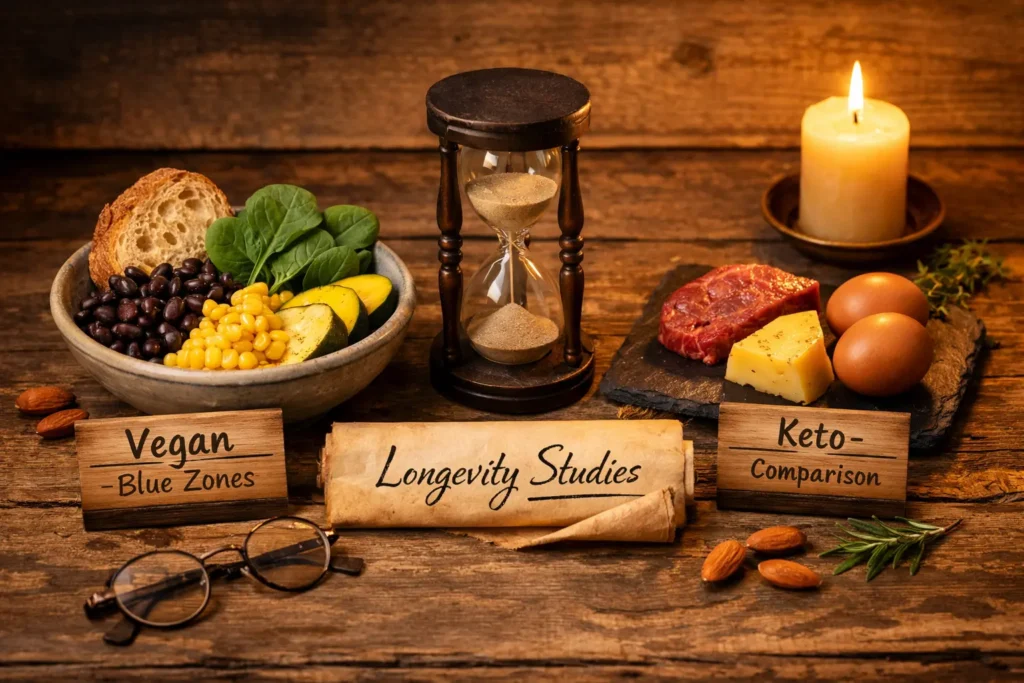
⚡ TL;DR: Vegan vs Keto: The Key Points
- Both diets produce short-term benefits. The divergence happens at the 12-month mark and beyond, where the evidence strongly favours plant-based eating for longevity, cardiovascular health, and gut microbiome outcomes.
- Keto wins for short-term weight loss speed and insulin reduction. Vegan diets win for long-term cardiovascular outcomes, gut health, anti-inflammation, and all-cause mortality.
- The ketogenic diet is backed by strong short-term metabolic research but has almost no long-term (beyond 2 years) randomised controlled trial data. Plant-based diets have decades of longitudinal population study evidence behind them.
- The most damaging feature of most keto diets is high saturated fat intake from animal products, which activates TLR4 inflammatory signalling, raises LDL, and degrades the gut microbiome simultaneously.
- A plant-based diet is not automatically low carb. A keto diet is not automatically high quality. Both dietary patterns span an enormous quality range that matters more than the dietary label itself.
- For most people seeking sustainable health improvement, a diverse whole-food plant-based diet is supported by stronger long-term evidence than the ketogenic diet. For people seeking rapid glycaemic control or short-term weight loss, a well-planned keto approach has a legitimate evidence base for those specific goals.
Vegan vs Keto: Which Diet Is Actually Better for Long-Term Health?
No dietary comparison generates more heat and less light than vegan versus keto. Both sides have passionate advocates, selectively cited research, and compelling short-term results. Both diets have transformed the health of large numbers of people. And both are capable of being done excellently or catastrophically, depending almost entirely on food quality and nutritional knowledge rather than on the dietary label itself.
The honest answer to “which diet is better?” is that it depends entirely on what you mean by “better,” what your starting health status is, what your specific goals are, and what timeframe you are evaluating across. A ketogenic diet is genuinely superior for certain short-term metabolic goals. A plant-based diet is genuinely superior for certain long-term health outcomes. Pretending otherwise is either ignorance or advocacy.
This matters particularly for people currently on or considering the ketogenic diet who are curious whether plant-based eating might serve their goals better long-term, and for plant-based eaters who want to understand whether incorporating low-carb principles could improve specific aspects of their health.
How Each Diet Works: Mechanisms and Metabolic States
🔬 The Ketogenic Diet: Forcing Fat Metabolism
The ketogenic diet restricts carbohydrates to under 20 to 50 grams of net carbs daily, typically replacing them with dietary fat (60 to 80% of calories) and moderate protein (15 to 25%). The physiological goal is to deplete glycogen stores sufficiently that the liver begins producing ketone bodies (beta-hydroxybutyrate, acetoacetate, and acetone) from fatty acids, shifting the primary cellular fuel from glucose to ketones.
This metabolic state, nutritional ketosis, produces several measurable effects that are the basis of the keto diet’s short-term health appeal:
- Insulin reduction: with minimal carbohydrate input, insulin secretion falls dramatically. Lower insulin reduces insulin-mediated fat storage, improves insulin receptor sensitivity in peripheral tissues, and in insulin-resistant individuals produces rapid blood glucose normalisation.
- Appetite suppression: ketone bodies, particularly beta-hydroxybutyrate, directly suppress ghrelin (the primary hunger hormone) and increase leptin sensitivity. This appetite suppression drives significant caloric deficit without deliberate calorie counting in most keto practitioners.
- AMPK activation: the metabolic sensing kinase AMPK is activated by the energy deficit produced during ketosis adaptation, increasing fat oxidation and improving mitochondrial biogenesis. This mechanism overlaps significantly with intermittent fasting physiology.
- Specific neurological benefits: ketone bodies provide an alternative fuel for neurons that does not require insulin transport. This makes the ketogenic diet the most evidence-based dietary intervention for epilepsy management and has prompted investigation into its role in neurological conditions including Alzheimer’s disease.
🌿 The Whole-Food Vegan Diet: Leveraging Plant Biochemistry
A whole-food plant-based diet achieves its health benefits through entirely different mechanisms, operating more slowly but through a broader and more comprehensively documented set of biological pathways:
- Fibre-driven microbiome remodelling: the high fibre diversity of a plant-based diet feeds and diversifies the gut microbiome, producing SCFAs that suppress NF-kB inflammatory signalling, maintain gut barrier integrity, modulate immune function, and regulate appetite hormones through the gut-brain axis.
- Polyphenol network activation: thousands of distinct phytochemical compounds across plant foods simultaneously activate Nrf2 antioxidant networks, suppress NF-kB, inhibit COX-2, modulate cancer signalling pathways, and protect cardiovascular endothelium. No pharmaceutical intervention activates this breadth of protective mechanisms simultaneously.
- Saturated fat elimination: the absence of dietary saturated fat from animal products removes the primary dietary activator of TLR4 inflammatory signalling and LDL-raising mechanisms. This produces cardiovascular benefits that accumulate over years and decades.
- Low glycaemic load through fibre: plant carbohydrates come packaged with fibre that slows glucose absorption, reducing postprandial insulin excursions despite the higher carbohydrate content compared to keto. The glycaemic index of whole plant foods is generally low regardless of total carbohydrate content.
Head-to-Head: 7 Categories Compared With Evidence
⚖️ Category 1: Weight Loss
- Consistent 1 to 2kg monthly weight loss in research populations eating whole plant foods without calorie restriction
- Higher fibre content produces better long-term satiety than keto for most people beyond 12 months
- The BROAD study (New Zealand, 2017): whole-food plant-based diet produced 11.5kg weight loss at 12 months vs 4kg in control: no calorie counting required
- Lower risk of weight regain due to gut microbiome diversity improvements that regulate appetite hormones long-term
- Faster initial weight loss (2 to 4kg in week 1, primarily water and glycogen)
- Stronger appetite suppression from ketone-mediated ghrelin suppression in the short term
- 2019 meta-analysis: keto produced greater weight loss at 6 months than low-fat diets
- Evidence of weight regain comparable to other diets beyond 12 months
- High dropout rates (40 to 60% in RCTs) reduce real-world effectiveness
❤️ Category 2: Cardiovascular Health
- Reduces LDL cholesterol by 15 to 30% through soluble fibre bile acid sequestration, plant sterols, and soy protein LDL receptor upregulation
- Adventist Health Studies: plant-based eaters had 25% lower cardiovascular mortality
- PREDIMED-Plus trial subset: plant-based component most predictive of cardiovascular event reduction
- Oleocanthal from olive oil, polyphenols, and omega-3 from seeds provide additional cardiovascular protection beyond LDL reduction
- Raises HDL in most studies
- Reduces triglycerides effectively
- LDL effect is mixed: increases in 30 to 40% of keto practitioners, driven by saturated fat from animal products
- High-saturated-fat keto diets produce measurable endothelial dysfunction in some populations
- No long-term RCT data on cardiovascular event rates (heart attacks, strokes) from ketogenic diets
🩸 Category 3: Blood Glucose and Insulin Management
- High-fibre whole plant foods produce low glycaemic responses despite moderate carbohydrate content
- Daily legume intake reduces HbA1c by 0.5 to 0.8% in type 2 diabetes populations
- Gut microbiome-mediated insulin sensitivity improvement via SCFA production
- Long-term reduction in insulin resistance through weight loss, reduced visceral adiposity, and anti-inflammatory mechanisms
- Strongest short-term glycaemic control tool available from dietary intervention
- Reduces postprandial glucose excursions to near zero in the ketotic state
- Meta-analyses show 0.9 to 1.4% HbA1c reduction in type 2 diabetes within 6 months
- Mechanism is carbohydrate elimination rather than insulin sensitisation: glycaemic control returns if carbs are reintroduced
- Some research shows peripheral insulin resistance increases during prolonged ketosis due to physiological glucose sparing for the brain
🔥 Category 4: Systemic Inflammation
- Reduces CRP by 20 to 32% vs omnivorous diets (meta-analysis, Nutrients 2019)
- Seven simultaneous anti-inflammatory pathways: NF-kB suppression, Nrf2 activation, SCFA-HDAC inhibition, omega-3 SPM production, TLR4 signal reduction, omega ratio improvement, insulin reduction
- 38% lower IL-6 in vegan vs omnivore populations (Adventist study)
- Polyphenol diversity activates antioxidant networks that pharmaceutical anti-inflammatories cannot replicate
- Beta-hydroxybutyrate (BHB) activates NLRP3 inflammasome inhibition, a genuine anti-inflammatory mechanism
- Insulin reduction decreases adipose inflammation in insulin-resistant patients
- Animal-fat keto diets simultaneously activate TLR4 (pro-inflammatory) via saturated fat, partially offsetting the BHB benefit
- Gut microbiome degradation from low fibre intake increases intestinal LPS translocation, raising systemic inflammatory markers
🫘 Category 5: Gut Microbiome Health
- Greater gut microbiome diversity: the single strongest predictor of long-term gut health
- 30+ plant species per week target produces measurably higher diversity than any omnivorous or keto diet
- High SCFA production (butyrate, propionate, acetate) supports colonocyte health, gut barrier integrity, and immune regulation
- Supports Faecalibacterium prausnitzii, Akkermansia muciniphila, Roseburia, Bifidobacterium: the most health-associated gut species
- Significantly reduces microbiome diversity due to extreme fibre restriction
- Research shows keto reduces Bifidobacterium and F. prausnitzii: the two most health-protective species
- Dramatic SCFA reduction from fibre elimination reduces butyrate, compromising colonocyte fuel supply
- Increases secondary bile acid production from elevated fat intake, raising deoxycholic acid levels associated with colorectal cancer risk
🔬 Category 6: Cancer Risk
- Adventist Health Study 2: vegan participants had 16% lower cancer incidence overall vs omnivores
- Highest protection for colorectal cancer: fibre-driven microbiome diversity reduces secondary bile acid production and promotes butyrate-mediated tumour suppression
- Polyphenols across plant foods activate multiple tumour suppressor pathways independently
- Absence of processed meat (Group 1 carcinogen per IARC) and red meat (Group 2A) removes significant colorectal cancer risk factors
- Emerging research on ketone bodies as potential cancer-modifying agents via Warburg effect (cancer cells rely preferentially on glucose)
- Some animal models show tumour growth slowing under ketosis
- No long-term human RCT evidence that keto diets reduce cancer incidence or mortality
- Elevated secondary bile acids from high animal fat intake are an established colorectal cancer risk factor
- Reduced phytochemical intake removes most known dietary cancer-protective compounds simultaneously
🌍 Category 7: Long-Term Sustainability and Adherence
- Most global traditional food cultures are predominantly plant-based: sustainable in every culinary context
- No restriction on entire macronutrient category: compatible with social eating, travel, and varied cuisine
- Environmental sustainability: plant-based diets produce 50 to 70% fewer greenhouse gas emissions than omnivorous diets
- Long-term adherence data: the Adventist populations maintaining plant-based eating for decades represent the largest long-term dietary adherence evidence base available
- RCT dropout rates of 40 to 60% within 12 months, the highest of any dietary intervention studied
- Social restriction: bread, pasta, fruit, rice, and most restaurant options are incompatible with keto
- Metabolic keto flu during adaptation (2 to 4 weeks) deterring many from completing the transition
- High cost of quality animal proteins and specialty keto products relative to legume-based plant eating
- Environmental cost: high animal product reliance produces significantly greater greenhouse gas emissions

28-Day Vegan Meal Plan + Grocery list.
Transform your lifestyle with our comprehensive guide. This isn’t just a recipe book; it’s a complete system designed for success:
- The Vegan Guide: Essential transition tips and nutritional benefits.
- 40+ Chef Recipes: Breakfast, lunch, and dinner with high-quality photos.
- 4-Week Meal Plan: A fully structured day-by-day calendar.
- Grocery Lists: Categorized weekly lists to save you time and money.
- Photos: High-Quality Recipe Photos.
- Nutritions: Vegan Nutrition Guide Toolkit.
📊 Overall Evidence Scorecard
Whole-Food Vegan
Ketogenic Diet
The one keto win is blood glucose speed: where it is genuinely superior for rapid glycaemic normalisation in type 2 diabetes. All six remaining categories are won by the whole-food plant-based diet on the weight of current evidence.
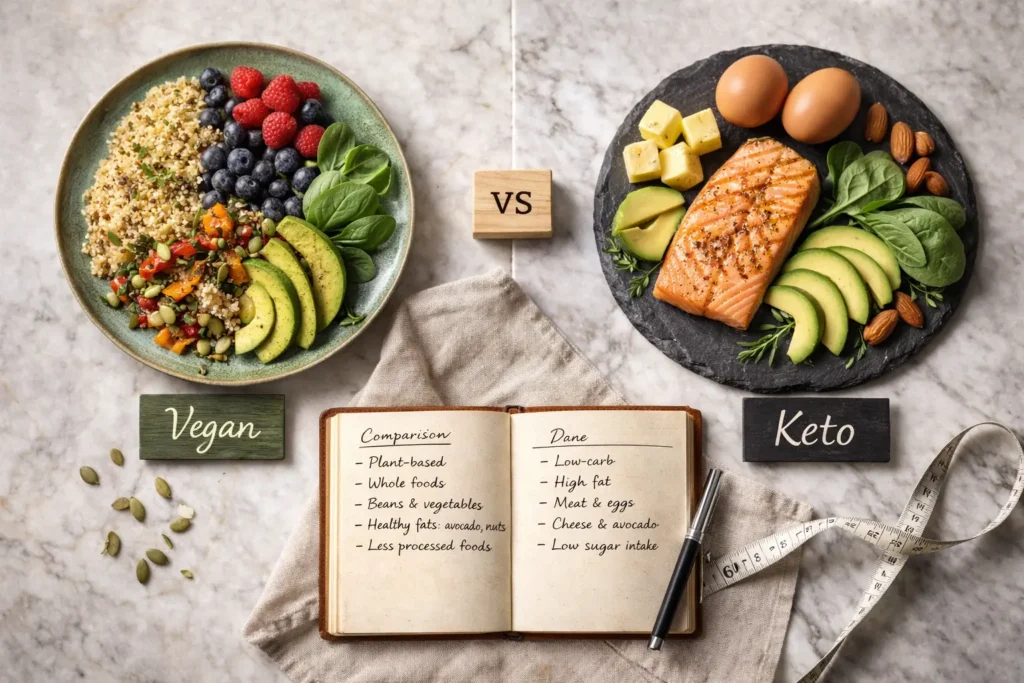
The Gut Microbiome Comparison: Where the Diets Diverge Most Sharply
🫘 The Fibre Paradox of Keto
The most scientifically significant divergence between vegan and keto diets is not in their macronutrient ratios, their short-term weight loss speeds, or their insulin effects. It is in what they do to the gut microbiome, and the cascading systemic consequences that follow from that difference over years and decades.
The ketogenic diet restricts total carbohydrates to 20 to 50 grams daily. Since dietary fibre is a carbohydrate (even though it is subtracted for net carb counting, it still contributes to total carbohydrate intake), keto practitioners eating 20 to 50g total carbs are consuming 10 to 25g of fibre at most, typically far below the 25 to 38g recommended daily minimum. Research consistently shows that this level of fibre restriction:
- Reduces total SCFA production by 40 to 60%, starving colonocytes of their primary fuel and compromising gut barrier integrity
- Significantly reduces the populations of Faecalibacterium prausnitzii and Bifidobacterium, the most anti-inflammatory and health-protective gut species
- Increases secondary bile acid production from elevated fat intake, raising deoxycholic acid (DCA) concentrations associated with colorectal mucosal damage and cancer risk
- Reduces gut microbiome diversity, which research from the American Gut Project identifies as among the strongest predictors of long-term metabolic and immune health
🌿 Why Vegan Gut Health Compounds Over Time
A plant-based diet improves gut microbiome health through mechanisms that compound over time in ways that keto cannot match. The diversity of fermentable fibres, polyphenols, and resistant starches in a whole-food vegan diet feeds a continually broadening array of microbiome species. Each new plant species added to the diet introduces a slightly different fibre profile that feeds a slightly different bacterial cohort. Over months and years, this accumulating diversity produces a microbiome that is more resilient, more metabolically active, and more capable of the SCFA and neurotransmitter production that supports systemic health.
For the full science on gut microbiome nutrition and plant-based eating, our vegan gut health guide covers the complete mechanistic picture including the 30-plants-per-week protocol.

+ Grocery List
Longevity and Blue Zones: What the Long-Term Data Shows
🗓️ The Evidence Quality Gap
Perhaps the most important asymmetry between vegan and keto research is the length of follow-up available. The longest randomised controlled trial of the ketogenic diet has a follow-up period of approximately 2 years. Most keto RCTs follow participants for 6 to 12 months. Population-level observational evidence on keto-type diets is limited and methodologically complicated by the wide variation in food quality within low-carb eating patterns.
Plant-based diet evidence, by contrast, includes:
The most comprehensive long-term dietary cohort studies in human history, tracking 96,000 Seventh-day Adventists (a population with unusually high rates of plant-based eating) over 25+ years. Key findings: vegan participants had 9.4% lower all-cause mortality, 29% lower ischaemic heart disease mortality, 16% lower cancer incidence, and significantly lower rates of diabetes and hypertension compared to omnivorous participants.
Ethnographic and epidemiological study of the five global regions with the highest concentrations of centenarians (Okinawa, Sardinia, Nicoya, Ikaria, Loma Linda). All five zones share a dietary pattern that is 90 to 100% plant-based, with legumes featuring at every main meal. None of the documented longevity populations follow a ketogenic dietary pattern. The absence of centenarian populations on long-term high-fat, low-carbohydrate diets is not a proof of harm, but it is a notable absence in the longevity literature.
A UK-based cohort of 65,000 participants including a large vegetarian and vegan subset, followed for over 17 years. Plant-based participants showed significantly lower rates of cardiovascular disease, type 2 diabetes, certain cancers, and hypertension, with the magnitude of benefit increasing with the degree of plant-based dietary adherence.
Who Benefits From Each Diet? A Clinical Decision Framework
✅ Who Has the Strongest Evidence Base for Keto
- People with epilepsy: the ketogenic diet is the most evidence-supported non-pharmacological epilepsy intervention available, with 50% seizure reduction in 30 to 40% of drug-resistant cases. This is not a lifestyle diet; it is a medical treatment.
- Type 2 diabetes requiring rapid glycaemic normalisation: keto’s ability to reduce HbA1c by 1 to 1.4% within 6 months is unmatched by any other dietary intervention. For patients needing rapid medication reduction under medical supervision, this is clinically relevant.
- Severe insulin resistance and metabolic syndrome: the rapid insulin reduction from carbohydrate elimination produces faster initial improvement in HOMA-IR than a plant-based diet, making keto a valid short-term intervention for severe metabolic cases transitioning toward a more sustainable diet.
- Neurological condition management: emerging (not yet conclusive) evidence for Alzheimer’s disease, Parkinson’s disease, and traumatic brain injury management, where ketone body alternative fuel for neurons has mechanistic plausibility.
✅ Who Has the Strongest Evidence Base for Whole-Food Plant-Based
- Cardiovascular disease prevention and reversal: the strongest evidence base of any dietary pattern for LDL reduction, plaque regression, and cardiovascular event prevention. The Ornish Programme for Reversing Heart Disease (plant-based + lifestyle) is the only non-pharmacological intervention shown to reverse coronary artery disease.
- Long-term weight management: superior adherence rates, lower caloric density, higher satiety-to-calorie ratio, and gut microbiome-mediated appetite regulation produce better outcomes beyond 12 months.
- Cancer prevention: the most comprehensive dietary cancer prevention evidence available, particularly for colorectal cancer, where fibre-microbiome-butyrate mechanisms have direct biological plausibility backed by population data.
- Inflammatory conditions: rheumatoid arthritis, IBD remission maintenance, psoriasis, and systemic lupus: all show improvements in anti-inflammatory plant-based dietary trials.
- Anyone seeking a sustainable lifelong dietary pattern: superior adherence, social compatibility, environmental sustainability, and cost-effectiveness make plant-based eating the most viable long-term dietary approach for the majority of the population.
The Hybrid Approach: Taking the Best of Both
🌿 Plant-Based Low Carb: A Smarter Middle Ground
The most sophisticated nutritional position, supported by the evidence, is neither strict keto nor high-carbohydrate plant-based eating. It is a whole-food plant-based diet with carbohydrate quality prioritised over carbohydrate quantity.
This means:
- All carbohydrates from whole plant sources: legumes (low glycaemic index), vegetables, whole grains, and fruit. No refined carbohydrates, no added sugars.
- Daily legumes as the primary protein source, delivering protein alongside prebiotic fibre, resistant starch, and minerals simultaneously
- Healthy fats from avocados, olive oil, walnuts, hemp seeds, and flaxseeds: the same fat sources that drive the Mediterranean diet’s cardiovascular superiority
- Moderate total carbohydrate intake (100 to 150g net carbs) naturally achieved by eliminating refined grains and processed foods, without the gut microbiome and fibre costs of strict keto
This dietary pattern captures the insulin sensitivity benefits of reduced refined carbohydrate intake, the cardiovascular and longevity benefits of the Mediterranean-Levantine food tradition, and the gut microbiome diversity benefits of a diverse plant-based diet. It is essentially what traditional plant-based food cultures in the longest-lived populations have eaten for centuries, without the modern keto supplement industry attached to it.
For a complete implementation framework for this approach, our low carb vegan meal plan provides the full 7-day framework and net carb guide.
Reference Tables
Vegan vs Keto: Evidence Summary Across 7 Health Categories
Macronutrient and Food Quality Comparison
Nutritionist Approved
28-Day Vegan Meal Plan
40+ recipes · Photos · Shopping lists
🔁 7-Day Money-Back Guarantee · 📱 Works on All Devices
🏆 The Final Verdict
⚡ TL;DR: Vegan vs Keto: The Key Points
- Both diets produce short-term benefits. The divergence happens at the 12-month mark and beyond, where the evidence strongly favours plant-based eating for longevity, cardiovascular health, and gut microbiome outcomes.
- Keto wins for short-term weight loss speed and insulin reduction. Vegan diets win for long-term cardiovascular outcomes, gut health, anti-inflammation, and all-cause mortality.
- The ketogenic diet is backed by strong short-term metabolic research but has almost no long-term (beyond 2 years) randomised controlled trial data. Plant-based diets have decades of longitudinal population study evidence behind them.
- The most damaging feature of most keto diets is high saturated fat intake from animal products, which activates TLR4 inflammatory signalling, raises LDL, and degrades the gut microbiome simultaneously.
- A plant-based diet is not automatically low carb. A keto diet is not automatically high quality. Both dietary patterns span an enormous quality range that matters more than the dietary label itself.
- For most people seeking sustainable health improvement, a diverse whole-food plant-based diet is supported by stronger long-term evidence than the ketogenic diet. For people seeking rapid glycaemic control or short-term weight loss, a well-planned keto approach has a legitimate evidence base for those specific goals.
Vegan vs Keto: Which Diet Is Actually Better for Long-Term Health?
No dietary comparison generates more heat and less light than vegan versus keto. Both sides have passionate advocates, selectively cited research, and compelling short-term results. Both diets have transformed the health of large numbers of people. And both are capable of being done excellently or catastrophically, depending almost entirely on food quality and nutritional knowledge rather than on the dietary label itself.
The honest answer to “which diet is better?” is that it depends entirely on what you mean by “better,” what your starting health status is, what your specific goals are, and what timeframe you are evaluating across. A ketogenic diet is genuinely superior for certain short-term metabolic goals. A plant-based diet is genuinely superior for certain long-term health outcomes. Pretending otherwise is either ignorance or advocacy.
This matters particularly for people currently on or considering the ketogenic diet who are curious whether plant-based eating might serve their goals better long-term, and for plant-based eaters who want to understand whether incorporating low-carb principles could improve specific aspects of their health.
How Each Diet Works: Mechanisms and Metabolic States
🔬 The Ketogenic Diet: Forcing Fat Metabolism
The ketogenic diet restricts carbohydrates to under 20 to 50 grams of net carbs daily, typically replacing them with dietary fat (60 to 80% of calories) and moderate protein (15 to 25%). The physiological goal is to deplete glycogen stores sufficiently that the liver begins producing ketone bodies (beta-hydroxybutyrate, acetoacetate, and acetone) from fatty acids, shifting the primary cellular fuel from glucose to ketones.
This metabolic state, nutritional ketosis, produces several measurable effects that are the basis of the keto diet’s short-term health appeal:
- Insulin reduction: with minimal carbohydrate input, insulin secretion falls dramatically. Lower insulin reduces insulin-mediated fat storage, improves insulin receptor sensitivity in peripheral tissues, and in insulin-resistant individuals produces rapid blood glucose normalisation.
- Appetite suppression: ketone bodies, particularly beta-hydroxybutyrate, directly suppress ghrelin (the primary hunger hormone) and increase leptin sensitivity. This appetite suppression drives significant caloric deficit without deliberate calorie counting in most keto practitioners.
- AMPK activation: the metabolic sensing kinase AMPK is activated by the energy deficit produced during ketosis adaptation, increasing fat oxidation and improving mitochondrial biogenesis. This mechanism overlaps significantly with intermittent fasting physiology.
- Specific neurological benefits: ketone bodies provide an alternative fuel for neurons that does not require insulin transport. This makes the ketogenic diet the most evidence-based dietary intervention for epilepsy management and has prompted investigation into its role in neurological conditions including Alzheimer’s disease.
🌿 The Whole-Food Vegan Diet: Leveraging Plant Biochemistry
A whole-food plant-based diet achieves its health benefits through entirely different mechanisms, operating more slowly but through a broader and more comprehensively documented set of biological pathways:
- Fibre-driven microbiome remodelling: the high fibre diversity of a plant-based diet feeds and diversifies the gut microbiome, producing SCFAs that suppress NF-kB inflammatory signalling, maintain gut barrier integrity, modulate immune function, and regulate appetite hormones through the gut-brain axis.
- Polyphenol network activation: thousands of distinct phytochemical compounds across plant foods simultaneously activate Nrf2 antioxidant networks, suppress NF-kB, inhibit COX-2, modulate cancer signalling pathways, and protect cardiovascular endothelium. No pharmaceutical intervention activates this breadth of protective mechanisms simultaneously.
- Saturated fat elimination: the absence of dietary saturated fat from animal products removes the primary dietary activator of TLR4 inflammatory signalling and LDL-raising mechanisms. This produces cardiovascular benefits that accumulate over years and decades.
- Low glycaemic load through fibre: plant carbohydrates come packaged with fibre that slows glucose absorption, reducing postprandial insulin excursions despite the higher carbohydrate content compared to keto. The glycaemic index of whole plant foods is generally low regardless of total carbohydrate content.
Head-to-Head: 7 Categories Compared With Evidence
⚖️ Category 1: Weight Loss
- Consistent 1 to 2kg monthly weight loss in research populations eating whole plant foods without calorie restriction
- Higher fibre content produces better long-term satiety than keto for most people beyond 12 months
- The BROAD study (New Zealand, 2017): whole-food plant-based diet produced 11.5kg weight loss at 12 months vs 4kg in control: no calorie counting required
- Lower risk of weight regain due to gut microbiome diversity improvements that regulate appetite hormones long-term
- Faster initial weight loss (2 to 4kg in week 1, primarily water and glycogen)
- Stronger appetite suppression from ketone-mediated ghrelin suppression in the short term
- 2019 meta-analysis: keto produced greater weight loss at 6 months than low-fat diets
- Evidence of weight regain comparable to other diets beyond 12 months
- High dropout rates (40 to 60% in RCTs) reduce real-world effectiveness
❤️ Category 2: Cardiovascular Health
- Reduces LDL cholesterol by 15 to 30% through soluble fibre bile acid sequestration, plant sterols, and soy protein LDL receptor upregulation
- Adventist Health Studies: plant-based eaters had 25% lower cardiovascular mortality
- PREDIMED-Plus trial subset: plant-based component most predictive of cardiovascular event reduction
- Oleocanthal from olive oil, polyphenols, and omega-3 from seeds provide additional cardiovascular protection beyond LDL reduction
- Raises HDL in most studies
- Reduces triglycerides effectively
- LDL effect is mixed: increases in 30 to 40% of keto practitioners, driven by saturated fat from animal products
- High-saturated-fat keto diets produce measurable endothelial dysfunction in some populations
- No long-term RCT data on cardiovascular event rates (heart attacks, strokes) from ketogenic diets
🩸 Category 3: Blood Glucose and Insulin Management
- High-fibre whole plant foods produce low glycaemic responses despite moderate carbohydrate content
- Daily legume intake reduces HbA1c by 0.5 to 0.8% in type 2 diabetes populations
- Gut microbiome-mediated insulin sensitivity improvement via SCFA production
- Long-term reduction in insulin resistance through weight loss, reduced visceral adiposity, and anti-inflammatory mechanisms
- Strongest short-term glycaemic control tool available from dietary intervention
- Reduces postprandial glucose excursions to near zero in the ketotic state
- Meta-analyses show 0.9 to 1.4% HbA1c reduction in type 2 diabetes within 6 months
- Mechanism is carbohydrate elimination rather than insulin sensitisation: glycaemic control returns if carbs are reintroduced
- Some research shows peripheral insulin resistance increases during prolonged ketosis due to physiological glucose sparing for the brain
🔥 Category 4: Systemic Inflammation
- Reduces CRP by 20 to 32% vs omnivorous diets (meta-analysis, Nutrients 2019)
- Seven simultaneous anti-inflammatory pathways: NF-kB suppression, Nrf2 activation, SCFA-HDAC inhibition, omega-3 SPM production, TLR4 signal reduction, omega ratio improvement, insulin reduction
- 38% lower IL-6 in vegan vs omnivore populations (Adventist study)
- Polyphenol diversity activates antioxidant networks that pharmaceutical anti-inflammatories cannot replicate
- Beta-hydroxybutyrate (BHB) activates NLRP3 inflammasome inhibition, a genuine anti-inflammatory mechanism
- Insulin reduction decreases adipose inflammation in insulin-resistant patients
- Animal-fat keto diets simultaneously activate TLR4 (pro-inflammatory) via saturated fat, partially offsetting the BHB benefit
- Gut microbiome degradation from low fibre intake increases intestinal LPS translocation, raising systemic inflammatory markers
🫘 Category 5: Gut Microbiome Health
- Greater gut microbiome diversity: the single strongest predictor of long-term gut health
- 30+ plant species per week target produces measurably higher diversity than any omnivorous or keto diet
- High SCFA production (butyrate, propionate, acetate) supports colonocyte health, gut barrier integrity, and immune regulation
- Supports Faecalibacterium prausnitzii, Akkermansia muciniphila, Roseburia, Bifidobacterium: the most health-associated gut species
- Significantly reduces microbiome diversity due to extreme fibre restriction
- Research shows keto reduces Bifidobacterium and F. prausnitzii: the two most health-protective species
- Dramatic SCFA reduction from fibre elimination reduces butyrate, compromising colonocyte fuel supply
- Increases secondary bile acid production from elevated fat intake, raising deoxycholic acid levels associated with colorectal cancer risk
🔬 Category 6: Cancer Risk
- Adventist Health Study 2: vegan participants had 16% lower cancer incidence overall vs omnivores
- Highest protection for colorectal cancer: fibre-driven microbiome diversity reduces secondary bile acid production and promotes butyrate-mediated tumour suppression
- Polyphenols across plant foods activate multiple tumour suppressor pathways independently
- Absence of processed meat (Group 1 carcinogen per IARC) and red meat (Group 2A) removes significant colorectal cancer risk factors
- Emerging research on ketone bodies as potential cancer-modifying agents via Warburg effect (cancer cells rely preferentially on glucose)
- Some animal models show tumour growth slowing under ketosis
- No long-term human RCT evidence that keto diets reduce cancer incidence or mortality
- Elevated secondary bile acids from high animal fat intake are an established colorectal cancer risk factor
- Reduced phytochemical intake removes most known dietary cancer-protective compounds simultaneously
🌍 Category 7: Long-Term Sustainability and Adherence
- Most global traditional food cultures are predominantly plant-based: sustainable in every culinary context
- No restriction on entire macronutrient category: compatible with social eating, travel, and varied cuisine
- Environmental sustainability: plant-based diets produce 50 to 70% fewer greenhouse gas emissions than omnivorous diets
- Long-term adherence data: the Adventist populations maintaining plant-based eating for decades represent the largest long-term dietary adherence evidence base available
- RCT dropout rates of 40 to 60% within 12 months, the highest of any dietary intervention studied
- Social restriction: bread, pasta, fruit, rice, and most restaurant options are incompatible with keto
- Metabolic keto flu during adaptation (2 to 4 weeks) deterring many from completing the transition
- High cost of quality animal proteins and specialty keto products relative to legume-based plant eating
- Environmental cost: high animal product reliance produces significantly greater greenhouse gas emissions
28-Day Vegan Meal Plan + Grocery list.
Transform your lifestyle with our comprehensive guide. This isn’t just a recipe book; it’s a complete system designed for success:
- The Vegan Guide: Essential transition tips and nutritional benefits.
- 40+ Chef Recipes: Breakfast, lunch, and dinner with high-quality photos.
- 4-Week Meal Plan: A fully structured day-by-day calendar.
- Grocery Lists: Categorized weekly lists to save you time and money.
- Photos: High-Quality Recipe Photos.
- Nutritions: Vegan Nutrition Guide Toolkit.
📊 Overall Evidence Scorecard
Whole-Food Vegan
Ketogenic Diet
The one keto win is blood glucose speed: where it is genuinely superior for rapid glycaemic normalisation in type 2 diabetes. All six remaining categories are won by the whole-food plant-based diet on the weight of current evidence.
The Gut Microbiome Comparison: Where the Diets Diverge Most Sharply
🫘 The Fibre Paradox of Keto
The most scientifically significant divergence between vegan and keto diets is not in their macronutrient ratios, their short-term weight loss speeds, or their insulin effects. It is in what they do to the gut microbiome, and the cascading systemic consequences that follow from that difference over years and decades.
The ketogenic diet restricts total carbohydrates to 20 to 50 grams daily. Since dietary fibre is a carbohydrate (even though it is subtracted for net carb counting, it still contributes to total carbohydrate intake), keto practitioners eating 20 to 50g total carbs are consuming 10 to 25g of fibre at most, typically far below the 25 to 38g recommended daily minimum. Research consistently shows that this level of fibre restriction:
- Reduces total SCFA production by 40 to 60%, starving colonocytes of their primary fuel and compromising gut barrier integrity
- Significantly reduces the populations of Faecalibacterium prausnitzii and Bifidobacterium, the most anti-inflammatory and health-protective gut species
- Increases secondary bile acid production from elevated fat intake, raising deoxycholic acid (DCA) concentrations associated with colorectal mucosal damage and cancer risk
- Reduces gut microbiome diversity, which research from the American Gut Project identifies as among the strongest predictors of long-term metabolic and immune health
🌿 Why Vegan Gut Health Compounds Over Time
A plant-based diet improves gut microbiome health through mechanisms that compound over time in ways that keto cannot match. The diversity of fermentable fibres, polyphenols, and resistant starches in a whole-food vegan diet feeds a continually broadening array of microbiome species. Each new plant species added to the diet introduces a slightly different fibre profile that feeds a slightly different bacterial cohort. Over months and years, this accumulating diversity produces a microbiome that is more resilient, more metabolically active, and more capable of the SCFA and neurotransmitter production that supports systemic health.
For the full science on gut microbiome nutrition and plant-based eating, our vegan gut health guide covers the complete mechanistic picture including the 30-plants-per-week protocol.
+ Grocery List
Longevity and Blue Zones: What the Long-Term Data Shows
🗓️ The Evidence Quality Gap
Perhaps the most important asymmetry between vegan and keto research is the length of follow-up available. The longest randomised controlled trial of the ketogenic diet has a follow-up period of approximately 2 years. Most keto RCTs follow participants for 6 to 12 months. Population-level observational evidence on keto-type diets is limited and methodologically complicated by the wide variation in food quality within low-carb eating patterns.
Plant-based diet evidence, by contrast, includes:
The most comprehensive long-term dietary cohort studies in human history, tracking 96,000 Seventh-day Adventists (a population with unusually high rates of plant-based eating) over 25+ years. Key findings: vegan participants had 9.4% lower all-cause mortality, 29% lower ischaemic heart disease mortality, 16% lower cancer incidence, and significantly lower rates of diabetes and hypertension compared to omnivorous participants.
Ethnographic and epidemiological study of the five global regions with the highest concentrations of centenarians (Okinawa, Sardinia, Nicoya, Ikaria, Loma Linda). All five zones share a dietary pattern that is 90 to 100% plant-based, with legumes featuring at every main meal. None of the documented longevity populations follow a ketogenic dietary pattern. The absence of centenarian populations on long-term high-fat, low-carbohydrate diets is not a proof of harm, but it is a notable absence in the longevity literature.
A UK-based cohort of 65,000 participants including a large vegetarian and vegan subset, followed for over 17 years. Plant-based participants showed significantly lower rates of cardiovascular disease, type 2 diabetes, certain cancers, and hypertension, with the magnitude of benefit increasing with the degree of plant-based dietary adherence.
Who Benefits From Each Diet? A Clinical Decision Framework
✅ Who Has the Strongest Evidence Base for Keto
- People with epilepsy: the ketogenic diet is the most evidence-supported non-pharmacological epilepsy intervention available, with 50% seizure reduction in 30 to 40% of drug-resistant cases. This is not a lifestyle diet; it is a medical treatment.
- Type 2 diabetes requiring rapid glycaemic normalisation: keto’s ability to reduce HbA1c by 1 to 1.4% within 6 months is unmatched by any other dietary intervention. For patients needing rapid medication reduction under medical supervision, this is clinically relevant.
- Severe insulin resistance and metabolic syndrome: the rapid insulin reduction from carbohydrate elimination produces faster initial improvement in HOMA-IR than a plant-based diet, making keto a valid short-term intervention for severe metabolic cases transitioning toward a more sustainable diet.
- Neurological condition management: emerging (not yet conclusive) evidence for Alzheimer’s disease, Parkinson’s disease, and traumatic brain injury management, where ketone body alternative fuel for neurons has mechanistic plausibility.
✅ Who Has the Strongest Evidence Base for Whole-Food Plant-Based
- Cardiovascular disease prevention and reversal: the strongest evidence base of any dietary pattern for LDL reduction, plaque regression, and cardiovascular event prevention. The Ornish Programme for Reversing Heart Disease (plant-based + lifestyle) is the only non-pharmacological intervention shown to reverse coronary artery disease.
- Long-term weight management: superior adherence rates, lower caloric density, higher satiety-to-calorie ratio, and gut microbiome-mediated appetite regulation produce better outcomes beyond 12 months.
- Cancer prevention: the most comprehensive dietary cancer prevention evidence available, particularly for colorectal cancer, where fibre-microbiome-butyrate mechanisms have direct biological plausibility backed by population data.
- Inflammatory conditions: rheumatoid arthritis, IBD remission maintenance, psoriasis, and systemic lupus: all show improvements in anti-inflammatory plant-based dietary trials.
- Anyone seeking a sustainable lifelong dietary pattern: superior adherence, social compatibility, environmental sustainability, and cost-effectiveness make plant-based eating the most viable long-term dietary approach for the majority of the population.
The Hybrid Approach: Taking the Best of Both
🌿 Plant-Based Low Carb: A Smarter Middle Ground
The most sophisticated nutritional position, supported by the evidence, is neither strict keto nor high-carbohydrate plant-based eating. It is a whole-food plant-based diet with carbohydrate quality prioritised over carbohydrate quantity.
This means:
- All carbohydrates from whole plant sources: legumes (low glycaemic index), vegetables, whole grains, and fruit. No refined carbohydrates, no added sugars.
- Daily legumes as the primary protein source, delivering protein alongside prebiotic fibre, resistant starch, and minerals simultaneously
- Healthy fats from avocados, olive oil, walnuts, hemp seeds, and flaxseeds: the same fat sources that drive the Mediterranean diet’s cardiovascular superiority
- Moderate total carbohydrate intake (100 to 150g net carbs) naturally achieved by eliminating refined grains and processed foods, without the gut microbiome and fibre costs of strict keto
This dietary pattern captures the insulin sensitivity benefits of reduced refined carbohydrate intake, the cardiovascular and longevity benefits of the Mediterranean-Levantine food tradition, and the gut microbiome diversity benefits of a diverse plant-based diet. It is essentially what traditional plant-based food cultures in the longest-lived populations have eaten for centuries, without the modern keto supplement industry attached to it.
For a complete implementation framework for this approach, our low carb vegan meal plan provides the full 7-day framework and net carb guide.
Reference Tables
Vegan vs Keto: Evidence Summary Across 7 Health Categories
Macronutrient and Food Quality Comparison
Nutritionist Approved
28-Day Vegan Meal Plan
40+ recipes · Photos · Shopping lists
🔁 7-Day Money-Back Guarantee · 📱 Works on All Devices
🏆 The Final Verdict
Chef’s Perspective: Sustainability Is the Most Underrated Variable
🍽️ Twenty Years of Professional Cooking Across the MENA Region
In twenty years of running professional kitchens across Lebanon, Dubai, and Saudi Arabia, I have seen every dietary trend arrive and depart from the restaurant industry. Atkins diets, paleo protocols, fasting windows, low-fat regimes, and now keto. Each produces impressive short-term results in the motivated individuals who adopt them during the peak of their enthusiasm. Almost none of them last three years at full adherence in the people I have seen attempt them.
What does last, across every culinary culture I have worked within, is the traditional food wisdom of the region: legumes at every main meal, olive oil as the primary fat, abundant seasonal vegetables, whole grains, and small portions of animal products if any at all. This is the dietary pattern of every Mediterranean and Middle Eastern culture that produced the longevity populations studied in the Blue Zones research, and it is a pattern that is inherently sustainable because it is built around flavour, abundance, and culinary tradition rather than restriction and macronutrient calculation.
🔑 The Three Questions That Should Guide Your Choice
When patients or clients ask me which diet to follow, I ask three questions before giving any nutritional guidance:
- Can you eat this way in a restaurant? If the answer is no, the diet has a serious long-term adherence problem that no amount of short-term results can compensate for. Whole-food plant-based eating works in every Lebanese, Middle Eastern, Asian, Mediterranean, and most Western restaurants. Keto works in very few.
- Can you eat this way at a family dinner? Social eating is a fundamental human behaviour. A dietary protocol that requires you to decline food at family gatherings or carry your own meals to social events has a significant psychological and relational cost that accumulates over months and years. Disruption of social eating patterns is one of the most consistent predictors of dietary adherence failure in long-term studies.
- Can you eat this way in five years? The health benefits of any dietary pattern are entirely dependent on sustained adherence. A diet that works brilliantly for 6 months and then fails produces inferior long-term outcomes to a diet that works moderately well and is maintained for decades. Ask not which diet produces the best results in a 12-week study. Ask which dietary pattern you are genuinely able to sustain for the rest of your life.
For the vast majority of people, the honest answer to all three questions points toward whole-food plant-based eating rather than strict ketogenic eating. This is not a statement about nutritional science alone. It is a statement about human psychology, social behaviour, culinary tradition, and the fundamental reality that the best diet is the one actually eaten.
5 Mistakes People Make When Comparing These Diets
❌ Mistake 1: Comparing a Whole-Food Vegan Diet to a Processed Keto Diet (or Vice Versa)
The most common methodological error in the vegan vs keto debate is comparing the best version of one diet against a typical version of the other. A whole-food plant-based diet and a processed-food keto diet built on bacon, cheese, and keto bars are not a valid comparison. Neither are the vegan diets in studies that allow white bread, refined sugar, and processed vegan products compared against a high-quality animal-food keto approach. Food quality within each dietary pattern matters as much as the dietary pattern itself. The correct comparison is best-version vegan against best-version keto, which is the framework this guide has used throughout.
❌ Mistake 2: Treating Short-Term Results as Long-Term Evidence
The keto diet produces impressive 6 to 12-month results across multiple health markers. The error is extrapolating these results to 5, 10, and 20-year health outcomes without the long-term evidence to support that extrapolation. The gut microbiome degradation, cardiovascular LDL dynamics, and complete absence of centenarian populations on keto-type diets represent evidence-based cautions against assuming that short-term metabolic improvements translate to long-term health superiority.
❌ Mistake 3: Ignoring Adherence Data
A 40 to 60% dropout rate in keto RCTs means that the results reported in these studies represent a self-selected population of adherent individuals who are by definition more motivated and metabolically responsive than average. The results of keto trials are therefore not representative of outcomes in the general population. For whole-food plant-based diets, the Adventist populations maintained their dietary pattern for decades, producing the most ecologically valid long-term dietary evidence available.
❌ Mistake 4: Assuming “Low Carb” and “Keto” Are the Same
Moderate low carbohydrate eating (100 to 150g net carbs daily from whole plant foods) is nutritionally very different from strict ketogenic eating (under 20g net carbs). The former preserves fibre intake, gut microbiome diversity, and adequate micronutrients. The latter eliminates fibre to the point of microbiome damage and often requires supplementation to prevent nutritional deficiencies. Most of the legitimate metabolic benefits attributed to “keto” are achievable at moderate low carb levels without the gut health and sustainability costs of strict ketosis.
❌ Mistake 5: Not Accounting for Baseline Health Status
The evidence for keto is strongest in people with severe insulin resistance, type 2 diabetes, epilepsy, and extreme obesity. The evidence for plant-based diets is strongest across the general population for long-term cardiovascular and cancer prevention. Applying keto evidence to healthy people or plant-based evidence to people with severe metabolic dysfunction without adjusting for baseline health status produces inappropriate dietary recommendations. Individual clinical context always supersedes population-level dietary comparisons.
Frequently Asked Questions About Vegan vs Keto
Is keto or vegan better for weight loss?
Keto produces faster initial weight loss (primarily from water and glycogen depletion), while a whole-food vegan diet produces more sustainable long-term weight management with better adherence rates. The BROAD study found whole-food plant-based eating produced 11.5kg weight loss at 12 months without calorie counting. Most keto RCTs show weight regain approaching the vegan diet level by 12 to 24 months, and keto has dropout rates of 40 to 60% that limit its real-world effectiveness. For lasting weight management, the diet you can actually sustain produces better outcomes than the diet that works fastest.
Is a vegan diet better for the heart than keto?
Yes, based on current evidence. Whole-food vegan diets reduce LDL cholesterol by 15 to 30%, reduce CRP by 20 to 32%, and are backed by 25-year cohort data showing 25% lower cardiovascular mortality in vegan populations. The ketogenic diet raises LDL in 30 to 40% of practitioners, has no long-term cardiovascular event data, and the saturated fat from animal products activates TLR4 inflammatory signalling that partially offsets the triglyceride and HDL improvements. The Ornish programme, the only dietary intervention shown to reverse coronary artery disease, is fully plant-based.
Can you combine vegan and keto?
Yes. A “vegan keto” approach restricting carbohydrates to under 50g from plant sources (tofu, tempeh, non-starchy vegetables, avocado, hemp seeds, pumpkin seeds, nuts) while avoiding all animal products is possible. It is nutritionally challenging due to the difficulty of meeting protein, folate, zinc, and iron needs when both legumes and grains are restricted. The more practical synthesis is a plant-based diet with moderate low carbohydrate intake (100 to 150g net carbs from whole plant foods only), which captures most of the metabolic benefits of carbohydrate reduction without the gut microbiome and nutritional completeness costs of strict keto.
Why do people feel better on keto initially?
The initial improvement many people report on keto (better energy, mental clarity, reduced bloating, weight loss) is driven by several distinct mechanisms: elimination of refined carbohydrates and sugar that were previously driving blood glucose volatility and energy crashes, reduction of processed foods that were producing digestive inflammation, the appetite-suppressing effect of ketone bodies, and the motivational effect of visible rapid weight loss from glycogen and water depletion. These are real improvements but they are not unique to ketosis: a whole-food vegan diet that also eliminates refined carbohydrates and processed foods produces similar initial improvements without the gut microbiome and long-term cardiovascular costs.
Is keto dangerous long-term?
The honest answer is that there is insufficient long-term (beyond 2 years) human evidence to definitively answer whether strict ketogenic diets are harmful or safe for healthy individuals over decades. The theoretical concerns: gut microbiome degradation from chronic fibre restriction, elevated secondary bile acids from high animal fat intake, LDL increases in a significant proportion of practitioners, and absence of the phytochemical-mediated cancer protection eliminated with plant food restriction: are biologically plausible and supported by shorter-term mechanistic research. The absence of long-term safety data is itself a significant concern when the dietary pattern is being used as a permanent lifestyle approach rather than a short-term therapeutic intervention.
Do vegans live longer than people on keto?
The long-term longevity data strongly favours plant-based dietary patterns. Adventist Health Studies show 7 to 9 years greater average lifespan in vegan participants versus omnivores. All five Blue Zones populations are predominantly plant-based. No comparable long-term longevity data exists for ketogenic diets. The absence of any centenarian population eating long-term high-fat, low-carbohydrate diets is not proof of harm but is a notable gap in the evidence base for keto as a longevity strategy.
What happens to the gut microbiome on keto?
Multiple studies confirm that ketogenic diets significantly reduce gut microbiome diversity, reduce Bifidobacterium and Faecalibacterium prausnitzii populations (the most anti-inflammatory species), reduce total SCFA production by 40 to 60%, and increase secondary bile acid production from elevated dietary fat. These changes produce measurable increases in intestinal permeability markers and are associated with increased systemic inflammatory signalling in the medium to long term. The 2021 Stanford Cell study found that high-fibre diets increased microbiome diversity while low-fibre diets (approximating keto) reduced it significantly within 10 days. For a comprehensive overview of vegan gut health science, our vegan gut health guide covers all the mechanisms.
Is keto good for type 2 diabetes?
Keto is one of the most effective short-term dietary interventions for type 2 diabetes management. Meta-analyses show 0.9 to 1.4% HbA1c reduction within 6 months, and many patients in keto trials reduce or eliminate diabetes medication under medical supervision. The mechanism is carbohydrate elimination reducing postprandial glucose excursions rather than fundamental insulin sensitisation. A whole-food plant-based diet produces slightly lower HbA1c reduction at 6 months but improves insulin sensitivity fundamentally through gut microbiome and fibre mechanisms, meaning the improvement is more durable and does not require lifelong carbohydrate elimination. Both dietary patterns have legitimate evidence-based roles in diabetes management depending on patient goals, baseline HbA1c, and preference.
Why is keto so hard to sustain?
Keto has a 40 to 60% dropout rate in RCTs for several compounding reasons: the severe restriction of food categories (no grains, no legumes, no fruit, no starchy vegetables) makes social eating, travel, and restaurant dining extremely difficult; the elimination of carbohydrates removes the most palatable, convenient, and culturally central food category in most of the world’s cuisines; the keto flu adaptation period (2 to 4 weeks) produces significant short-term discomfort that deters many from completing the transition; and the long-term appetite for variety and cultural food connection that human beings exhibit makes permanent macronutrient restriction psychologically taxing in a way that dietary inclusion (as in whole-food plant-based eating) does not produce.
Can keto cause nutrient deficiencies?
Yes. The elimination of legumes, whole grains, and most fruits from a strict ketogenic diet removes the primary dietary sources of folate, fibre, potassium, magnesium, certain B vitamins, and resistant starch. Research documents that long-term keto practitioners frequently show suboptimal levels of magnesium (exacerbated by the diuretic effect of low-carb eating), potassium, and folate. Electrolyte supplementation is commonly recommended in keto protocols specifically because the diet’s natural food composition is inadequate for these nutrients without deliberate supplementation.
Is a vegan diet suitable for people with type 2 diabetes?
Yes. Multiple clinical trials confirm that whole-food plant-based diets produce meaningful HbA1c reductions, improve insulin sensitivity through gut microbiome and fibre mechanisms, reduce cardiovascular risk factors that compound diabetes outcomes, and support sustainable weight management. The Physicians Committee for Responsible Medicine’s plant-based diabetes trial found HbA1c improvements comparable to standard diabetes dietary advice. The high-fibre, low glycaemic index character of whole plant foods is fundamentally compatible with blood glucose management. Our vegan diet for type 2 diabetes guide covers the full clinical evidence and practical implementation.
What is the healthiest version of keto?
A plant-based ketogenic diet emphasising non-starchy vegetables, avocados, olive oil, macadamia nuts, walnuts, hemp seeds, pumpkin seeds, and moderate tofu or tempeh rather than animal products represents the most nutritionally defensible keto approach. This “eco-Atkins” style of plant-based low carb eating delivers the insulin and metabolic benefits of carbohydrate restriction while avoiding the TLR4 inflammatory activation from saturated animal fat, maintaining more of the fibre and phytochemical intake of standard plant-based diets, and avoiding the LDL-raising effect of high animal fat intake. It is also significantly harder to maintain than standard keto but represents a more evidence-consistent long-term approach for those committed to very low carbohydrate plant-based eating.
Still spending hours figuring out what to eat?
What’s included in your download
- 40+ nutritionist-approved recipes
- Complete 28-day calendar
- Meets protein, iron & B12 needs
- Family & meal prep friendly
- Vibrant photo for every recipe
- Simple, common ingredients
Instant PDF download. No subscriptions. No waiting.