
⚡ TL;DR: Cooking Vegan for One
- Cooking vegan meals for one is faster, cheaper, and more flexible than cooking for a group. Solo cooking means zero compromise on what you eat.
- The biggest solo vegan challenge is not nutrition. It is food waste and motivation. Both are solved with the right pantry system and batch-component strategy.
- Every recipe in this guide delivers 25g or more of protein per serving, takes under 25 minutes, and uses ingredients that store well to prevent waste.
- The batch-component method (cooking building blocks, not full meals) is the most effective strategy for solo vegan cooking. One 30-minute Sunday session covers five weeknight dinners.
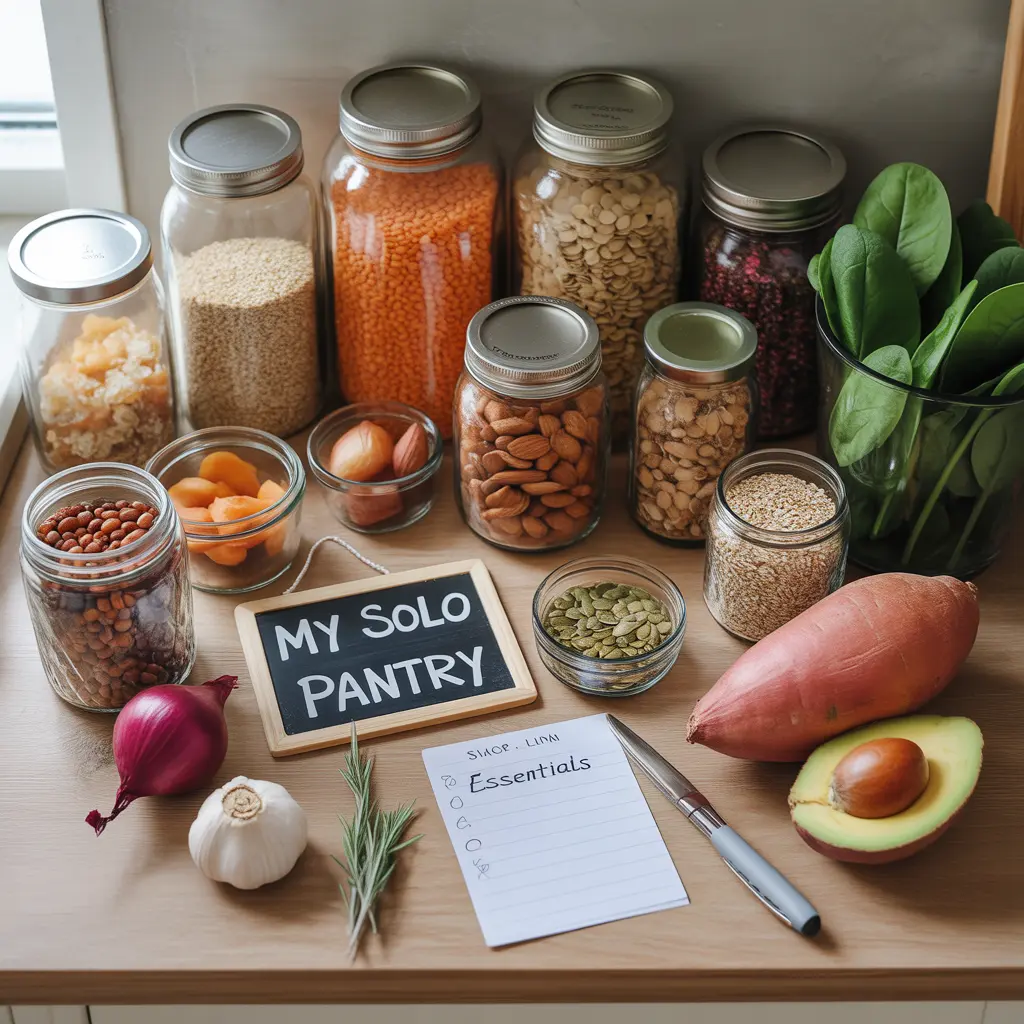
- The best pantry staples for solo vegan cooking: canned lentils, canned chickpeas, frozen edamame, firm tofu, hemp seeds, nutritional yeast, and whole grains in small quantities.
- All 15 recipes scale perfectly to one serving with zero adjustments and produce minimal leftovers or strategic leftovers that form the base of the next meal.
Vegan Meals for One: 15 Quick, Cheap, High-Protein Solo Recipes
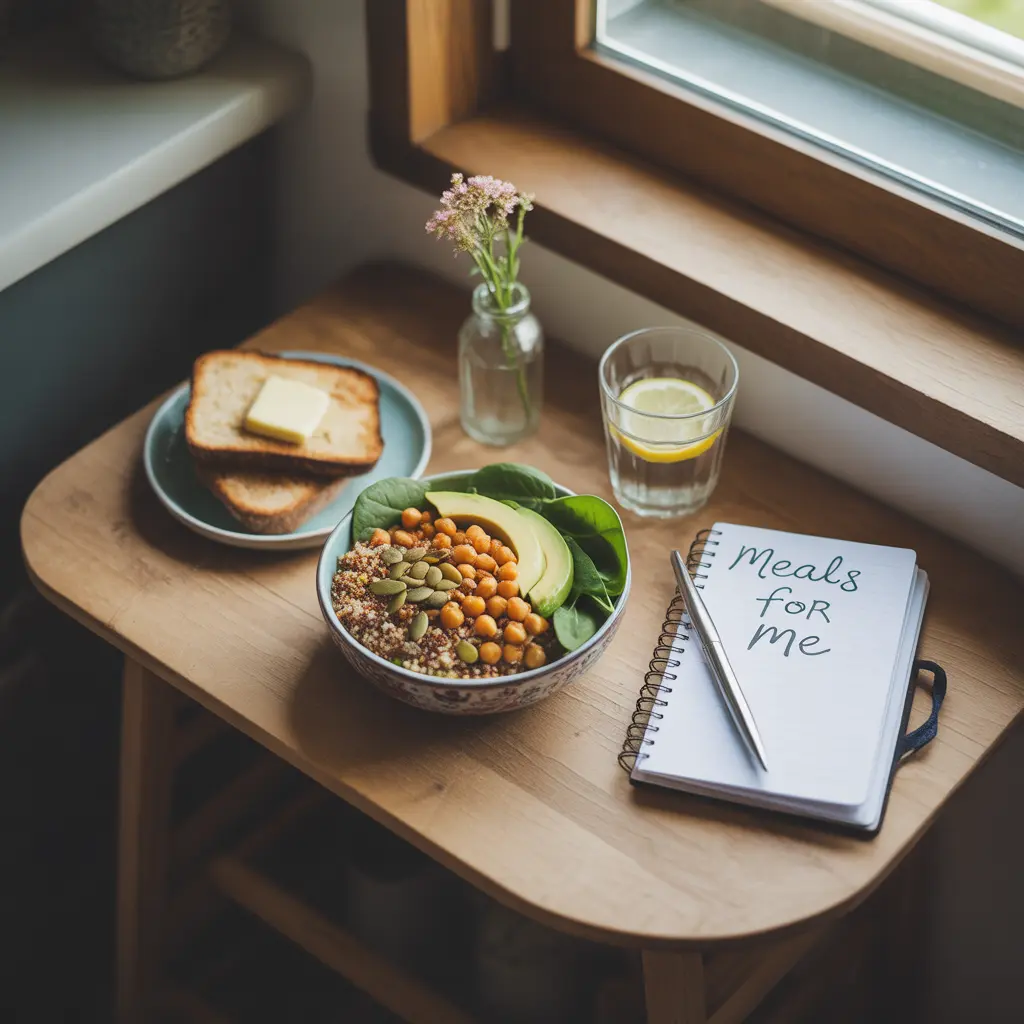
Cooking vegan meals for one is, in many ways, the most liberated form of plant-based eating available. No negotiating with other people’s preferences. No scaling recipes. No compromising on flavour, spice level, or ingredient choices. Just you, a well-stocked pantry, and the freedom to eat exactly what you want.
The challenge that solo vegan cooking presents is not nutritional. It is motivational and logistical. When you are cooking only for yourself, it is easy to under-invest in the meal. A piece of toast, some peanut butter, a banana. Quick, vegan, and chronically under-protein. The result is low energy, persistent hunger, and a slow drift away from the plant-based diet you actually want to maintain.
This guide delivers that system. Fifteen high-protein vegan meals for one, each with exact macros and a prep time under 25 minutes, built around a batch-component pantry strategy that eliminates food waste and decision fatigue simultaneously. Whether you are a student, a single professional, someone newly living alone, or simply someone who prefers cooking for themselves, these are the tools that make solo plant-based eating both effortless and genuinely nourishing.
The Essential Solo Vegan Pantry
Solo vegan cooking lives or dies by the pantry. The difference between a great solo vegan meal and toast with peanut butter is almost always a well-stocked kitchen, not skill or time. These are the non-negotiables:
🥫 Tins and Jars (Long Shelf Life, No Waste)
- Canned lentils: Ready in 2 minutes. No cooking. 18g protein per 200g. The backbone of vegan meals for one.
- Canned chickpeas: Roast them, blend them, toss them in a bowl. 15g protein per 200g. Open the tin, drain, eat.
- Canned black beans: Burritos, bowls, soups, tacos. 15g protein per 200g. Stores for years.
- Canned white beans: Blend into dips, add to pasta, stir into soups. Neutral flavour, high nutrition.
- Tahini: Sesame paste. Protein, calcium, healthy fat. Dresses everything. Lasts months.
- Nutritional yeast: B12-fortified protein and umami bomb. 8g protein per 2 tablespoons. Add to anything.
❄️ Freezer Staples (Portion-Perfect, No Waste)
- Frozen edamame: Defrost in 3 minutes. 17g protein per 200g. No prep, no waste.
- Frozen peas: 8g protein per 200g. Add to any dish from frozen.
- Frozen spinach portions: Pre-portioned, no waste, adds iron and folate to any soup or sauce.
- Frozen corn: Adds sweetness and fibre to bowls, soups, and wraps. Use only what you need.
🌾 Dry Goods (Buy Small, Replenish Often)
- Red lentils: Cooks in 15 minutes with no soaking. Buy 500g bags, use a handful at a time.
- Quinoa: Complete protein grain. Cooks in 12 minutes. Make one cup, eat for two meals.
- Oats: Breakfast and overnight oats. Buy a small bag, use daily.
- Hemp seeds: 10g complete protein per 30g. Sprinkle on everything. Lasts 3 months in fridge.
- Ground flaxseeds: Omega-3 and soluble fibre. Sprinkle on oats or blend into smoothies.
- Whole grain pasta and noodles: Single portions cook in one pot. Buy small quantities.
🧊 Fresh Proteins (Small Pack Sizes)
- Firm tofu: 200g block is exactly one solo serving. Stays fresh 5 days once opened. Freeze unused half.
- Tempeh: 200g block provides 2 solo protein servings. Refrigerates 7 days, freezes 3 months.
- Silken tofu: For smoothies, miso soup, and scrambles. Individual packs are perfect for one.
The Batch-Component Strategy: One Session, Five Dinners
The biggest mistake in solo vegan cooking is trying to cook full individual meals every evening from scratch. This approach produces decision fatigue, inconsistent nutrition, and the motivation collapse that leads to toast at 8pm.
The professional kitchen alternative is cooking components, not complete meals. Think of your Sunday as a 30-minute mise en place session that prepares the building blocks from which five different complete dinners assemble themselves in under 5 minutes each evening.
📦 The Weekly Solo Vegan Component System
- Cook 1 cup (dry) quinoa or brown rice: covers grain base for 3 to 4 dinners
- Open and drain 2 tins of legumes (lentils + chickpeas): refrigerate, ready to use cold or warm in 2 minutes
- Press and marinate one 200g block of firm tofu: refrigerate, slice and pan-fry as needed in 5 minutes
- Pre-portion 5 daily servings of hemp seeds into small containers: no measuring mid-week
- Make one jar of tahini-lemon dressing: keeps 7 days, dresses everything
With these five components ready, Monday through Friday dinner assembly looks like this:
- Monday: Quinoa + canned lentils + hemp seeds + tahini dressing + whatever vegetable is in the fridge
- Tuesday: Pan-fried tofu slice + chickpeas + frozen edamame from freezer + soy-sesame sauce
- Wednesday: Red lentil soup (15 minutes from dry) + whole grain bread + avocado
- Thursday: Leftover quinoa + black beans + roasted pepper + avocado + lime
- Friday: Whole grain pasta + white beans + nutritional yeast + cherry tomatoes + olive oil
Ingredient Spotlights: The Top 5 Solo Vegan Staples
🥫 1. Canned Lentils: The Instant Protein Anchor
Canned lentils are the most important single ingredient in a solo vegan kitchen. A 400g tin costs very little, provides two protein-rich servings, lasts years on the shelf, and requires zero cooking. Nutritional profile per 200g drained:
- Protein: 18g, meeting the primary protein anchor requirement for a solo vegan meal
- Iron: 6.6mg, approximately 37% of the daily requirement for pre-menopausal women
- Folate: 358mcg, 90% of the daily requirement in a single serving
- Fibre: 15g, well above the daily minimum for a single meal
- Zinc: 2.5mg, supporting immune function and testosterone production
Solo kitchen advantage: Half a 400g tin is a perfect single serving. Refrigerate the other half for tomorrow. Zero waste, minimal cost, no cooking.
🧀 2. Nutritional Yeast: The Solo Kitchen Supercharger
Nutritional yeast is the most underused ingredient in solo vegan cooking. Two tablespoons deliver:
- B12: 2.4mcg in most fortified brands, meeting the full daily requirement
- Protein: 8g of complete protein, a meaningful contribution to any solo meal
- Umami flavour: a naturally occurring flavour compound that makes simple solo meals taste complex and satisfying without additional ingredients
- Zinc: 1.2mg per 2 tablespoons
- B vitamins (B1, B2, B3, B6): supporting energy metabolism across the full range of B-vitamin functions
Stir it into pasta sauces. Sprinkle over bowls. Mix into soups. Add to scrambles. Every solo vegan meal that involves a sauce, dressing, or liquid benefits from 2 tablespoons of nutritional yeast. It simultaneously adds protein, B12, and flavour depth to anything it touches.
🌱 3. Hemp Seeds: The No-Effort Protein Booster
For a solo cook who needs to hit a protein target without adding cooking time, hemp seeds are the definitive answer. Three tablespoons (30g) provide:
- Complete protein: 10g with all nine essential amino acids including the methionine that completes legume protein profiles
- Omega-3 ALA: 2.5g, supporting anti-inflammatory function and brain health
- Magnesium: 210mg per 100g, supporting sleep quality, muscle relaxation, and mood regulation
- Zinc: 3mg, the highest-bioavailability plant zinc source
Sprinkle on oat porridge: instant 10g protein. Add to a salad bowl: complete amino acid profile. Stir into a smoothie: upgraded protein and omega-3. No chopping, no cooking, no thinking required. Hemp seeds are the solo vegan’s single most efficient daily habit.
🧊 4. Frozen Edamame: The 3-Minute Complete Protein
Frozen edamame is one of the most underappreciated solo vegan ingredients available. A 200g portion defrosted in warm water provides 17g of complete protein in under 3 minutes with zero preparation. Per 200g:
- Complete protein: 17g, all essential amino acids, no pairing required
- Folate: 482mcg, over 100% of the daily requirement
- Iron: 4.4mg, supporting energy levels and oxygen transport
- Fibre: 8g, supporting satiety and gut health simultaneously
From a solo cooking perspective, frozen edamame is uniquely practical. Use exactly 200g from the bag. Return the rest to the freezer. No fresh ingredient going soft in the fridge. No waste calculation needed.
🫙 5. Tahini: The Dressing That Does Everything
Tahini (sesame paste) is the most versatile solo vegan dressing base available. Per 30g (2 tablespoons):
- Protein: 5g, a useful secondary protein source
- Calcium: 128mg, approximately 10% of the daily requirement
- Iron: 1.3mg, contributing to the daily iron target
- Monounsaturated fat: supporting fat-soluble vitamin absorption from vegetables
- Zinc: 1.4mg, contributing to the daily zinc target
One jar of tahini lasts months and forms the base of an infinite variety of single-serving sauces and dressings: tahini-lemon (thin with water and lemon juice), tahini-miso (mix with white miso and ginger), tahini-harissa (mix with harissa paste and garlic), tahini-soy (mix with tamari and rice vinegar). Every solo vegan meal becomes more nutritious and more satisfying with a tablespoon of tahini-based dressing.
15 High-Protein Vegan Meals for One (With Exact Macros)
🌅 Breakfast Options
1. Hemp Seed Power Oats
Cook 80g steel-cut oats in 300ml fortified soy milk. Stir in 3 tablespoons hemp seeds and 1 tablespoon ground flaxseeds. Top with blueberries and walnuts. Drizzle with a little maple syrup if desired.
Why it works: Oats provide beta-glucan and base protein. Soy milk adds complete protein and calcium. Hemp seeds complete the amino acid profile. Three simultaneous cholesterol-lowering mechanisms before 9am.
2. Silken Tofu Berry Smoothie Bowl
Blend 150g silken tofu with 200ml fortified soy milk, 150g frozen mixed berries, 1 tablespoon ground flaxseeds, and 1 teaspoon almond butter until smooth. Pour into a bowl. Top with 2 tablespoons hemp seeds and sliced banana.
Why silken tofu in a smoothie: It blends completely invisible, adding 10g complete soy protein with zero taste impact. The smoothie tastes like berries. The nutrition profile is radically upgraded.
3. Tofu Scramble on Sourdough
Crumble 150g firm tofu into a pan with olive oil, turmeric, black salt (for eggy flavour), nutritional yeast, smoked paprika, and a handful of frozen spinach. Cook 5 minutes until golden. Serve on 2 slices toasted sourdough with sliced tomato.
Black salt (kala namak) is the solo vegan kitchen secret for egg flavour. It contains sulphur compounds that replicate the exact flavour note that makes scrambled eggs satisfying. Available online and in Asian grocery stores.
🌞 Lunch Options
4. 5-Minute Canned Lentil Bowl
Drain 200g canned lentils. Warm briefly in a small pan or microwave. Serve over pre-cooked quinoa. Add halved cherry tomatoes, cucumber, and a handful of rocket. Dress with tahini-lemon (2 tablespoons tahini, juice of half a lemon, water to thin, garlic). Scatter 3 tablespoons hemp seeds over the top.
The zero-cooking lunch: This meal requires 5 minutes of assembly when quinoa is pre-cooked. The canned lentil eliminates the 20-minute cooking step. This is the solo vegan lunch that ends the “I do not have time to cook” problem permanently.
5. Smashed Chickpea and Avocado Toast
Mash 150g canned chickpeas with half an avocado, lemon juice, Dijon mustard, red onion, and smoked paprika. Season with salt and pepper. Pile onto 2 slices sprouted grain toast. Top with sliced cherry tomatoes, nutritional yeast (2 tablespoons), and hemp seeds (2 tablespoons). Finish with chilli flakes.
6. Edamame and Quinoa Power Bowl
Defrost 200g frozen edamame in warm water (3 minutes). Layer with 150g pre-cooked quinoa, sliced avocado, shredded purple cabbage, cucumber ribbons, and nori strips. Dress with miso-sesame sauce (white miso, rice vinegar, sesame oil, ginger, water). Top with 2 tablespoons hemp seeds.
Three complete proteins in one bowl: edamame (complete soy protein), quinoa (complete grain protein), hemp seeds (complete seed protein). This bowl requires no pairing logic because each ingredient is already complete.
7. Red Lentil Soup for One
Fry half a small onion with garlic, cumin, coriander, and turmeric in a small saucepan. Add 80g red lentils (dry) and 400ml vegetable stock. Simmer 15 minutes until lentils dissolve. Finish with lemon juice and salt. Serve with whole grain bread and stir 2 tablespoons nutritional yeast through the soup.
Solo batch note: This recipe doubles or triples beautifully. Cook a larger batch, refrigerate up to 5 days, and reheat in 3 minutes. Best solo vegan batch meal available.
🌙 Dinner Options
8. Tempeh Buddha Bowl
Slice 100g tempeh and pan-fry in tamari, smoked paprika, and garlic until crispy (8 minutes). Serve over 150g pre-cooked quinoa or brown rice with steamed broccoli, avocado, roasted cherry tomatoes, and tahini dressing. Finish with 2 tablespoons hemp seeds.
The highest-protein dinner on this list. Tempeh alone provides 21g protein from 100g. Combined with quinoa, hemp seeds, and tahini, the total hits 36g from a meal that took 15 minutes to assemble using pre-cooked grain.
9. Black Bean and Tofu Burrito Bowl
Crumble 100g firm tofu and cook with 100g canned black beans, cumin, smoked paprika, and chilli flakes. Serve over pre-cooked brown rice with salsa, avocado, corn, lime juice, and fresh coriander. Add 1 tablespoon nutritional yeast for a final protein boost.
10. White Bean and Spinach Pasta for One
Cook 80g wholemeal pasta. While cooking, fry garlic in olive oil, add 150g canned white beans and a handful of frozen spinach. Toss with pasta, lemon zest, and 2 tablespoons nutritional yeast. Season with salt, pepper, and chilli flakes.
Three protein sources in one pasta dish: white beans (10g), pasta protein (8g), nutritional yeast (8g). No tempeh, no tofu, no specialist ingredients. Just a tin, some pasta, and a jar of nutritional yeast.
11. Miso Tofu Noodle Bowl
Bake 150g cubed firm tofu at 200°C for 15 minutes. Cook one portion of soba noodles. Dissolve 2 tablespoons white miso in 400ml hot water with soy sauce, ginger, and sesame oil. Assemble bowl with noodles, tofu, defrosted edamame (100g), bok choy, and spring onions. Pour miso broth over.
12. Chickpea and Kale Stew
Fry garlic and onion with cumin and smoked paprika. Add 200g canned chickpeas, one can diced tomatoes, and a large handful of chopped kale. Simmer 12 minutes. Stir in 2 tablespoons nutritional yeast and lemon juice. Serve with crusty whole grain bread.
13. Spiced Lentil Dal for One
Simmer 80g red lentils with onion, garlic, ginger, turmeric, cumin, and canned tomatoes until thick and creamy (15 minutes). Finish with coconut milk (light, 50ml), lemon juice, and fresh coriander. Stir in 3 tablespoons hemp seeds. Serve with 1 small whole grain roti.
Levantine chef note: In professional kitchens, dal and lentil stews are cooked in large batches and portioned for speed. Apply this to solo cooking: make a 4-person batch of this dal, freeze in individual portions, and reheat from frozen in 5 minutes. Dinner is solved for four more evenings.
14. Crispy Tofu Stir-Fry with Soba
Pan-fry 150g cubed firm tofu in tamari and sesame oil until crispy on all sides. Add broccoli, snap peas, and red pepper to the same pan with garlic, ginger, and soy sauce. Cook 3 minutes. Serve over cooked soba noodles. Finish with 2 tablespoons hemp seeds and sesame seeds.
15. Tempeh Tacos for One
Crumble 120g tempeh and cook with cumin, coriander, smoked paprika, and chipotle. Fill 3 small corn tortillas with the tempeh mixture, shredded kale, mango salsa, sliced avocado, and lime juice. Finish with 2 tablespoons hemp seeds scattered over.
The most enjoyable solo vegan dinner on this list. Three tacos, 35g protein, 15 minutes. Solo cooking should not feel like a nutritional obligation. It should taste this good.
Reference Tables
All 15 Vegan Meals for One: Quick Macro Reference
Solo Vegan Pantry: Cost, Shelf Life, and Protein Yield
Chef Tips: Professional Solo Cooking Techniques
🔥 Tip 1: The Single Pan Rule
In any professional kitchen, unnecessary equipment is the enemy of efficiency. Applied to solo vegan cooking, this means building meals that require one pan, one pot, or one bowl. Not because you are lazy. Because fewer vessels mean faster cleanup, which means cooking feels effortless enough to do it again tomorrow.
The single-pan technique applied to the meals in this guide:
- Pan-fry tempeh, push to the side, add vegetables to the same pan: one pan, entire dinner
- Cook lentils, add spinach in the final 2 minutes, serve in the same pot: zero extra dishes
- Assemble bowls directly in the serving bowl: no transfer required
- Use the pasta cooking water to emulsify the white bean sauce directly in the pasta pot
🌿 Tip 2: The Levantine Solo Kitchen Principle
Having cooked across Lebanon, Dubai, and Saudi Arabia for twenty years, I learned that the most satisfying solo meals in Levantine culinary culture are the simplest: adas bi hamod (lentils with lemon), ful medames (spiced fava beans), mutabbal (smoked aubergine with tahini). Three or four ingredients. Maximum flavour. Minimal effort.
The principle is flavour through chemistry, not complexity. Lemon juice brightens any bean dish instantly. A pinch of cumin transforms canned chickpeas from bland to deeply satisfying. Smoked paprika creates a warm, complex flavour note in 30 seconds. Building solo vegan meals around three or four strong, complementary flavours produces restaurant-quality results without restaurant-level effort.
🫙 Tip 3: The Refrigerator as a Meal Prep Tool
Treat the refrigerator not as a storage space but as a production resource. These five items, kept ready in the fridge at all times, reduce any vegan meal for one to under 5 minutes of assembly:
- Pre-cooked grain (quinoa or rice): make 2 cups on Sunday, use all week
- Drained canned lentils or chickpeas in a sealed container: open tin Sunday, use through Wednesday
- Tahini-lemon dressing in a small jar: make enough for 5 servings at once
- Half a block of pressed tofu wrapped tightly: use within 4 days or freeze
- Washed and dried salad greens: the only fresh item that needs daily management
Zero Food Waste: The Solo Vegan System
Food waste is the primary financial and motivational cost of solo cooking. These are the specific strategies that eliminate it in a plant-based single-person kitchen:
🗑️ The Waste Elimination Rules
- Buy frozen over fresh wherever possible: Frozen edamame, frozen spinach, frozen peas, and frozen corn have zero waste. Use exactly the amount needed and return the rest to the freezer. Fresh leafy greens are the highest-waste solo kitchen item.
- Prioritise tinned legumes over dried: A 400g tin costs very little, stores for years, and opens to exactly two solo servings with zero prep. Half a tin refrigerates for 3 days covered. The other half forms tomorrow’s protein anchor.
- Freeze tofu and tempeh immediately: Buy when on offer. Freeze in single-serving portions. Defrost overnight in the fridge. Freezing actually improves tofu’s texture by creating a more porous, sauce-absorbing structure.
- Cook grains in useful batch sizes: One cup of dry quinoa yields approximately three solo servings. Cook it all. Use one serving today. Refrigerate the rest for two more meals this week. No waste, no daily grain cooking.
- Use vegetable scraps for stock: Onion skins, carrot tops, celery leaves, and herb stems that would be wasted in a solo kitchen become a rich, free vegetable stock after 30 minutes simmering in water. Freeze in ice cube trays for single-serving use.
5 Mistakes Solo Vegans Make Most Often
❌ Mistake 1: Not Having a Pantry System
The single root cause of poor solo vegan nutrition is an unstocked pantry. When canned lentils, frozen edamame, nutritional yeast, and hemp seeds are not in the kitchen, the path of least resistance becomes toast with peanut butter. With those four items always stocked, any solo vegan meal hits 25g protein in under 10 minutes. The pantry is not a convenience. It is the nutritional infrastructure of solo plant-based eating.
❌ Mistake 2: Trying to Cook Full Recipes for One
Most vegan recipes are written for four servings. Scaling to one requires halving or quartering every ingredient, often creating odd quantities, wasted partial cans, and the frustration of using one-third of an onion and wondering what to do with the rest. The batch-component system described in this guide eliminates this problem: cook components at useful batch sizes and assemble single-serving meals from them.
❌ Mistake 3: Skipping Protein at Lunch
Solo vegan lunch is the meal most likely to default to something convenient and low-protein. A piece of fruit, some crackers, a handful of nuts. This consistently leads to afternoon energy crashes and evening overeating. The 5-minute canned lentil bowl (Meal 4) and smashed chickpea toast (Meal 5) in this guide solve the solo vegan lunch protein problem at minimum time cost. Keep canned chickpeas and canned lentils stocked and the problem disappears. For the full lunch protein framework, see our high protein vegan lunch guide.
❌ Mistake 4: Letting Food Waste Drive Nutrition Decisions
Solo vegans often eat the same vegetable three days in a row not because they want to but because they bought a large bunch and need to use it before it goes bad. Redesigning the shopping approach around frozen vegetables, canned legumes, and small-quantity dry goods eliminates this problem entirely and restores nutritional flexibility. Variety is not a luxury in a plant-based diet. It is a micronutrient requirement.
❌ Mistake 5: Under-Seasoning Solo Meals
Solo cooking often produces under-seasoned food because there is no external feedback. A single diner is less likely to adjust and refine flavour than someone cooking for others. Under-seasoned food is less satisfying, which reduces the motivation to cook again tomorrow. Apply the flavour formula from the chef tips section: acid, fat, umami, warm spice at every meal. This consistency transforms adequate solo vegan meals into genuinely enjoyable ones. For a complete approach to meal planning that prevents solo cooking monotony, our vegan meal prep guide covers the full strategy.
Frequently Asked Questions About Vegan Meals for One
How do you cook vegan meals for one without wasting food?
The zero-waste solo vegan kitchen relies on three structural changes: prioritise frozen over fresh vegetables (use exactly what you need, return the rest to the freezer), use tinned legumes over dried (a 400g tin is two solo servings, the other half refrigerates 3 days), and cook grain components in batch sizes of two to three servings rather than one. These three changes alone eliminate approximately 80% of solo vegan food waste.
What is the easiest high-protein vegan meal for one?
The 5-minute canned lentil bowl requires the least effort: drain canned lentils, warm briefly, serve over pre-cooked quinoa with cherry tomatoes, tahini dressing, and hemp seeds. 27g protein. 5 minutes. No cooking beyond boiling a kettle or microwaving for 90 seconds. This is the floor-level solo vegan meal that makes the “no time to cook” excuse disappear.
Is it cheaper to eat vegan when cooking for one?
Yes. The core ingredients of a high-protein solo vegan diet (canned lentils, canned chickpeas, dried red lentils, oats, frozen edamame, tofu, and nutritional yeast) are among the most affordable food items available in any supermarket. A full week of high-protein solo vegan meals built around these staples costs significantly less than the equivalent nutritional profile from meat or fish-based meals for one. The initial pantry investment in nutritional yeast, tahini, and hemp seeds is the only front-loaded cost.
Can you meal prep vegan food for just one person?
Yes, and the batch-component approach is specifically designed for this. Cook one cup of quinoa (three servings), drain two tins of legumes (four servings), marinate and bake half a block of tofu (two servings), and make one jar of tahini dressing (five servings) on Sunday. These components store well and require 30 minutes total. Monday through Friday dinner assembly takes under 5 minutes using these components as the base.
What vegan proteins have the longest shelf life for solo cooking?
The longest shelf-life solo vegan proteins are: nutritional yeast (2 years), canned lentils and chickpeas (2 to 5 years), dry red lentils (2 to 3 years), hemp seeds (3 months refrigerated), and frozen edamame (12 months frozen). Tofu and tempeh refrigerate for 5 to 7 days after opening and freeze for up to 3 months. Building a pantry from these ingredients means your protein supply is essentially immune to the “nothing in the fridge” problem that derails solo vegan nutrition.
How do you make vegan food for one feel special?
The chef answer: apply the flavour formula consistently. Every meal needs an acid (lemon, lime, or vinegar), a fat (tahini, avocado, or olive oil), an umami element (nutritional yeast, miso, or tamari), and a warm spice (cumin, smoked paprika, or turmeric). This combination activates every taste receptor simultaneously, creating the full-flavour experience that makes a meal feel intentional rather than functional. A canned lentil bowl dressed with lemon tahini, topped with smoked paprika and hemp seeds, is a better meal than most restaurant dishes if you apply this formula correctly.
What is the best vegan breakfast for one?
Hemp seed power oats (Meal 1) delivers 28g protein in 8 minutes and activates three simultaneous LDL-reduction mechanisms through beta-glucan, flaxseeds, and walnuts. For an even faster option, the silken tofu smoothie bowl (Meal 2) takes 5 minutes and provides 25g protein invisibly blended into what tastes like a berry smoothie. For a savoury breakfast, the tofu scramble on sourdough (Meal 3) takes 10 minutes and delivers 30g protein with a deeply satisfying flavour when made with black salt (kala namak).
How do you stay motivated to cook vegan meals for one?
Motivation collapses when cooking feels effortful. The batch-component system reduces daily cooking to assembly rather than production, which removes the activation energy barrier. The second strategy is building a rotation of 5 to 7 meals you genuinely enjoy rather than eating for nutrition alone. The 15 recipes in this guide are written to be genuinely satisfying, not merely adequate. Finally, keeping the pantry stocked prevents the “there is nothing to eat” trigger that sends solo cooks to processed food or delivery apps.
Is tofu a good protein for cooking solo?
Yes. A 200g block of firm tofu is almost exactly one solo serving at 17g protein, meaning there is minimal waste calculation involved. The unused portion from a 400g block freezes well for 3 months. Freezing tofu actually improves its texture by creating a spongier, more porous structure that absorbs marinades more effectively than fresh tofu. Press, marinate, and pan-fry or bake for the best flavour results.
What are the best low-effort vegan dinners for one?
The lowest-effort dinners in this guide are: the black bean burrito bowl (15 minutes using pre-cooked rice), the white bean pasta (15 minutes, one pot), the chickpea kale stew (20 minutes, one pot), and the tempeh Buddha bowl (15 minutes using pre-cooked quinoa). All four require minimal active cooking and produce minimal washing up. The tempeh Buddha bowl is the fastest high-protein option at 36g protein in 15 minutes when grain is pre-cooked.
How do I get enough omega-3 on a solo vegan diet?
The simplest approach is to add ground flaxseeds (2 tablespoons, 4.5g ALA omega-3) to breakfast oats or smoothies daily, sprinkle hemp seeds (3 tablespoons, 2.5g ALA) over at least one meal per day, and eat walnuts as a snack or grain topping 4 to 5 times per week. For DHA and EPA directly (the long-chain omega-3 with the strongest brain and cardiovascular evidence), an algae-based supplement provides 250 to 500mg without relying on the ALA conversion pathway. Our vegan supplements guide covers the full omega-3 strategy.
What is the best vegan meal prep strategy for one person?
The batch-component strategy is definitively the best approach for solo vegan meal prep. Cook building blocks rather than complete meals: one grain (three servings), two types of legumes from tins (four to six servings), one cooked protein (two servings of tempeh or tofu), one dressing (five servings). Assemble different combinations each day for variety without daily cooking. A 30-minute Sunday session using this framework produces five weeknight dinners with under 5 minutes of daily assembly. Our 30-day vegan meal prep plan builds this habit progressively over four weeks.