🌱 Introduction: The Power of Plant-Based Fermentation
When you explore vegan fermented foods, you unlock one of the most powerful intersections of culinary tradition, nutritional science, and gut health optimization available in plant-based eating today.
Fermentation transforms ordinary vegetables, legumes, and grains into nutrient-dense, probiotic-rich powerhouses that support digestion, immunity, and overall wellness.
This comprehensive guide covers the complete spectrum of vegan fermented foods, from the biochemistry of microbial transformation to practical home fermentation techniques you can start this weekend.
For decades, fermentation was primarily viewed as a preservation method, a way to extend the shelf life of harvests before refrigeration existed.
However, modern nutritional science has revealed that this ancient process does far more than prevent spoilage.
It actively enhances the nutritional profile of plants, breaking down anti-nutrients, synthesizing new vitamins, and populating foods with beneficial live cultures that support the human microbiome.
For individuals following a plant-based diet, understanding and utilizing vegan fermented foods is not just a culinary choice, it is a strategic health intervention.
The current landscape of plant-based nutrition often focuses heavily on macronutrients like protein and fiber, yet the microbial component of diet is equally critical.
Research indicates that diversity in gut bacteria correlates with reduced inflammation, improved mental health, and stronger immune response.
By integrating a wide variety of fermented plant foods into your weekly routine, you can actively shape your internal ecosystem.
Whether you are new to plant-based eating or a seasoned vegan seeking deeper gut health strategies, understanding fermented plant foods is essential for long-term nutritional success.
In this guide, we will dissect the science behind why fermentation matters, rank the top sources based on probiotic density, provide detailed nutritional spotlights, and offer a practical pathway for making these foods at home.
We will also compare whole-food fermentation to commercial supplements to help you make informed decisions about your health.
This is the missing pillar in many vegan diets, and mastering it can transform how you feel every single day.

Ultimate 28-Day Vegan Meal Plan,
Easy Grocery List + 40 Recipes
• Comprehensive Guide
• 4-Week Structured Calendar
• Categorized Weekly Grocery Lists
• Chef-Verified Nutritional Tips
• Family Friendly Meal Prep
• Print & Use Today
🔬 What Fermentation Does to Plant Foods: The Science
Plant-based fermentation is a controlled microbial process where beneficial bacteria, yeasts, or molds convert carbohydrates into organic acids, alcohols, or gases.
This transformation accomplishes three critical nutritional objectives for vegan fermented foods: preservation, bioavailability enhancement, and probiotic colonization.
The dominant pathway in vegetable fermentation is lactic acid fermentation, where Lactobacillus species convert sugars into lactic acid, lowering pH and creating an environment that inhibits pathogenic microbes while preserving beneficial compounds.
The science extends far beyond simple preservation. During fermentation, microbial enzymes pre-digest complex carbohydrates and proteins, making nutrients more accessible for human absorption.
For example, the isoflavones in soy become more bioavailable after tempeh fermentation, while the vitamin K2 content increases dramatically in natto.
Research published on PubMed confirms that regular consumption of fermented plant foods correlates with improved gut barrier function, reduced systemic inflammation, and enhanced immune modulation.
Another critical mechanism is the production of postbiotics: metabolic byproducts of fermentation like short-chain fatty acids (SCFAs), bacteriocins, and exopolysaccharides.
These compounds provide direct health benefits independent of live microbial colonization.
Butyrate, a key SCFA produced during fermentation of fiber-rich plant foods, serves as the primary fuel for colonocytes and helps maintain intestinal barrier integrity.
This is why vegan fermented foods are particularly valuable for individuals managing digestive sensitivities or seeking long-term gut resilience.
For those concerned about nutrient absorption, fermentation acts as a natural predigestion process.
Phytates, which are compounds found in grains and legumes that can bind minerals like iron and zinc, are significantly broken down during fermentation.
This process can increase mineral absorption by up to 50 percent in some cases.
If you are managing specific concerns related to vegan nutrient deficiencies, incorporating fermented staples can be a powerful strategy to maximize the utility of every bite you eat.
Furthermore, the relationship between the gut and the brain is increasingly understood to be mediated by the microbiome.
The production of neurotransmitters like serotonin and gamma-aminobutyric acid (GABA) is influenced by gut bacteria.
Certain strains found in vegan fermented foods, such as Lactobacillus and Bifidobacterium, are known producers of these neuroactive compounds.
This suggests that a diet rich in fermented plants may support not only physical digestion but also mental well-being and cognitive function.
The immune system connection is equally compelling. Approximately 70 percent of immune tissue resides in the gut-associated lymphoid tissue (GALT).
When you consume vegan fermented foods regularly, you are essentially training your immune system through controlled microbial exposure.
This process helps develop immune tolerance, reduces inappropriate inflammatory responses, and strengthens the gut barrier against pathogenic invasion.
🧠 Brain-Gut Connection
Fermented foods support the production of serotonin and GABA, neurotransmitters that regulate mood, sleep, and cognitive function. Your gut is truly your second brain.
28-Day Vegan Meal Plan
+ Grocery List
Complete Solution · Nutritionist-Approved · Print & Use Today
Read on any device · No apps needed

📊 Top 10 Vegan Fermented Foods Ranked by Probiotic Impact
Not all fermented products deliver equal probiotic value. The ranking below evaluates vegan fermented foods based on colony-forming unit density, strain diversity, clinical research support, and bioavailability of key nutrients.
This bar chart visualizes relative probiotic impact scores derived from peer-reviewed microbiome studies and traditional fermentation expertise.
Key insight: The highest-ranking vegan fermented foods share three characteristics: whole-food substrate, minimal processing after fermentation, and traditional production methods.
Pasteurization, while extending shelf life, eliminates live cultures. Always seek products labeled “raw,” “unpasteurized,” or “contains live cultures” for maximum probiotic benefit.
For those following a vegan gut health protocol, prioritizing the top five items on this list delivers the most significant microbiome support.
It is important to note that diversity is key. Consuming the same fermented food every day may limit the range of bacterial strains you introduce to your gut.
Rotating between different types of vegan fermented foods ensures a broader spectrum of microbial exposure.
For example, combining a soy-based ferment like tempeh with a vegetable-based ferment like sauerkraut provides different substrates and bacterial communities that work synergistically.
Additionally, the substrate used for fermentation influences the final nutrient profile.
Soy-based ferments tend to be higher in protein and specific isoflavones, while vegetable-based ferments are rich in vitamins C and K, as well as diverse phytonutrients.
A balanced approach includes both categories to maximize the health benefits associated with a plant-based fermented diet.
For more information on how these foods fit into a broader protein strategy, see our guide on vegan protein sources.
Understanding the synergy between protein intake and gut health is vital for long-term vitality on a plant-based diet.

Psst..just to add: reading about anti-inflammatory eating and actually eating that way every day are two very different things. The 28-Day Vegan Meal Plan gives you 40+ recipes, a full shopping list, and a 28-day calendar. No subscription.
Get the Plan →🎯 8 Fermented Food Spotlight Cards with Macro Pills
To help you integrate these foods effectively, we have created detailed spotlight cards for the top options.
Each card includes macro nutrient data, key probiotic strains, and best-use cases to help you plan your meals.
These vegan fermented foods are selected for their high impact on gut health and nutritional density.
🫘 Tempeh
Whole soybeans bound by Rhizopus mold fermentation. Complete protein source with enhanced mineral absorption.
Versatile for stir-fries, sandwiches, and crumbles. A staple in vegan fermented foods for protein density.
- Protein density
- Meal prep
- Muscle support
🥬 Raw Sauerkraut
Lacto-fermented cabbage with Lactobacillus plantarum dominance. Low-calorie, high-vitamin C, supports digestive regularity.
One of the most accessible vegan fermented foods for beginners.
- Gut barrier support
- Immune modulation
- Low-calorie topping
🌶️ Vegan Kimchi
Spicy fermented napa cabbage with garlic, ginger, and gochugaru. Rich in capsaicin, allicin, and diverse Lactobacillus strains.
Excellent for adding heat and depth to meals.
- Metabolic health
- Anti-inflammatory support
- Flavor enhancement
🍶 Natto
Sticky fermented soybeans with Bacillus subtilis. Exceptional source of vitamin K2 (menaquinone-7) and nattokinase enzyme.
Highly ranked among vegan fermented foods for cardiovascular support.
- Cardiovascular health
- Bone density
- Circulation support
These four options represent the cornerstone of a strong fermented food routine.
Tempeh and natto provide the protein and vitamin K2 benefits of legume fermentation, while sauerkraut and kimchi offer the vegetable-based probiotic diversity essential for gut lining health.
Incorporating at least one of these into your daily diet can yield noticeable improvements in digestion and energy levels within a few weeks.
For individuals concerned about specific health outcomes, strategic selection matters.
Those focused on anti-inflammatory vegan diet goals should prioritize kimchi and beet kvass for their potent phytonutrient profiles.
Individuals seeking bone health support should emphasize natto for its exceptional vitamin K2 content, which directs calcium to bones rather than arteries.
The versatility of these foods also deserves attention. Tempeh can be marinated, grilled, or crumbled into sauces.
Sauerkraut works as a condiment, salad base, or sandwich topping. Kimchi enhances grain bowls, noodle dishes, and even scrambled tofu.
Natto, while acquired in taste, becomes palatable when mixed with rice, soy sauce, and green onions in traditional Japanese style.

| Plan Comparison | Standard Search | Your 28-Day Plan |
|---|---|---|
| Structured 4-Week Calendar | — | ✓ Included |
| Ready-to-Use Grocery Lists | — | ✓ Included |
| 40+ Professional Recipes | Random Results | ✓ Included |
| Nutrition & Transition Guide | — | ✓ Included |
| Chef-Verified Methods | — | ✓ Included |
| High-Quality Recipe Photos | — | ✓ Included |
🔍 The Live Cultures Guide: What Is Actually Fermented
Understanding the difference between truly fermented products and vinegar-pickled or heat-treated imitations is essential for maximizing probiotic intake.
Many supermarket “sauerkraut” products are pasteurized and contain zero live cultures.
Similarly, most kombucha brands undergo filtration or pasteurization that removes beneficial microbes.
For authentic vegan fermented foods, seek products from specialty health stores, farmers markets, or make them at home using the guide below.
For those managing specific gut concerns like vegan bloating, selecting truly live-culture products becomes even more critical.
Start with small servings (1-2 tablespoons) of raw fermented vegetables to assess tolerance before increasing intake.
This approach supports gradual microbiome adaptation without overwhelming digestive capacity.
The refrigeration factor matters significantly. Live culture products require cold storage to maintain bacterial viability.
Shelf-stable fermented products found in ambient aisles have typically been heat-treated for preservation, which eliminates the probiotic benefit.
Always check the refrigerated section first when shopping for vegan fermented foods with active cultures.
Label reading skills are essential. Look for specific language indicating live cultures: “unpasteurized,” “raw,” “contains live active cultures,” or “naturally fermented.”
Avoid products listing vinegar as a primary ingredient, as vinegar pickling is a different process that does not produce probiotics.
True lacto-fermentation relies on salt and time, not acidic additives.
Price often reflects production method. Artisanal, small-batch ferments typically cost more than mass-produced alternatives but deliver superior probiotic density and strain diversity.
Consider the cost per serving of beneficial bacteria rather than just the sticker price.
Homemade options provide the best value while ensuring maximum culture viability.
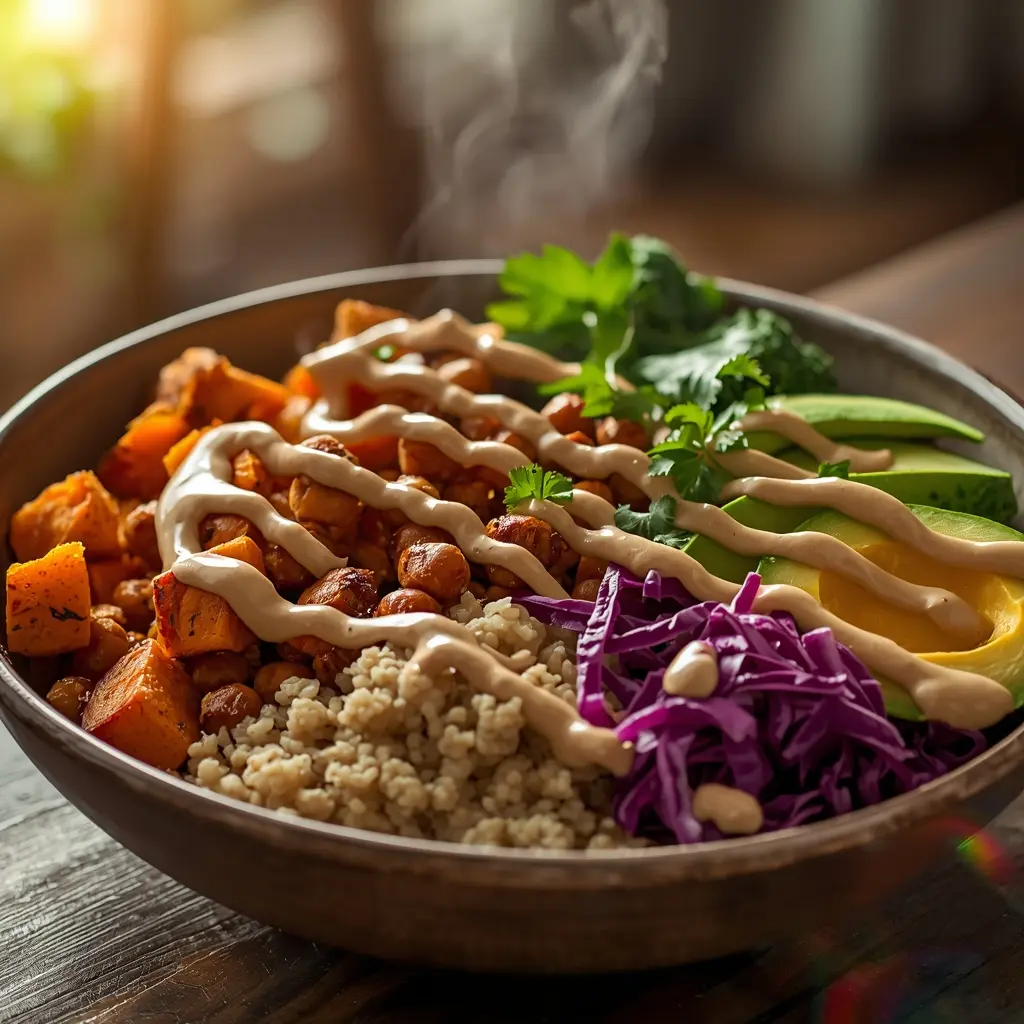
28-Day Vegan Meal Plan + Grocery list.
Transform your lifestyle with our comprehensive guide. This isn’t just a recipe book; it’s a complete system designed for success:
- The Vegan Guide: Essential transition tips and nutritional benefits.
- 40+ Chef Recipes: Breakfast, lunch, and dinner with high-quality photos.
- 4-Week Meal Plan: A fully structured day-by-day calendar.
- Grocery Lists: Categorized weekly lists to save you time and money.
- Photos: High-Quality Recipe Photos.
- Nutritions: Vegan Nutrition Guide Toolkit.