

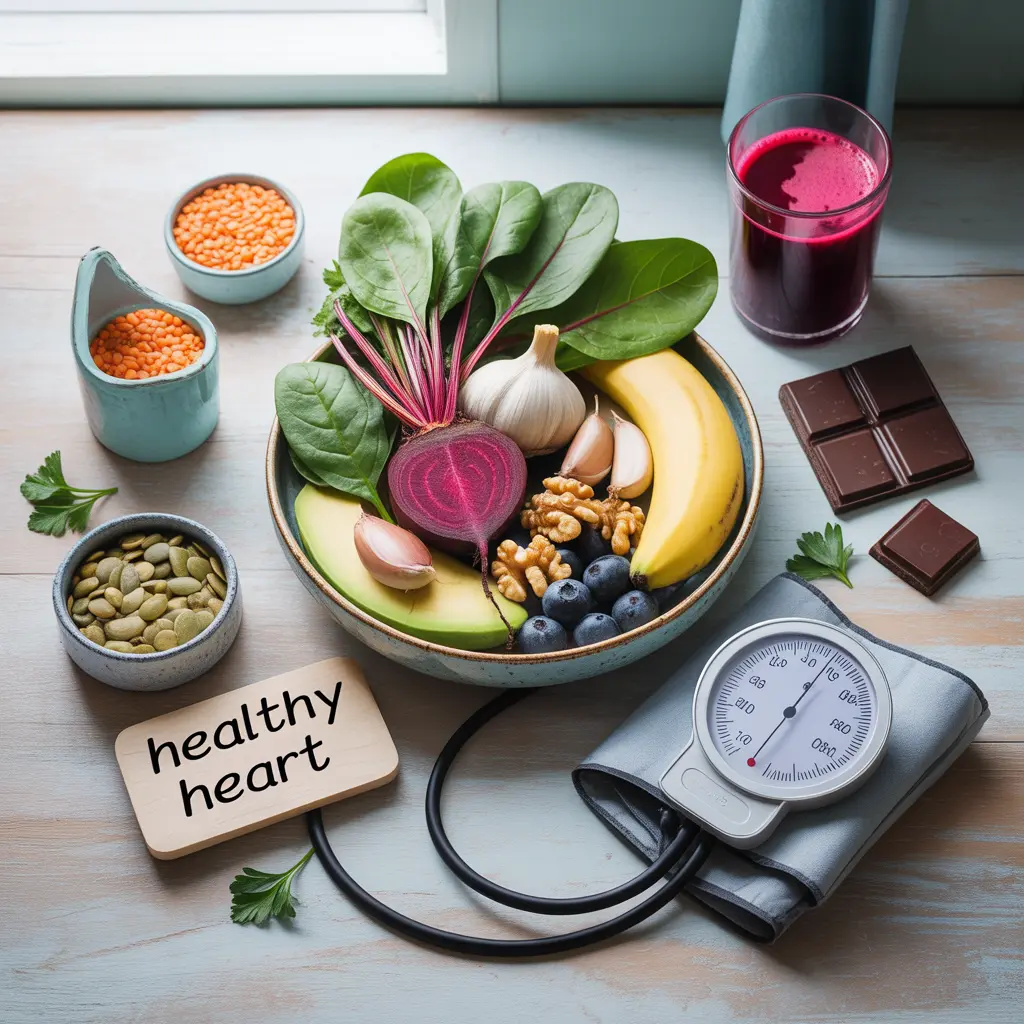
⚡ TL;DR: Vegan Diet for Hypertension at a Glance
- A whole-food plant-based diet reduces systolic blood pressure by an average of 5 to 7 mmHg and diastolic pressure by 3 to 5 mmHg: reductions that, in population terms, decrease stroke risk by 14% and coronary heart disease risk by 9%.
- Plant-based diets reduce blood pressure through six simultaneous biological mechanisms, the most powerful of which is the conversion of dietary nitrates (from beetroot, leafy greens, and celery) into nitric oxide, which directly relaxes arterial smooth muscle.
- The potassium-to-sodium ratio in a whole-food vegan diet is typically 4:1 or higher, compared to 1:2 in the average Western diet. This reversal of the ratio activates renal sodium excretion mechanisms that lower blood volume and blood pressure simultaneously.
- The DASH diet reduces blood pressure effectively but a whole-food plant-based diet achieves comparable or better results through more comprehensive mechanisms: and does so without the inclusion of dairy, which DASH recommends partly for potassium and calcium delivery.
- Hypertension affects 1.28 billion adults globally and is the leading modifiable risk factor for cardiovascular death. It is predominantly a dietary and lifestyle disease in 95% of cases: making it one of the most responsive conditions to plant-based dietary intervention.
- Processed vegan foods high in sodium are one of the most common reasons vegan diets fail to lower blood pressure. A vegan diet rich in sodium from processed products is not anti-hypertensive, regardless of the absence of animal products.
Vegan Diet for High Blood Pressure: The Complete Science-Backed Guide to Lowering Hypertension Naturally
Hypertension, persistent elevation of blood pressure above 130/80 mmHg, affects 1.28 billion adults globally and is the single largest modifiable risk factor for premature cardiovascular death. It is called the silent killer not because it is subtle in its consequences, but because it produces no symptoms in the vast majority of cases until a stroke, heart attack, or kidney failure makes its presence devastatingly apparent.
It is also, in 95% of cases, a dietary and lifestyle disease. Primary hypertension, the form that accounts for almost all hypertension in adults, has no identifiable single cause. It is the cumulative product of years of excess sodium intake, potassium insufficiency, endothelial damage from chronic inflammation, arterial stiffening from saturated fat and advanced glycation end products, excess weight, physical inactivity, and chronic stress. Every one of these contributing factors is meaningfully addressed by a well-planned whole-food plant-based diet.
🩺 Blood Pressure Classification: American Heart Association 2023
A 5 mmHg reduction in systolic BP reduces stroke risk by 14% and coronary heart disease risk by 9% at the population level.
The Six Mechanisms: How Plants Lower Blood Pressure
🔬 Why a Vegan Diet Is Anti-Hypertensive at the Biological Level
Blood pressure is the product of cardiac output (how much blood the heart pumps per minute) multiplied by total peripheral resistance (how much resistance the arterial walls create to blood flow). A vegan diet reduces both variables simultaneously through six independent, well-documented biological pathways. Understanding these mechanisms reveals why dietary intervention in hypertension is not simply about “eating less salt” but about fundamentally reshaping the biological environment of the cardiovascular system.
⚖️ Mechanism 1: The Potassium-Sodium Revolution
The human kidney evolved over millions of years in an environment where sodium was scarce and potassium was abundant: the exact opposite of the modern Western diet. The renal mechanisms for sodium retention are exquisitely efficient because sodium was historically precious. The mechanisms for sodium excretion are comparatively modest because the problem of excess sodium did not exist during human evolutionary history.
When dietary potassium is high relative to sodium, several critical physiological effects occur:
- Renal tubular Na⁺/K⁺-ATPase upregulation: elevated plasma potassium stimulates the sodium-potassium pumps in the distal tubule and collecting duct of the nephron, actively pumping sodium out of the blood and into the urine. This natriuresis (urinary sodium excretion) reduces extracellular fluid volume, directly lowering cardiac preload and blood pressure.
- Reduced aldosterone sensitivity: high dietary potassium reduces the renal tubule’s responsiveness to aldosterone, the hormone that drives sodium retention. This hormonal modulation provides a sustained, meal-independent antihypertensive effect that accumulates over weeks.
- Direct arterial smooth muscle relaxation: potassium at physiological concentrations hyperpolarises vascular smooth muscle cells, reducing their contractile tone and directly widening arteries independent of any renal mechanism.
A whole-food vegan diet delivers approximately 4,500 to 5,500mg of potassium daily from legumes, vegetables, and fruits, compared to 2,000 to 2,500mg in the average Western diet. Simultaneously, it delivers 1,500 to 2,500mg of sodium compared to 3,500 to 5,000mg in processed food-heavy diets. The ratio shift from 1:2 (K:Na, Western diet) to 4:1 (K:Na, whole-food vegan diet) fundamentally reverses the hypertensive pressure on renal sodium management.
🧬 Mechanism 2: ACE Inhibitor-Like Plant Peptides
The renin-angiotensin-aldosterone system (RAAS) is the primary hormonal pathway controlling long-term blood pressure. Angiotensin-converting enzyme (ACE) converts angiotensin I to angiotensin II, a potent vasoconstrictor that also stimulates aldosterone release. ACE inhibitors (enalapril, lisinopril, ramipril) are the world’s most prescribed antihypertensive medications and work by blocking this enzyme. Several plant proteins produce peptides during digestion that inhibit ACE through an identical molecular mechanism:
- Soy-derived lunasin and soyapin peptides: produced during digestion of soy protein, these peptides demonstrate in vitro ACE inhibitory activity comparable to low-dose captopril. Multiple human trials on soy protein consumption show modest but consistent blood pressure reductions through this mechanism.
- Lentil ACE-inhibitory peptides: research published in the Journal of Food Science identified specific di- and tripeptides produced from lentil protein hydrolysis with ACE inhibitory activity. The peptides Ile-Leu, Leu-Pro, and Val-Leu are among the most studied.
- Pea protein peptides: the peptide RVPSL (from pea protein) has demonstrated significant antihypertensive activity in animal studies and early human research, inhibiting ACE with a mechanism structurally similar to captopril.
🛑 Tired of the “What do I eat?” stress?
Download the 28-Day Success System get 40+ recipes + images, shopping lists.
The Nitric Oxide Pathway: The Most Powerful Single Mechanism
🫁 How Dietary Nitrates Become Nitric Oxide
Nitric oxide (NO) is one of the most important signalling molecules in cardiovascular biology. Produced by endothelial cells lining every blood vessel, it diffuses into the underlying smooth muscle where it activates guanylate cyclase, increases cyclic GMP, and triggers smooth muscle relaxation: the molecular mechanism of vasodilation. When endothelial NO production is impaired, as it is in hypertension, diabetes, and atherosclerosis, the arterial walls lose their ability to relax in response to blood flow, and blood pressure rises.
The dietary nitrate pathway offers a remarkable parallel route to NO production that bypasses the damaged endothelium entirely:
- Dietary nitrate (NO₃⁻) from beetroot, leafy greens, and celery is absorbed in the small intestine and enters the circulation
- Salivary glands actively concentrate plasma nitrate and secrete it in saliva at 10-fold higher concentration than blood levels
- Oral commensal bacteria (Veillonella, Neisseria, and Rothia species) enzymatically reduce nitrate to nitrite (NO₂⁻) using nitrate reductase
- Nitrite, swallowed and acidified in the stomach, is converted to nitric oxide non-enzymatically at low pH, and also serves as a circulating NO reservoir reduced to NO in hypoxic tissues by xanthine oxidoreductase and haemoglobin
- Nitric oxide enters vascular smooth muscle and activates guanylate cyclase, producing vasodilation and blood pressure reduction within 2 to 3 hours of dietary nitrate consumption
A landmark 2019 study in Free Radical Biology and Medicine found that antibacterial mouthwash completely abolished the blood pressure-lowering effect of dietary nitrate supplementation. The oral bacteria that reduce nitrate to nitrite are eliminated by antibacterial mouthwash, breaking the nitrate-nitrite-NO pathway at step 3. This is one of the most striking demonstrations in human nutrition that the oral microbiome is a functional participant in cardiovascular health. For people using dietary nitrates to manage blood pressure, antibacterial mouthwash is counterproductive and should be replaced with standard fluoride toothpaste that does not contain antiseptic agents.
🥗 Dietary Nitrate Content: The Plant Foods That Work Hardest
🫙 Dietary Nitrate Content of Key Plant Foods (mg NO₃⁻ per 100g)
The minimum therapeutic dose for measurable blood pressure reduction in research studies is approximately 310mg dietary nitrate (equivalent to 500ml beetroot juice). These bars show relative nitrate density per 100g: arugula and beetroot are far ahead of all other foods.
💊 What the Clinical Evidence Shows
The evidence base for dietary nitrate and blood pressure reduction is one of the strongest single-nutrient cardiovascular intervention datasets available:
28-Day Vegan Meal Plan +
Grocery list.
DASH Diet vs Whole-Food Plant-Based: A Head-to-Head Comparison
The DASH (Dietary Approaches to Stop Hypertension) diet, developed in the 1990s by the National Heart, Lung, and Blood Institute, is the most clinically validated dietary pattern for hypertension management and has been included in hypertension treatment guidelines globally. Its effectiveness is not in question. The question for plant-based eaters is: does a whole-food plant-based diet produce comparable or better outcomes through different or overlapping mechanisms?
🥗 DASH Diet
- High fruits and vegetables (8 to 10 servings daily)
- Low-fat dairy (2 to 3 servings daily)
- Moderate whole grains and lean protein
- Low sodium (under 2,300mg or 1,500mg low-sodium version)
- Reduces systolic BP by 8 to 14 mmHg in hypertensive individuals
- Potassium target: 4,700mg daily
- Calcium from dairy: 1,200mg daily
- Does not eliminate saturated fat from dairy and lean meats
- Does not maximise dietary nitrate intake
- No fermented food component for gut microbiome
🌿 Whole-Food Plant-Based
- All foods from plants: vegetables, fruits, legumes, whole grains, nuts, seeds
- Naturally higher nitrate delivery from leafy greens and beetroot
- Potassium typically 4,500 to 5,500mg daily: exceeds DASH target
- Eliminates dietary saturated fat: reduces arterial stiffness independently
- Higher polyphenol density activates eNOS more comprehensively
- ACE-inhibitory plant peptides from diverse legume proteins
- Gut microbiome diversity supports SCFA-mediated BP reduction
- Magnesium from seeds and whole grains supports vasodilation
- Reduces systolic BP 6 to 10 mmHg in meta-analyses (overlapping range)
- Additional benefits: CRP reduction, LDL reduction, microbiome diversity
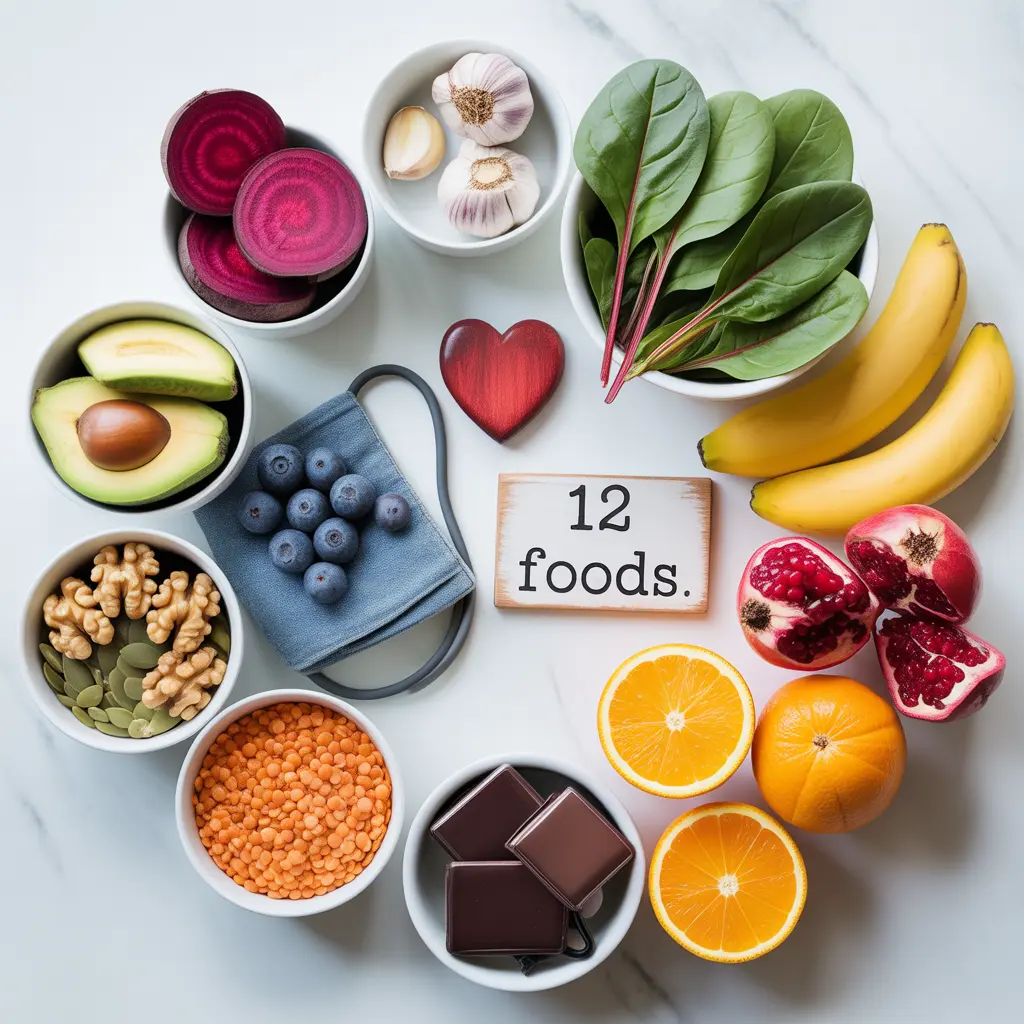
The 12 Most Powerful Plant Foods for Lowering Blood Pressure
- Beetroot: highest accessible dietary nitrate source (380mg per 100g); 500ml beetroot juice reduces systolic BP by up to 8 mmHg within 3 hours; betacyanins additionally protect vascular endothelium from oxidative damage
- Leafy greens (arugula, spinach, kale, bok choy): arugula leads all vegetables at 480mg nitrate per 100g; spinach additionally provides magnesium (79mg per 100g cooked) and potassium (839mg per 100g cooked)
- Flaxseeds: the most studied single food for blood pressure reduction in controlled trials; lignans and ALA omega-3 reduce arterial stiffness and produce consistent 7 to 10 mmHg reductions in multiple RCTs; 30g daily is the therapeutic dose
- Legumes (lentils, chickpeas, black beans): ACE-inhibitory peptides, potassium delivery (730mg per 200g cooked lentils), and magnesium from daily legume consumption produce cumulative blood pressure reduction; legume intake 4 or more times per week associated with lower hypertension rates in population studies
- Berries (blueberries, strawberries, raspberries): anthocyanins activate eNOS through ERK1/2 signalling; a landmark 8-week RCT found that one cup of blueberries daily reduced systolic BP by 7 mmHg in postmenopausal women with Stage 1 hypertension; the effect is specific to whole berries, not isolated anthocyanin supplements
- Celery: phthalide compounds (specifically 3-n-butylphthalide) directly relax arterial smooth muscle through calcium channel antagonism; traditional use in Chinese medicine for hypertension is supported by modern pharmacological evidence
- Dark chocolate (85%+ cocoa): flavanols activate eNOS and increase NO bioavailability; meta-analysis of 20 trials shows 2.8 mmHg systolic reduction from 30 to 50g dark chocolate daily; the anti-hypertensive effect is cocoa flavanol-specific, absent in white chocolate
- Pomegranate: punicalagins (unique polyphenols) increase eNOS expression and activity; 240ml pomegranate juice daily reduced systolic BP by 5 mmHg and diastolic by 2 mmHg in a 2012 RCT; punicalagins also inhibit ACE through a mechanism distinct from legume peptides, providing complementary RAAS modulation
- Extra virgin olive oil: oleic acid and oleocanthal reduce arterial stiffness measured by pulse wave velocity; olive oil consumption is the primary candidate for the superior cardiovascular outcomes in adherent Mediterranean diet populations above and beyond other dietary components
- Walnuts: ALA omega-3, polyphenols, and L-arginine (NO precursor) combine to produce significant blood pressure reductions; walnuts provide the highest L-arginine of any nut (2.3g per 30g), directly supplying the substrate for endothelial NO synthase
- Hibiscus tea: hibiscus sabdariffa anthocyanins inhibit ACE and produce direct vasodilation; a systematic review of 5 RCTs found 7.6 mmHg systolic and 3.5 mmHg diastolic reduction from 2 to 3 cups daily; one of the strongest single food-source BP reductions documented in clinical literature
- Oats: beta-glucan reduces arterial stiffness through cholesterol-lowering mechanisms; avenanthramides directly inhibit endothelial inflammatory signalling; oat consumption is associated with significantly lower hypertension rates in large cohort studies
Ingredient Spotlights: Deep Dives on the Top 5
🫙 1. Flaxseeds: The Most Evidence-Rich Plant Food for Blood Pressure Reduction
Flaxseeds have accumulated more randomised controlled trial evidence for blood pressure reduction than any other single plant food. The most significant trial, published in Hypertension in 2013, randomised 110 hypertensive patients with peripheral arterial disease to 30g flaxseeds daily versus placebo over 6 months. The flaxseed group showed a mean 10 mmHg reduction in systolic and 7 mmHg reduction in diastolic blood pressure: a magnitude comparable to a single antihypertensive medication.
Three distinct mechanisms drive the flaxseed effect:
- ALA omega-3 and arterial compliance: ALA converts partially to EPA, which is incorporated into endothelial cell membranes and increases their fluidity and NO-producing capacity. EPA is also the precursor to resolvin E1, a specialised pro-resolving mediator that actively resolves vascular inflammation and improves arterial compliance (flexibility). Stiffer arteries produce higher systolic pressure because the heart must pump against greater resistance with each beat.
- Lignans and ACE inhibition: secoisolariciresinol diglycoside (SDG), the primary lignan in flaxseeds, is converted by gut bacteria to enterolactone and enterodiol. These metabolites demonstrate ACE inhibitory activity in vitro and have been associated with lower blood pressure in population studies of lignan intake.
- Soluble fibre and cardiac output reduction: the viscous soluble mucilage in flaxseeds reduces postprandial glucose peaks, which reduces the associated sympathetic nervous system activation that transiently elevates heart rate and cardiac output with each high-glycaemic meal.
🍇 2. Berries: eNOS Activation Through Anthocyanin Signalling
The mechanism through which berry anthocyanins reduce blood pressure is among the most precisely characterised dietary-cardiovascular pathways in molecular nutrition. Anthocyanins enter endothelial cells where they activate ERK1/2 (extracellular signal-regulated kinase) and Akt (protein kinase B) signalling cascades, which phosphorylate and activate eNOS at the serine-1177 residue: the primary regulatory activation site for endothelial NO production.
This mechanism is not merely indirect (through antioxidant protection of existing NO from free radical destruction). It directly increases the enzymatic rate of NO synthesis by activating the eNOS enzyme at its key regulatory site. In endothelium damaged by hypertension, where eNOS is uncoupled (produces superoxide rather than NO), anthocyanins provide partial re-coupling, restoring productive NO generation.
- The Johnson 2012 RCT: one cup of fresh blueberries daily for 8 weeks in postmenopausal women with Stage 1 hypertension produced a 7 mmHg systolic and 5 mmHg diastolic reduction alongside a 68.5% increase in circulating nitric oxide metabolites
- Variety diversity matters: different berry species produce different anthocyanin glycoside profiles with partially distinct receptor binding characteristics. Rotating between blueberries, raspberries, strawberries, blackberries, and pomegranate maximises the breadth of eNOS activation pathways engaged
- Frozen is equivalent: freezing preserves berry anthocyanins effectively. Research comparing fresh and frozen blueberries shows no significant difference in anthocyanin content or eNOS activation capacity, making frozen berries a practical and economically efficient daily cardiovascular food
🌺 3. Hibiscus Tea: Nature’s ACE Inhibitor in a Cup
Hibiscus sabdariffa, the deep red dried calyces used to make hibiscus tea (also known as karkadé in the Middle East, where it has been consumed for centuries), contains the highest anthocyanin concentration of any common beverage ingredient. The primary anthocyanins are delphinidin-3-sambubioside and cyanidin-3-sambubioside, which produce both ACE inhibition and direct arterial vasodilation through mechanisms that are beginning to be understood at the molecular level.
A systematic review and meta-analysis published in Phytomedicine covering 5 controlled trials found that hibiscus tea consumption produced an average 7.6 mmHg systolic and 3.5 mmHg diastolic reduction. A direct comparative trial against the ACE inhibitor captopril in patients with mild to moderate hypertension found comparable efficacy between 2 cups of hibiscus tea daily and a low dose of captopril: an extraordinary result for a food-based intervention.
For a culinary context: in Lebanese, Egyptian, and throughout the broader MENA region where I have cooked professionally, karkadé has been served both hot and cold for generations. The cultural wisdom that it “cools the blood” and “calms the heart” appears to have a specific pharmacological basis that only became clear in the 21st century.
🥜 4. Walnuts: The L-Arginine and ALA Blood Pressure Dual Action
Walnuts deliver blood pressure benefits through a mechanism that most nuts cannot replicate: their exceptionally high L-arginine content. L-arginine is the sole substrate for endothelial NO synthase: the enzyme that produces NO in blood vessel walls. When L-arginine availability is limiting, eNOS is “uncoupled” and produces superoxide (a vascular toxin) rather than NO. Supplementing L-arginine substrate restores coupled eNOS function and normalises NO production.
- L-arginine to NO pathway: L-arginine + O₂ + NADPH → L-citrulline + NO (catalysed by eNOS). At 2.3g L-arginine per 30g serving, walnuts deliver meaningful eNOS substrate at normal snack portions
- ALA synergy: the combination of L-arginine for NO production and ALA for endothelial membrane fluidity and EPA production creates complementary BP-reducing effects from a single food
- The 2021 WAHA trial (Walnut Effects on Cardiovascular Risk and Brain Aging): in 636 healthy elderly participants, 30g walnuts daily for 2 years reduced central diastolic blood pressure by 2.4 mmHg and central pulse pressure by 1.5 mmHg: modest but consistent over a long intervention period with favourable implications for arterial stiffness reduction
🫛 5. Lentils: The RAAS Modulator You Are Already Eating
Lentils are the most practical daily blood pressure food available in a plant-based kitchen because they address three mechanisms simultaneously at a cost that makes daily consumption entirely sustainable. The potassium content (730mg per 200g cooked) contributes meaningfully to the 4,700mg daily DASH target. The ACE-inhibitory peptides produced during lentil protein digestion provide gentle RAAS modulation. The high resistant starch and fibre improve gut microbiome SCFA production that has emerging evidence for blood pressure regulation through gut-brain axis mechanisms.
The PREDIMED trial, the most comprehensive Mediterranean diet cardiovascular RCT conducted, found that the legume-eating frequency within the study cohort was one of the strongest individual food predictors of cardiovascular event reduction: stronger than fish intake, olive oil use, or wine consumption in sub-group analyses. Four or more legume servings per week predicted the lowest cardiovascular mortality in this 7,447-person, 5-year study.
Vegan Foods That Raise Blood Pressure: The Hidden Dangers
A vegan diet is not automatically anti-hypertensive. Several common vegan food categories actively raise blood pressure and can completely negate the benefits of the BP-lowering foods above. These are the blind spots that prevent many vegan diets from producing the blood pressure reductions the research predicts.
7-Day Vegan Hypertension Meal Plan
This plan is architectured to maximise all six blood pressure-lowering mechanisms daily. Every day includes: a dietary nitrate source (beetroot or leafy greens), potassium-dense foods targeting 4,500mg daily, daily flaxseeds or walnuts for ALA, daily legumes for ACE-inhibitory peptides, and sodium kept below 1,500mg from food (not including incidental sodium in whole foods).
📅 Day 1: Maximum Nitric Oxide Day
BP nutrients: ALA 7g, L-arginine 2.3g, anthocyanins 250mg, potassium 820mg, NO precursor from flax lignans
BP nutrients: dietary nitrate 760mg (beetroot 570mg + arugula 190mg), potassium 680mg, magnesium 120mg
BP nutrients: ACE-inhibitory peptides from lentil digestion, potassium 980mg, dietary nitrate 180mg from spinach, punicalagins from pomegranate
📅 Day 2: Polyphenol and Berry Focus
📅 Day 3: RAAS Modulation Focus (Legume Protein Day)
📅 Days 4 to 7: The Anti-Hypertension Rotation
Days 4 through 7 rotate through the same six-mechanism architecture. The non-negotiables at every meal across all seven days:
- Breakfast anchor: ground flaxseeds (30g) in every breakfast. Hibiscus tea or green tea replacing morning coffee where possible. Berries daily.
- Lunch anchor: one nitrate-rich vegetable (arugula, beetroot, spinach, bok choy, or celery) as the base or primary vegetable of the meal. No added salt: season with lemon, herbs, and spices only.
- Dinner anchor: one legume serving (200g cooked) for ACE-inhibitory peptides. Brown rice or oats for beta-glucan. Olive oil as the primary fat added after cooking to preserve polyphenols.
- Daily: 30g walnuts or equivalent L-arginine source. Total sodium target: under 1,500mg. Potassium target: above 4,000mg. Hibiscus tea: 2 to 3 cups.
Day 4: Walnut and banana oat porridge · Beetroot hummus with crudités · Chickpea and roasted vegetable tagine with couscous.
Day 5: Green smoothie (spinach, kale, flaxseeds, berries) · Miso soup with tofu and edamame · Lentil shepherd’s pie with sweet potato topping and steamed broccoli.
Day 6: Chia and pomegranate bowl · Arugula and white bean salad with lemon · Tempeh tikka with cauliflower rice and a large green salad with walnuts.
Day 7: Overnight oats with blueberries and flaxseeds · Lentil tabbouleh with beetroot · Black bean and sweet potato stew with avocado.
Reference Tables
Blood Pressure Nutrients: Targets, Best Plant Sources, and Evidence
High-Potassium Vegan Foods for Daily Blood Pressure Management
Chef Tips: Cooking to Maximise Blood Pressure Benefits
🔪 Tip 1: The Mouthwash-Free Kitchen Rule
The most unusual blood pressure cooking tip I have ever shared, but arguably the most impactful: if you are eating nitrate-rich foods (beetroot, arugula, spinach) for their blood pressure benefits, your use of antibacterial mouthwash is working against you. As described in the nitric oxide pathway section, oral bacteria are essential for converting dietary nitrate to nitrite, the precursor to vascular nitric oxide. Antibacterial mouthwash eliminates these bacteria for 12 to 24 hours and completely abolishes the blood pressure effect of the nitrate consumed during that period. Switch to regular fluoride toothpaste without antiseptic agents if nitrate foods are a daily cardiovascular strategy. This single change costs nothing and preserves the full nitrate-to-NO pathway.
🍋 Tip 2: Acid Replaces Salt More Effectively Than Any Other Flavour Substitution
In twenty years of professional cooking across Lebanon, Dubai, and Saudi Arabia, the single technique that transforms low-sodium cooking from deprivation to pleasure is the aggressive, skilled use of acid. Lemon juice, lime juice, sumac, pomegranate molasses, tamarind, and good-quality vinegars stimulate the same salivary and gustatory responses as salt, amplify the perception of other flavours, and produce the “complete” flavour sensation that low-sodium dishes typically lack.
In Levantine kitchens, lemon is used as a seasoning tool at every stage of cooking: in the pot, at plating, and at the table. Lebanese lentil soup (adas bi hamod literally translates as “lentils with sour”) without lemon would be nutritionally identical but culinarily incomplete. The lemon is not a flavour addition. It is a structural component of the dish. Applied to a low-sodium vegan anti-hypertension kitchen, this principle means:
- Always finish lentil and bean dishes with fresh lemon juice added off heat to preserve vitamin C
- Use sumac (a sour, fruity Middle Eastern spice) in salad dressings and over roasted vegetables: it is salt-free, potassium-rich, and adds a flavour complexity that makes salt irrelevant in the same dish
- Replace soy sauce in stir-fry sauces with a combination of a small amount of low-sodium tamari (1 teaspoon), rice vinegar, lime juice, and ginger: the acidity carries the flavour coverage of a larger tamari quantity at significantly lower sodium
🥗 Tip 3: The Daily Nitrate Stack
Reaching the therapeutic nitrate dose of 300 to 500mg daily for consistent blood pressure benefit requires knowing which foods are working hardest and stacking them deliberately across meals rather than relying on incidental vegetable intake. The professional kitchen approach is to build the nitrate delivery into the meal architecture at the planning stage rather than hoping it arises organically from general healthy eating:
- Breakfast: blend a handful of arugula into a smoothie (480mg nitrate per 100g: barely detectable in a berry smoothie, maximally impactful for blood pressure)
- Lunch: base every salad on arugula or spinach rather than iceberg lettuce. The nitrate difference between arugula (480mg/100g) and iceberg lettuce (14mg/100g) is a 34-fold difference in blood pressure benefit from the same bowl of greens
- Dinner: include cooked spinach, bok choy, or kale as the vegetable component. These remain high in nitrate even after light cooking (brief steaming or stir-frying preserves 60 to 80% of nitrate content)
- Snack: raw celery sticks with hummus: 150mg nitrate per 100g celery with zero effort
5 Mistakes That Prevent Blood Pressure Improvement on a Vegan Diet
❌ Mistake 1: Eating High-Sodium Processed Vegan Products
This is the most common reason a vegan diet fails to lower blood pressure and the most important mistake to correct. A vegan diet built on vegan sausages, vegan cheese, ready-made sauces, commercial hummus, salted nuts, and packaged vegan snacks can deliver 3,000 to 4,000mg of sodium daily: equivalent to the average Western omnivorous diet. Sodium is the primary driver of volume-dependent hypertension. No amount of beetroot, berries, or flaxseeds can compensate for a dietary sodium intake that is chronically activating renal sodium retention mechanisms. The target for hypertension management is under 1,500mg sodium daily. Track your sodium from processed foods before concluding that a vegan diet is not working for your blood pressure. The issue is almost always the processing, not the plant-based principle.
❌ Mistake 2: Not Eating Enough Potassium-Rich Foods
A vegan diet is potentially very high in potassium, but only if whole, unprocessed plant foods form the foundation. Processed vegan diets that rely on refined carbohydrates, snack foods, and convenience products deliver lower potassium than traditional whole-food plant-based diets. The potassium-to-sodium ratio is the critical variable. Target 4,700mg potassium daily (the DASH recommendation) through daily consumption of lentils, avocado, spinach, sweet potato, and edamame. Without actively including these potassium-dense foods, a vegan diet’s natural potassium advantage disappears.
❌ Mistake 3: Choosing Iceberg Over High-Nitrate Greens
All leafy greens are not equal for blood pressure management. The difference between eating arugula (480mg nitrate per 100g) and iceberg lettuce (14mg per 100g) in a salad is a 34-fold difference in dietary nitrate delivery from the same visual portion of food. Spinach (250mg), bok choy (185mg), and kale (170mg) all dramatically outperform iceberg, romaine, and butter lettuce on nitrate content. Switching the base of daily salads from iceberg to arugula or spinach is a zero-cost, zero-effort change that produces measurable blood pressure benefit within days. For our anti-inflammatory vegan guide covering the complementary polyphenol mechanisms, see our anti-inflammatory vegan diet guide.
❌ Mistake 4: Overlooking Flaxseeds as a Daily Non-Negotiable
Ground flaxseeds have the strongest single-food blood pressure RCT evidence of any plant food: a 10 mmHg systolic and 7 mmHg diastolic reduction at 30g daily over 6 months in hypertensive patients. Yet they are often treated as an optional smoothie addition rather than a daily medical-grade dietary intervention. For anyone using diet to manage blood pressure, 30g of ground flaxseeds daily (3 tablespoons, stirred into porridge, smoothies, or soups) is more evidence-based than almost any other single dietary change available. Ground (not whole) flaxseeds are essential because whole flaxseeds pass undigested and the active compounds: ALA and lignans: are not absorbed from intact seeds.
❌ Mistake 5: Not Monitoring Blood Pressure Response
Dietary blood pressure management without systematic measurement is like navigating without instruments. Home blood pressure monitors cost $25 to $50 and enable the precise tracking needed to confirm dietary effectiveness, identify which interventions are producing results, and ensure that blood pressure improvements do not lead to hypotension if antihypertensive medications are not adjusted downward as diet improves. Measure at the same time each day (morning, 5 minutes of sitting quietly, same arm, same position). Log readings weekly. Share with your doctor. The most important implication: if dietary changes produce clinically significant blood pressure reductions in a patient on antihypertensive medications, the medication dose may need to be reduced to prevent hypotension. This decision must involve the prescribing physician.
Frequently Asked Questions About Vegan Diet and Blood Pressure
Can a vegan diet lower blood pressure?
Yes, with strong evidence. A meta-analysis published in JAMA Internal Medicine covering 39 studies found vegan diets reduced systolic blood pressure by an average of 6.9 mmHg and diastolic by 4.7 mmHg compared to omnivorous controls. The Adventist Health Studies found that vegan participants had significantly lower hypertension prevalence than all other dietary groups studied. The reductions operate through six simultaneous mechanisms: dietary nitrate-to-NO conversion, potassium-driven renal sodium excretion, polyphenol-mediated eNOS activation, ACE-inhibitory plant peptides, elimination of sat-fat TLR4 vascular inflammation, and gut microbiome SCFA cardiovascular effects.
How much can diet lower blood pressure?
Dietary interventions produce blood pressure reductions in the range of 5 to 15 mmHg systolic in published trials, depending on baseline blood pressure, dietary quality, and specific foods included. The combination of a low-sodium whole-food plant-based diet with daily nitrate foods, flaxseeds, and regular hibiscus tea consumption produces cumulative effects from multiple independent mechanisms. For Stage 1 hypertension (130 to 139 systolic), this magnitude of dietary effect is often sufficient to achieve blood pressure normalisation without medication. For Stage 2 hypertension (above 140 systolic), dietary intervention is an important adjunct to medication rather than a replacement, and medication reduction should be guided by a physician based on monitored blood pressure response.
How long does it take for a plant-based diet to lower blood pressure?
Blood pressure reductions from dietary nitrate consumption are measurable within 2 to 3 hours of consumption and peak at 3 to 5 hours. Sustained dietary changes produce progressive reduction over weeks: potassium-driven renal adaptation takes 1 to 2 weeks to fully express. Endothelial repair from polyphenol eNOS activation takes 4 to 8 weeks of consistent consumption. The full benefit of dietary ACE-inhibitory peptides accumulates over 4 to 6 weeks of daily legume consumption. Full realisation of blood pressure benefit from comprehensive plant-based dietary changes is typically seen at 8 to 12 weeks, consistent with the follow-up periods of the strongest RCTs in this area.
Is hibiscus tea effective for blood pressure?
Yes. Hibiscus sabdariffa tea has one of the strongest food-specific blood pressure evidence bases available, reducing systolic BP by an average of 7.6 mmHg and diastolic by 3.5 mmHg in a meta-analysis of 5 controlled trials. A direct comparison trial found comparable efficacy to low-dose captopril (an ACE inhibitor) at 2 cups daily. The mechanism involves both ACE inhibition by Hibiscus anthocyanins and direct arterial vasodilation through multiple polyphenol signalling pathways. Drink 2 to 3 cups daily, brewed hot or cold. Cold brewing overnight extracts more anthocyanins than hot brewing. Hibiscus tea is naturally caffeine-free and can replace caffeinated beverages that transiently raise blood pressure.
Which leafy greens are best for blood pressure?
Arugula (rocket) leads all commonly available greens at 480mg nitrate per 100g, followed by beetroot greens, spinach (250mg), bok choy (185mg), kale (170mg), and romaine lettuce (100mg). Iceberg lettuce provides only 14mg per 100g and is essentially useless for blood pressure management despite being the most commonly eaten salad green in Western diets. Switching from iceberg to arugula or spinach as the daily salad base produces a 20 to 34-fold increase in dietary nitrate delivery from the same visual serving size of salad. For maximum daily nitrate delivery without drinking beetroot juice, a bowl of arugula at lunch (150g, 720mg nitrate) combined with cooked spinach at dinner (200g, 500mg nitrate) comfortably exceeds the 500mg therapeutic threshold from food sources alone.
Does sodium matter on a vegan diet?
Yes, critically. Sodium is the primary driver of volume-dependent hypertension regardless of dietary pattern. A vegan diet high in sodium from processed plant foods (vegan sausages, vegan cheese, salted snacks, commercial sauces) is not anti-hypertensive. The target for hypertension management is under 1,500mg sodium daily from all sources. Achieving this requires cooking from whole, unprocessed ingredients, using acid (lemon, sumac, vinegar) rather than salt for flavour, limiting soy sauce and tamari, and avoiding high-sodium vegan convenience products. The potassium-to-sodium ratio matters more than sodium alone: a diet delivering 5,000mg potassium and 2,000mg sodium produces far better renal sodium balance than a diet delivering 2,500mg potassium and 1,500mg sodium, even though absolute sodium is lower in the second example.
Can I stop my blood pressure medication if I eat a vegan diet?
Never stop or reduce antihypertensive medication without discussing with your prescribing physician. Dietary changes can produce clinically significant blood pressure reductions that require medication dosage adjustment to prevent hypotension (dangerously low blood pressure), but this adjustment must be made under medical supervision based on measured blood pressure response. The correct approach is to start the dietary changes, monitor blood pressure daily with a home monitor, and discuss any consistent improvements with your doctor at your next appointment so that medication can be appropriately adjusted. Some patients in well-designed dietary intervention studies have been able to reduce medication under medical supervision. This is a medical decision, not a personal one.
What is the best drink for high blood pressure?
The evidence-supported anti-hypertensive beverages, from strongest to weakest, are: hibiscus tea (7.6 mmHg systolic reduction, ACE inhibition mechanism), beetroot juice (up to 8 mmHg systolic, dietary nitrate mechanism), pomegranate juice (5 mmHg systolic, ACE inhibition + eNOS activation), green tea (modest 2 to 3 mmHg systolic, EGCG eNOS activation), and plain water (reducing dehydration-related plasma viscosity). Beverages to minimise: alcohol (raises BP through multiple mechanisms), sweetened drinks (fructose raises BP via uric acid and renal sodium retention), and excessive caffeine above 200mg daily.
Does the DASH diet require dairy?
The original DASH diet was formulated to include low-fat dairy as a calcium and potassium source. However, the blood pressure benefits of DASH are attributable to its high potassium, high magnesium, high calcium, and low sodium profile rather than to dairy specifically. A plant-based version of DASH that obtains calcium from fortified soy milk, calcium-set tofu, kale, and tahini, and potassium from legumes, leafy greens, and avocado, achieves all the nutritional targets of DASH without dairy. Several research groups have compared DASH with and without dairy and found that dairy substitution with equivalent calcium plant sources does not reduce blood pressure outcomes. A vegan DASH approach therefore fully captures DASH benefits while adding the additional anti-hypertensive mechanisms of a plant-based diet that DASH does not maximise.
Does stress affect blood pressure more than diet?
Chronic psychological stress activates the hypothalamic-pituitary-adrenal (HPA) axis and sympathetic nervous system, chronically elevating cortisol and adrenaline. Cortisol promotes renal sodium retention through aldosterone-like mechanisms. Adrenaline increases heart rate and cardiac output. Both raise blood pressure through sustained hormonal mechanisms that operate independently of dietary sodium and potassium. Research shows that chronic stress can blunt the blood pressure-lowering effect of dietary interventions by 30 to 40%. Managing hypertension through diet alone without addressing chronic stress, poor sleep, and physical inactivity produces inferior outcomes to a comprehensive lifestyle approach. Diet is the most immediately modifiable variable, but it is one component of a multi-factor intervention rather than the sole determinant of blood pressure control.
Is garlic good for blood pressure?
Yes. Garlic produces clinically measurable blood pressure reductions through multiple mechanisms: allicin (produced when garlic is chopped or crushed and left to stand for 10 minutes before cooking) inhibits angiotensin II-mediated vasoconstriction, stimulates hydrogen sulphide production (a gasotransmitter with vasodilating properties similar to nitric oxide), and produces the polysulphide compounds that increase red blood cell flexibility and improve microvascular flow. A meta-analysis of 12 randomised trials found that garlic supplementation reduced systolic blood pressure by 5.1 mmHg in hypertensive patients. Daily culinary garlic in the quantities used in Levantine cooking (multiple cloves per dish) provides relevant daily allicin exposure. The crush-and-rest technique for enzyme activation, described in the anti-inflammatory guide, applies equally here.
How does the vegan diet compare to medication for blood pressure?
The most commonly prescribed first-line antihypertensive medications (thiazide diuretics, ACE inhibitors, calcium channel blockers, ARBs) typically reduce systolic blood pressure by 8 to 15 mmHg in Stage 1 and 2 hypertension. A well-structured whole-food plant-based diet combining all six anti-hypertensive mechanisms can produce reductions of 7 to 12 mmHg. This places dietary intervention in the same order of magnitude as pharmacological treatment for many patients with mild to moderate hypertension. The key advantages of dietary intervention over medication are the absence of side effects, the simultaneous benefit to cholesterol, blood glucose, gut health, and body weight, and the addressing of root causes rather than symptom management. Medication has the advantages of immediate, predictable, and sustained BP reduction in severe cases. For most patients, the evidence most strongly supports combining both approaches rather than choosing one.
Still spending hours figuring out what to eat?
What’s included in your download
- 40+ nutritionist-approved recipes
- Complete 28-day calendar
- Meets protein, iron & B12 needs
- Family & meal prep friendly
- Vibrant photo for every recipe
- Simple, common ingredients
Instant PDF download. No subscriptions. No waiting.