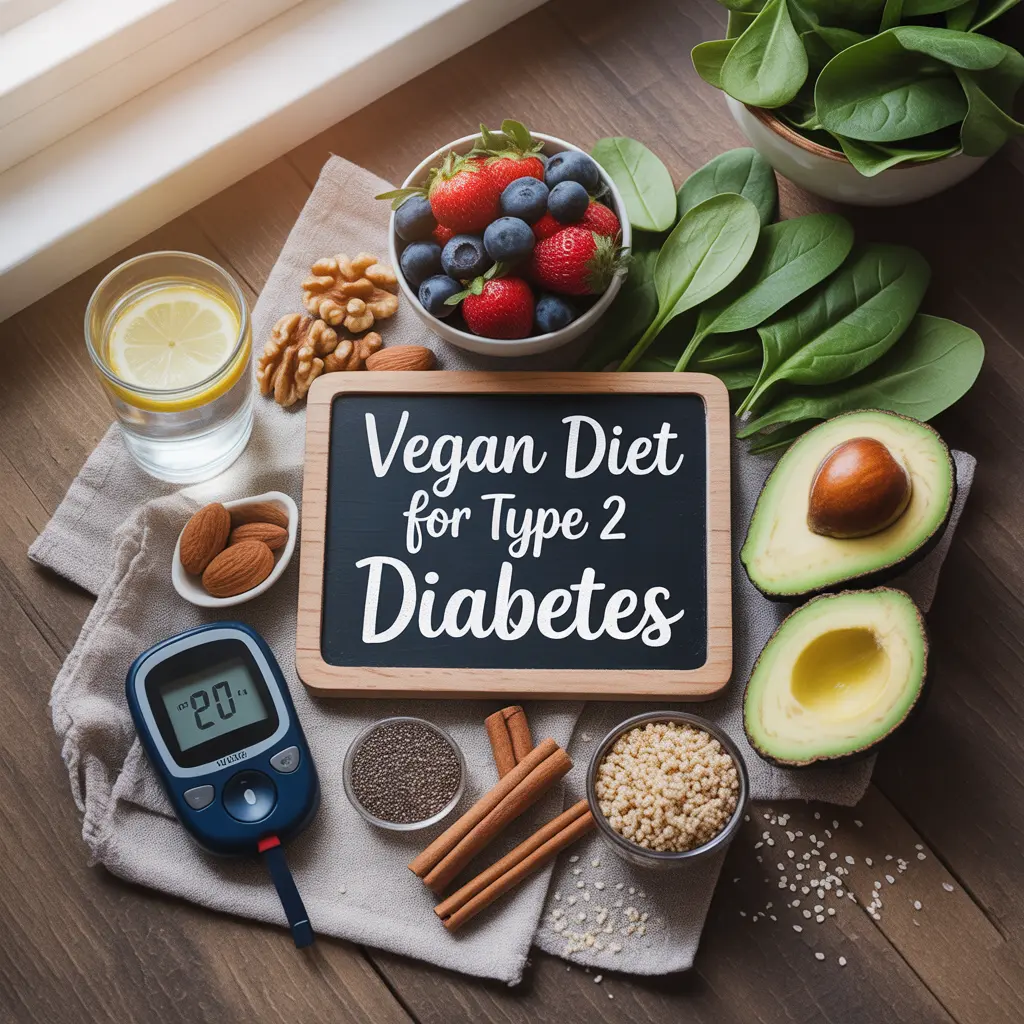
- A vegan diet for type 2 diabetes is one of the most evidence-backed dietary interventions for improving blood sugar control, reducing insulin resistance, and in some cases achieving remission.
- Plant-based diets consistently outperform standard diabetic diets in clinical trials for HbA1c reduction, weight loss, LDL cholesterol, and blood pressure.
- The mechanism is well understood: high fibre intake slows glucose absorption, reduces insulin spikes, feeds gut bacteria that improve insulin sensitivity, and promotes sustainable weight loss that directly reduces metabolic load on the pancreas.
- Not all vegan food is diabetic-friendly. Refined carbohydrates, fruit juice, white rice, and vegan processed foods spike blood sugar just as effectively as non-vegan equivalents.
- Anyone on diabetes medication must work with their doctor when starting a vegan diet for type 2 diabetes. Blood sugar improvements can be rapid and medication doses may need to be reduced quickly to avoid hypoglycaemia.
- What the Science Really Says About a Vegan Diet for Type 2 Diabetes
- The 8 Proven Benefits of a Vegan Diet for Type 2 Diabetes
- Complete Blood Sugar Impact Guide
- Best and Worst Vegan Foods for Blood Sugar Control
- Meal Timing and Portion Strategy
- Key Nutrients to Monitor on a Vegan Diet for Type 2 Diabetes
- Medication and Blood Sugar: What Changes to Expect
- Frequently Asked Questions
- Your Action Plan
The evidence for a vegan diet for type 2 diabetes is more compelling than most people realise, and more nuanced than the headlines suggest. Multiple large clinical trials now show that a well-structured plant-based diet produces superior blood sugar control compared to standard diabetic diets. In some studies, a significant proportion of participants achieved full type 2 diabetes remission within weeks to months. These are not fringe results. They are published in peer-reviewed journals and are reshaping how progressive clinicians think about dietary intervention in diabetes care.
But a vegan diet for type 2 diabetes is not a magic solution that works regardless of what you eat. A poorly planned plant-based diet heavy in white rice, white bread, fruit juice, refined vegan snacks, and processed vegan products can raise blood sugar just as effectively as the worst omnivorous diet. The difference between a vegan diet that improves type 2 diabetes and one that does not lies entirely in the quality and composition of the food choices made.
This guide gives you the science, the practical food framework, and the specific strategies to make a vegan diet for type 2 diabetes work as effectively as the research suggests it can. If you are also managing your weight alongside blood sugar, our vegan diet weight loss plan provides the calorie and macronutrient framework that supports both goals simultaneously.
What the Science Really Says About a Vegan Diet for Type 2 Diabetes
The research on a vegan diet for type 2 diabetes has grown significantly over the past two decades. The most cited landmark study is the Physicians Committee for Responsible Medicine trial led by Dr Neal Barnard, which compared a low-fat vegan diet directly to the standard American Diabetes Association recommended diet in a randomised controlled trial. The vegan diet group achieved significantly greater reductions in HbA1c, greater weight loss, lower LDL cholesterol, and reduced medication requirements compared to the control group.
Subsequent meta-analyses pooling data from multiple trials have consistently confirmed these findings. A 2018 systematic review published in the journal Nutrients found that plant-based diets improved glycaemic control, body weight, cardiovascular risk markers, and quality of life in people with type 2 diabetes more effectively than conventional dietary approaches.
The mechanisms behind these results are well understood and operate through several simultaneous pathways. High dietary fibre from legumes, whole grains, and vegetables slows gastric emptying and glucose absorption, reducing post-meal blood sugar spikes and overall glycaemic variability. Dramatic reduction in dietary saturated fat, which is almost entirely absent from a whole food vegan diet, reduces intramyocellular lipid accumulation (fat inside muscle cells), one of the primary drivers of insulin resistance. Consistent calorie deficit produced by the high volume, low calorie density of whole plant foods promotes sustainable weight loss, and even modest weight loss of five to ten percent of body weight significantly reduces pancreatic metabolic load and improves insulin secretion.
The gut microbiome connection is also significant. High-fibre plant foods consistently promote the growth of short-chain fatty acid producing bacteria including Faecalibacterium prausnitzii and Akkermansia muciniphila, both of which are associated with improved insulin sensitivity and reduced intestinal inflammation. People with type 2 diabetes consistently show lower populations of these bacteria, and a vegan diet for type 2 diabetes is one of the most powerful ways to restore them.
The 8 Proven Benefits of a Vegan Diet for Type 2 Diabetes
Benefit 1: Significant HbA1c Reduction
HbA1c is the three-month average blood sugar measure used to diagnose and monitor type 2 diabetes. A vegan diet for type 2 diabetes consistently produces clinically meaningful HbA1c reductions in research settings. The Barnard trial showed a 1.23 percentage point reduction in HbA1c in the vegan group, which is comparable to the effect of some first-line diabetes medications. Every 1 percentage point reduction in HbA1c reduces the risk of diabetic complications by approximately 35 percent.
Benefit 2: Improved Insulin Sensitivity
Insulin sensitivity refers to how effectively cells respond to insulin’s signal to absorb glucose from the blood. A vegan diet for type 2 diabetes improves insulin sensitivity through three simultaneous mechanisms: reduction of saturated fat inside muscle cells that physically impairs insulin signalling, weight loss that reduces adipose tissue inflammation, and increased fibre that feeds insulin-sensitising gut bacteria. The combination is more powerful than any single mechanism alone.
Benefit 3: Sustainable Weight Loss
Weight loss is one of the most powerful interventions for type 2 diabetes management. The UK Diabetes Remission Clinical Trial demonstrated that achieving significant weight loss, around 15kg, produced complete remission in type 2 diabetes in over 50 percent of participants. A vegan diet for type 2 diabetes achieves weight loss sustainably because high-volume, high-fibre plant foods produce calorie deficits without requiring calorie counting, portion restriction feels less punitive when food volume remains high, and satiety is maintained through fibre and protein.
Benefit 4: Lower LDL Cholesterol and Cardiovascular Protection
Type 2 diabetes dramatically elevates cardiovascular risk. People with type 2 diabetes are two to four times more likely to develop heart disease than those without it. A vegan diet for type 2 diabetes directly addresses this risk by eliminating dietary cholesterol entirely, significantly reducing saturated fat intake, and providing soluble fibre (particularly from oats and legumes) that actively lowers LDL cholesterol through bile acid sequestration. This cardiovascular protection is an additional benefit beyond blood sugar management.
Benefit 5: Reduced Inflammation
Chronic low-grade inflammation drives both insulin resistance and the progression of diabetic complications. A vegan diet for type 2 diabetes is one of the most anti-inflammatory dietary patterns available. Plant polyphenols, antioxidants, omega-3 ALA, and the complete absence of the pro-inflammatory compounds found in processed meats and high-fat animal foods combine to produce measurable reductions in inflammatory markers including CRP, IL-6, and TNF-alpha within weeks of dietary adoption.
Benefit 6: Blood Pressure Reduction
Hypertension co-occurs with type 2 diabetes in approximately 75 percent of people with the condition and significantly amplifies the risk of kidney disease, stroke, and heart attack. A vegan diet for type 2 diabetes consistently produces clinically meaningful blood pressure reductions through high potassium intake from legumes, fruits, and vegetables, near-zero dietary sodium from unprocessed whole foods, weight loss, and improved arterial flexibility from reduced saturated fat.
Benefit 7: Kidney Protection
Diabetic nephropathy (kidney disease) is the leading cause of kidney failure in Western countries and affects approximately 40 percent of people with type 2 diabetes over time. Animal protein, particularly red meat, accelerates glomerular hyperfiltration (the pressure damage to kidney filtering units that drives nephropathy). A vegan diet for type 2 diabetes eliminates this risk entirely by replacing animal protein with plant protein, which has a fundamentally lower hyperfiltration effect and a strongly protective association with kidney function preservation in research.
Benefit 8: Potential for Full Remission
Remission, defined as HbA1c below 6.5 percent without diabetes medication for at least three months, is an achievable outcome for many people with early-stage type 2 diabetes who adopt a rigorous whole food vegan diet for type 2 diabetes combined with weight loss and regular physical activity. The evidence is clearest for people diagnosed within the previous five years and those who achieve significant weight loss. Remission is not guaranteed but it is far more achievable than most people diagnosed with type 2 diabetes are ever told.
The two tables below are your complete practical reference for managing blood sugar on a vegan diet for type 2 diabetes. Table 1 shows exactly how different plant foods affect blood glucose and insulin response. Table 2 is your daily eating guide. Screenshot both and keep them visible during your first weeks of dietary transition.
| Food Category | Glycaemic Impact | Why It Affects Blood Sugar This Way | Best Preparation for Lower GI | Portion Guide | Frequency |
|---|---|---|---|---|---|
| Legumes (lentils, chickpeas, black beans) | Very Low GI (20 to 30) | High resistant starch and soluble fibre slow gastric emptying dramatically. Protein content blunts insulin response. Legumes have one of the lowest glycaemic impacts of any carbohydrate food. | Cook from dried rather than canned where possible. Add vinegar or lemon juice to the dish, which lowers the glycaemic response further. Do not overcook to mush as this raises GI. | 150 to 200g cooked per meal | Daily. Build every meal around a legume base where possible. |
| Non-starchy vegetables (broccoli, spinach, courgette, peppers, mushrooms) | Negligible GI | Predominantly water and fibre with minimal digestible carbohydrate. These foods can be eaten in unrestricted quantities without any meaningful impact on blood glucose. | Raw, steamed, roasted, or sautéed all work equally well for blood sugar purposes. Avoid battering or frying in excess oil as fat slows and then extends glucose absorption. | No upper limit. Fill half the plate at every meal. | Every meal without exception. |
| Tofu and tempeh | Negligible GI | Protein and fat dominant with minimal carbohydrate. Soy isoflavones in both foods have been independently associated with improved insulin sensitivity in research. Tempeh’s fermentation further reduces any residual carbohydrate content. | Any cooking method. Avoid sweet glazes and sugary marinades which add glycaemic load. Use soy sauce, vinegar, spices, garlic, and ginger instead. | 150 to 200g per meal as the protein centrepiece | Daily across main meals. |
| Whole grains (oats, quinoa, barley, brown rice) | Low to Medium GI (40 to 65) | The fibre matrix surrounding intact whole grain kernels slows digestion. Oats in particular contain beta-glucan, a soluble fibre with the strongest clinical evidence for post-meal blood sugar blunting of any single dietary fibre. | Cook oats as porridge rather than instant varieties. Choose whole grain bread over white. Cook rice al dente not soft. Cooling and reheating cooked grains increases resistant starch content and lowers GI further. | 80 to 100g cooked per meal. One portion per meal maximum for tight blood sugar control. | Once or twice daily maximum depending on individual blood sugar response. |
| Fruit (whole) | Low to Medium GI (30 to 60) | Whole fruit contains fibre that significantly slows fructose absorption compared to juice. Berries and citrus have the lowest glycaemic impact. Tropical fruits including mango, pineapple, and ripe banana are higher. | Always eat whole fruit, never juice. Pair fruit with protein or fat (nuts, tofu, nut butter) to further blunt the blood sugar response. Eat at the end of a meal rather than on an empty stomach. | One portion (80 to 100g) at a time. Two portions maximum per day. | 1 to 2 portions daily. Prioritise berries, cherries, citrus, and apples. |
| Refined grains (white bread, white rice, white pasta) | High GI (70 to 90) | The fibre and germ have been removed, leaving primarily starch that digests very rapidly and spikes blood glucose sharply. These foods produce the same blood sugar response as table sugar in many individuals. | If eating white rice, cook it, cool it in the fridge overnight, and reheat. This retrograde starch formation lowers GI by 20 to 40 percent. Pair with large amounts of legumes and non-starchy vegetables to slow overall meal GI. | Small portions only: 60 to 80g cooked maximum. Always paired with high-fibre, high-protein foods. | Limit to occasional use. Replace with whole grain alternatives as the default. |
| Fruit juice and smoothies | Very High GI (70+) | Blending or juicing destroys the fibre matrix and concentrates fructose and glucose in liquid form. Liquid carbohydrates are absorbed much faster than solid equivalents and produce sharp blood sugar spikes regardless of their source. | Replace juice entirely with whole fruit. If drinking smoothies, always include a protein source (tofu, nut butter), fibre source (oats, chia seeds), and limit fruit to one portion maximum per smoothie. | Avoid juice entirely. Smoothies limited to once daily with the above modifications. | Juice: avoid. Smoothies: modified and occasional only. |
| Nuts and seeds | Very Low GI | High fat and protein content with low net carbohydrate. Polyunsaturated and monounsaturated fats improve insulin sensitivity when they replace saturated fats. Magnesium in nuts directly improves insulin receptor function. | Eat raw or dry-roasted without added sugar or coatings. Use as a meal addition or snack pairing with fruit to blunt fruit’s glycaemic impact. | 30g per serving (a small handful). Higher amounts contribute significant calories. | Daily as a meal component or paired snack. |
| Vegan processed foods (vegan cheese, vegan meats, vegan baked goods) | Variable, often High GI | Many vegan processed products contain refined starch, added sugars, and high sodium alongside relatively low protein and fibre. The vegan label does not indicate diabetic-friendly composition. | Read every nutrition label. Look for: fibre above 3g per serving, protein above 5g per serving, sugar below 5g per serving. Most commercial vegan products fail these criteria for a vegan diet for type 2 diabetes. | Treat as occasional food, not a dietary staple. | Limit to once or twice per week maximum. Always with a large volume of fibre and protein. |
| Sweeteners (agave, maple syrup, coconut sugar, dates) | Medium to High GI | A common misconception on a vegan diet for type 2 diabetes is that natural sweeteners are safe for blood sugar. They are not. Agave, maple syrup, coconut sugar, and date sugar all raise blood glucose. Some raise it slightly less than table sugar but none are genuinely safe in meaningful quantities for diabetic management. | Use stevia or erythritol as zero-glycaemic sweetener alternatives. Both are well tolerated by most people and have no meaningful impact on blood glucose or insulin. | Minimise all added sweeteners including natural ones. | Limit all forms of added sugar regardless of source. |
Understanding and applying this table is the foundation of blood sugar management on a vegan diet for type 2 diabetes. The pattern is consistent: whole, unprocessed plant foods with intact fibre structures perform significantly better for blood glucose control than refined, processed, or liquid alternatives regardless of whether they carry a vegan label.
For the full picture of how to structure your overall nutrition on a plant-based diet, our complete vegan nutrition guide covers every macro and micronutrient with practical guidance on meeting daily targets.
According to NutritionFacts.org’s research on plant-based diets and diabetes, whole food plant-based diets have been shown in multiple randomised controlled trials to produce superior HbA1c reductions compared to standard recommended diabetic diets, with the improvement explained primarily by the dramatic increase in dietary fibre, the reduction of dietary saturated fat, and the consistent calorie deficit produced by high-volume, low-calorie-density plant foods.
| Food | Blood Sugar Verdict | Key Benefit or Risk | Best Used As | Swap This For That |
|---|---|---|---|---|
| Red lentils | Excellent | GI of approximately 21. High protein and fibre combination provides sustained energy with almost no blood sugar spike. | Soup base, dal, sauce thickener, salad protein | Use instead of white pasta or white rice as the carbohydrate base of any meal |
| Steel-cut oats | Excellent | Beta-glucan fibre has the strongest clinical evidence of any single food for post-meal blood glucose reduction. GI of 42 versus 76 for instant oats. | Breakfast with nuts, seeds, and berries. Never with added sugar or sweetened plant milk. | Use instead of instant oats, cereal, or toast for breakfast |
| Broccoli | Excellent | Sulforaphane in broccoli has been shown in research to directly improve insulin sensitivity and reduce fasting blood glucose. Anti-inflammatory. Negligible GI. | Steamed as a meal side, roasted as a main vegetable, blended into soups | Use instead of starchy vegetables as the bulk component of any meal |
| Cinnamon | Beneficial | Cinnamaldehyde in cinnamon improves insulin sensitivity and has been shown to reduce fasting blood glucose by up to 29 percent in some studies when used consistently. | Added to oats, smoothies, stewed fruit, curries, and teas daily | Use instead of sweeteners to add flavour to sweet dishes |
| Berries (blueberries, strawberries, raspberries) | Very Good | High anthocyanin content directly improves insulin sensitivity and reduces post-meal glucose spikes. Low GI (25 to 40). High fibre relative to sugar content. | Breakfast topping, snack with nuts, natural sweetener in oats | Use instead of banana or tropical fruit as the daily fruit choice |
| Vinegar (apple cider or white) | Very Beneficial | Acetic acid in vinegar inhibits starch-digesting enzymes in the small intestine, effectively lowering the GI of the entire meal it accompanies. One tablespoon before a high-carb meal reduces blood sugar response by 20 to 35 percent. | Salad dressings, added to lentil dishes, diluted in water before meals | Use vinegar-based dressings instead of creamy or sweet dressings on all salads |
| White bread and white pasta | Avoid | GI of 71 to 85. Refined starch digests as rapidly as sugar. These are the primary foods to replace first on a vegan diet for type 2 diabetes. | Replace with lentil-based pasta, whole grain bread, or legume dishes entirely | Swap for lentil pasta, chickpea pasta, or whole rye sourdough |
| Fruit juice | Avoid completely | No fibre. Concentrated fructose and glucose. Produces blood sugar spikes equivalent to or exceeding sugary drinks. The word “fruit” does not make juice appropriate for a vegan diet for type 2 diabetes. | Has no place in a vegan diet for type 2 diabetes | Swap for water, unsweetened herbal tea, or sparkling water with a squeeze of whole citrus |
| Agave syrup | Avoid | Very high in fructose (up to 90 percent). While this lowers its GI score, high fructose intake is directly associated with insulin resistance, fatty liver, and elevated triglycerides, all of which worsen type 2 diabetes management. | Has no place as a regular sweetener on a vegan diet for type 2 diabetes | Swap for stevia or erythritol in all recipes requiring sweetness |
| Walnuts | Excellent | Alpha-linolenic acid (ALA) omega-3 in walnuts reduces inflammation and improves insulin sensitivity. Magnesium supports insulin receptor function. Polyphenols support gut bacteria that improve glucose metabolism. | Daily snack, breakfast topping, sauce base, salad addition | Use instead of crackers, chips, or processed snacks between meals |
The pattern that emerges from this table is clear and consistent: the foods that serve a vegan diet for type 2 diabetes best are the same whole plant foods that define an excellent vegan diet in general, but with additional attention to avoiding refined carbohydrates, sweeteners, and processed products that many vegans consume regularly without considering their glycaemic impact.
For practical guidance on building meals around these foods efficiently during a busy week, our 30-day vegan meal prep plan provides a complete structure that is adaptable for blood sugar management.
The NHS guidance on type 2 diabetes and food confirms that a diet rich in high-fibre carbohydrates, vegetables, and lean proteins with minimal refined carbohydrates and added sugars is the evidence-based foundation for blood sugar management, and that plant-based diets meeting these criteria are fully compatible with type 2 diabetes management and improvement.
Meal Timing and Portion Strategy on a Vegan Diet for Type 2 Diabetes
What you eat matters enormously on a vegan diet for type 2 diabetes. But when you eat it and how you structure your meals matters more than most people expect. Several evidence-based timing strategies significantly improve blood sugar management beyond food quality alone.
Front-Load Your Calories Earlier in the Day
Multiple studies show that eating larger meals earlier in the day produces better blood sugar control than eating the same foods in larger evening meals. This is due to circadian variation in insulin secretion, which is highest in the morning and declines through the afternoon and evening. On a vegan diet for type 2 diabetes, aim to eat a substantial breakfast and lunch, with a lighter dinner. This single shift can reduce post-dinner blood sugar spikes significantly without changing any food choices.
Start Every Meal with Vegetables and Protein
The order in which you eat foods within a meal significantly affects the post-meal blood sugar response. Eating non-starchy vegetables and protein first, followed by legumes or whole grains, and ending with any higher-GI components produces a blood sugar curve that is 30 to 40 percent flatter than eating the same foods in the reverse order. This is one of the most underused and most effective practical tools in managing a vegan diet for type 2 diabetes.
Avoid Extended Fasting Periods
Very long periods between meals (more than six hours) can cause blood sugar dysregulation in some people with type 2 diabetes, particularly those on certain medications. Eating consistently every four to five hours maintains more stable glucose levels throughout the day. If you are implementing intermittent fasting alongside your vegan diet for type 2 diabetes, discuss this with your doctor first as it can interact significantly with diabetes medication.
Walk After Meals
A ten to fifteen-minute walk after each main meal reduces post-meal blood sugar by 15 to 25 percent compared to sitting. Muscle contractions during walking absorb glucose from the bloodstream through an insulin-independent pathway (GLUT4 translocation), effectively lowering post-meal glucose without any dietary change. This is one of the most powerful and accessible interventions available for anyone following a vegan diet for type 2 diabetes.
Key Nutrients to Monitor on a Vegan Diet for Type 2 Diabetes
A vegan diet for type 2 diabetes requires the same careful nutritional attention as any plant-based diet, with additional consideration for specific nutrients that interact with diabetes management.
Vitamin B12 is non-negotiable. Beyond general vegan health, B12 deficiency is particularly problematic alongside the diabetes medication metformin, which independently depletes B12 over time. Anyone on metformin following a vegan diet for type 2 diabetes should have B12 levels tested every six months and supplement with 1,000mcg of methylcobalamin daily. For the full supplement picture, our complete vegan supplement guide covers all dosing details.
Magnesium is directly involved in insulin receptor function. Low magnesium is significantly more common in people with type 2 diabetes than in the general population and is associated with worsened insulin resistance. Plant sources including dark leafy greens, pumpkin seeds, black beans, and dark chocolate (70 percent plus) provide meaningful amounts. A magnesium glycinate supplement of 200 to 300mg before bed improves sleep quality, muscle function, and insulin sensitivity simultaneously.
Omega-3 DHA and EPA reduce the systemic inflammation that drives diabetic complications. An algae-based DHA and EPA supplement of 250 to 500mg daily is the most reliable source on a vegan diet for type 2 diabetes, since the ALA-to-DHA conversion from plant sources is too inefficient to rely on alone.
Vitamin D deficiency is significantly associated with worsened insulin resistance and is extremely common in people with type 2 diabetes. Supplement with vegan D3 from lichen at 1,000 to 2,000 IU daily year-round. Test annually as part of your diabetes review blood panel. Our vegan blood test guide covers exactly which panels to request at each review.
Medication and Blood Sugar: What Changes to Expect
This is the most critical practical section for anyone adopting a vegan diet for type 2 diabetes while on diabetes medication. The dietary improvements described in this guide are genuinely effective, and they can work faster than people expect.
Blood sugar can improve rapidly, sometimes within days to weeks of adopting a whole food vegan diet for type 2 diabetes. If you are on insulin, sulfonylureas, or other glucose-lowering medications and your blood sugar drops significantly, you can become hypoglycaemic (dangerously low blood sugar). This is not a sign the diet is not working. It is a sign that it is working very well and your medication dose needs to be reduced.
Do not wait for a scheduled appointment if you are seeing consistent lower-than-normal readings. Contact your doctor proactively and inform them you are making significant dietary changes. Most doctors will reduce or eliminate medication as blood sugar improves. This is one of the most positive outcomes achievable on a vegan diet for type 2 diabetes and it happens regularly for people who follow the approach described in this guide.
Metformin is generally the safest medication to continue during dietary transition as it has a lower hypoglycaemia risk than insulin or sulfonylureas. Nevertheless, regular blood glucose monitoring at home during the first four to eight weeks of dietary change is strongly recommended for anyone on any diabetes medication.
Frequently Asked Questions About Vegan Diet for Type 2 Diabetes
Can a vegan diet for type 2 diabetes actually reverse it?
Yes, remission is achievable for many people, particularly those diagnosed within the previous five years. A whole food vegan diet for type 2 diabetes that produces significant weight loss, consistently reduces HbA1c, and is maintained long-term can achieve remission, defined as HbA1c below 6.5 percent without medication for three months or more. The evidence is strongest for people with early-stage type 2 diabetes who combine dietary change with physical activity and weight loss. Medical supervision is essential throughout this process.
What vegan foods raise blood sugar the most?
The highest blood-sugar-raising foods on a vegan diet for type 2 diabetes are: fruit juice, white bread, white rice, instant oats, agave and maple syrup, vegan processed meats and cheeses with high refined starch content, and large portions of tropical fruit. These foods cause rapid blood sugar spikes regardless of being plant-based. Replace them with whole legumes, non-starchy vegetables, steel-cut oats, whole grains, and whole fruit in controlled portions. See the complete blood sugar impact table in this guide for full details.
How quickly will blood sugar improve on a vegan diet for type 2 diabetes?
Many people notice improved fasting blood glucose within the first one to two weeks of adopting a whole food vegan diet for type 2 diabetes. Measurable HbA1c reductions typically appear within three months, which is the minimum timeframe captured by the HbA1c test. The improvements continue progressively for six to twelve months as weight loss accumulates and gut microbiome composition shifts. Speed of improvement depends on the quality of dietary adherence, baseline HbA1c, duration of diagnosis, and whether exercise is included alongside the dietary change.
Is fruit safe on a vegan diet for type 2 diabetes?
Yes, whole fruit is safe and beneficial in controlled portions. Berries, apples, citrus, cherries, and pears have the lowest glycaemic impact and the highest polyphenol content, making them the best choices on a vegan diet for type 2 diabetes. Limit to one to two portions daily, eat whole rather than juiced, and always pair fruit with protein or fat to further blunt the blood sugar response. Tropical fruits including mango, pineapple, and ripe banana are higher GI and should be used in smaller portions. Fruit juice is never appropriate.
Do I need to count carbohydrates on a vegan diet for type 2 diabetes?
Not necessarily, but being aware of carbohydrate quality and quantity is important. A whole food vegan diet for type 2 diabetes built around legumes, non-starchy vegetables, and limited whole grains naturally produces a lower and more stable blood sugar response than a standard diet without requiring strict carbohydrate counting. The focus should be on replacing high-GI refined carbohydrates with low-GI whole food alternatives rather than eliminating carbohydrates entirely. Low-carb approaches can work but are not necessary when carbohydrate quality is high. Discuss your individual target with your dietitian.
Your Action Plan: Starting a Vegan Diet for Type 2 Diabetes Today
A vegan diet for type 2 diabetes works best when implemented systematically rather than all at once. Here is your clear, prioritised starting point:
Step 1: Tell your doctor. Before making any significant dietary changes, inform your healthcare provider that you are adopting a whole food vegan diet for type 2 diabetes. Arrange more frequent blood glucose monitoring for the first eight weeks. Agree on the blood glucose levels that would prompt a medication review.
Step 2: Remove the five highest-GI foods this week. Fruit juice, white bread, white rice as a staple, instant oats, and all added liquid sweeteners including agave and maple syrup. These five changes alone will reduce blood sugar variability significantly within days.
Step 3: Build every meal around legumes. Lentils, chickpeas, black beans, and edamame at every meal. These are the foundation of a vegan diet for type 2 diabetes that genuinely works. Aim for at least one 150g cooked serving at each main meal.
Step 4: Add two tablespoons of apple cider vinegar before each main meal. Diluted in water or used as a salad dressing. This simple habit alone reduces post-meal blood sugar response by 20 to 35 percent and costs almost nothing to implement.
Step 5: Walk for ten minutes after every main meal. No gym required. No equipment needed. Ten minutes of walking after lunch and dinner produces blood sugar improvements equivalent to a significant dietary intervention.
Step 6: Start your core supplements. Vegan B12 (1,000mcg methylcobalamin daily), vegan D3 (1,000 to 2,000 IU daily), algae-based omega-3 (250 to 500mg DHA and EPA daily), and magnesium glycinate (200 to 300mg before bed).
A vegan diet for type 2 diabetes is not a restriction. It is the most nutritionally powerful intervention available for improving blood sugar, reducing medication dependence, protecting the heart and kidneys, and achieving a quality of life that type 2 diabetes so often erodes. The science is clear. The food is genuinely good. The improvements for those who follow it are real and measurable.
Nutritionist Approved
28-Day Vegan Meal Plan
40+ recipes · Photos · Shopping lists
🔁 7-Day Money-Back Guarantee · 📱 Works on All Devices