📌 TL;DR — The Short Version
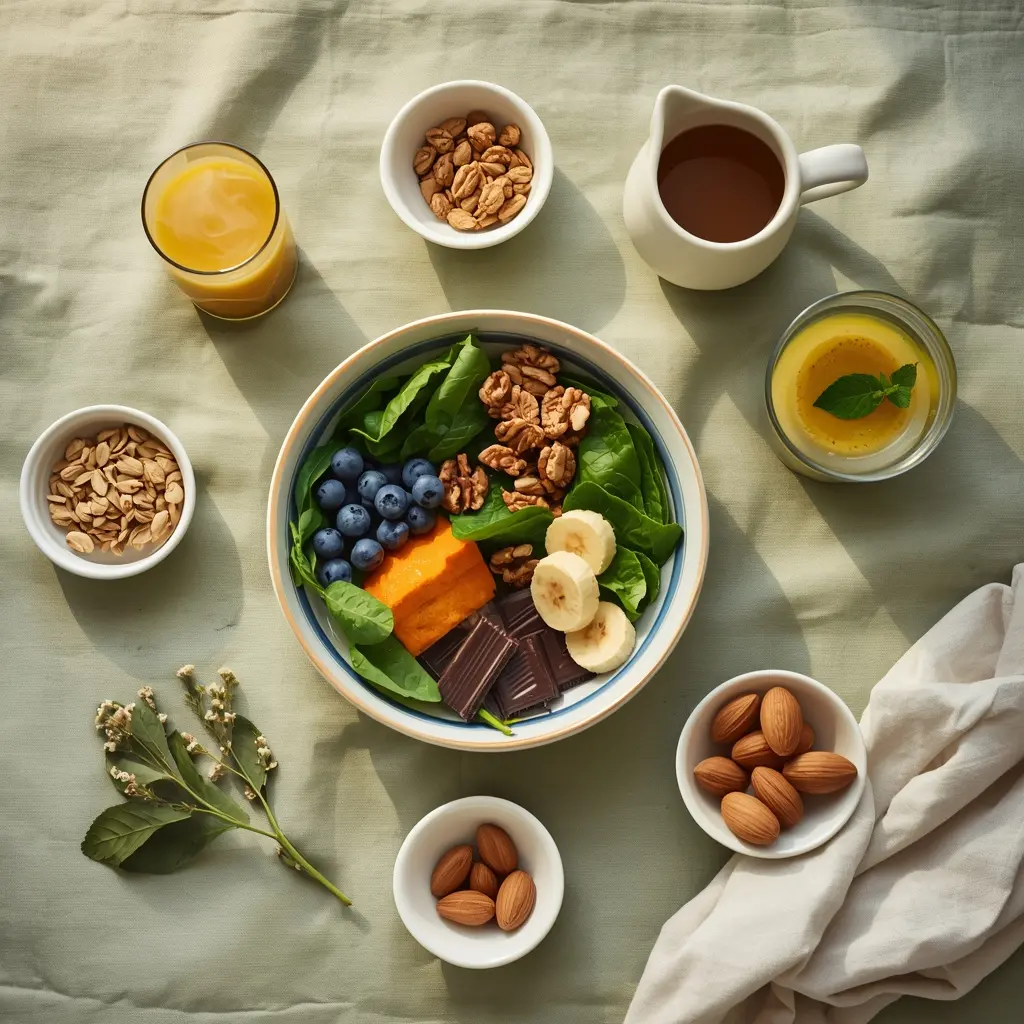
Depression affects over 280 million people globally. A well-structured vegan diet for depression works through three primary mechanisms: reducing systemic inflammation, supporting gut microbiome diversity, and providing critical nutrients (omega-3, zinc, magnesium, folate, tryptophan) for serotonin and dopamine production. This guide covers the science, six essential mood nutrients, top anti-depression plant foods, and a daily 7-step protocol. Dietary changes should complement, not replace, professional medical care.
🔍 Table of Contents
Vegan Diet for Depression: The Science of Plant-Based Mood Nutrition
Depression is the leading cause of disability worldwide. Over 280 million people live with this condition. The search for effective, accessible interventions has never been more urgent.
Emerging research in nutritional psychiatry reveals a powerful connection between what we eat and how we feel. A well-structured vegan diet for depression addresses multiple biological pathways simultaneously: inflammation, neurotransmitter production, and gut microbial health.
As a pro chef with 20 years of experience in MENA and Mediterranean cuisine, I have seen how food choices shape not just physical health but emotional resilience. This guide combines clinical evidence with practical nutrition to help you use plant foods as a meaningful part of your mental health toolkit.
living with depression
with high-quality plant-based diet
vegan diets provide
serotonin, microbiome
Nutritional Psychiatry: The Evidence Base
Nutritional psychiatry is a formal medical discipline. It studies how food affects mood, cognition, and mental health disorders. The evidence now meets clinical threshold for recommendation.
A 2023 meta-analysis in the American Journal of Psychiatry examined 16 randomized controlled trials. The finding: dietary interventions significantly reduced depressive symptoms. The effect size was comparable to psychotherapy in some studies.
The SMILES trial (2017) was a landmark study. It showed that a Mediterranean-style diet reduced depression scores by 30-40% over 12 weeks. A vegan diet for depression builds on this evidence, optimizing plant-based sources of key nutrients.
Key mechanisms identified in the research include:
- Reduction of systemic inflammation
- Support of gut microbiome diversity
- Provision of precursors for serotonin and dopamine
- Optimization of B12, folate, zinc, and omega-3 status
- Reduction of oxidative stress
The evidence does not suggest diet replaces medication or therapy. However, for many individuals, a vegan diet for depression can meaningfully enhance treatment outcomes and reduce symptom burden.
Six Nutrients Most Critical for Mood on a Plant Diet
Certain nutrients are essential for neurotransmitter synthesis, neuronal health, and mood regulation. A well-planned vegan diet for depression prioritizes these six.
Flaxseeds, chia seeds, walnuts, algal oil supplements. Low omega-3 levels correlate with higher depression rates. Algal DHA/EPA provides direct support.
Tofu, tempeh, pumpkin seeds, oats. Tryptophan crosses the blood-brain barrier and converts to serotonin. Carbohydrates aid transport.
Nutritional yeast, fortified plant milks, supplementation. Low B12 and folate are linked to depression. Crucial for neurotransmitter synthesis.
Pumpkin seeds, hemp seeds, cashews (portion-controlled), dark chocolate, legumes. Both minerals reduce anxiety and support BDNF (brain-derived neurotrophic factor).
Fortified plant milks, mushrooms exposed to UV light, supplementation. Vitamin D deficiency is strongly associated with depression severity.
Berries, dark chocolate, green tea, turmeric, beans. Polyphenols feed beneficial gut bacteria that produce mood-regulating metabolites.
Meeting needs for these six nutrients is the foundation of an effective vegan diet for depression. Supplementation may be required for B12, vitamin D, and algal omega-3. Blood testing helps personalize intake.
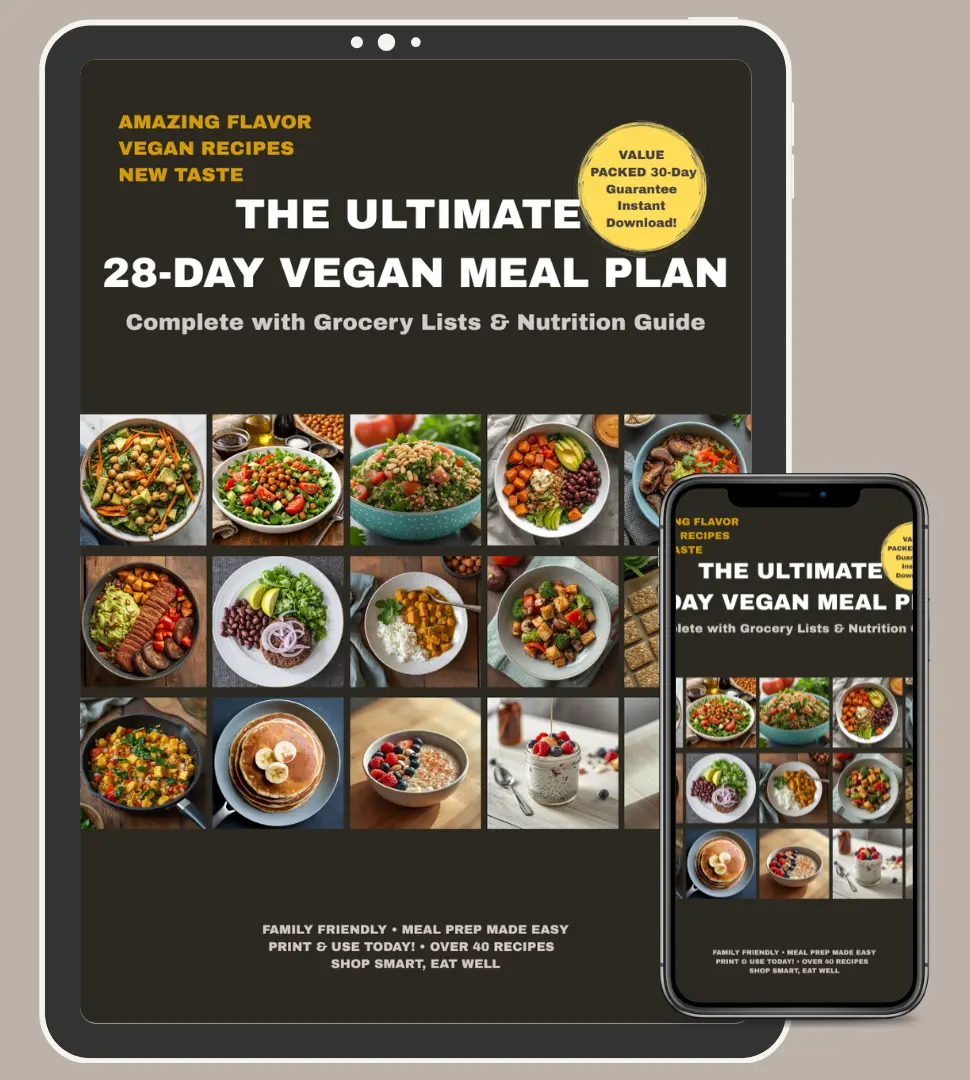
💡 Need a structured meal plan that supports mood nutrition? The Ultimate 28-Day Vegan Meal Plan + Grocery List, (Complete Solution) · Family Friendly Meal Prep Made Easy · Print & Use Today · Over 40 Recipes · Shop Smart, Eat Well · Easy Grocery List · Nutritionist-Approved Recipes · Vibrant Photo for Every Recipe · Helpful Vegan Tips & Guides · Complete 28-day calendar with shopping lists · Every meal meets protein, iron & B12 needs · Save 7+ hours weekly on meal planning · Simple recipes with common ingredients · Bonus: Vegan Nutrition Guide Toolkit
The Inflammation-Depression Connection
Inflammation is now recognized as a core biological driver of depression. People with depression have higher levels of inflammatory markers like CRP and IL-6. Chronic inflammation disrupts neurotransmitter synthesis and reduces neuroplasticity.
Standard Western diets promote inflammation through refined carbohydrates, processed oils, and low fiber. A vegan diet for depression, when built correctly, is profoundly anti-inflammatory.
Anti-inflammatory components of a well-designed plant-based diet include:
- Fiber — feeds gut bacteria that produce short-chain fatty acids, which reduce systemic inflammation
- Polyphenols — from berries, turmeric, green tea, dark chocolate, and beans modulate inflammatory pathways
- Omega-3 fatty acids — from flax, chia, walnuts, and algal oil directly reduce pro-inflammatory cytokines
- Low saturated fat — plant-based diets naturally limit inflammatory saturated fats
The anti-inflammatory effect of a vegan diet for depression is not theoretical. Multiple intervention studies show reductions in CRP and IL-6 within weeks of adopting a whole-food plant-based pattern. This translates to measurable mood improvements for many individuals.
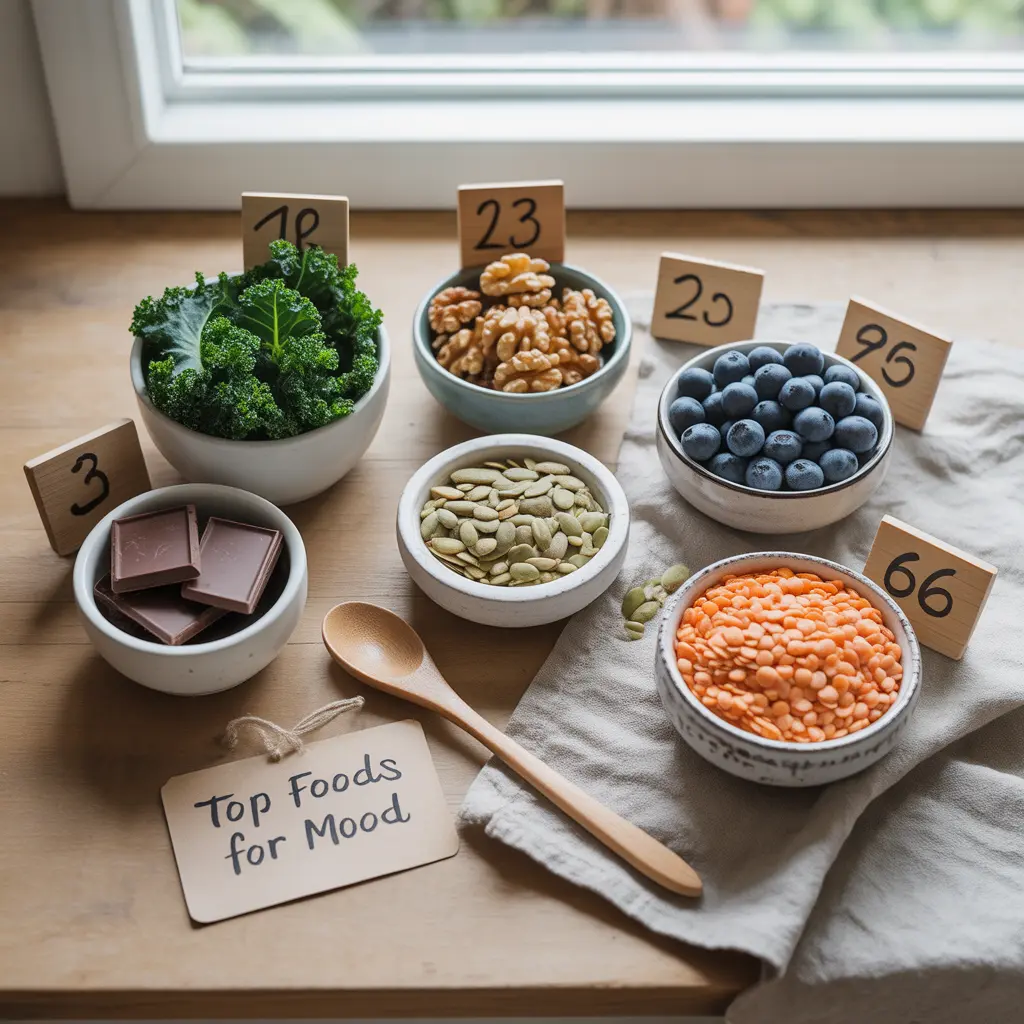
Top Plant Foods Ranked by Anti-Depression Nutrient Density
Not all plant foods are equal for mood support. This ranking combines multiple nutrient targets: omega-3, folate, zinc, magnesium, tryptophan, and polyphenols.
Incorporating these foods daily is the simplest way to implement a vegan diet for depression. Aim to include at least one food from the top five in each meal.
Example daily target: Pumpkin seeds on oatmeal, leafy greens at lunch, tofu at dinner, walnuts as a snack, and berries with dessert. This pattern delivers concentrated mood-supporting nutrition without complexity.
📊 Depression vs. Anxiety: Different Nutritional Priorities
Depression and anxiety often overlap, but they have distinct biological drivers. A vegan diet for depression addresses different pathways than a diet targeting anxiety.
😔 DEPRESSION
Primary drivers: Inflammation, low serotonin, reduced neuroplasticity, mitochondrial dysfunction
Key nutrients: Omega-3, zinc, magnesium, folate, tryptophan, polyphenols
Food priorities: Anti-inflammatory foods, omega-3 sources, dark leafy greens, seeds, legumes
📌 Focus: Reducing inflammation + providing serotonin precursors
😰 ANXIETY
Primary drivers: GABA dysfunction, HPA axis dysregulation, magnesium deficiency, blood sugar instability
Key nutrients: Magnesium, zinc, B vitamins, GABA-supporting foods, stable blood sugar
Food priorities: Magnesium-rich foods, complex carbs, calming herbs, regular meal timing
📌 Focus: GABA support + blood sugar stability
For individuals with both conditions, a vegan diet for depression already covers many anxiety-supporting nutrients. The overlap is significant, but emphasis differs.
Key difference to remember: Depression requires greater attention to omega-3s and anti-inflammatory foods. Anxiety requires greater attention to magnesium and blood sugar stability.
🧬 The Serotonin-Gut Pathway in Detail
Serotonin is the “feel-good” neurotransmitter. Low serotonin activity is strongly linked to depression. What many people do not know is that 90-95% of serotonin is produced in the gut, not the brain.
🔄 The Serotonin Production Pathway
Step 1: Dietary tryptophan (from tofu, pumpkin seeds, oats) enters the gut
Step 2: Gut bacteria convert tryptophan into precursors
Step 3: Enterochromaffin cells in the intestinal lining produce serotonin
Step 4: Serotonin signals via the vagus nerve to the brain
Step 5: The brain uses gut-derived signals to regulate mood, sleep, and appetite
💡 The gut microbiome is the key modulator of this entire pathway
This explains why a vegan diet for depression must prioritize gut health. Fiber from legumes, whole grains, and vegetables feeds beneficial bacteria. Polyphenols from berries, dark chocolate, and turmeric support microbial diversity. Fermented foods like tempeh and kimchi introduce beneficial strains.
When the gut microbiome is compromised, tryptophan metabolism shifts away from serotonin production toward inflammatory pathways. This is a primary mechanism linking diet to mood.
📋 Daily Anti-Depression Vegan Protocol: 7 Steps
This protocol translates science into daily action. Follow these seven steps to optimize your vegan diet for depression.
Add 1 tablespoon ground flaxseed or chia seeds to breakfast. Include walnuts as a snack. Consider algal oil supplement (200-300mg DHA/EPA) after consulting your healthcare provider.
Tofu, tempeh, pumpkin seeds, or beans with complex carbohydrates. Carbohydrates help tryptophan cross the blood-brain barrier. Example: oats with pumpkin seeds, tofu stir-fry with brown rice.
Spinach, kale, Swiss chard, collards. These provide folate, magnesium, and polyphenols. Add to smoothies, stir-fries, soups, or salads.
Pumpkin seeds (1/4 cup) or hemp seeds (2 tablespoons). Zinc is critical for neurotransmitter function and neuroplasticity. Sprinkle on oatmeal, salads, or yogurt.
Berries (fresh or frozen), dark chocolate (70%+, 1 oz), green tea, turmeric, beans. Polyphenols feed beneficial gut bacteria that support serotonin production.
Vitamin B12 (at least 25-100 mcg daily or weekly 2500 mcg), vitamin D3 (2000-4000 IU, test levels), and algal DHA/EPA are the non-negotiable supplements for a vegan diet for depression. Work with a provider to personalize.
Eat within 90 minutes of waking. Include protein and fiber at each meal. Avoid long gaps between meals. Stable blood sugar supports mood stability.
⭐ Implementation tip: Start with steps 1-3 for one week, then add steps 4-5. Build sustainably rather than changing everything at once.
👨🍳 Chef Section: MENA and Mediterranean Comfort Food Science
As a pro chef with 20 years of experience in MENA and Mediterranean cuisine, I have seen how traditional foods naturally incorporate mood-supporting nutrients. These culinary traditions offer a blueprint for an effective vegan diet for depression.
🇲🇦 Moroccan-Inspired Mood Bowl
Key nutrients: turmeric, saffron, chickpeas, pumpkin seeds, preserved lemon
Turmeric contains curcumin, which increases BDNF (brain-derived neurotrophic factor) and reduces inflammation. Saffron has been studied for antidepressant effects comparable to some medications. Combine with chickpeas for folate and pumpkin seeds for zinc.
My signature dish: Roasted eggplant with tahini, turmeric-spiced chickpeas, pumpkin seeds, and preserved lemon. Served with quinoa. This delivers tryptophan, zinc, omega-3, and polyphenols in one meal.
🇬🇷 Greek-Inspired Gut-Serotonin Plate
Key nutrients: olive oil polyphenols, legumes, herbs, olives
Greek cuisine emphasizes olive oil (rich in anti-inflammatory polyphenols), beans (folate and fiber), and fresh herbs (oregano, mint). These components directly support the gut microbiome and serotonin production pathway.
Preparation technique: Slow-roast tomatoes to concentrate their natural sugars and polyphenols. This Mediterranean technique enhances the nutritional profile while creating deep, comforting flavor.
🇱🇧 Lebanese Anti-Inflammatory Spread
Key nutrients: garlic-infused oil (low-FODMAP option), sumac, lentils, parsley
Mujadara (lentils with caramelized onions) can be adapted with garlic-infused oil and scallion greens for those with FODMAP sensitivity. Lentils provide folate and fiber. Parsley is rich in vitamin C, which enhances iron absorption and supports neurotransmitter synthesis.
🍽️ Ready to transform your mood through food? The Ultimate 28-Day Vegan Meal Plan + Grocery List, (Complete Solution) · Family Friendly Meal Prep Made Easy · Print & Use Today · Over 40 Recipes · Shop Smart, Eat Well · Easy Grocery List · Nutritionist-Approved Recipes · Vibrant Photo for Every Recipe · Helpful Vegan Tips & Guides · Complete 28-day calendar with shopping lists · Every meal meets protein, iron & B12 needs · Save 7+ hours weekly on meal planning · Simple recipes with common ingredients · Bonus: Vegan Nutrition Guide Toolkit
📚 Related Mental Health & Nutrition Resources (Internal Links):
🌐 Evidence-Based External Resources:
What’s Inside the 28-Day Vegan Meal Plan
❓ Frequently Asked Questions: Vegan Diet for Depression
A vegan diet for depression is not a cure, but it is a powerful tool. When combined with professional medical care, therapy, and lifestyle support, targeted plant-based nutrition can meaningfully improve mood, energy, and resilience. Start with the seven-step protocol, incorporate traditional Mediterranean and MENA cooking techniques, and work with your healthcare team to personalize your approach.