⚡ TL;DR — Key Takeaways
- The relationship between vegan diet and anxiety is rooted in the gut-brain axis — 90% of serotonin is made in the gut, not the brain.
- A well-planned plant-based diet can reduce systemic inflammation, which is a documented driver of anxiety and depression.
- Key nutrients for anxiety management on a vegan diet include magnesium, tryptophan, B12, omega-3 DHA, and zinc.
- The most common vegan diet mistakes that can worsen anxiety are B12 deficiency, insufficient omega-3 DHA, and iodine gaps.
- Gut microbiome diversity — which a whole-food vegan diet actively supports — directly influences mood, stress response, and anxiety levels.
- This post covers both the benefits and the risks, so you can make evidence-informed decisions rather than following vegan optimism uncritically.
Vegan Diet and Anxiety: 7 Proven Ways Plant-Based Eating Calms Your Mind (And 3 Risks You Must Know)
The connection between vegan diet and anxiety is one of the most misunderstood topics in nutritional psychiatry. Some people transition to a plant-based diet and report dramatic improvements in mood, sleep, and stress tolerance within weeks. Others make the same switch and find their anxiety spikes, their energy crashes, and their mental clarity disappears. Both experiences are real. Both are explainable. And understanding the difference is exactly what this guide is built for.
The science linking vegan diet and anxiety is no longer fringe. Peer-reviewed research on the gut-brain axis, neuroinflammation, and the microbiome has fundamentally changed how psychiatrists and nutritionists think about food and mental health. The mechanisms are real, they are measurable, and they are directly influenced by whether you eat predominantly animal products or predominantly plants.
This is not a post promising that going vegan will cure your anxiety. That would be dishonest. This is a post that will give you the complete, evidence-based picture of how plant-based eating interacts with the biology of anxiety — the benefits, the risks, the nutrient gaps, and the practical steps you can take today to support a calmer, more stable nervous system through your food choices.
If you are already eating plant-based and struggling with mood or energy, you will want to read the risks section carefully. If you are considering the transition and wondering whether it will help or hurt your mental health, this post will give you everything you need to make an informed decision.
The Gut-Brain Axis: Why Your Plate Controls Your Mind
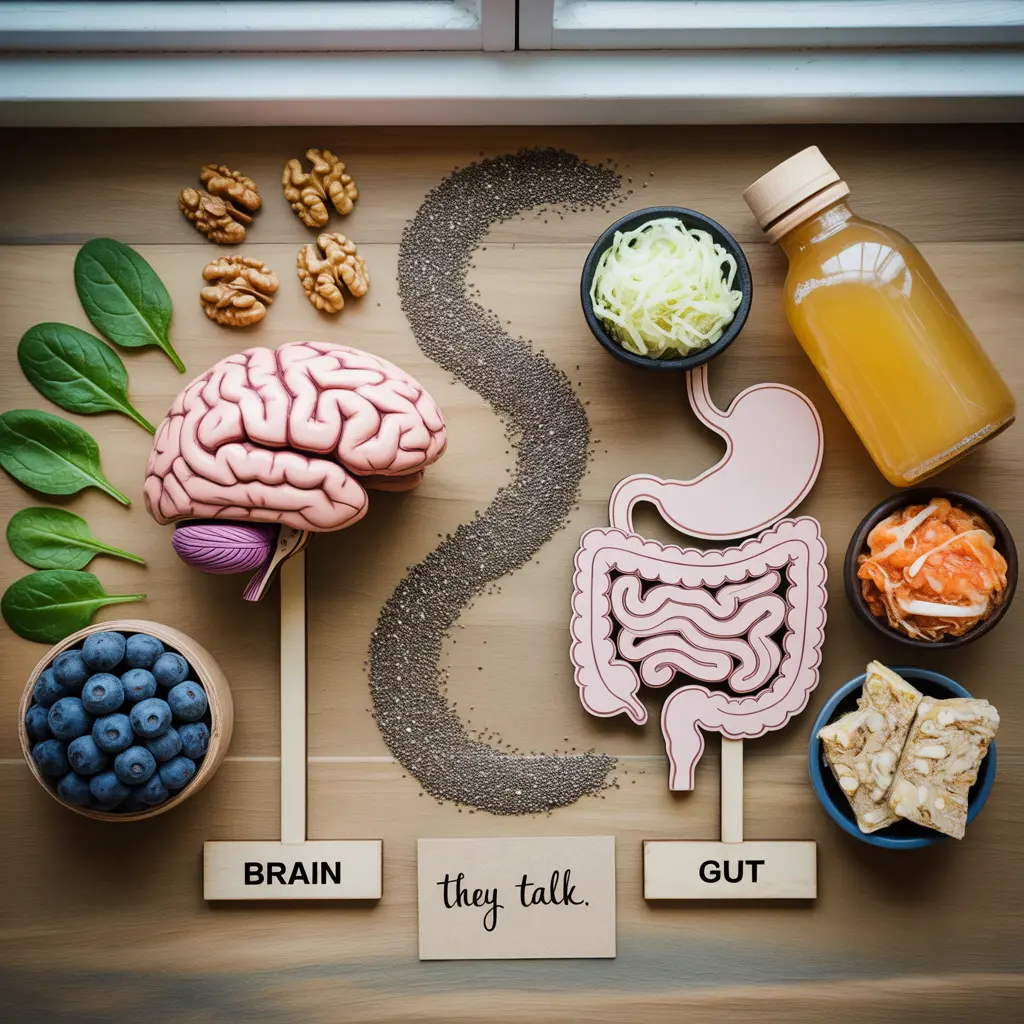
Before we can understand why vegan diet and anxiety intersect, you need to understand the gut-brain axis. This is not a metaphor. It is a literal bidirectional communication system connecting your gastrointestinal tract to your central nervous system via the vagus nerve, immune signalling, and a collection of neurotransmitter-producing bacteria in your gut lining.
Here is the statistic that consistently surprises people: approximately 90% of your body’s serotonin — the primary neurotransmitter associated with mood stability, calmness, and anxiety reduction — is produced not in your brain, but in your gut. More specifically, it is produced by enterochromaffin cells in the intestinal lining, and its production is heavily influenced by the microbial community living in your colon.
The research on plant-based nutrition and anxiety increasingly points to this gut-brain pathway as the primary mechanism. A whole-food plant-based diet is the single most effective dietary approach for promoting gut microbiome diversity. The reason is fibre. Humans eating a standard Western diet consume an average of 15 grams of fibre per day. Plant-based eaters typically consume 40 to 60 grams per day. This fibre feeds a diverse range of bacterial species, many of which produce short-chain fatty acids (SCFAs) like butyrate that directly support the integrity of the gut lining, reduce intestinal permeability (leaky gut), and modulate the immune response that drives neuroinflammation.
Neuroinflammation — chronic, low-grade inflammation in the brain and central nervous system — is now considered one of the most significant biological drivers of anxiety disorders, depression, and cognitive decline. When the gut lining is compromised, bacterial endotoxins pass into the bloodstream, trigger systemic inflammation, and that inflammation crosses the blood-brain barrier. The result is not just gut discomfort. The result is mood dysregulation, heightened threat response, sleep disruption, and anxiety.
A plant-based eating pattern rich in polyphenols, prebiotic fibres, and antioxidants directly counters this cascade. This is one of the strongest arguments in favour of exploring plant-based diet stress relief as a legitimate, evidence-based intervention.
If you are experiencing digestive symptoms alongside anxiety — bloating, irregular bowels, food sensitivities — these are not coincidental. They are frequently connected. Understanding the gut-digestive-anxiety relationship in more depth is worth exploring in our article on why vegan bloating won’t go away, which covers the gut microbiome adjustment that many new plant-based eaters experience.
Serotonin, Tryptophan, and the Plant-Based Connection
Serotonin is synthesised from tryptophan, an essential amino acid that your body cannot produce on its own — it must come from food. This is where the discussion of plant-based diet and mood gets nuanced and scientifically interesting.
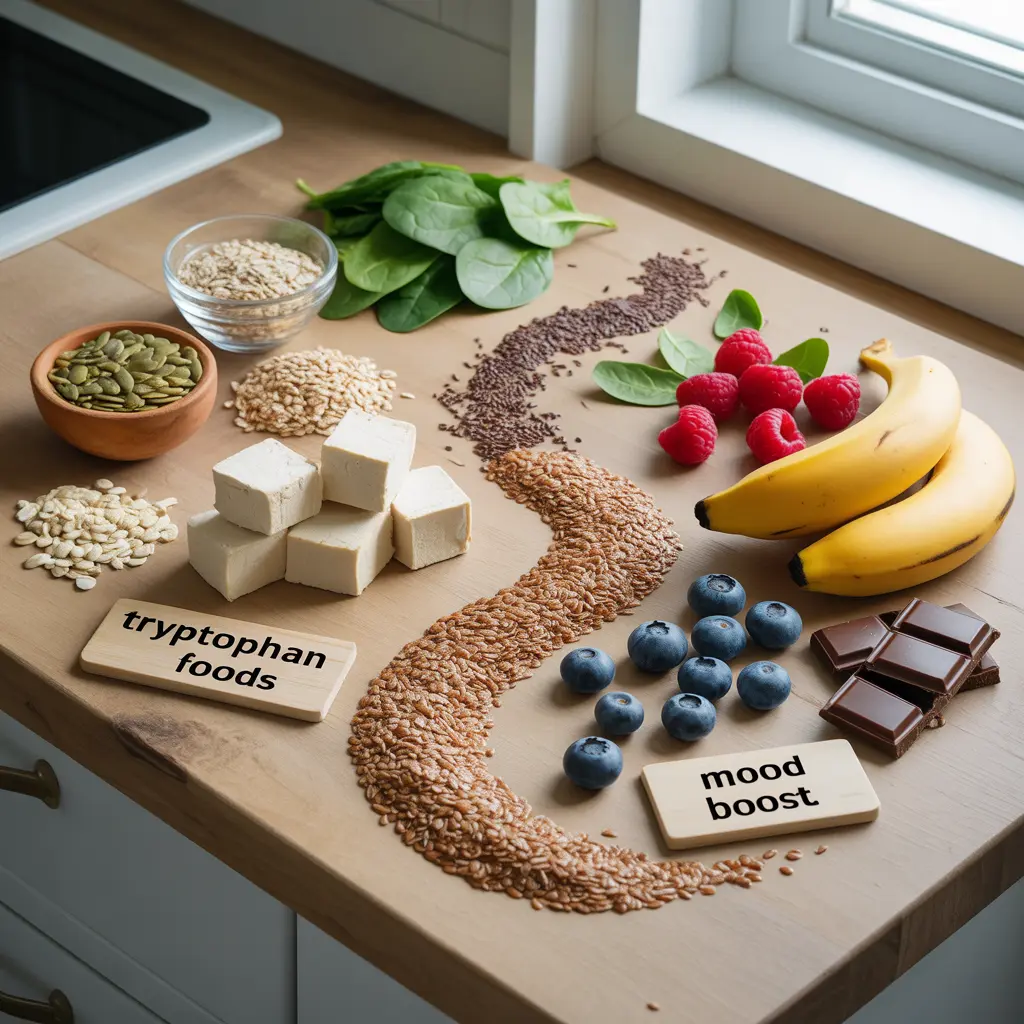
A common concern raised about vegan diet and anxiety management is whether plant foods provide enough tryptophan. The answer is yes — with intentionality. Plant foods that are particularly rich in tryptophan include pumpkin seeds (one of the highest plant sources per gram), tofu and tempeh, oats, sunflower seeds, walnuts, and bananas. If you are eating a varied whole-food plant-based diet, tryptophan deficiency is unlikely. However, there is a critical caveat.
Tryptophan competes with other large neutral amino acids (LNAAs) to cross the blood-brain barrier. In practical terms, this means that eating tryptophan-rich foods alongside a moderate amount of complex carbohydrates enhances tryptophan’s uptake into the brain, because the carbohydrates stimulate insulin release, which pulls competing amino acids into muscle tissue and leaves the pathway clearer for tryptophan. This is not a vegan-specific principle, but it is one that naturally aligns with a plant-based eating approach given the carbohydrate richness of whole plant foods.
The relationship between vegan diet and anxiety through this serotonin pathway is supported by studies showing that populations consuming diets high in plant diversity have statistically lower rates of depression and anxiety compared to populations eating diets dominated by processed foods and animal fat. Bioavailability of tryptophan and gut microbiome diversity both contribute to this outcome.
Equally important is the role of magnesium in serotonin synthesis. Magnesium is a cofactor for tryptophan hydroxylase, the enzyme that converts tryptophan into 5-HTP, which is then converted to serotonin. Without adequate magnesium, serotonin production is impaired at a biochemical level, regardless of how much tryptophan you consume. This is addressed in detail in the nutrients section below.
Inflammation and Anxiety: The Silent Link
The inflammatory theory of anxiety and depression is now supported by robust clinical evidence. Individuals with anxiety disorders consistently show elevated markers of systemic inflammation — including C-reactive protein (CRP), interleukin-6 (IL-6), and tumour necrosis factor alpha (TNF-α) — compared to non-anxious controls. These are not correlations. Experimental studies in which healthy individuals were given inflammatory substances showed rapid onset of depressed mood, fatigue, social withdrawal, and anxiety-like cognition.
The vegan diet anxiety connection here is direct. Plant-based eating patterns consistently show lower inflammatory markers in population studies. The primary reasons are well understood: higher antioxidant intake neutralises free radicals that drive oxidative stress and inflammation; higher fibre intake supports the gut microbiome bacteria that produce anti-inflammatory SCFAs; absence of saturated animal fat reduces LPS-mediated inflammation; and higher polyphenol intake from fruits, vegetables, herbs, and spices actively downregulates inflammatory cytokines.
The foods that drive inflammation most aggressively — processed red meat, refined sugar, trans fats, and highly processed dairy — are eliminated or substantially reduced on a plant-based diet. This is not a minor dietary adjustment. The inflammatory burden reduction from switching from a standard Western diet to a whole-food plant-based diet can be substantial, measurable within weeks, and directly correlated with mood improvement in multiple clinical trials.
For those researching plant-based diet mental health outcomes, understanding this inflammation pathway is fundamental. It explains why the dietary changes matter and gives you a measurable biological target — reduced CRP and IL-6 — that you can request from your doctor as part of a comprehensive panel. Our guide to what blood tests vegans should check covers exactly which markers are worth monitoring when making this dietary transition.
5 Key Nutrients That Directly Affect Anxiety Levels on a Vegan Diet
1. Magnesium — The Calm Mineral
Magnesium is arguably the most important single nutrient in the relationship between vegan diet and anxiety. It is a cofactor in over 300 enzymatic reactions in the human body, including those governing neurotransmitter synthesis, stress hormone regulation, and NMDA receptor activity in the brain. When magnesium is low, the nervous system becomes hyperexcitable — which is a technical way of saying that low magnesium makes you more reactive to stress, more prone to rumination, and more susceptible to anxiety spirals.
The paradox is that plant foods are theoretically rich in magnesium — leafy greens, pumpkin seeds, black beans, almonds, and dark chocolate are all excellent sources. However, phytates and oxalates in some plant foods reduce the bioavailability of the magnesium they contain. This means a plant-based eater needs to consume magnesium strategically. Soaking legumes before cooking, eating fermented foods that enhance mineral absorption, and choosing lower-oxalate greens like kale over spinach for primary leafy green intake all improve net magnesium absorption significantly.
2. Vitamin B12 — The Neurological Protector
Vitamin B12 deficiency is the most clinically significant nutritional risk associated with plant-based diet emotional health. B12 is not found in reliable quantities in any plant food. Deficiency progresses slowly, is often missed on standard blood panels unless specifically requested, and its neurological effects — which include anxiety, cognitive decline, tingling extremities, fatigue, and depression — can precede anaemia by years.
The mechanism connecting B12 to anxiety runs through homocysteine. Without adequate B12, homocysteine accumulates in the blood. Elevated homocysteine is directly neurotoxic, damages the myelin sheath protecting nerve fibres, and correlates strongly with anxiety and depression in clinical populations. If you are experiencing anxiety on a vegan diet, B12 status is the first thing to check. Supplementation at 250 to 500 mcg daily of cyanocobalamin is the standard, evidence-based recommendation.
Read our full guide on which supplements every vegan needs to understand B12 supplementation in the full context of plant-based nutrition.
3. Omega-3 DHA — Brain Fat You Cannot Ignore
DHA (docosahexaenoic acid) is a long-chain omega-3 fatty acid that constitutes approximately 20% of the total fat content of the human brain’s cerebral cortex. It is critical for neuronal membrane fluidity, synaptic plasticity, and the resolution of neuroinflammation. Low DHA status is associated with anxiety, depression, impaired cognitive function, and increased inflammatory markers in the brain.
Plant foods provide ALA (alpha-linolenic acid) — found in flaxseeds, chia seeds, hemp seeds, and walnuts — but the conversion rate from ALA to DHA in the human body is extremely inefficient, ranging from 0.5% to 5% depending on genetics, health status, and competing omega-6 intake. For most people eating a plant-based diet without algae-based DHA supplementation, long-chain omega-3 status is suboptimal. This is one of the clearest risk factors for vegan diet anxiety that is both significant and entirely correctable through targeted supplementation.
Algae-based DHA supplements provide the same source that fish accumulate their omega-3 from — the algae at the base of the marine food chain — making it both vegan and biologically equivalent to fish oil for brain health purposes.
4. Zinc — The Neurotransmitter Regulator
Zinc plays a central role in the regulation of GABA, glutamate, and dopamine systems in the brain. Low zinc status is found in a significant proportion of individuals with anxiety disorders, and zinc supplementation has been shown in randomised controlled trials to reduce anxiety scores when deficiency is present. Plant sources of zinc — pumpkin seeds, hemp seeds, legumes, and whole grains — are adequate in quantity but reduced in bioavailability due to phytate binding. Soaking and sprouting legumes and grains substantially improves zinc absorption.
5. Iodine — The Overlooked Mood Regulator
Iodine deficiency is common among vegans who do not eat seaweed or use iodised salt. Inadequate iodine impairs thyroid function, and thyroid dysfunction is a significant and frequently missed cause of anxiety symptoms, including racing heart, hypervigilance, sleep disruption, and mood instability. The vegan diet anxiety risk from iodine is correctable with either iodised salt or a low-dose iodine supplement, but many plant-based eaters use Himalayan pink salt or sea salt, which contain negligible iodine. This is a simple, underappreciated fix. If your anxiety symptoms include heat intolerance, weight changes, and heart palpitations, thyroid function and iodine status are worth investigating with your doctor.
For a broader understanding of how nutritional science underpins all of this, our deep-dive into the science behind vegan nutrition provides the research foundation for these claims.
The Honest Risks: When a Vegan Diet Can Worsen Anxiety
Any discussion of vegan diet and anxiety that focuses only on benefits is incomplete. A poorly planned vegan diet can worsen anxiety. This section covers the three most significant risk patterns so you can identify and correct them.
Risk 1: B12 Deficiency — The Silent Neurological Eroder
As covered above, B12 deficiency develops slowly and its neurological symptoms — including anxiety, low mood, brain fog, and fatigue — can appear before standard blood tests flag a problem. Many people transition to plant-based nutrition, feel great initially (often due to removing processed food and adding more vegetables), and then gradually notice mood and energy decline six to eighteen months later. This delayed presentation is classic B12 depletion. The solution is consistent B12 supplementation from day one of going vegan, not after symptoms appear. If you are already experiencing anxiety on a vegan diet and you are not supplementing B12, this is your first intervention.
Risk 2: Omega-3 Insufficiency — The Brain Inflammation Driver
A plant-based eating pattern without algae oil DHA supplementation typically provides large amounts of omega-6 linoleic acid from nuts, seeds, and plant oils, with limited omega-3 ALA and negligible DHA. The omega-6 to omega-3 ratio in the standard Western diet is already heavily skewed toward omega-6 at approximately 15:1 compared to the optimal range of 4:1 to 1:1. Many vegan diets worsen this ratio further through high consumption of sunflower oil, corn oil, and omega-6-rich nuts without compensating omega-3 intake. This imbalance promotes neuroinflammation and is directly relevant to vegan diet anxiety risk. Supplementing 250 to 500mg of algae-based DHA daily is the most targeted correction.
Risk 3: Blood Sugar Instability — The Anxiety Trigger Most People Miss
Vegan diets that are high in refined carbohydrates — white bread, white rice, pasta, fruit juice, vegan pastries, and processed vegan convenience foods — can cause significant blood glucose swings. The physical sensations of hypoglycaemia (low blood sugar following a spike) are nearly identical to panic attack symptoms: racing heart, trembling, sweating, cognitive fog, and a sense of impending doom. In individuals already predisposed to anxiety, these blood sugar crashes are powerful triggers that reinforce anxiety patterns. The solution is straightforward: prioritise whole grains over refined carbohydrates, always pair carbohydrate sources with protein and fat to slow glucose absorption, and avoid eating large carbohydrate-only meals. Our article on why vegans feel tired covers the blood sugar and energy connection in significant detail and is worth reading alongside this post.
Best Anti-Anxiety Foods on a Plant-Based Diet
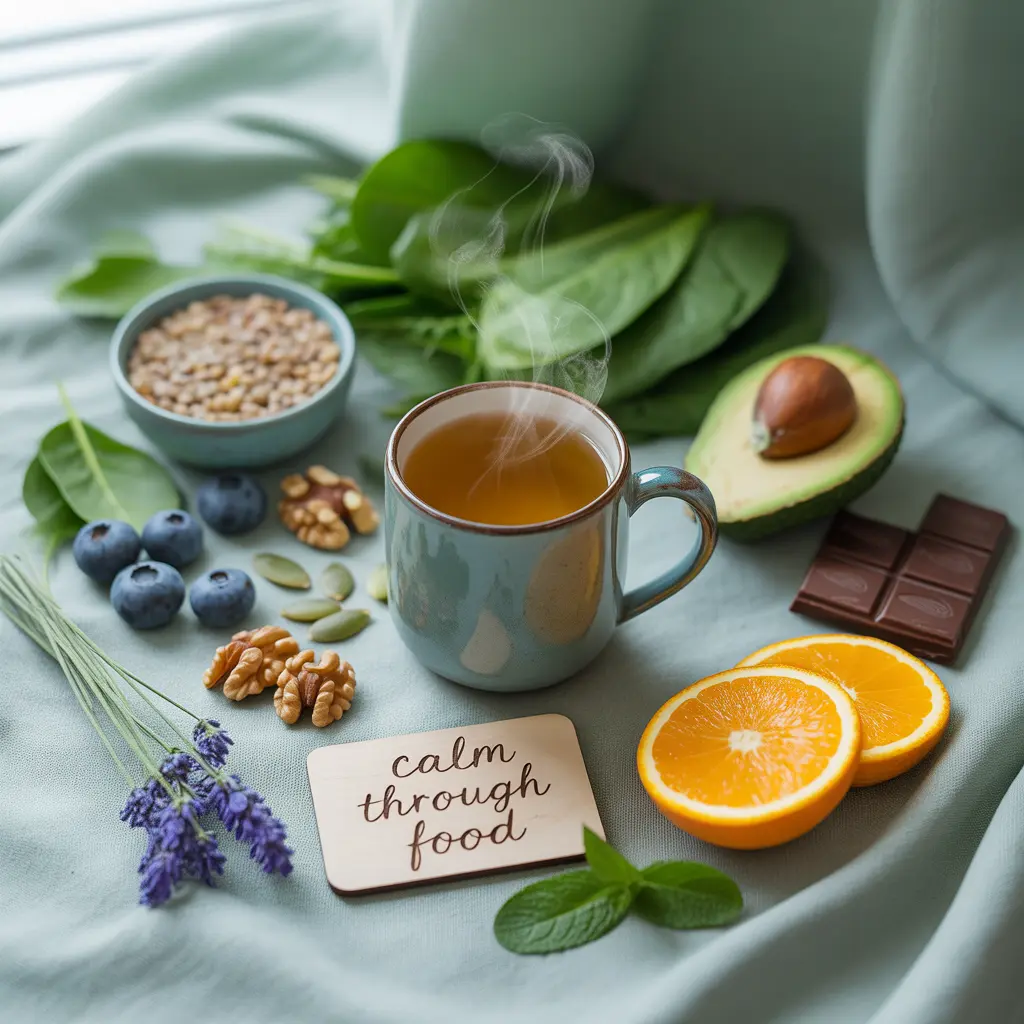
The research on plant-based diet brain health consistently identifies a core group of foods that deliver the highest concentration of anxiety-relevant nutrients per calorie. These are not exotic or expensive ingredients. They are whole foods that can be incorporated into daily meals without effort once you know what you are looking for.
Fermented Foods — Microbiome Architects
Tempeh, miso, kimchi, sauerkraut, and plant-based kefir introduce beneficial bacterial strains (particularly Lactobacillus and Bifidobacterium species) directly into the gut. These bacteria are involved in GABA production — GABA is the primary inhibitory neurotransmitter in the central nervous system and is directly responsible for reducing neural excitability, which is the biological basis of the calm feeling that GABA-ergic drugs like benzodiazepines create pharmacologically. Eating fermented foods regularly provides a dietary path toward the same neurochemical effect through natural bacterial activity. Including fermented food at least once daily is a practical and research-supported strategy for vegan anxiety management.
Dark Leafy Greens — Magnesium Density
Kale, Swiss chard, bok choy, and spinach (with the absorption caveat noted above) provide magnesium, folate, and vitamin K, all of which have demonstrated roles in mood regulation and cognitive function. Folate specifically supports the methylation cycle, a biochemical pathway critical for neurotransmitter synthesis including dopamine, serotonin, and norepinephrine. Two to three generous portions of dark leafy greens daily is a reasonable and achievable target.
Pumpkin Seeds — The Anxiety Superfood That Nobody Talks About
Pumpkin seeds are one of the most nutritionally concentrated single foods available for vegan emotional health. Per 30-gram serving, they provide magnesium, zinc, tryptophan, omega-3 ALA, and iron — a direct match to the nutrient profile most relevant to anxiety reduction. They are also inexpensive, portable, and versatile. Adding 30 grams of pumpkin seeds to breakfast daily is one of the simplest single dietary interventions for plant-based diet stress relief.
Walnuts — Omega-3 and Melatonin
Walnuts are the only commonly consumed nut that provides a significant amount of omega-3 ALA. They also contain melatonin (relevant for the sleep disruption that frequently accompanies anxiety), polyphenolic compounds that reduce oxidative stress in brain tissue, and magnesium. Four to six walnuts daily as part of a balanced intake provides meaningful neurological support.
Oats — Slow-Release Carbohydrates with Tryptophan
Oats combine slow-release beta-glucan carbohydrates (which stabilise blood sugar) with a modest tryptophan content, making them an ideal breakfast for anxiety management. The blood sugar stabilisation prevents the hypoglycaemic anxiety spikes discussed in the risks section, while the tryptophan content supports the serotonin pathway over the medium term. Steel-cut oats provide a significantly lower glycaemic response than instant oats and are worth the minor additional preparation time.
Legumes — GABA Precursors and Fibre
Lentils, chickpeas, black beans, and edamame provide a combination of complex carbohydrates, protein, fibre, folate, magnesium, and zinc — essentially covering multiple anxiety-relevant nutrient pathways in a single food group. The prebiotic fibre in legumes feeds the GABA-producing bacterial strains in the gut, creating an indirect but meaningful contribution to neurochemical balance. Regular legume consumption — at least once daily — is one of the most consistent dietary predictors of positive mental health outcomes across population studies.
The vegan diet anxiety connection through food is practical, not theoretical. You do not need supplements to address most of these pathways — though some (B12, DHA, potentially iodine and vitamin D) do require targeted supplementation that food alone cannot reliably provide on a plant-based diet.
Nutrient-to-Anxiety Reference Table
The table below consolidates the evidence on plant-based diet neurotransmitters and anxiety into a single practical reference. Use this as a checklist for your current diet and supplementation plan.
| Anxiety Symptom | Nutrient Involved | Best Vegan Food Sources | Supplement Option | Blood Test to Request |
|---|---|---|---|---|
| Generalised anxiety, low mood | Magnesium | Pumpkin seeds, dark leafy greens, black beans, almonds | Magnesium glycinate 300–400mg/day | Serum magnesium (note: RBC magnesium is more accurate) |
| Neurological anxiety, tingling, brain fog | Vitamin B12 | Fortified plant milks, nutritional yeast, fortified cereals | Cyanocobalamin 250–500mcg/day | Serum B12, MMA, homocysteine |
| Low mood, poor stress resilience | Omega-3 DHA | Walnuts, flaxseeds, chia seeds (ALA only) | Algae-based DHA 250–500mg/day | Omega-3 index (red blood cell assay) |
| Anxiety with sleep disruption, restlessness | Zinc | Pumpkin seeds, hemp seeds, lentils, tofu | Zinc picolinate 15–25mg/day | Serum zinc (fasted) |
| Heart palpitations, mood swings, fatigue | Iodine (thyroid) | Nori seaweed, iodised salt | Iodine supplement 150mcg/day | TSH, free T3, free T4 |
| Anxiety with low mood, tearfulness | Folate (B9) | Edamame, lentils, asparagus, leafy greens, avocado | Methylfolate 400–800mcg/day | Serum folate, homocysteine |
| Anxiety with poor sleep, low serotonin | Tryptophan | Pumpkin seeds, tofu, oats, sunflower seeds, bananas | 5-HTP 50–100mg/day (with doctor guidance) | No standard NHS panel (functional testing available) |
| Anxiety with low energy, poor immunity | Vitamin D | Fortified plant milks, UV-exposed mushrooms | Vitamin D3 (vegan) 1000–2000 IU/day | 25-OH Vitamin D |
Plant-Based Anxiety Management: Quick-Reference Summary
Chef’s Professional Tips: 20 Years Cooking Across Lebanon, Dubai, and Saudi Arabia
After nearly two decades working as an executive chef across the MENA region, I have seen the relationship between food and mental state play out in real professional kitchen environments — not just in clinical studies. A few practical observations that do not appear in academic papers:
First, the fermentation principle is not optional. In Lebanese and broader Levantine food culture, fermented and cultured foods — labneh, pickled turnip, torshi, fermented olives — appear at nearly every meal. The gut-stabilising effect of this cultural practice is visible in the consistently lower rates of digestive complaint and mood disorder among populations eating traditional Levantine diets compared to those who have transitioned to processed food. If you are exploring vegan anxiety management through food, the Levantine pantry is one of the richest and most naturally plant-forward anxiety-supportive culinary traditions in the world.
Second, magnesium depletion in professional kitchens is endemic. The physical and psychological stress of kitchen work depletes magnesium rapidly through cortisol release and sweat. The chefs and kitchen workers I have seen struggle most with stress, irritability, and anxiety are almost uniformly the ones eating the most processed, convenience-heavy food during service and not compensating nutritionally. The plant-based team members who ate whole foods consistently — legumes, seeds, green vegetables — handled the high-pressure environment measurably better.
Third, blood sugar management is everything in a high-performance environment. The vegan diet anxiety relationship through blood sugar is not theoretical in a professional setting. I have watched colleagues eat a refined-carb-heavy vegan lunch and hit a cognitive and emotional wall two hours later that seriously impaired their judgment and stress tolerance during evening service. Swapping to a protein-and-fat-anchored lunch — legumes, tahini, whole grain, seeds — produced a visible, consistent difference in afternoon performance and composure.
These are not anecdotes dressed up as science. They are real-world confirmations of what the research describes at the biochemical level. The mechanisms are real. The dietary solutions are practical. And in my professional experience, the people who implement them consistently feel the difference quickly.
Your 7-Day Anxiety-Reduction Meal Framework for a Plant-Based Diet
This is not a prescriptive meal plan. It is a structural framework built around the key nutritional targets for vegan diet anxiety relief. Each day is designed to hit the primary anxiety-relevant nutrients: magnesium, tryptophan, fermented food, omega-3, zinc, B12 (via supplement), and stable blood glucose.
The Non-Negotiable Daily Baseline
- B12 supplement: Take daily at breakfast — this is not optional on a plant-based diet
- Algae DHA: Take daily, ideally with a fat-containing meal for absorption
- 30g pumpkin seeds: Add to breakfast, salad, or as a snack — this hits magnesium, zinc, and tryptophan simultaneously
- One portion of fermented food: Tempeh, kimchi, sauerkraut, miso, or plant-based kefir
- Protein + fat at every meal: Always pair carbohydrate sources with legumes, seeds, or nut butter to stabilise blood glucose
Breakfast Template (repeat or vary)
Steel-cut oats with ground flaxseeds (1 tablespoon), 30g pumpkin seeds, half a banana (tryptophan + potassium), a tablespoon of almond butter (fat for tryptophan transport), and a splash of fortified plant milk (B12, vitamin D, iodine if iodine-fortified). This breakfast covers most of the primary anxiety-relevant nutrients in a single, 10-minute meal.
Lunch Template
Whole grain base (brown rice, farro, or quinoa) with a generous legume portion (lentils or chickpeas for folate, zinc, fibre), a large portion of dark leafy greens (magnesium, folate), tahini or avocado dressing (healthy fat for omega-3 to omega-6 balance and fat-soluble vitamin absorption), and a side of kimchi or sauerkraut for the fermented component.
Dinner Template
Tempeh or tofu as the protein anchor (fermented + tryptophan-rich), with a diverse vegetable component across a minimum of three different vegetable species (microbiome diversity support), a small portion of walnuts or hemp seeds added for omega-3 ALA, and a modest whole grain carbohydrate to support the overnight serotonin production cycle.
The above framework, maintained consistently for seven days, provides the nutritional environment in which the gut-brain mechanisms discussed in this article can begin operating effectively. It is not a cure for clinical anxiety disorder. But it is a meaningful, evidence-based foundation. Combined with professional mental health support, exercise, sleep hygiene, and stress management, plant-based diet stress relief through this framework represents one of the most potent dietary contributions available to mental health support.
For a deeper look at how nutritional deficiencies on a vegan diet can affect your energy and mental clarity — which frequently accompanies anxiety — our article on why you feel tired on a vegan diet is directly relevant and worth reading in parallel.
If you want to understand the full landscape of supplementation relevant to plant-based eating — including which ones genuinely matter for mood, energy, and mental health versus which ones are unnecessary — our complete vegan supplements guide provides evidence-based recommendations across every key nutrient category.
And for those who want to know exactly which blood tests to request from their doctor to assess their nutrient status objectively, our vegan blood test checklist gives you a complete list of panels with explanations of what each marker means.
The NutritionFacts.org research summary on diet and depression provides a comprehensive overview of the peer-reviewed evidence base for dietary interventions in mood disorders, and is one of the most reliable freely accessible resources on this topic. The NHS overview of anxiety disorder is the appropriate first reference point for anyone seeking clinical guidance on anxiety symptoms, diagnosis, and treatment options.
Frequently Asked Questions About Vegan Diet and Anxiety
Does going vegan help with anxiety?
For many people, a well-planned transition to plant-based eating does reduce anxiety over time, primarily through improvements in gut microbiome diversity, reduction in systemic inflammation, and better nutrient intake for neurotransmitter synthesis. However, a poorly planned vegan diet — particularly one deficient in B12, DHA, or magnesium — can worsen anxiety. The outcome depends almost entirely on how the diet is structured and whether key supplementation is in place.
Can a vegan diet cause anxiety?
Yes, a poorly planned plant-based diet can contribute to anxiety. The primary mechanisms are B12 deficiency (neurological anxiety), omega-3 DHA insufficiency (neuroinflammation), iodine deficiency (thyroid-related anxiety), and blood sugar instability from high refined carbohydrate intake. All of these risks are entirely correctable with appropriate supplementation and food choices.
How long does it take for a vegan diet to improve anxiety?
Changes in the gut microbiome from dietary shifts can be detected within two to four weeks. Blood sugar stability improvements happen within days of replacing refined carbohydrates with whole foods. Neurological improvements from correcting B12 deficiency can take four to eight weeks. Omega-3 status improvements with DHA supplementation typically require six to twelve weeks to reach meaningful brain tissue levels. Managing expectations realistically — and addressing deficiencies first rather than waiting for improvements — is the most productive approach.
Is the vegan diet good for mental health overall?
The evidence on plant-based diet mental health is mixed in the overall population but consistently positive for people who make the transition while addressing nutritional gaps, particularly B12 and omega-3. Population studies in countries with high plant food diversity and low meat consumption generally show lower rates of anxiety and depression. Within vegan populations, those who supplement appropriately and eat whole foods rather than processed vegan products show significantly better mental health outcomes than those who do not.
What is the best vegan food for anxiety?
Pumpkin seeds provide the highest concentration of anxiety-relevant nutrients per gram of any single plant food, covering magnesium, zinc, and tryptophan simultaneously. Fermented foods (tempeh, kimchi, sauerkraut, miso) support the gut-brain serotonin and GABA pathways. Walnuts provide the best plant-source omega-3 ALA. Dark leafy greens provide magnesium and folate. And legumes eaten daily provide the prebiotic fibre that supports microbiome diversity and the GABA-producing bacteria associated with calm nervous system function.
Should I take supplements for anxiety on a vegan diet?
For most people on a plant-based eating plan, three supplements are directly relevant to anxiety management: B12 (non-negotiable on any vegan diet), algae-based DHA (250–500mg daily), and magnesium glycinate (300–400mg daily if dietary intake from food is insufficient). Vitamin D and zinc may also be warranted depending on individual testing. Always get blood tests before supplementing at therapeutic doses, and discuss any mental health-specific supplementation with your healthcare provider.