
- A vegan diet can dramatically clear acne for some people and make it worse for others. The outcome depends entirely on which root cause is driving your skin, and whether your specific vegan diet is addressing or aggravating it.
- Dairy elimination is the single most impactful dietary change for acne. Bovine IGF-1 and androgens in dairy directly stimulate sebum overproduction. Most people see meaningful skin improvement within 4 to 8 weeks of complete dairy elimination alone.
- The most common reason a vegan diet makes acne worse is replacing dairy with high-GI alternatives: white bread, sweetened plant milks, vegan baked goods, and processed vegan snacks all spike insulin and trigger the same androgen-sebum cascade as dairy.
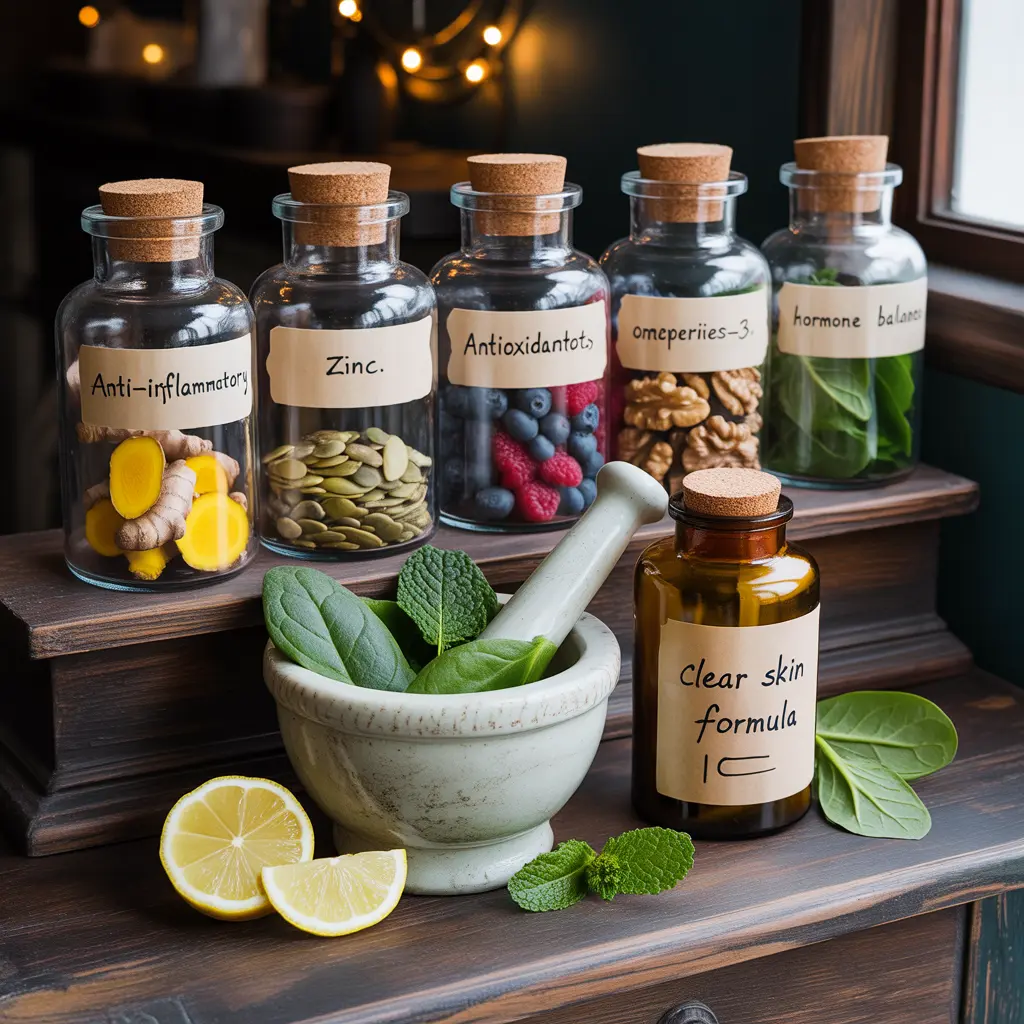
- Zinc, omega-3, vitamin A, and selenium are the four nutrients with the strongest evidence for acne improvement. A poorly planned vegan diet can be deficient in all four simultaneously.
- Most cases of vegan diet acne resolve completely within 8 to 12 weeks when the correct root cause is identified and addressed. The key is diagnosing which cause applies to you before treating the symptom.
- Why a Vegan Diet Can Clear or Worsen Acne
- The Dairy Connection Most People Don’t Know About
- The 6 Root Causes of Vegan Diet Acne
- Cause and Fix Reference Table
- Best and Worst Vegan Foods for Clear Skin
- The 4 Key Nutrients for Skin on a Vegan Diet
- What to Expect and When
- Frequently Asked Questions
- Your Action Plan
Vegan diet acne is one of the most frustrating experiences in plant-based eating. You made a significant dietary change, expected your skin to improve, and instead found yourself dealing with breakouts that are the same, different in location, or in some cases worse than before. The standard advice, “give it time, your body is detoxing,” is not only unhelpful but in many cases inaccurate. There is no skin detox phase. There are specific causes, and they are identifiable.
The honest answer about vegan diet acne is that a plant-based diet is not automatically good for skin. A well-constructed whole food vegan diet addresses multiple root causes of acne through specific mechanisms. A poorly constructed vegan diet, heavy in refined carbohydrates, sweetened plant milks, processed vegan snacks, and low in zinc and omega-3, can produce skin outcomes that are as bad or worse than an omnivorous diet. The label does not do the work. The food choices do.
This guide identifies every known cause of vegan diet acne, tells you how to recognise which one applies to you, and gives you the specific interventions for each one. No generic advice. No detox mythology. Just the actual mechanisms and the actual fixes.
Why a Vegan Diet Can Clear or Worsen Acne
Acne is not a single condition. It is the final common pathway of at least four distinct biochemical disruptions: excess sebum production, abnormal skin cell turnover, bacterial colonisation of pores, and inflammatory response. A vegan diet affects all four of these pathways, for better or worse, depending on what the diet actually consists of.
On the beneficial side, a whole food vegan diet eliminates dairy, which is the single most documented dietary driver of acne in the clinical literature. It dramatically reduces saturated fat intake, which reduces the pro-inflammatory arachidonic acid cascade that makes acne lesions red, swollen, and painful. It increases dietary fibre, which supports the gut microbiome diversity now understood to directly influence skin health through the gut-skin axis. And it dramatically increases plant polyphenols, carotenoids, and antioxidants that reduce oxidative damage to skin tissue.
On the negative side, a poorly planned vegan diet can be simultaneously high in refined carbohydrates and low in zinc, omega-3, vitamin A, and selenium. Each of these deficiencies has independent, documented effects on acne severity. This is why vegan diet acne is common in the first weeks and months of plant-based eating: the beneficial changes require whole food choices, and the damaging ones happen automatically when refined plant foods fill the gaps left by animal products.
The question is never simply “does a vegan diet cause or cure acne?” The question is which of the six root causes in this guide is driving your specific skin, and whether your current vegan diet is addressing or aggravating it.
The Dairy Connection Most People Don’t Know About
Most people know that dairy “might” affect skin. What they do not know is the specific mechanism, and without understanding the mechanism, it is easy to make substitutions that do not actually solve the problem.
Conventional dairy products contain three distinct compounds that worsen acne. First, IGF-1 (insulin-like growth factor 1), which is present in all mammalian milk and is bioactive when consumed by humans. IGF-1 stimulates keratinocytes (skin cells) to proliferate and sebocytes (sebum-producing cells) to increase oil production. Second, bovine androgens, present in varying amounts depending on the life stage of the cow, which bind directly to human androgen receptors and amplify testosterone-driven sebum overproduction. Third, lactose, which has a higher glycaemic impact than most people realise and contributes an insulin spike that further elevates androgen activity.
The key insight is that these compounds are present in all dairy, not just full-fat dairy or low-quality dairy. Organic milk, grass-fed cheese, and natural yoghurt all contain IGF-1 and bovine androgens. This is why partial dairy reduction rarely resolves acne and complete elimination typically does. Many people with persistent vegan diet acne discover on closer inspection that their diet still contains whey protein in protein supplements, casein in certain energy bars, milk solids in dark chocolate, or dairy in restaurant cooking. Eliminating these hidden sources produces the same skin improvements as initial dairy elimination.
When you transition to a vegan diet and remove dairy, what you replace it with matters enormously for skin. Unsweetened soy milk (low GI, high protein) is the best replacement for acne-prone skin. Sweetened oat milk and flavoured plant milks replace the insulin-spiking problem of dairy lactose with the insulin-spiking problem of added sugar. The acne may persist or shift in character without the person realising the mechanism has simply changed form.
The 6 Root Causes of Vegan Diet Acne
Cause 1: Hidden Dairy and the Incomplete Elimination Problem
The most common single cause of persistent vegan diet acne in people who believe they have eliminated dairy is incomplete elimination. Whey protein in protein powders, casein in protein bars, milk solids in vegan-labelled dark chocolate, butter used in restaurant cooking, and lactose in some medication coatings all deliver the same IGF-1 and androgen stimulus as obvious dairy. The skin does not distinguish between a glass of milk and a whey protein shake. Both trigger the same sebum-overproduction cascade.
The fix requires complete vigilance in the first 8 to 12 weeks of vegan diet acne resolution. Read every label. Question restaurant preparation methods. Switch to plant-based protein supplements with no dairy derivatives. The elimination must be complete to be effective.
Cause 2: High Glycaemic Index Vegan Diet
This is the most common structural cause of vegan diet acne and the one most directly under dietary control. When refined carbohydrates dominate the diet, specifically white bread, white rice, vegan pastries, sweetened cereals, fruit juice, and sweetened plant milks, blood insulin spikes repeatedly throughout the day. Elevated insulin stimulates IGF-1 production in the liver, which then drives the same acne-producing pathway as dairy IGF-1 directly.
Many people go vegan and unconsciously replace animal products with refined carbohydrate foods that were not a significant part of their previous diet: more bread, more pasta, more processed vegan snacks, more sweetened plant milks. The skin worsens not because the diet is plant-based but because the glycaemic load has increased.
The fix is the same regardless of whether the diet is vegan or not: replace refined carbohydrates with legumes and whole grains at every meal. Lentils, chickpeas, quinoa, oats, and whole grain bread provide sustained energy with flat insulin curves. This single structural change is the most impactful intervention available for glycaemic-driven vegan diet acne. Our beginner vegan diet guide covers the food introduction sequence that prevents this high-GI trap from the start.
Cause 3: Zinc Deficiency
Zinc deficiency is one of the most consistent nutritional findings in people with acne, with multiple clinical trials showing that oral zinc supplementation reduces inflammatory acne lesion counts by 30 to 50 percent. The mechanism is specific and well understood: zinc inhibits 5-alpha reductase, the enzyme that converts testosterone into DHT, the more potent androgen that directly stimulates sebaceous glands. Zinc also has direct antibacterial properties against P. acnes bacteria and supports the skin barrier repair that reduces post-acne scarring.
Plant-based diets can be low in bioavailable zinc because plant zinc is bound to phytates that reduce absorption. The richest plant sources are pumpkin seeds, hemp seeds, legumes, and oats. Thirty grams of pumpkin seeds daily provides a meaningful daily zinc contribution. A dedicated zinc supplement of 15 to 25mg of zinc gluconate or zinc picolinate taken with food is appropriate if dietary sources are insufficient, but should not be taken long-term at high doses without monitoring copper levels, as excess zinc depletes copper over time.
Cause 4: Omega-3 Deficiency and Omega-6 Excess
The ratio of omega-3 to omega-6 fatty acids in the diet is a primary determinant of the inflammatory environment in skin tissue. Modern Western diets already have a dramatically skewed omega-6 to omega-3 ratio of approximately 15 to 1. When someone goes vegan and replaces animal fats with processed vegan products cooked in sunflower, corn, or rapeseed oil, this ratio can worsen further. Omega-6 excess relative to omega-3 promotes the production of pro-inflammatory leukotrienes and prostaglandins that make acne lesions more red, swollen, and slow-healing.
Ground flaxseeds and walnuts provide omega-3 ALA, but the conversion of ALA to the anti-inflammatory DHA and EPA needed at the tissue level is inefficient. An algae-based DHA and EPA supplement of 500mg daily ensures that the anti-inflammatory long-chain omega-3 is present at sufficient levels in skin tissue to reduce the inflammatory component of vegan diet acne.
Cause 5: Gut Dysbiosis and the Gut-Skin Axis
The gut-skin axis is one of the most significant developments in dermatology research over the past decade. The gut microbiome influences skin health through three documented mechanisms: production of short-chain fatty acids that regulate systemic inflammation, modulation of the gut barrier that prevents bacterial toxins entering the bloodstream and triggering inflammatory skin responses, and direct influence on the hormonal metabolism of androgens and oestrogens.
Women with PCOS and acne show consistent gut microbiome dysbiosis. People with acne regardless of hormonal status show significantly lower gut microbiome diversity than clear-skinned controls. When someone goes vegan and develops vegan diet acne that does not respond to dairy elimination or glycaemic reduction, gut dysbiosis is the next cause to investigate. Daily fermented food consumption over eight to twelve weeks rebuilds the microbiome diversity that improves the gut-skin axis, addressing acne from the inside in a way that topical treatments cannot replicate.
Cause 6: Iodine Overload From Seaweed and Algae Products
This cause is the most frequently missed and the most counterintuitive. Iodine is an essential nutrient, and vegans are correctly advised to ensure sufficient iodine intake. However, excess iodine directly worsens acne in susceptible individuals by stimulating the sebaceous glands and creating the same sebum overproduction seen in androgen excess.
Daily large quantities of nori, kombu, wakame, spirulina, or chlorella powder can provide 300 to 3,000 percent of the recommended daily iodine intake. Kelp supplements in particular are among the most concentrated iodine sources available. If vegan diet acne appeared or worsened after adding seaweed-based foods or supplements, iodine overload is a straightforward cause with an equally straightforward fix: reduce to occasional small amounts of nori and eliminate high-dose iodine supplements. Iodine from a multivitamin at 100 to 150mcg daily is safe. Kelp supplements at 400mcg plus are not appropriate for acne-prone individuals.
These two tables are your complete practical reference for vegan diet acne. Table 1 connects each cause directly to its fix with a realistic timeline. Table 2 is your daily eating guide. Both are intentionally concise. Every row earns its place.
| Root Cause | How to Identify It | The Specific Fix | Timeline for Improvement |
|---|---|---|---|
| Dairy residue or hidden dairy | Acne started or worsened when you stopped eliminating dairy completely. Common hidden sources: whey protein, casein in some protein bars, butter in restaurant cooking, milk solids in dark chocolate. | Complete elimination, no exceptions. Read every label. Hidden dairy triggers the same IGF-1 and androgen response as obvious dairy. | 4 to 8 weeks of full elimination |
| High-GI vegan diet | Acne did not improve after going vegan, or worsened. Diet is heavy in white bread, sweetened oat milk, vegan baked goods, white rice, fruit juice, or vegan sweets and snacks. | Replace all refined carbohydrates with legumes and whole grains. Switch to unsweetened plant milk. Every insulin spike drives androgen production that increases sebum output. | 3 to 6 weeks after refined carb elimination |
| Zinc deficiency | Inflammatory papules and pustules rather than blackheads. Slow wound healing. White spots on nails. Diet is low in pumpkin seeds, legumes, and hemp seeds. | 30g of pumpkin seeds daily. A zinc supplement of 15 to 25mg daily with food if dietary sources are insufficient. Zinc inhibits 5-alpha reductase and directly reduces inflammatory acne lesions. | 4 to 8 weeks of consistent zinc sufficiency |
| Omega-3 deficiency and excess omega-6 | Persistently inflamed, red, sore acne lesions that respond poorly to topical treatment. Diet contains significant amounts of sunflower oil, corn oil, or processed vegan foods high in omega-6 seed oils without compensating omega-3 sources. | Add ground flaxseeds, walnuts, and chia seeds daily. Take an algae-based DHA and EPA supplement of 500mg daily. Replace omega-6-dominant cooking oils with olive oil or avocado oil. | 6 to 10 weeks as fatty acid ratios shift |
| Gut dysbiosis and the gut-skin axis | Acne accompanies digestive symptoms including bloating, irregular bowel movements, or known IBS. Acne worsens during periods of stress. Antibiotic history. Did not improve with dairy or sugar reduction. | Daily fermented foods: tempeh, miso, kimchi, sauerkraut, unsweetened kombucha. Multi-strain probiotic for 8 weeks. Prebiotic fibre from oats, garlic, green banana. Reduce ultra-processed foods that disrupt microbiome diversity. | 8 to 12 weeks for meaningful gut-skin improvement |
| Iodine overload from seaweed | Acne worsened after going vegan and diet includes daily large amounts of nori, spirulina, kelp supplements, or iodine-fortified foods. Acne concentrated around chin and jawline. | Reduce or eliminate daily seaweed intake. Spirulina and chlorella supplements are common hidden sources of excess iodine that worsen acne in sensitive individuals. One small nori sheet occasionally is fine. Daily large doses are not. | 2 to 4 weeks after iodine reduction |
Most cases of vegan diet acne trace back to one or two causes in this table. Start with the first two rows as your initial investigation since high-GI vegan eating and residual hidden dairy are by far the most common culprits. If those are already eliminated and acne persists, zinc deficiency and gut dysbiosis are the next most likely causes to investigate.
If you also experience fatigue, hair changes, or irregular cycles alongside your skin issues, our guide on why you feel tired on a vegan diet and our vegan hair loss guide cover the nutrient overlaps between these conditions in detail, since zinc deficiency and omega-3 insufficiency frequently drive all three simultaneously.
According to NutritionFacts.org’s research on diet and acne, dairy and high glycaemic load foods are the two dietary factors with the strongest and most replicated evidence for acne causation and improvement across multiple randomised controlled trials, with dairy elimination producing the most consistent and rapid skin improvement of any single dietary change studied.
| Food | Skin Verdict | Why It Matters | How to Use It |
|---|---|---|---|
| Pumpkin seeds | Excellent daily | Best plant source of zinc. Zinc reduces sebum production and directly inhibits the enzyme that converts testosterone to the skin-damaging DHT. | 30g daily as a consistent zinc source. On salads, in oats, or as a standalone snack. |
| Ground flaxseeds | Excellent daily | Omega-3 ALA reduces skin inflammation. Lignans modulate androgens. Fibre supports the gut transit that eliminates recycled hormones driving breakouts. | 1 tablespoon daily minimum in oats or smoothies. Must be ground for bioavailability. |
| Sweet potato and carrots | Excellent | Highest plant sources of beta-carotene, which the body converts to vitamin A. Vitamin A regulates skin cell turnover and reduces the keratin buildup that clogs pores and creates acne lesions. | 150g of sweet potato or a medium carrot daily. Eat with a small amount of fat (olive oil, avocado) as beta-carotene is fat-soluble. |
| Brazil nuts | 2 per day, no more | Each Brazil nut provides approximately 70 to 90mcg of selenium. Selenium is a key antioxidant in skin tissue and has clinical evidence for reducing inflammatory acne lesion count. | Exactly 2 Brazil nuts daily. No more. Selenium toxicity (selenosis) occurs with overconsumption and causes hair loss, nail changes, and neurological symptoms. |
| Green tea | Excellent daily | EGCG in green tea reduces androgen receptor sensitivity and has direct anti-inflammatory effects on sebaceous glands. Both topical and dietary green tea reduce acne lesion counts in clinical trials. | 2 to 3 cups daily. Brewed loose leaf is more potent than bagged. Drink before meals to benefit from blood sugar blunting effect alongside skin benefits. |
| Tempeh | Very good | Fermented soy provides gut-supporting probiotics, zinc, and isoflavones that modulate androgen receptor activity. The gut-skin axis connection makes fermented foods especially valuable for acne driven by microbiome dysbiosis. | 100 to 150g three to four times per week as a main protein source. |
| Sweetened oat milk | Avoid | Contains 4 to 7g of added sugar per 200ml serving. Multiple coffees, smoothies, and cereals per day with sweetened oat milk create a constant stream of insulin spikes that worsen androgen-driven vegan diet acne. | Replace with unsweetened soy milk (lowest GI, highest protein of all plant milks) or unsweetened almond milk. |
| Refined carbohydrates (white bread, white rice, vegan pastries) | Avoid | High glycaemic index foods spike insulin rapidly. Elevated insulin increases IGF-1 production and stimulates androgen synthesis in the skin, directly increasing sebum output. The mechanism is identical to that of dairy but via a different pathway. | Replace with lentils, chickpeas, quinoa, oats, and whole grain bread as the carbohydrate base of every meal. |
| Sunflower oil and corn oil | Limit | Very high in omega-6 linoleic acid. Excess omega-6 without compensating omega-3 creates a pro-inflammatory environment in skin tissue that worsens inflammatory acne lesions. Most processed vegan foods are cooked in or contain these oils. | Replace with olive oil or avocado oil for daily cooking. Check ingredient lists of vegan processed foods and snacks for sunflower or rapeseed oil as first or second ingredient. |
| Berries | Excellent daily | High in antioxidants including anthocyanins and vitamin C. Vitamin C is essential for collagen synthesis and speeds acne healing. Anthocyanins reduce skin oxidative stress and support the even skin tone lost to post-acne hyperpigmentation. | 100 to 150g daily. Fresh or frozen. Most valuable added to the daily pumpkin seed and flaxseed breakfast for a complete skin-targeted morning meal. |
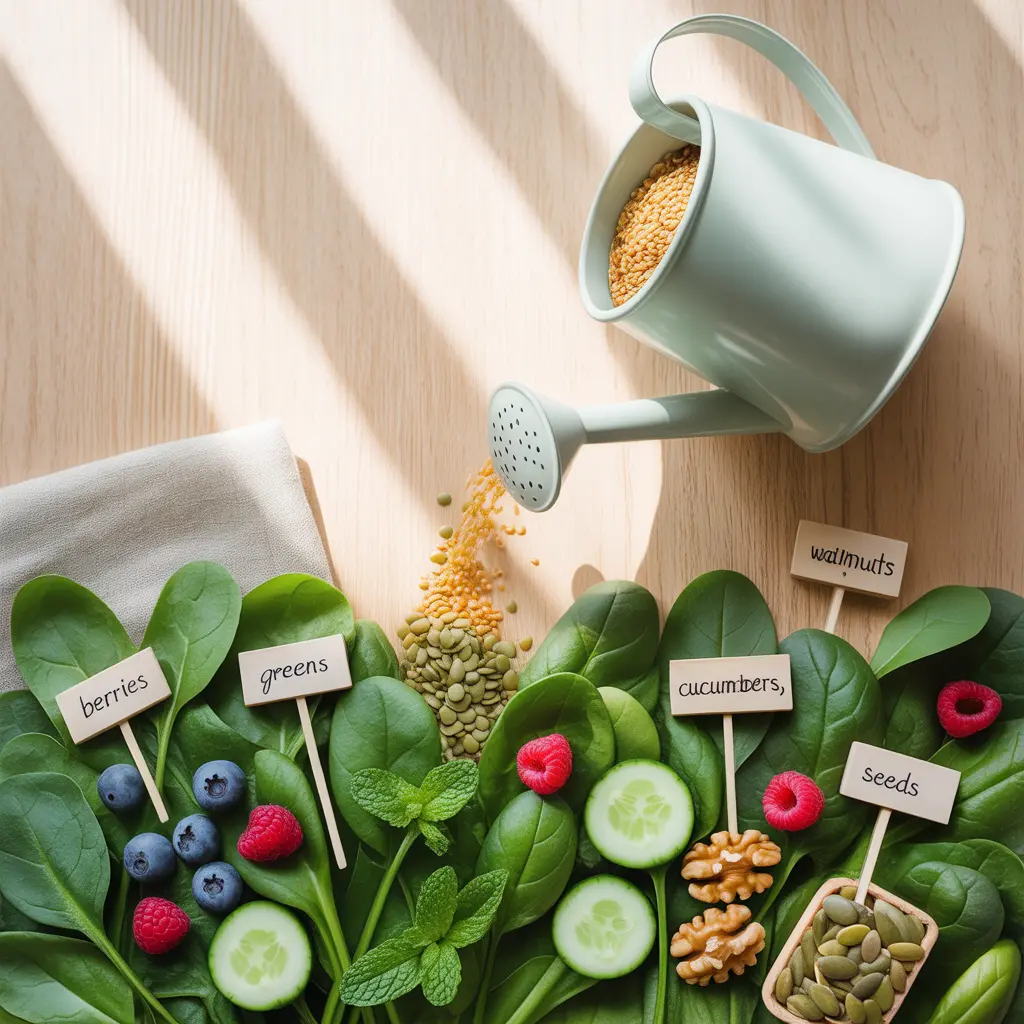
The pattern in this table is consistent and actionable. Build your daily meals around lentils and whole grains for blood sugar stability, pumpkin seeds and ground flaxseeds for zinc and omega-3, sweet potato and carrots for vitamin A, and berries for antioxidant support. These five foods address four of the six root causes of vegan diet acne simultaneously and cost very little to implement daily.
For a fully planned eating system that incorporates all of these foods in the right quantities and combinations, our complete vegan nutrition guide and our vegan supplement guide cover the full nutritional picture including skin-relevant dosing for zinc, selenium, and omega-3.
The NHS guidance on acne confirms that while the relationship between diet and acne is complex and varies between individuals, emerging clinical evidence consistently points to high glycaemic load diets and dairy consumption as the two most significant modifiable dietary factors in acne severity.
The 4 Key Nutrients for Skin on a Vegan Diet
Four nutrients have the strongest and most consistent clinical evidence for acne improvement on a vegan diet. Addressing all four simultaneously, through food first and supplementation where food sources are insufficient, produces faster and more complete results than addressing them sequentially.
Zinc is the most well-researched nutritional intervention for inflammatory acne with the most consistent clinical evidence. Mechanism: inhibits 5-alpha reductase, has antibacterial properties against P. acnes, supports skin barrier function, and reduces post-inflammatory hyperpigmentation. Best plant sources: pumpkin seeds, hemp seeds, lentils, chickpeas, oats. Supplement form: zinc gluconate or zinc picolinate 15 to 25mg daily with food. Take with food, never on an empty stomach.
Omega-3 DHA and EPA reduce the systemic and local skin inflammation that drives inflammatory acne lesions. The anti-inflammatory effect of DHA and EPA is specific to long-chain omega-3, which is not reliably produced in sufficient quantities by the body from ALA in flaxseeds and walnuts. Best source on a vegan diet: algae-based DHA and EPA supplement 500mg daily. Supporting food sources: ground flaxseeds, walnuts, chia seeds daily, olive oil as primary cooking oil.
Vitamin A (as beta-carotene) regulates skin cell turnover (the process that prevents pore clogging) and reduces the abnormal keratin production in follicle lining cells that creates the comedones underlying all acne types. The most prescribed pharmaceutical for acne, isotretinoin (Accutane), is a synthetic vitamin A derivative. Plant-based vitamin A comes as beta-carotene, which the body converts to retinol as needed. Best plant sources: sweet potato, carrots, dark leafy greens, red peppers, and pumpkin. Always consume with a small amount of fat for maximum absorption. For the full supplement picture, our vegan supplement guide covers the dosing detail for every relevant nutrient.
Selenium is an antioxidant concentrated in skin tissue that reduces oxidative damage to sebaceous glands and skin cells. Low selenium is associated with higher inflammatory acne lesion counts. Best plant source: 2 Brazil nuts daily (approximately 140 to 180mcg selenium total, covering the daily requirement precisely). Do not exceed 2 Brazil nuts daily as selenium toxicity at higher doses causes hair loss, nail brittleness, and neurological symptoms. Our vegan blood test guide covers selenium testing alongside the other panels relevant to skin health.
What to Expect and When: The Vegan Diet Acne Timeline
Setting accurate expectations is as important as knowing the correct interventions. Vegan diet acne responds at different speeds depending on which cause is driving it and how consistently the fix is applied.
Week 1 to 2. If iodine overload was the cause, rapid improvement begins within days of eliminating high-dose seaweed and spirulina supplements. This is the fastest-responding cause. Blood sugar stabilisation from replacing refined carbohydrates with legumes begins immediately and reduces new inflammatory lesions within the first two weeks for glycaemic-driven acne.
Week 3 to 6. Dairy elimination effects become visible in this window for most people. The IGF-1 and bovine androgen clearance from the body occurs over two to three weeks, after which sebum production begins to normalise. Existing lesions take an additional two to three weeks to heal. Zinc supplementation begins to show measurable effect on inflammatory lesion count within four weeks of consistent use.
Week 6 to 12. The omega-3 to omega-6 ratio shift becomes clinically meaningful in skin tissue. Inflammatory lesion redness and healing time improve noticeably. Gut microbiome diversity improvements from consistent fermented food consumption reach the threshold where the gut-skin axis benefits become visible in skin texture and inflammatory response. Most people with vegan diet acne see their new skin baseline establish in this window.
Month 3 and beyond. Post-inflammatory hyperpigmentation (the dark marks left by healed acne) fades progressively as skin cell turnover improves with adequate vitamin A and zinc. The skin barrier strengthens with consistent omega-3 and selenium sufficiency. For most people, the skin at three to four months of correct dietary management looks substantially different from the skin at the start of the process.
Patience is genuine in this context, not a platitude. The skin you see today reflects nutritional and hormonal conditions from three to four weeks ago. Every consistent dietary choice you make today is the skin you will see next month.
Frequently Asked Questions About Vegan Diet Acne
Why did my acne get worse when I went vegan?
Vegan diet acne worsens for two main reasons. First, people replace animal products with high-GI refined carbohydrates including white bread, sweetened plant milks, and processed vegan snacks, which spike insulin and drive the same androgen-sebum cycle as dairy through a different pathway. Second, a poorly planned vegan diet can be simultaneously low in zinc, omega-3, vitamin A, and selenium, all of which are critical for skin health. Going vegan does not automatically improve acne. Eating a whole food low-GI vegan diet with adequate skin-relevant nutrients does.
How long does it take for a vegan diet to clear acne?
Most people see meaningful improvement in vegan diet acne within 4 to 8 weeks when the correct cause is addressed. Dairy elimination effects typically appear within 4 to 6 weeks of complete removal. Zinc supplementation shows measurable improvement within 4 to 8 weeks. Omega-3 effects on inflammation take 6 to 10 weeks as fatty acid ratios in skin tissue shift. Gut dysbiosis takes the longest at 8 to 12 weeks of consistent fermented food consumption. Most people reach their new skin baseline at 3 months of consistent dietary change.
Does oat milk cause acne?
Sweetened oat milk can contribute to vegan diet acne because it contains added sugars that spike insulin. Multiple coffees and cereals per day with sweetened oat milk create a repeated insulin stimulus that worsens androgen-driven sebum production. Unsweetened oat milk in moderate amounts is much less problematic. The best plant milk replacement for acne-prone skin is unsweetened soy milk, which has the lowest glycaemic impact, the highest protein content of all plant milks, and no documented connection to acne in research.
Can I take zinc for vegan diet acne without a supplement?
Yes, if your diet is consistently high in pumpkin seeds, hemp seeds, lentils, chickpeas, and oats. Thirty grams of pumpkin seeds daily (approximately 3 tablespoons) provides around 4 to 5mg of zinc. The recommended daily intake is 8 to 11mg. If you are eating legumes daily alongside pumpkin seeds, dietary zinc may be sufficient. However, plant zinc bioavailability is approximately 15 to 25 percent lower than animal zinc due to phytate binding. If acne persists despite good dietary zinc sources, a 15mg supplement for 8 to 12 weeks is a low-risk intervention worth trialling.
Is spirulina good or bad for vegan diet acne?
Potentially bad for acne-prone individuals due to very high iodine content. Daily spirulina and chlorella supplementation, popular in the vegan community for their nutrient density, can provide many times the recommended daily iodine intake. Excess iodine directly stimulates sebaceous glands and worsens acne in susceptible individuals. If vegan diet acne appeared or worsened after adding spirulina to your routine, discontinue for four weeks and monitor skin response. This is one of the most frequently missed causes of vegan diet acne that does not respond to other interventions.
Your Action Plan: Clearing Vegan Diet Acne Step by Step
Work through this plan sequentially. Each step addresses the most common causes first. Stop and allow four to six weeks at each step before moving to the next.
Step 1 this week: Complete the elimination audit. Check every protein powder, protein bar, dark chocolate, and restaurant meal for hidden dairy. Eliminate all sweetened plant milks and replace with unsweetened soy milk. These two changes address the two most common causes of vegan diet acne and cost nothing to implement.
Step 2 this week: Replace your breakfast. Build the skin-targeted morning meal: oats cooked with 1 tablespoon of ground flaxseeds, 30g of pumpkin seeds, and 100g of berries. This single meal provides your daily zinc, omega-3 ALA, selenium precursor, vitamin C, and antioxidant requirements for skin in one bowl. Add 2 Brazil nuts on the side. Do this every morning for eight weeks and assess.
Step 3 this week: Replace refined carbohydrates at main meals. Lentils, chickpeas, quinoa, or whole grain alternatives as the carbohydrate base of every lunch and dinner. This flattens the insulin curve that drives glycaemic-driven acne and is the structural dietary change that all other interventions build upon.
Step 4 week 2: Add the supplements. Algae-based DHA and EPA 500mg daily. Zinc gluconate or picolinate 15 to 25mg daily with food. Discontinue spirulina and high-dose seaweed supplements if present in your current routine. Continue for a minimum of 8 weeks before assessing.
Step 5 week 3: Add fermented foods daily. Tempeh at least three times per week. A tablespoon of miso in soups or sauces. A small portion of kimchi or sauerkraut with meals. This is the gut-skin axis intervention that works on the acne causes that dairy elimination and glycaemic management cannot reach.
Vegan diet acne is not a sentence. It is a diagnostic puzzle with specific causes and specific solutions. The people who clear their skin on a plant-based diet are not luckier than those who do not. They identified their specific cause and addressed it directly. This guide gives you everything you need to do the same.
Nutritionist Approved · 5-Star Rated
28-Day Vegan Meal Plan
40+ photo-guided recipes. A complete 28-day calendar with shopping lists. Every protein, iron and B12 target already met. Saves 7+ hours weekly.