

Elevate your plant-based meals with these essential vegan cooking techniques tips. Master flavor layering, texture, and professional methods.
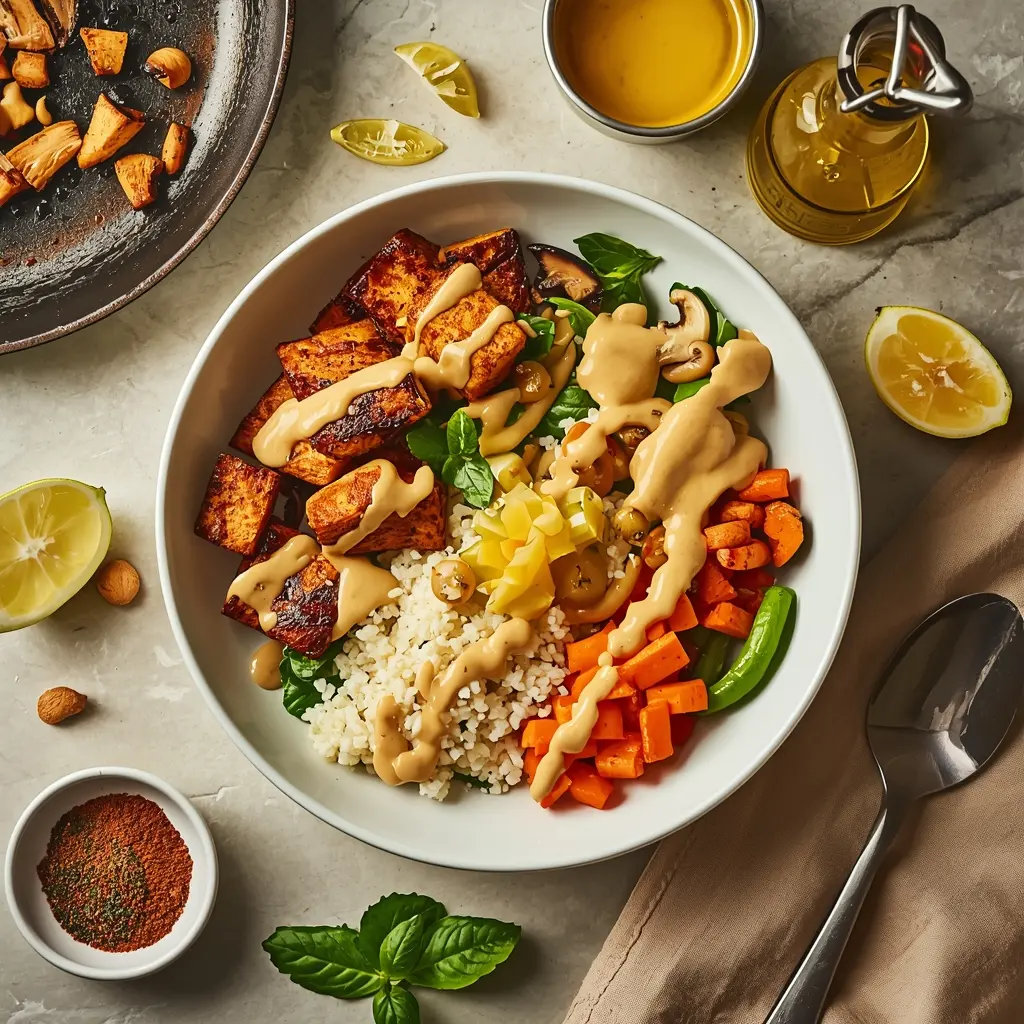
Section 1: Why Technique Matters More Than Recipes in Vegan Cooking
The journey to exceptional vegan food is often hindered by the “recipe trap”, following instructions line-by-line without understanding the why behind them. This leads to inconsistent results and culinary dependency. True freedom in the kitchen comes not from memorizing 100 recipes, but from mastering foundational vegan cooking techniques tips.
With 15 core methods, you can confidently create thousands of unique, delicious meals. This shift in mindset is the first and most important vegan cooking techniques tips principle. Consider how restaurants make humble vegetables taste extraordinary: it’s rarely a secret ingredient, but almost always superior vegan cooking techniques tips. Vegetables are the ultimate blank canvas, and technique is the brush that paints flavor, texture, and aroma.
By building culinary intuition through these vegan cooking techniques tips, you transform from a recipe follower into a creative cook. This guide distills the essential vegan cooking techniques tips used by professional chefs to turn simple, plant-based ingredients into restaurant-worthy dishes every single time.
Section 2: TECHNIQUE #1 – Proper Sautéing: The Foundation of Flavor
The Concept:
Sautéing is about high heat and constant motion. The goal is to achieve the Maillard reaction, a chemical process where sugars and amino acids brown, creating deep, complex flavors. This is a cornerstone vegan cooking techniques tips for building a flavor base. The right vegan cooking techniques tips for sautéing ensure caramelization without burning, yielding crispy exteriors and tender interiors.
The Method:
- Preheat Your Pan: Use stainless steel or cast iron. Heat until a water droplet dances and evaporates instantly.
- Add Fat: Use a high-smoke-point oil (avocado, grapeseed). It should shimmer, not smoke.
- Add Ingredients in Batches: They should sizzle aggressively on contact. Do not overcrowd, this is the most common mistake. Overcrowding drops the pan’s temperature, causing food to steam and become soggy.
- Don’t Disturb Immediately: Let ingredients sit for 30-60 seconds to develop a sear, then toss or stir frequently for even cooking.
Common Mistakes & Vegan Cooking Techniques Tips Fixes:
- Mistake: Cooking on low heat. Fix: Crank it up. Sautéing is a high-heat vegan cooking techniques tips.
- Mistake: Adding cold ingredients to a cold pan. Fix: Always preheat. This is a non-negotiable vegan cooking techniques tips.
- Mistake: Constantly stirring. Fix: Let food sit to brown. Patience is a key vegan cooking techniques tips.
What to Sauté with These Vegan Cooking Techniques Tips:
- Mushrooms: High heat drives off water, concentrating their meaty flavor.
- Pressed Tofu: Creates a golden, crispy crust.
- Aromatics (Onions, Garlic, Ginger): The first step in building layers of flavor.
- Leafy Greens (Kale, Spinach): Quickly wilts while retaining brightness, Good resources to check here.
Section 3: TECHNIQUE #2 – Roasting for Concentrated, Caramelized Goodness
The Concept:
Roasting uses dry, high-heat to caramelize natural sugars and evaporate moisture, transforming vegetables into tender, sweet, and deeply flavorful components. This simple vegan cooking techniques tips can make even the most basic vegetable a star of the meal.
The Method (Crucial Vegan Cooking Techniques Tips):
- High Heat is Key: Preheat oven to 400-450°F (200-230°C).
- Uniformity: Cut vegetables into even-sized pieces for consistent cooking.
- Dry & Coat: Pat vegetables dry, then toss with just enough oil to lightly coat. Use your hands to ensure even coverage.
- Space Them Out: Use a large sheet pan and don’t crowd. Overlapping = steaming.
- Season Liberally: Salt before roasting draws out moisture and enhances browning.
- Don’t Over-Stir: Let the vegetables develop those delicious, crispy, caramelized edges.
Pro-Level Vegan Cooking Techniques Tips for Roasting:
- Finish with Acid: Toss roasted vegetables with a splash of lemon juice or vinegar after they come out of the oven to brighten flavors.
- Use Parchment Paper: Prevents sticking and makes cleanup trivial.
- Know Your Times: Dense roots (beets, potatoes) take 35-45 mins. Tender veggies (zucchini, tomatoes) take 15-20 mins. Cruciferous (broccoli, cauliflower) take 20-30 mins.
Section 4: TECHNIQUE #3 – Building Layers of Flavor: The Order of Operations
The Concept:
Great flavor is built in layers, not added all at once. This vegan cooking techniques tips principle is about understanding that flavor compounds are often fat-soluble. By cooking aromatics and spices in oil first, you infuse the entire dish with exponentially more depth. This is the secret behind why restaurant food tastes so complex.
The Methodical Order (Essential Vegan Cooking Techniques Tips):
- Fat & Hard Aromatics: Heat oil, then cook diced onions, carrots, and celery (a mirepoix) until softened and fragrant (5-8 mins).
- Softer Aromatics: Add minced garlic, ginger, or shallots. Cook for just 30-60 seconds until fragrant, they burn easily.
- Blooming Spices: Add dried spices (cumin, paprika, curry powder) to the oil. Cook for 30 seconds until very fragrant. This “blooms” their oils.
- Liquid Foundation: Add broth, or tomatoes to deglaze the pan, scraping up the flavorful browned bits (fond).
- Main Ingredients: Add beans, lentils, or sturdy vegetables.
- Finishers: Stir in fresh herbs, a pat of vegan butter, or a squeeze of citrus off the heat to preserve their brightness.
Global Flavor Bases (Vegan Cooking Techniques Tips Template):
- Italian: Onion, celery, carrot, garlic, rosemary.
- Indian: Onion, ginger, garlic, cumin seeds, mustard seeds.
- Mexican: Onion, jalapeño, garlic, cumin, chili powder.
- Thai: Lemongrass, galangal, garlic, chili.
Section 5: TECHNIQUE #4 – Mastering Tofu: The Press & Flavor Infusion
The Concept:
Tofu is a flavor sponge, but it’s full of water. The fundamental vegan cooking techniques tips for tofu involve removing water so it can absorb marinade and achieve superior texture. Ignoring this step is why so many find tofu bland or soggy.
The Pressing Methods (Choose Your Vegan Cooking Techniques Tips):
- Traditional Press: Wrap block in a clean kitchen towel, place on a plate, top with a heavy pan or books. Press for 20-30 minutes.
- The “Lazy” Freeze-Thaw Method: Freeze the entire tofu block solid. Thaw completely (in fridge or bowl of water). Squeeze out water. This creates a spongy, chewy texture that absorbs marinade instantly, a game-changing vegan cooking techniques tips.
The Marinade Formula (A Core Vegan Cooking Techniques Tips):
A balanced marinade has four components:
- Acid (2 parts): Soy sauce, tamari, lemon juice, vinegar.
- Fat (1 part): Sesame oil, olive oil.
- Aromatics: Minced garlic, grated ginger, shallots.
- Sweetener (optional): Maple syrup, agave to balance acid.
Marinating Vegan Cooking Techniques Tips:
- Time: 30 minutes minimum, 2 hours ideal. For the freeze-thaw tofu, 15 minutes is enough.
- Container: Use a flat dish or sealable bag so all surfaces are exposed.
- Post-Marinate: Pat tofu dry before cooking for better browning.
Section 6: TECHNIQUE #5 – Umami Layering: Creating Deep, Savory Flavor
The Concept:
Umami is the savory, mouth-coating “fifth taste.” Plant-based cooking excels at umami when you know how to layer sources. This advanced vegan cooking techniques tips involves stacking multiple umami-rich ingredients for exponential depth, creating that “meaty” satisfaction without any meat.
The Umami Pantry (Vegan Cooking Techniques Tips Cheat Sheet):
- Level 1: Powerhouses: Soy sauce/tamari, miso paste, tomato paste, dried mushrooms.
- Level 2: Boosters: Nutritional yeast, liquid aminos, mushroom powder, seaweed (nori, kombu).
- Level 3: Enhancers: Caramelized onions, roasted garlic, smoked paprika, fermented foods (kimchi).
Umami Stacking in Action (Practical Vegan Cooking Techniques Tips):
- For a Rich Stew: Start with sautéed mushrooms (L1), add tomato paste (L1) and a splash of soy sauce (L1), finish with a spoonful of white miso (L1) and a sprinkle of nutritional yeast (L2).
- Quick Umami Bomb: Keep a jar of “umami paste” in your fridge: mix equal parts miso, tomato paste, and soy sauce. Add a teaspoon to soups, sauces, or dressings.
Pro Vegan Cooking Techniques Tips: Toasting nuts and seeds before adding them to a dish also enhances their innate umami compounds.
Section 7: TECHNIQUE #6 – Acid Balancing: The Final Brightening Touch
The Concept:
The most common reason home-cooked food tastes “flat” or “one-note” is a lack of acid. Acid is the highlighter of the culinary world, it makes all other flavors stand out and pop. Learning to balance with acid is a transformative vegan cooking techniques tips.
The Rule of Thumb (Vegan Cooking Techniques Tips):
Taste your dish just before serving. If it tastes “fine but not amazing,” it probably needs acid. Start with a small amount (½ tsp), stir, and taste again.
Choosing Your Acid (Vegan Cooking Techniques Tips** Guide):**
- Lemon/Lime Juice: Bright, clean. Best for Mediterranean, Mexican, or fresh sauces.
- Vinegars: Apple cider (fruity), rice (mild), balsamic (sweet). Match to the cuisine.
- Tomatoes: Provide a cooked, rounded acidity.
When to Add Acid (Critical Vegan Cooking Techniques Tips):
- Always at the end. Heat dulls the bright, volatile notes of acid.
- Add after you’ve adjusted salt, as they work synergistically.
Section 8: TECHNIQUE #7 – Creating Texture Contrast
The Concept:
The most memorable dishes engage multiple senses, including mouthfeel. A single texture is boring. The professional vegan cooking techniques tips for texture involves consciously combining creamy, crispy, soft, and crunchy elements in one dish.
The Texture Toolkit (Vegan Cooking Techniques Tips):
- Creamy: Blended cashew sauces, avocado, hummus, tahini dressing.
- Crispy: Pan-fried tofu, roasted chickpeas, toasted nuts/seeds, breadcrumbs.
- Crunchy: Fresh vegetables (radish, cucumber), crushed tortilla chips, raw cabbage.
- Chewy: Sun-dried tomatoes, tempeh, certain mushrooms.
Application Vegan Cooking Techniques Tips:
Build your bowl or plate with texture in mind:
- Soft Base: Mashed potatoes, polenta, cooked grains.
- Main Component: Could be soft (lentils) or chewy (seitan).
- Creamy Element: A drizzle of sauce or a dollop of cashew cream.
- Crispy/Crunchy Topping (The Key): This is what makes it exciting. Always add something with crunch just before serving.
Section 9: TECHNIQUE #8 – Deglazing: Capturing Lost Flavor
The Concept:
After sautéing or searing, those dark, sticky bits left in the pan (fond) are pure, concentrated flavor. Deglazing is the vegan cooking techniques tips of using liquid to dissolve those bits into an instant, flavorful sauce. It turns pan residue into gold.
The Simple Method (Vegan Cooking Techniques Tips):
- Remove cooked food from the pan.
- With pan still hot, add about ½ cup of liquid (vegetable broth, vinegar, or even water).
- Use a wooden spoon to vigorously scrape the bottom as the liquid bubbles.
- Let it reduce slightly until it coats the back of a spoon.
- Pour this sauce over your dish.
Why This Vegan Cooking Techniques Tips is Essential: It adds a layer of complex, caramelized flavor in under two minutes, elevating a simple sauté into something special.
Section 10: TECHNIQUE #9 – Blooming Spices: Unlocking Hidden Depth
The Concept:
Adding dried spices directly to a soup or stew yields only a fraction of their potential. Their flavor compounds are oil-soluble. Blooming, cooking spices briefly in hot oil, is a vegan cooking techniques tips that releases volatile oils, transforming them from dusty and raw to deep, rounded, and complex.
How-To (Vegan Cooking Techniques Tips):
After cooking your aromatics (onions, etc.), push them to the side. Add a bit more oil to the center of the pan. Add your ground spices (cumin, coriander, chili powder) and stir constantly for 30-60 seconds until incredibly fragrant. Immediately add your next liquid ingredient to stop the cooking and prevent burning.
Spices Perfect for Blooming (Vegan Cooking Techniques Tips** List):** Cumin, coriander, smoked paprika, curry powder, garam masala, mustard seeds.
Section 11: TECHNIQUE #10 – Emulsification: Creamy, Cohesive Sauces
The Concept:
Oil and water famously don’t mix, unless you create an emulsion. This vegan cooking techniques tips is the secret to velvety salad dressings that don’t separate and creamy pasta sauces without dairy. Emulsifiers (like lecithin in mustard or the starch in pasta water) bind fat and water together.
Key Vegan Cooking Techniques Tips for Emulsification:
- For Dressings: Start with your emulsifier in a bowl (Dijon mustard, tahini, miso). Add acid (vinegar/lemon) and whisk. Then, add oil in a very slow, steady stream while whisking constantly. The mixture will thicken and become creamy.
- For Pasta Sauce: Reserve 1 cup of starchy pasta cooking water. After draining, return pasta to the pot with your sauce (e.g., pesto or olive oil). Add splashes of pasta water while tossing vigorously. The starch will emulsify the fats, creating a glossy, clingy sauce.
I write a post on Vegan Meal Prep That Stays Fresh Tasty: The Ultimate Science & Storage Guide.
Section 12: TECHNIQUE #11 – Strategic Salt Layering
The Concept:
Salting only at the end results in a superficial, one-dimensional salty taste. Layering salt throughout the cooking process, a key professional vegan cooking techniques tips, seasons food from the inside out, creating a more balanced and complete flavor profile.
The Three Stages of Salt (Vegan Cooking Techniques Tips):
- Beginning: Salt vegetables as they sauté or salt the water for boiling grains/pasta. This seasons the core of the ingredient.
- Middle: Taste and adjust seasoning during simmering or reduction.
- End: Finish with a final pinch of flaky sea salt for a burst of texture and flavor on the tongue.
Vegan Cooking Techniques Tips for Pasta Water: It should taste “like the sea.” This is not hyperbole; adequately salted water is essential for flavoring the pasta itself.
Section 13: TECHNIQUE #12 – Mastering Heat Control
The Concept:
Not everything is cooked on medium-high. Different vegan cooking techniques tips require specific heat levels to achieve the desired chemical reaction (e.g., Maillard browning vs. gentle sweating).
Heat Guide (Vegan Cooking Techniques Tips** Reference):**
- High Heat: Searing, stir-frying, getting a hard sear on tofu. You want a fierce sizzle.
- Medium-High Heat: General sautéing, cooking aromatics at the start without burning.
- Medium Heat: Simmering sauces, cooking grains, gentle frying.
- Low Heat: Keeping food warm, melting chocolate, slow-cooking onions for caramelization.
Common Vegan Cooking Techniques Tips Fix: If your garlic burns before your onions soften, your heat is too high. Start aromatics on medium to medium-low to sweat them (extract moisture and flavor) without browning, then increase heat.
Section 14: TECHNIQUE #13 – Fresh Herb Finishing
The Concept:
The delicate oils in fresh herbs are destroyed by prolonged heat. The professional vegan cooking techniques tips is to treat them as a finishing element, not a cooking ingredient. This preserves their vibrant color and explosive aroma.
Herb Handling Vegan Cooking Techniques Tips:
- Hardy Herbs (rosemary, thyme, oregano): Can be added earlier in cooking.
- Soft Herbs (basil, cilantro, parsley, dill, mint): Chop just before using (to prevent oxidation) and stir in off the heat or use as a garnish.
- For Basil & Mint: Tear by hand instead of chopping with a knife to avoid bruising and blackening.
Section 15: TECHNIQUE #14 – Sauce Reduction & Concentration
The Concept:
Simmering a sauce uncovered allows water to evaporate. This simple vegan cooking techniques tips accomplishes two things: it thickens the sauce to a luxurious consistency, and it concentrates the flavors, making them more powerful and cohesive.
How-To (Vegan Cooking Techniques Tips):
After combining all sauce ingredients, bring to a simmer and let it bubble gently. Stir occasionally. The sauce is reduced enough when it coats the back of a spoon and you can draw a line through it with your finger that holds.
Section 16: TECHNIQUE #15 – The Taste, Adjust, Taste Loop
The Concept:
This is the meta-technique that ties all other vegan cooking techniques tips together. A chef’s most important tool is their spoon. You must taste your food critically and repeatedly throughout the cooking process, not just at the end.
The Framework (Essential Vegan Cooking Techniques Tips):
- Taste with a clean spoon.
- Diagnose: What’s missing or overpowering?
- Flat/Bland? → Needs acid or salt.
- Too Sharp/Harsh? → Needs fat (oil, nut butter) or a pinch of sweetness.
- One-Dimensional? → Needs umami (soy, nutritional yeast) or freshness (herbs).
- Adjust in tiny increments.
- Taste Again. Repeat until balanced.
Mastering these 15 vegan cooking techniques tips will fundamentally change your relationship with plant-based cooking. You’ll move beyond recipes, waste less food on failed experiments, and gain the confidence to create delicious, satisfying meals from whatever you have on hand. These vegan cooking techniques tips are your passport from following instructions to writing your own culinary story.
P.S. I’ve bundled everything for your first month into one easy 28-Day Vegan Meal Plan, including grocery lists and nutrition guides. Grab your copy here.
Want to try before you buy?
Enter your email below to get 2 free recipes instantly: